filter_list Showing 4 results for "Blu" close Clear
dashboard All 57 museum exhibitions 28trending_up market 14article local 6article culture 4article news 2person people 2rate_review review 1
date_range Range Today This Week This Month All
Subscribe

The Guardian view on the legacy of the Festival of Britain: look to the future | Editorial

The Guardian editorial reflects on the 75th anniversary of the Festival of Britain, launched by King George VI on 3 May 1951 as a "tonic" for a war-weary nation. It highlights the festival's most enduring legacy: the construction of the South Bank, including the Royal Festival Hall, which later became the Southbank Centre—the UK's largest arts complex. This summer, commemorations include poems from London schoolchildren projected onto its walls and a mobile poetry library visiting coastal towns, recreating the journey of the repurposed naval ship Campania. The festival, a triumph for the Labour government, faced critics like Evelyn Waugh and Noël Coward, and much of its physical infrastructure was demolished by the incoming Conservative government, save for the Royal Festival Hall.

Sur Arte Radio et dans une expo, l’enquête d’Adrianna Wallis sur les traces de sa grand-mère peintre spoliée par les nazis

Artist Adrianna Wallis (born 1981) discovers that her paternal grandmother, painter Diane Esmond (1910–1981), was a victim of Nazi looting during World War II. After being contacted by historians Patricia Helletzgruber and Sophie Juliard, Wallis learns that much of Esmond's work was systematically destroyed by the ERR, the Nazi organization responsible for art theft in occupied countries. This revelation sparks a personal investigation that becomes a podcast for Arte Radio titled "Il restera la gravité," blending documentary, autobiographical inquiry, and sound installation. Wallis delves into archives, examining microfilms and lists that detail 46 of Esmond's paintings—each methodically described and declared destroyed, such as "Woman in blue evening dress: annihilated."

8 Art Films Worth Watching in May

8 Kunstfilme, die sich im Mai lohnen

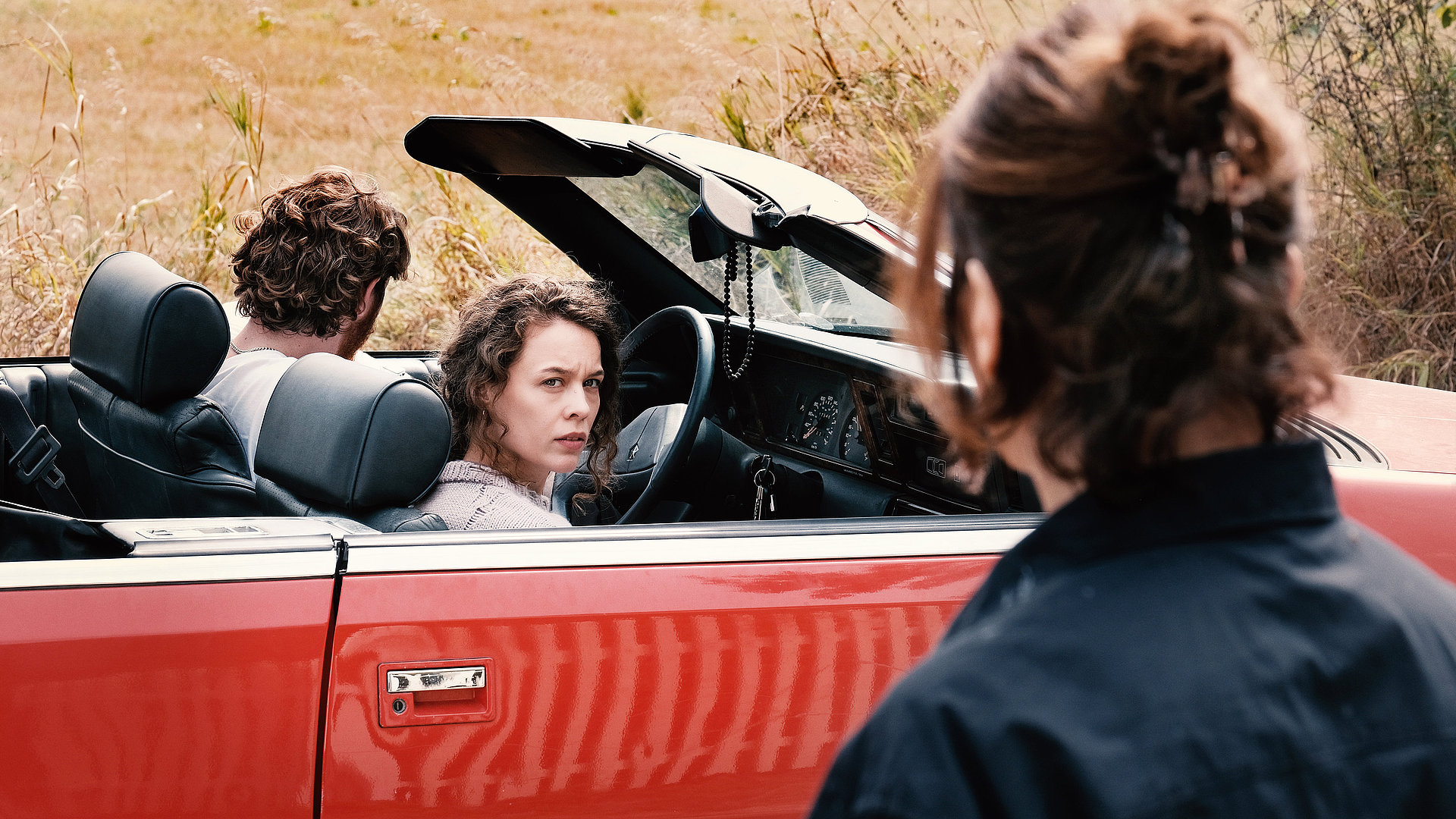
Monopol magazine presents eight art films worth streaming in May, including a documentary featuring 40,000 slides from critic Jerry Saltz capturing the 1990s New York art scene, Shirin Neshat's film "Women Without Men" about women in 1953 Tehran, Christian Petzold's new film "Miroirs No. 3," and a documentary on the Shroud of Turin. The roundup also includes a politically charged drama directed by Yael Bartana and a Dada-metal film, offering a diverse selection of art-related cinema.

Khaled Sabsabi: Splintered Worlds

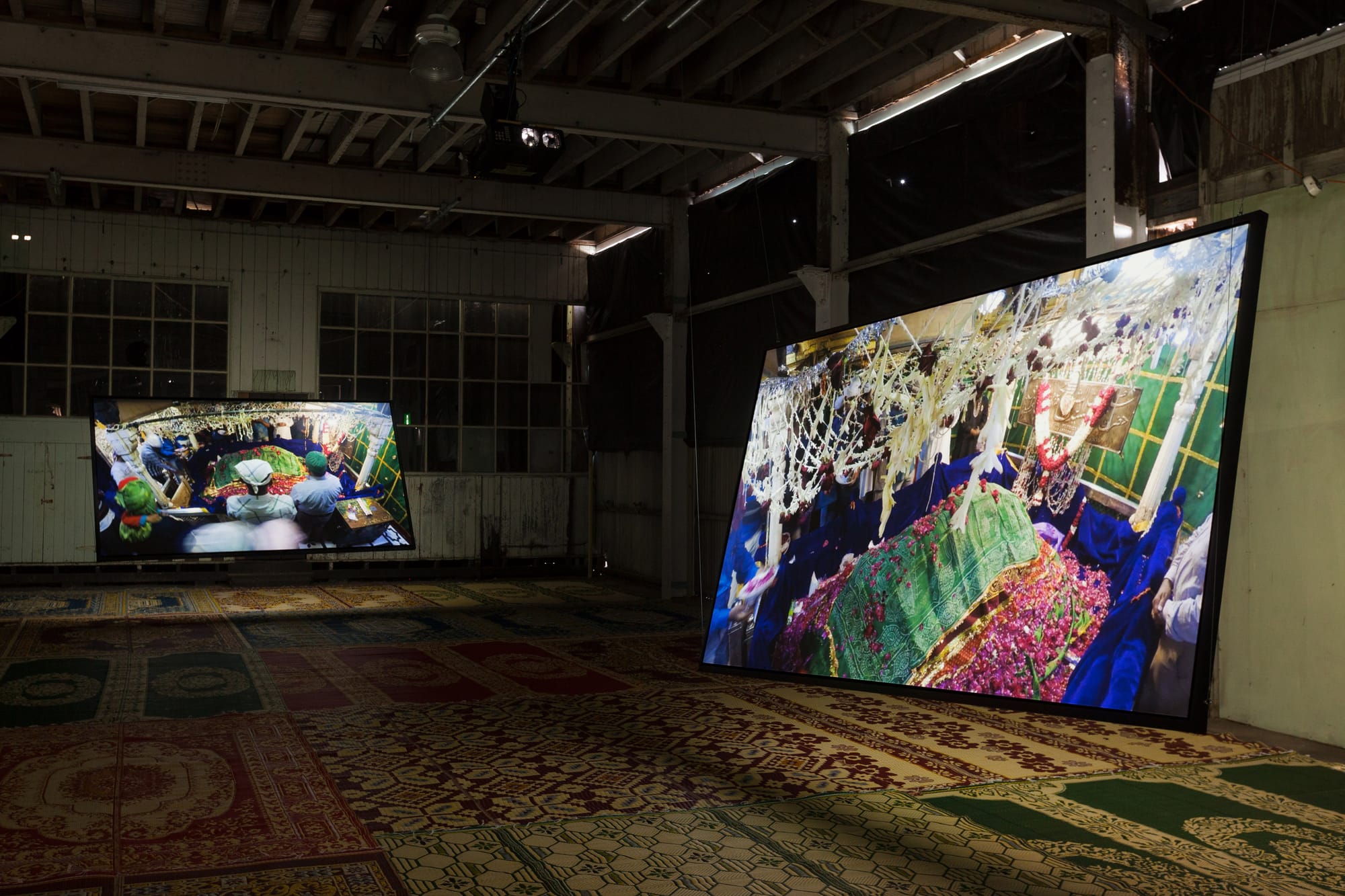
Khaled Sabsabi, a Lebanese Australian artist, explores the intersection of spirituality and perception through video and mixed-media installations rooted in Sufism. His work, such as the 18-minute video *Lefke Morning* (2012–18), captures the Naqshbandi-Haqqani Sufi Order's dawn meditations, using blurred imagery and soundscapes to challenge Islamophobic media tropes and evoke a sense of unity. Sabsabi's practice also draws on hip-hop, which he performed as "Peacefender" in the 1980s, using music to address social issues and support marginalized communities in Western Sydney.