filter_list Showing 6 results for "Borne" close Clear
search
dashboard All 106 museum exhibitions 47article news 14article local 14trending_up market 12article culture 6article policy 5gavel restitution 4person people 2article event 1candle obituary 1
date_range Range Today This Week This Month All
Subscribe

The Contemporary Art Destinations Gallerists and Artists Have on Their Radar

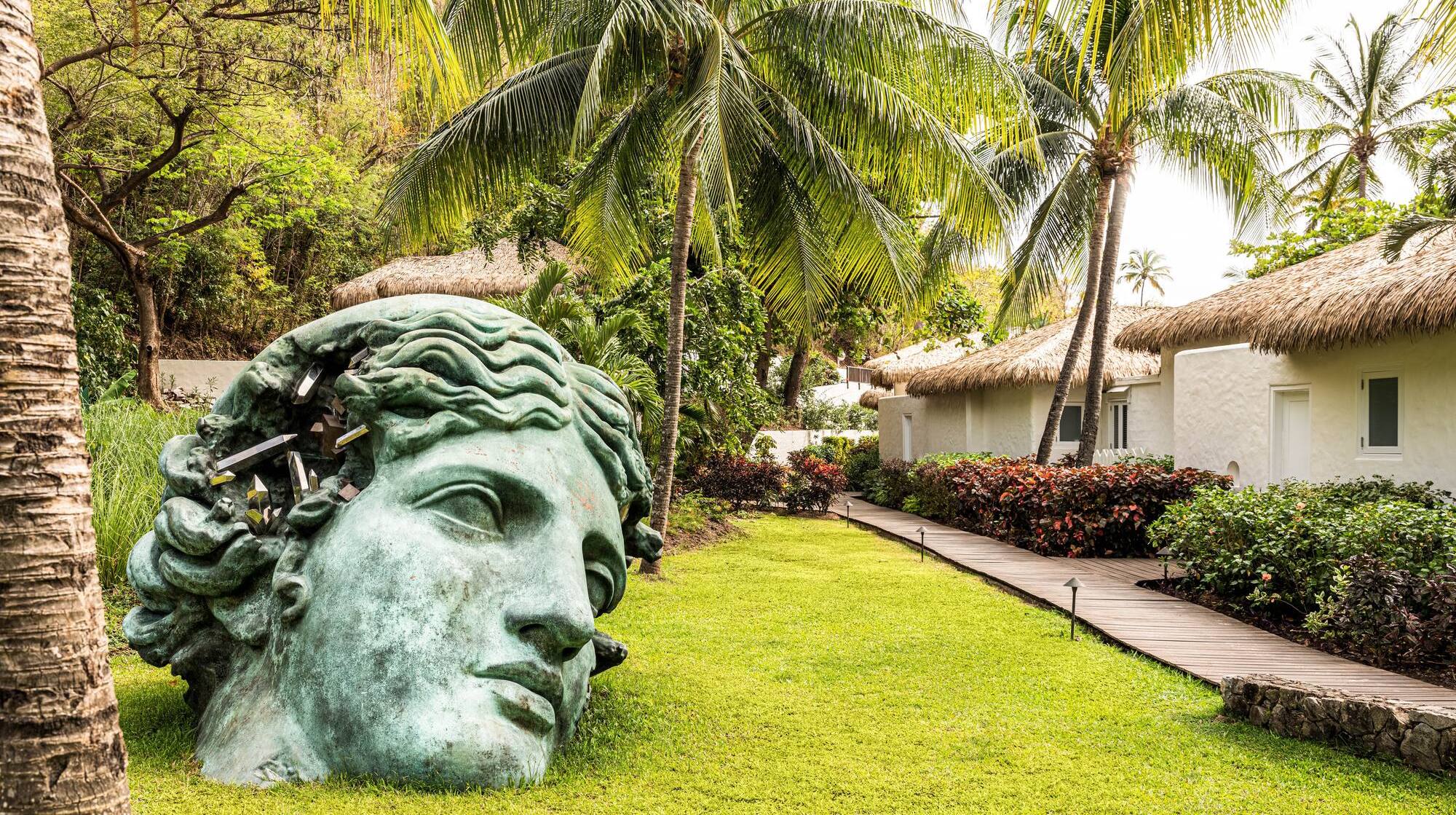
WWD asked top international gallerists, collectors, and artists to name the cities they find most exciting for contemporary art. Karen and Christian Boros recommend Naples and the Amalfi Coast, highlighting galleries like Galleria Giangiacomo Rossetti, Thomas Dane Gallery, and Lia Rumma, as well as Fondazione Morra Greco and Le Sirenuse hotel. Daniel Arsham points to Sugar Beach in St. Lucia for its large contemporary sculpture collection. Jean-Michel Othoniel champions South Korea, citing Seoul's Leeum Samsung Museum of Art, Kukje Gallery, and the Kiaf Seoul fair, plus the city of Busan. Emma Lavigne of the Pinault Collection names Venice, especially during the Biennale Arte di Venezia, as an essential destination.
After dinosaurs, it’s spot the dog! But can a child really learn anything in a gallery?

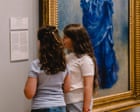
Neil Osborne and his three-year-old daughter Daisy visit the National Museum Cardiff (NMC), where they explore both dinosaur exhibits and art galleries. Daisy, like many toddlers, engages with paintings by describing what she sees—calling a JMW Turner seascape "a fish." The article follows the author as she investigates whether children under five can learn from art in museums, speaking with parents and Catrin Rowlands, head of learning at NMC. NMC is one of 15 UK museums participating in Mini Wonders, a fully funded program by Art Fund and Nesta that offers eight-week courses for families from disadvantaged backgrounds, providing digital cameras and scrapbooks to encourage repeated museum visits and school readiness.

wuthering heights art history

The article explores how Emily Brontë's novel *Wuthering Heights* has inspired visual artists across different eras. It details specific works by English artist Edna Clarke Hall, who created hundreds of sketches and watercolors reflecting her personal connection to the story's themes of isolation and turmoil, and by Polish-French modernist Balthus, who produced a series of ink illustrations focusing on the childhood trauma of the protagonists.

simon de pury photos art

The author recounts a visit to the Prado in Madrid, where his attempt to photograph a portrait by Alonso Sánchez Coello was blocked by a guard enforcing a strict no-photography policy. This experience leads him to reflect on the evolution of museum mementos, from postcards—which he used to buy and even had his children select as a curatorial exercise—to the role of social media in sharing art. He recalls his time as curator of the Thyssen-Bornemisza Collection, where postcard sales were a key revenue and popularity gauge, and notes that Instagram now serves as a virtual window into exhibitions and art fairs like Art Basel Miami.

Madrid: Hypnotic Laugh Track by Manga Ngcobo

Writer Manga Ngcobo reflects on the architectural and cultural landscape of Madrid in early 2025, juxtaposing the city's historic art institutions with its rapid technological and commercial evolution. Drawing on Ben Lerner’s novel 'Leaving the Atocha Station', the piece explores the growing disconnect between the profound emotional experiences promised by masters like Velázquez and Goya and the reality of a city increasingly designed for content creation, retail aesthetics, and digital consumption.

Arts of Oceania

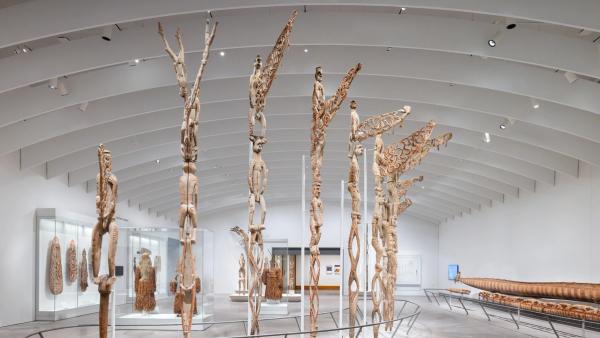
The article explores the rich artistic traditions of Oceania, emphasizing how the vast network of islands and ocean passageways fostered a dynamic exchange of cultures, materials, and ideas over millennia. It describes Oceanic art as vessels for metaphysical journeys, with objects like fishhooks, stick charts, and carved figures serving as tangible expressions of ancestral power and cultural knowledge. The text highlights the role of artists as chiefs and orators who manipulate local materials to manifest spirits, and traces the region's entanglements with European colonial powers from the sixteenth century onward.