filter_list Showing 18 results for "CAM" close Clear
dashboard All 275 museum exhibitions 106article news 53article local 26article culture 18article policy 17person people 14candle obituary 13rate_review review 12trending_up market 11gavel restitution 5
date_range Range Today This Week This Month All
Subscribe

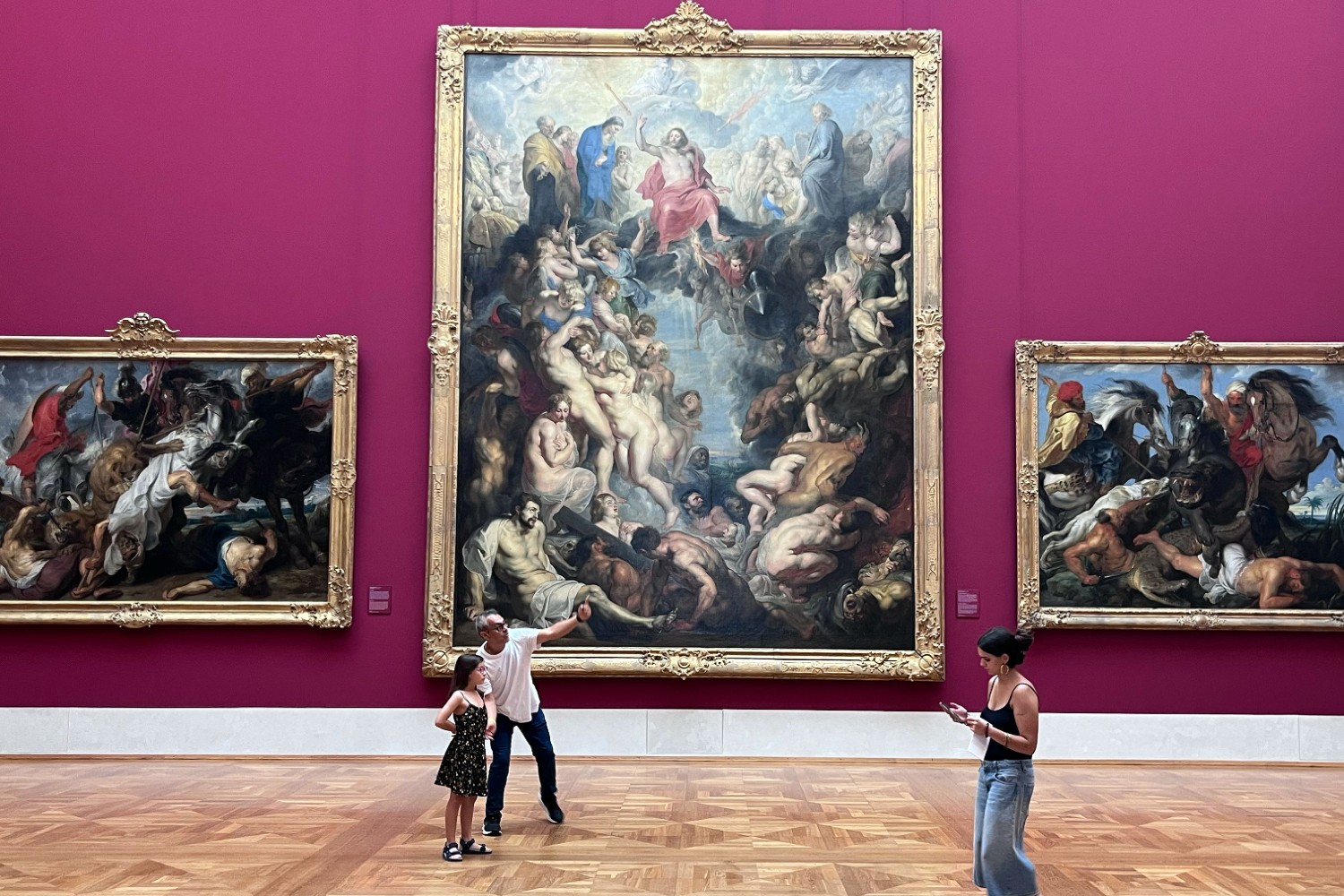
How to Take Great Photographs of Art, According to Artists

Contemporary gallery-going has become synonymous with digital documentation, as visitors increasingly use smartphones to capture paintings, sculptures, and installations. This shift from passive observation to active photography serves as a method of personal archiving, allowing viewers to preserve the fleeting experience of a physical exhibition and share it within their social circles.
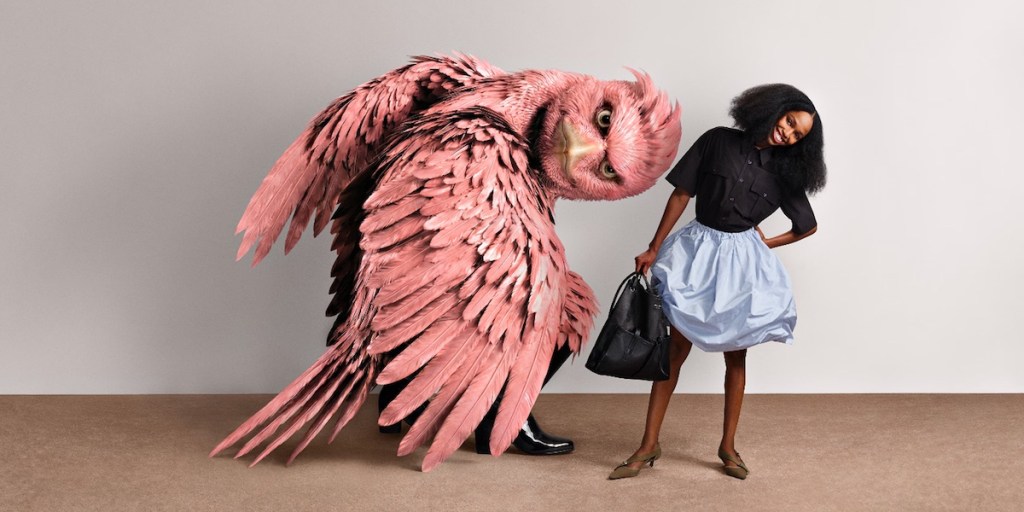
Jordan Wolfson’s Newest Provocation Is a Creepy Prada Ad Campaign

Artist Jordan Wolfson has directed a new advertising campaign for Prada's Spring/Summer 2026 collection. The campaign, titled "I, I, I, I AM… PRADA," features unsettling, computer-generated birds and a bird-man hybrid alongside models including actors Carey Mulligan, Nicholas Hoult, Damson Idris, and Hunter Schafer, continuing Wolfson's signature style of disturbing digital avatars.

Spring 2026 to Feature New Documentaries, Screenings, Artist Talks, and a New Episode of Art in the Twenty-First Century

Art21 has announced its spring 2026 programming lineup, which includes new documentary premieres, film screenings, artist talks, and the second episode of the 12th season of its flagship series 'Art in the Twenty-First Century.' The season features artists such as Tomás Saraceno, Njideka Akunyili Crosby, Camille Henrot, and Ragnar Kjartansson, and coincides with the series' 25th anniversary.

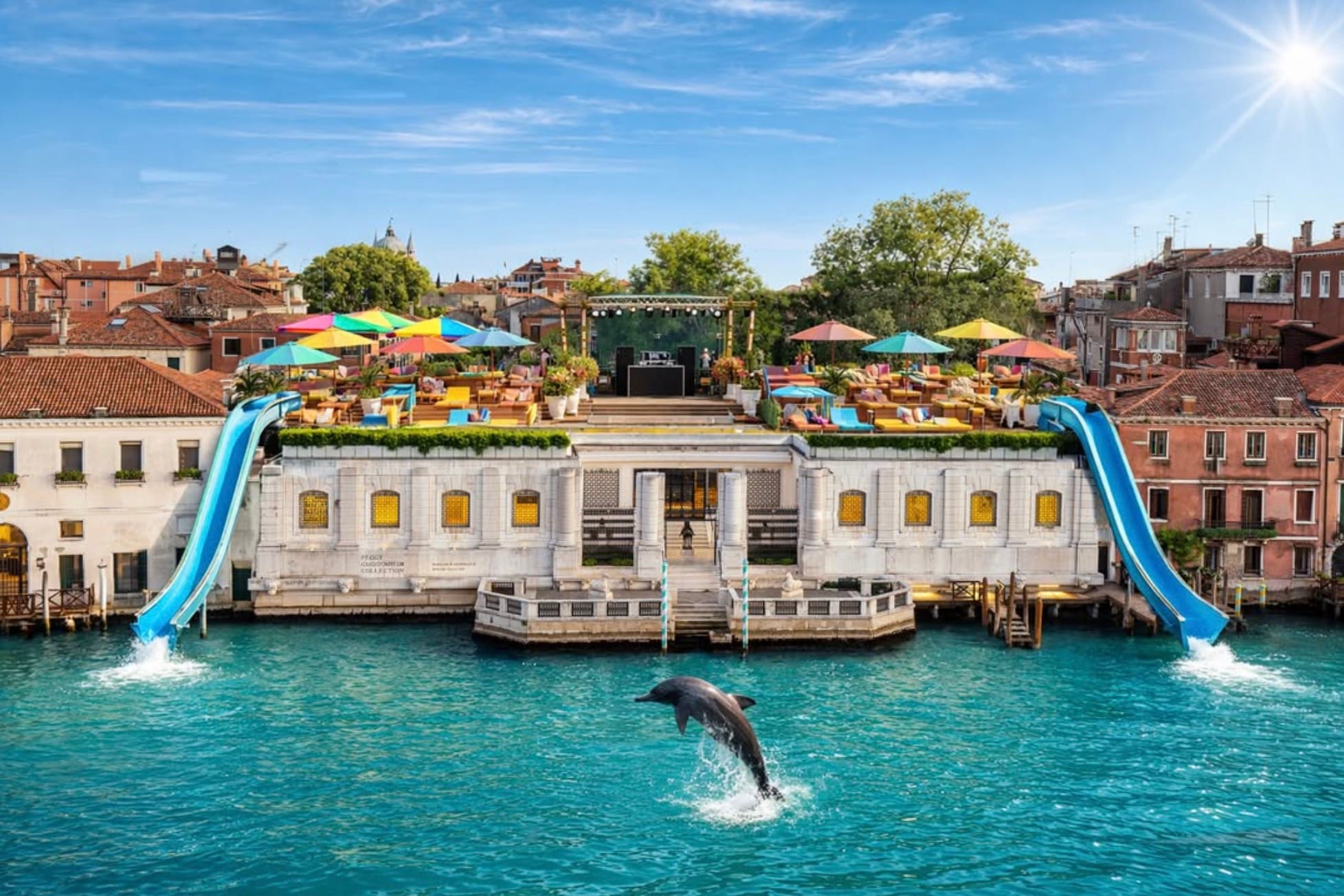
The Best April Fools’ Jokes in the Art World This Year

Hyperallergic compiled a list of notable April Fools' Day pranks executed by major arts and cultural institutions in 2025. The jokes included the Morgan Library and Museum pretending to give its ornate interior a cheap "Landlord Special" makeover, the New York Public Library announcing it would replace its iconic lion statues with beaver sculptures, and the Brooklyn Museum and Brooklyn Botanic Garden proposing a whimsical, amusement park-style tunnel connecting their campuses.

A Place of Perpetual Warmth: Hyde Park Art Center and the Making of Chicago’s Creative Identity

The Hyde Park Art Center (HPAC) stands as a vital pillar of Chicago’s grassroots creative identity, serving for eighty-six years as an unpretentious alternative to the city's major encyclopedic museums. From its early days under curator Don Baum, the center became a catalyst for the avant-garde, famously launching the careers of the Chicago Imagists and the Hairy Who. Today, it continues to function as a multifaceted ecosystem that blends community education, artist residencies, and experimental exhibitions within a residential neighborhood setting.

Painting Has Entered Its Performance Era

The rise of short-form video platforms like Instagram and TikTok has transformed painting from a static medium into a performative spectacle. To compete with algorithmic preferences for transformation and speed, artists are adopting specific visual grammars such as the "art reveal"—where a canvas is dramatically flipped toward the camera—and "speed painting," which turns the creation process into a high-stakes live event. These trends emphasize the labor and human presence behind the work, often utilizing emotional storytelling and direct engagement to build dedicated fanbases outside traditional gallery structures.

Space: the ultimate wardrobe challenge – in pictures

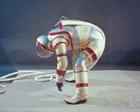
Thames and Hudson has released Space Journal: The Art and Science of Cosmic Exploration, a new visual compendium curated by BBC presenter Dallas Campbell. The book chronicles humanity’s aesthetic and technical obsession with the cosmos, featuring a diverse array of archival imagery ranging from 17th-century illustrations and 1930s rocket experiments to high-fidelity spacesuit replicas and mid-century astronomical art.

Simultaneous or Poly-Cinema

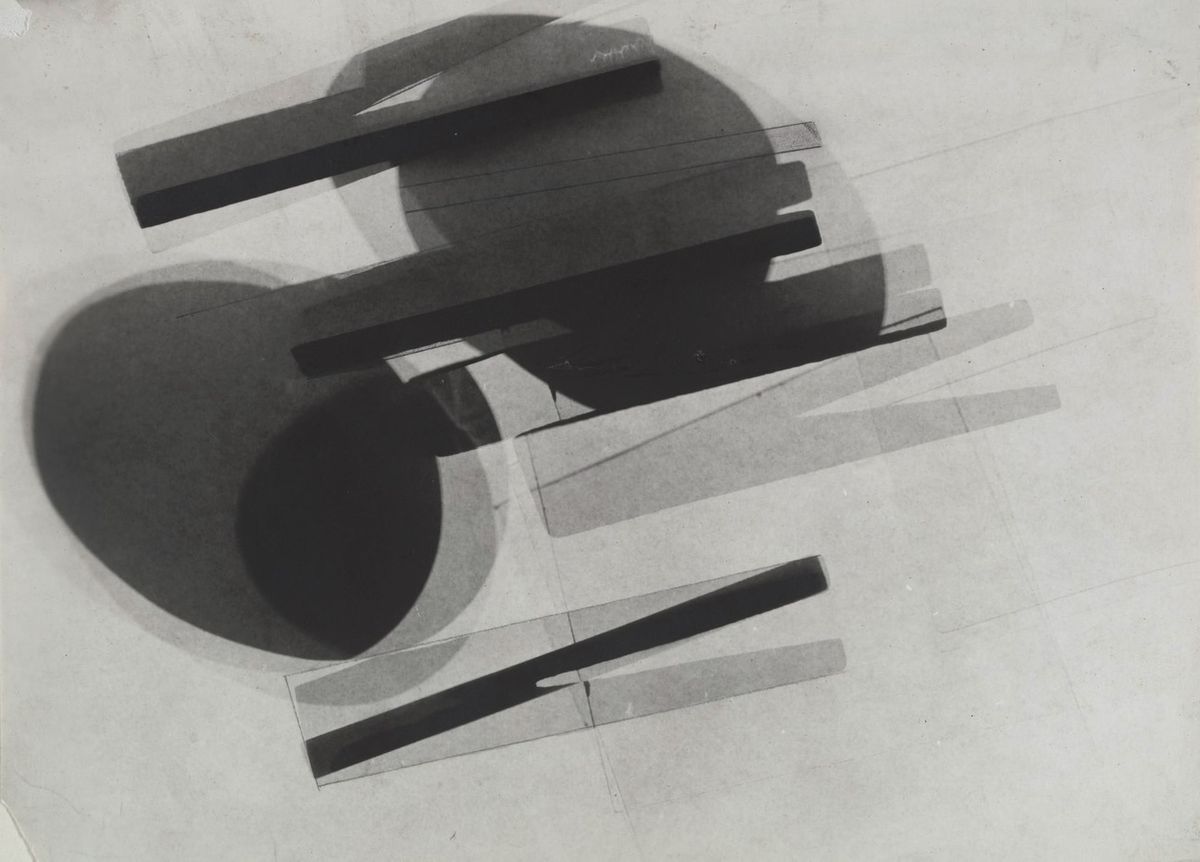
The Bauhaus artist László Moholy-Nagy proposes a radical departure from traditional filmmaking in his 1925 text, "Simultaneous or Poly-Cinema." He envisions a cinematic experience that moves beyond the static, rectangular screen, suggesting instead curved, spherical, or multi-planar surfaces that can accommodate multiple simultaneous projections. By utilizing rotating prisms and intersecting film strips, Moholy-Nagy describes a system where different narrative threads—such as the lives of multiple characters—can physically overlap and merge, creating a dynamic architectural arrangement of light and movement.

A truckload of F1 KitKats, a painting of fish: what is it that makes heists so delicious? | Imogen West-Knights

The article explores the curious public fascination with high-profile heists, using two recent examples as a springboard: the theft of 12 tons of Formula 1-themed KitKats from a truck in Italy and the robbery of paintings by Renoir, Cézanne, and Matisse from a museum in northern Italy. The author notes that such stories reliably go viral, not due to outrage but because people find them thrilling and even amusing, especially when the victims are large corporations or when the crime feels audacious and tangible.

An English Countryside Home That Became Lovelier the More It Fell Apart

The article profiles the unique aesthetic and historical significance of Kettle's Yard, a house in Cambridge, England, created by Jim Ede. Ede, a former Tate curator, transformed a series of dilapidated cottages into a living work of art and a haven for modern artists in the mid-20th century. He filled the space with a carefully arranged collection of modern art, natural objects, and furniture, embracing the building's worn, imperfect character rather than restoring it to pristine condition.

The Distance Between Art and Survival in Rojava

The article is a first-person dispatch from Rojava, a Kurdish-majority region in northeastern Syria, where the author meets artists and fighters living and working on the front lines against jihadist groups. It focuses on artist Diyar Hesso, who has exchanged his camera for a rifle, and YPJ fighter Hevi, who articulates the necessity of armed self-defense for women facing a genocidal enemy. Their stories illustrate the impossible choice between artistic creation and survival in a war zone.

A Delightful Short Film Highlights the Remarkable Self-Taught Art of George Voronovsky

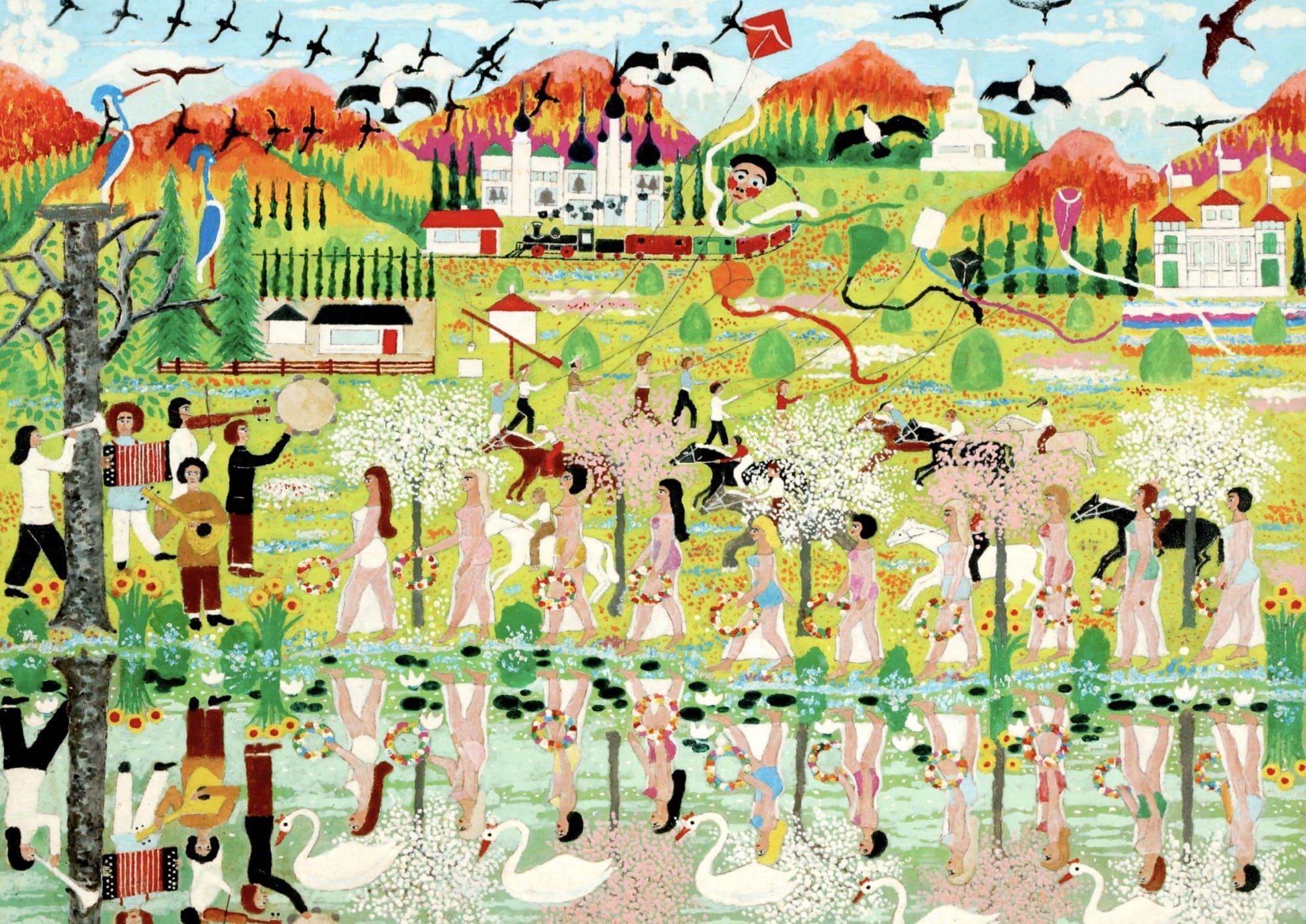
Ukrainian-born artist Jonko “George” Voronovsky transformed his modest retirement room at Miami’s Colony Hotel into a dense, vibrant sanctuary of over 5,000 artworks. After surviving the horrors of the Russian Revolution, Nazi labor camps, and permanent separation from his family, Voronovsky immigrated to the U.S. and spent his final years creating "memoryscapes." These works, crafted from found materials like pizza boxes and soda cans, depicted idyllic, colorful scenes of his youth in Ukraine, contrasting sharply with the trauma of his past.

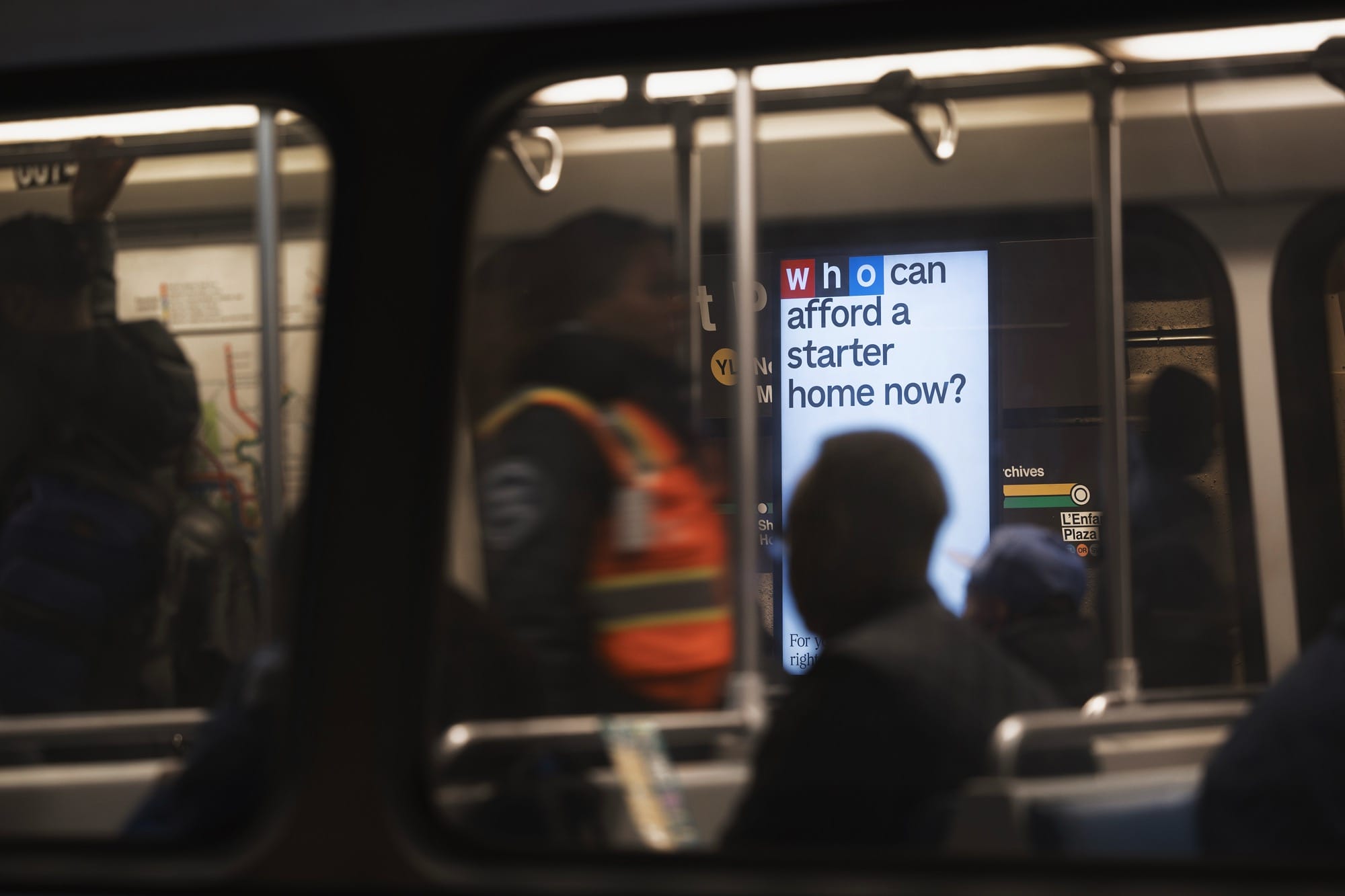
Mischief’s Genius Ads for NPR Provoke Urgent Questions About the Right to Information

In mid-2025, the Trump administration rescinded $9 billion in public media funding, including $1.1 billion for the Corporation for Public Broadcasting (CBP), which subsequently voted to dissolve. While NPR stated its mission would continue unchanged, the cuts disproportionately impacted rural member stations that relied on CBP for about 13% of their revenue, threatening local access to public media.

Wicked Stepmother No Longer, a Female Pharoah Gets a Reputational Makeover

A new analysis of damaged statues from ancient Egypt is reshaping the historical narrative of Queen Hatshepsut. Researchers have re-examined 3,500-year-old statuary, finding evidence that the deliberate defacement of her images occurred decades after her death, challenging the long-held belief that her successor, Thutmose III, orchestrated an immediate campaign of destruction against her legacy out of personal animosity.

‘The shadows, the figures playing basketball … I waited for the magic to appear – then it did’: José Luis Morales Martín’s best phone picture

Architect José Luis Morales Martín captured a photograph of two teenagers playing basketball in his Madrid apartment complex's courtyard from his living room window. He was struck by the interplay of light, shadow, and geometry, using his phone to seize the moment when the scene's 'magic' became apparent.

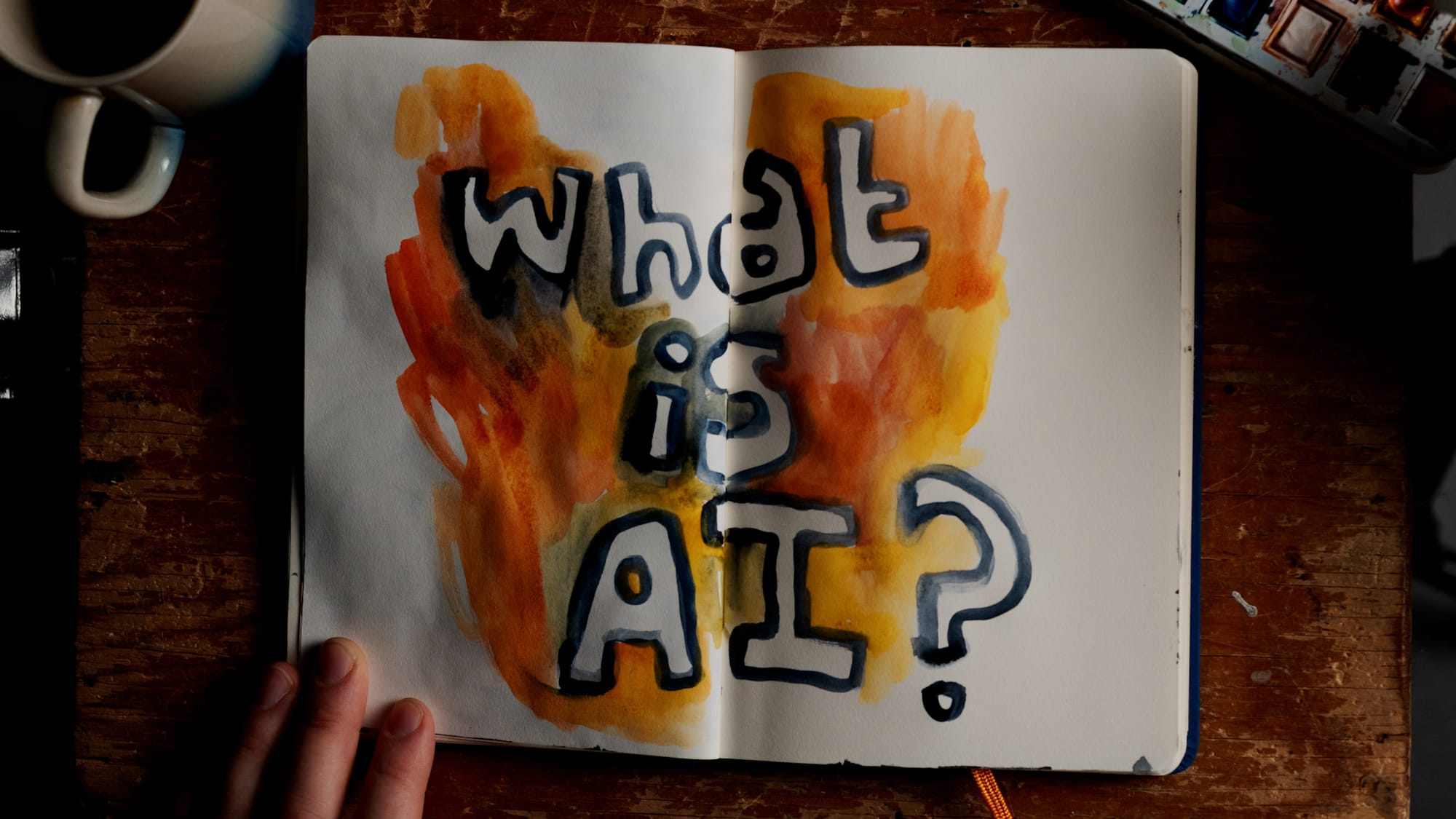
How to Survive AI

Two documentaries premiering at the 2026 Sundance Film Festival directly confront the discourse surrounding artificial intelligence. Valerie Veatch's 'Ghost in the Machine' traces the racist, eugenicist origins of AI research, linking it to a history of American techno-fascism, while Daniel Roher and Charlie Tyrell's 'The AI Doc: Or How I Became an Apocaloptimist' offers a more measured, personal exploration of public anxieties about the technology.

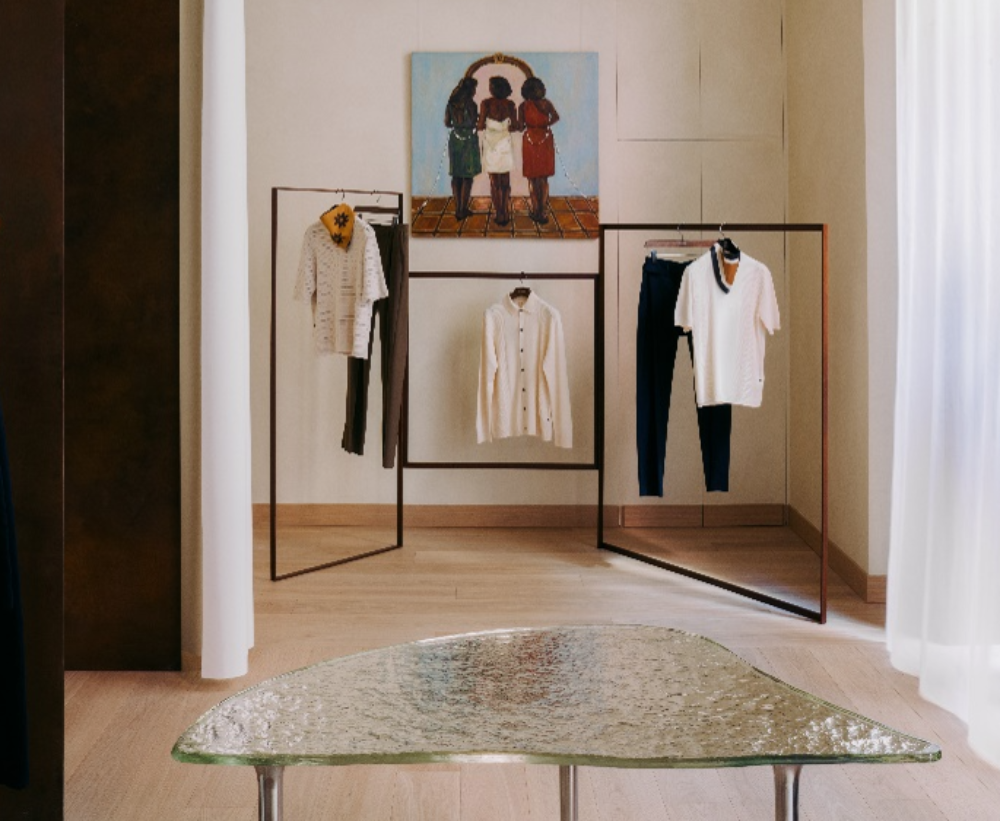
Shopping Experience: How Has the Way of Experiencing Luxury Changed?

Shopping experience: com’è cambiato il modo di vivere il lusso?

Luxury retail in Milan is undergoing a significant transformation, evolving from simple commercial spaces into 'cultural brandscapes' that blend art, design, and hospitality. Major fashion houses are redesigning their flagship stores to function as urban salons and living galleries, integrating site-specific art installations, historical architecture, and high-end gastronomy to foster community and tangible experiences in an increasingly digital world.

It's Time to Give Annibale Carracci Some of Rembrandt's Spotlight

its time to give annibale carracci some of rembrandts spotlight 2742854

This article advocates for a critical re-evaluation of the Italian Baroque painter Annibale Carracci, arguing that his historical significance and artistic influence rival that of the more widely celebrated Rembrandt van Rijn. While Rembrandt has dominated recent museum headlines and auction records, the author highlights Carracci’s foundational role in establishing the Accademia degli Incamminati in Bologna, which revolutionized art education by prioritizing life drawing and elevating the social status of artists from mere craftsmen to intellectual creators.