filter_list Showing 136 results for "CORE" close Clear
search
dashboard All 1949 museum exhibitions 1061article local 260trending_up market 170article news 157article culture 136rate_review review 46person people 43candle obituary 30article policy 26gavel restitution 20
date_range Range Today This Week This Month All
Subscribe

‘A gift that keeps on giving’: the witty world of Lee Friedlander – in pictures

The Guardian published a photo essay celebrating American photographer Lee Friedlander, featuring images from his career spanning the 1950s to the 2010s. The article highlights his new book "Life Still," published by Aperture, which collects over 130 photographs—most previously unpublished—showcasing his signature wit and his eye for the American social landscape, including chain link fences, roadside signs, and still lifes. The piece includes commentary from curator Peter Galassi and notes Friedlander's influences from Walker Evans and Robert Frank.
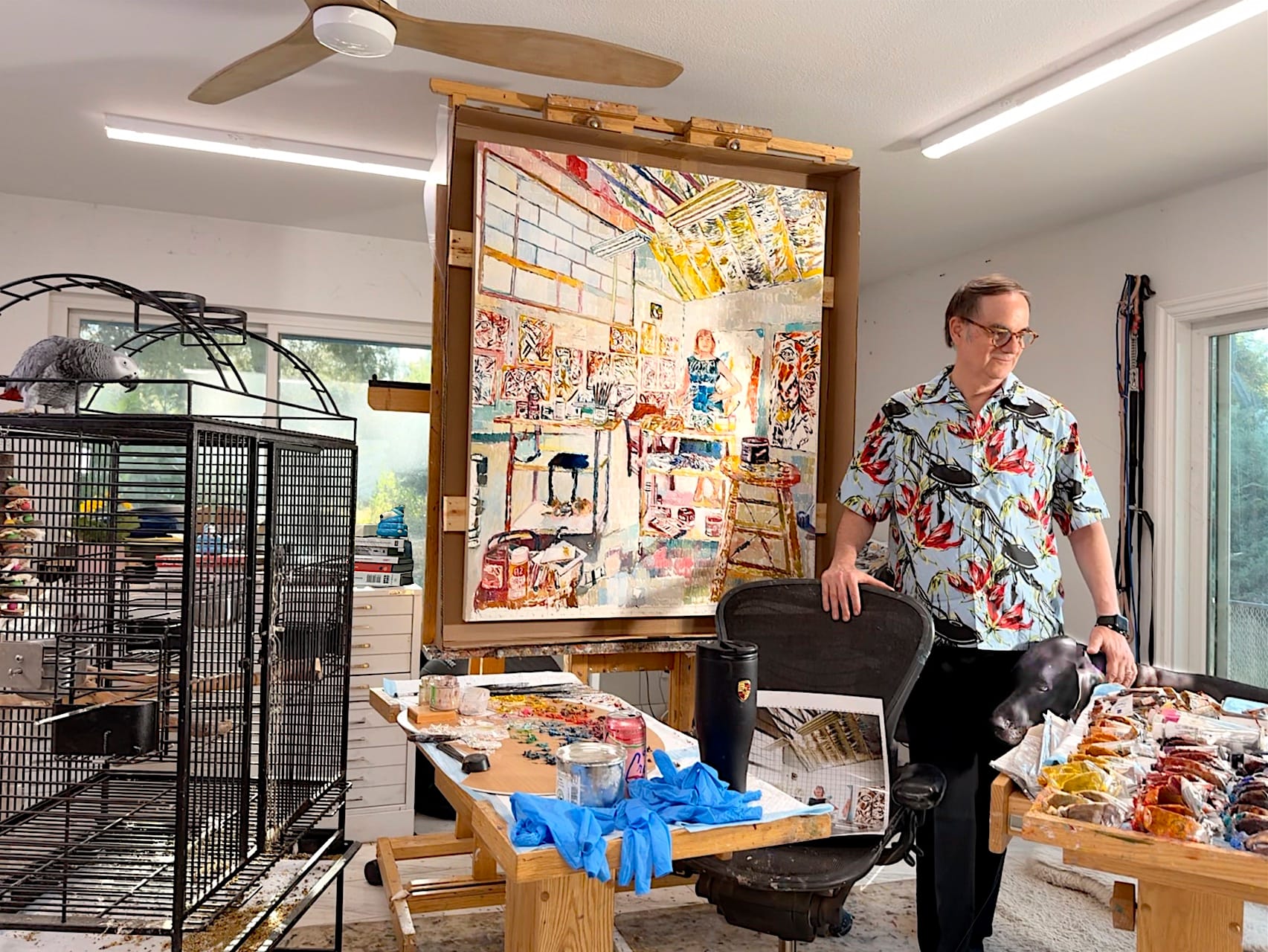
Beer With a Painter: Keith Mayerson

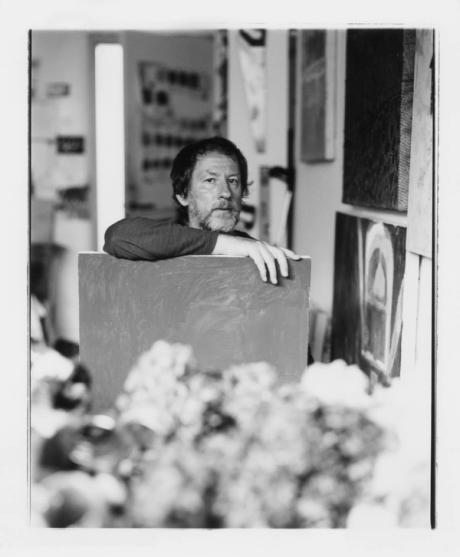
Hyperallergic interviews Los Angeles-based painter Keith Mayerson, who discusses his ongoing 'My American Dream' series—a cosmology of paintings blending American identity, activism, and popular culture. The conversation covers his early influences from comics, the Muppets, and Hunter S. Thompson, his transition from cartooning to painting, and his vibratory, swirling brushwork. Mayerson's work has been featured in the 2014 Whitney Biennial and is currently on view at the Aspen Art Museum and the Pollock-Krasner House.

Here’s How Stars at the 2026 Met Gala Nodded to Art History

The 2026 Met Gala, themed "Fashion Is Art," saw celebrities and fashion figures wearing outfits directly inspired by or referencing iconic artworks and art historical movements. Notable nods included Chloe Malle in a gown referencing Frederic Leighton's *Flaming June*, Lauren Sánchez Bezos in a Schiaparelli dress echoing John Singer Sargent's *Madame X*, and Hunter Schafer channeling Gustav Klimt's portrait *Mäda Primavesi*. Other attendees like Anne Hathaway, Hailey Bieber, and Karan Johar also drew from specific paintings, sculptures, and poems, while stylist Law Roach wore a hand-painted piece by Gabonese artist Naïla Opiangah.

The Defining Themes of Today’s Biennial Art

The article analyzes the defining themes and styles of the past four years in the international biennial circuit, based on a survey of 130 biennials. It identifies a core group of artists who appeared most frequently, including Ali Eyal, Apichatpong Weerasethakul, Carolina Caycedo, Kapwani Kiwanga, and Tuan Andrew Nguyen, among others. Many of these artists are also featured in the upcoming 61st Venice Biennale curated by the late Koyo Kouoh. The piece categorizes their work under two broad themes: "Post-Colonial Post-Conceptualism," which involves poetic engagement with colonial history and artifacts, and "Families and Networks," where artists explore personal and political family histories.

Artists made their mark at 2026 Met Gala

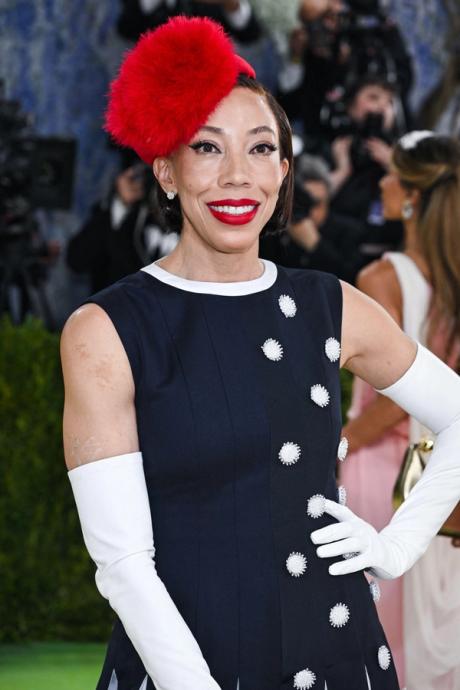
The 2026 Met Gala, held on May 4 at the Metropolitan Museum of Art, raised a record $42 million for the Costume Institute, surpassing last year's $31 million. Honorary chairs Jeff Bezos and Lauren Sanchez Bezos contributed at least $10 million, but their involvement sparked protests outside the event, with demonstrators holding signs like "Tax the Rich" and a group called Everyone Hates Elon leaving fake urine bottles labeled with Bezos's face. Inside, artists made a strong impression: Amy Sherald wore a Thom Browne look based on her painting; Jordan Roth donned a Robert Wun outfit inspired by a Met collection work; and Tschabalala Self collaborated with Brandon Blackwood on a gown evoking Degas's ballerina sculpture. The gala's dress code was "fashion is art," and the accompanying exhibition, "Costume Art" (May 10–January 10, 2027), debuts the Met's new 12,000-square-foot Condé M. Nast Galleries.

10 Artists to Follow if You Like Iris van Herpen

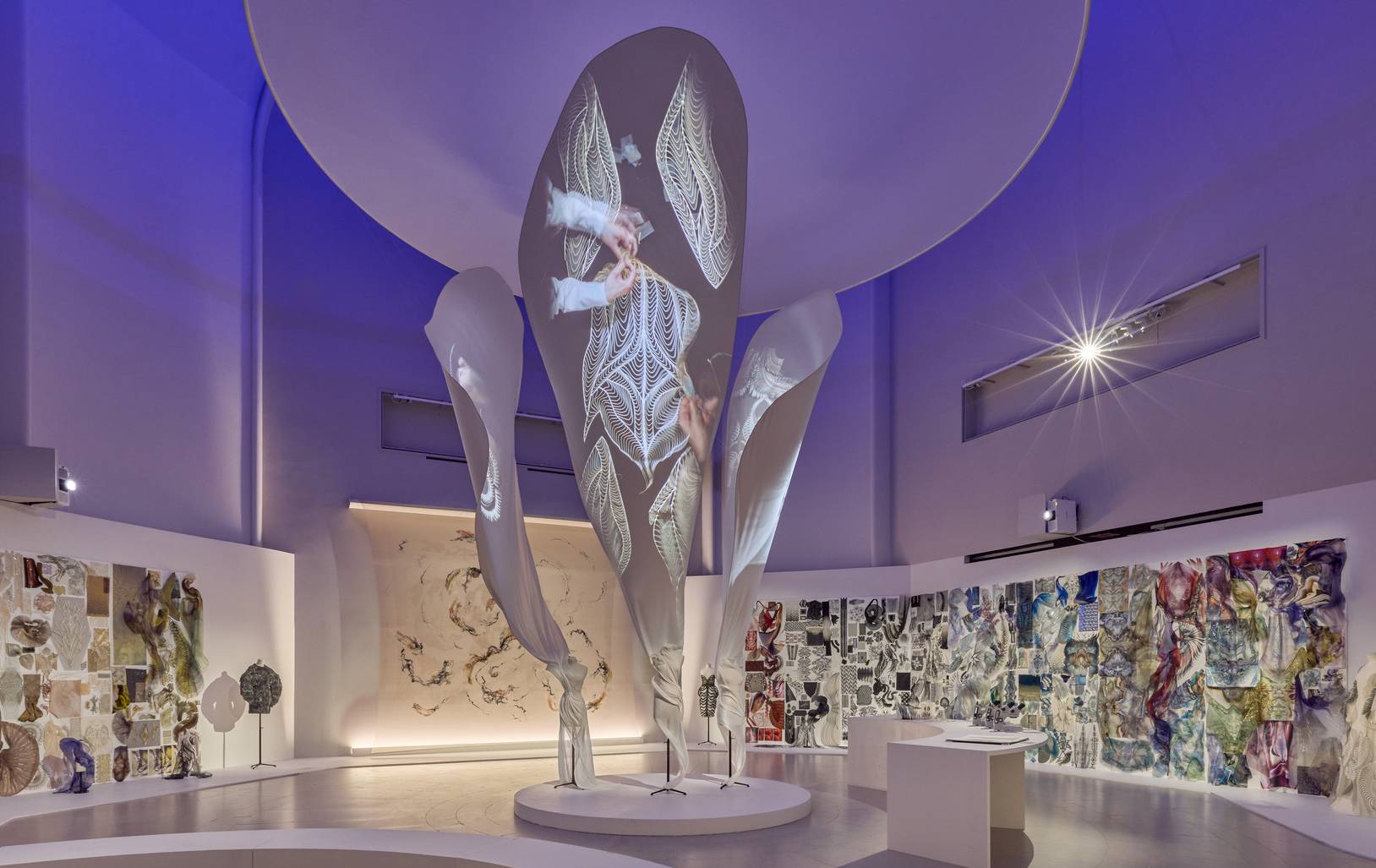
Artsy Editorial profiles 10 contemporary artists whose work aligns with the visionary, technology-driven approach of fashion designer Iris van Herpen. The article highlights van Herpen's career milestones, including her 2011 invitation to join the Chambre Syndicale de la Haute Couture, and her ongoing fusion of traditional craftsmanship with cutting-edge technology to create wearable art. It then presents a curated list of artists who similarly explore themes of organic form, digital fabrication, and the intersection of art and fashion.

Louis Vuitton revives Keith Haring collaboration at lavish New York show

Louis Vuitton staged a lavish fashion show at the Frick Collection in New York, reviving a collaboration with the estate of artist Keith Haring. The collection, designed by Nicolas Ghesquière, featured Haring's signature motifs on classic LV handbags and was presented in the museum's marble galleries. The event also marked a three-year sponsorship deal, with Louis Vuitton funding exhibitions, public access, and a curatorial position at the Frick, including rebranded free entry evenings as Louis Vuitton Free Fridays.

One Erased Vermeer, Two Books, and No Consensus

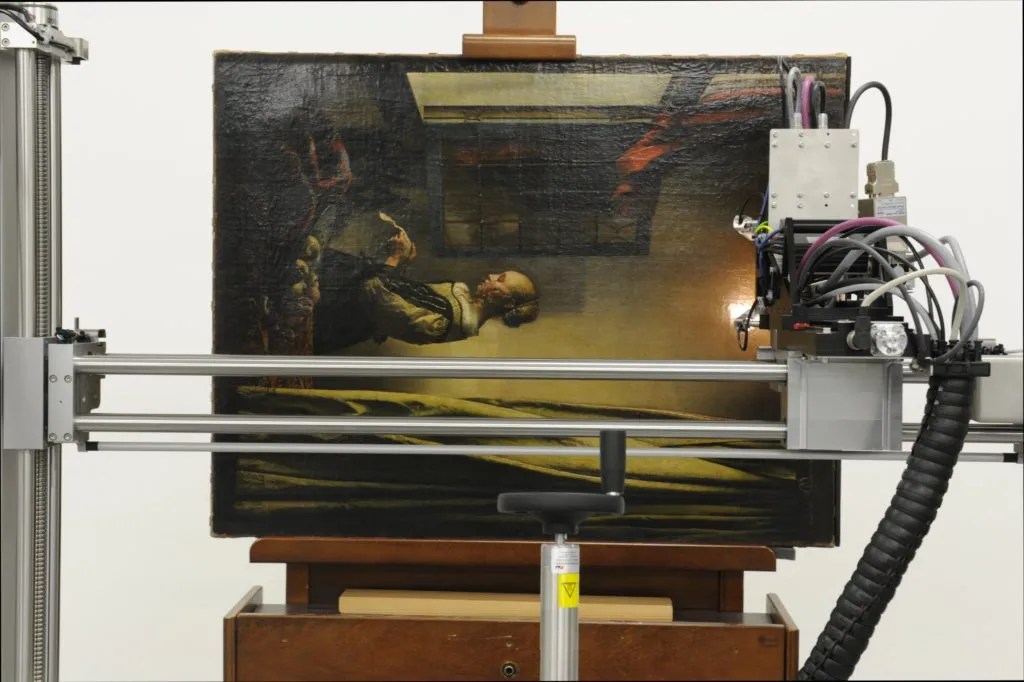
Two new books examine the legacy of Johannes Vermeer from contrasting angles. Ruth Bernard Yeazell's "Vermeer's Afterlives" (Princeton University Press) explores how the artist's open-ended, figureless interiors have inspired later creators, from painter George Deem to novelist Tracy Chevalier. Andrew Graham-Dixon's "Vermeer: A Life Lost and Found" restores the historical and religious context of 17th-century Delft, arguing that modern readings have overlooked the original meanings of Vermeer's works.

11 Contemporary Emirati Artists To Know

The article highlights 11 contemporary Emirati artists, providing an overview of their practices and significance within the Gulf's evolving art scene. It contextualizes this list against recent major events in the region, including the debut of Art Basel Qatar in early February and the subsequent U.S. attacks on Iran, which caused turmoil across the Gulf, disrupted airline operations, and forced Art Dubai to scale back its event to a smaller fair in mid-May. Artists and galleries in the Gulf also had to temporarily close.

Rocked on their heels: how exhibitions can change the course of artists’ lives

Alyce Mahon's new book, *Dorothea Tanning: A Surrealist World*, explores how the 1936 MoMA exhibition *Fantastic Art, Dada, Surrealism* profoundly transformed the young artist Dorothea Tanning, who described being "rocked on my run-over heels" by the experience. The article also recounts similar life-changing exhibition encounters for contemporary artists Lorna Simpson and Hurvin Anderson, as discussed on *The Week in Art* and *A brush with…* podcasts, highlighting how specific shows shaped their artistic trajectories.

We are in danger of losing our sense of community

"Wir drohen das Gespür für die Gemeinschaft zu verlieren"

Christophe Cherix, the new director of the Museum of Modern Art in New York, discusses his first months in the role, emphasizing museums as "safe social places" in an era of anxiety and screen-induced isolation. He advocates for collective vision-building with staff and defends the MoMA's independence against political pressure in Trump-era America. Separately, critic Paco Barragán argues in The Observer that biennials are in a structural crisis of repetition, tracing their history from instruments of national soft power to a "Global Neo-Liberal Biennial" system that co-opts diversity without changing its core logic. He introduces the concept of the "vibe-ennial," where discourse is replaced by atmosphere and critique by affect. Meanwhile, longtime Bonn museum director Stephan Berg critiques the boom in immersive art experiences like "Van Gogh – The Immersive Experience," calling them a "surrogate reality" tailored to the Instagram age that destroys the integrity of original works. Artforum reconstructs late-1960s debates on art criticism, focusing on Barbara Rose's challenge to formalists like Clement Greenberg and Rosalind Krauss, arguing that art must engage with societal conflicts such as Black Power and war resistance.

Expanded Vocabulary: Revisiting Deborah Kass’ Studio

The article recounts the author's visit to Deborah Kass's Brooklyn studio, which she shares with her wife, artist Patricia Cronin. The visit was prompted by logistical issues related to the author's exhibition "Social Minimalism" (2025). During the visit, the author and Kass revisited themes central to Kass's work over three decades: the exclusion of women from art history, Jewish identity, queer voice, lesbian subjectivity, and postwar American art. The conversation also touched on Kass's series including the Warhol Project, Feel Good Paintings, No Kidding, and the large painting/sculpture installation "Everybody" (2019), which was recently featured in a conversation between Kass and Titus Kaphar in Interview magazine.

12 Art Books to Kick Off Summer

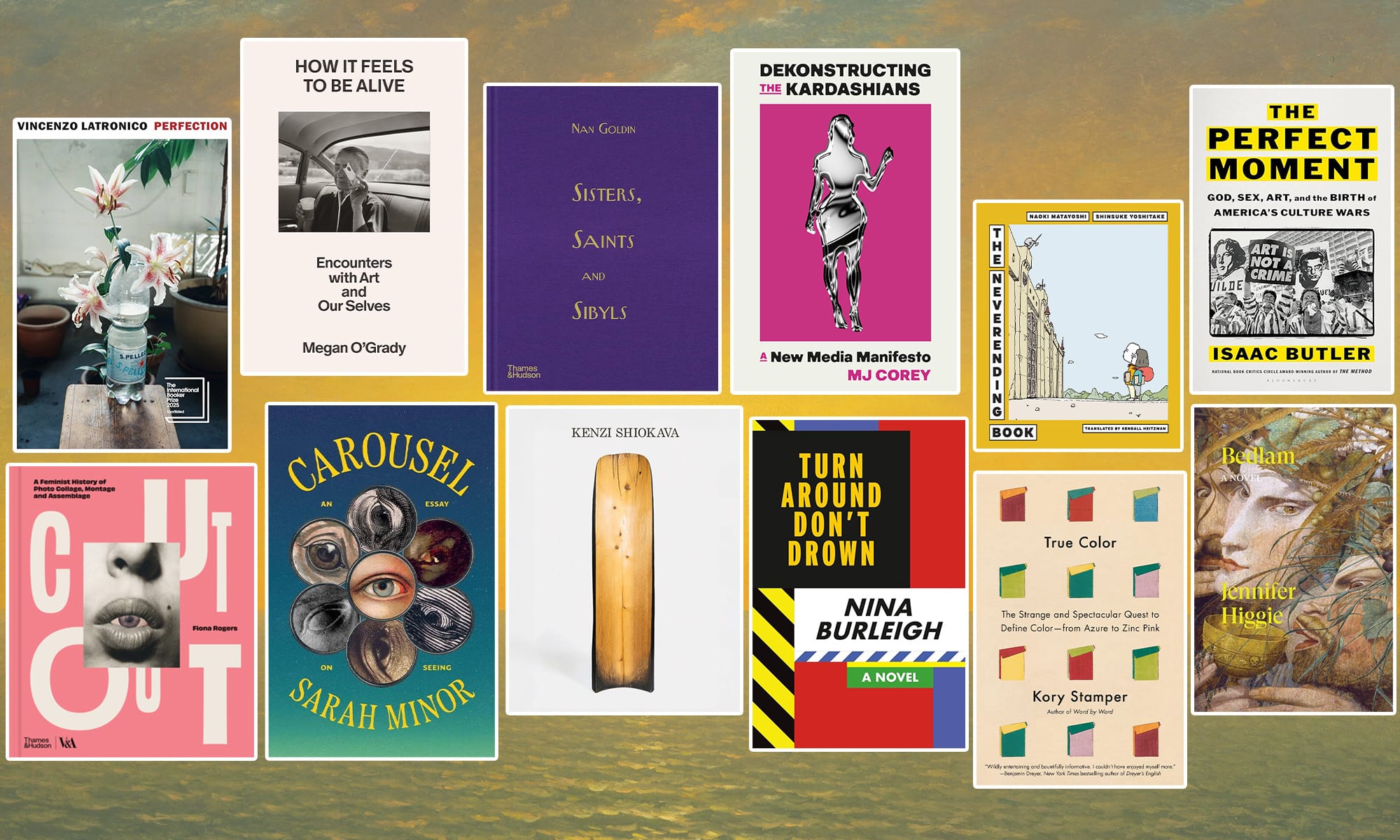
Hyperallergic's Lakshmi Rivera Amin presents a curated list of 12 art books for summer reading, including a novel lampooning the art world, Megan O'Grady's meditation on art and living, Kory Stamper's exploration of color lexicography, Nan Goldin's reissued photo essay, and Jennifer Higgie's prose poetry novel. The roundup also features Vincenzo Latronico's 'Perfection,' Nina Burleigh's satirical 'Turn Around, Don’t Drown,' and a graphic novel by Naoki Matayoshi and Shinsuke Yoshitake, among others.

From high BMI to the ‘GLP-1 look’: how weight-loss jabs are changing the face of beauty

Researchers and art historians are examining how weight-loss drugs like Wegovy and Mounjaro are reshaping ideals of beauty in art. Prof. Rosalind Gill and Dr. Michael Yafi argue that the rapid fat loss caused by GLP-1 medications produces a distinctive gaunt facial appearance—dubbed 'GLP-1 face'—which could become a new aesthetic standard reflected in contemporary art, similar to 'heroin chic' in the 1990s. Yafi presented his findings at the European Congress on Obesity, noting that while artists like Fernando Botero continue to celebrate fuller figures, future artworks may increasingly depict thin individuals with hollowed features.

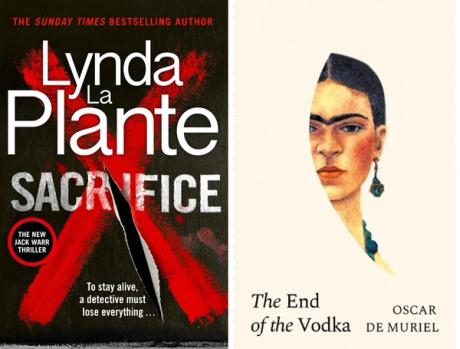
A hated portrait and a forged masterpiece: two new thrillers with paintings at their centre

Two new thrillers center on paintings: "The End of the Vodka" by an unnamed author, which fictionalizes the real story of Frida Kahlo's commissioned portrait of Dorothy Hale—a painting that horrified its patron Clare Boothe Luce—and weaves an imagined conversation between Luce and Wallis Simpson amid the backdrop of World War II. The second, "Sacrifice" by Lynda La Plante, follows Detective Jack Warr as he investigates a possible forgery of a Jean-Michel Basquiat painting, leading to murder and a missing art forger.

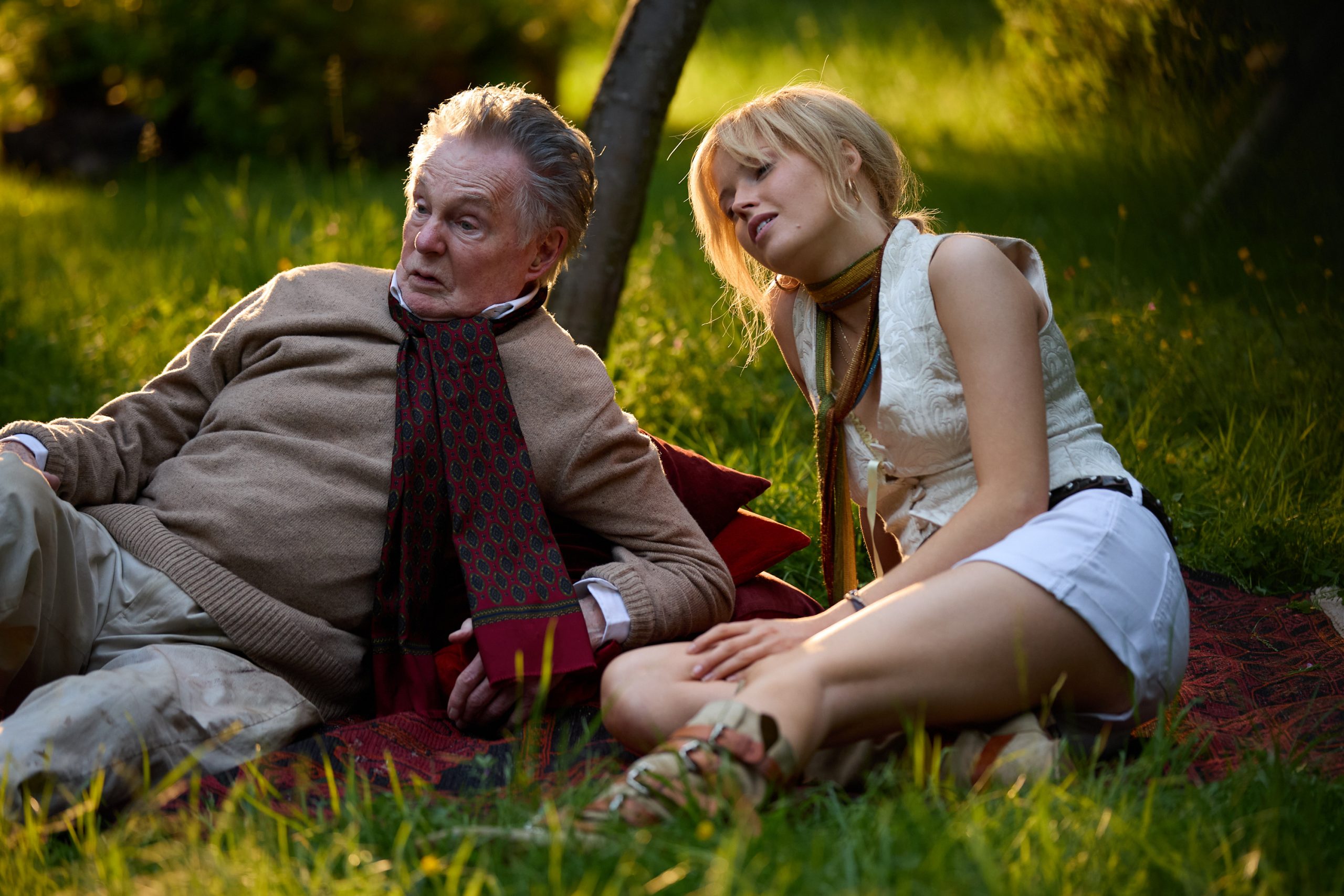
Inside the Unlikely Bond Between Lucian Freud and Kate Moss

In 2002, Lucian Freud unveiled a portrait of a naked and pregnant Kate Moss, a rare celebrity subject for the artist who had turned down Princess Diana. A new film, *Moss & Freud*, dramatizes the unlikely friendship that developed between the aging painter and the supermodel during the creation of *Naked Portrait (2002)*. Directed by James Lucas, the film stars Ellie Bamber as Moss and Derek Jacobi as Freud, and explores their intense studio sessions, personal revelations, and the bond that formed despite their contrasting lifestyles.

How Well Do the Met Gala’s Attendees Know Their Art History? We Critique Looks by Madonna, Hunter Schafer, and More

The article critiques nine outfits from the 2026 Met Gala, which was held under the theme 'Fashion Is Art' in conjunction with the Costume Institute's new exhibition 'Costume Art' at the Metropolitan Museum of Art. It analyzes how attendees like Hunter Schafer, Lauren Sánchez Bezos, and Kylie Jenner referenced specific artworks—such as Gustav Klimt's *Mäda Primavesi* and John Singer Sargent's *Madame X*—in their fashion choices, evaluating the success of these art-historical allusions.

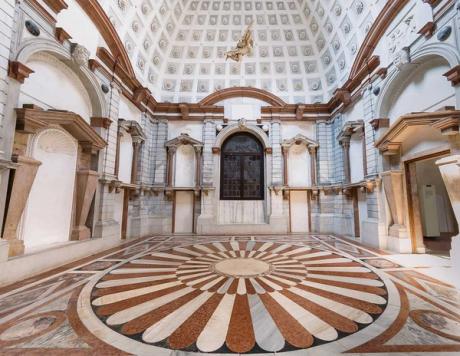
Luca De Michelis, chief executive of Marsilio Arte, on his favourite spots in Venice beyond the Biennale

Luca De Michelis, CEO of Marsilio Arte, shares his personal guide to Venice beyond the Biennale, highlighting historic sites, shopping, dining, and cultural venues. His recommendations include Palazzo Grimani, Micheluzzi Glass, the Gardens of the Church of the Redeemer on Giudecca, Antiche Carampane restaurant, the newly opened Dries Van Noten Foundation, San Giorgio Maggiore island, Codroma for spritz, and the upcoming exhibition 'Strange Rules' at Palazzo Diedo’s Berggruen Arts & Culture.

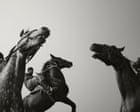
Buzkashi horsemen battling for a headless goat: Todd Antony’s best photograph

Photographer Todd Antony discusses his black-and-white series capturing the Central Asian sport of buzkashi, in which horsemen compete to grab and control a headless goat carcass. He traveled to Tajikistan to document matches involving up to 300 riders, shooting from a pickup truck and later taking portraits of riders on farms. One striking image shows three horses and their riders against a snowy mountain backdrop, with fog rolling in—a moment that inspired him to channel Richard Avedon's style using artificial lighting.

Harnessing the winds of societal change: how art dealers have been able to shape taste for centuries

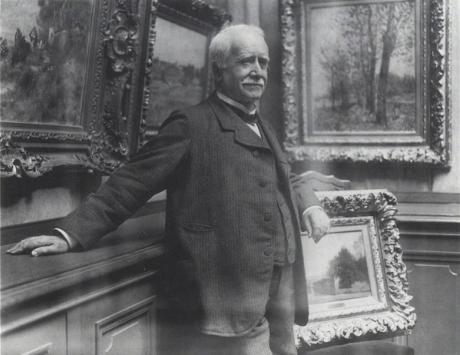
Valentina Castellani, a former Gagosian director, has authored a new book titled *Trading Beauty: Art Market Histories from the Altar to the Gallery* (out 1 May). The book traces how art dealers have historically leveraged societal changes—political, economic, and social—to reshape taste and market structures. Castellani begins in the Middle Ages, when art was made only on commission for patrons like the Catholic church and monarchies, and moves through key shifts such as the Dutch Republic's first open art market in the 17th century, which gave rise to the professional art dealer. She highlights dealers like Paul Durand-Ruel, Joseph Duveen, and Leo Castelli who capitalized on anti-establishment energy, new wealth, and post-war consumer culture to bring avant-garde art to the forefront.

ArtReview Podcast | Episode 7: Zineb Sedira

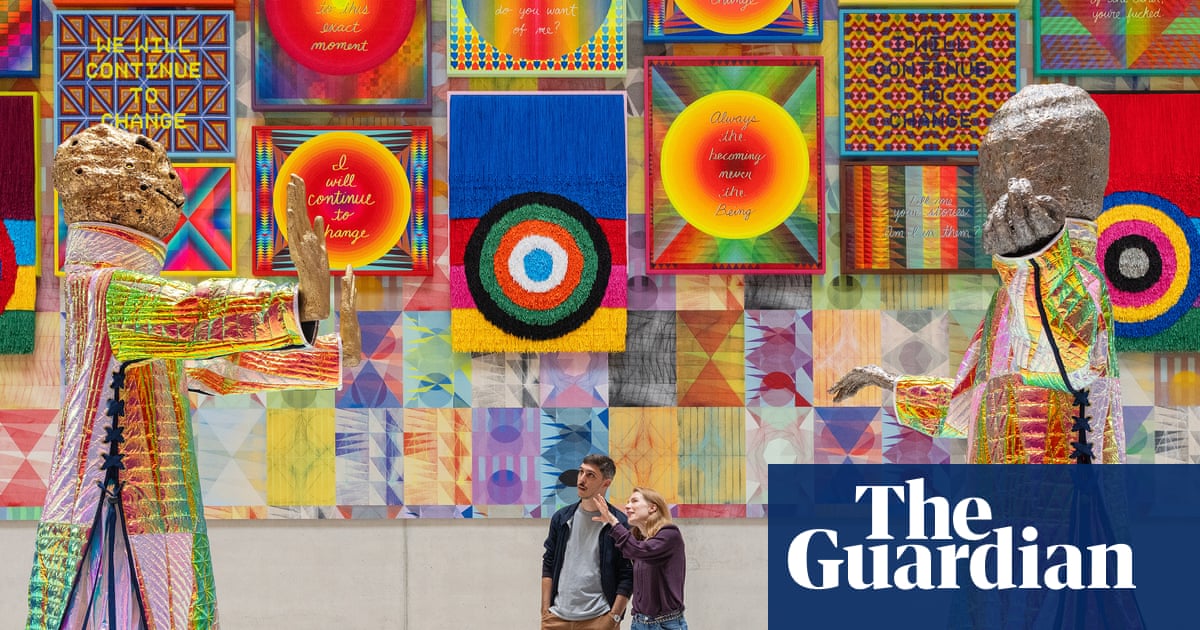
The ArtReview Podcast episode 7 features artist and photographer Zineb Sedira in conversation with digital editor Alexander Leissle. Sedira discusses Algerian cinema, the Scopitone, and her new Tate Britain Commission titled "When Words Fall Silent, Cinema Speaks," a site-specific installation in the Duveen Galleries open until January 2027. The episode explores three works chosen by Sedira, including Agnès Varda's "Salut les Cubains" (1963) and William Klein's "The Pan-African Festival of Algiers" (1969), as lenses into her practice and themes of displacement, identity, and cinema as a tool of resistance.

Sift Through the Hundreds of Pacifiers, Graphic Tees, and Spoons in This NYC Couple’s Collection

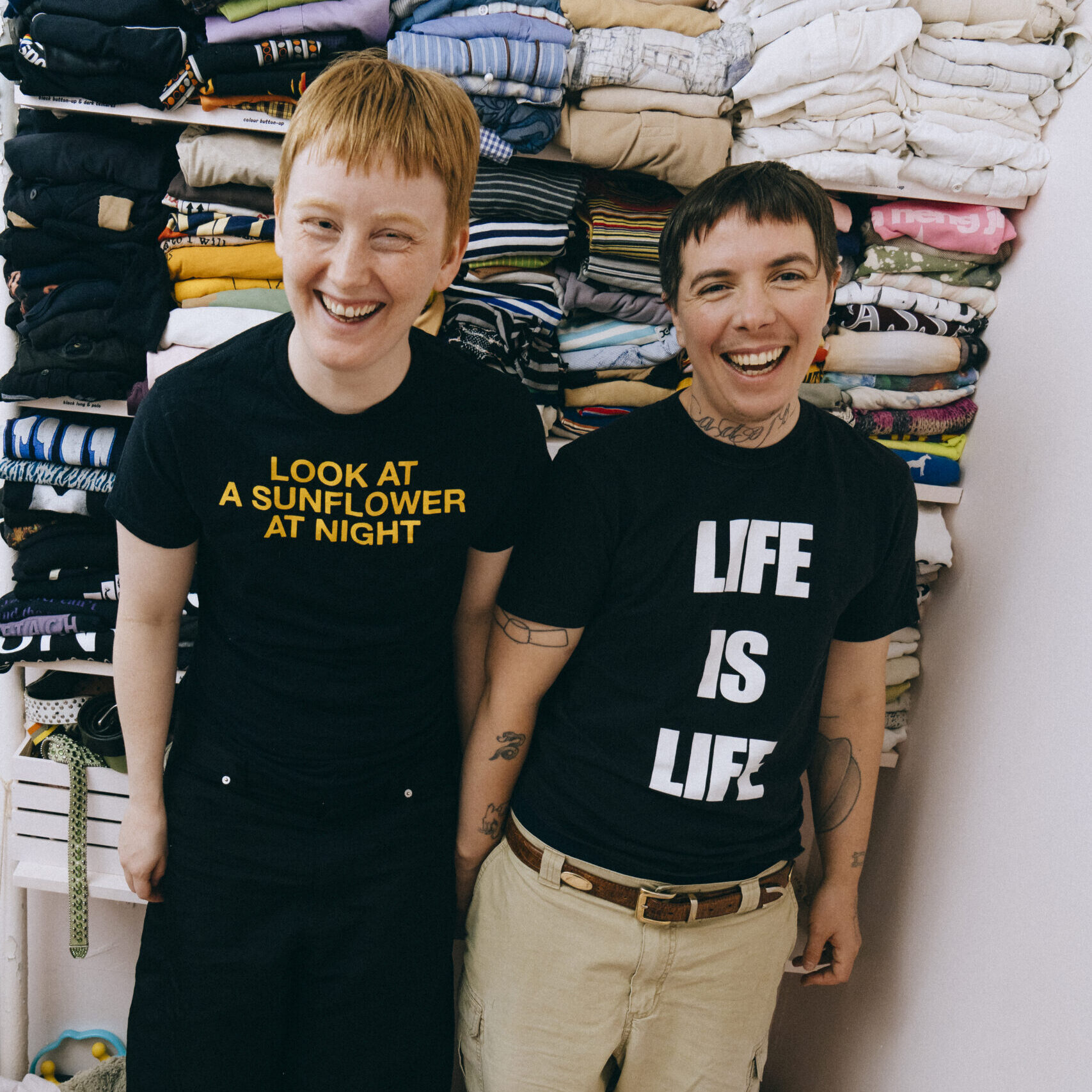
Multidisciplinary artists Bobbi Salvör Menuez and quori theodor, a couple living in New York City, have built an extensive collection of everyday objects including T-shirts, cassette tapes, spoons, pacifiers, and playing cards sourced from sidewalks, thrift stores, and shoot sets. Their collecting practice is intuitive and deeply personal, driven by nostalgia, childhood memories, and their bond with each other, treating each object as a talisman or treasure rather than a financial investment.

Soft armour, pert nipples: how London design team made Kim Kardashian’s Met Gala breastplate

Kim Kardashian wore an orange fibreglass breastplate to the 2024 Met Gala, created by the east London design duo Whitaker Malem (Patrick Whitaker and Keir Malem) in collaboration with British pop artist Allen Jones. The breastplate was cast from a mould derived from Jones's 1969 sculpture "Hatstand," finished by car bodyshop MPS Body and Paint in Kent, and paired with a hand-painted leather skirt. Kardashian directly contacted the duo in early April, flew to the UK for fittings, and chose the piece to interpret the gala's "fashion is art" dress code, which explored the dressed and undressed human body.

A brush with... Andrew Cranston—podcast

This episode of 'A brush with...' podcast features Scottish painter Andrew Cranston, born in 1969 in Hawick. Cranston discusses how his work draws on personal experiences—childhood memories, family recollections, and recent rituals—filtered through the painting process. His pictures are rich with references to art history, cinema, poetry, and television, and he often paints on the covers of old hardback books. The conversation covers his influences (Pieter Bruegel the Elder, Paul Klee, Pierre Bonnard, Winifred Nicholson, writers Hugh MacDiarmid and Elizabeth Bishop, filmmakers Nicholas Roeg and Dennis Potter), his studio life, and his answer to 'what is art for?' The episode is sponsored by Bloomberg Connects.

Fancy a European art break with fewer crowds? Try one of these five cities | Europe holidays

The article highlights five European cities—Zurich, Lille, Warsaw, and others—as alternatives to crowded art capitals like Paris and London for art-focused holidays. It details key museums and galleries in each city, such as Zurich's Kunsthaus Zürich and Löwenbräukunst-Areal, Lille's Palais des Beaux-Arts and LaM, and Warsaw's Museum of Modern Art (MSN Warsaw), along with day-trip suggestions like Baden's Museum Langmatt and Roubaix's La Piscine.

Inside New York’s Rogue Project Spaces

A digital cover story profiles New York City's rogue project spaces—artist-run venues like U-Haul Gallery, Desnivel, Spielzeug, Catbox Contemporary, and 95 Gallon Gallery—that operate in unconventional locations such as trash bins, moving trucks, bodegas, laundromats, buses, and cat towers. The article features interviews with founders including Maria De Victoria (Desnivel), James Sundquist and Jack Chase (U-Haul Gallery), and others, highlighting how these spaces counter the bureaucracy of institutional exhibitions by prioritizing artist freedom, intimacy, and community engagement.

Photographer and Activist Claudia Andujar, Known for Documenting Yanomami People of Brazil, Is the Subject of a New Biopic

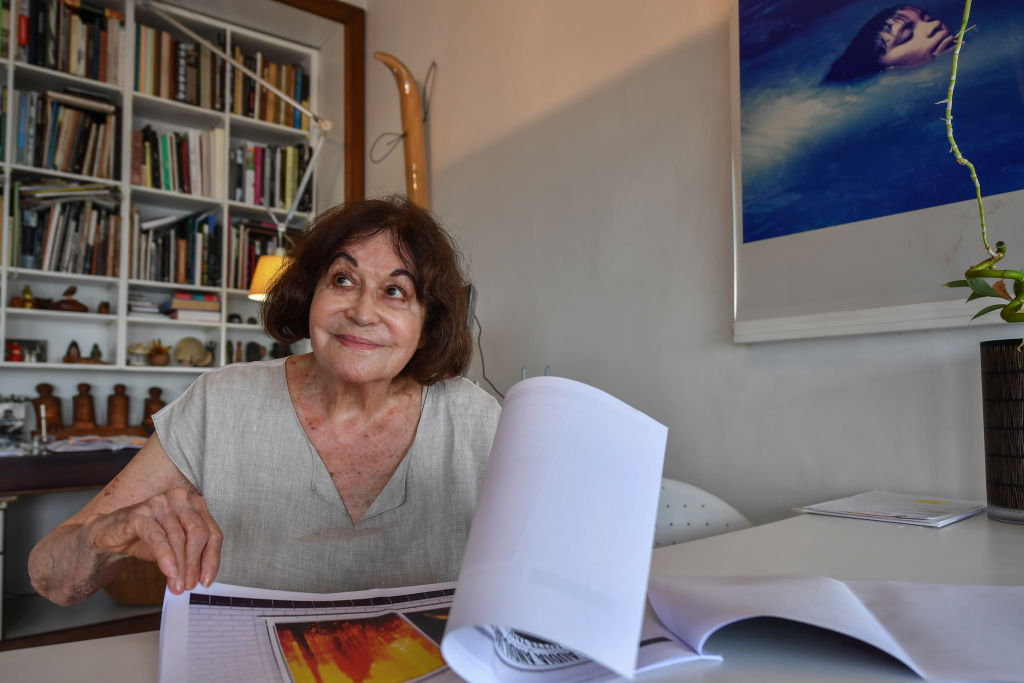
A new biopic titled *The Outsider (A Estrangeira)* will tell the story of photographer and activist Claudia Andujar, known for documenting the Yanomami people of Brazil. The film is written and directed by Sandra Delgado, produced by São Paulo’s Maria Farinha Filmes, and stars Inga Ibsdotter Lilleaas in the lead role, with Wagner Moura as an executive producer and cast member. The project is based on two decades of research and focuses on Andujar’s journey from Holocaust survivor to Brazilian artist who used photography to resist the military dictatorship’s destruction of Yanomami land in the 1970s.

Required Reading

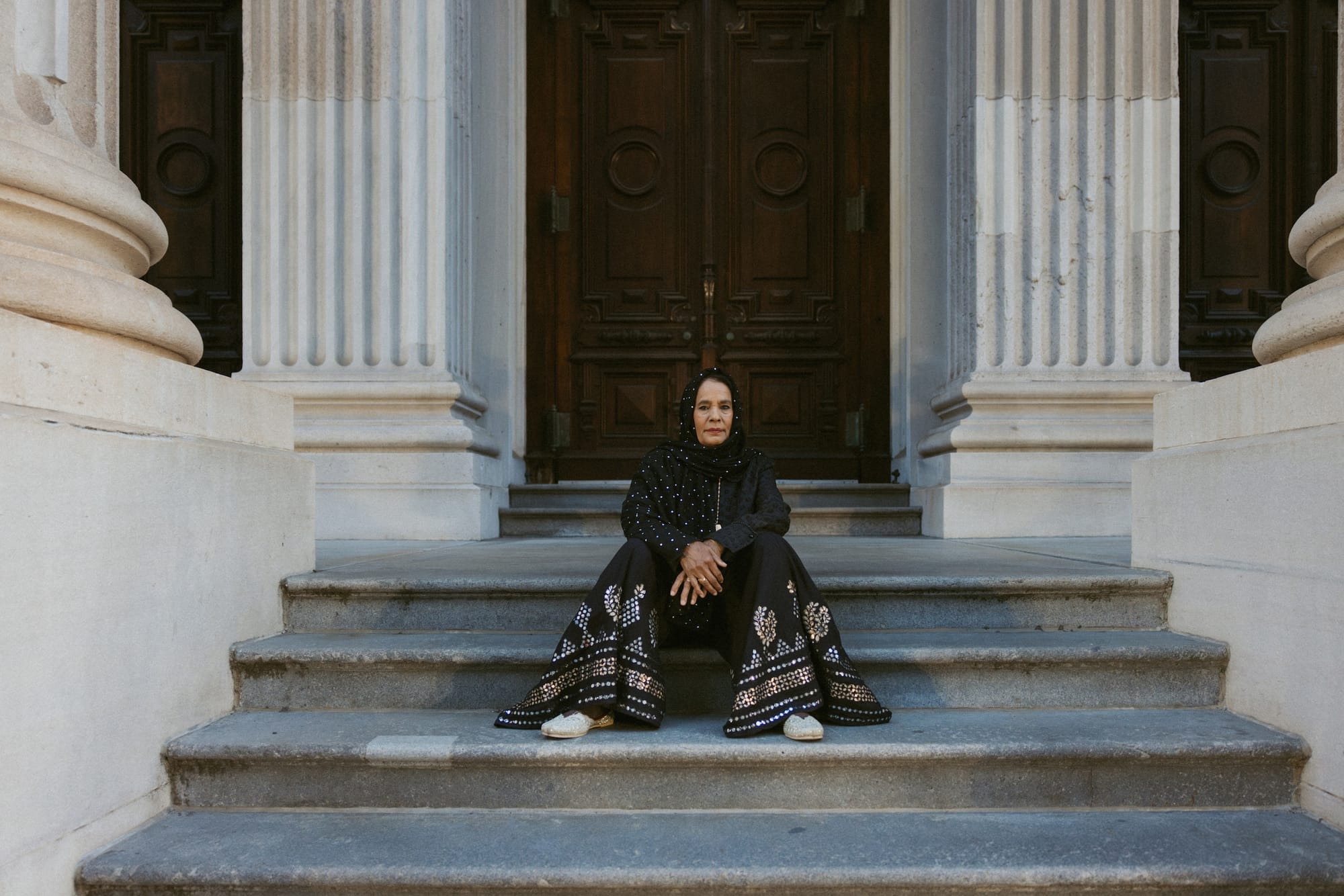
Pakistani-born, Brooklyn-based tailor and community leader Hafeez Raza was honored by Mayor Zohran Mamdani as one of six garment workers photographed by Kara McCurdy, highlighting the real faces behind the fashion industry. Meanwhile, the Los Angeles Times's Image Editor-in-Chief Elisa Wouk Almino recounts a peculiar correspondence with artist Sophie Calle, who orchestrated a fake but real exchange using pre-written texts. In other news, Ai Weiwei discusses his new exhibition in Italy, censorship in Europe, and the Venice Biennale in an interview with El País. Additionally, Jacci Gresham, the first professional Black tattoo artist in the United States, reflects on her career since 1976, including tattooing Klan members and innovating with brown paper for Black and Brown clients.

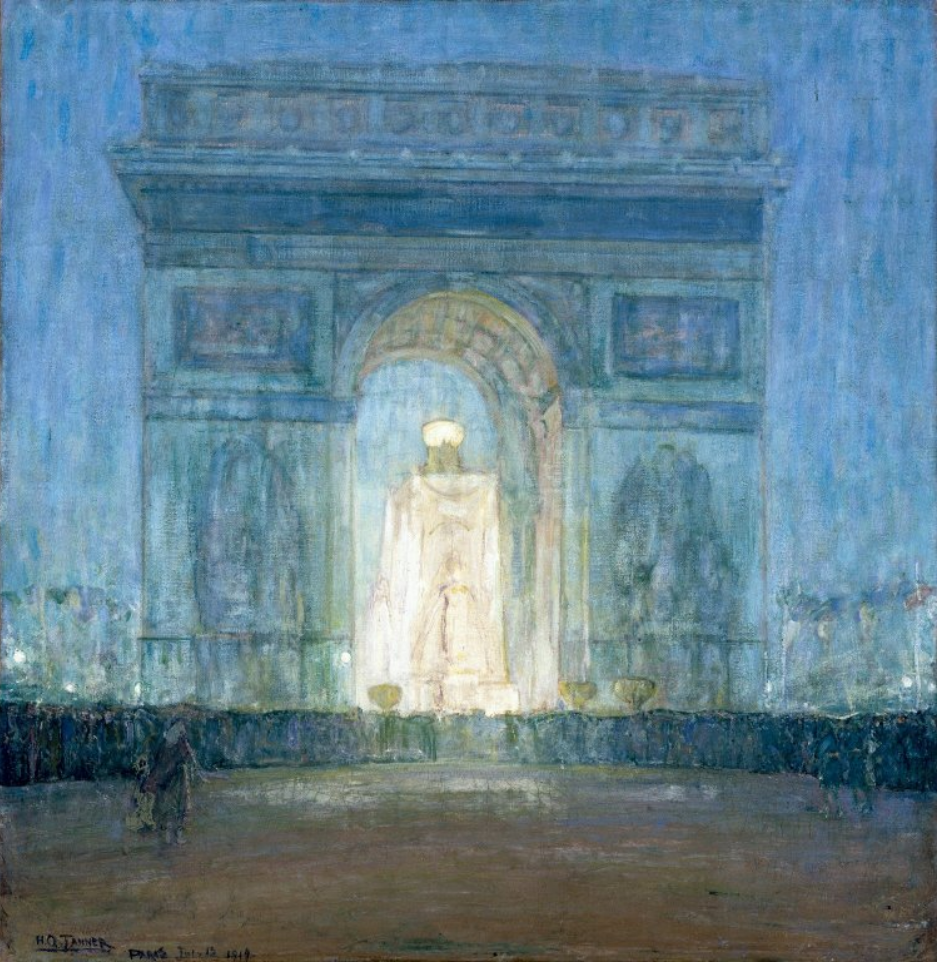
Artist Henry Ossawa Tanner

This article profiles Henry Ossawa Tanner (1859–1937), the pioneering African American artist who achieved international fame in the 19th and early 20th centuries. Born in Pittsburgh to a bishop father and a mother who escaped slavery, Tanner studied under Thomas Eakins at the Pennsylvania Academy of Fine Arts before moving to Paris to escape racial discrimination. He studied at the Académie Julian, became a mentor to Black artists including Aaron Douglas and Hale Woodruff, and gained renown for his biblical paintings such as "Daniel in the Lions' Den" (1896). Tanner traveled widely—to Egypt, Morocco, and Palestine—and was named a chevalier of the French Legion of Honor in 1927. The article lists numerous works by Tanner held in major collections, including the first painting by an African American artist acquired for the White House Collection.

Sur Arte Radio et dans une expo, l’enquête d’Adrianna Wallis sur les traces de sa grand-mère peintre spoliée par les nazis

Artist Adrianna Wallis (born 1981) discovers that her paternal grandmother, painter Diane Esmond (1910–1981), was a victim of Nazi looting during World War II. After being contacted by historians Patricia Helletzgruber and Sophie Juliard, Wallis learns that much of Esmond's work was systematically destroyed by the ERR, the Nazi organization responsible for art theft in occupied countries. This revelation sparks a personal investigation that becomes a podcast for Arte Radio titled "Il restera la gravité," blending documentary, autobiographical inquiry, and sound installation. Wallis delves into archives, examining microfilms and lists that detail 46 of Esmond's paintings—each methodically described and declared destroyed, such as "Woman in blue evening dress: annihilated."