filter_list Showing 14 results for "Cambridge" close Clear
search
dashboard All 96 museum exhibitions 36article news 14article culture 14gavel restitution 6person people 6article local 5article policy 5trending_up market 5rate_review review 3candle obituary 2
date_range Range Today This Week This Month All
Subscribe

‘A gift that keeps on giving’: the witty world of Lee Friedlander – in pictures

The Guardian published a photo essay celebrating American photographer Lee Friedlander, featuring images from his career spanning the 1950s to the 2010s. The article highlights his new book "Life Still," published by Aperture, which collects over 130 photographs—most previously unpublished—showcasing his signature wit and his eye for the American social landscape, including chain link fences, roadside signs, and still lifes. The piece includes commentary from curator Peter Galassi and notes Friedlander's influences from Walker Evans and Robert Frank.

5 rediscoveries transforming black art narratives

Artnet News highlights five recent rediscoveries and reinterpretations that are reshaping narratives around Black artists and sitters in art history. These include Gustav Klimt's long-lost portrait of Prince William Nii Nortey Dowuona, an Osu prince exhibited in a racist "human zoo" in Vienna, which resurfaced in 2023 and was shown at TEFAF Maastricht with a $16.4 million price tag. Also featured are Edvard Munch's dual portrayals of Sultan Abdul Karim—one intimate, one stereotyped—on view at the National Portrait Gallery in London, and new research identifying James Cumberlidge, a Black servant in a Jean-Baptiste van Loo portrait, correcting a historical misattribution.

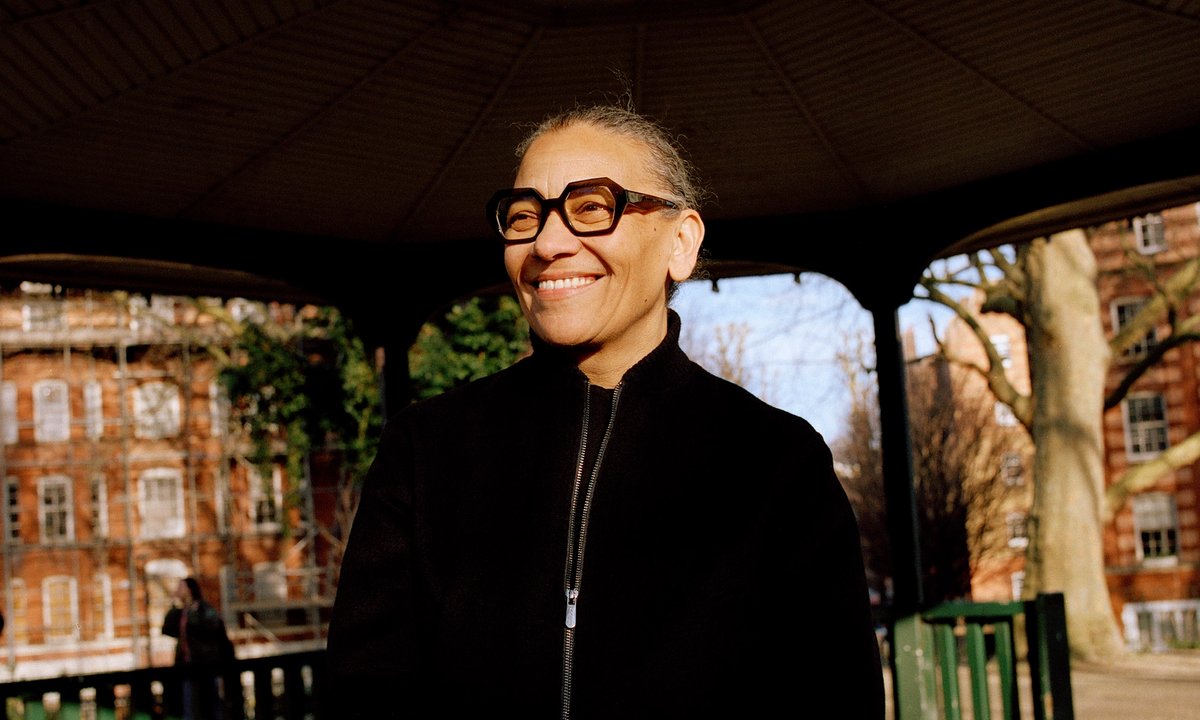
A brush with… Lubaina Himid — podcast

This podcast episode features a conversation with Lubaina Himid, the Turner Prize-winning artist born in Zanzibar in 1954 and based in Preston, UK. Himid discusses her paintings, sculptures, and installations that center marginalized figures, diasporic cultures, and overlooked histories. She reflects on the influence of artists Stanley Spencer, Bridget Riley, and William Hogarth, as well as writers Audre Lorde and Essex Hemphill. The episode also covers her curatorial work in the 1980s, her role in the Black British Arts movement, and her admiration for peer Claudette Johnson. Upcoming exhibitions include a show with Magda Stawarska at Kettle’s Yard in Cambridge, a group show at the Institute of Contemporary Arts in London, and her representation of the British Pavilion at the 2026 Venice Biennale.

literature salman rushdie laurie anderson the satanic verses

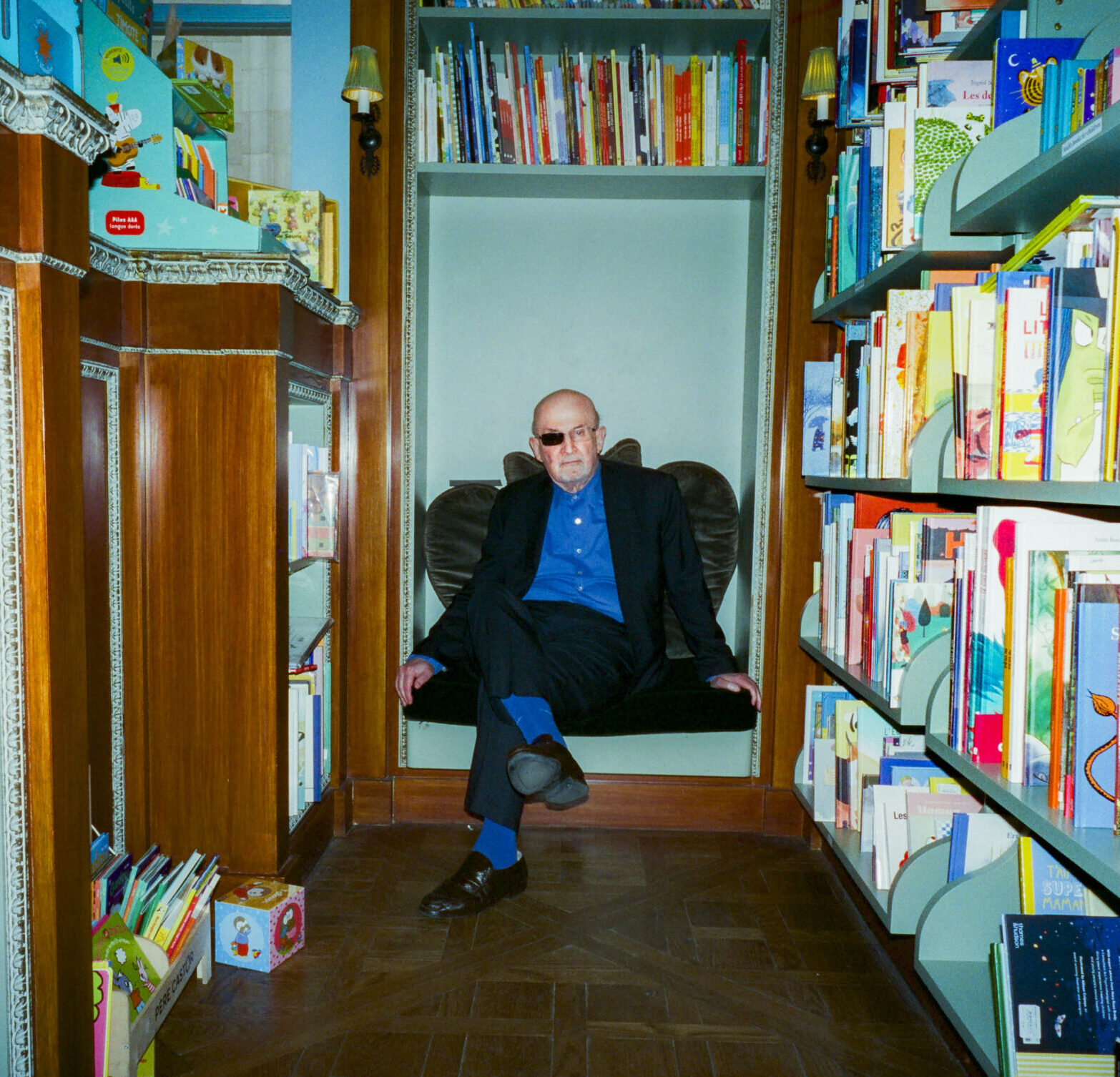
Salman Rushdie and Laurie Anderson, two legendary New York-based artists, engage in an intimate conversation published by Cultured magazine. Rushdie discusses his recent appearance at the Sundance Film Festival for the documentary "Knife," which adapts his memoir about surviving a 2022 stabbing attack, and his travels to literary festivals in New Orleans and Tucson. Anderson shares anecdotes about her own touring show "Republic of Love" with the band Sexmob, and the pair trade lighthearted observations about movie theaters, desert landscapes, and aliens.

Fever Pitch: On Bourgeois Coldness by Henrike Kohpeiß

The article is a critical essay analyzing Henrike Kohpeiß's new book, 'Bourgeois Coldness,' which examines the concept of coldness as an affective strategy of the bourgeois subject. Kohpeiß traces this subjectivity from its mythological roots in Homer's Odyssey to its modern manifestations, arguing that it is forged in and sustained by structures of racial exploitation and colonial power, despite claims of abolition.

inside peter paul rubenss secret life as a spy

Peter Paul Rubens, the renowned Baroque painter known for dramatic altarpieces and 'Rubenesque' figures, also led a secret career as a diplomat and spy for the Holy Roman Empire and Spanish Habsburgs. The article details his early life, education, and apprenticeship, and reveals how he used his artistic access to European courts to gather intelligence, including while working on commissions for Marie de' Medici in France. His diplomatic efforts helped broker peace between Spain and England, and he was appointed Secretary of the Flanders' Council.

Our chief art critic’s nine best UK museums — you may be surprised

Laura Freeman, chief art critic for The Times, shares her personal list of nine favorite UK museums and galleries, ranging from London institutions like Sir John Soane’s Museum and the V&A to smaller venues such as Pallant House in Chichester and Kettle’s Yard in Cambridge. She emphasizes character and collection over flashy renovations, noting that her picks are based on decades of visits, family outings, and emotional resonance.

Did This Photographer’s Provocative Work Inspire a Key Plot Point in The Drama?

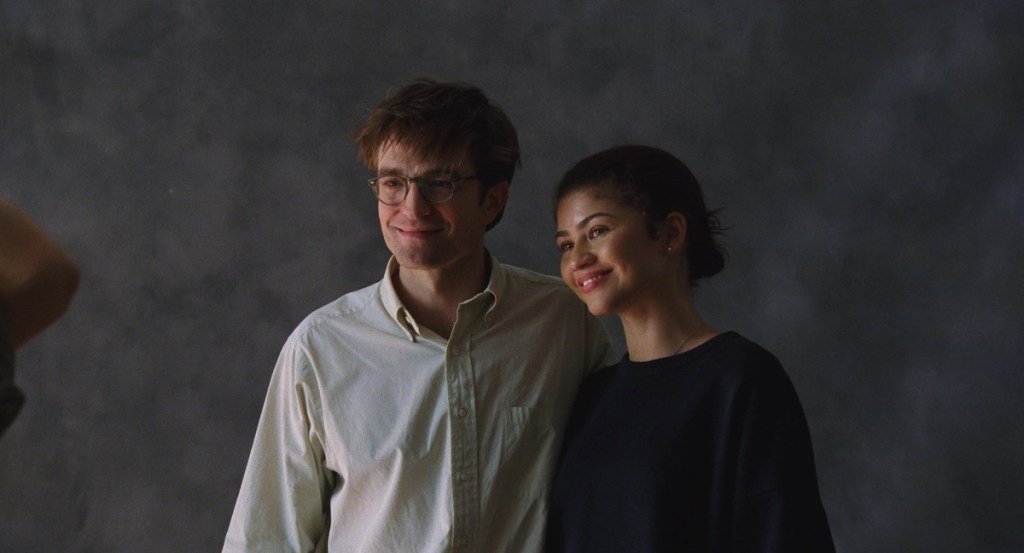
The new film *The Drama*, directed by Kristoffer Borgli and starring Zendaya and Robert Pattinson, features a central plot point involving a fictional photobook titled *Brainrot*. In the movie, Pattinson’s character, a museum curator, becomes obsessed with the book's provocative imagery of young women with firearms after learning of his fiancée’s past violent intentions. While *Brainrot* is a fictional creation, its aesthetic and subject matter draw significant parallels to Lindsay McCrum’s 2011 photography book, *Chicks with Guns*, which documented the diverse demographics of female gun owners in America.

Space: the ultimate wardrobe challenge – in pictures

Thames and Hudson has released Space Journal: The Art and Science of Cosmic Exploration, a new visual compendium curated by BBC presenter Dallas Campbell. The book chronicles humanity’s aesthetic and technical obsession with the cosmos, featuring a diverse array of archival imagery ranging from 17th-century illustrations and 1930s rocket experiments to high-fidelity spacesuit replicas and mid-century astronomical art.

Introduction to the Dark Forest Theory of the Internet

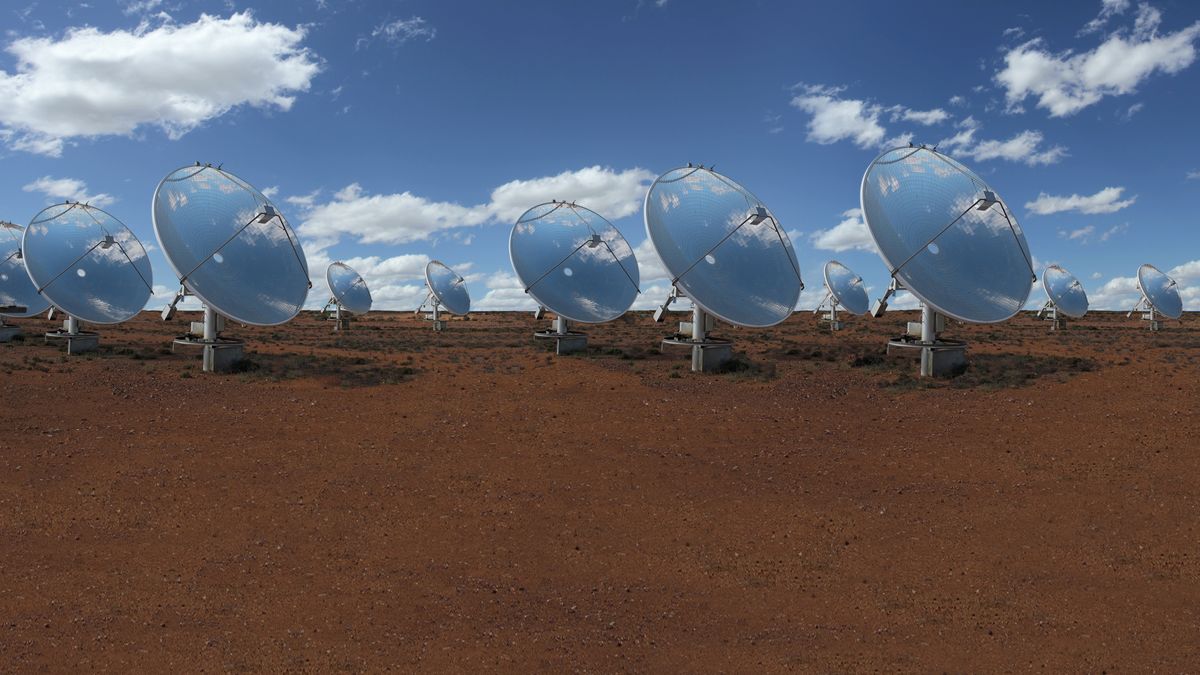
The article explores the conceptual origins of the internet, tracing its development to figures like Douglas Engelbart and Jacques Vallée, whose work blended computing with cosmic and paranormal inquiry. It argues that early internet pioneers were deeply influenced by ideas of remote viewing, extrasensory perception, and the search for extraterrestrial intelligence, framing the network as a project of cognitive augmentation and alien encounter.

The other side of the art world

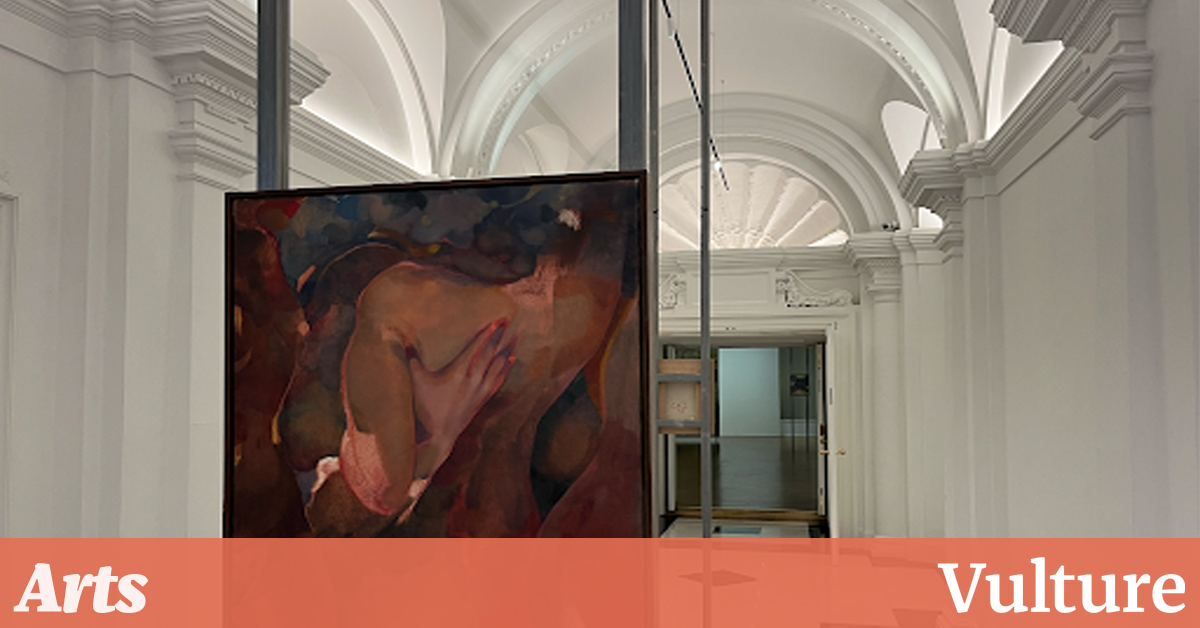
Isabel Adair recounts her visits to commercial art galleries in London and Cambridge, describing the experience of viewing Eva Pade's exhibition at Galerie Thaddeus Ropac in Mayfair and the abstract works at Byard Art near King's College. She highlights the contrast between the polished, elite atmosphere of a high-end Mayfair gallery and the more accessible, profit-driven local gallery, while noting the freedom and openness of these spaces to the public.

An English Countryside Home That Became Lovelier the More It Fell Apart

The article profiles the unique aesthetic and historical significance of Kettle's Yard, a house in Cambridge, England, created by Jim Ede. Ede, a former Tate curator, transformed a series of dilapidated cottages into a living work of art and a haven for modern artists in the mid-20th century. He filled the space with a carefully arranged collection of modern art, natural objects, and furniture, embracing the building's worn, imperfect character rather than restoring it to pristine condition.

That Time Raphael Visited Tivoli, Transforming Antiquity into Art

Quella volta che Raffaello visitò Tivoli trasformando l’antichità in arte

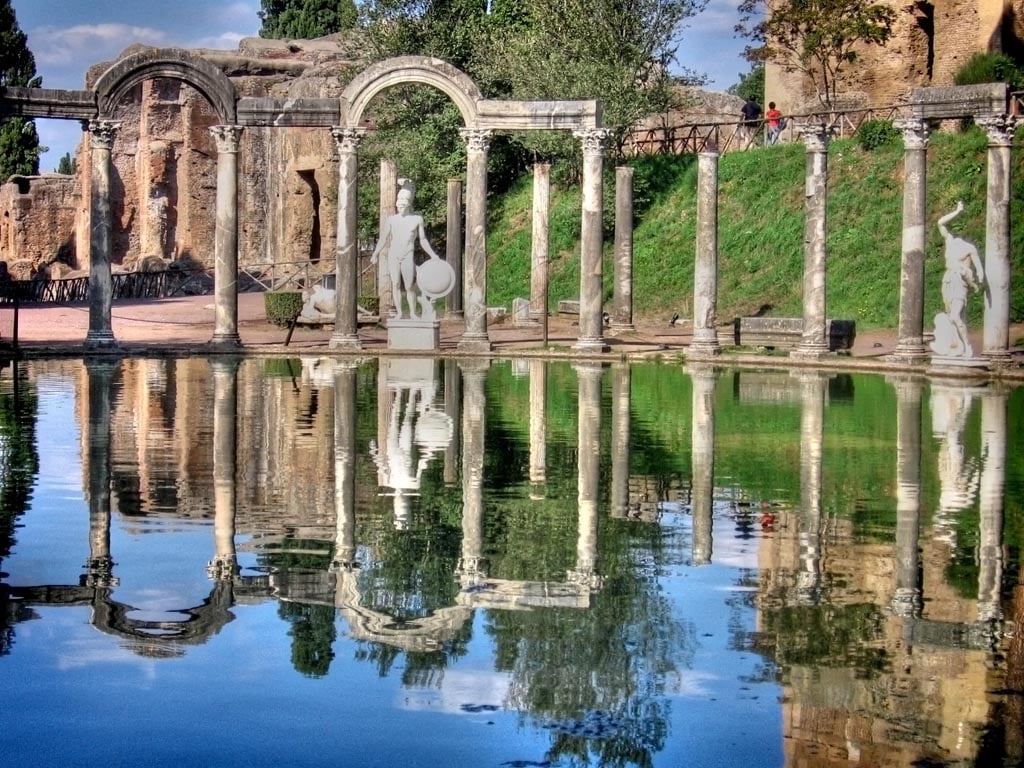
In April 1516, Raphael Sanzio embarked on a historic excursion to Tivoli alongside a prestigious circle of Renaissance intellectuals, including Baldassarre Castiglione and Pietro Bembo. This journey served as a critical field study for Raphael, who had recently been appointed as Rome's prefect of antiquities. By examining the complex ruins of Hadrian's Villa and the Sanctuary of the Sibyl, the group engaged in a sophisticated blend of archaeological investigation and humanist leisure that defined the cultural climate under Pope Leo X.

Comrades in art: meet the artists who fought against fascism

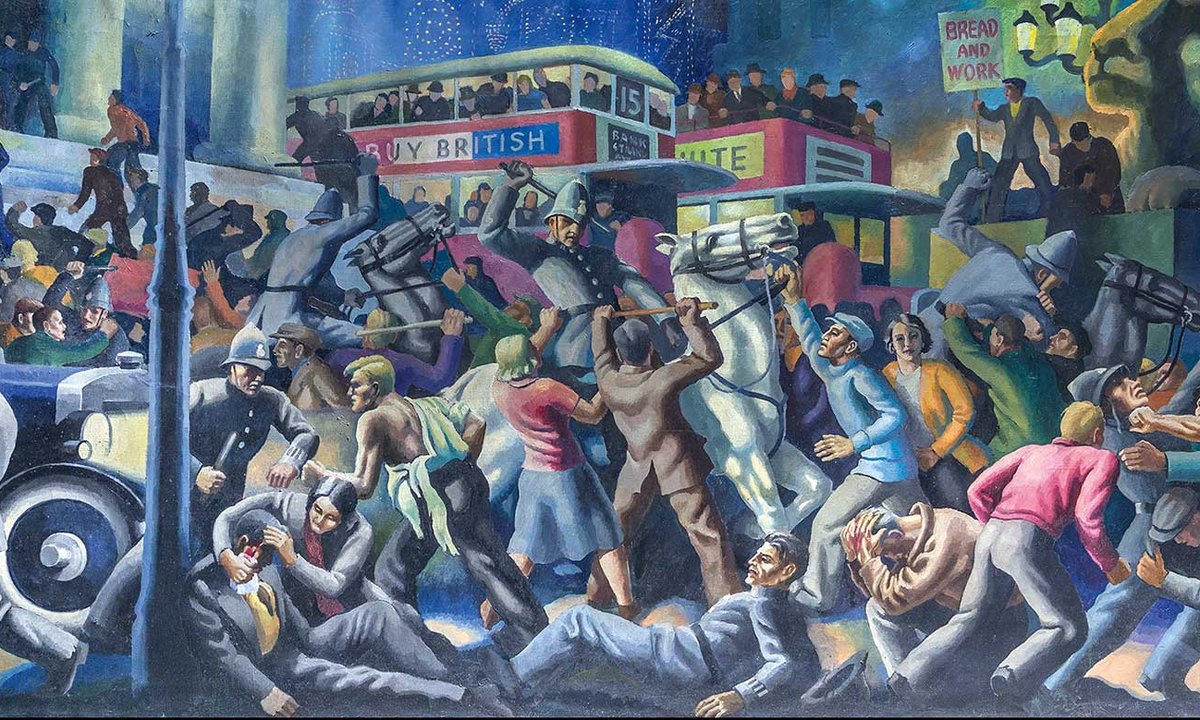
Andy Friend's book "Comrades in Art" chronicles the founding and first decade of the Artists International Association (AIA), a radical union of artists established in London in the 1930s. The AIA, born from a belief in art's power to revolutionize society, grew from a small group of mostly underemployed communist-affiliated commercial artists into a popular front against fascism and war, eventually including over 1,000 members such as Henry Moore and Paul Nash. The book focuses on lesser-known figures like Felicia Browne, the first British female combatant killed in the Spanish Civil War.