filter_list Showing 70 results for "Central" close Clear
search
dashboard All 1283 museum exhibitions 677article local 148article news 145trending_up market 86article culture 70person people 54article policy 33rate_review review 29candle obituary 21gavel restitution 16article event 3article museum 1
date_range Range Today This Week This Month All
Subscribe

jean baudrillard photography art performance

Jean Baudrillard, the French philosopher whose concept of simulation inspired *The Matrix* (1999), is the subject of a new biography by Emmanuelle Fantin and Bran Nicol. The article explores Baudrillard's complex relationship with the art world: he was celebrated by artists and served on *Artforum*'s editorial board, yet he disavowed the Neo-Geo movement that claimed his ideas, arguing that art had become indistinguishable from commerce and lost its critical distance. His 1987 lecture at the Whitney Museum drew thousands, but he used the platform to declare art's irrelevance.
Which City Will Be the Next Asian Art Hub? That’s the Wrong Question

The traditional quest to identify a single dominant Asian art hub is being challenged by the organic growth of decentralized scenes in cities like Bangkok and Hanoi. While Hong Kong and Seoul remain established centers, private initiatives and artist-led projects in Thailand and Vietnam are building resilient, hybrid ecosystems that prioritize long-term structural depth over immediate auction results. From the opening of Dib Bangkok to experimental exhibitions in Hanoi, these cities are transitioning from peripheral status to significant cultural players through a mix of private museums, biennials, and non-profit platforms.

13 Nudes That Changed Western Art History

The article presents a curated list of 13 seminal Western artworks featuring the nude form, highlighting how each piece shifted artistic conventions and cultural perceptions. It begins with the Paleolithic Venus of Willendorf and moves chronologically through works by artists including Sandro Botticelli, Leonardo da Vinci, Lavinia Fontana, and Édouard Manet, analyzing their groundbreaking approaches to depicting the human body.

contemporary frames

Artist Harry Gould Harvey IV and others are reclaiming the frame as an integral part of the artwork, using found wood and elaborate designs to embed narrative, memory, and place. Harvey, represented by P.P.O.W., began making frames from a fallen black walnut tree, while artists like Jenna Rothstein create ceramic frames with spiky thorns. The New Museum Los Gatos recently honored Holly Lane, a pioneer who milled Renaissance-style frames in the 1980s, challenging the minimalist norm.

8 gulf artists defining the regions new cultural renaissance

Artnet News profiles eight Gulf artists who are shaping the region's cultural renaissance, including Mohammad Alfaraj and Dana Awartani. The article highlights their growing international recognition, with Alfaraj winning Art Basel Emerging Artist and Gold Awards in 2025 and Awartani exhibiting at the 2024 Venice Biennale. It notes the expansion of major art fairs like Art Basel and Frieze into the Gulf, alongside new homegrown initiatives such as the Diriyah Contemporary Art Biennale and Rubaiya Qatar.

The Contemporary Art Destinations Gallerists and Artists Have on Their Radar

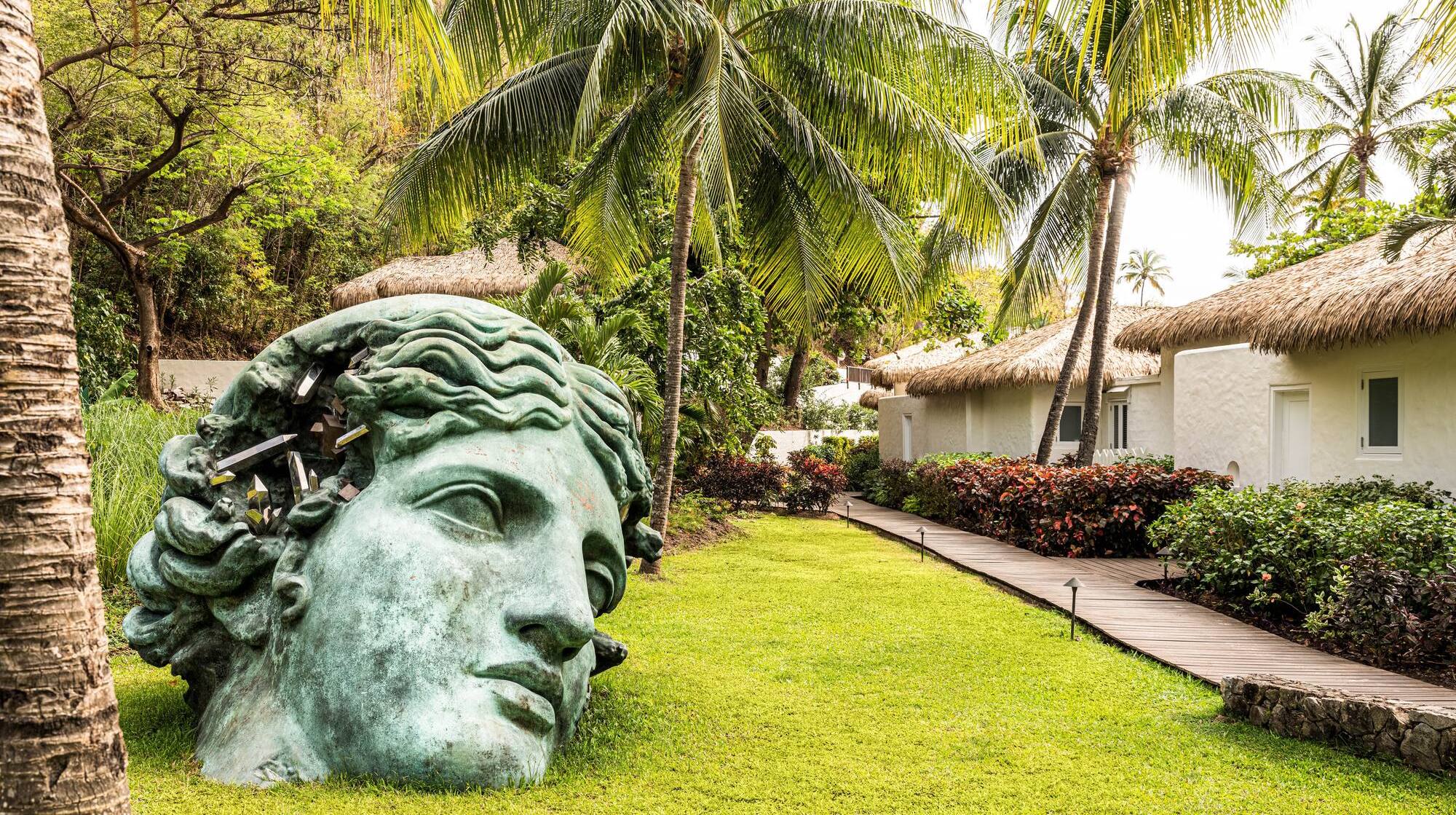
WWD asked top international gallerists, collectors, and artists to name the cities they find most exciting for contemporary art. Karen and Christian Boros recommend Naples and the Amalfi Coast, highlighting galleries like Galleria Giangiacomo Rossetti, Thomas Dane Gallery, and Lia Rumma, as well as Fondazione Morra Greco and Le Sirenuse hotel. Daniel Arsham points to Sugar Beach in St. Lucia for its large contemporary sculpture collection. Jean-Michel Othoniel champions South Korea, citing Seoul's Leeum Samsung Museum of Art, Kukje Gallery, and the Kiaf Seoul fair, plus the city of Busan. Emma Lavigne of the Pinault Collection names Venice, especially during the Biennale Arte di Venezia, as an essential destination.

Expanded Vocabulary: Revisiting Deborah Kass’ Studio

The article recounts the author's visit to Deborah Kass's Brooklyn studio, which she shares with her wife, artist Patricia Cronin. The visit was prompted by logistical issues related to the author's exhibition "Social Minimalism" (2025). During the visit, the author and Kass revisited themes central to Kass's work over three decades: the exclusion of women from art history, Jewish identity, queer voice, lesbian subjectivity, and postwar American art. The conversation also touched on Kass's series including the Warhol Project, Feel Good Paintings, No Kidding, and the large painting/sculpture installation "Everybody" (2019), which was recently featured in a conversation between Kass and Titus Kaphar in Interview magazine.

Ary Scheffer en 2 minutes

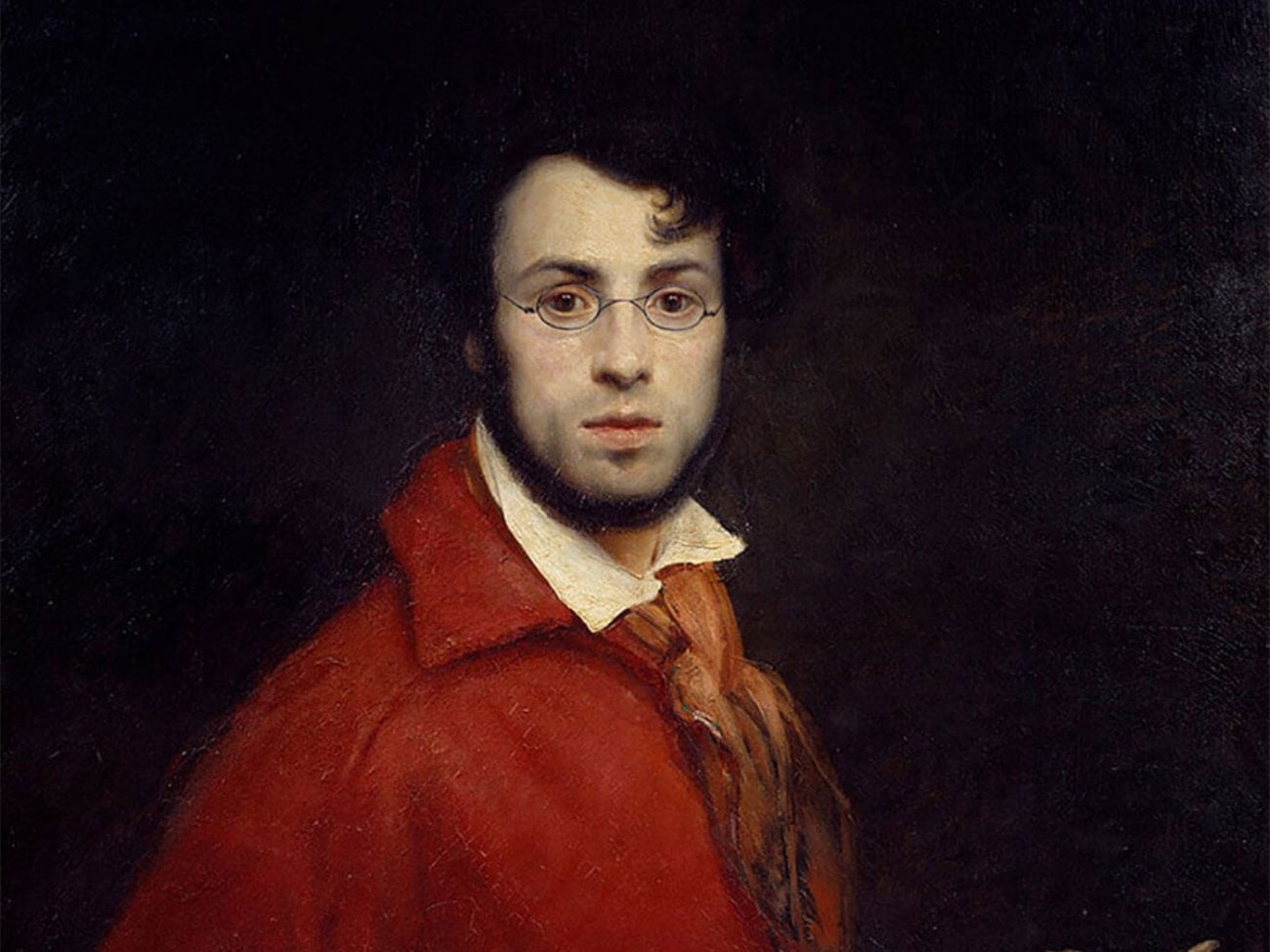
Ary Scheffer (1795–1858) was a Dutch-born Romantic painter who became a central figure in Parisian artistic and cultural life during the July Monarchy. He was the official portraitist of the Orléans family and created deeply melancholic, spiritual works inspired by Dante, Goethe, and the Gospels. His studio at 16 rue Chaptal, in the Nouvelle Athènes district, hosted legendary Friday gatherings attended by Chopin, Liszt, George Sand, and Dickens, and now houses the Musée de la Vie romantique. Key works include *Le Dévouement patriotique des six Bourgeois de Calais* (1819) and *Les Femmes souliotes* (1827), both acquired by the French state.

Buzkashi horsemen battling for a headless goat: Todd Antony’s best photograph

Photographer Todd Antony discusses his black-and-white series capturing the Central Asian sport of buzkashi, in which horsemen compete to grab and control a headless goat carcass. He traveled to Tajikistan to document matches involving up to 300 riders, shooting from a pickup truck and later taking portraits of riders on farms. One striking image shows three horses and their riders against a snowy mountain backdrop, with fog rolling in—a moment that inspired him to channel Richard Avedon's style using artificial lighting.

How Caravaggio’s Dark Masterpieces Mirror the Crimes in Netflix’s Ripley

as seen on ripley netflix caravaggio

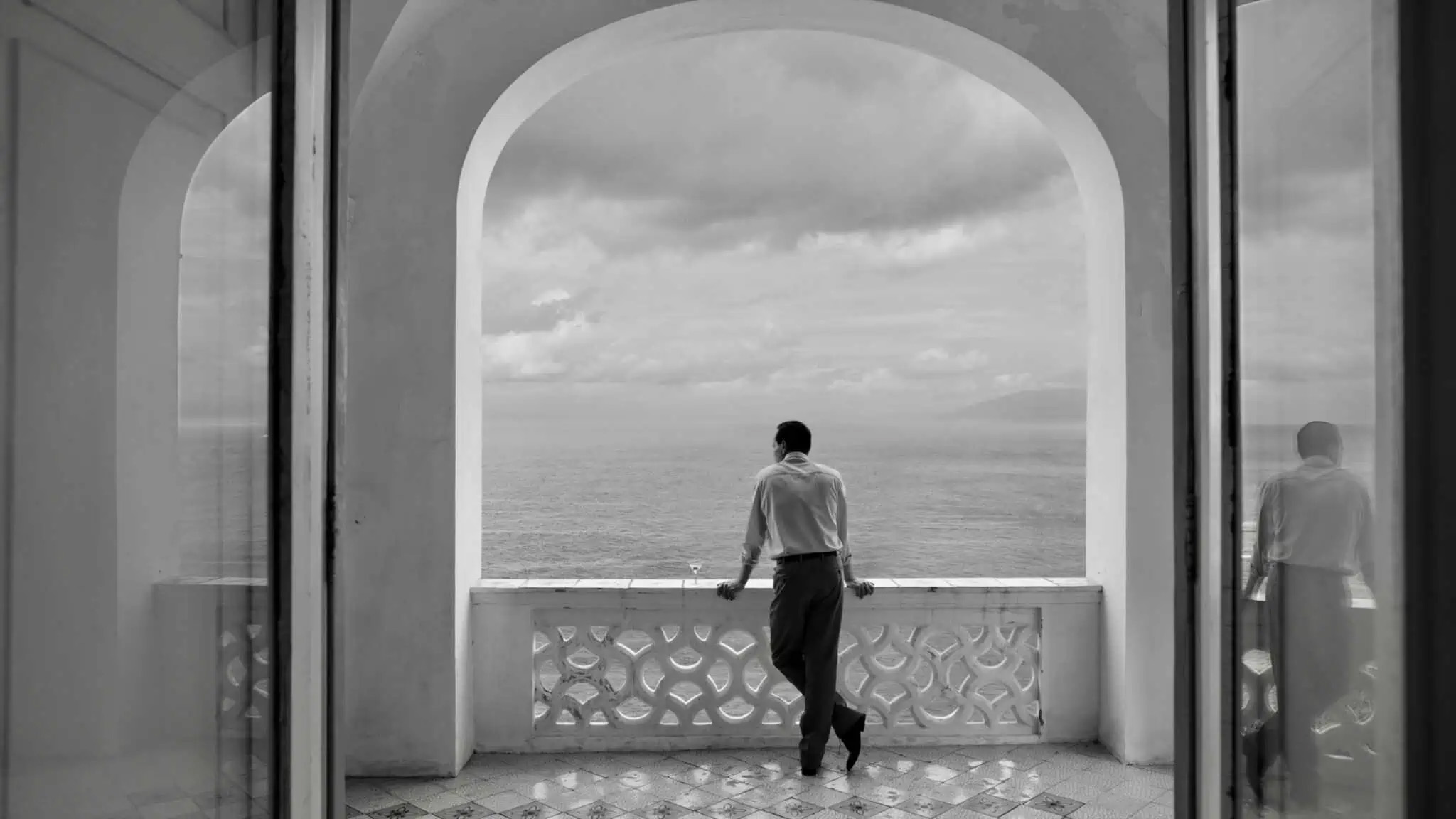
The Netflix series Ripley, an adaptation of Patricia Highsmith’s novel, utilizes the works of Caravaggio as a central narrative and aesthetic device. The show follows Tom Ripley, a grifter who travels to Italy and eventually adopts the identity of a wealthy acquaintance after committing murder. Throughout the series, Ripley encounters several of Caravaggio's masterpieces, including The Seven Acts of Mercy and David with the Head of Goliath, which serve as dark mirrors to his own descent into violence.

untangling the myths behind henri rousseau eccentric masterpiece

The article examines the history and critical reception of Henri Rousseau's 1897 painting *The Sleeping Gypsy*. It details the painting's creation, its initial exhibition at the Société des Artistes Indépendants, and its subsequent journey through the art market—from being lost and rediscovered at a coal dealer's to being sold by dealer Daniel-Henry Kahnweiler and collected by John Quinn, before ultimately entering the collection of The Museum of Modern Art in New York.

ed ruscha collaborating andsons holiday chocolate bar

Ed Ruscha has collaborated with Los Angeles-based boutique chocolatier andSons to create a limited-edition chocolate bar. The bar is molded to resemble California's Central Valley topography and contains Peruvian dark chocolate, sea salt from Tomales Bay, and blood orange olive oil from Sonoma County. Packaged in an orange box with a reproduction of Ruscha's 1971 lithograph *Made in California*, only 300 bars will be produced, priced at $295 each, available starting early December 2025.

art bites marcel duchamp dentist check

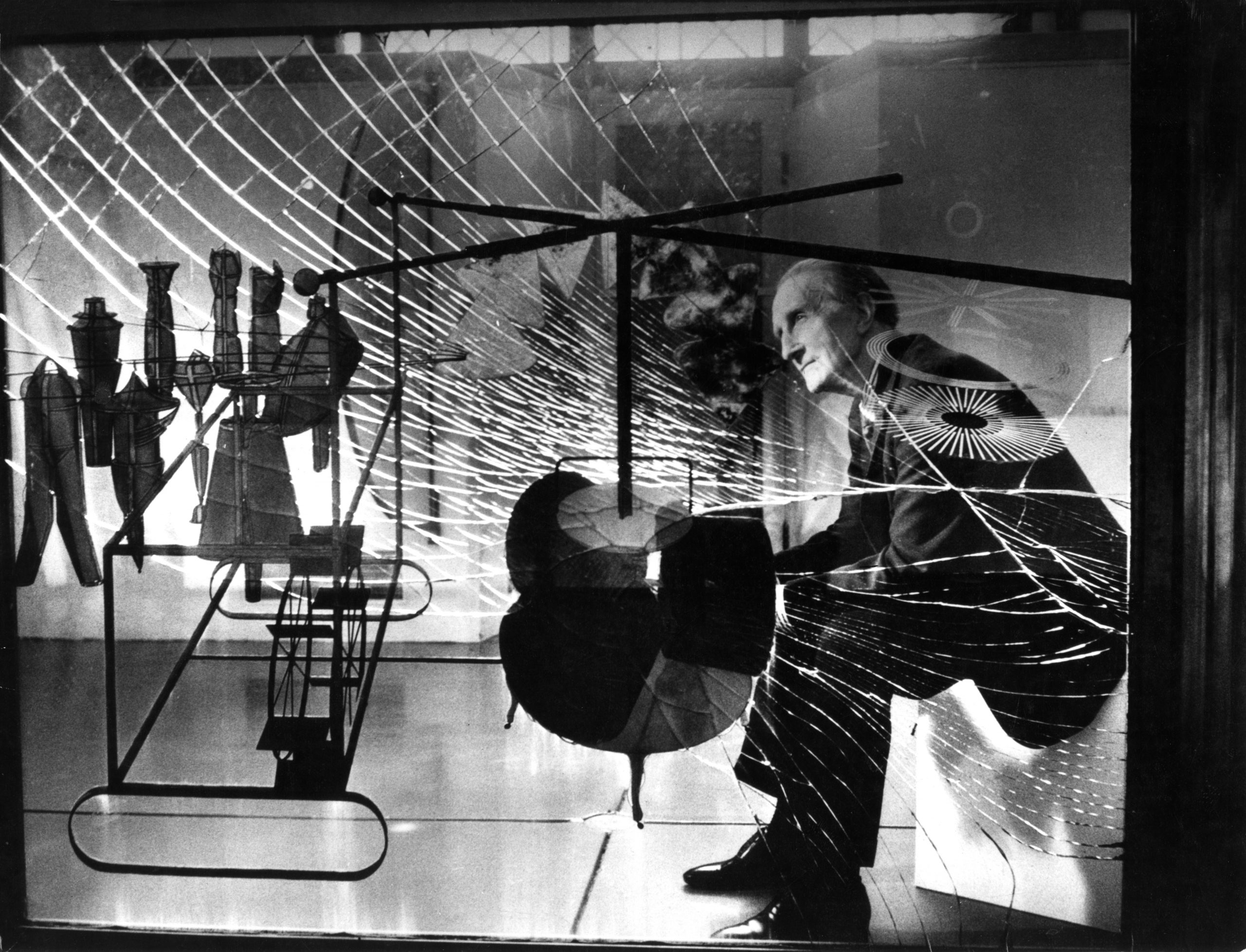
Marcel Duchamp paid his dentist, Daniel Tzanck, with a hand-painted forged check in 1919, titled *Tzanck Check*. The work mimics a real bank check made out for $115, drawn on the fictitious “The Teeth’s Loan & Trust Company Consolidated.” Duchamp meticulously painted each letter to look printed, and the dentist—who was also a major art collector—never cashed it, recognizing its artistic value. The check is now a promised gift to the Israel Museum in Jerusalem, with a 1938 reproduction held by M+ museum in Hong Kong.

art bites duchamp man ray tennis

The article recounts the first meeting between artists Marcel Duchamp and Man Ray in 1915, when a language barrier threatened their connection. They broke the ice with an impromptu tennis match using old rackets and a ball, with no net, as Man Ray called out tennis scores and Duchamp simply replied 'yes.' This playful encounter launched a five-decade friendship and prolific collaboration, during which they co-created works ranging from photographs and installations to experimental films, and became central figures in New York Dada.

In a Historic Kyoto Neighborhood, a New Hotel Channels the Past

A new hotel, the Ace Hotel Kyoto, has opened in the historic Umekoji neighborhood, housed within a renovated 1920s brick building that was once the Kyoto Central Telephone Office. The project, a collaboration between Ace Hotel Group and Japanese developer NTT Urban Development, blends the original structure's industrial character with contemporary design by Kengo Kuma and Commune Design, featuring guest rooms, restaurants, and a gallery space.

There Has Never Been an Apolitical Venice Biennale

The Venice Biennale, with its national pavilion structure, has always been a platform for political expression and soft power, a reality evident from its early 20th-century origins. Contemporary critic Arturo Lancellotti's 1909 review of the German and British pavilions was steeped in geopolitical context, revealing how national artistic displays were interpreted through the lens of imperial power and military alliances.

Salvador Dalí’s Frustrating Vision of the Divine

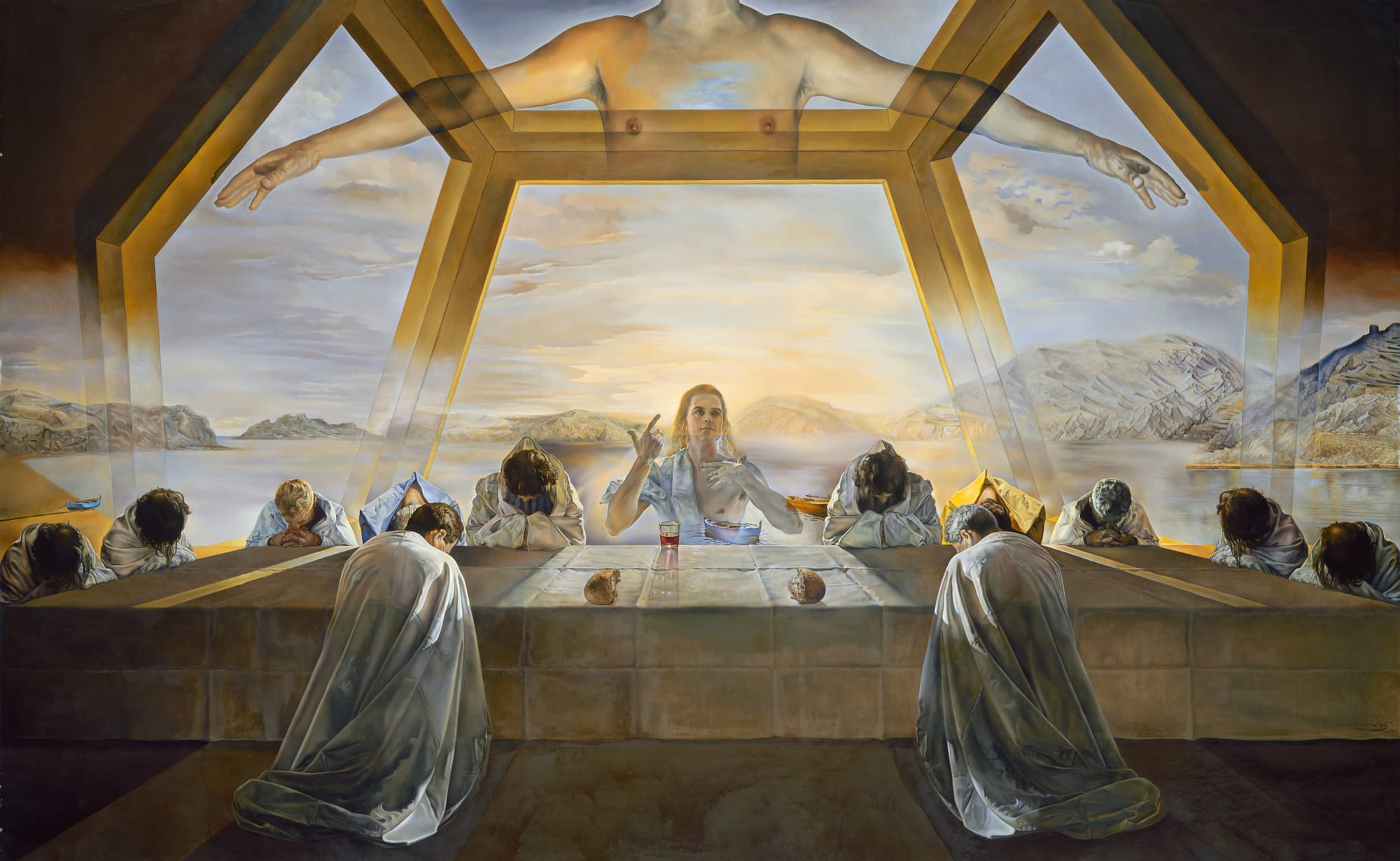
A feature article examines Salvador Dalí's controversial religious painting "Christ of Saint John of the Cross" (1951), which was physically attacked by vandals on two separate occasions—once with a rock in 1961 and later with an air rifle. The painting, part of Dalí's "Nuclear Mysticism" phase, depicts a floating, unblemished Christ from an aerial perspective, based on a drawing by the mystic St. John of the Cross and modeled by a Hollywood stunt double.

Can Digital Art Ever Truly Replicate the Gallery Experience?

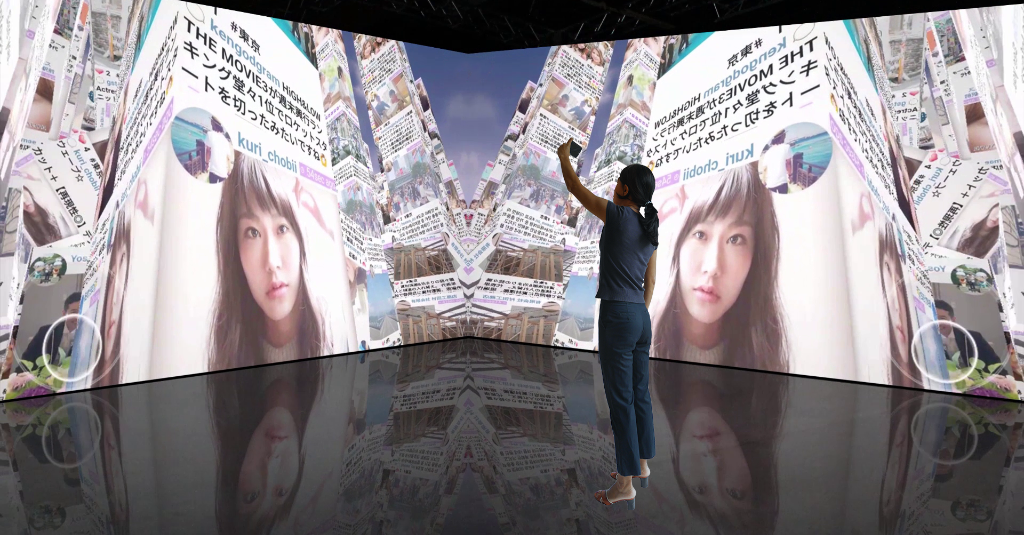
The article explores whether digital art platforms can replicate the experience of visiting a physical gallery. It acknowledges the impressive progress of virtual exhibitions—global accessibility, VR tours, AR overlays, and high-resolution zoom—and notes that 35% of UK adults digitally engaged with the arts in 2024/25, up from 27% in 2021/22. However, it argues that something essential is lost without physical presence: the tactile encounter with a painting's texture and scale, the serendipity of in-person discovery, and the spatial awe of standing before a Rothko in a white cube.

Inside New York’s Rogue Project Spaces

A digital cover story profiles New York City's rogue project spaces—artist-run venues like U-Haul Gallery, Desnivel, Spielzeug, Catbox Contemporary, and 95 Gallon Gallery—that operate in unconventional locations such as trash bins, moving trucks, bodegas, laundromats, buses, and cat towers. The article features interviews with founders including Maria De Victoria (Desnivel), James Sundquist and Jack Chase (U-Haul Gallery), and others, highlighting how these spaces counter the bureaucracy of institutional exhibitions by prioritizing artist freedom, intimacy, and community engagement.

The Year AI Captured Art

The article surveys the visual art landscape of 2025, arguing that the year's defining throughline is the increasing centrality of artificial intelligence—a technological revolution most people didn't ask for but cannot escape. It highlights several exhibitions and works that engage with AI in different ways: Seth Price's show at Isabella Bortolozzi in Berlin, which uses generative images from the pandemic era overlaid with gestural paint strokes; Charmaine Poh's video "GOOD MORNING YOUNG BODY" (2023) at Palais Populaire, where she deploys deepfake technology to have her twelve-year-old self speak back to internet trolls; and Philippe Parreno's show at Haus der Kunst, which poeticizes how generative technologies interact with humans and nature. The article also notes the rise of AI-generated "slop" online and its incursion into the physical art world, as well as market shifts where larger galleries are increasingly acquiring Instagram-friendly emerging artists directly.

Art, fashion and nature join forces

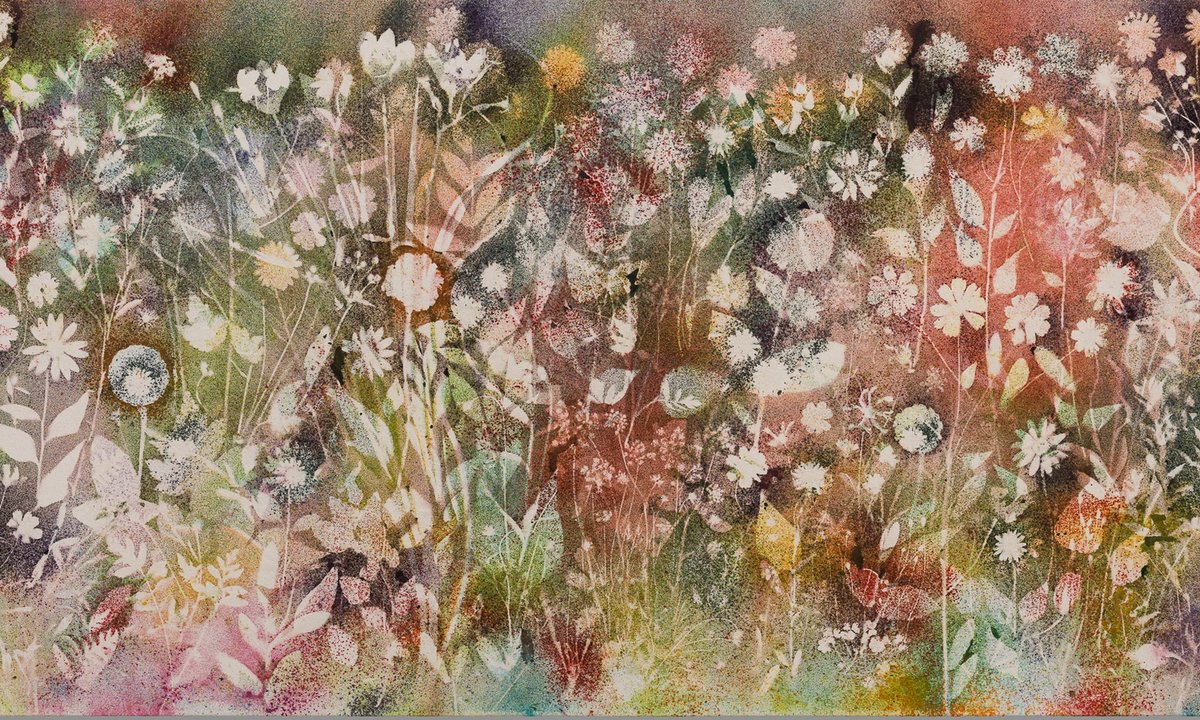
The article features a conversation between Los Angeles-based artist Sam Falls and Edoardo Zegna, chief marketing, digital and sustainability officer at the Italian luxury menswear brand Zegna, during Miami Art Week. Falls creates works that blend Land Art and plein air photography by leaving materials in natural environments, while Zegna discusses the brand's century-long stewardship of Oasi Zegna, a 100 sq. km forest in the Italian Alps. Zegna has created an invitation-only pop-up space called Villa Zegna in the Design District showcasing Falls's works, and Falls also has pieces at 303 Gallery's stand at Art Basel Miami Beach and in the Ruinart Lounge.

30 Artists Defining Queer Art Now

Artsy has published its annual Pride Month feature 'Queer Art Now,' spotlighting 30 LGBTQ+ artists who are shaping contemporary art. The artists were nominated by leading art-world figures including curator Legacy Russell, photographer Catherine Opie, and art advisor Racquel Chevremont. The cohort spans painters, photographers, performers, and sculptors, with profiles detailing their practices and recent exhibitions. The feature also includes a reflective essay by curator Gemma Rolls-Bentley on major themes in queer art today.

Sheila Hicks en 2 minutes

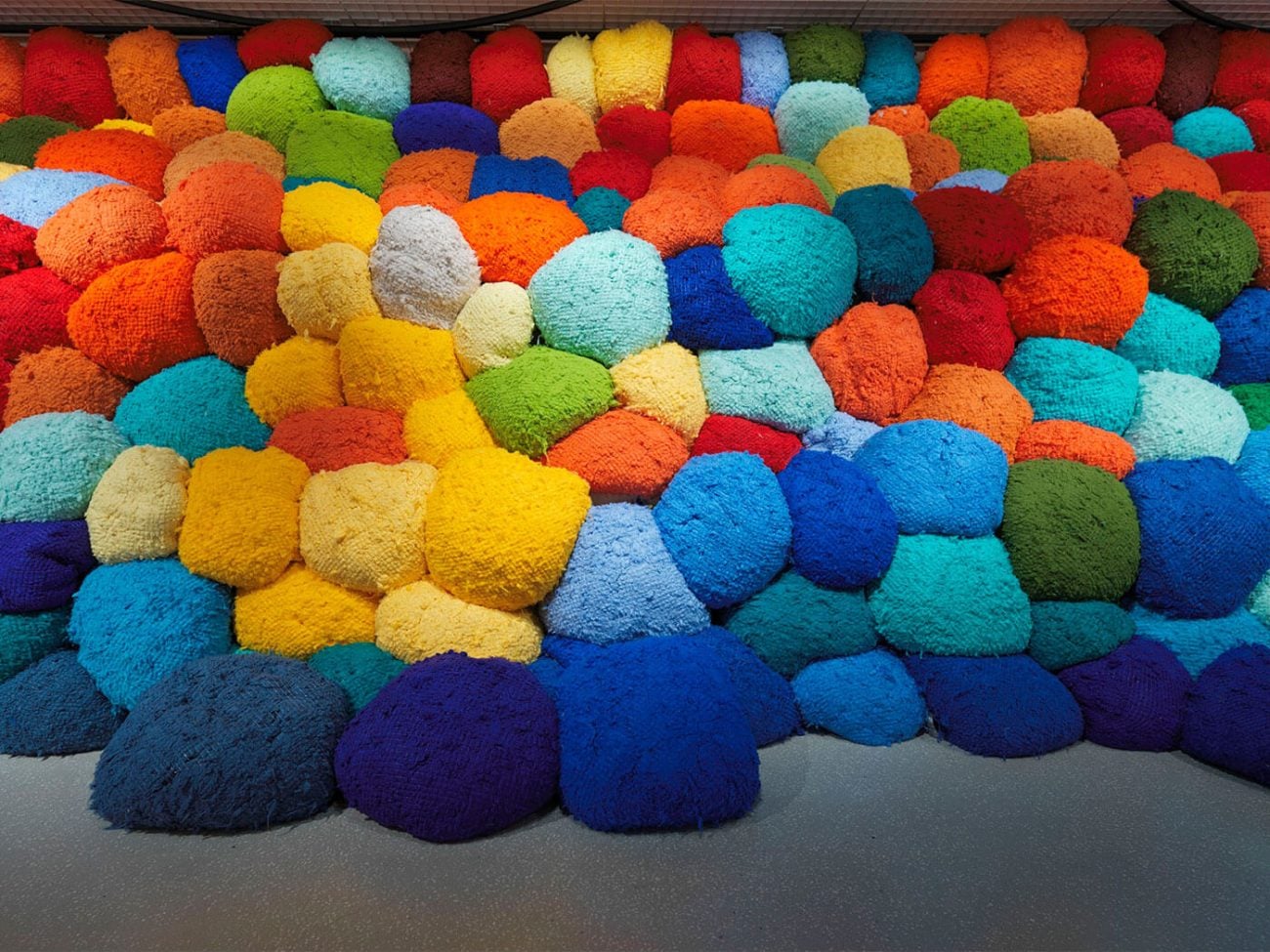
Sheila Hicks, the American textile artist born in 1934, is profiled in a concise overview of her career. The article traces her journey from studying under Josef Albers at Yale and learning weaving from Andean artisans in Chile, to establishing her studio in Mexico and later Paris. It highlights her monumental commissions for hotels, embassies, and public spaces, as well as her intimate "Minimes" works. Key milestones include her 2014 piece "Pillar of Inquiry/Supple Column" at the Whitney Biennial, her 2017 installation at the Venice Biennale, and a major retrospective at the Centre Pompidou in 2018.

The Story Behind Tschabalala Self’s Met Gala Dress by Brandon Blackwood

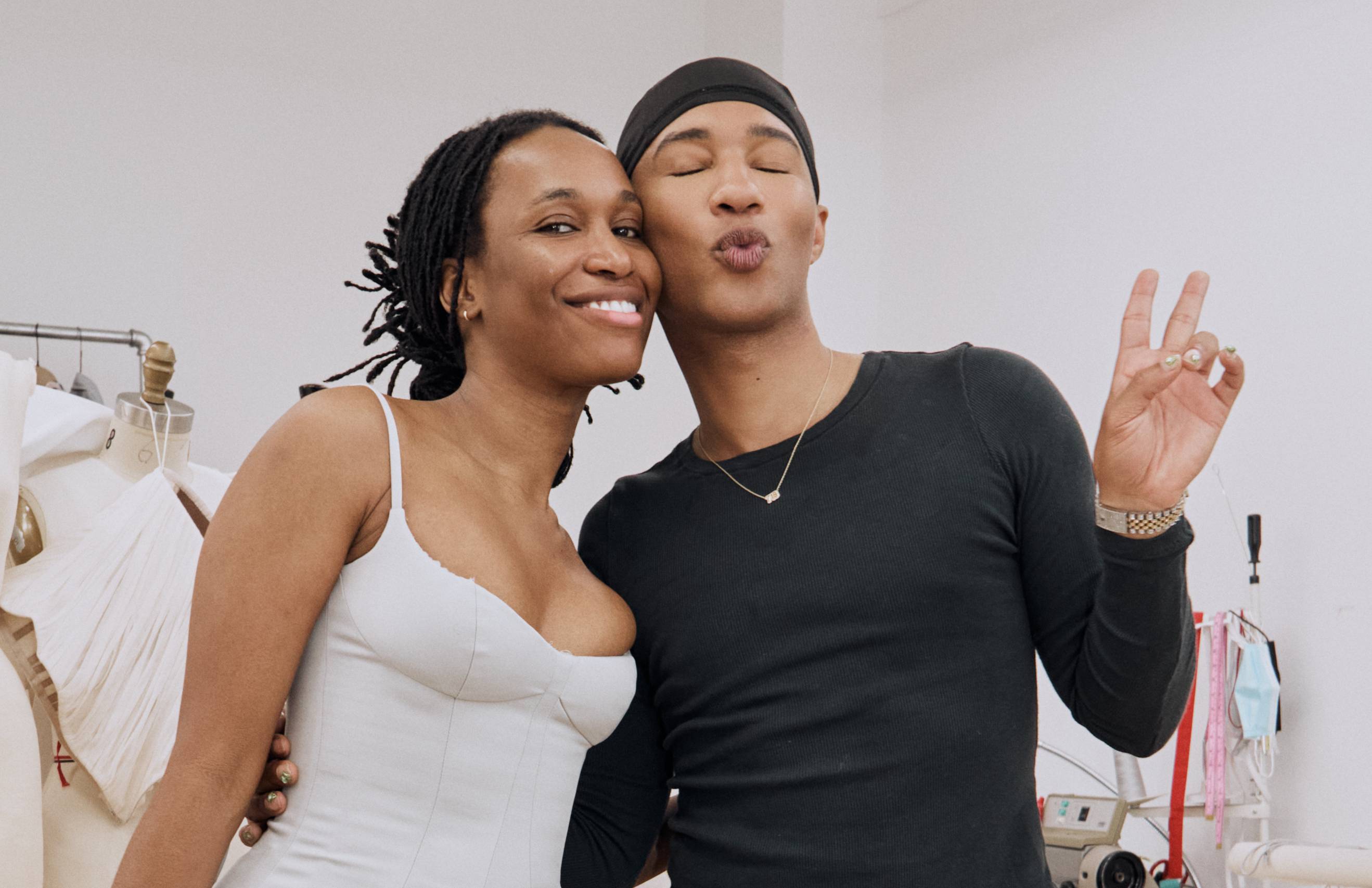
Artist Tschabalala Self will co-chair the 2026 Met Gala, marking her first attendance at the event, which launches the Costume Institute's new exhibition “Costume Art.” She collaborated with designer Brandon Blackwood, a friend, to create her gown and style her look for the evening.

w david marx blanks space

W. David Marx joins Artnet News senior editor Kate Brown on the podcast 'The Art Angle' to discuss his new book, *Blank Space: A Cultural History of the Twenty-First Century*. The book argues that creativity across art, media, and popular culture has stagnated over the past 25 years, driven by commercialization, rapid technology shifts, and a preference for profit-driven formulas over experimentation. Marx identifies a 'conspicuous blank space where art and creativity used to be' and proposes five strategies to revive cultural inventiveness.

david adjaye me too studio museum princeton west african

The article reflects on the #MeToo movement's failure to achieve lasting change, using the case of architect David Adjaye as a central example. Adjaye was accused in 2023 by three women of sexual exploitation, harassment, and creating a hostile work environment at his firm, Adjaye Associates, allegations he denied. Despite initial backlash—including termination from projects like Westminster's Holocaust Memorial—many clients quietly resumed working with him, illustrating a broader pattern of institutional cowardice.

marsha p johnson biography art tourmaline tiny reparations

This excerpt from Tourmaline's forthcoming book "Marsha: the Joy and Defiance of Marsha P. Johnson" (Tiny Reparations, May 20) focuses on Marsha P. Johnson's use of hand-sewn banners and textile art as tools of activism and joy within the gay liberation movement. It describes her creation of banners reading "GAY POOOR PEOPLE" and "Gay Love," the latter borrowed by the Hot Peaches theater troupe, and her broader artistic practice spanning acting, performance, fashion, and songwriting. The text also notes artist Tuesday Smilie's 2018 recreation of Johnson's STAR banner for an exhibit at the Rose Art Museum.

takahashi mizuki textile art

In a recent edition of Artnet Pro's newsletter 'The Asia Pivot', the director of CHAT (Centre for Heritage, Arts and Textile) in Hong Kong reflects on highlights from Art Basel Hong Kong, including textile-based works by Movana Chen, Huan Po-Chi, and Ade Darmawan. The article discusses the growing engagement of contemporary artists with traditional craft practices like weaving, embroidery, and dyeing, particularly during the pandemic, and notes the distinct lineage of fiber art in Asia compared to the West, where it emerged as a subgenre of Modernism in the 1960s.

art where artists hang out nyc

Cultured magazine surveyed 30 New York-based artists to find out where they hang out in 2026, as affordable and easy gathering places have become scarce. The responses range from iconic spots like the Rose Reading Room at the New York Public Library and the Metropolitan Museum of Art to more offbeat locales such as a karaoke bar on Bowery, a Cantonese noodle house in Chinatown, and a church hosting vogue sessions. Artists including Coco Klockner, Jamian Juliano-Villani, Tiffany Sia, Amanda Ba, Lucy Bull, and others share their personal favorites, highlighting a diverse mix of libraries, restaurants, bars, and community spaces.

Full Circle

The article reports on the impact of President Javier Milei's anarcho-capitalist economic policies on Argentina's cultural sector since his December 2023 election. Public museums like the Museo Nacional de Bellas Artes face frozen budgets and loss of autonomy, the cultural ministry has been shuttered, and a climate of fear and retribution has led many in the art world to speak anonymously. The piece focuses on artist Liv Schulman's film and exhibition "Un círculo que se fue rodando" (2024) as a psychological portrait of the nation under Milei, and includes observations from a Buenos Aires gallerist and journalist about the dismantling of civic institutions.