
filter_list Showing 7 results for "Curator" close Clear
dashboard All 158 museum exhibitions 95person people 18article news 18article local 9article culture 7rate_review review 4trending_up market 3candle obituary 2article policy 1article event 1
date_range Range Today This Week This Month All
Subscribe

‘It’s not much but, at the same time, it’s very much’: the enduring impact of Sade’s style

The article discusses the enduring style of Sade Adu, frontwoman of the British group Sade, following the band's announcement of their induction into the 2026 Rock and Roll Hall of Fame. It highlights how Adu's signature look—scraped-back hair, red lipstick, hoop earrings, and simple black dresses or denim—has become iconic and influential, with her outfits featured in exhibitions like V&A East's 'The Music is Black' and referenced by celebrities such as Drake. The piece traces the origins of her style to her fashion design studies at Saint Martin's School of Art and her early work with designer Fiona Dealey.

Recording Presence: Practical Strategies For Documenting Contemporary Exhibitions

The article provides a practical guide to documenting contemporary art exhibitions, outlining methods for creating useful, ethical, and durable records. It emphasizes the importance of shot lists, consistent file naming, descriptive metadata, and accessibility features like captions and transcripts to ensure archives remain searchable and meaningful over time.

Dance Your Way to the Museum

Curator Naz Cuguoğlu argues in an opinion essay that museums should embrace the ethos of rave culture to become more welcoming and inclusive spaces, suggesting they can foster new forms of belonging. The article also covers several other art stories, including the discovery of pre-Hispanic rock art in Mexico that led to the rerouting of a train line, an exhibition of Genesis P-Orridge's mail art in Toronto, and artist Jean Shin's memorial project at Green-Wood Cemetery.

A teaspoon at a time: how LACMA built its collection

The Los Angeles County Museum of Art (LACMA) has grown from a fledgling institution into a world-class museum through a deliberate, long-term strategy of cultivating collectors, building strong local relationships, and leveraging its exhibition program to acquire major works. This approach, described as "a teaspoon at a time," involved patient donor cultivation and using international loan shows as opportunities to secure significant pieces for the permanent collection.

The Future of Museums Is a Dance Floor

Museums and art institutions are increasingly incorporating nightlife and rave culture into their programming, treating the dance floor as a site of cultural and political significance. Exhibitions like Steve McQueen's 2024 Dia Beacon show, the 2018 'Elements of Vogue' in Madrid, the Swiss National Museum's 2025 'Techno' exhibition, and the author's own 2025 curatorial project 'Rave into the Future: Art in Motion' at the Asian Art Museum demonstrate this institutional turn.

Shopping Experience: How Has the Way of Experiencing Luxury Changed?

Shopping experience: com’è cambiato il modo di vivere il lusso?

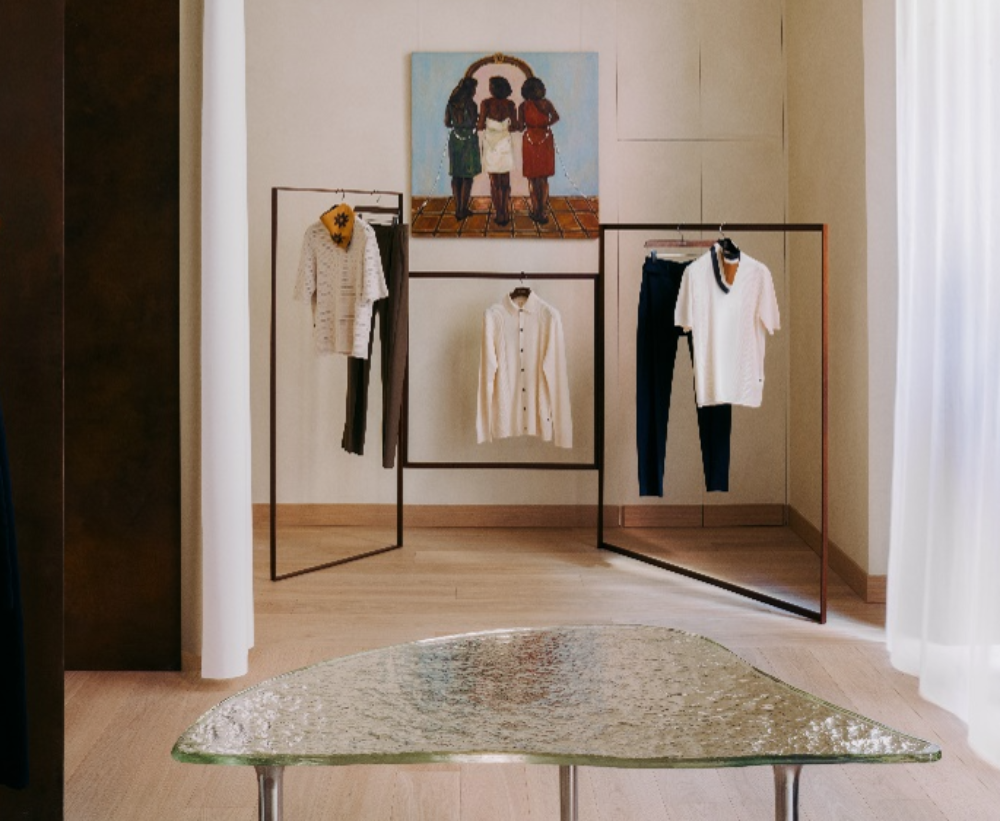
Luxury retail in Milan is undergoing a significant transformation, evolving from simple commercial spaces into 'cultural brandscapes' that blend art, design, and hospitality. Major fashion houses are redesigning their flagship stores to function as urban salons and living galleries, integrating site-specific art installations, historical architecture, and high-end gastronomy to foster community and tangible experiences in an increasingly digital world.

Museums have a duty to inspire the creatives of the future. At V&A East, I’ve made that my mission | Gus Casely-Hayford

Gus Casely-Hayford, the director of V&A East, outlines his vision for the new museum as a collaborative space designed specifically to re-engage young audiences. Highlighting a new commission by Cuban artist Tania Bruguera created with local youth, Casely-Hayford argues that museums must move beyond Victorian-era paternalism toward a model of co-creation. The institution has consulted over 30,000 young people to ensure its galleries, such as the "Why We Make" space, reflect contemporary concerns and community needs.