filter_list Showing 25 results for "DEFI" close Clear
dashboard All 310 museum exhibitions 172article news 32article culture 25rate_review review 19person people 16candle obituary 13trending_up market 12article local 11article policy 5gavel restitution 5
date_range Range Today This Week This Month All
Subscribe

Which City Will Be the Next Asian Art Hub? That’s the Wrong Question

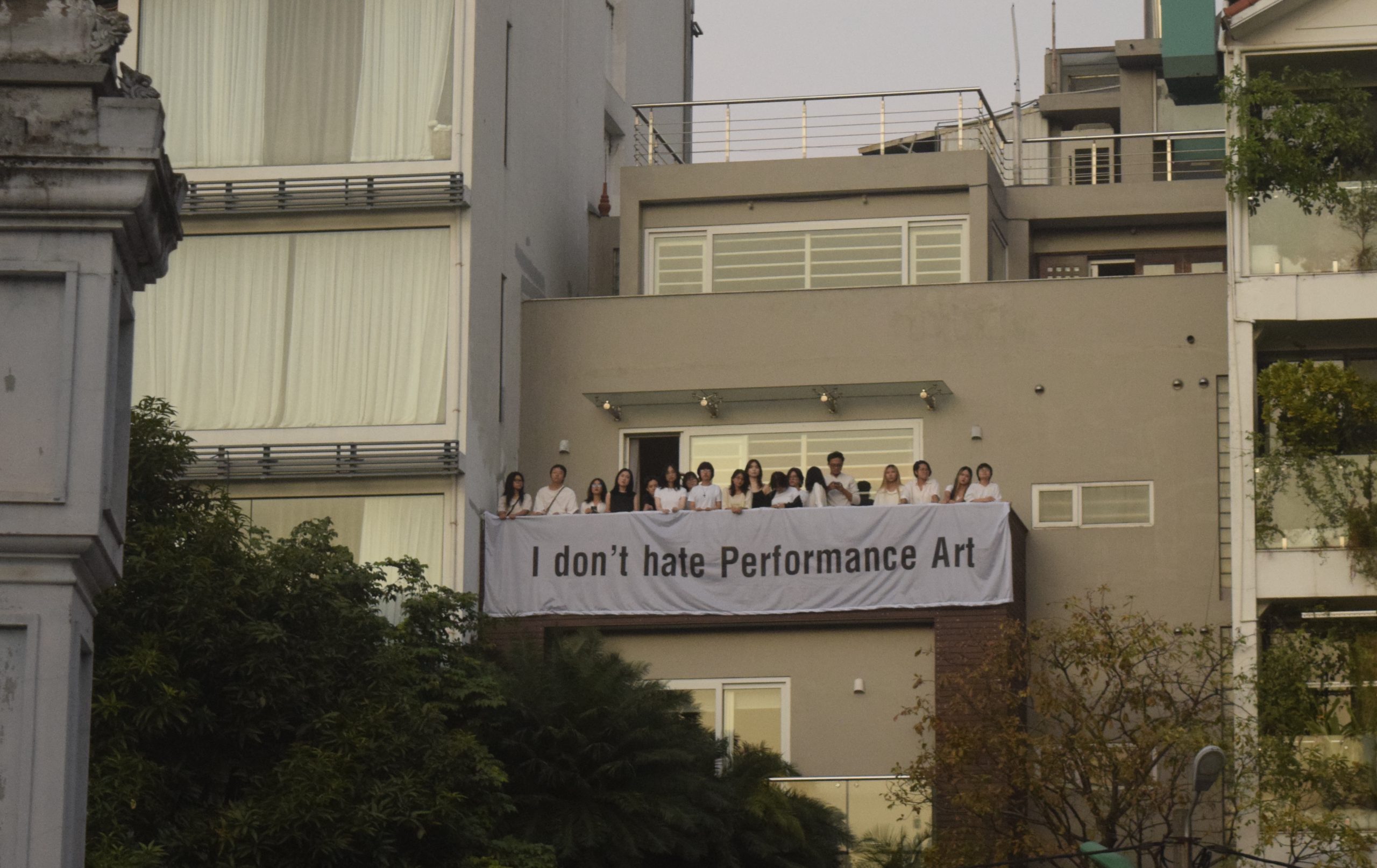
The traditional quest to identify a single dominant Asian art hub is being challenged by the organic growth of decentralized scenes in cities like Bangkok and Hanoi. While Hong Kong and Seoul remain established centers, private initiatives and artist-led projects in Thailand and Vietnam are building resilient, hybrid ecosystems that prioritize long-term structural depth over immediate auction results. From the opening of Dib Bangkok to experimental exhibitions in Hanoi, these cities are transitioning from peripheral status to significant cultural players through a mix of private museums, biennials, and non-profit platforms.
Nine Lessons on My Path From Engagement to Leadership

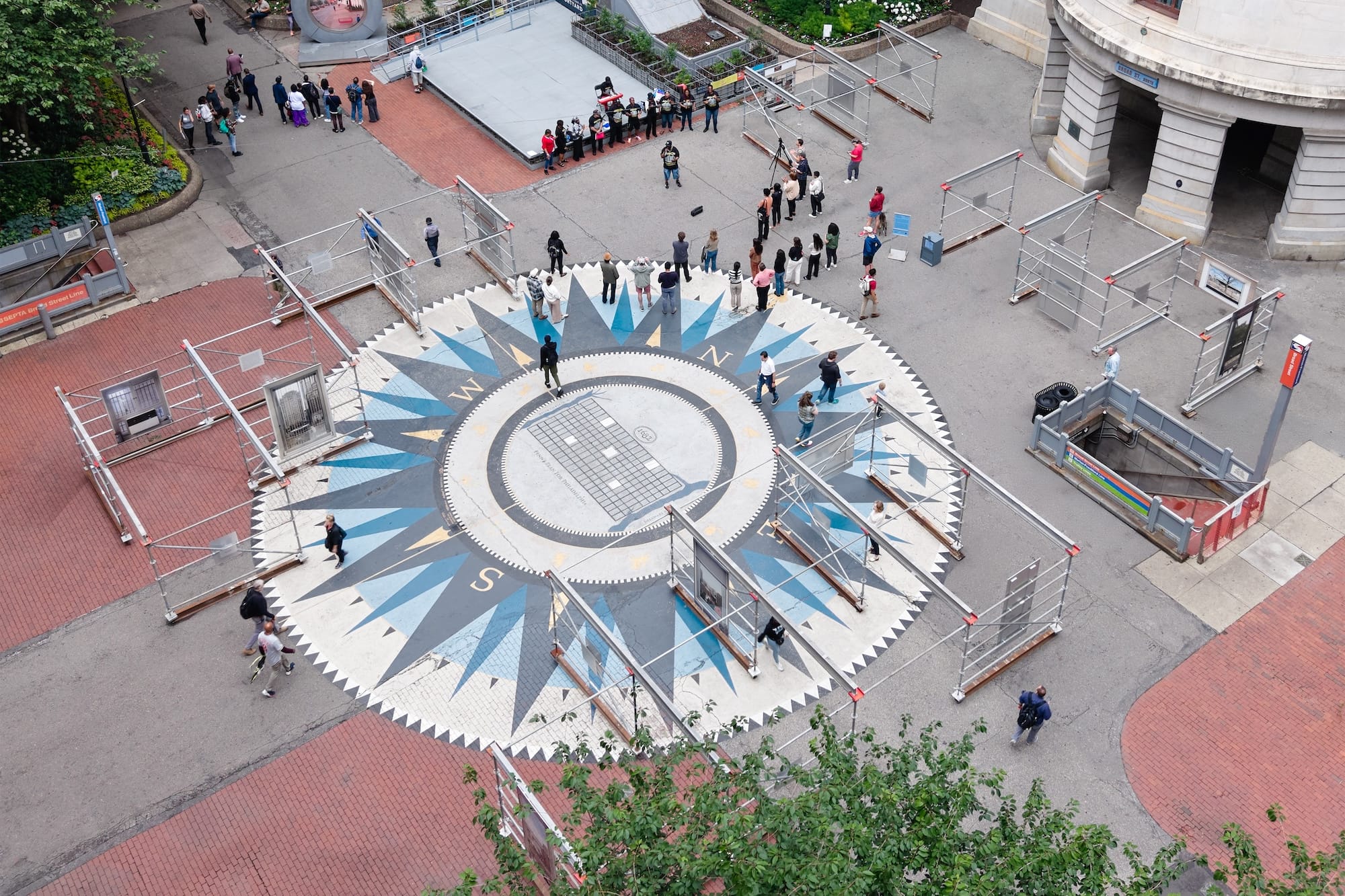
The article is an excerpt from the forthcoming field resource 'Curating Engagement,' featuring a first-person reflection by an arts professional. The author outlines nine lessons learned over two decades of practice, moving from engagement-focused roles to institutional leadership. Key lessons emphasize curiosity as a foundational practice, engagement as a form of service to communities rather than extraction, and the importance of site and history as collaborators in curatorial work.

The story of London's Great Exhibition, as seen through the eyes of artists

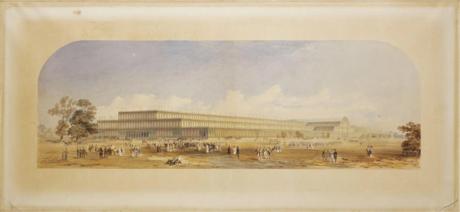
Julius Bryant’s new book, the fourth volume in his history of the Victoria and Albert Museum, re-examines the 1851 Great Exhibition through its visual legacy. By analyzing paintings, prints, and ephemera—including the vast archive of Charles Wentworth Dilke—Bryant reconstructs the 'Crystal Palace' experience, highlighting the youth of its organizers and the staggering speed of its construction. The narrative shifts focus away from traditional social theory toward the actual visual evidence of the event, from David Roberts’s massive panoramic paintings to the 235 sculptures that defined the era's artistic output.

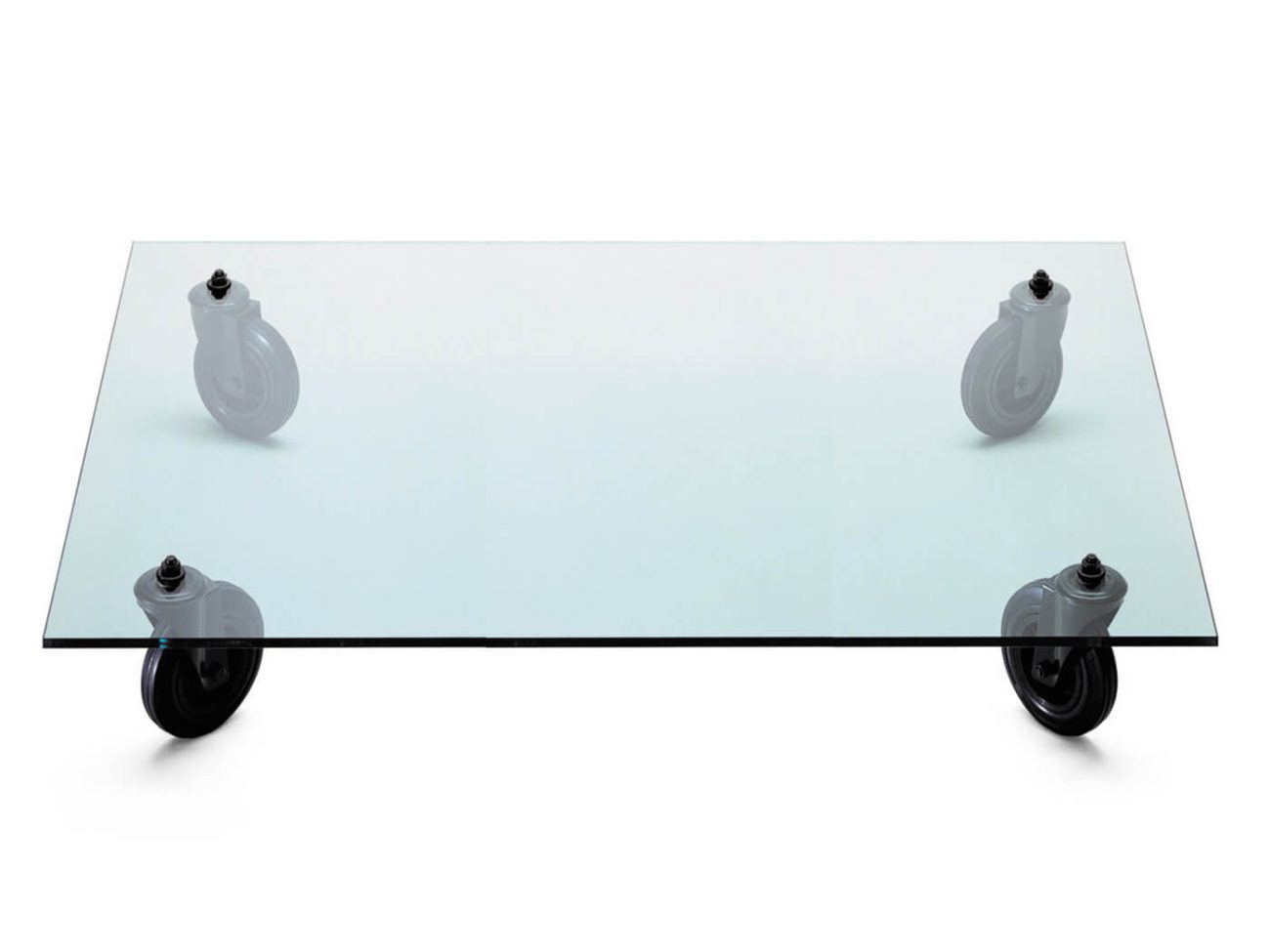
Gae Aulenti's 'Tavolo con ruote': A Radical Icon on Wheels

La « Tavolo con ruote » de Gae Aulenti : une icône radicale comme sur des roulettes

Gae Aulenti’s 1980 'Tavolo con ruote' (Table with wheels) remains a definitive icon of postmodern design, characterized by its radical simplicity. Created during Aulenti's tenure as artistic director of FontanaArte, the piece features a thick glass slab bolted to four industrial trolley wheels, a concept inspired by the factory carts used to transport glass. The table's enduring popularity is highlighted by its recent corporate history, as FontanaArte was acquired by Nemo Lighting in 2024 and subsequently integrated into the Spanish group Kettal in early 2026.

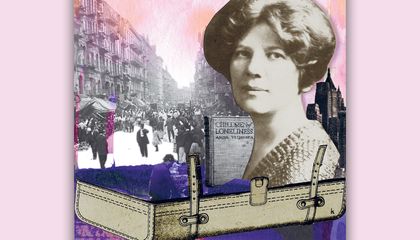
‘The Queen of the Ghetto’ Gave New York’s Immigrant Community a Voice. A Century Later, It’s Re-emerging

Anzia Yezierska, a Polish-Jewish immigrant who arrived in New York in 1890, defied traditional gender expectations to become a leading literary voice of the 1920s. Dubbed the 'Queen of the Ghetto,' she documented the raw struggles of immigrant women on the Lower East Side using a unique 'immigrant English' style that captured Yiddish idioms. After escaping a restrictive marriage and pursuing an education at Columbia University, she channeled her personal frustrations into stories of poverty, ambition, and the psychological toll of assimilation.

‘A cauldron of people with their tops off!’ Goldie, Estelle, Courtney Pine, Flo and more pick great moments in Black British music

Prominent figures in Black British music, including Goldie, Estelle, and Dennis Bovell, reflect on iconic photographs and visual artifacts that define the history of their genre. The article highlights specific works such as Eddie Otchere’s portrait of drum and bass pioneers Kemistry and Storm, Janette Beckman’s photography of Slick Rick, and Adrian Boot’s documentation of the Race Today offices in Brixton.

What Made Marcel Duchamp’s Readymades So Revolutionary?

Marcel Duchamp transformed the trajectory of 20th-century art by introducing the 'Readymade,' a concept where mass-produced, everyday objects are elevated to the status of art through the artist's selection rather than manual craft. Beginning with a bicycle wheel in 1913 and a bottle rack in 1914, Duchamp eventually formalized the term during a 1915 stay in New York, where the city's industrial modernity and lack of rigid class structures inspired him to challenge traditional definitions of creativity.

‘Occasionally a picture can change the course of history’: 33 scandalous photos that shocked the world

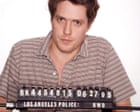
The article presents a curated collection of 33 photographs deemed to have caused public scandal, ranging from political and royal controversies to celebrity missteps and historical moments of defiance. It analyzes how these images, from Prince Andrew with Virginia Giuffre to Lee Miller in Hitler's bathtub, have exposed hidden truths, shattered carefully managed public images, and sometimes altered public perception or the course of events.

A Place of Perpetual Warmth: Hyde Park Art Center and the Making of Chicago’s Creative Identity

The Hyde Park Art Center (HPAC) stands as a vital pillar of Chicago’s grassroots creative identity, serving for eighty-six years as an unpretentious alternative to the city's major encyclopedic museums. From its early days under curator Don Baum, the center became a catalyst for the avant-garde, famously launching the careers of the Chicago Imagists and the Hairy Who. Today, it continues to function as a multifaceted ecosystem that blends community education, artist residencies, and experimental exhibitions within a residential neighborhood setting.

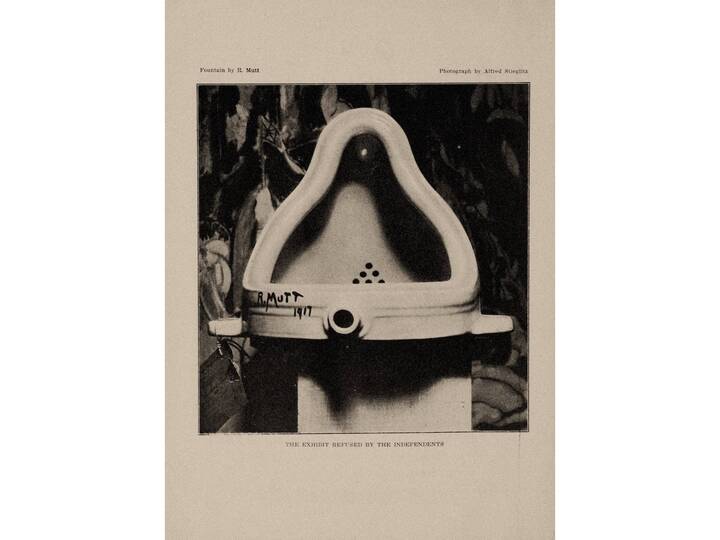
Duchamp Made a Urinal Into Art in 1917. We’re Still Discussing It.

Marcel Duchamp's 1917 submission of a porcelain urinal titled 'Fountain' to the Society of Independent Artists remains one of the most provocative acts in art history. By selecting a mass-produced object and designating it as art, Duchamp introduced the concept of the 'readymade,' effectively decoupling the value of an artwork from the manual skill of the artist.

How Australian Chefs and Farmers Are Rediscovering the Ingredients That Have Been There All Along

Author Bruce Pascoe and a new generation of Australian chefs are spearheading a movement to revive Indigenous agricultural practices and native ingredients. Drawing from Pascoe’s influential book *Dark Emu*, which challenges the colonial narrative of Aboriginal people as purely nomadic hunter-gatherers, the movement highlights sophisticated ancient systems of aquaculture, irrigation, and grain harvesting. From kangaroo grass to Kakadu plums, these native foods are being reintegrated into the Australian landscape and high-end culinary scene.

Collapse Finance, Part 2: Longevity Capitalism—Life as an Asset Class

The essay explores the emergence of "longevity capitalism," a financial and biopolitical regime where biological duration and life expectancy are treated as assets for capital accumulation. As traditional welfare systems and collective pension schemes collapse, the uncertainty of human lifespan has been transformed into a speculative frontier, with retirement security increasingly tied to volatile private equity and cryptocurrency markets.

At the Feast of the Revolution: A Film to Tell the Story of Gabriele D’Annunzio’s Fiume Enterprise

Alla Festa della Rivoluzione. Un film per raccontare l’impresa a Fiume di Gabriele D’Annunzio

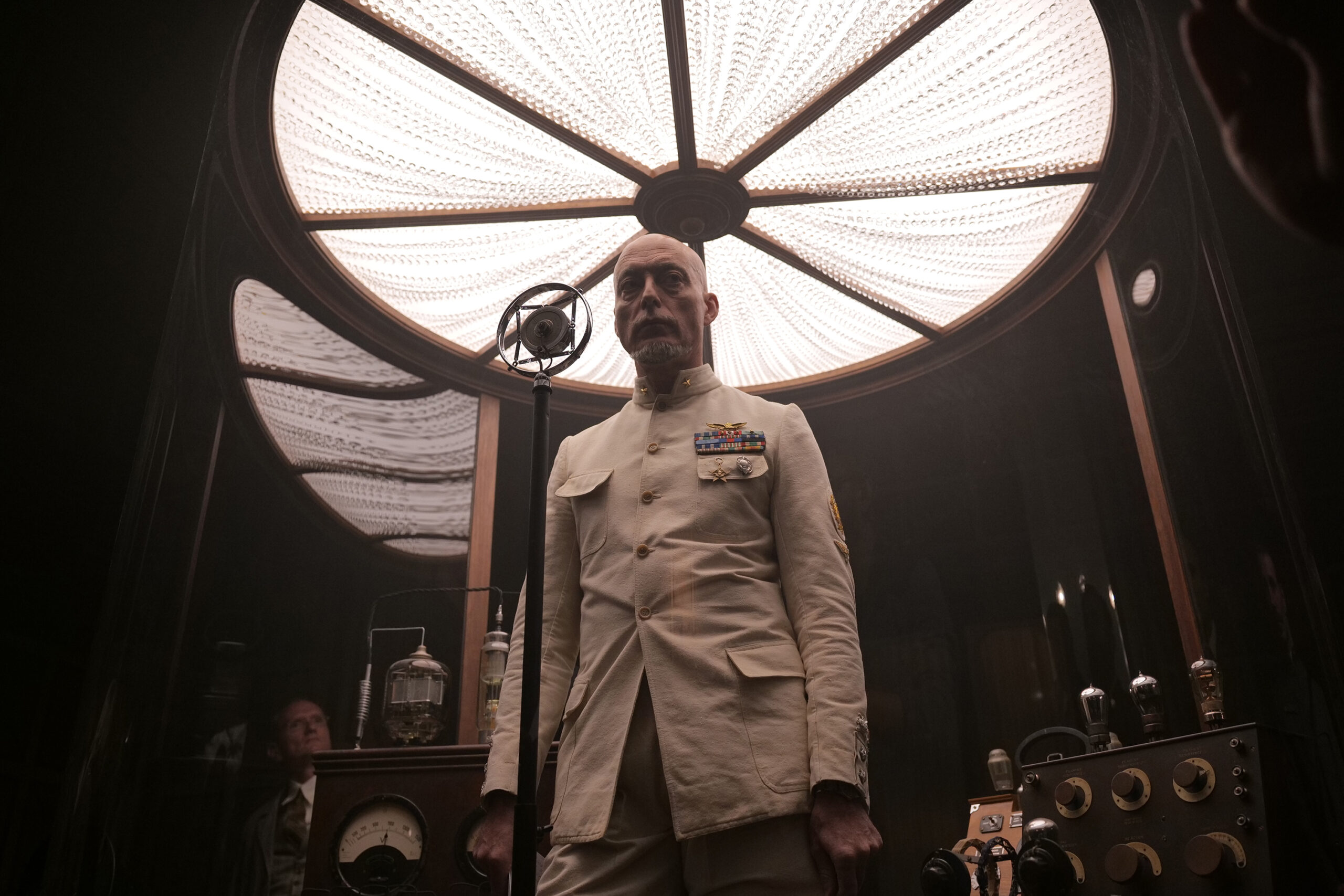
Director Arnaldo Catinari’s new film, *Alla Festa della Rivoluzione*, explores the 1919 occupation of Fiume led by the poet-soldier Gabriele D’Annunzio. Distributed by 01 Distribution and set for a mid-April release, the film depicts the city-state as a visionary laboratory where art served as a structural foundation and social hierarchies were temporarily dismantled. The narrative follows three fictional characters—a spy, a government official, and a deserter—whose lives intersect amidst the political and aesthetic fever of the D’Annunzio enterprise.

5 Art Job Openings That Are Definitely Not Exploitative

Hyperallergic published a satirical list of five fictional art world job openings, each parodying exploitative or absurd practices common in the industry. The positions include an Instagram comment moderator for a collector, an assistant to a famous artist with invasive demands, a "sentence complicator" for an art institution, a residency where the artist pays to work, and an endurance-based performance art participant compensated only with "exposure."

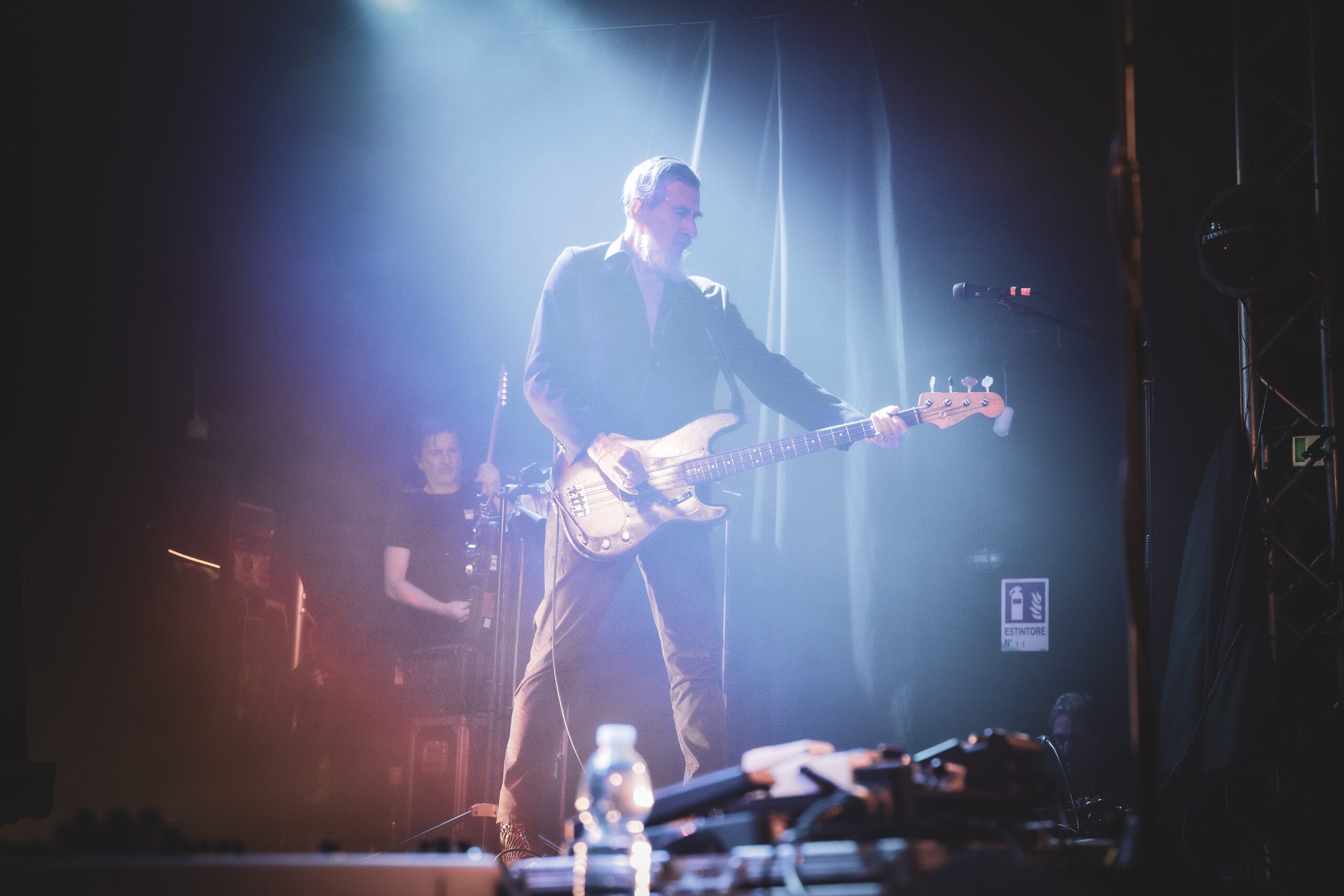
We were at the Turin concert where Marlene Kuntz celebrated the 30th anniversary of their unforgettable album "Il vile"

Siamo stati al concerto di Torino dove i Marlene Kuntz festeggiavano i 30 anni del loro indimenticabile disco “Il vile”

Italian alternative rock band Marlene Kuntz recently performed two sold-out shows at the Hiroshima Mon Amour venue in Turin to celebrate the 30th anniversary of their seminal album, *Il vile*. The concert featured a near-complete performance of the 1996 record, which is widely regarded as a cornerstone of Italian noise rock. The anniversary celebration also includes a nationwide tour and a special vinyl reissue featuring new artwork by renowned illustrator Alessandro Baronciani.

'Presence of Color.' How race shaped photography | Opinion

The Fayetteville Observer explores the historical racial bias embedded in photographic technology through the lens of "Shirley Cards." These reference tools, used by film developers for decades to calibrate color balance, were based exclusively on the skin tones of white female models, resulting in poor image quality and distorted representations for Black and dark-skinned subjects.

The power of fandom

The art world is increasingly grappling with the rise of 'fandom' culture, where the intense, collective energy of online communities and pop-culture enthusiasts is reshaping traditional institutional engagement. This shift sees museums and galleries moving away from purely academic or elitist frameworks to embrace the participatory and often commercial power of dedicated fan bases.

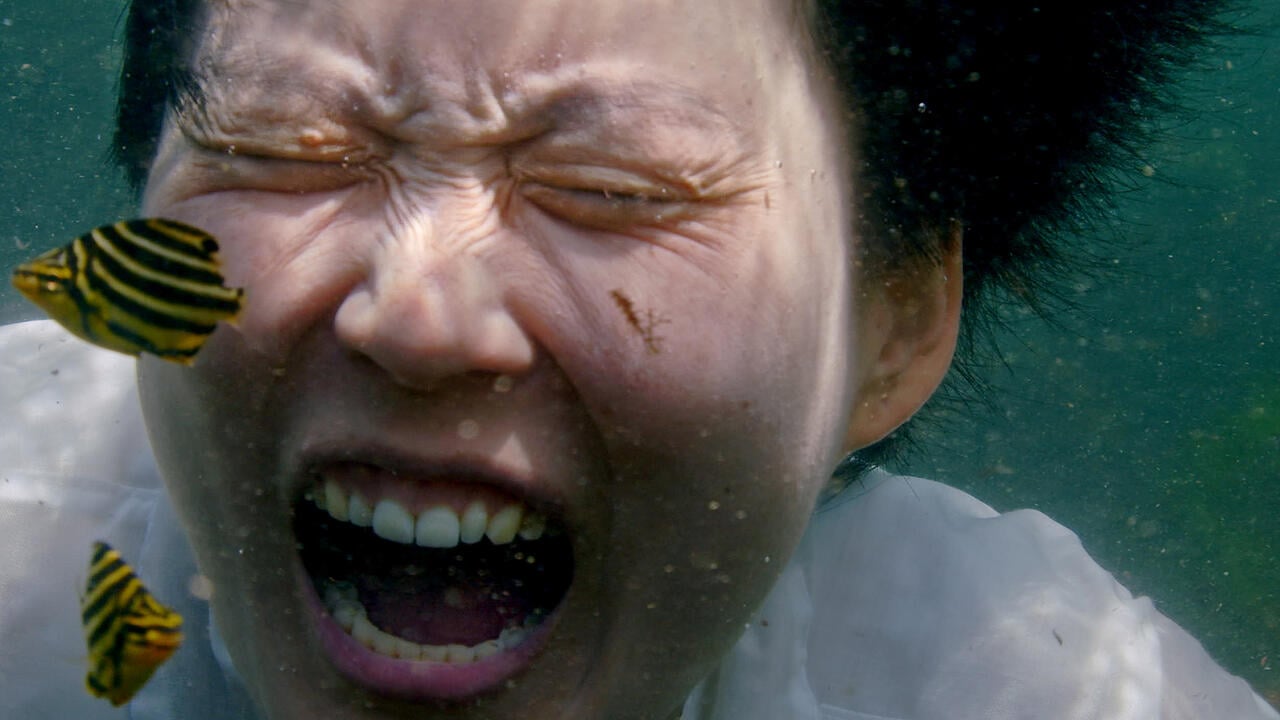
Can Video Art Rewire South Korea’s Global Image?

The rise of the 'one-work exhibition' is transforming the traditional museum experience by focusing an entire show on a single object. These minimalist presentations prioritize 'slow looking' and spatial immersion, forcing viewers to engage deeply with a lone masterpiece rather than scanning through a crowded gallery of multiple works.

Photography Is…

The article 'Photography Is...' from Glasstire is a conceptual piece that presents the title as a prompt, leaving the definition of photography open-ended. The text consists solely of the title and source, functioning as a minimalist statement or an invitation for reader interpretation.

13 Nudes That Changed Western Art History

The article presents a curated list of 13 seminal Western artworks featuring the nude form, highlighting how each piece shifted artistic conventions and cultural perceptions. It begins with the Paleolithic Venus of Willendorf and moves chronologically through works by artists including Sandro Botticelli, Leonardo da Vinci, Lavinia Fontana, and Édouard Manet, analyzing their groundbreaking approaches to depicting the human body.

What Remains of Democracy? The Answers of Contemporary Art

Che cosa resta della democrazia? Le risposte dell’arte contemporanea

The article is a cultural essay examining how contemporary art reflects and responds to the perceived global crisis of democracy. It argues that recent socio-political accelerations—including rising nationalism, wars, and unchecked capitalism—have eroded the substantive content of democracy, reducing public space to an extension of individual, screen-mediated identity.

Shopping Experience: How Has the Way of Experiencing Luxury Changed?

Shopping experience: com’è cambiato il modo di vivere il lusso?

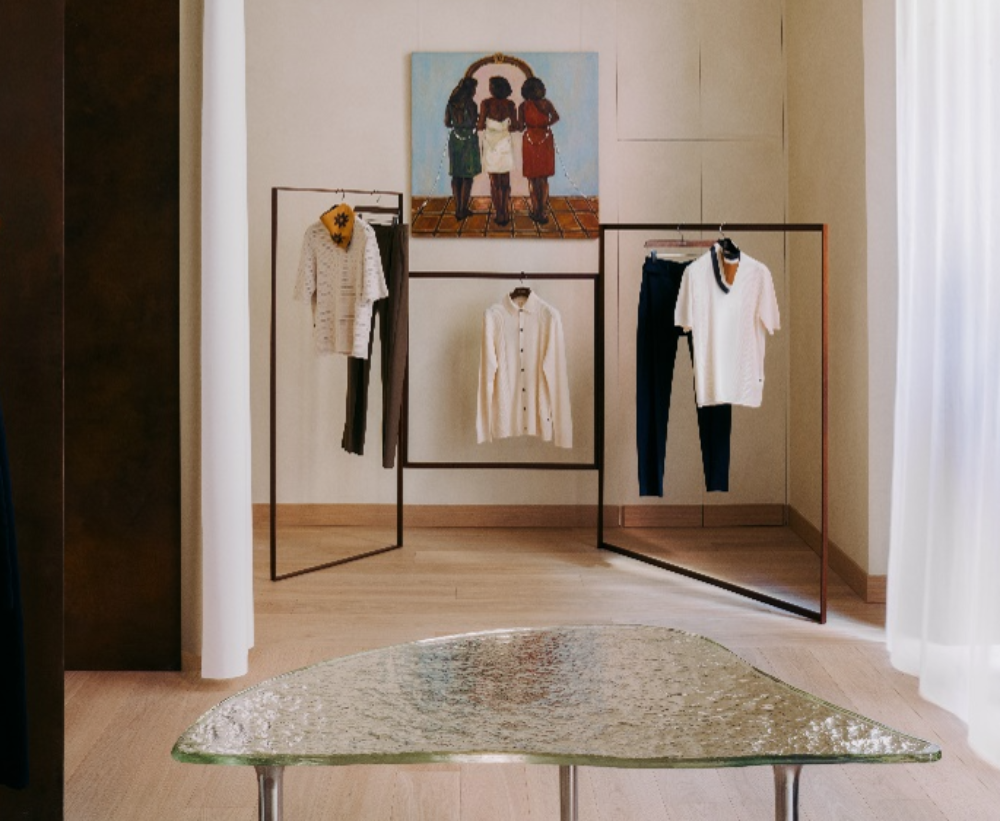
Luxury retail in Milan is undergoing a significant transformation, evolving from simple commercial spaces into 'cultural brandscapes' that blend art, design, and hospitality. Major fashion houses are redesigning their flagship stores to function as urban salons and living galleries, integrating site-specific art installations, historical architecture, and high-end gastronomy to foster community and tangible experiences in an increasingly digital world.

That Time Raphael Visited Tivoli, Transforming Antiquity into Art

Quella volta che Raffaello visitò Tivoli trasformando l’antichità in arte

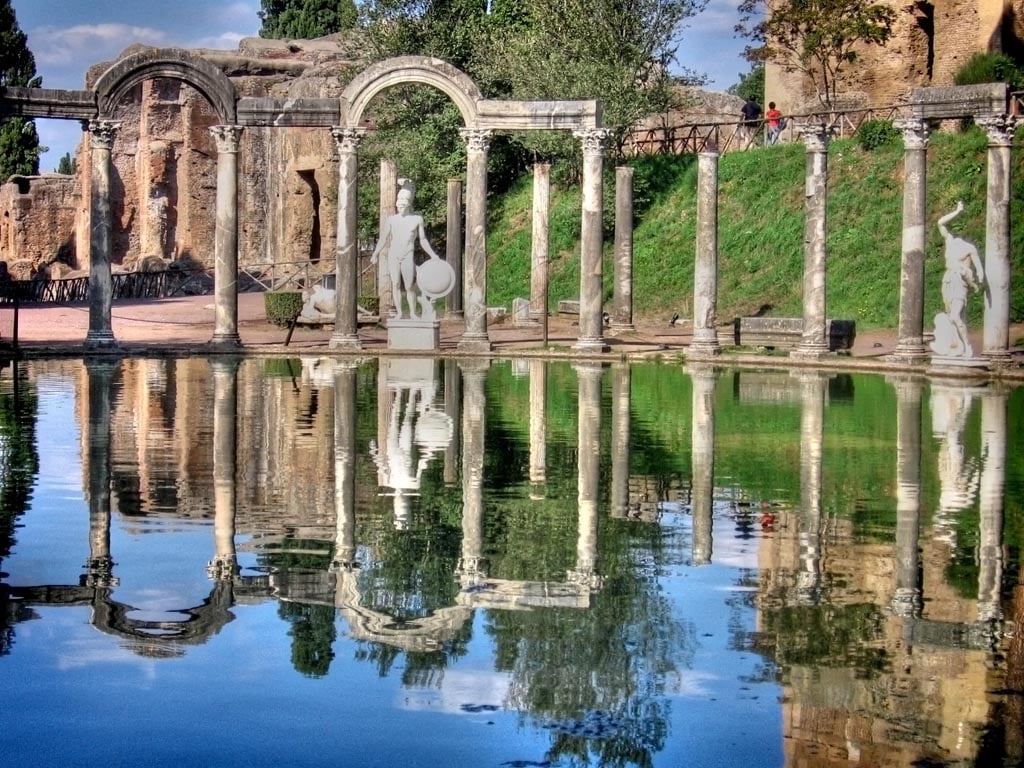
In April 1516, Raphael Sanzio embarked on a historic excursion to Tivoli alongside a prestigious circle of Renaissance intellectuals, including Baldassarre Castiglione and Pietro Bembo. This journey served as a critical field study for Raphael, who had recently been appointed as Rome's prefect of antiquities. By examining the complex ruins of Hadrian's Villa and the Sanctuary of the Sibyl, the group engaged in a sophisticated blend of archaeological investigation and humanist leisure that defined the cultural climate under Pope Leo X.

Chicago Art Movements Over The Years, From the Monster Roster to the Modern Moment

Chicago’s art history is defined by a series of indigenous movements that prioritized visceral, existential expression over commercial appeal. The article traces this lineage back to the late 1940s with the emergence of the Monster Roster, a group of artists including Leon Golub and Dominick Di Meo who returned from World War II to produce agonistic work. This movement was catalyzed by institutional resistance at the School of the Art Institute of Chicago, leading to the creation of the independent Momentum Exhibitions which bypassed conservative juried systems.

Raphael and the Renaissance of Divine Beauty

The New York Times explores the enduring legacy of Raphael, the High Renaissance master whose work defined the pinnacle of 'divine beauty' and classical harmony. The analysis delves into his technical mastery, his ability to synthesize the influences of Leonardo and Michelangelo, and his prolific output during his brief life in Rome.