filter_list Showing 8 results for "DOCUMENT" close Clear
dashboard All 95 museum exhibitions 45article news 13trending_up market 12article culture 8rate_review review 7article local 5candle obituary 3person people 1gavel restitution 1
date_range Range Today This Week This Month All
Subscribe

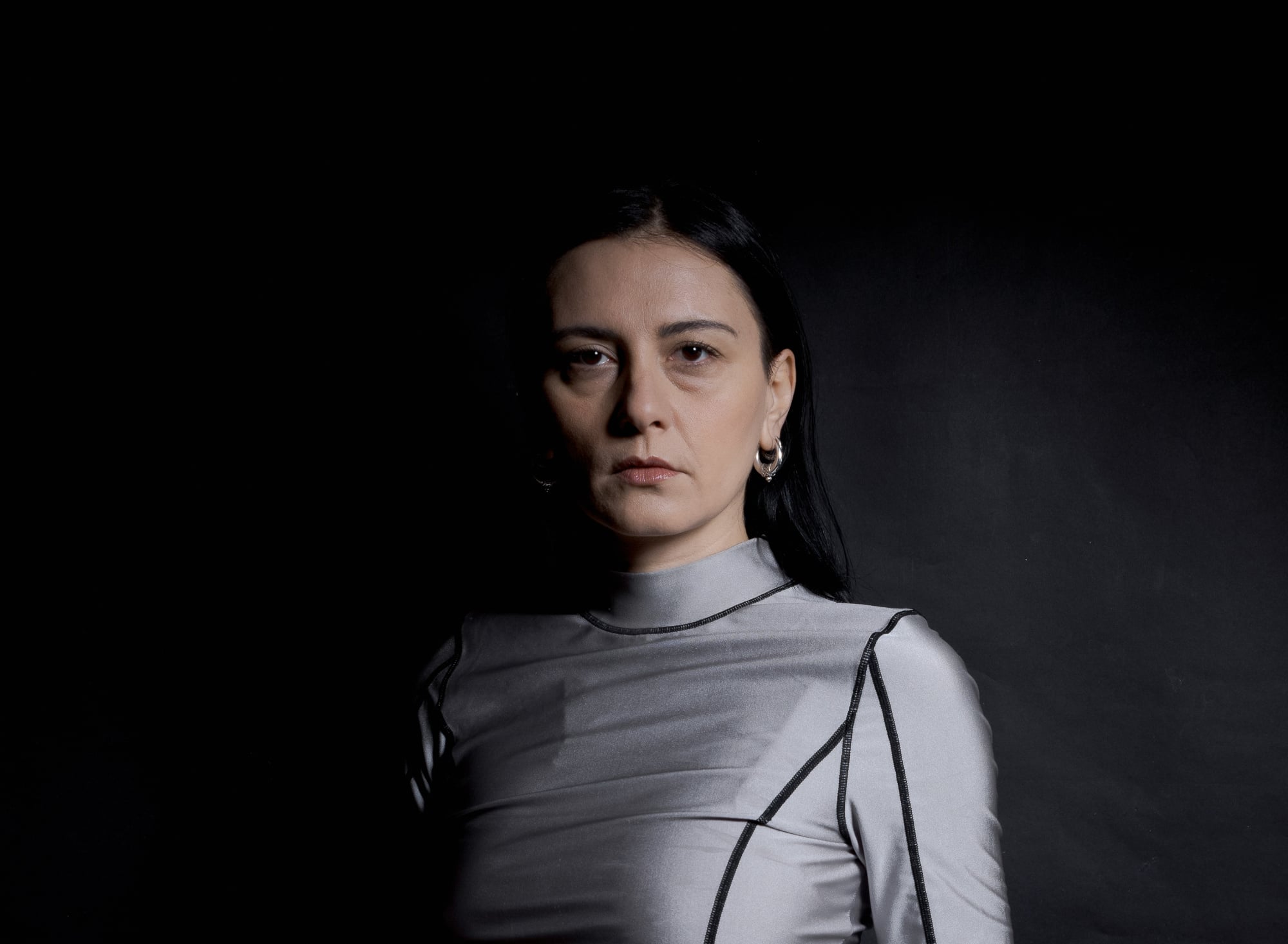
Women behind the lens: ‘After state massacres, I began burning the prints as an act of mourning’

Iranian-Canadian visual journalist and artist Parisa Azadi describes her process of creating protest photographs during the 2022 Iranian revolution from exile in Dubai. Unable to return to Iran, she used open-source protest footage from social media, isolating frames and printing them with a Fujifilm instax camera to transform ephemeral digital images into physical objects. In January 2026, after state massacres and executions, she began burning these prints as an act of mourning, scarring their surfaces to echo the violence they depict.

On ARTE, the Ruffini Affair or the Autopsy of an Extraordinary Scandal in the Art World

Sur Arte, l’affaire Ruffini ou l’autopsie d’un scandale hors norme dans le monde de l’art

The documentary series "Le Peintre, la Pizza et le Corbeau" (The Painter, the Pizza and the Crow), available on ARTE, investigates a sprawling art forgery scandal centered on discreet dealer Giuliano Ruffini. Beginning in spring 2014 with an anonymous letter, the case led to a judicial inquiry by judge Aude Burési and France's Central Office for the Fight against Trafficking in Cultural Goods (OCBC). The series follows multiple suspicious artworks—including a Lucas Cranach Venus seized from an exhibition at the Hôtel de Caumont, a David and Goliath by Artemisia Gentileschi, and a Frans Hals portrait—each raising questions of authenticity. Ruffini, a former painter turned collector, remains an enigmatic figure, portrayed as both intuitive genius and possible cog in an opaque system.

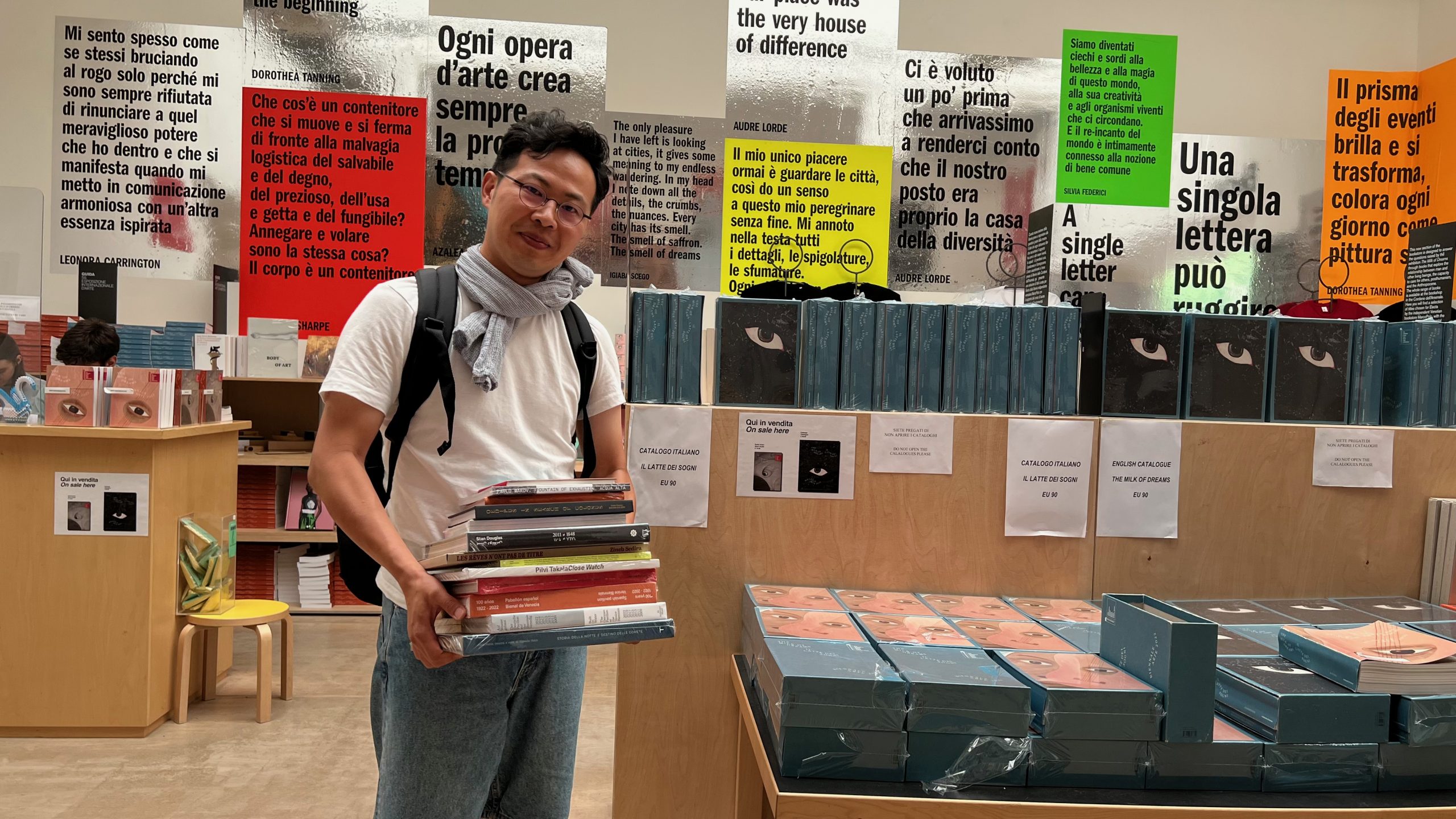
Meet the Writer Who Sees Every Single Show at the Venice Biennale

Jaeyong Park, a Seoul-based writer, translator, and interpreter, has attended every edition of the Venice Biennale since 2022—including both art and architecture cycles—and seen every single show, from the central exhibition and national pavilions to collateral and unofficial events. He documents his journeys in regular dispatches and has compiled a free bilingual guide to the biennial. Park organizes his trips with a group of fellow art workers, splitting accommodation costs and sharing reviews over dinner to ensure full coverage.

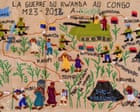
Stitches in time: the artist chronicling the DRC’s blood-soaked history in tapestry

Lucie Kamusekera, an 82-year-old artist in Goma, Democratic Republic of the Congo, creates embroidered tapestries on tobacco sacks that chronicle the country's violent history. Born in 1944 and taught sewing by Italian nuns, she began documenting contemporary conflicts after witnessing a military truck filled with corpses. Her more than 70 works depict events from the colonial Belgian Congo era to the 1961 assassination of Patrice Lumumba and the second Congo war, as well as personal tragedies including her husband's murder by rebels. Despite ongoing danger from rebel offensives, she continues to stitch from her home studio, training her children and great-granddaughter to carry on her work.

Irina Werning Chronicles 18 Years of Photographing ‘Las Pelilargas’ in a New Book

Photographer Irina Werning has spent 18 years traveling across Latin America to document Indigenous women with exceptionally long hair for her series "Las Pelilargas." Her new book, published by GOST Books, features nearly 90 portraits taken between 2006 and 2024, starting with the Kolla community in Argentina. Werning sought subjects by posting signs in remote mountain towns and organizing hair competitions, capturing a tradition rooted in ancestral beliefs that hair connects to life, thoughts, and the land.

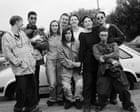
Punching the light: Sydney’s 90s raves – in pictures

Simon Burstall, at age 17, began photographing Sydney's underground rave scene in the 1990s, using borrowed school cameras and sneaking out in the family car to capture the burgeoning subculture. His images from that era were later compiled into the photobook '93: Punching the Light, published by Damiani in 2019.

Provincia Cosmica. A Foggia per scoprire la fotografia sociologica di Maria Palmieri

Maria Palmieri (Foggia, 1986) is a photographer who uses her camera as a tool for observation, understanding, and social improvement. After studying law, she turned to visual arts, blending reportage with vernacular photography to uncover truth amid the 'noisy horror' of contemporary life. In an interview with Artribune, she discusses her sociological approach to photography, her return to her hometown of Foggia, and her ongoing documentation of the region's fragilities, including the largest migrant ghetto in Europe.

A rare moment in Philippine art history: a meeting of two masters whose visual languages differ yet converge in their reverence for the natural world. https://tinyurl.com/y69vvyu6 | via ONE News

A rare meeting of two major Philippine artists, whose distinct visual styles both reflect a deep reverence for nature, has been documented. The encounter brings together masters with differing artistic languages, highlighting a unique convergence in Philippine art history.