
filter_list Showing 3 results for "EU" close Clear
search
dashboard All 48 museum exhibitions 31article local 6article culture 3article policy 2rate_review review 2trending_up market 1article architecture 1article news 1candle obituary 1
date_range Range Today This Week This Month All
Subscribe

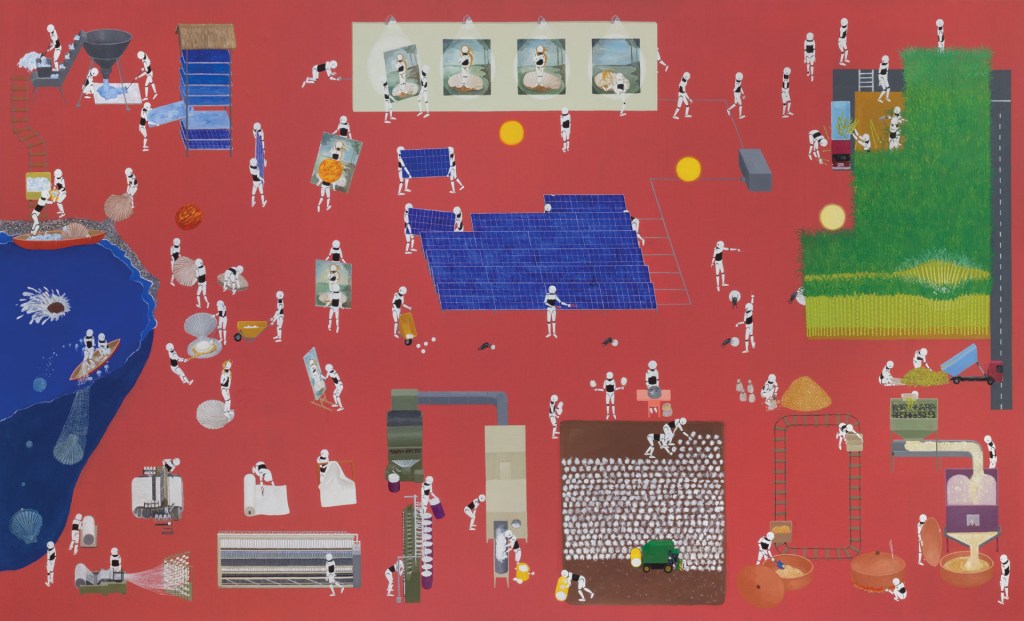
The 21st Century’s Biggest Art Trend is Not a Style. But Once You See It, You’ll Notice It Everywhere.

The article traces the evolution of "systems art," a term coined by critic Jack Burnham in 1968 to describe art that uses rules, seriality, and repetition to mirror and reveal the growing protocols of the Cold War era. It highlights early practitioners like Kenneth Noland, Robert Morris, Dan Flavin, and notably Hans Haacke and Adrian Piper, who shifted from atmospheric systems (e.g., Haacke's *Condensation Cube*) to social systems (e.g., Haacke's *Shapolsky et al. Manhattan Real Estate Holdings*). The piece argues that systems thinking has become unavoidable in contemporary life—from algorithms to systemic racism—and that art remains a crucial tool for making these invisible systems legible.
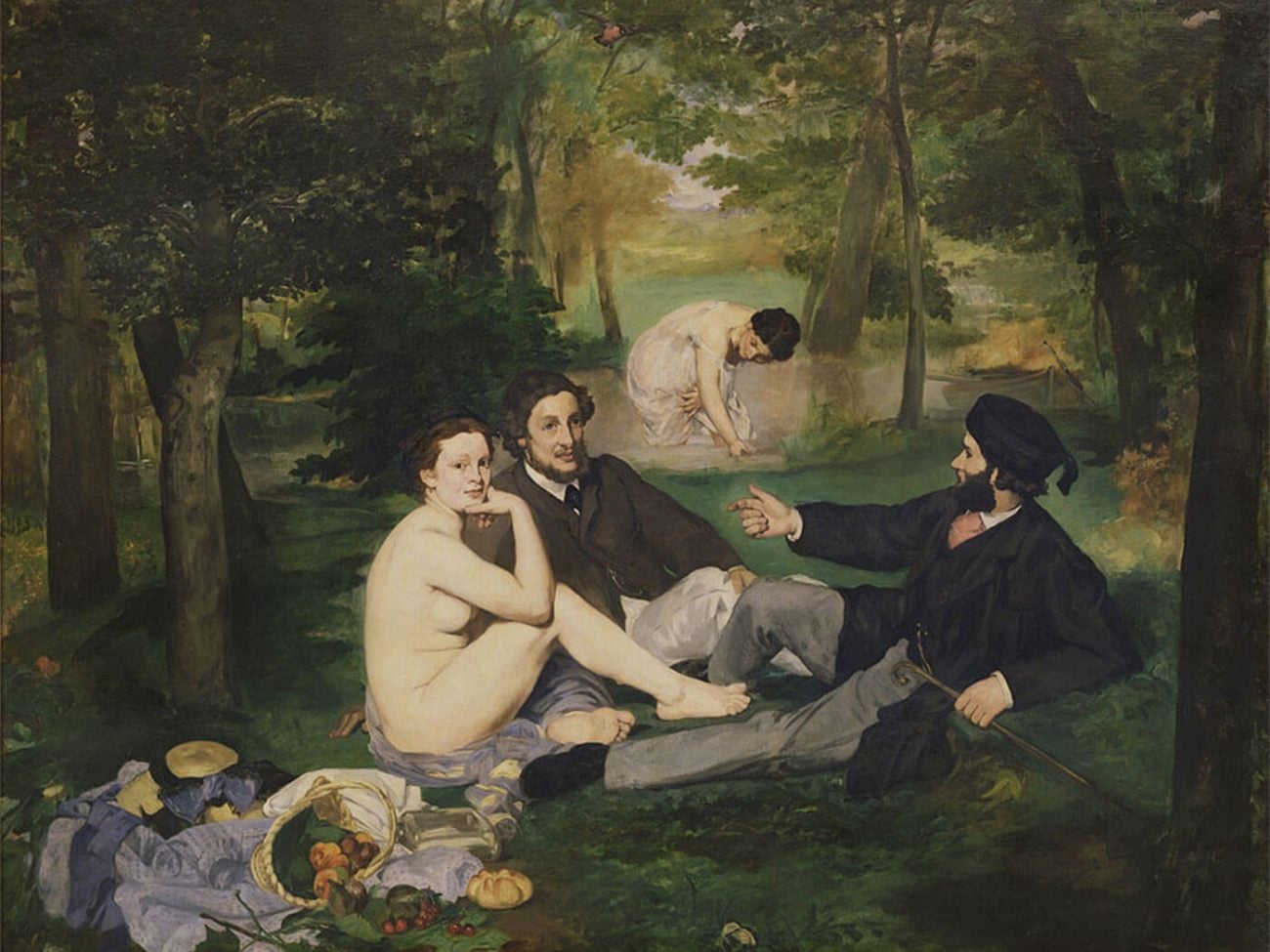
What You (Maybe) Didn't Know About Édouard Manet

Ce que vous ne saviez (peut-être) pas sur Édouard Manet

Édouard Manet (1832–1883), a pivotal figure bridging realism and impressionism, is the subject of a feature article in Beaux Arts Magazine. The piece explores lesser-known aspects of his life and career, including his near-miss as a naval officer, his rivalry with Gustave Courbet, his refusal to join the impressionist exhibitions despite close ties to the movement, and his deep fascination with Spanish culture. It highlights his scandalous works like *Le Déjeuner sur l'herbe* (1863) and *Olympia*, the latter entering the Louvre after a subscription launched by Claude Monet in 1889.

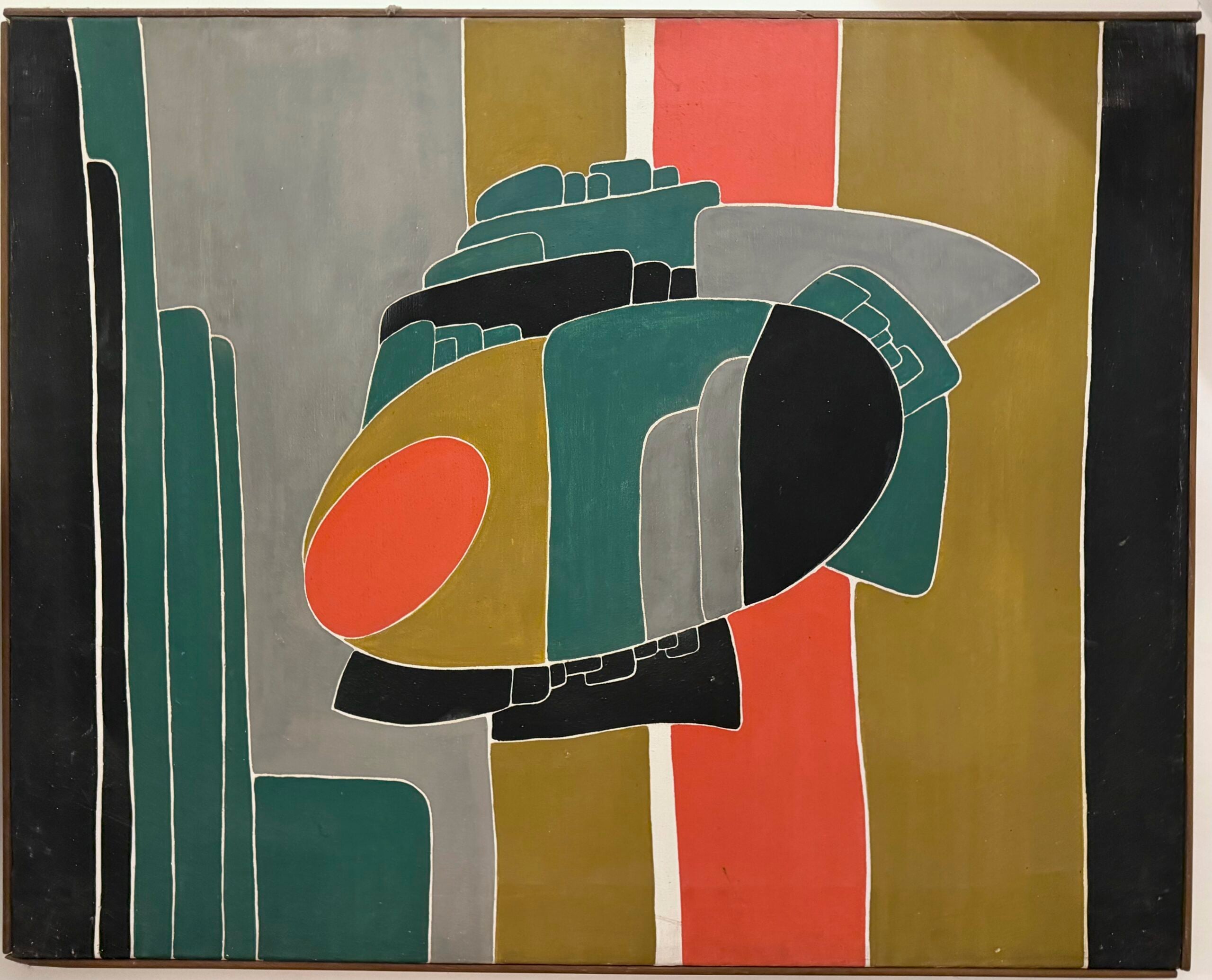
The Forgotten of Art: The Story of Artist Valeria Alberti

I dimenticati dell’arte. La storia dell’artista Valeria Alberti

Valeria Alberti (1930-2011), a courageous, rebellious, and nonconformist Italian artist, had a brief but intense career before disappearing from the art world. Recent research by scholar Manuel Barrese reconstructs her trajectory as the only woman in a circle of artists and intellectuals around poet Emilio Villa and the Galleria Appia Antica. Alberti debuted in 1957 alongside Alberto Sartoris, collaborated with ceramist Mario Molli, and created painted panels for the transatlantic liners Leonardo Da Vinci and Michelangelo. She exhibited at Galleria Ferro di Cavallo and Galleria Azimuth, and received Piero Manzoni's Certificate of Authenticity No. 26 in 1961. Her later work included geometric metal sculptures, but she ultimately vanished from the art scene.