filter_list Showing 8 results for "Fragments" close Clear
search
dashboard All 143 museum exhibitions 88article news 19article culture 8candle obituary 7article local 7gavel restitution 5trending_up market 3person people 3rate_review review 2article policy 1
date_range Range Today This Week This Month All
Subscribe

phoenician scheme wes anderson art curator jasper sharp

Wes Anderson's new film *The Phoenician Scheme* features a rogue businessman named Zsa-Zsa Korda (Benicio del Toro) who, after surviving a plane crash, decides to make his estranged daughter Liesl (Mia Threapleton) his heir. The film's art collection, curated by Jasper Sharp, includes authentic masterpieces such as René Magritte's *The Equator* (1942), Pierre-Auguste Renoir's *Enfant Assis en Robe Bleue (Portrait of Edmond Renoir Jr.)* (1889), and a 17th-century still life by Floris Gerritsz van Schooten. Sharp, a long-time Anderson collaborator, selected and loaned original works to reveal aspects of Korda's character, noting that the real paintings transformed the energy on set.
On Paranoid Time

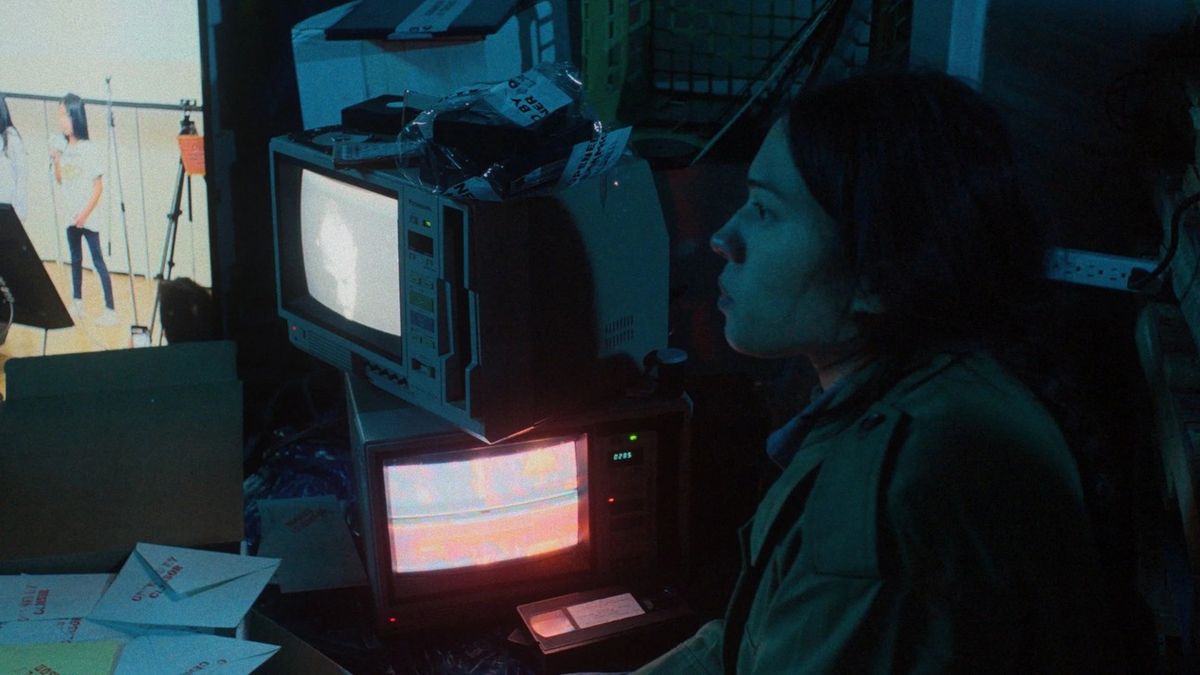
Film Notes has published Qingyuan Deng's essay exploring the intersection of Lacan's concept of retroactive meaning and Eve Kosofsky Sedgwick's distinction between paranoid and reparative reading, as applied to recent artists' films and moving-image installations. The essay examines how works like Alison Nguyen's installation "Perforation, Ellipse" at New York's Storefront for Art and Architecture use cinematic techniques—such as perforations, splices, and missing scenes—to hold the temporal gap between an event and its belated political comprehension, focusing on the censorship of Vietnamese bolero songs after the American War.

Fever Pitch: On Bourgeois Coldness by Henrike Kohpeiß

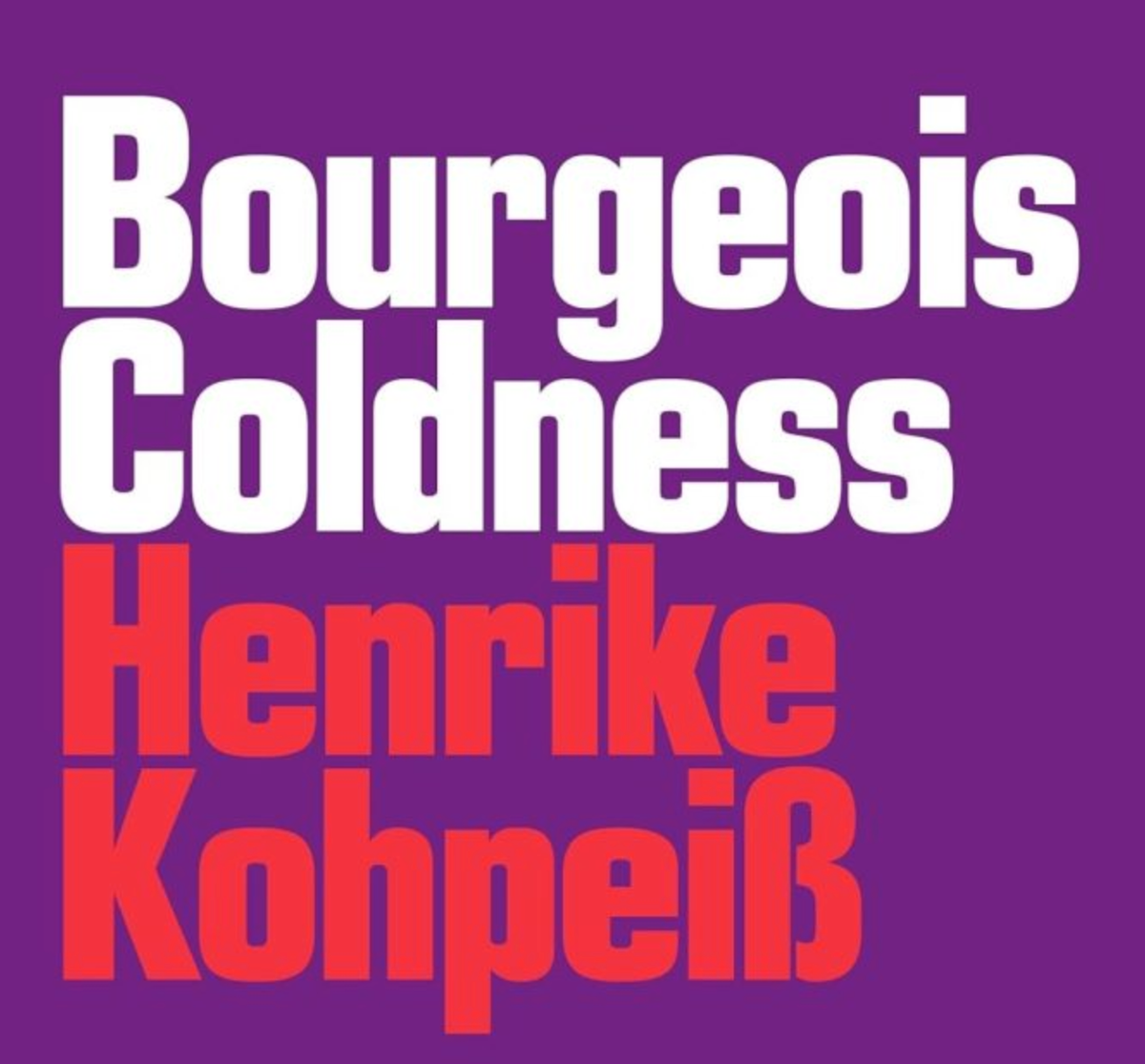
The article is a critical essay analyzing Henrike Kohpeiß's new book, 'Bourgeois Coldness,' which examines the concept of coldness as an affective strategy of the bourgeois subject. Kohpeiß traces this subjectivity from its mythological roots in Homer's Odyssey to its modern manifestations, arguing that it is forged in and sustained by structures of racial exploitation and colonial power, despite claims of abolition.

Artist Bouke de Vries creates sculptural porcelain bottles for Dries Van Noten perfume

Artist Bouke de Vries has created five unique sculptural porcelain bottles for Dries Van Noten's unisex perfume Soie Malaquais, which launched in 2022. The bottles, priced at £6,000 each, are sold at the designer's London and New York stores, with a limited-edition series also available online. De Vries, known for reassembling broken china fragments into dynamic objects, designed the bottles to reflect the fragrance's warm notes of chestnut, rose, blackcurrant, and cardamom, developed by perfumer Marie Salamagne.

“Edmonia Lewis: Said in Stone” Reconstructs a Life Across Fragments

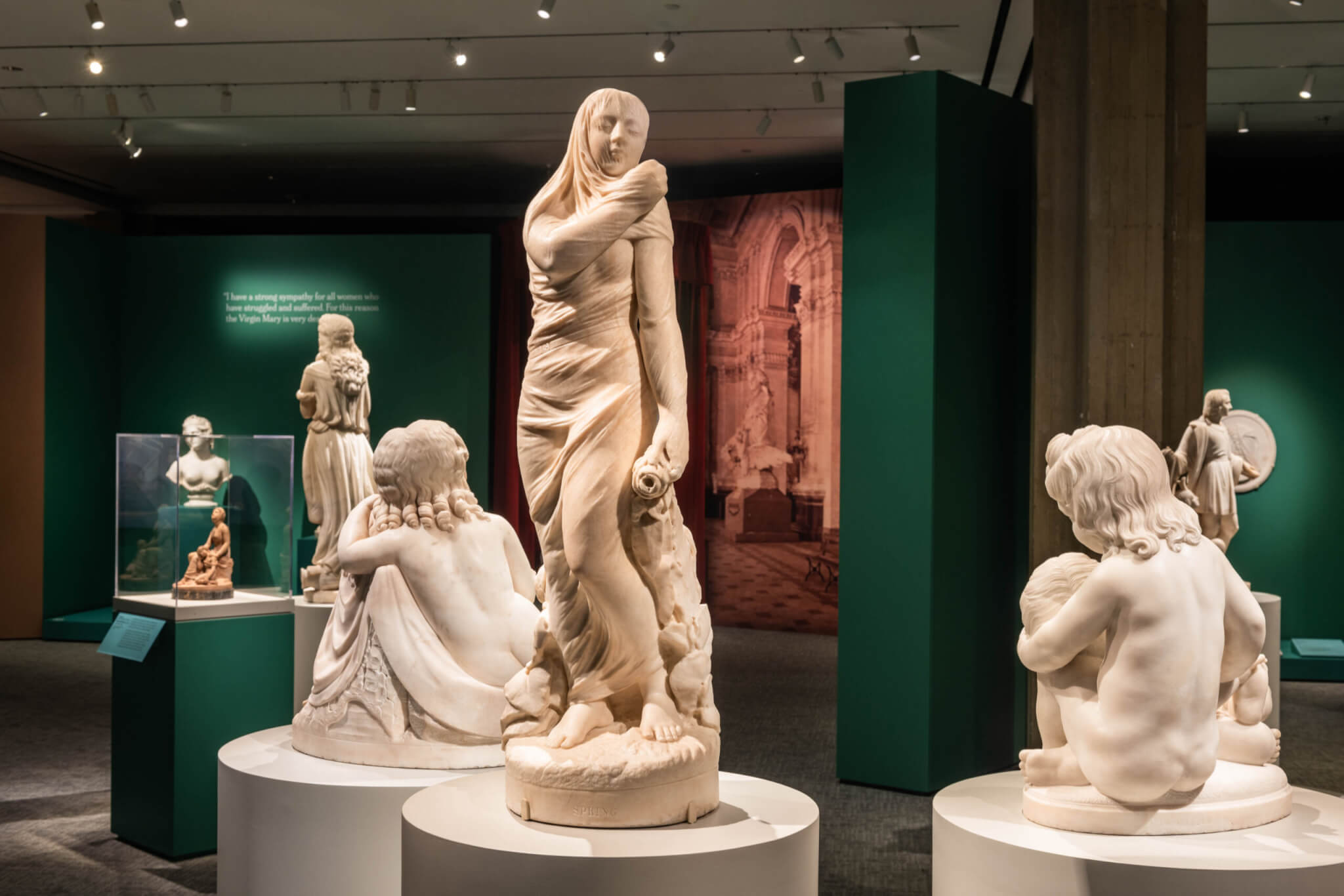
Boston Art Review (BAR) has published an article titled “Edmonia Lewis: Said in Stone” that reconstructs the life of the 19th-century sculptor Edmonia Lewis across fragmented historical records. The piece examines Lewis’s career, her neoclassical marble works, and the challenges of piecing together her biography due to limited archival materials.

Photography Is…

The article 'Photography Is...' from Glasstire is a conceptual piece that presents the title as a prompt, leaving the definition of photography open-ended. The text consists solely of the title and source, functioning as a minimalist statement or an invitation for reader interpretation.

Frank Auerbach’s Berlin homecoming, human remains and museums, Ian Hamilton Finlay’s ‘Republic’—podcast

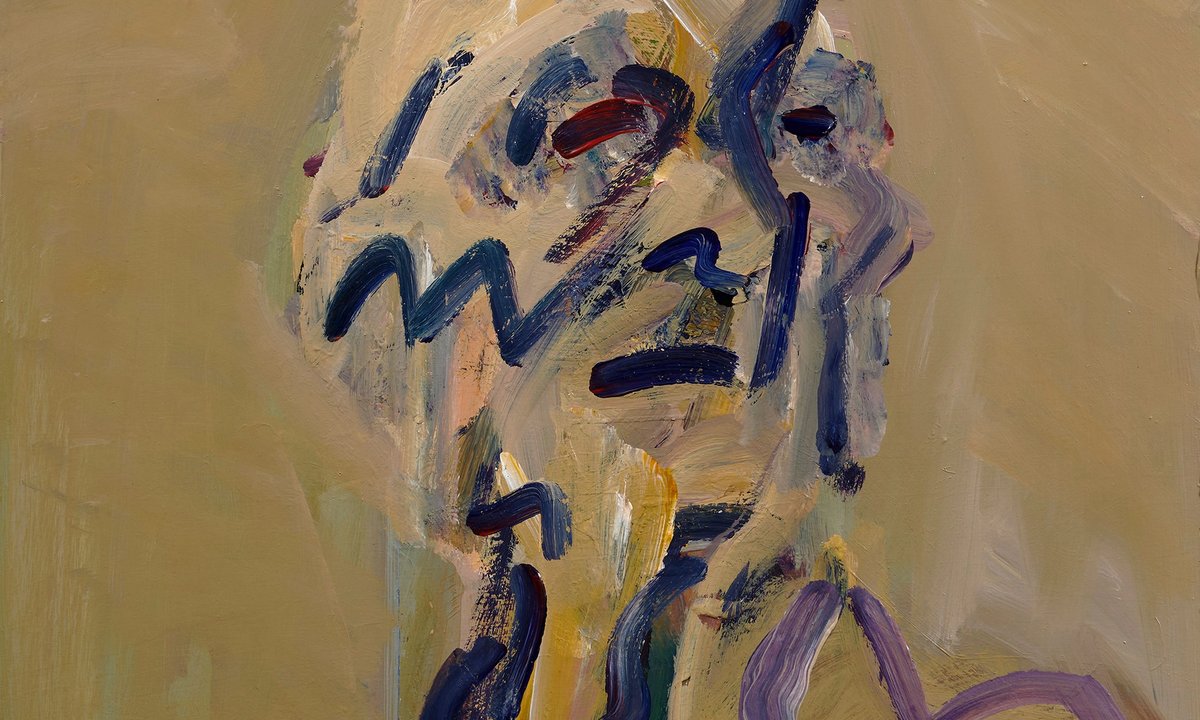
This podcast episode covers three major art-world stories. First, the late artist Frank Auerbach receives his first-ever Berlin exhibition at Galerie Michael Werner, decades after fleeing the city as a Jewish refugee in 1939. Second, curator and author Dan Hicks discusses his new book *Every Monument Must Fall*, which examines the origins of contemporary debates around colonialism, art, and heritage, focusing on the acquisition and display of human remains in museums. Third, the episode highlights the centenary of artist Ian Hamilton Finlay with a look at his work *Republic* (1995) and a series of international exhibitions celebrating his legacy.

The Space Between. Adam Patrick Grant by Michela Ceruti

Adam Patrick Grant’s artistic practice is rooted in a meticulous and devotional process of observation, transitioning from a background in film to a dedicated focus on oil painting over the last three years. Working from his London studio, Grant utilizes an extensive archive of personal sketches, photographs, and found imagery—such as anonymous postcards and family photos from markets—to capture fleeting moments of intimacy and the unspectacular everyday. His work is characterized by a rhythmic dialogue between the act of walking, the gathering of visual fragments, and the translation of these memories into tender, precise compositions.