filter_list Showing 6 results for "Goethe" close Clear
search
dashboard All 39 museum exhibitions 22article culture 6article policy 4person people 2article news 2article local 1gavel restitution 1rate_review review 1
date_range Range Today This Week This Month All
Subscribe

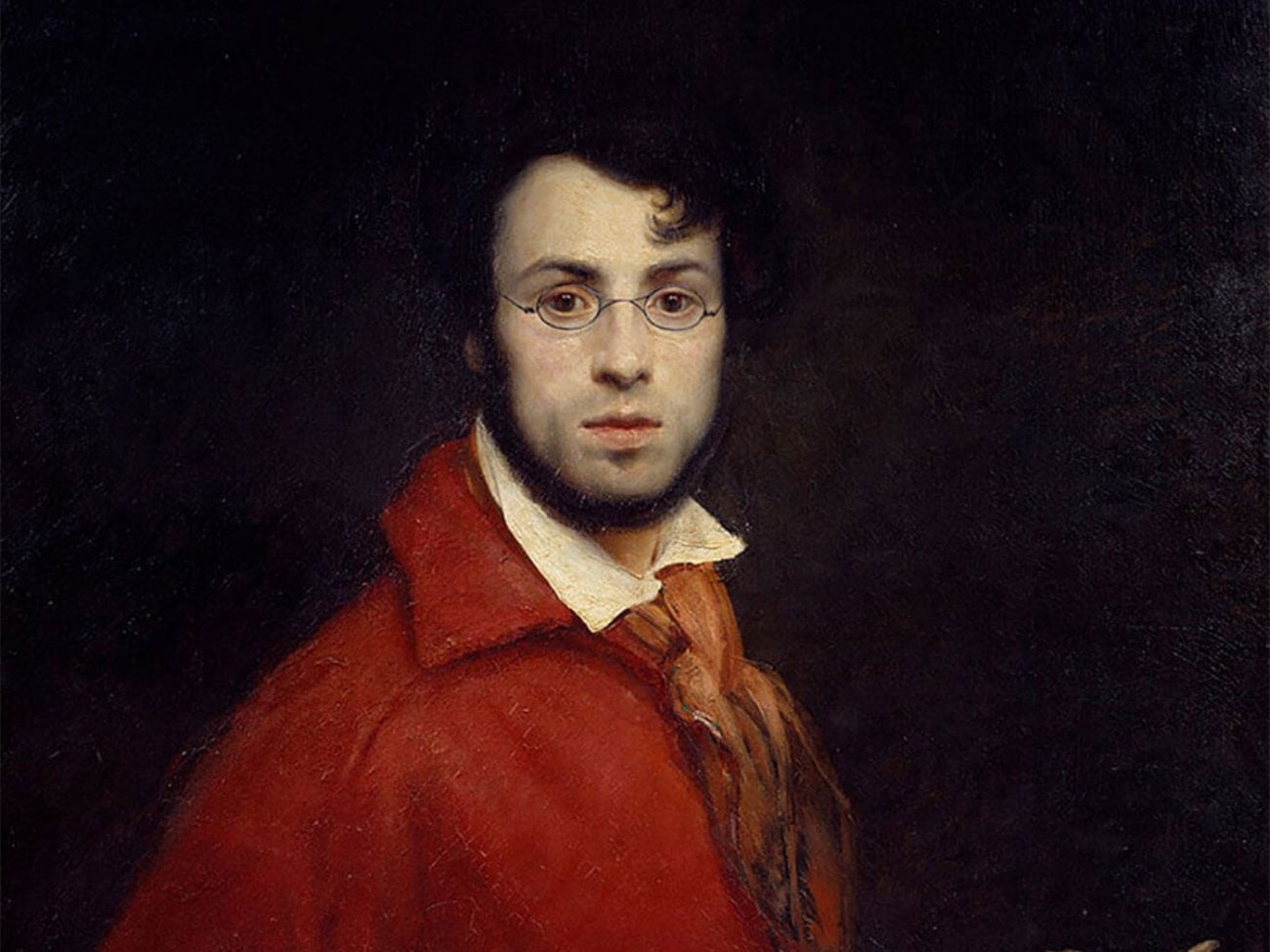
Ary Scheffer en 2 minutes

Ary Scheffer (1795–1858) was a Dutch-born Romantic painter who became a central figure in Parisian artistic and cultural life during the July Monarchy. He was the official portraitist of the Orléans family and created deeply melancholic, spiritual works inspired by Dante, Goethe, and the Gospels. His studio at 16 rue Chaptal, in the Nouvelle Athènes district, hosted legendary Friday gatherings attended by Chopin, Liszt, George Sand, and Dickens, and now houses the Musée de la Vie romantique. Key works include *Le Dévouement patriotique des six Bourgeois de Calais* (1819) and *Les Femmes souliotes* (1827), both acquired by the French state.

art bites sistine chapel michelangelo critics

The article recounts the creation and controversy surrounding Michelangelo's fresco of the Last Judgement on the west wall of the Sistine Chapel. While the chapel attracts 25,000 daily visitors and is celebrated as a pinnacle of Renaissance art, the west wall initially provoked scorn from church officials and critics like Biagio da Cesena and Pietro Aretino, who objected to its nudity, pagan imagery, and perceived idolatry. Michelangelo retaliated by painting his detractors into the fresco—Da Cesena as King Minos with donkey ears and a snake biting his genitals, and Aretino as Saint Bartholomew holding flayed skin resembling the artist.

deleuze seminars painting

A newly translated English edition of Gilles Deleuze's 1981 seminars on painting, originally published in French as 'Sur la peinture' in 2023, has been released by the University of Minnesota Press. Translated by Charles J. Stivale, the eight lectures explore what concepts painting can offer to philosophy, rather than the reverse. Deleuze discusses terms like catastrophe, the diagram, and figure, focusing on artists such as Titian, Turner, Cézanne, van Gogh, Klee, Mondrian, Pollock, and Bacon, offering a chaotic yet magnificent counterpoint to his more systematic book 'Francis Bacon: The Logic of Sensation'.

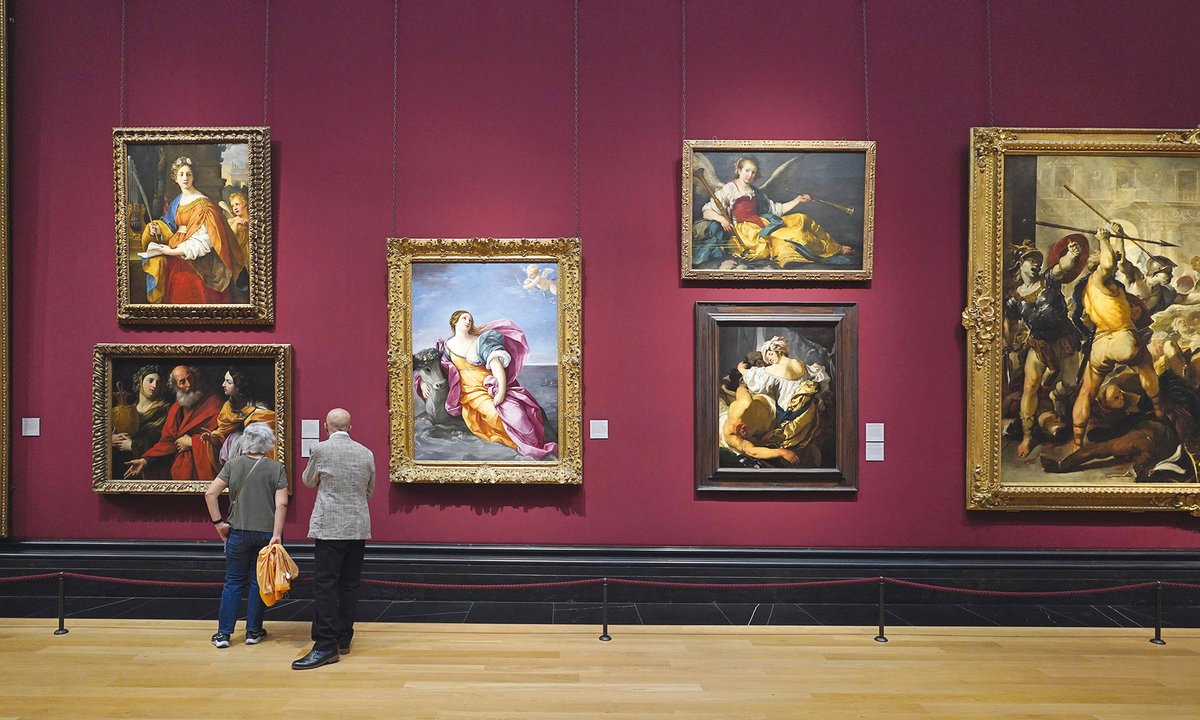
Comment | Muted grey, bloody red, or dark blue—here’s why the colour of museum walls matters more than you might think

The article explores the often-overlooked significance of color in museum spaces, prompted by a conversation with architect Annabelle Selldorf about her $220 million renovation of New York's Frick Collection. Selldorf describes the new auditorium's muted grey as creating a calm, meditative environment, contrasting sharply with Tate Modern's Starr Cinema, which architect Jacques Herzog painted shocking red to symbolize the space as the museum's "brain." The piece traces historical approaches to gallery wall colors, from Charles Eastlake's advocacy at the National Gallery in London—informed by Goethe's color theory—to the enduring orthodoxy of reds and greens, and a notable departure with deep Prussian blue for a Gainsborough exhibition at Tate Britain. It also recounts Henri Matisse's 1946 project in Paris, where he covered his room's grimy beige walls with cut-paper forms, creating the screens "Océanie, Le Ciel" and "Océanie, La Mer."

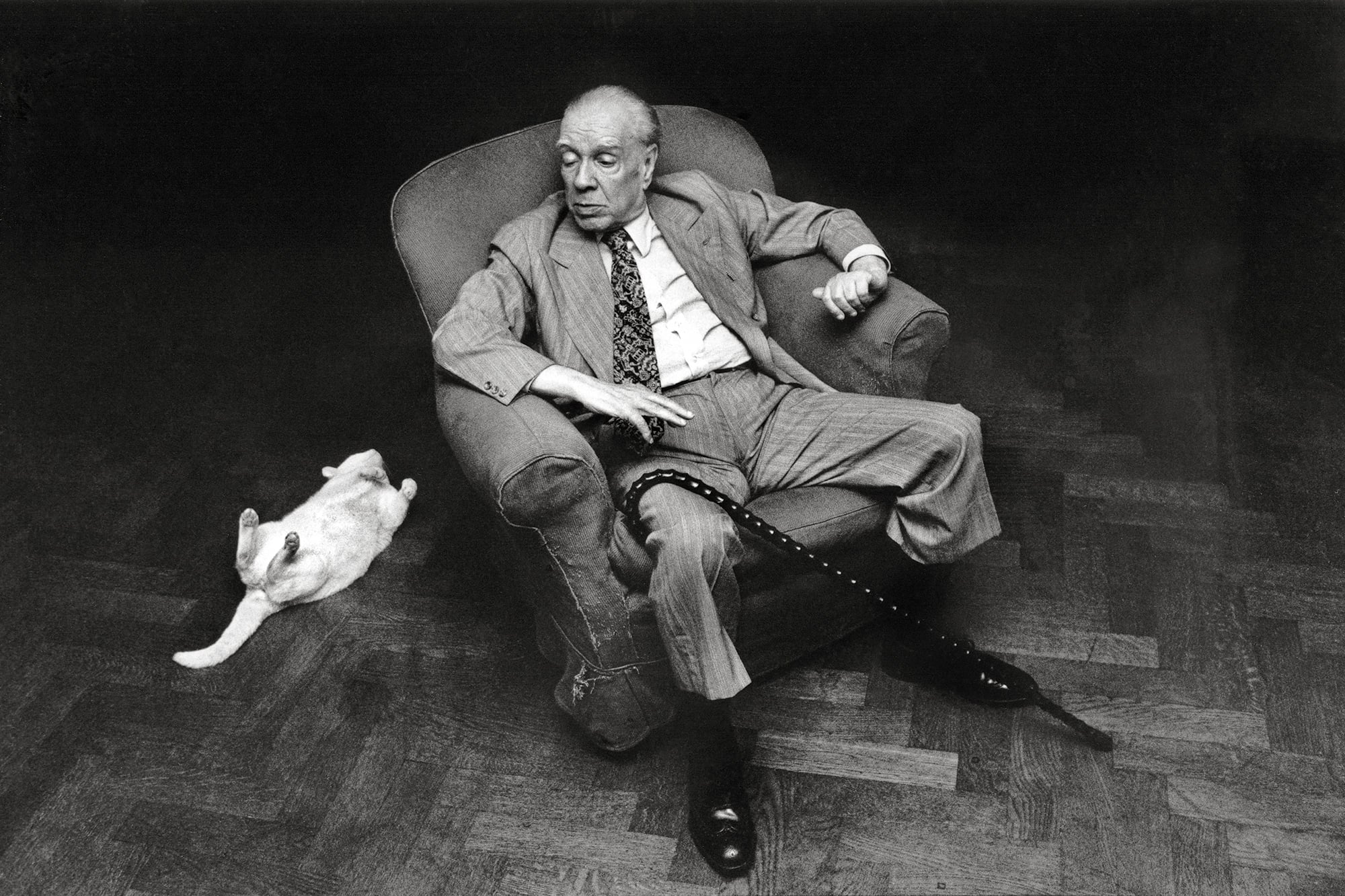
Rediscovering Jorge Luis Borges as an Architectural Critic. 40 Years After His Death

Riscoprire Jorge Luis Borges come critico d’architettura. A 40 anni dalla morte

The article commemorates the 40th anniversary of Jorge Luis Borges's death, reflecting on his legacy as a writer and his lesser-known role as an architectural critic. It highlights a 2025 book by Estela Canto, a close friend, which reveals Borges's personal fragility and contradictions, such as his love for popular cinema over classical music. The piece also explores Borges's fictional architectural criticism, particularly his 1967 work *Cronache di Bustos Domecq* co-written with Adolfo Bioy Casares, where he satirized functional architecture through invented pioneers like Adam Quincey and Alessandro Piranesi.

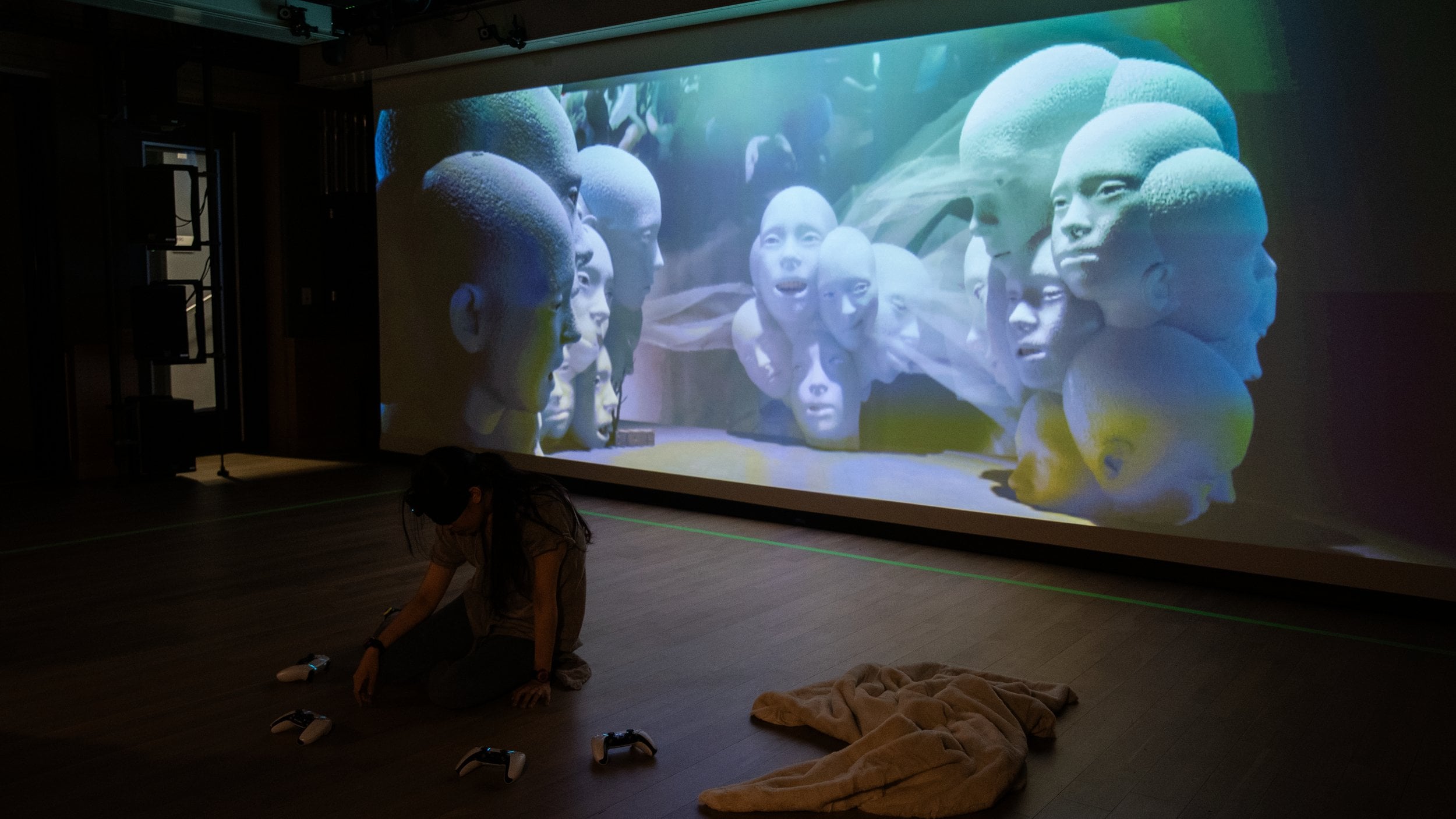
Art and technology meet in the augmented reality of artist Lois He

Arte e tecnologia si incontrano nella realtà aumentata dell’artista Lois He

Lois He, a Chinese-born artist now based in New York, creates immersive XR installations that blend art and technology, transforming viewers into active participants. Her works, such as "Rising River," an AI-driven virtual reality experience, and "The Silent Carnival," a digital reinterpretation of Goethe's Faust, explore identity, emotion, and the impact of external agents like technology and culture. He also collaborates with institutions like the Museo Dalí and the NYU Neuroscience Institute, merging art with literature and science.