filter_list Showing 7 results for "Gulf" close Clear
search
dashboard All 180 museum exhibitions 74trending_up market 55article news 25person people 9article culture 7article local 5article policy 2article events 1article event 1rate_review review 1
date_range Range Today This Week This Month All
Subscribe

jean baudrillard photography art performance

Jean Baudrillard, the French philosopher whose concept of simulation inspired *The Matrix* (1999), is the subject of a new biography by Emmanuelle Fantin and Bran Nicol. The article explores Baudrillard's complex relationship with the art world: he was celebrated by artists and served on *Artforum*'s editorial board, yet he disavowed the Neo-Geo movement that claimed his ideas, arguing that art had become indistinguishable from commerce and lost its critical distance. His 1987 lecture at the Whitney Museum drew thousands, but he used the platform to declare art's irrelevance.
11 Contemporary Emirati Artists To Know

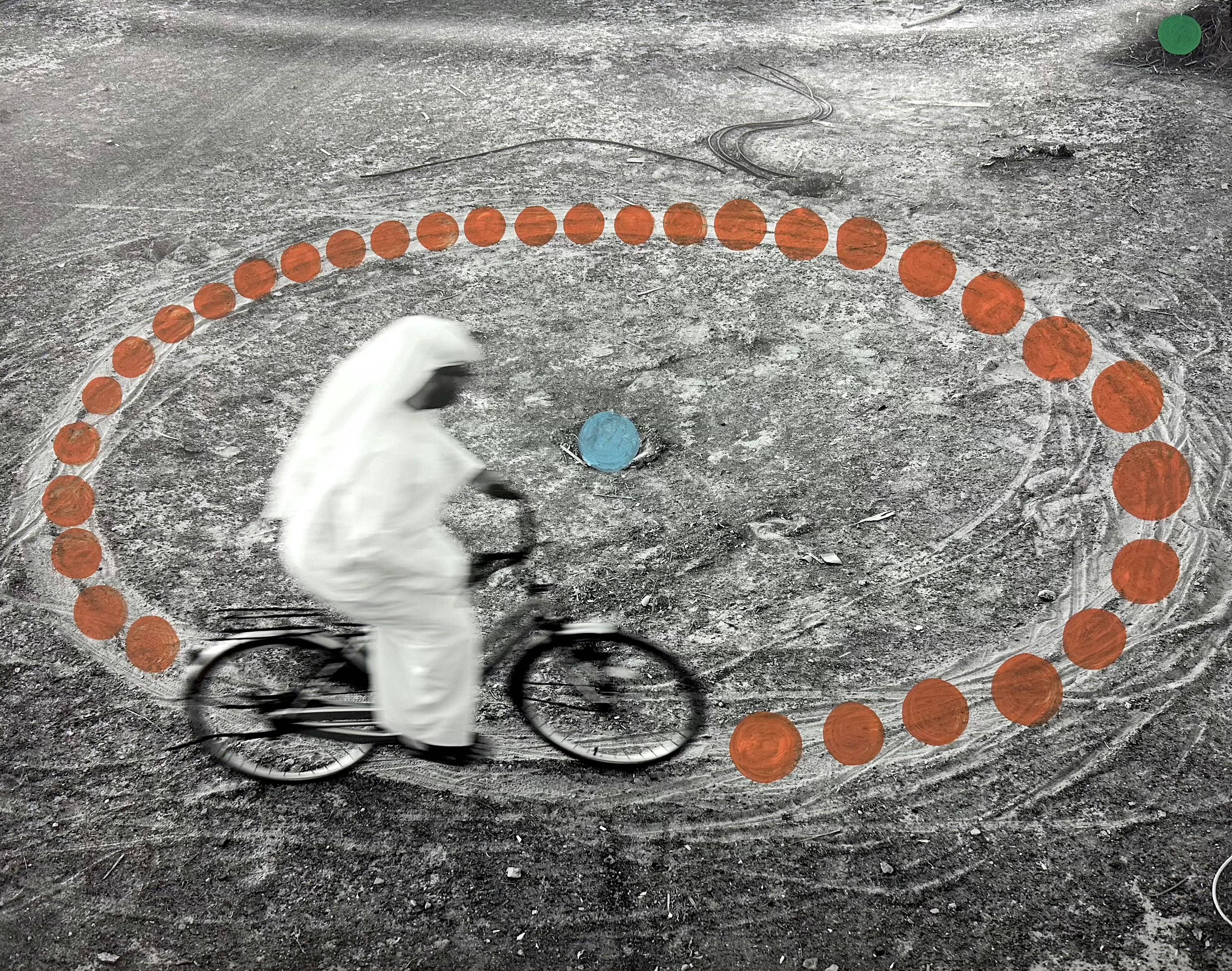
The article highlights 11 contemporary Emirati artists, providing an overview of their practices and significance within the Gulf's evolving art scene. It contextualizes this list against recent major events in the region, including the debut of Art Basel Qatar in early February and the subsequent U.S. attacks on Iran, which caused turmoil across the Gulf, disrupted airline operations, and forced Art Dubai to scale back its event to a smaller fair in mid-May. Artists and galleries in the Gulf also had to temporarily close.

barbara kruger untitled questions ice protests la

Barbara Kruger's monumental text-based mural "Untitled (Questions)" (1990/2018) at the Geffen Contemporary in Los Angeles has become a backdrop for National Guard deployments during protests against ICE raids. Originally commissioned by MOCA in 1989, the 191-foot-long work asks "WHO IS BEYOND THE LAW?" and has been photographed twice with armed soldiers beneath it—first in 1992 during the Rodney King protests, and again this week as President Donald Trump deployed the National Guard to quell demonstrations against immigration enforcement. Photographer Jay L. Clendenin captured the latest image, showing a calm scene that belies nearby unrest.

8 gulf artists defining the regions new cultural renaissance

Artnet News profiles eight Gulf artists who are shaping the region's cultural renaissance, including Mohammad Alfaraj and Dana Awartani. The article highlights their growing international recognition, with Alfaraj winning Art Basel Emerging Artist and Gold Awards in 2025 and Awartani exhibiting at the 2024 Venice Biennale. It notes the expansion of major art fairs like Art Basel and Frieze into the Gulf, alongside new homegrown initiatives such as the Diriyah Contemporary Art Biennale and Rubaiya Qatar.

Profile of a ruler: how Sheikh Sultan shaped Sharjah’s art scene

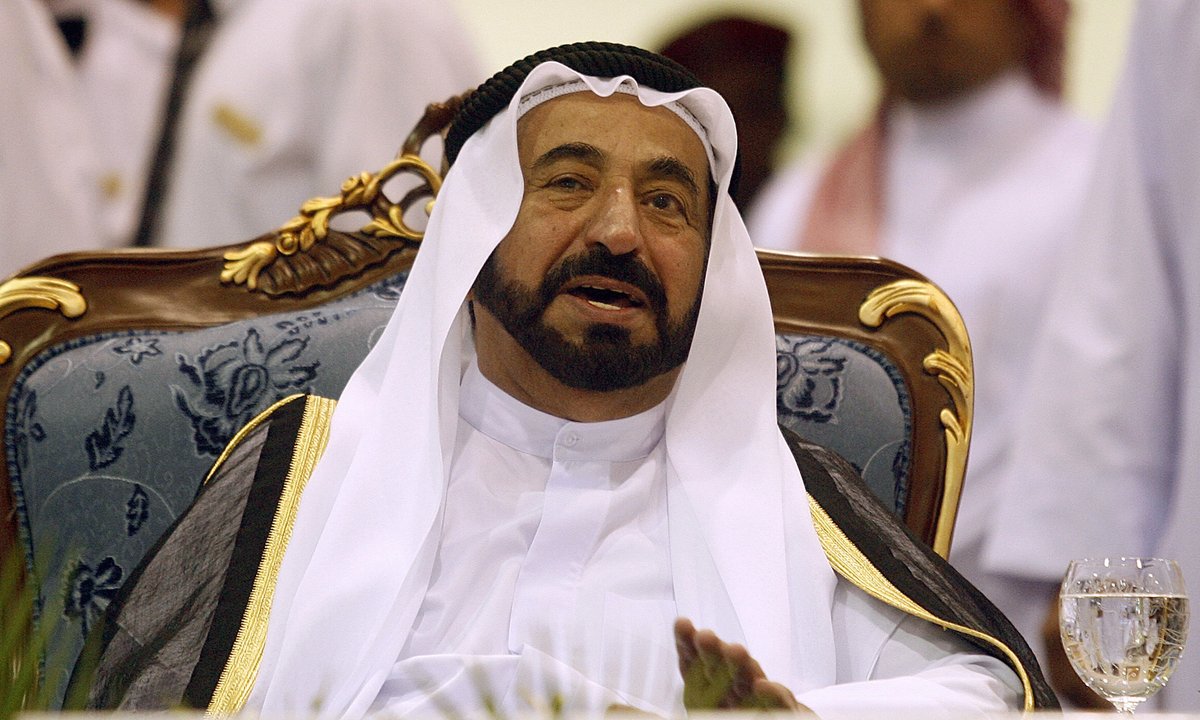
Sheikh Sultan bin Muhammad Al-Qasimi, the ruler of Sharjah since 1972, has transformed the emirate into a major cultural hub in the Gulf through sustained investment in art, education, and heritage. Under his leadership, Sharjah now boasts 23 archaeological sites, 20 museums, 10 universities, three biennials, and institutions like the Sharjah Biennial and Sharjah Art Foundation, run by his daughter Sheikha Hoor Al Qasimi. His vision prioritized arts and culture over commercial development, fostering a community-focused environment distinct from neighboring Dubai.

Since 1968, Protests Have Revealed the Real Impact of the Venice Biennale

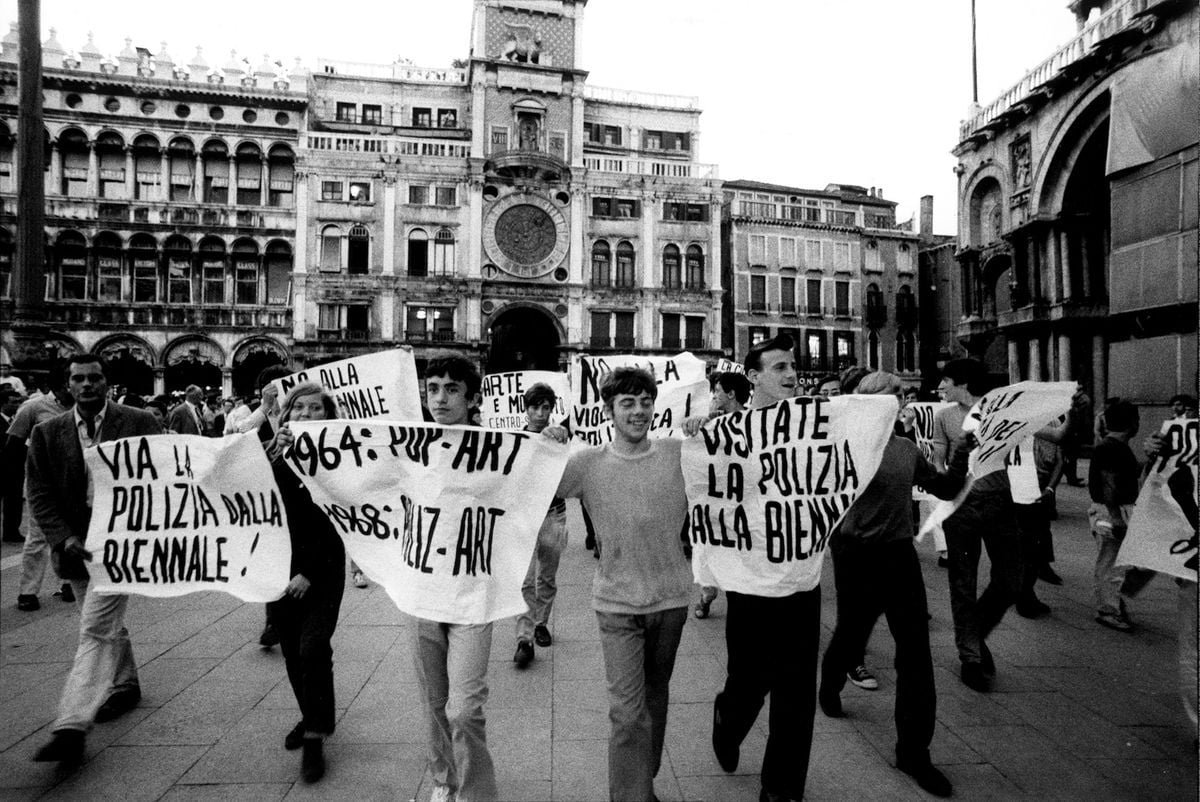
The article recounts the 1968 protests at the Venice Biennale, where artists, students, and activists clashed with police over the event's perceived ties to bourgeois power and capitalist commodification. It draws parallels to the 2024 Biennale, where groups like Art Not Genocide Alliance, Pussy Riot, and Femen demonstrated against the participation of Russia and Israel, while artists staged strikes and performances like the Solidarity Drone Chorus to highlight the Gaza conflict.

Beyond Weapons: Social Strength as True Defense in the Persian Gulf

Oltre le armi. La forza sociale come vera difesa nel Golfo Persico

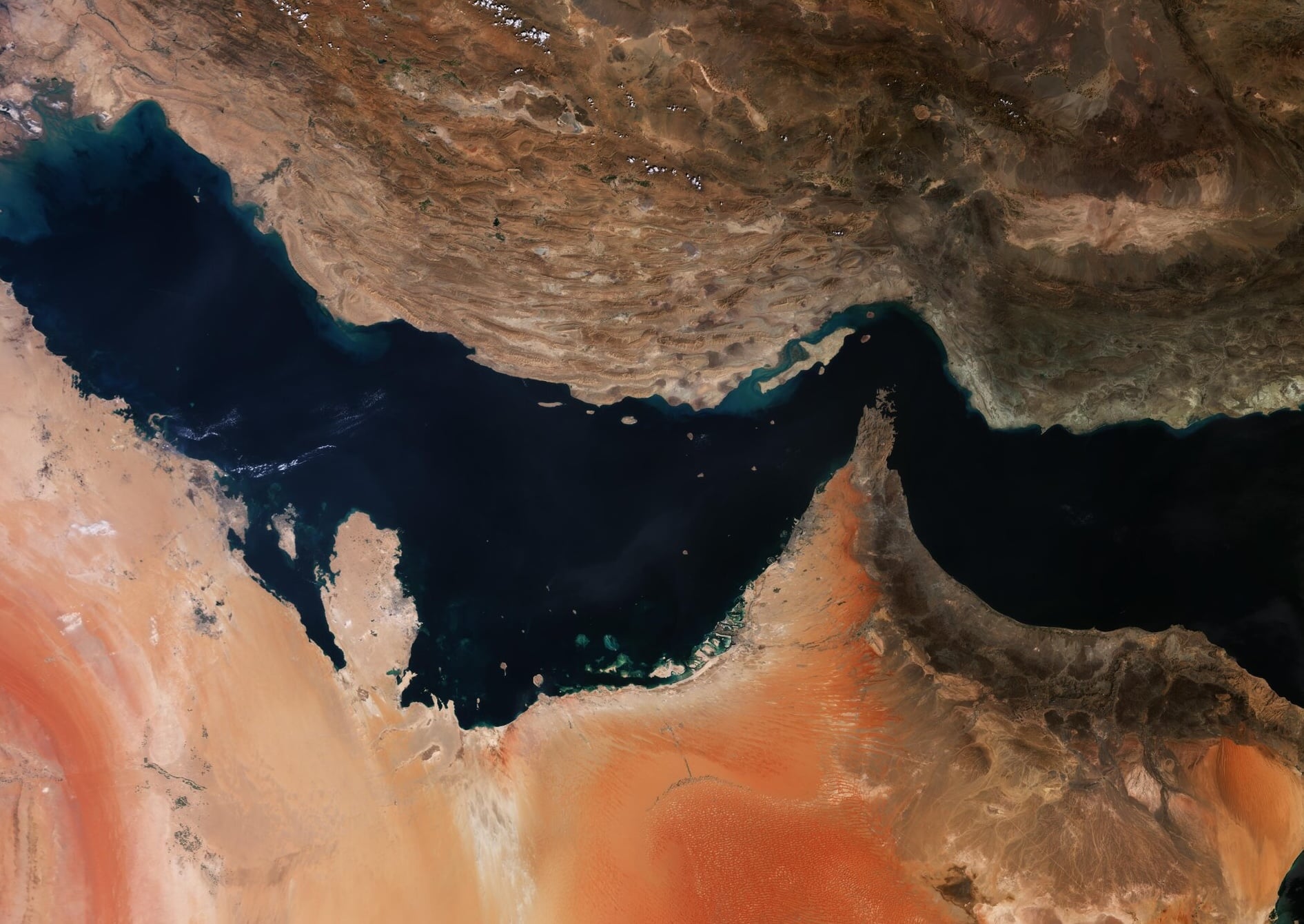
Journalist and observer perspectives highlight that Iran’s geopolitical resilience against international military pressure stems from its vibrant middle class and deep-rooted historical identity rather than just its arsenal. Observations from travels across Iranian cities like Tehran, Shiraz, and Isfahan reveal a society deeply engaged with its own culture, frequenting museums, cafes, and archaeological sites despite political isolation and a lack of foreign tourism.