filter_list Showing 81 results for "ISIS" close Clear
search
dashboard All 630 museum exhibitions 221article news 158article culture 81article policy 58trending_up market 38article local 28rate_review review 21person people 19gavel restitution 4candle obituary 2
date_range Range Today This Week This Month All
Subscribe

art trends 2026

Art critic Ben Davis reflects on the cultural landscape of early 2026, identifying a chaotic aesthetic defined by AI-generated imagery, esoteric Nazi dog whistles, internet trolling, and gaudy luxury, which he calls the "Chaotic Style." He also discusses the muted response to the 2025 Fall of Freedom initiative, the ongoing credibility crisis of liberal institutions over Gaza, and the need for serious AI criticism that moves beyond dismissing it as "slop."
‘They accomplished so much, even as they were dying’: the groundbreaking gay art of Peter Hujar and Paul Thek

Author and Frieze Magazine editor-in-chief Andrew Durbin has released a dual biography titled 'The Wonderful World That Almost Was,' chronicling the lives and creative partnership of Peter Hujar and Paul Thek. The book focuses on their relationship from the mid-1950s through the 1970s, detailing their collaborative influence and the development of their respective practices in photography and sculpture before both died of AIDS-related complications in the late 1980s.

year in latinx art 2025 artists museums

The article reflects on the state of Latinx art in 2025, a year marked by devastating wildfires in Los Angeles and the start of the second Trump administration, which has intensified ICE raids and targeted communities of color. Amid this crisis, artists have created poignant responses, including AMBOS's ceramics project at Frieze Los Angeles benefiting migrants awaiting asylum hearings, and Consuelo Jimenez Underwood's solo exhibition at Artpace in San Antonio, which explored borders both literal and cosmic. The piece also highlights a two-person show by Beatriz Cortez and rafa esparza at the Americas Society, titled "Earth and Cosmos," featuring works that challenge time and space.

How Josh Kline Wrote the Essay That the Art World Can’t Stop Talking About

Artist Josh Kline has sparked intense debate across the New York art world with his viral essay, "New York Real Estate and the Ruin of American Art," published in the journal October. The text serves as a scathing critique of the current state of the American art industry, diagnosing it as "sick" due to skyrocketing real estate costs, systemic power imbalances, and a market that has become an unsustainable "conveyor belt" of commercial painting. Kline argues that the economic pressures of post-pandemic New York have made the city a hostile environment for experimental and conceptual practices.

Made in Fire Island: how artists were at the heart of the LGBTQ+ mecca

A new book titled 'Fire Island Art: 100 Years' chronicles the century-long, integral relationship between artists and the LGBTQ+ community on Fire Island. The book, edited by John Dempsey, traces the creative legacy from pre-war artists like Paul Cadmus to modern figures, highlighting how the island's unique environment fostered both sexual and artistic freedom.

todd von ammon grids galleries fairs column

Todd von Ammon, a young gallerist, critiques the contemporary art market's over-reliance on art fairs and the homogenization of gallery spaces into a sterile, grid-like system. He contrasts this with the lost charm of discovering hidden, architecturally unique galleries in labyrinthine neighborhoods, which he argues fosters a sense of urban belonging and agency for collectors and art workers. The article traces the shift from the rabbit warrens of SoHo to the dense Chelsea gallery district and the rise of the modern art fair, epitomized by Art Basel's expansion to Miami Beach in 2002, which he likens to a pyramid scheme that burdens young galleries with high costs for minimal returns.

We are in danger of losing our sense of community

"Wir drohen das Gespür für die Gemeinschaft zu verlieren"

Christophe Cherix, the new director of the Museum of Modern Art in New York, discusses his first months in the role, emphasizing museums as "safe social places" in an era of anxiety and screen-induced isolation. He advocates for collective vision-building with staff and defends the MoMA's independence against political pressure in Trump-era America. Separately, critic Paco Barragán argues in The Observer that biennials are in a structural crisis of repetition, tracing their history from instruments of national soft power to a "Global Neo-Liberal Biennial" system that co-opts diversity without changing its core logic. He introduces the concept of the "vibe-ennial," where discourse is replaced by atmosphere and critique by affect. Meanwhile, longtime Bonn museum director Stephan Berg critiques the boom in immersive art experiences like "Van Gogh – The Immersive Experience," calling them a "surrogate reality" tailored to the Instagram age that destroys the integrity of original works. Artforum reconstructs late-1960s debates on art criticism, focusing on Barbara Rose's challenge to formalists like Clement Greenberg and Rosalind Krauss, arguing that art must engage with societal conflicts such as Black Power and war resistance.

‘Depraved in all the right ways’: why forgotten no wave visionary Gordon Stevenson is about to take off

The article profiles Gordon Stevenson, a forgotten visionary of the no wave movement in late-1970s New York, who was an artist, jewelry designer, musician, and filmmaker best known for the notorious film *Ecstatic Stigmatic*. Decades after his death from AIDS, a storage unit full of his lost work has been discovered, including jewelry, mail-art collaborations with Ray Johnson, and clues to a surviving print of his film. His family has also recovered hundreds of letters he wrote to his parents, chronicling his life in downtown New York and his experiences as one of the city's first AIDS patients. The piece traces his journey from a small town in Georgia, where he met his wife Mirielle Cervenka (who later renamed Exene Cervenka), to their punk-era jewelry brand LHOOQ and his lasting influence on gothic fashion.

artist studio

Journalist Bianca Bosker went undercover as a studio assistant for painter Julie Curtiss and other artists, revealing the gritty, athletic reality behind art-making—a world of blood, sweat, and sleepless nights. The article explores how mounting financial pressures, especially for sculptors and installation artists like Ivana Bašić, Erwin Wurm, and Lindsey Mendick, force tough decisions about studio space and production. Bašić, despite critical acclaim, lost a subsidized Dumbo studio and now outsources production to keep costs down, while a growing number of established artists pass on wisdom through residencies and assistant teams.

art criticism contemporary art crisis trump gaza

The article, written by an art critic for Cultured, opens by describing recent U.S. government actions under Executive Order 14253, including the National Park Service's restoration of a monument to Confederate General Albert Pike and a White House letter to Smithsonian Secretary Lonnie G. Bunch III ordering a review of Smithsonian programming to align with a directive to "celebrate American exceptionalism." The critic notes Bunch's balancing act of cooperating while asserting the Smithsonian's independent authority. The piece then pivots to the state of art criticism, referencing Domenick Ammirati's essay on the perpetual "crisis in criticism," and highlights Marco Brambilla's exhibition "Limit of Control" at bitforms gallery as the year's most under-appreciated show, praising its use of AI to explore political violence and protest.

Global Art Biennials: Renovation, Revelation—or Repetition?

The article examines the current state of global art biennials, arguing that recent controversies—such as the 2022 documenta antisemitism crisis and geopolitical tensions at the 61st Venice Biennale—reveal these exhibitions as deeply politicized platforms rather than neutral cultural events. It highlights how juries and curators have introduced geopolitical criteria, and cites ongoing debates in Artforum (April 2026) featuring voices like Daniel Birnbaum, Michelle Grabner, and Adam Szymczyk, who diagnose visible tensions but overlook deeper structural conditions.

Comment | As Cop30 opens in Brazil, it is time for the art world to embrace ethics with aesthetics

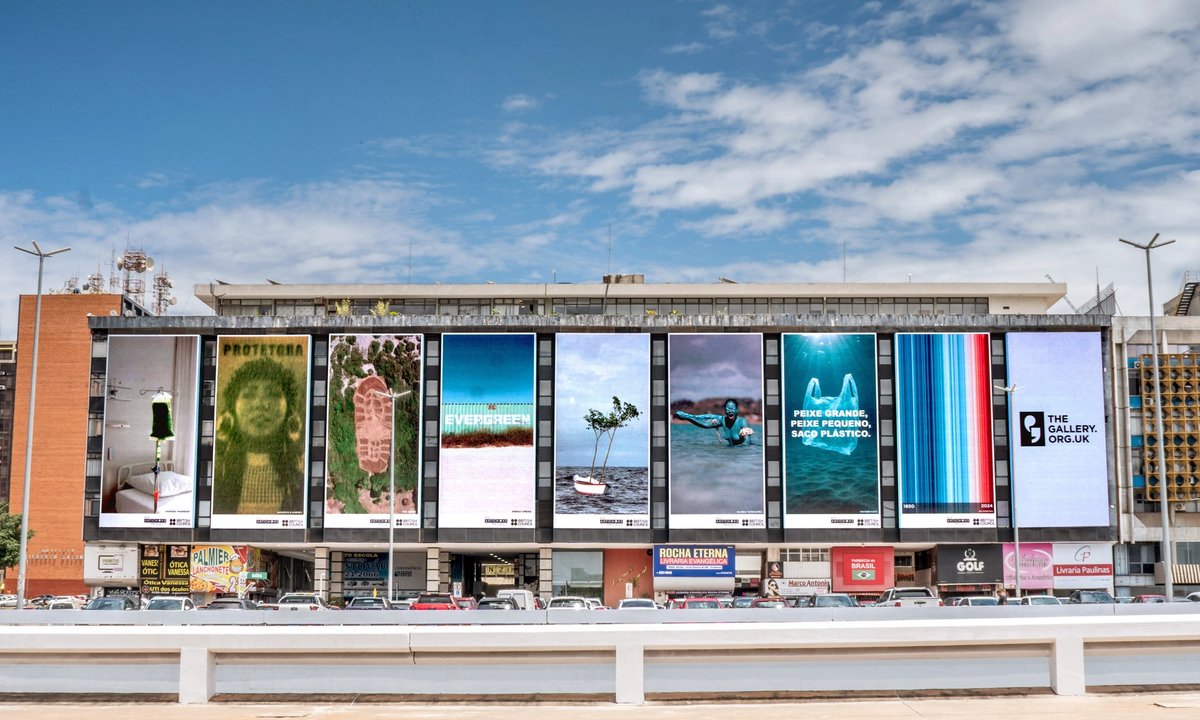
COP30, the United Nations Climate Change Conference, opens in Belém, Brazil, with culture officially on its agenda for the first time, thanks to advocacy from the Amazonian activist group Labverde and Art of Change 21. The conference features interventions and performances by eight Brazilian and indigenous artists, including photographer Christian Braga and activist Beto Oliveira, alongside a flurry of artist-led activities in UK galleries and institutions. The article also marks the tenth anniversary of Gustav Metzger's environmental art project "Remember Nature," which mobilized over 140 artists including Judy Chicago, Olafur Eliasson, and Marina Abramović, and was revisited on November 4, 2025, with sixteen English arts institutions hosting public projects.

7 Artists Who Capture the Essence of Black Dandyism

The article highlights seven contemporary artists whose work embodies Black dandyism, timed to the 2025 Met Gala theme 'Superfine: Tailoring Black Style' and the corresponding exhibition at the Metropolitan Museum of Art's Costume Institute. It traces the history of Black dandyism from its 18th-century European roots through its evolution during slavery and the 20th century, emphasizing its role as a defiant, empowering form of self-expression that challenges gender norms and racial stereotypes. Featured artists include Barkley L. Hendricks, Derek Fordjour, and Tyler Mitchell, among others.

African LGBTQ+ art at the Smithsonian, the Iran crisis, Louise Nevelson at Pompidou Metz—podcast

The latest episode of The Art Newspaper's 'The Week in Art' podcast, hosted by Ben Luke, covers three major stories. It features a discussion with co-curator Kevin Dumouchelle about 'Here: Pride and Belonging in African Art,' a new exhibition at the Smithsonian’s National Museum of African Art in Washington, D.C., focusing on LGBTQ+ artists from Africa and its diaspora. The episode also examines the cultural impact of the protests and brutal crackdown in Iran, with reporter Sarvy Garenpayeh, and highlights Louise Nevelson's 'Tropical Garden II (1957)' as the Work of the Week, tied to a new survey of the sculptor's work at the Centre Pompidou-Metz.

A brush with… Lubaina Himid — podcast

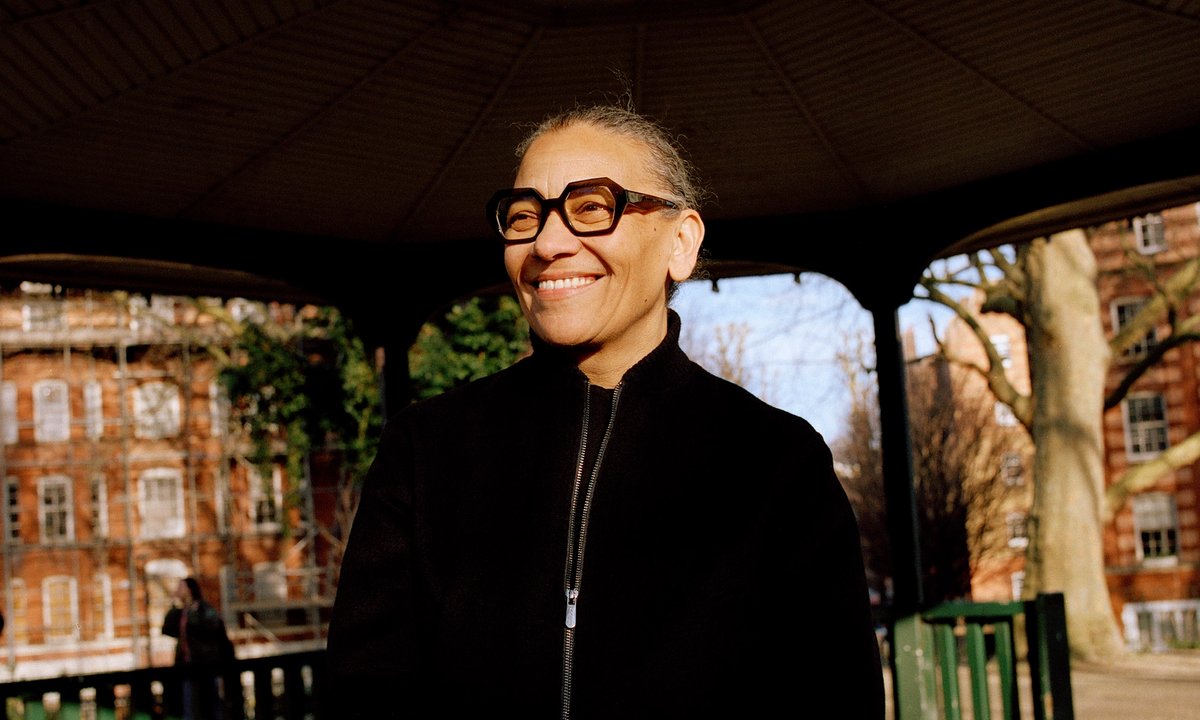
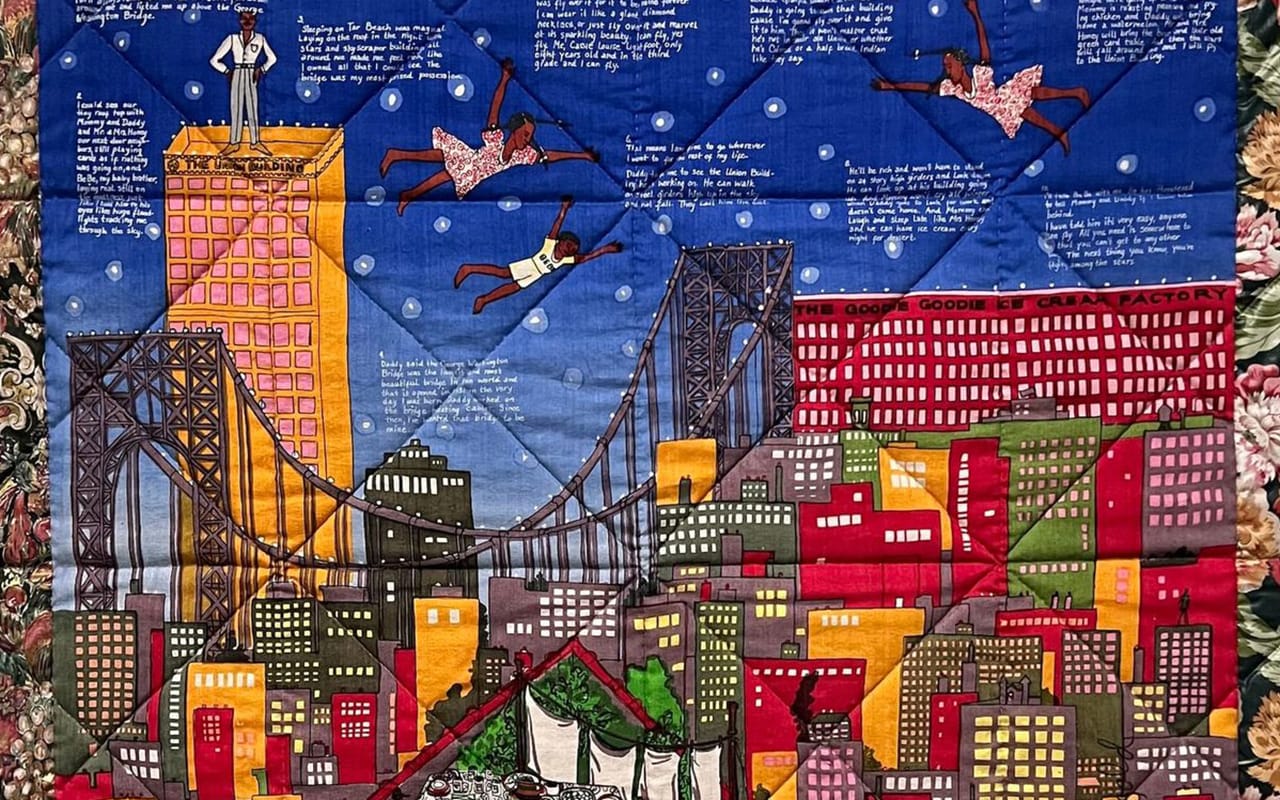
This podcast episode features a conversation with Lubaina Himid, the Turner Prize-winning artist born in Zanzibar in 1954 and based in Preston, UK. Himid discusses her paintings, sculptures, and installations that center marginalized figures, diasporic cultures, and overlooked histories. She reflects on the influence of artists Stanley Spencer, Bridget Riley, and William Hogarth, as well as writers Audre Lorde and Essex Hemphill. The episode also covers her curatorial work in the 1980s, her role in the Black British Arts movement, and her admiration for peer Claudette Johnson. Upcoming exhibitions include a show with Magda Stawarska at Kettle’s Yard in Cambridge, a group show at the Institute of Contemporary Arts in London, and her representation of the British Pavilion at the 2026 Venice Biennale.

Josh Kline Misses the Mark

Critic Aruna D’Souza responds to a viral essay by artist Josh Kline regarding the extreme financial pressures of living and working in New York City. While Kline suggests that artists should abandon the city due to the affordability crisis, D’Souza argues that leaving is not a viable long-term solution and calls for a more proactive approach to systemic change within the urban art ecosystem.

The Narrow Corridor of Normality

Der schmale Korridor der Normalität

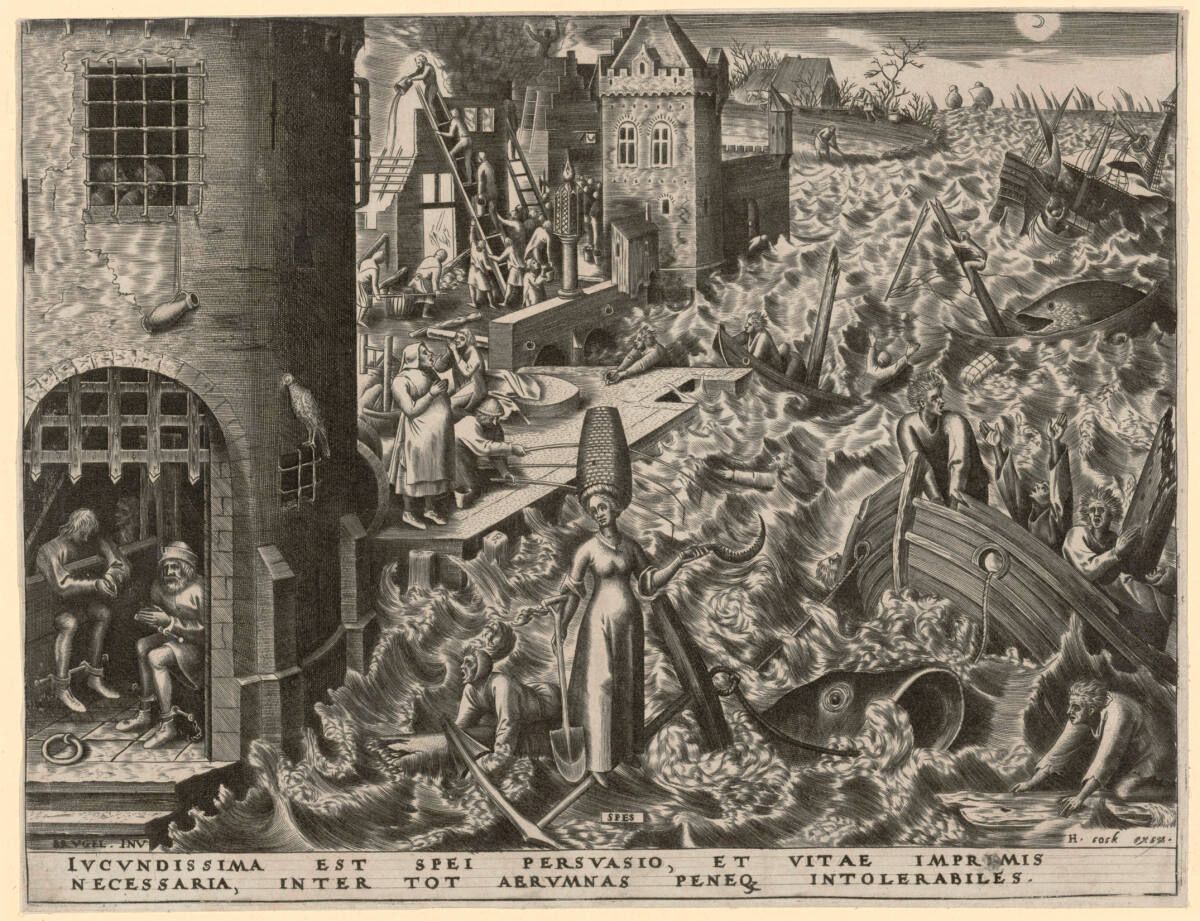
Artist Beate Gütschow reflects on Pieter Bruegel the Elder’s 16th-century engraving "Spes" (Hope), which she encountered during a visit to the Kunstmuseum Basel. The artwork depicts a personified figure of Hope standing amidst a chaotic scene of shipwrecks and flooding, symbolizing the necessity of maintaining focus and action even in the face of overwhelming disaster.

Les jardins de Monet à l’épreuve du surtourisme

Claude Monet's gardens in Giverny, France, which were recreated in 1980 after being abandoned in the 1950s, are now suffering from severe overtourism. The site, which attracted 70,000 visitors in its first year, is expected to exceed one million visitors in 2026, the centenary of Monet's death. Crowds are so dense that visitors report feeling unable to experience any emotion, and gardeners spend hours each morning repairing damage from trampling. The gardens have become a kind of industrial product, with 15,000 plants propagated each season to replace those destroyed.

How Fatinha Ramos Channels ‘Visual Activism’ in Her Richly Layered Illustrations

Fatinha Ramos, a Portuguese artist and illustrator based in Antwerp, describes her work as 'visual activism,' creating richly layered illustrations that give voice to minorities and address social issues. She collaborates with major clients including The New York Times, The Washington Post, Tate, Scientific American, the Anne Frank Museum, and MoMA, which commissioned her to illustrate an essay about being compared to Frida Kahlo. Born with osteogenesis imperfecta (brittle bone disease), Ramos spent much of her childhood in hospitals, where drawing became an escape. After 12 years as an art director in advertising and publishing, she now focuses on her own practice, which challenges stereotypes around disability, climate crisis, sexism, and racism. She is currently working on a graphic novel and a series of anatomical glass sculptures based on brittle bone disease.

Malo Chapuy Reimagines Medieval Art on the Cover of our New Talent Issue

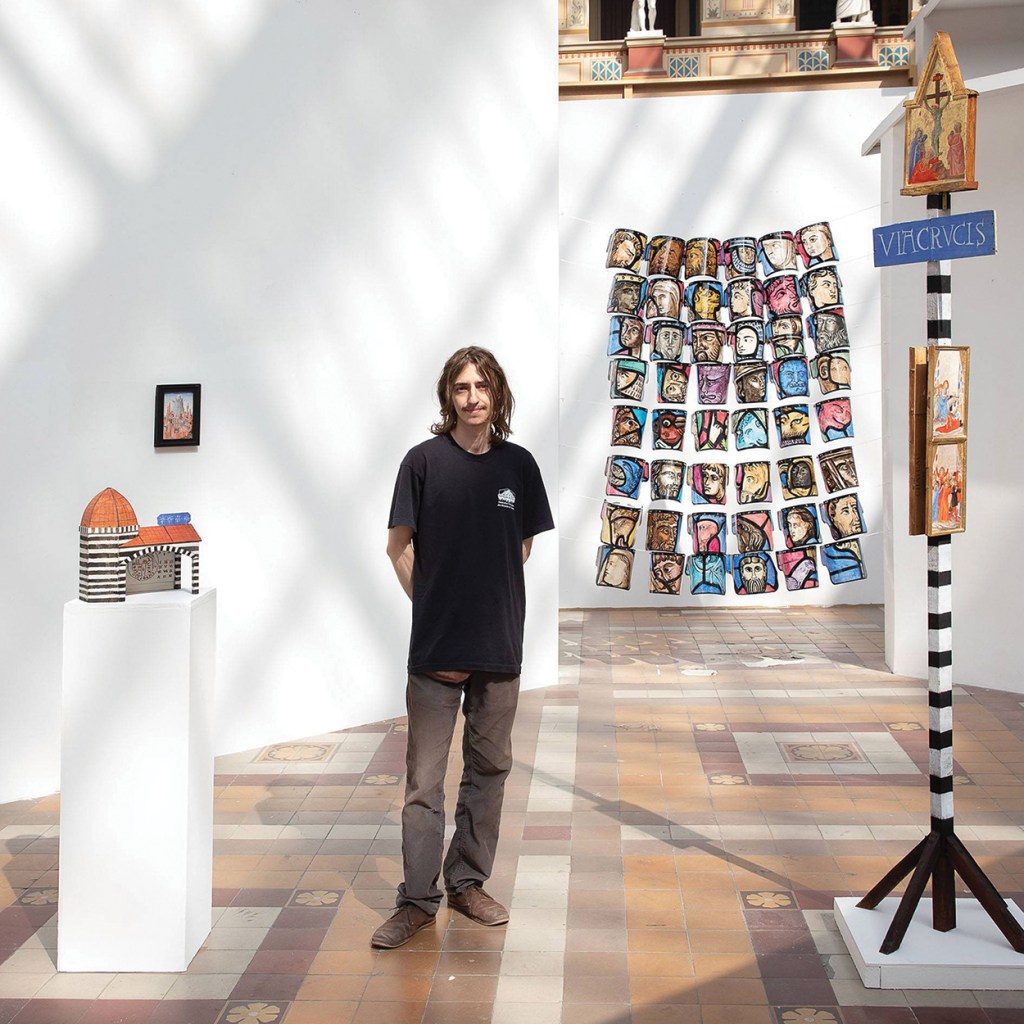
Malo Chapuy's painting *Virgin with Codex* (2025) appears on the cover of Art in America's new talent issue. In an interview from his Paris studio, Chapuy explains how he reinterprets medieval and early Renaissance Flemish painting by mixing its motifs with contemporary and sci-fi elements, such as gothic cathedral spaceships and QR codes designed to function like medieval manuscripts for future postapocalyptic monks. He describes his process as making "forgeries," using traditional techniques like oil on wood panels, homemade lead white, and self-carved frames to mimic aged Old Master works while addressing themes of ecological collapse, apocalyptic anxiety, and planetary exile.

strategies art world

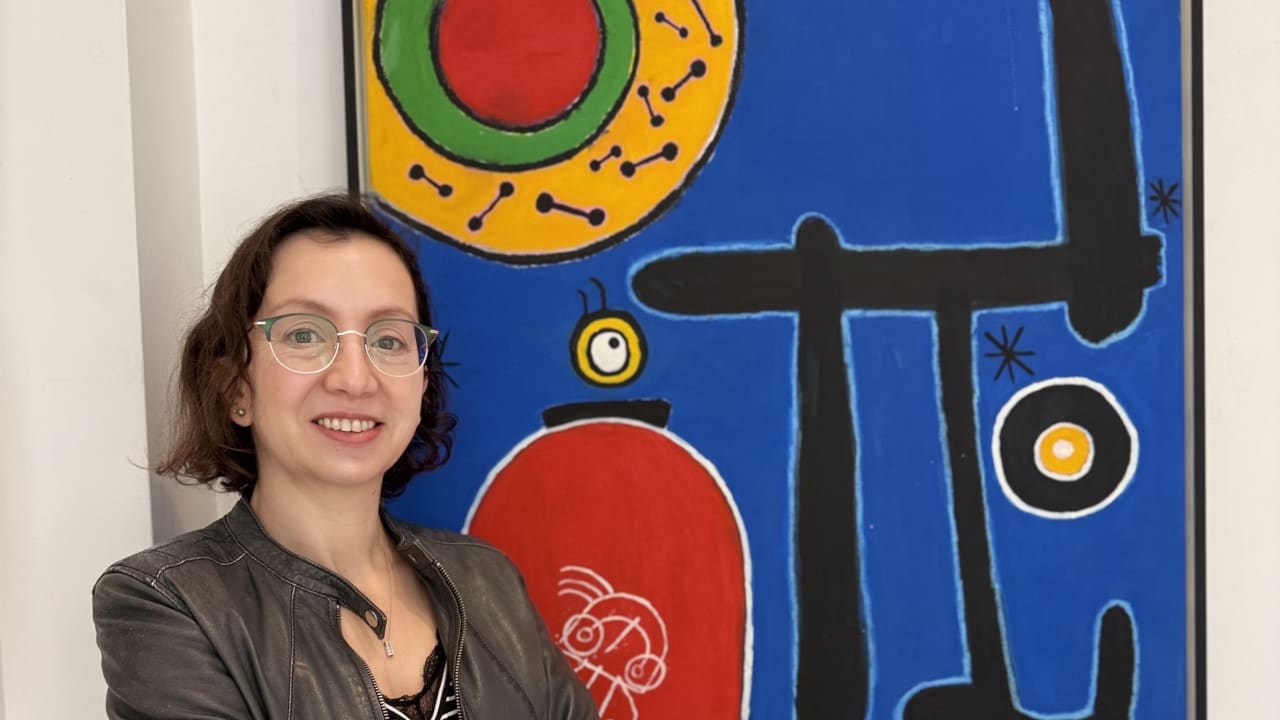
Cem A., an artist and anthropologist known for the art meme page @freeze_magazine, argues that the art world is suffering from an oversupply of graduates trained by art schools that cannot sustain them. He describes a paradox where art graduates face high unemployment and are dismissed as unqualified for non-art jobs, while those who remain in the field must align with market trends and the attention economy, risking burnout and compromised creativity. Cem A. shares his own experience of being rejected for being "too artsy" before finding success through his Instagram page, which opened doors that traditional career paths could not.

Three artists, three questions: Immersed in colors

Three Israeli artists—Vera Kunis, Avraham Kan, and Tal Tenne Czaczkes—are featured in a column exploring their use of color amid the ongoing war with Iran. Kunis, a data engineer and artist, opened her first solo exhibition, "Imagination Algorithm," at the Global Art Gallery in Tel Aviv on March 10, 2026, during the conflict. The interview was conducted remotely due to war conditions, with a siren interrupting the conversation. The artists discuss their inspirations, definitions of art, and what makes their work unique, emphasizing resilience and optimism through color.

Working as an Artist in Hong Kong (Michelle Fung)

Michelle Fung reflects on the realities of working as an artist in Hong Kong, dispelling the romantic myth of the bohemian artist. She describes the city's high cost of living, lack of affordable studio space, and the need for artists to take on multiple jobs—from teaching to selling secondhand handbags—to survive. Fung notes that while Hong Kong offers a vibrant art scene with over 70 galleries and a dozen museums, most artists cannot rely on gallery sales alone. She also critiques the Hong Kong Arts Development Council's grant system, which covers project expenses but provides minimal artist fees, contrasting it with more generous systems in Canada and the Netherlands.

Full Circle

The article reports on the impact of President Javier Milei's anarcho-capitalist economic policies on Argentina's cultural sector since his December 2023 election. Public museums like the Museo Nacional de Bellas Artes face frozen budgets and loss of autonomy, the cultural ministry has been shuttered, and a climate of fear and retribution has led many in the art world to speak anonymously. The piece focuses on artist Liv Schulman's film and exhibition "Un círculo que se fue rodando" (2024) as a psychological portrait of the nation under Milei, and includes observations from a Buenos Aires gallerist and journalist about the dismantling of civic institutions.

design artist housing hell real estate

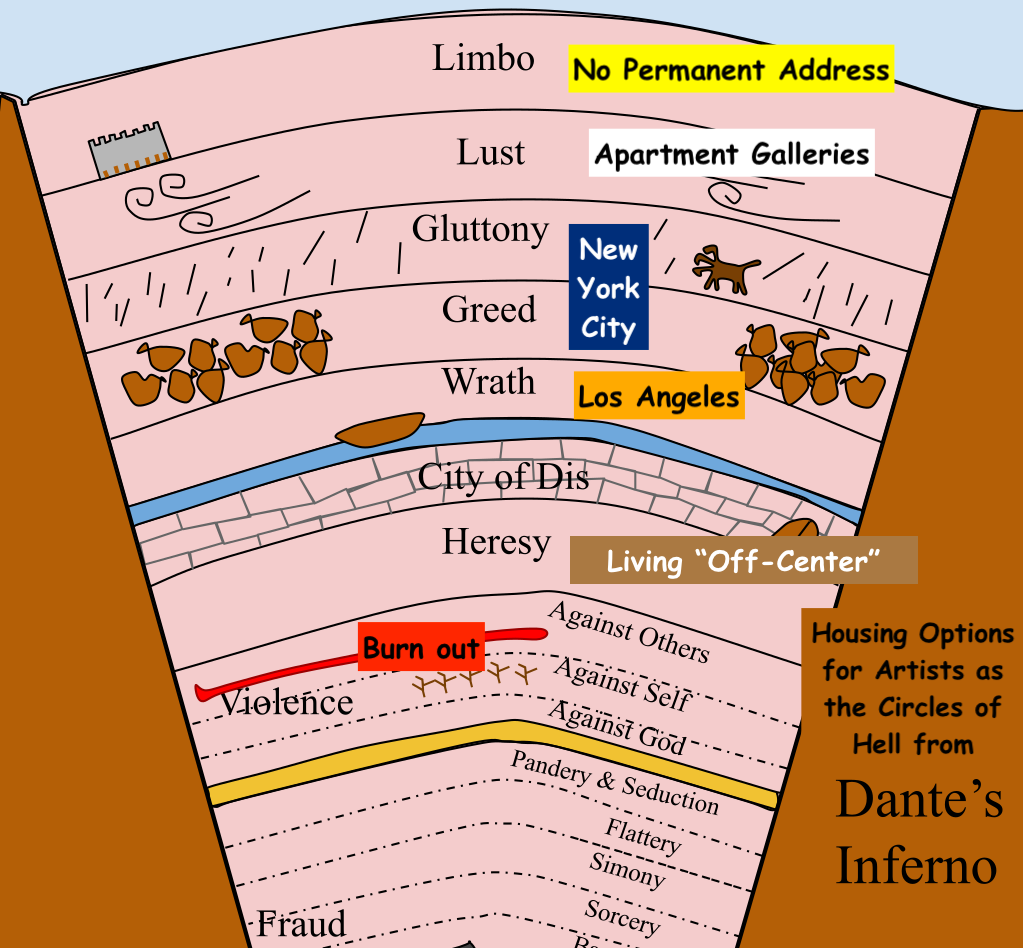
The article examines the severe affordable housing crisis facing artists in major art capitals like New York, Berlin, London, Los Angeles, Paris, and Hong Kong. It draws parallels between the satirical portrayals of housing struggles in Tama Janowitz's *Slaves of New York* (1986) and Jane DeLynn's *Real Estate* (1988) and the contemporary reality, where median rents have tripled since the 1970s while artists' median earnings remain critically low. The author maps artists' precarious housing situations onto Dante's nine circles of Hell, illustrating the creative but often desperate workarounds artists employ, such as subletting, living in storage units, or having no permanent address.

risd design aesthetics recession

A writer revisits the Rhode Island School of Design (RISD) alumni magazine after being assigned to explore how a group of RISD graduates from the late 2000s helped shape contemporary American material culture. The article focuses on the cohort that studied at RISD during the 2008 financial crisis, a time of institutional dysfunction and curricular drift, and includes figures like fashion brand Eckhaus Latta (co-founded by Mike Eckhaus and Zoe Latta), designer Adam Charlap Hyman, artists Katie Stout, Misha Kahn, F Taylor Colantonio, and Martine Gutierrez. The author reflects on shared memories and the unique conditions that produced this influential group.

Endless’s Street Art Calls Attention to London’s Homeless Crisis

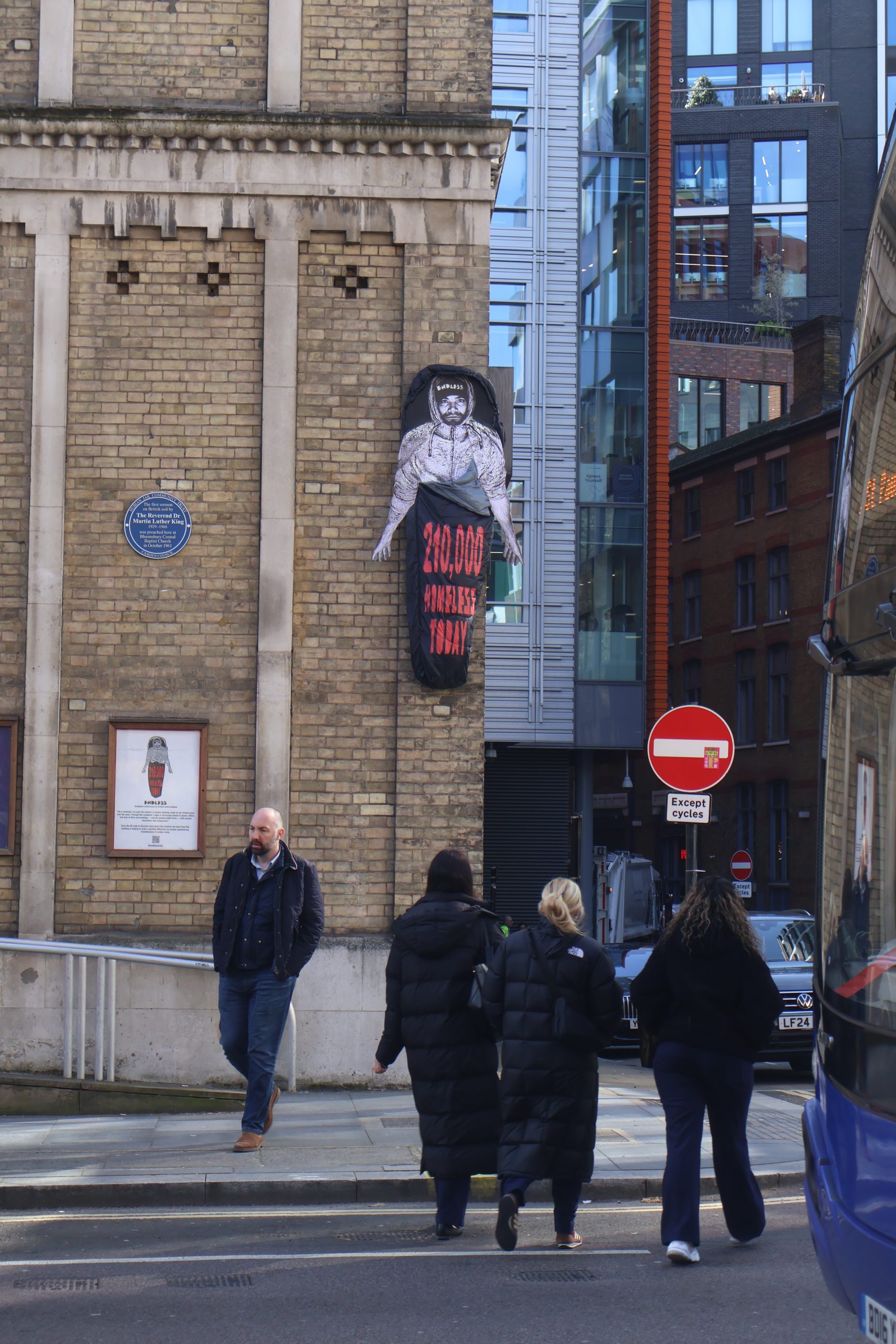
British street artist Endless has installed a new public artwork on the corner wall of Bloomsbury Central Baptist Church in London. The piece depicts a rough sleeper in a sleeping bag with the text "210,000 Homeless today," creating a stark visual juxtaposition against the affluent backdrop of the nearby Oxford Street shopping district.

Iran’s arts community and heritage suffer as US-Israeli attacks continue

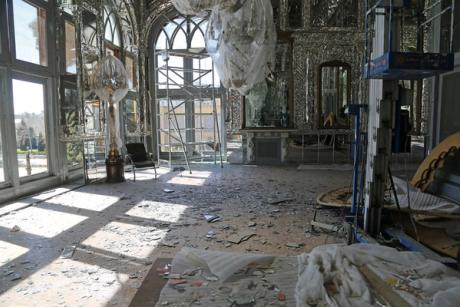
The US-Israeli bombardment of Iran, beginning in late February, has severely disrupted the country's cultural life and art scene. The typically busy Nowruz (Persian New Year) period was marked by fear, travel restrictions, and internet blackouts, leading to the evacuation of museum collections, the closure of galleries, and artists being unable to work in their studios.

Unlike Josh Kline, I Choose New York

Artist Josh Kline’s recent essay on the devastating impact of New York City’s real estate market on the arts has sparked a heated debate regarding the city's future as a creative hub. While Kline argues that the 'polycrisis' of high rents and student debt is stifling artists born after 1975, this response critiques his generational focus, suggesting that the struggle for affordability is a structural issue affecting artists of all ages, particularly those from marginalized backgrounds who have faced these barriers for decades.

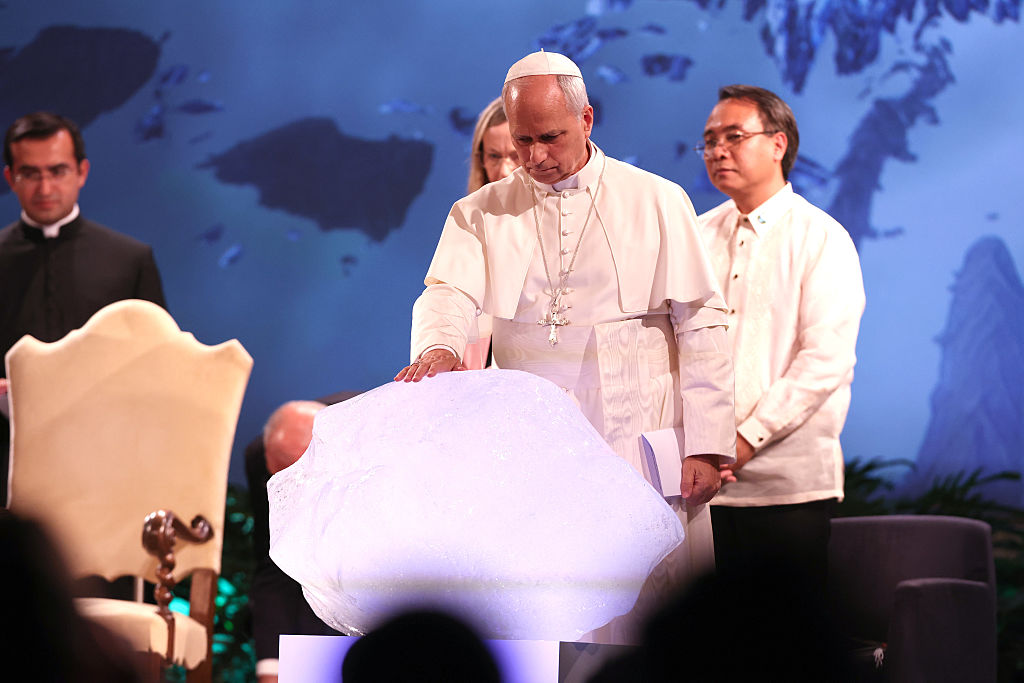
pope leo xiv olafur eliasson greenland ice blessing

At the Raising Hope conference in Rome, Pope Leo XIV blessed a 20,000-year-old piece of Greenland glacial ice brought onstage by artist Olafur Eliasson. The ice, transported from Nuup Kangerlua fjord with geologist Minik Rosing, had already broken away from the Greenland ice sheet and was melting. Eliasson documented the event on Instagram, calling it a striking moment that underscored the connection between nature and humanity.