filter_list Showing 17 results for "ISIS" close Clear
dashboard All 169 museum exhibitions 66article news 45article culture 17article policy 16rate_review review 8article local 6trending_up market 6person people 4gavel restitution 1
date_range Range Today This Week This Month All
Subscribe

‘They accomplished so much, even as they were dying’: the groundbreaking gay art of Peter Hujar and Paul Thek

Author and Frieze Magazine editor-in-chief Andrew Durbin has released a dual biography titled 'The Wonderful World That Almost Was,' chronicling the lives and creative partnership of Peter Hujar and Paul Thek. The book focuses on their relationship from the mid-1950s through the 1970s, detailing their collaborative influence and the development of their respective practices in photography and sculpture before both died of AIDS-related complications in the late 1980s.
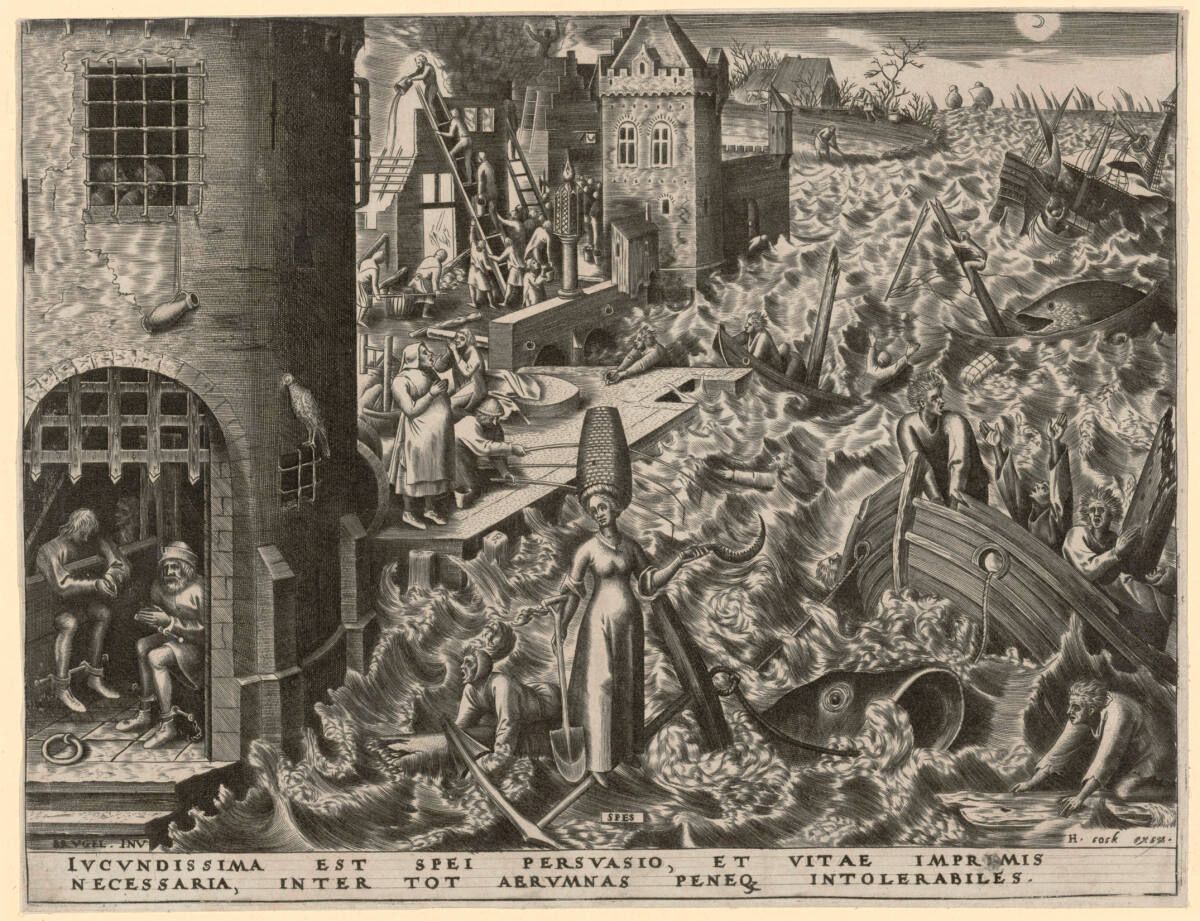
The Narrow Corridor of Normality

Der schmale Korridor der Normalität

Artist Beate Gütschow reflects on Pieter Bruegel the Elder’s 16th-century engraving "Spes" (Hope), which she encountered during a visit to the Kunstmuseum Basel. The artwork depicts a personified figure of Hope standing amidst a chaotic scene of shipwrecks and flooding, symbolizing the necessity of maintaining focus and action even in the face of overwhelming disaster.

How Fatinha Ramos Channels ‘Visual Activism’ in Her Richly Layered Illustrations

Fatinha Ramos, a Portuguese artist and illustrator based in Antwerp, describes her work as 'visual activism,' creating richly layered illustrations that give voice to minorities and address social issues. She collaborates with major clients including The New York Times, The Washington Post, Tate, Scientific American, the Anne Frank Museum, and MoMA, which commissioned her to illustrate an essay about being compared to Frida Kahlo. Born with osteogenesis imperfecta (brittle bone disease), Ramos spent much of her childhood in hospitals, where drawing became an escape. After 12 years as an art director in advertising and publishing, she now focuses on her own practice, which challenges stereotypes around disability, climate crisis, sexism, and racism. She is currently working on a graphic novel and a series of anatomical glass sculptures based on brittle bone disease.

Three artists, three questions: Immersed in colors

Three Israeli artists—Vera Kunis, Avraham Kan, and Tal Tenne Czaczkes—are featured in a column exploring their use of color amid the ongoing war with Iran. Kunis, a data engineer and artist, opened her first solo exhibition, "Imagination Algorithm," at the Global Art Gallery in Tel Aviv on March 10, 2026, during the conflict. The interview was conducted remotely due to war conditions, with a siren interrupting the conversation. The artists discuss their inspirations, definitions of art, and what makes their work unique, emphasizing resilience and optimism through color.

Three things the Fuorisalone should do (and doesn't) to improve the quality of life in Milan

Tre cose che il Fuorisalone dovrebbe fare (e non fa) per migliorare la qualità della vita di Milano

The 2026 Milan Design Week, coinciding with the Salone del Mobile, has officially begun, bringing over 1,850 events to the city. The launch included a special breakfast-barter event in Piazza Duomo with artist Maurizio Cattelan and journalist Nicolas Ballario, kicking off a week expected to draw 300,000 visitors.

What Remains of Democracy? The Answers of Contemporary Art

Che cosa resta della democrazia? Le risposte dell’arte contemporanea

The article is a cultural essay examining how contemporary art reflects and responds to the perceived global crisis of democracy. It argues that recent socio-political accelerations—including rising nationalism, wars, and unchecked capitalism—have eroded the substantive content of democracy, reducing public space to an extension of individual, screen-mediated identity.

Grimes joining LinkedIn is artwashing at its most brazen. I should know – I released my new film on there

Artist Alan Warburton critiques the migration of creative professionals to LinkedIn, sparked by musician Grimes' recent pivot to the platform to promote her appearance at an Nvidia tech conference. Warburton, who recently released his AI-focused film 'Image Empire' on the site, describes the move as a desperate response to the 'enshittification' of traditional creative platforms like Twitter and Vimeo, which have been overrun by bots and AI-generated content.

Meriem Bennani, the artist who went viral during the pandemic

Meriem Bennani, a New York-based artist known for her shape-shifting practice of videos, installations, and immersive environments, gained viral fame during the COVID-19 lockdown in March 2020. She co-created the animated series '2 Lizards' with fellow artist Orian Barki, which depicted surreal, humorous conversations between anthropomorphic reptiles navigating the first weeks of the pandemic in New York City. The series, posted on Instagram, resonated widely and led to eight episodes. Bennani's broader work, including 'Life on the CAPS' (2018–2022) and 'Mission Teens' (2019), blends digital animation, live-action footage, and cultural critique, often exploring themes of diaspora, post-colonialism, and migration through dystopian, supernatural narratives.

Where to go for the next scandal?

Wo bitte geht's zum nächsten Skandal?

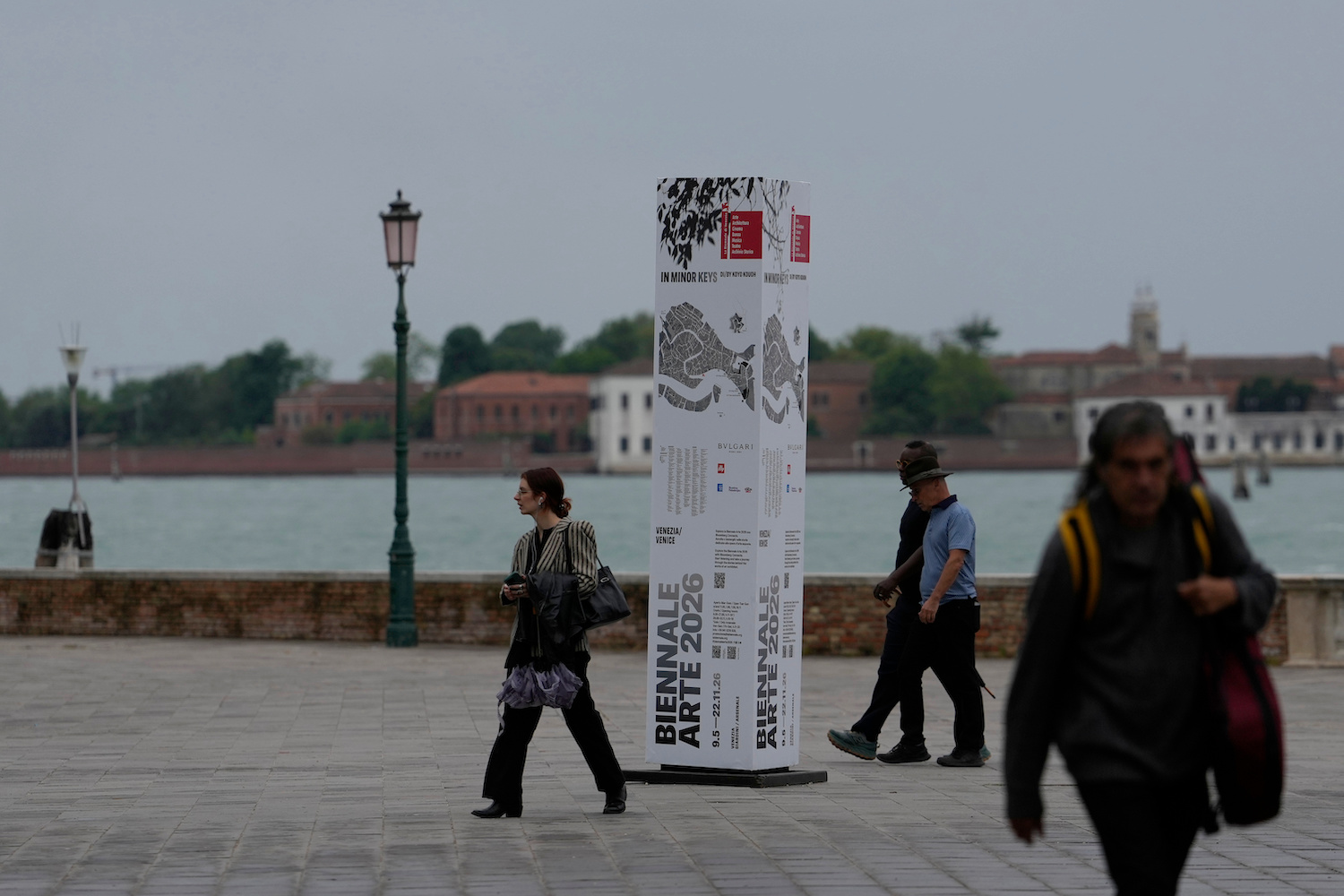
The article reports on the 2024 Venice Biennale preview days, where the atmosphere is dominated by political protests, media stunts, and social-media pressure rather than the art itself. Incidents include a solidarity drone choir for Gaza, a Pussy Riot and FEMEN protest at the Russian Pavilion, and a planned demonstration near the Israeli Pavilion, all amplified by PR agencies and WhatsApp alerts. A journalist describes being pressured by editors to cover scandals and political controversies instead of art reviews, which they say no longer attract clicks.

In ‘Reverence,’ Three Decades of Paul Nicklen’s Remarkable Photographs Exalt Nature

Paul Nicklen, a renowned wildlife photographer and co-founder of the conservation organization SeaLegacy, is releasing a comprehensive book titled *Reverence* through publisher Hemeria. The volume collects 160 photographs spanning his three-decade career, including iconic images and previously unpublished works that capture the beauty and fragility of ecosystems from the Colorado River delta to the Arctic Bay.

Die Welt als Sound – mit Peter Licht

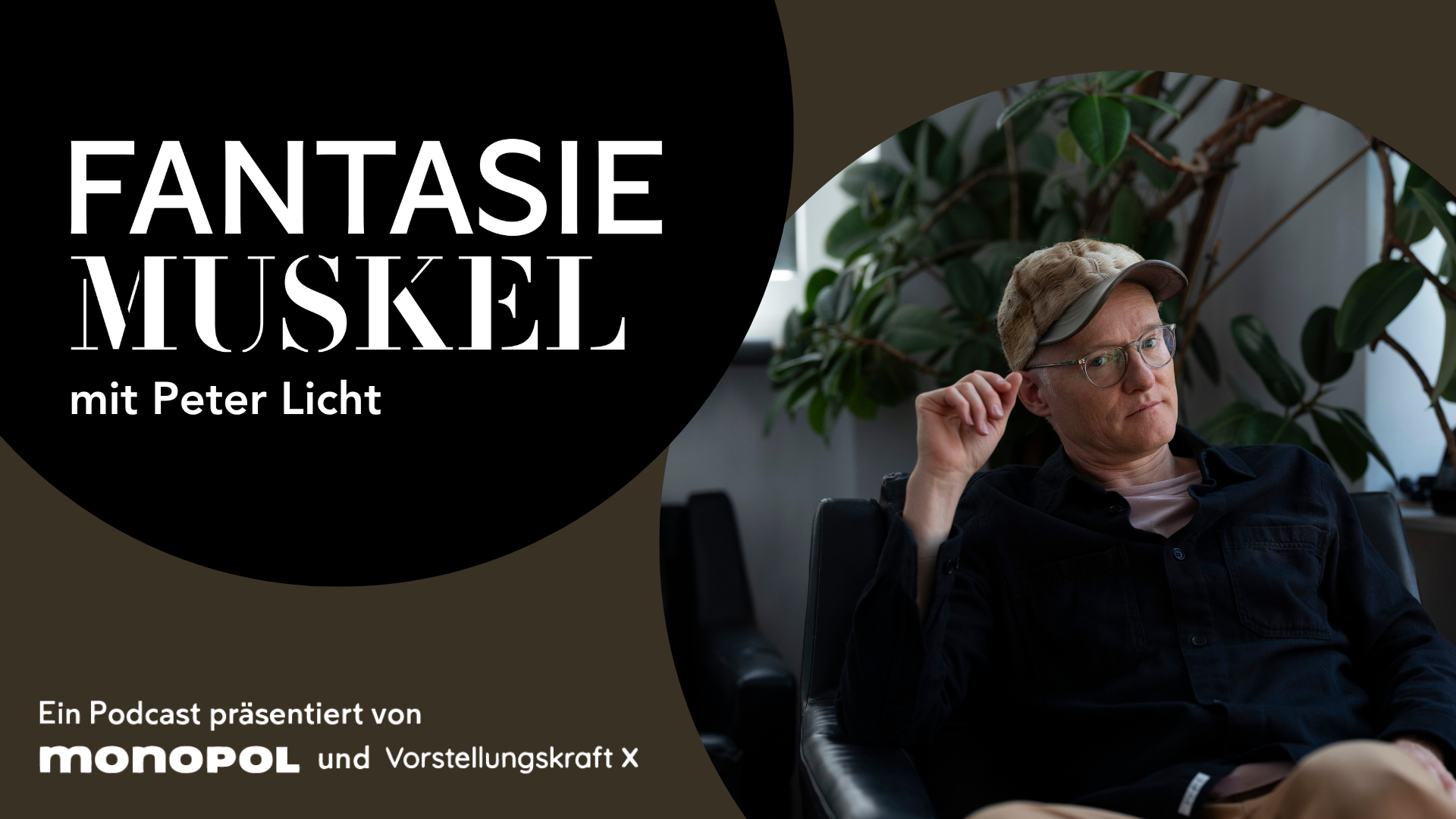
Peter Licht, a German musician, author, and playwright, appears as a guest on the 82nd episode of the "Fantasiemuskel" podcast, where he discusses his view of the world as a sound phenomenon. He reflects on his 2006 song "Lied vom Ende des Kapitalismus," which preceded the 2008 financial crisis, and explores how language, fear, and utopian moments manifest through sound in his work—whether in pop songs, theater pieces, or novels. Licht also describes a recent "problem-solving show" at Schauspiel Köln, where audience members submit problems that are collectively sung, turning singing into an act of resistance and community-building.

Collapse Finance, Part 1: Introduction

The global financial landscape is undergoing a structural shift toward "collapse finance," where institutions designed to manage risk are increasingly profiting from and accelerating systemic instability. Amid geopolitical turmoil and the abandonment of green initiatives, traditional concepts of market security are unravelling, replaced by a system that monetizes uncertainty through instruments like catastrophe bonds and volatile cryptocurrencies.

The new TAILOR newsletter is coming out: luxury crisis, new creative generations, and mental health (subscribe!)

Sta per uscire la nuova newsletter TAILOR tra crisi del lusso, nuove generazioni creative e salute mentale (abbonatevi!)

Artribune has launched a new edition of its newsletter TAILOR, which examines the transformation of the global fashion system amid a luxury crisis, the rise of new creative generations, and the growing structural importance of mental health in the industry. The newsletter features a focus on five emerging designers shifting fashion from product to narrative, an exclusive interview with influential stylist Tom Eerebout, and the debut in Italy of the project "One Person. One Voice" as part of the Mental Health in Fashion campaign, created by Florian Müller with artist Claudia Malecka.

Literature Today: The Crisis of the Novel as a Symptom of Social Change

La letteratura oggi: la crisi del romanzo come sintomo di un cambiamento sociale

The article examines the perceived crisis of the novel as a literary form, tracing its historical rise alongside the bourgeoisie in the 17th and 18th centuries. It argues the novel functioned as a mirror for a coherent social class with shared values, serving as a device for collective representation. The form's foundational premise of a recognizable community began to fracture in the 20th century, particularly after World War II, as societies atomized and grand ideological narratives collapsed.

Remains of time: Discarded Material Finds New Life As Artwork

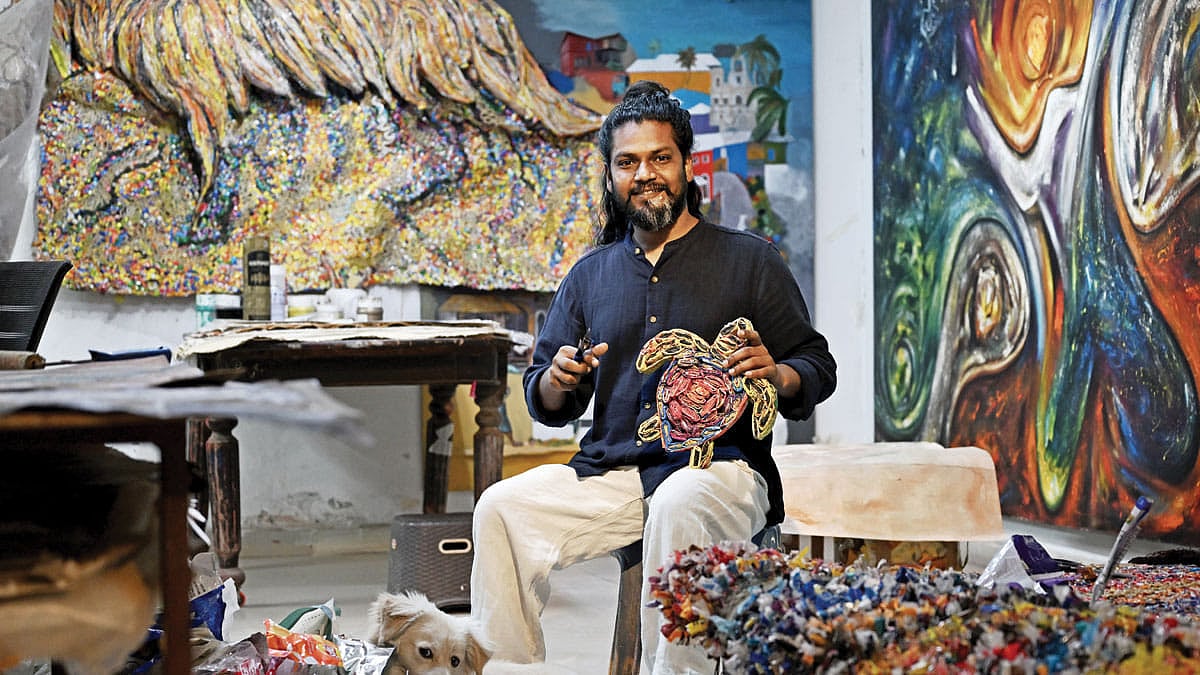
Two Indian artists, Manveer Singh (aka Plasticvalla) and Smriti Dixit, are creating artworks from discarded materials to address environmental degradation. Singh transforms multi-layered plastic waste into sculptures inspired by local landscapes and folk traditions, such as a snow leopard for Spiti Valley and a landfill-inspired piece for Delhi. Dixit finds her practice meditative, while other young artists like Anuja Dasgupta and Mrugen Rathod recently exhibited at the 'Sustaina' exhibition using recycled materials like agricultural waste and discarded hotel textiles. Additionally, Tara Lal's Aranyani Pavilion, made from invasive Lantana Camara wood, was displayed at Sunder Nursery to promote forest restoration.

Jury or Public? The Biennale Is Not an Algorithm, But Neither Is It a Liturgy

Giuria o pubblico? La Biennale non è un algoritmo, ma neppure una liturgia

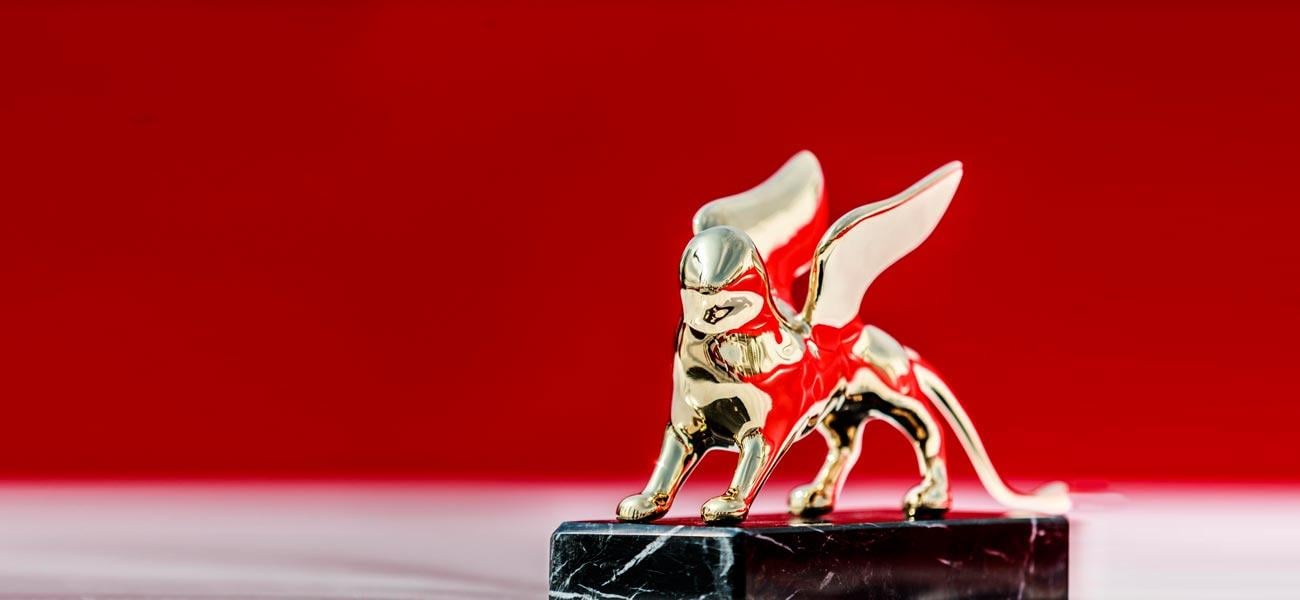
The article critically examines the proposal for "Visitor Lions" (Leoni dei Visitatori) at the Venice Biennale, arguing that the idea is a fragile, quick-fix response to a deeper crisis. It questions whether replacing expert juries with public voting would truly improve the selection process, noting that both systems have significant flaws: juries are not necessarily neutral, often rushed and filtered, while public voting risks favoring accessible, easily consumable works and reinforcing existing hierarchies.

ART CRITICISM: CLARITY OR MORAL AUTHORITARIANISM?

CRÍTICA DE ARTE: ¿CLARIDAD O AUTORITARISMO MORAL?

The article is a critical essay examining the state of contemporary art production in Mexico, arguing it has become a privatized field designed to please wealthy elites and foreign collectors. It contends that art has shifted from being partly publicly funded to being driven by the market and private initiative, leading to a culture of self-censorship, precarity, and a desperate ambition for visibility and sales.