
filter_list Showing 3 results for "Invisible" close Clear
search
dashboard All 13 museum exhibitions 9article culture 3article local 1
date_range Range Today This Week This Month All
Subscribe

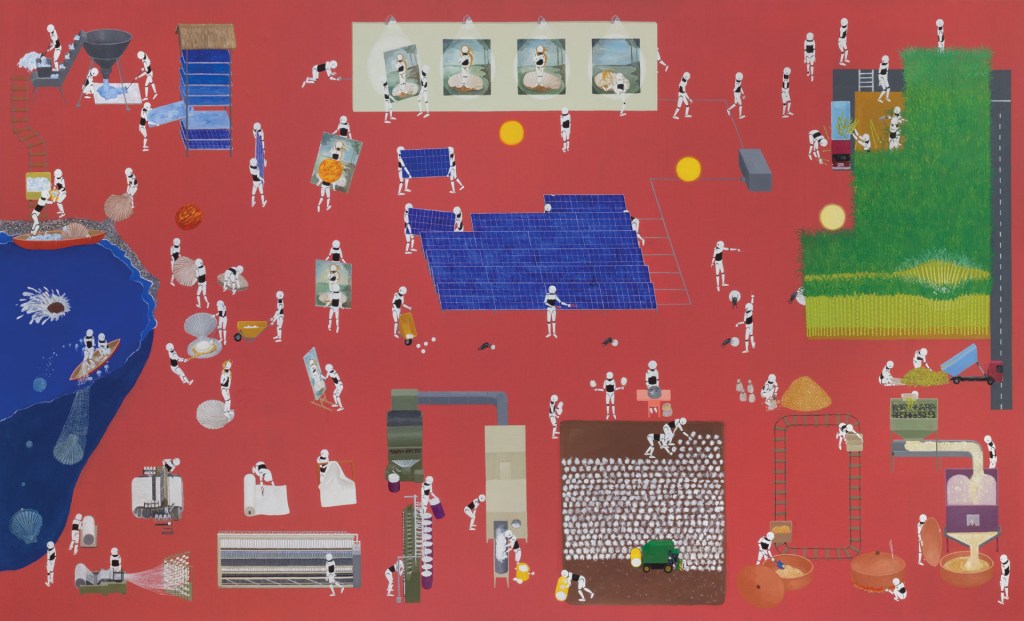
The 21st Century’s Biggest Art Trend is Not a Style. But Once You See It, You’ll Notice It Everywhere.

The article traces the evolution of "systems art," a term coined by critic Jack Burnham in 1968 to describe art that uses rules, seriality, and repetition to mirror and reveal the growing protocols of the Cold War era. It highlights early practitioners like Kenneth Noland, Robert Morris, Dan Flavin, and notably Hans Haacke and Adrian Piper, who shifted from atmospheric systems (e.g., Haacke's *Condensation Cube*) to social systems (e.g., Haacke's *Shapolsky et al. Manhattan Real Estate Holdings*). The piece argues that systems thinking has become unavoidable in contemporary life—from algorithms to systemic racism—and that art remains a crucial tool for making these invisible systems legible.
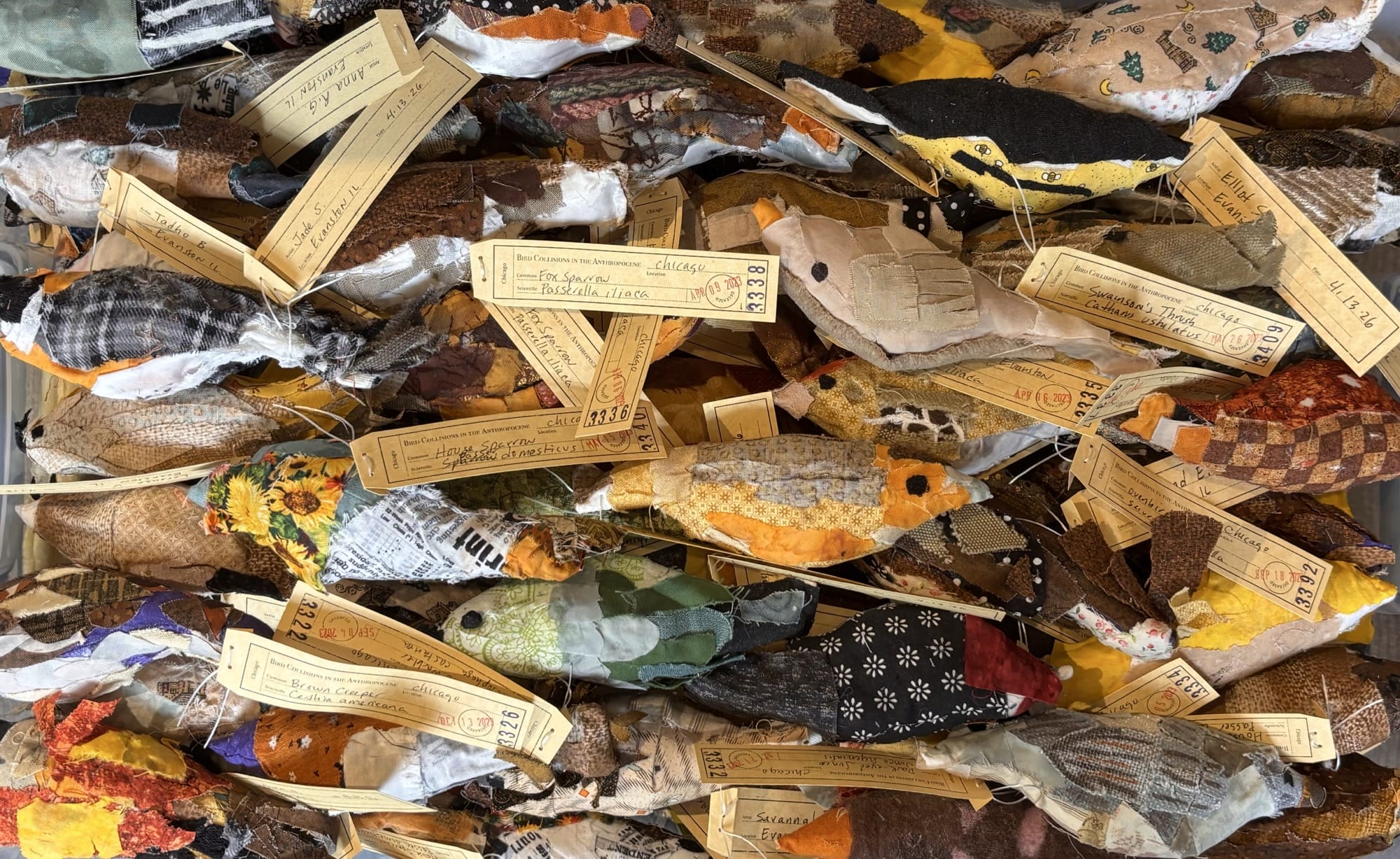
Around North America, Community Members Are Stitching Nearly 11,000 Birds

Artist and educator Holly Greenberg launched the multi-year project "Bird Collisions in the Anthropocene" in 2024 after learning about a mass bird collision at Chicago's McCormick Place Lakeside Center in October 2023, where nearly 1,000 birds died in a single night. Using data from the Chicago Field Museum and ornithologist Dave Willard, Greenberg focuses on the 10,863 birds found dead after hitting Chicago buildings in 2023 alone. The project involves community members stitching nearly 11,000 fabric birds to raise awareness and educate the public about preventing window collisions, which kill an estimated one billion birds annually across North America.

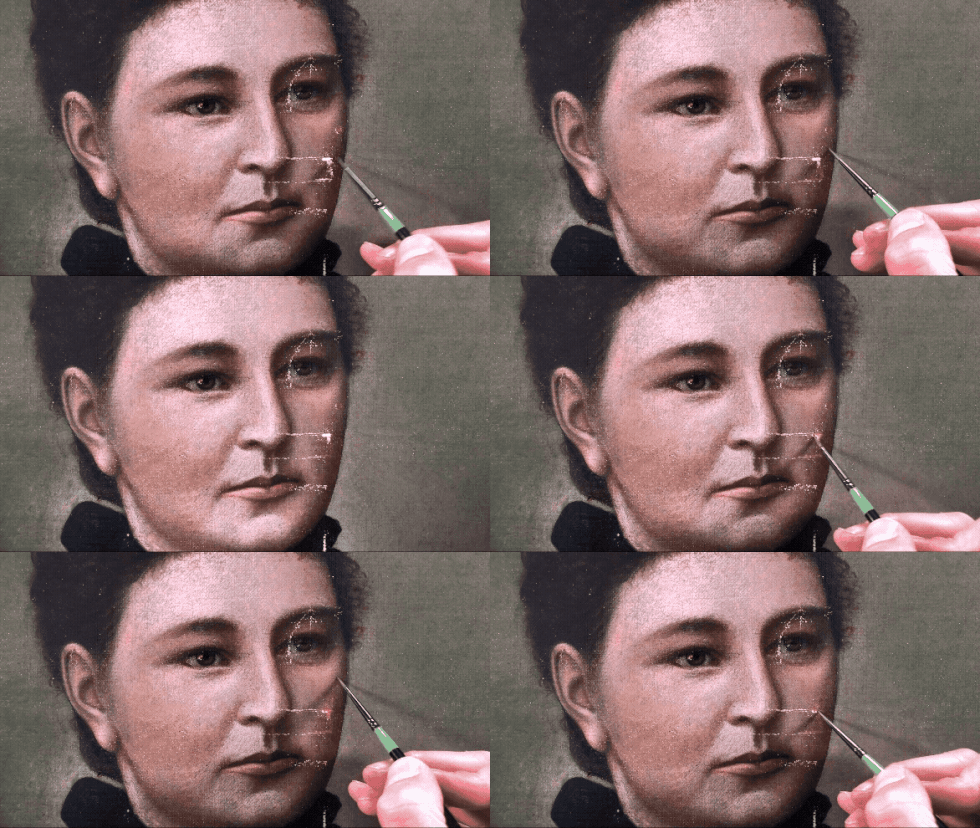
Baumgartner Restoration Painstakingly Brings a Neglected Portrait Back to Life

Art conservator Julian Baumgartner, who runs Baumgartner Fine Art Restoration in Chicago, received an anonymous portrait that arrived severely damaged—folded inside a mangled parcel with substantial creases, tears, and worn-away paint. Using reversible, archival materials and meticulous attention to detail, Baumgartner painstakingly restored the neglected painting, giving it a second chance at life.