filter_list Showing 43 results for "Like" close Clear
dashboard All 379 museum exhibitions 222article culture 43article local 39article news 34trending_up market 15rate_review review 13person people 5article policy 4gavel restitution 2candle obituary 2
date_range Range Today This Week This Month All
Subscribe

Inside Sunpride Foundation’s Mission to Champion LGBTQ+ Art Across Asia

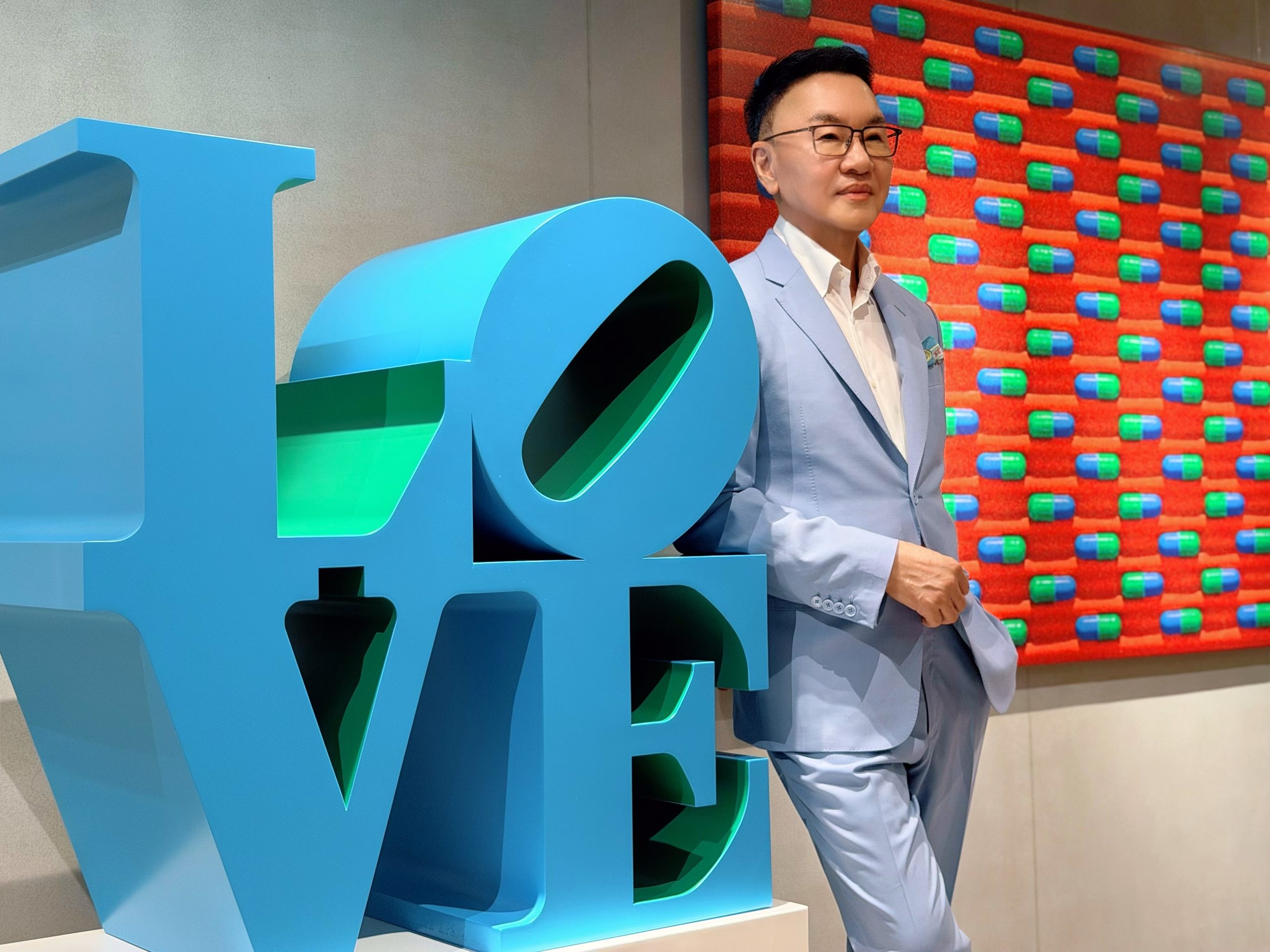
Patrick Sun founded the Sunpride Foundation in 2014 to support LGBTQ+ communities through art, combining his passion for contemporary queer Asian art with philanthropy. The foundation's flagship "Spectrosynthesis" exhibition series has been staged at major institutions across Asia, including the Museum of Contemporary Art, Taipei, and the Bangkok Art and Culture Centre. The latest iteration, "Spectrosynthesis Seoul," opened at Seoul's Art Sonje Center and runs through June 28, 2026. Sun, a Hong Kong-born real estate developer and longtime art collector, built the foundation's collection with a focus on works suitable for museum exhibitions about queer identity.

Here’s How Stars at the 2026 Met Gala Nodded to Art History

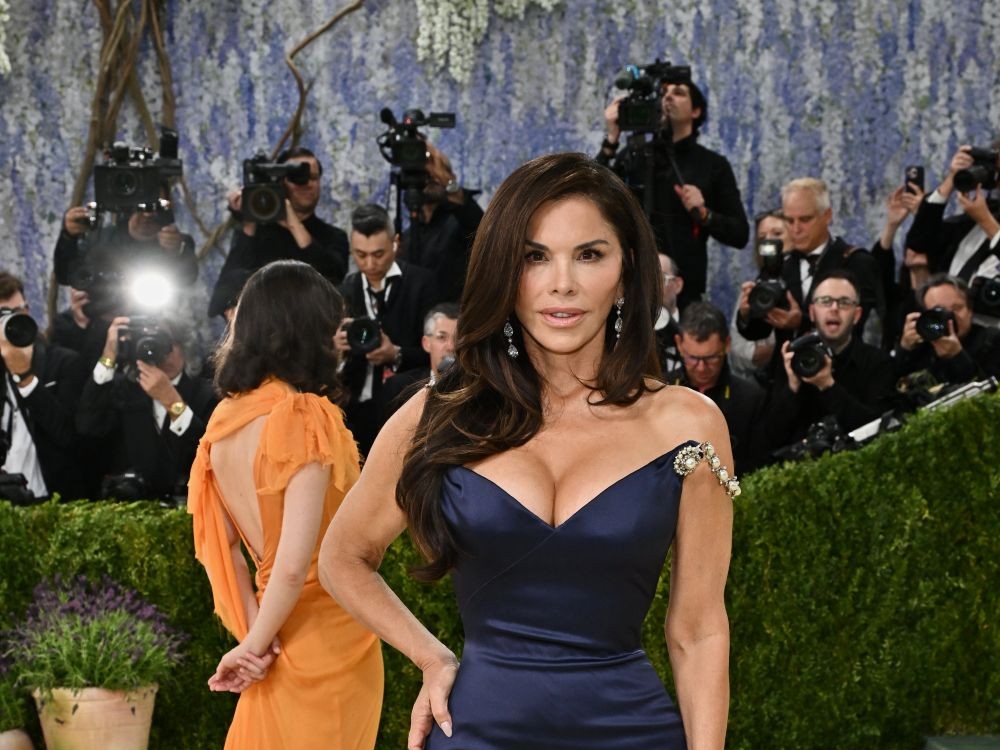
The 2026 Met Gala, themed "Fashion Is Art," saw celebrities and fashion figures wearing outfits directly inspired by or referencing iconic artworks and art historical movements. Notable nods included Chloe Malle in a gown referencing Frederic Leighton's *Flaming June*, Lauren Sánchez Bezos in a Schiaparelli dress echoing John Singer Sargent's *Madame X*, and Hunter Schafer channeling Gustav Klimt's portrait *Mäda Primavesi*. Other attendees like Anne Hathaway, Hailey Bieber, and Karan Johar also drew from specific paintings, sculptures, and poems, while stylist Law Roach wore a hand-painted piece by Gabonese artist Naïla Opiangah.

Artists made their mark at 2026 Met Gala

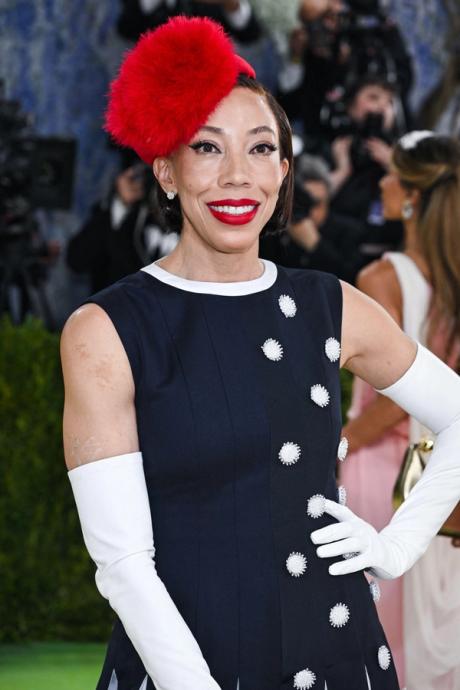
The 2026 Met Gala, held on May 4 at the Metropolitan Museum of Art, raised a record $42 million for the Costume Institute, surpassing last year's $31 million. Honorary chairs Jeff Bezos and Lauren Sanchez Bezos contributed at least $10 million, but their involvement sparked protests outside the event, with demonstrators holding signs like "Tax the Rich" and a group called Everyone Hates Elon leaving fake urine bottles labeled with Bezos's face. Inside, artists made a strong impression: Amy Sherald wore a Thom Browne look based on her painting; Jordan Roth donned a Robert Wun outfit inspired by a Met collection work; and Tschabalala Self collaborated with Brandon Blackwood on a gown evoking Degas's ballerina sculpture. The gala's dress code was "fashion is art," and the accompanying exhibition, "Costume Art" (May 10–January 10, 2027), debuts the Met's new 12,000-square-foot Condé M. Nast Galleries.

Meet the Woman Who Curated the Art on Miranda Priestly’s Walls

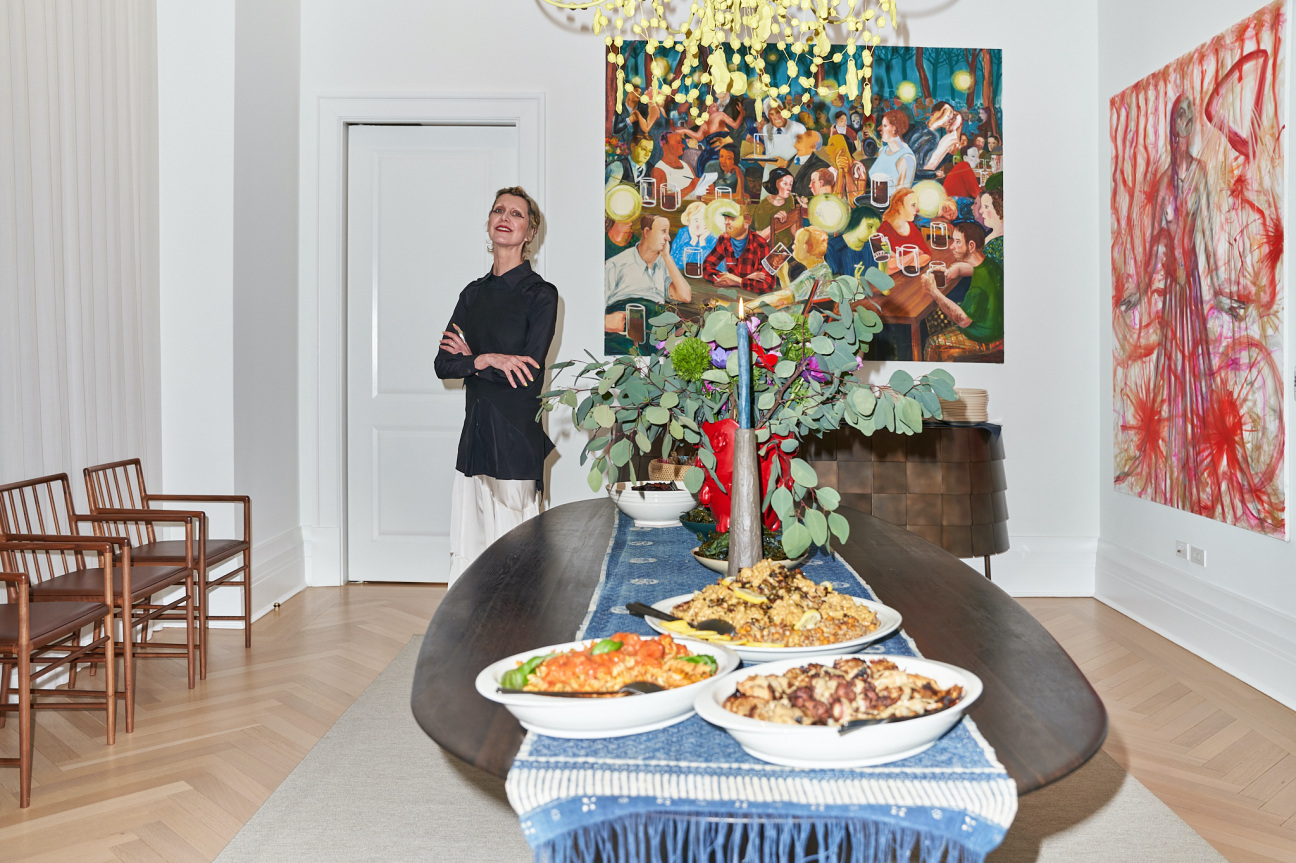
Fanny Pereire, an art advisor specializing in film and television, curates the art seen on the walls of fictional characters like Miranda Priestly in *The Devil Wears Prada 2*, Logan Roy in *Succession*, and Bobby Axelrod in *Billions*. She works as a fine art coordinator, sourcing reproductions and original works to match character personalities and socioeconomic status, often overseeing the destruction of replicas after filming. Her role, created by producer Scott Rudin in 1999, involves clearing copyrights for every artwork shown on screen, from children's drawings to high-end pieces by artists like Wayne Thiebaud and Alex Katz.

Amy Sherald Dresses As Her Own Award-Winning Painting for Met Gala

Amy Sherald attended the 2025 Met Gala dressed as the subject of her own award-winning painting, *Miss Everything (Unsuppressed Deliverance)* (2014). The work, which won the Outwin Boochever Prize at the National Portrait Gallery and appeared on a *New Yorker* cover, depicts a young girl holding an oversized teacup. Sherald collaborated with designer Thom Browne to recreate the painting's look, including a red fascinator, as part of the gala's theme “Fashion Is Art,” which also aligns with the Costume Institute's exhibition “Costume Art.” Sherald served on the gala's committee alongside artists Anna Weyant and Tschabalala Self.

Soft armour, pert nipples: how London design team made Kim Kardashian’s Met Gala breastplate

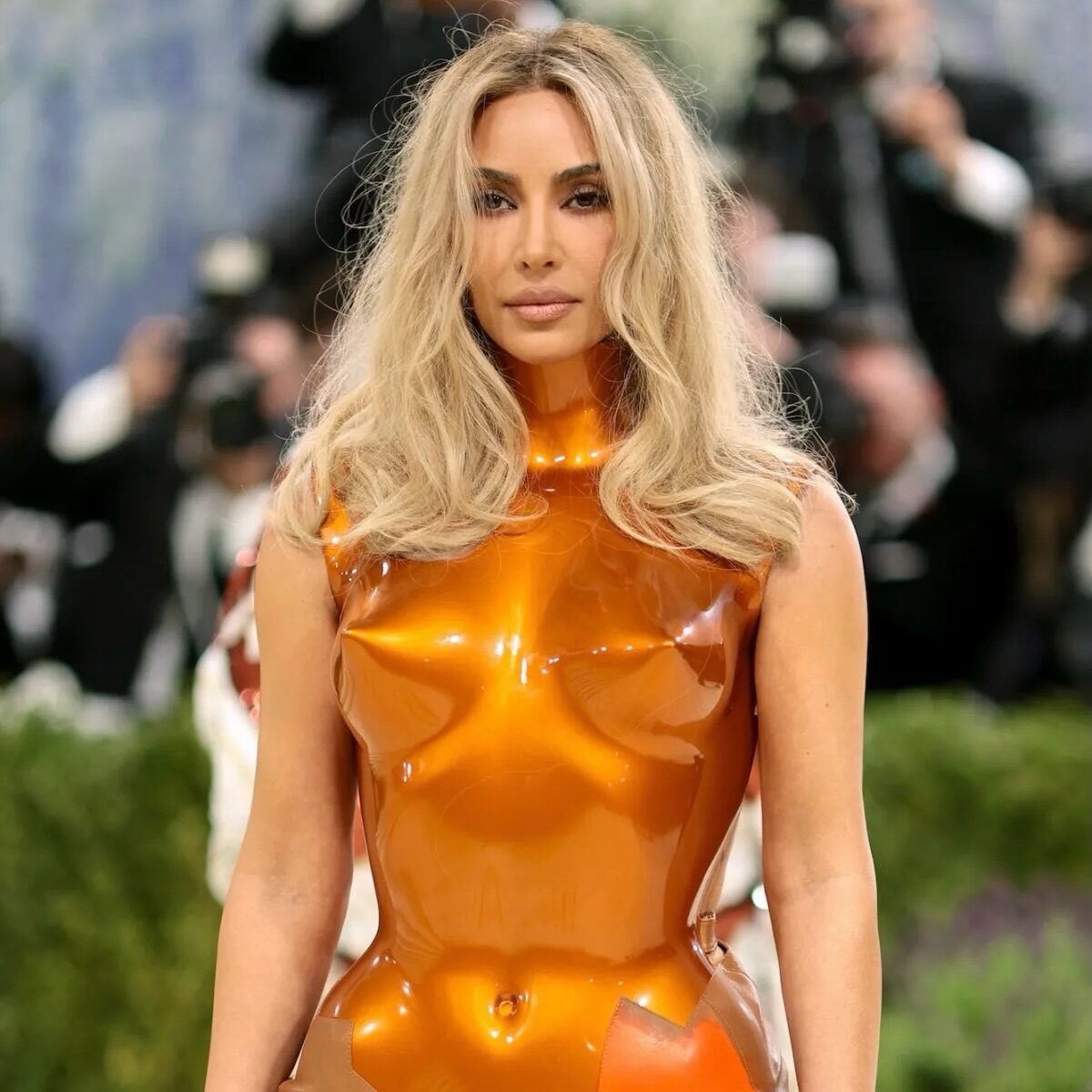
Kim Kardashian wore an orange fibreglass breastplate to the 2024 Met Gala, created by the east London design duo Whitaker Malem (Patrick Whitaker and Keir Malem) in collaboration with British pop artist Allen Jones. The breastplate was cast from a mould derived from Jones's 1969 sculpture "Hatstand," finished by car bodyshop MPS Body and Paint in Kent, and paired with a hand-painted leather skirt. Kardashian directly contacted the duo in early April, flew to the UK for fittings, and chose the piece to interpret the gala's "fashion is art" dress code, which explored the dressed and undressed human body.

How Well Do the Met Gala’s Attendees Know Their Art History? We Critique Looks by Madonna, Hunter Schafer, and More

The article critiques nine outfits from the 2026 Met Gala, which was held under the theme 'Fashion Is Art' in conjunction with the Costume Institute's new exhibition 'Costume Art' at the Metropolitan Museum of Art. It analyzes how attendees like Hunter Schafer, Lauren Sánchez Bezos, and Kylie Jenner referenced specific artworks—such as Gustav Klimt's *Mäda Primavesi* and John Singer Sargent's *Madame X*—in their fashion choices, evaluating the success of these art-historical allusions.

Can Raising Children Make You a Better Artist? Four Artist Mothers Weigh In.

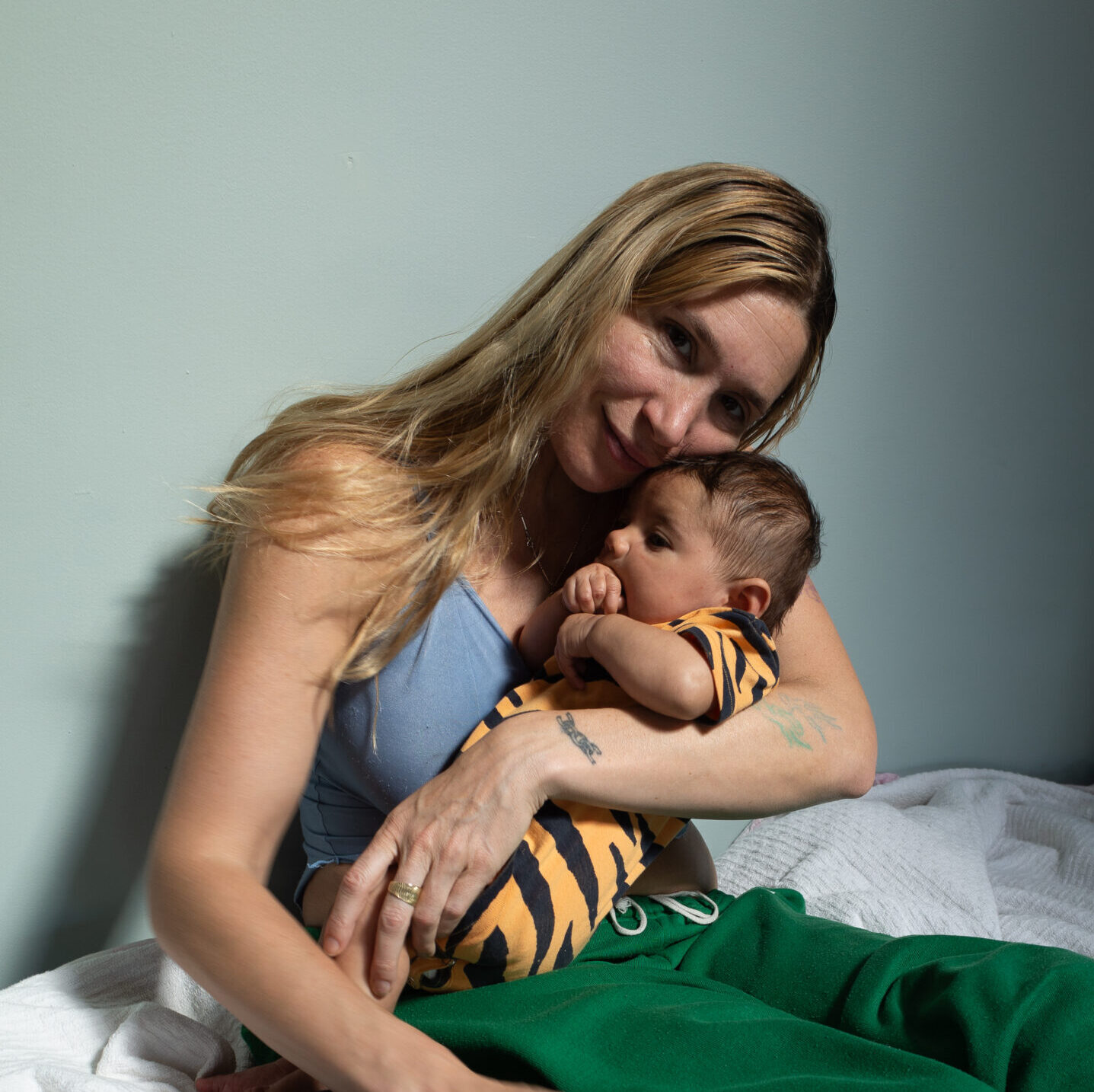
Four artist mothers—Hope Atherton, Jessi Reaves, Sam Moyer, and Sarah Morris—share candid reflections on how raising children has shaped their art practices. They discuss fractured time, heightened decisiveness, evolving rituals like bedtime reading, and the guilt and power that accompany balancing motherhood with studio work. Atherton describes a new sense of urgency and efficiency, while Reaves and others offer personal anecdotes about the interplay between caregiving and creativity.

How Tech Billionaires Turn Couture into Content

Wie Tech-Milliardäre Couture zu Content machen

The Met Gala, long considered the premier event for fashion and cultural influence, has become increasingly dominated by tech billionaires. This year, Jeff Bezos and Lauren Sánchez Bezos purchased their role as co-hosts, sparking protests in New York and raising questions about whether money alone now buys entry into the highest echelons of fashion. Individual tickets cost $10,000 and a table $350,000, with sponsors including OpenAI, Snapchat, and Meta. The event, organized by Anna Wintour to raise funds for the Costume Institute at the Metropolitan Museum of Art, raised $31 million last year but has transformed from a benefit into a spectacle optimized for viral moments and algorithmic appeal.

Vanités contemporaines

The article explores the enduring relevance of still life and vanitas in contemporary art, tracing their evolution from the biblical proclamation "Vanity of vanities; all is vanity" through modern masters like Paul Cézanne, Pablo Picasso, and Giorgio Morandi to contemporary practitioners such as Claudio Parmiggiani. It highlights how artists continue to use everyday objects—compotes, skulls, pitchers, apples—as vehicles for formal experimentation and philosophical reflection, with still life serving as a minimalist device that allows infinite plastic research.

The Story Behind Tschabalala Self’s Met Gala Dress by Brandon Blackwood

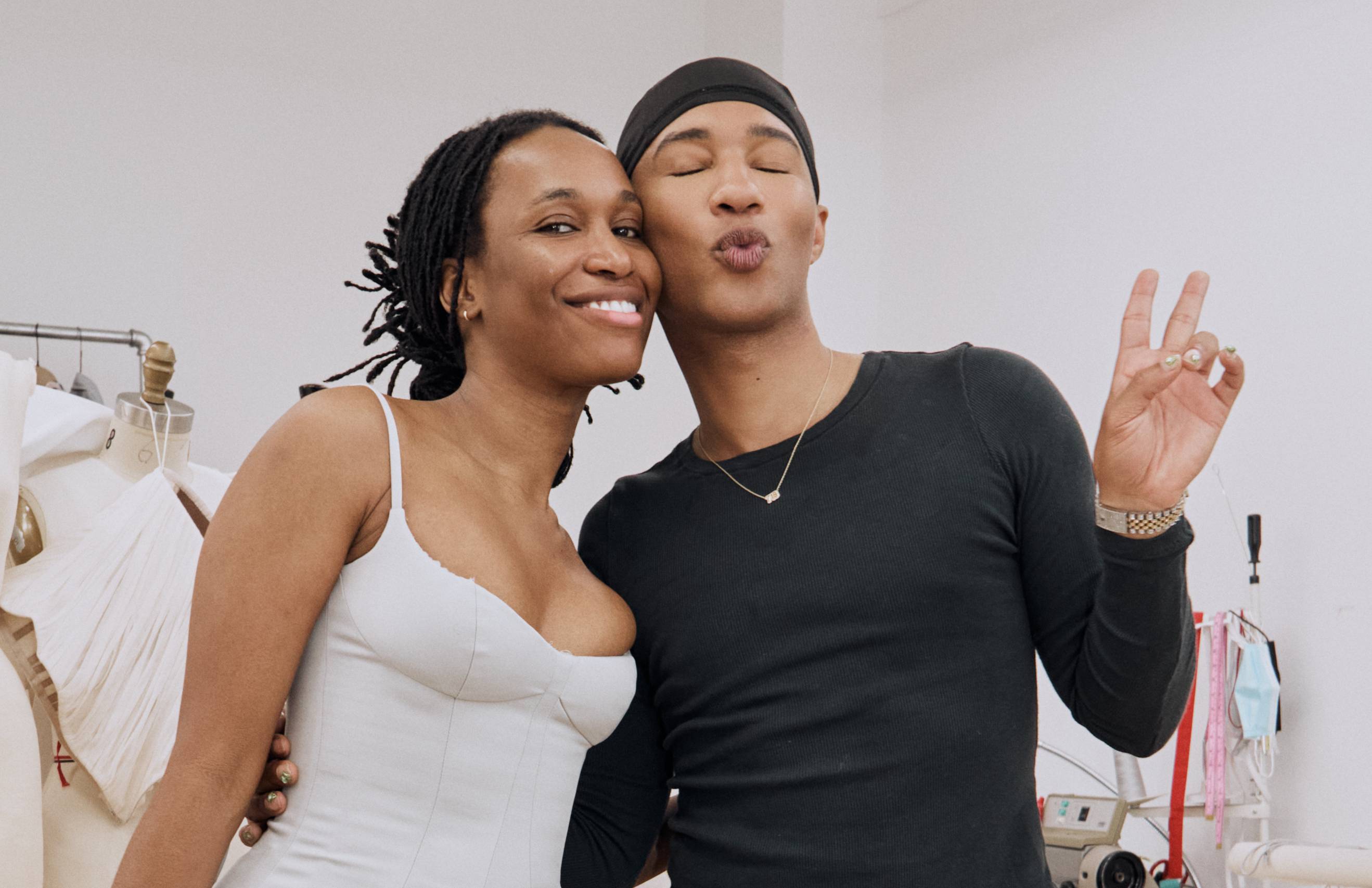
Artist Tschabalala Self will co-chair the 2026 Met Gala, marking her first attendance at the event, which launches the Costume Institute's new exhibition “Costume Art.” She collaborated with designer Brandon Blackwood, a friend, to create her gown and style her look for the evening.

‘It’s a tiny bit of joy!’ How trinket swapping is making the world a happier place, one china sheep at a time

Trinket exchange boxes, where people swap small items like pins, stickers, and ceramic animals, are rapidly spreading across the UK and US. The phenomenon, which began in Philadelphia in autumn 2024, has grown from 800 to nearly 1,500 installations in two months, according to Portland-based artist Rachael Harms Mahlandt, who tracks them on a world map. In Edinburgh, pet-sitter Sam Stevens runs a popular pink box outside Argonaut Books, inspired by a San Francisco exchange, and has seen her follower count jump overnight as locals trade trinkets for fun.

Our chief art critic’s nine best UK museums — you may be surprised

Laura Freeman, chief art critic for The Times, shares her personal list of nine favorite UK museums and galleries, ranging from London institutions like Sir John Soane’s Museum and the V&A to smaller venues such as Pallant House in Chichester and Kettle’s Yard in Cambridge. She emphasizes character and collection over flashy renovations, noting that her picks are based on decades of visits, family outings, and emotional resonance.

How to watch the 'Costume Art' Met Gala red carpet

The 2026 Met Gala, held on May 4 at the Metropolitan Museum of Art in New York, featured a dress code titled 'Costume Art' that explicitly frames fashion as an embodied art form. Celebrities including Beyoncé, Nicole Kidman, and Venus Williams ascended the museum's steps wearing archival fashion pieces and custom creations, with references to artistic collaborations such as Elsa Schiaparelli and Salvador Dalí's lobster dress, Yves Saint Laurent's Mondrian-inspired designs, and Marc Jacobs' work with Takashi Murakami. The event raises funds for the museum's Costume Institute, whose spring exhibition 'Costume Art' examines the centrality of the dressed body.

Met Gala guests take artistic liberties with dress code

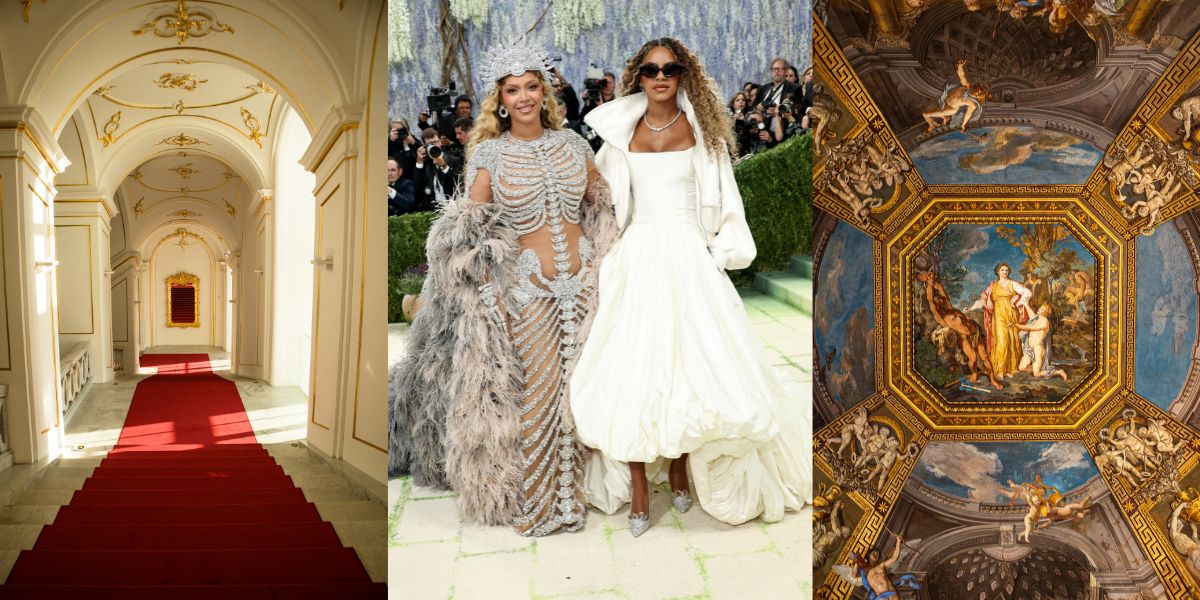
Guests at the 2025 Met Gala embraced the dress code 'Fashion is art' with bold, artistic ensembles. Beyoncé wore a custom Olivier Rousteing sculptural skeleton dress with a feathered train and diamond crown. Naomi Osaka stunned in a Robert Wun white sculptural dress that revealed a red beaded gown underneath. Emma Chamberlain arrived in a hand-painted Mugler dress by Miguel Castro Freitas. Co-chairs Anna Wintour, Nicole Kidman, and Venus Williams also made statements, with Williams wearing a sparkling gown in homage to her own portrait by Robert Pruitt. Many guests referenced famous artworks, such as Lena Dunham channeling Artemisia Gentileschi's 'Judith Slaying Holofernes' through a Valentino design by Alessandro Michele, and Lauren Sánchez Bezos wearing a Schiaparelli gown inspired by John Singer Sargent's 'Madame X.'

May Book Bag: from a guide on entering the art world to a publication about artists influenced by Ovid’s Metamorphoses

The May Book Bag article from The Art Newspaper reviews four new art-related publications. It covers "Metamorphoses: Ovid and the Arts," edited by Francesca Cappelletti and Frits Scholten, which examines Ovid's influence on Western art through works by artists like Titian, Caravaggio, and Louise Bourgeois. Other featured books include Hettie Judah's "How to Enter the Art World," a practical guide for emerging artists; "Derrick Adams: Prints," showcasing the artist's printmaking from 2019-2025; and "Whistler's Legacy" by Daniel Sutherland, which explores the legacy of James Abbott McNeill Whistler through his close associates.

Beyond the Sagrada Família: These 6 Surprising Places in Barcelona Reveal a Lesser-Known Gaudí

Au-delà de la Sagrada Família, ces 6 lieux étonnants à Barcelone qui révèlent un Gaudí méconnu

Beaux Arts Magazine highlights six lesser-known architectural works by Antoni Gaudí in Barcelona, beyond his famous Sagrada Família. The article features Casa Vicens (1883–1885), his first private commission; Torre Bellesguard (1900–1909), a medieval-inspired tower with panoramic views; Casa Calvet (1897), a residential building with textile-themed details; and the Finca Güell and Palau Güell, experimental projects for his patron Eusebi Güell. These sites showcase Gaudí's organic style, fusion of nature and architecture, and influences from Japanese, Arabic, and Catalan Gothic traditions, with several recently opened to the public.

Who’s The Next Obsession? 12 European Collectors Reveal How They Discover New Talent

Cultured magazine asked 12 European collectors how they discover new talent, timed to the 61st Venice Biennale. Collectors like Nicole Saikalis Bay, Amélie du Chalard, Belma Gaudio, and Laurent Asscher share their personal approaches—ranging from emotional resonance and dialogue with existing works to long-term obsession with an artist before acquiring a piece. The responses reveal a diversity of methods, from instinct-driven buying to conceptual and technical evaluation.

The Good, the Bad, and the Fugly From the 2026 Met Gala

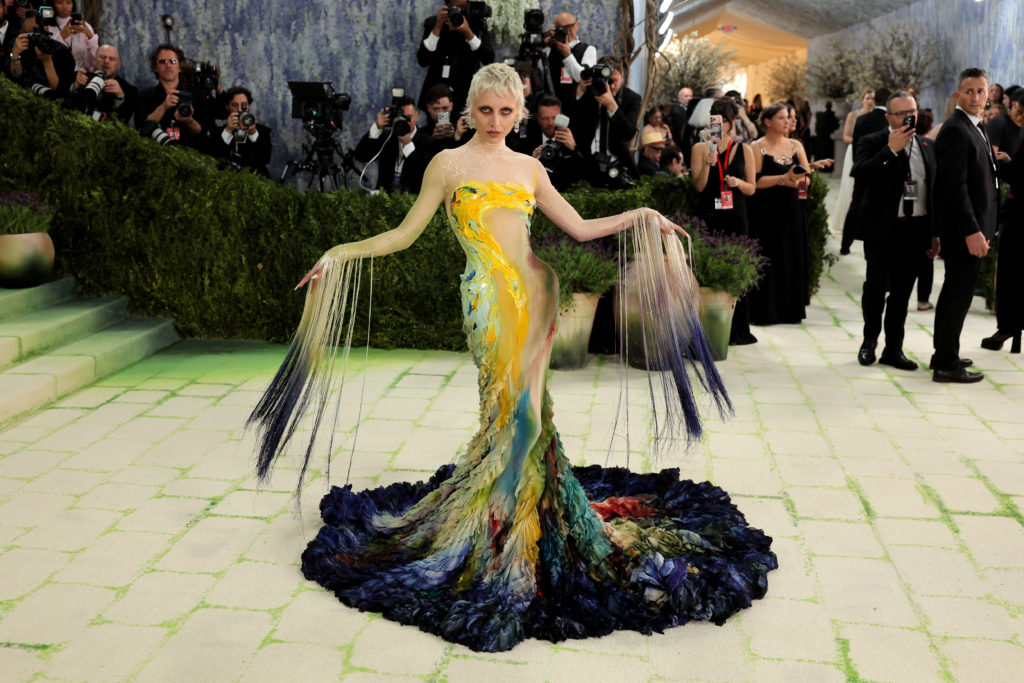
Cultured magazine's 2026 Met Gala coverage features a roundtable of critics and writers offering candid, often humorous takes on celebrity looks from the red carpet. Emma Chamberlain's hand-painted Mugler gown is widely praised as the most on-theme, while Troye Sivan's Prada homage to Robert Mapplethorpe and Chase Infiniti's Thom Browne trompe-l'œil dress also earn acclaim. Gabrielle Richardson calls for more color, noting the theme is about art, and criticizes the monochromatic trend. Mackenzie Thomas pans Alysa Liu's look as "prom" and "quinceañera," while others celebrate Naomi Osaka's Robert Wun Couture and Connor Storrie's Saint Laurent ensemble. The article is structured as a series of short, punchy quotes from multiple contributors, each focusing on specific attendees' fashion choices.

fashion ivy getty met gala ludovic de saint sernin

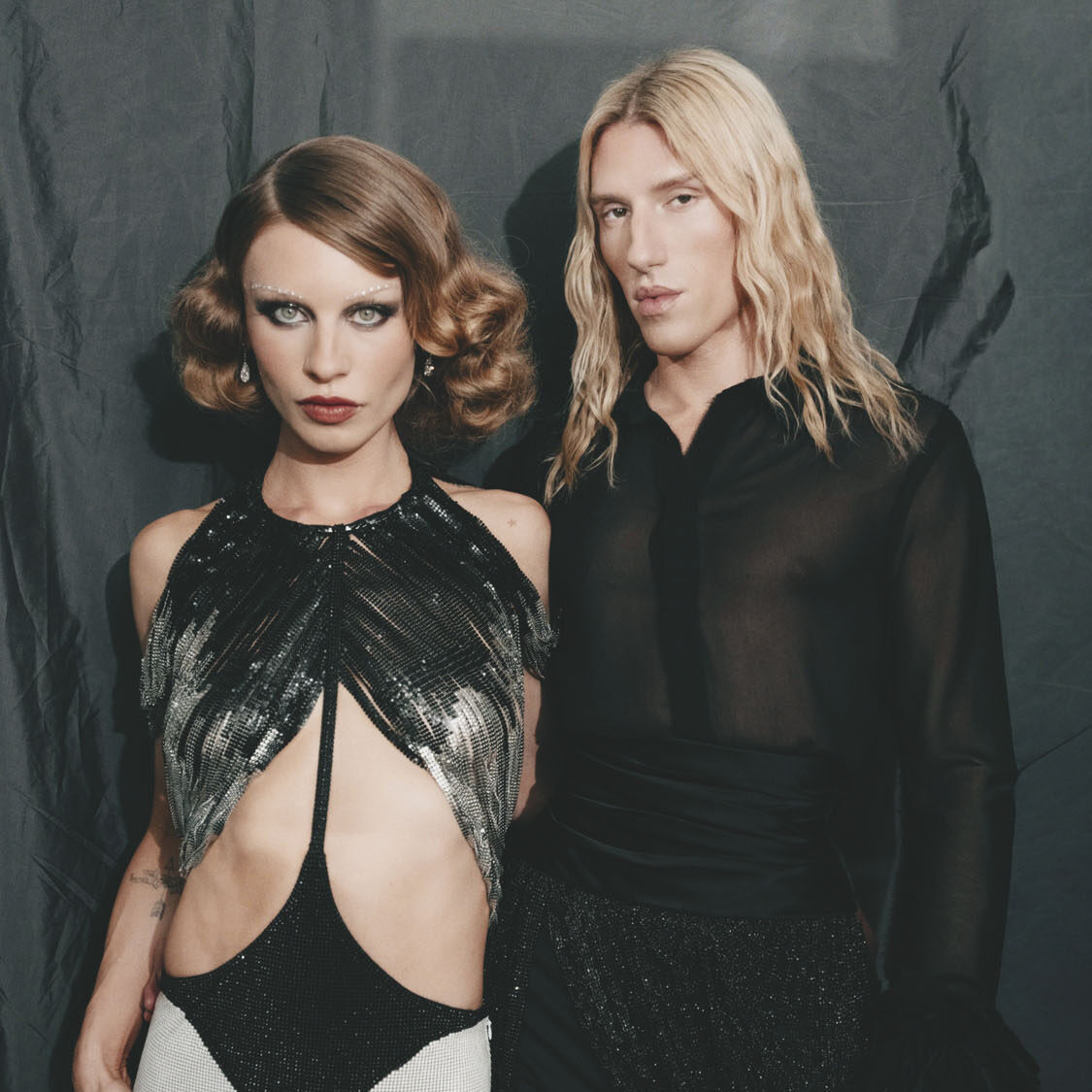
Ivy Getty, an American model and philanthropist, collaborated with Parisian designer Ludovic de Saint Sernin on her 2025 Met Gala look. The design was inspired by a 1926 illustration titled *L’Eclat de l’Or* by Russian artist Erté, originally created for the show *The Golden Fables*. Getty's mood board included vintage sketches and imagery from the 1920s, and the pair discovered that the original artwork is held in the Metropolitan Museum of Art's archive, which they visited in person. The final dress features a fringe-lined reinterpretation of the historic design, and the article includes an interview with the duo about their creative process and the experience of preparing for the event.

The glories of Francisco de Zurbarán’s paintings | Letters

Two letters to the editor respond to Charlotte Higgins's article on Francisco de Zurbarán. Paul McGilchrist critiques the physical inaccuracy of crucifixion depictions, including Zurbarán's *The Crucified Christ*, noting that most paintings fail to convey the true weight and distortion of a body suspended by nails. Jean Wilson highlights Zurbarán's series *Jacob and his 12 Sons* at Auckland Palace in Bishop Auckland, describing its history since 1756 and its connection to Bishop Trevor's support for Jewish rights.

This Years Met Gala Felt More Like an Art Exhibition Than a Red Carpet

The 2026 Met Gala, held on May 4 at the Metropolitan Museum of Art in New York, was widely described as feeling more like an art exhibition than a traditional red carpet. The theme, "Costume Art," with the dress code "Fashion Is Art," encouraged celebrities to treat their bodies as canvases. Beyoncé made a highly anticipated return after a decade, serving as a co-chair alongside Nicole Kidman, Venus Williams, and Anna Wintour. Beyoncé wore a sculptural skeleton-inspired design by Olivier Rousteing, while Kiddon wore a shimmering red Chanel gown and Williams donned a Swarovski crystal gown inspired by her Smithsonian portrait. Other notable looks included Sabrina Carpenter in a Dior dress made from vintage film strips, Kendall Jenner referencing classical sculpture, Madonna channeling surrealist painter Leonora Carrington, and Heidi Klum arriving as a marble statue. Inside, live performances by Sabrina Carpenter and Stevie Nicks added to the spectacle.

The best looks from the 2026 Met Gala

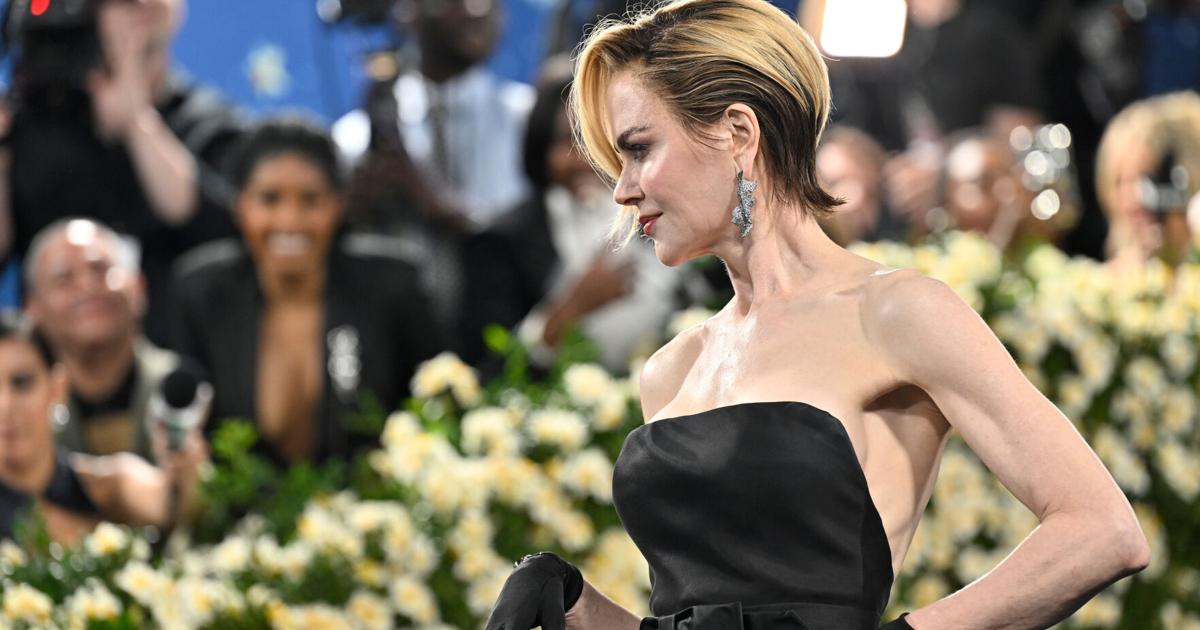
The 2026 Met Gala, themed 'Costume Art,' took place at the Metropolitan Museum of Art, honoring the Costume Institute's spring exhibition on the role of the dressed body in art history. Co-chaired by Nicole Kidman, Venus Williams, Anna Wintour, and Beyoncé, the event featured A-list celebrities, pop stars, and tech titans on the museum's grand staircase, with a dress code of 'Fashion Is Art' encouraging guests to treat the body as a canvas. Notable attendees included Sabrina Carpenter, Doechii, Rosé, Gigi Hadid, Katy Perry, and Charli XCX, with many wearing custom designs from houses like Marc Jacobs, Saint Laurent, Thom Browne, and Jean Paul Gaultier.

Paris Diary 1

The article is a first-person diary entry from an unnamed narrator visiting Paris and Brussels. The narrator recounts working in the studio of painter Camila Oliveira Fairclough, attending a public dialogue at Almine Rech gallery in Brussels with artist Erik Lindman, and viewing an exhibition pairing Lindman's paintings with works by Robert Motherwell and two Picassos chosen by Bernard Picasso. The narrator also visits a posthumous exhibition of Didier Demozay at Galerie Bernard Jordan and sees a temporary mural by Marielle Paul in a Paris housing complex, later visiting her studio in a historic 19th-century artist building once occupied by Eugène Carrière.

At the 2026 Met Gala, Black stars and socialites turned the human form into art

The 2026 Met Gala, held at the Metropolitan Museum of Art under the theme 'Costume Art,' featured Black celebrities and socialites interpreting the human form as art on the red carpet. Notable attendees included Beyoncé in a skeletal silver gown by Olivier Rousteing, Colman Domingo inspired by Jean-Michel Basquiat, Rihanna in a custom Maison Margiela 'living sculpture' by Glenn Martens, and Venus Williams co-chairing the event while wearing a look referencing her own portrait by Robert Pruitt. Others like SZA, Tschabalala Self, and Cardi B offered surreal or literal nods to art history and body imagery.

The Artists Who Put Their Bodies Into the Work

This article from Google News, dated May 3, 2026, profiles a selection of artists who have used their own bodies as central elements in their work. It draws a connection to the Metropolitan Museum of Art's spring Costume Institute exhibition, "Costume Art," which places fashion in dialogue with other artworks. The roundup includes Marina Abramović, known for her 2010 MoMA performance "The Artist Is Present"; Chris Burden, who staged dangerous works like "Shoot" (1971); David Hammons, creator of the "Body Prints" series; Frida Kahlo, whose painting "The Broken Column" (1944) depicts her own physical pain; Ana Mendieta, whose "Silueta" series used her figure in the landscape; and Yoko Ono, a conceptual artist with a significant body-based practice.

WHEN FASHION MEETS ART QUOTES BODIES AND POWER AT THE MET GALA

The 2026 Met Gala took place on the first Monday of May, opening the Costume Institute's spring exhibition 'Costume Art' at the Metropolitan Museum of Art. The dress code 'Fashion is Art' prompted celebrities to treat the body as a canvas, with attendees like Hunter Schafer, Madonna, Rachel Zegler, Angela Bassett, Kendall Jenner, Troye Sivan, and Emma Chamberlain referencing specific artworks—from Gustav Klimt's *Mada Primavesi* to the *Winged Victory of Samothrace*—and historical fashion pieces.

How Art Libraries Make Art Accessible

Wie Artotheken Kunst zugänglich machen

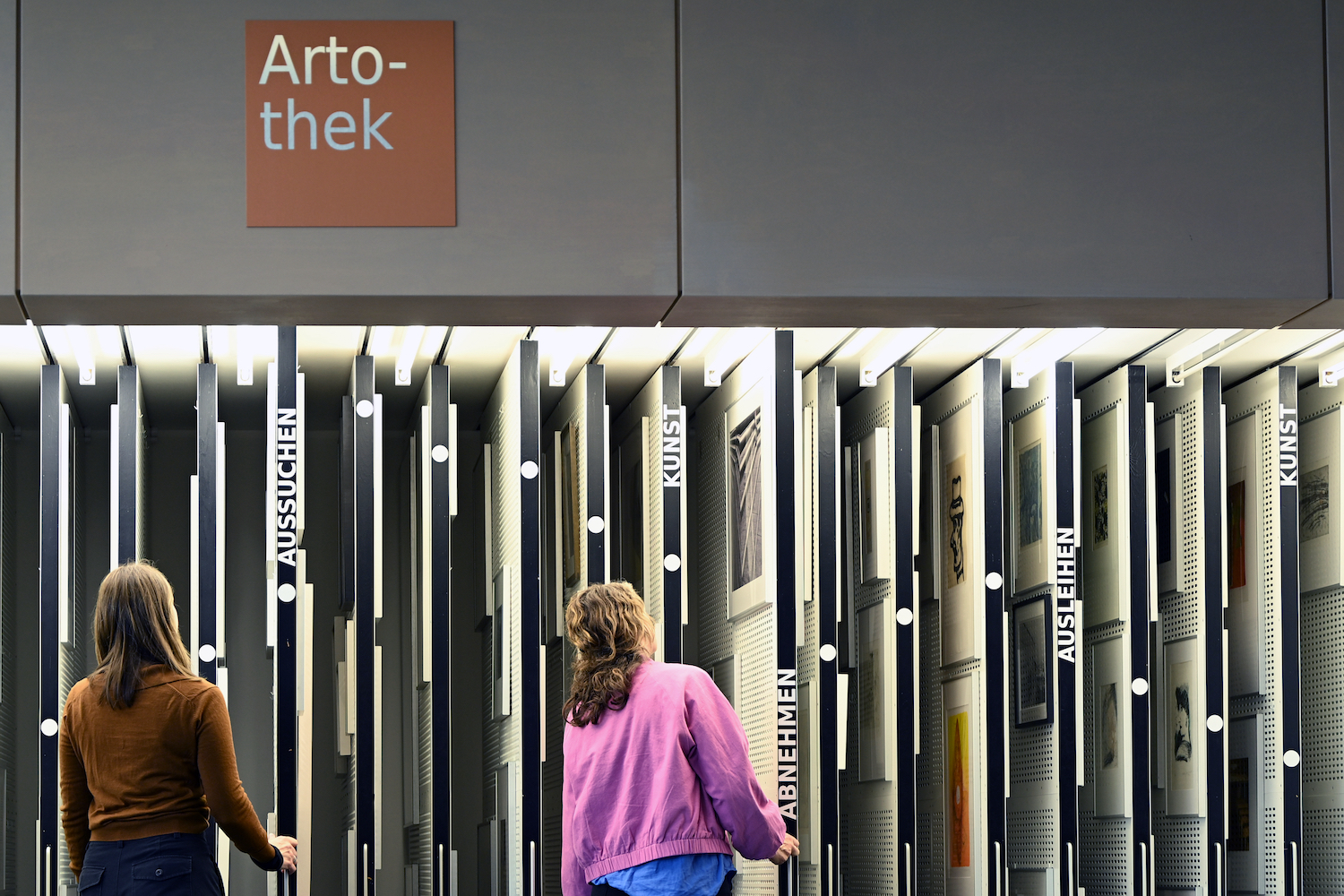
Artotheken, or art libraries, are public institutions that lend artworks to anyone with a library card, making art accessible beyond the traditional museum or gallery system. In Germany, over 100 such artotheken exist, often housed in public libraries, art associations, or museums. The Amerika-Gedenkbibliothek in Berlin, for example, has a collection of 2,000 works, with around 300 currently on loan to homes, doctors' offices, and law firms. The lending process is informal: borrowers can eat, drink, and even touch the works, and transport by bus or bike is encouraged. A jury selects up to 15 new works annually, and the collection includes major names like Roy Lichtenstein and Niki de Saint Phalle, though most users choose pieces based on personal connection rather than prestige.

On ARTE, the Ruffini Affair or the Autopsy of an Extraordinary Scandal in the Art World

Sur Arte, l’affaire Ruffini ou l’autopsie d’un scandale hors norme dans le monde de l’art

The documentary series "Le Peintre, la Pizza et le Corbeau" (The Painter, the Pizza and the Crow), available on ARTE, investigates a sprawling art forgery scandal centered on discreet dealer Giuliano Ruffini. Beginning in spring 2014 with an anonymous letter, the case led to a judicial inquiry by judge Aude Burési and France's Central Office for the Fight against Trafficking in Cultural Goods (OCBC). The series follows multiple suspicious artworks—including a Lucas Cranach Venus seized from an exhibition at the Hôtel de Caumont, a David and Goliath by Artemisia Gentileschi, and a Frans Hals portrait—each raising questions of authenticity. Ruffini, a former painter turned collector, remains an enigmatic figure, portrayed as both intuitive genius and possible cog in an opaque system.

How the adoption of canvas in Venice changed the way artists painted

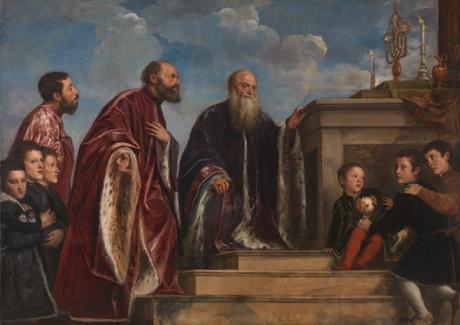
Art historian Cleo Nisse has published a new book, *Venetian Canvas and the Transformation of Painting*, examining how 16th-century Venetian painters such as Titian, Veronese, and Tintoretto pioneered the use of canvas as a painting support. Nisse reveals that canvas was not a uniform material—artists experimented with different weaves, including tabby and herringbone patterns, and even repurposed sailcloth and tablecloth-quality fabrics to achieve specific visual effects. The book argues that canvas was already familiar in the late Middle Ages for banners and alternatives to tapestry, and that Vittore Carpaccio was the first master of the medium, varying canvas types for expressive purposes in his *Legend of St Ursula* series.