filter_list Showing 6 results for "Loa" close Clear
search
dashboard All 195 museum exhibitions 131article local 14article news 13article policy 8trending_up market 8rate_review review 6article culture 6gavel restitution 5person people 4
date_range Range Today This Week This Month All
Subscribe

‘Depraved in all the right ways’: why forgotten no wave visionary Gordon Stevenson is about to take off

The article profiles Gordon Stevenson, a forgotten visionary of the no wave movement in late-1970s New York, who was an artist, jewelry designer, musician, and filmmaker best known for the notorious film *Ecstatic Stigmatic*. Decades after his death from AIDS, a storage unit full of his lost work has been discovered, including jewelry, mail-art collaborations with Ray Johnson, and clues to a surviving print of his film. His family has also recovered hundreds of letters he wrote to his parents, chronicling his life in downtown New York and his experiences as one of the city's first AIDS patients. The piece traces his journey from a small town in Georgia, where he met his wife Mirielle Cervenka (who later renamed Exene Cervenka), to their punk-era jewelry brand LHOOQ and his lasting influence on gothic fashion.
I Turned My TV Into a Rotating Art Gallery Using Free Museum Downloads

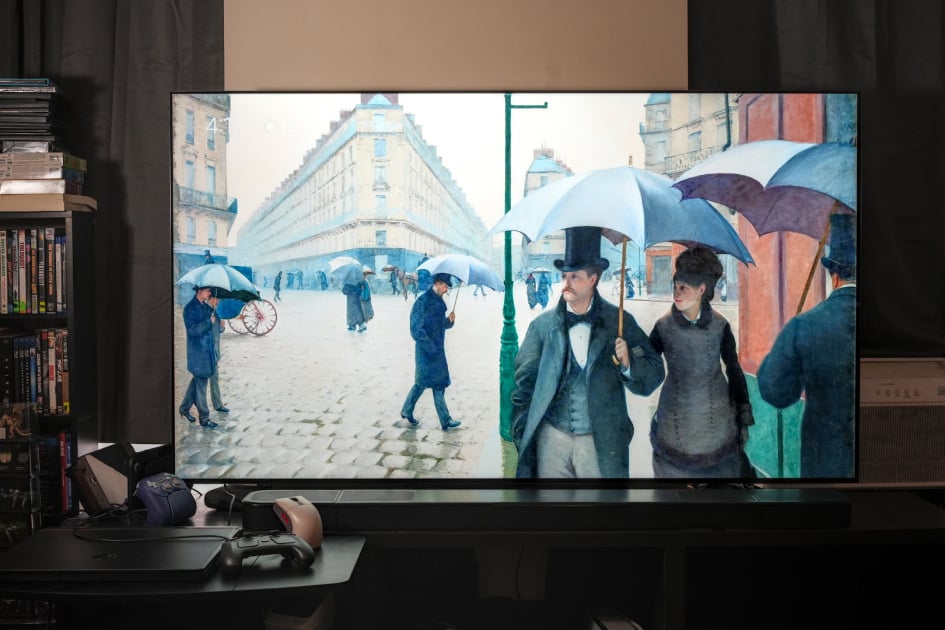
The article provides a guide on how to turn a TV into a rotating art gallery by downloading high-resolution, public-domain images from museum digital collections. It explains the need to filter for Open Access works to avoid copyright issues and recommends several museums with extensive free collections, including the Art Institute of Chicago and the Getty Museum.

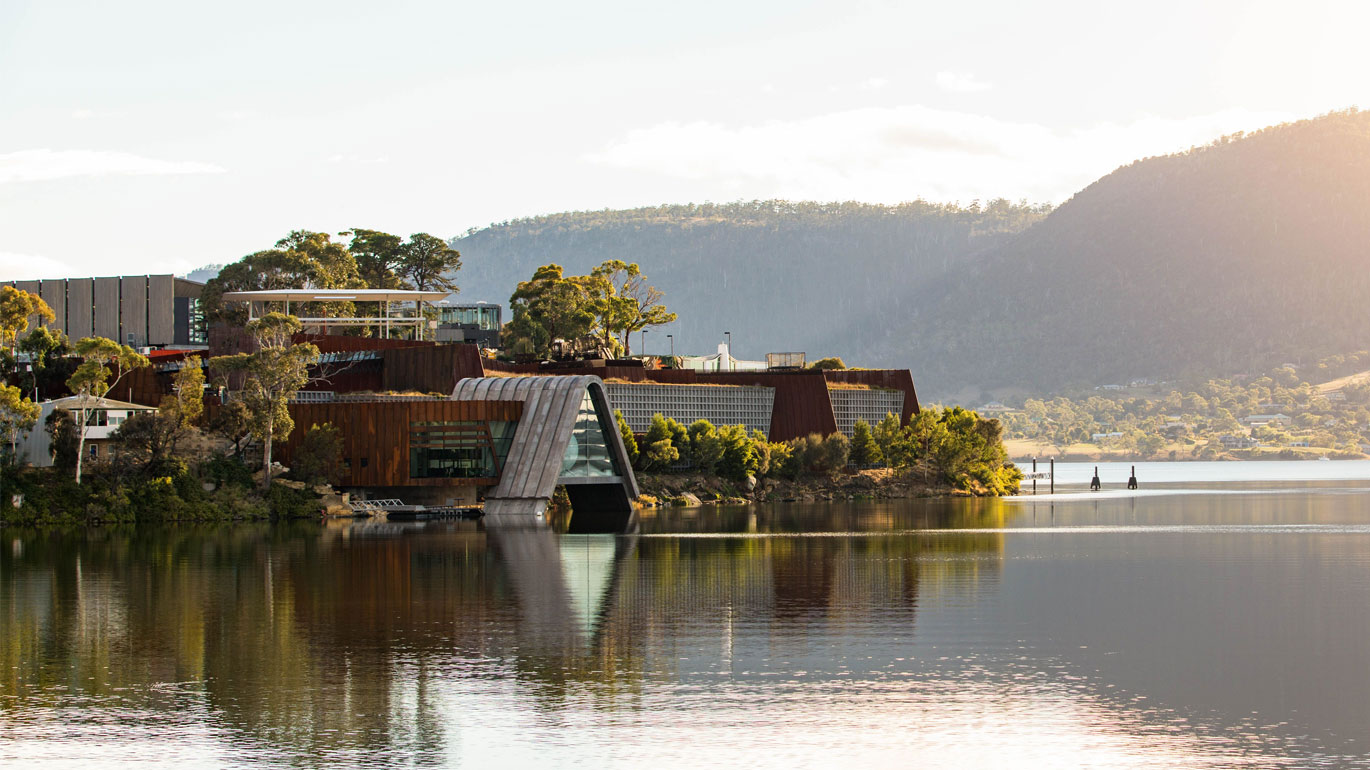
How Tasmania became one of the world’s most exciting art destinations

Helen Ochyra reports on how Tasmania, particularly Hobart, has emerged as a leading global art destination, driven largely by MONA (Museum of Old and New Art). The privately funded museum, founded by art collector David Walsh, recently opened a $100 million AUD wing housing a towering concrete amphitheatre by German artist Anselm Kiefer. Beyond MONA, Hobart hosts the provocative winter festival Dark Mofo, the science-and-culture Beaker Street Festival, and the inaugural Island Readers & Writers Festival, cementing its reputation for cutting-edge arts and culture.

How Art Libraries Make Art Accessible

Wie Artotheken Kunst zugänglich machen

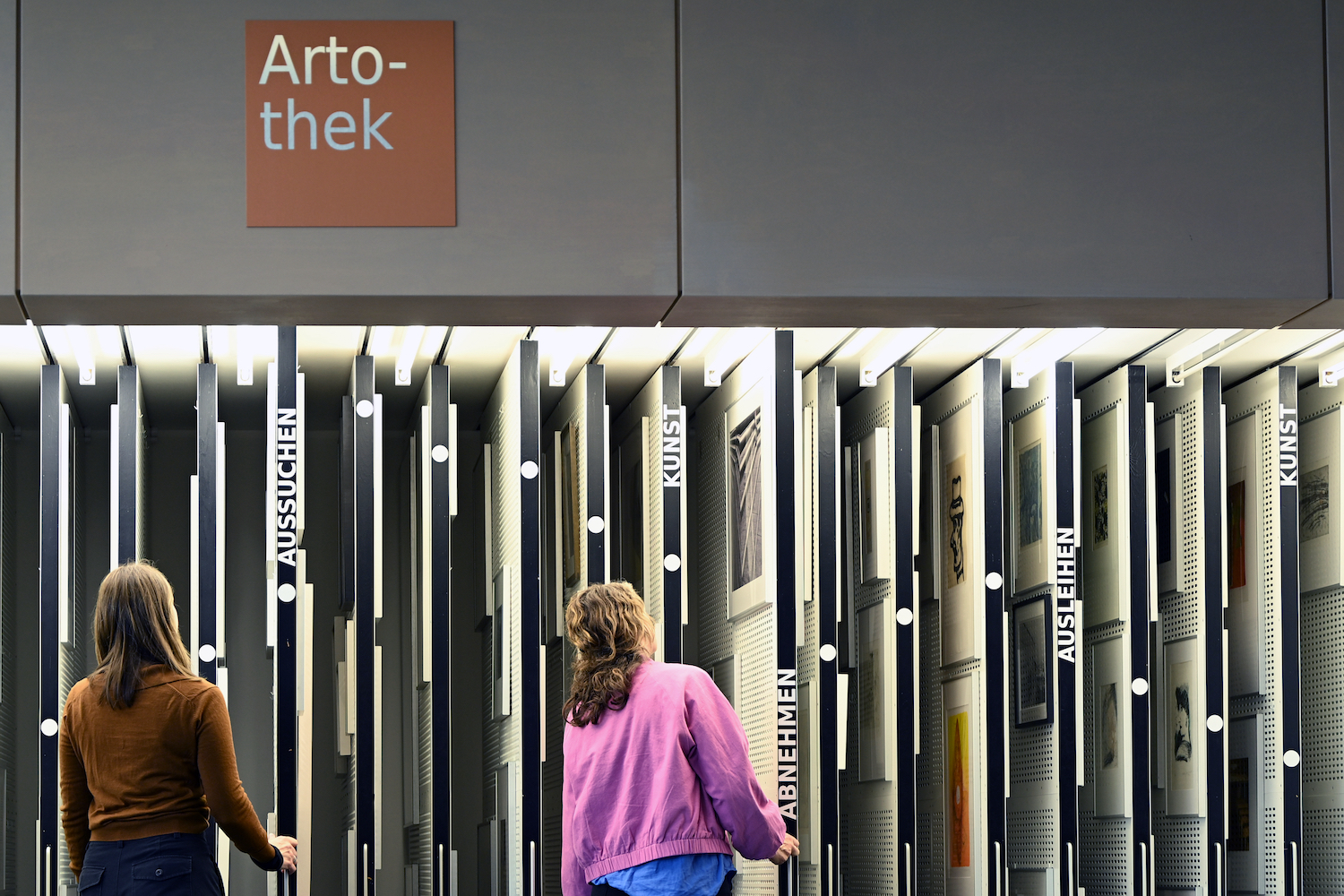
Artotheken, or art libraries, are public institutions that lend artworks to anyone with a library card, making art accessible beyond the traditional museum or gallery system. In Germany, over 100 such artotheken exist, often housed in public libraries, art associations, or museums. The Amerika-Gedenkbibliothek in Berlin, for example, has a collection of 2,000 works, with around 300 currently on loan to homes, doctors' offices, and law firms. The lending process is informal: borrowers can eat, drink, and even touch the works, and transport by bus or bike is encouraged. A jury selects up to 15 new works annually, and the collection includes major names like Roy Lichtenstein and Niki de Saint Phalle, though most users choose pieces based on personal connection rather than prestige.

‘Touch the earth lightly’: the Australian home that floats above the landscape

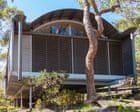
The article profiles the Ball-Eastaway House, a home designed by pioneering Australian architect Glenn Murcutt in 1983 for artist Sydney Ball and his partner Lynne Eastaway. Located on a 10-hectare block of dry sclerophyll forest northwest of Sydney, the house is elevated on 14 steel columns sunk into a sandstone rock shelf, allowing it to float above the landscape and minimize its environmental impact. Murcutt, who later won the Pritzker Prize, incorporated sustainable design features such as natural ventilation, a gutter system inspired by eucalypt leaf patterns, and a structure that can be dismantled without trace.

The Forgotten of Art: The Story of Artist Valeria Alberti

I dimenticati dell’arte. La storia dell’artista Valeria Alberti

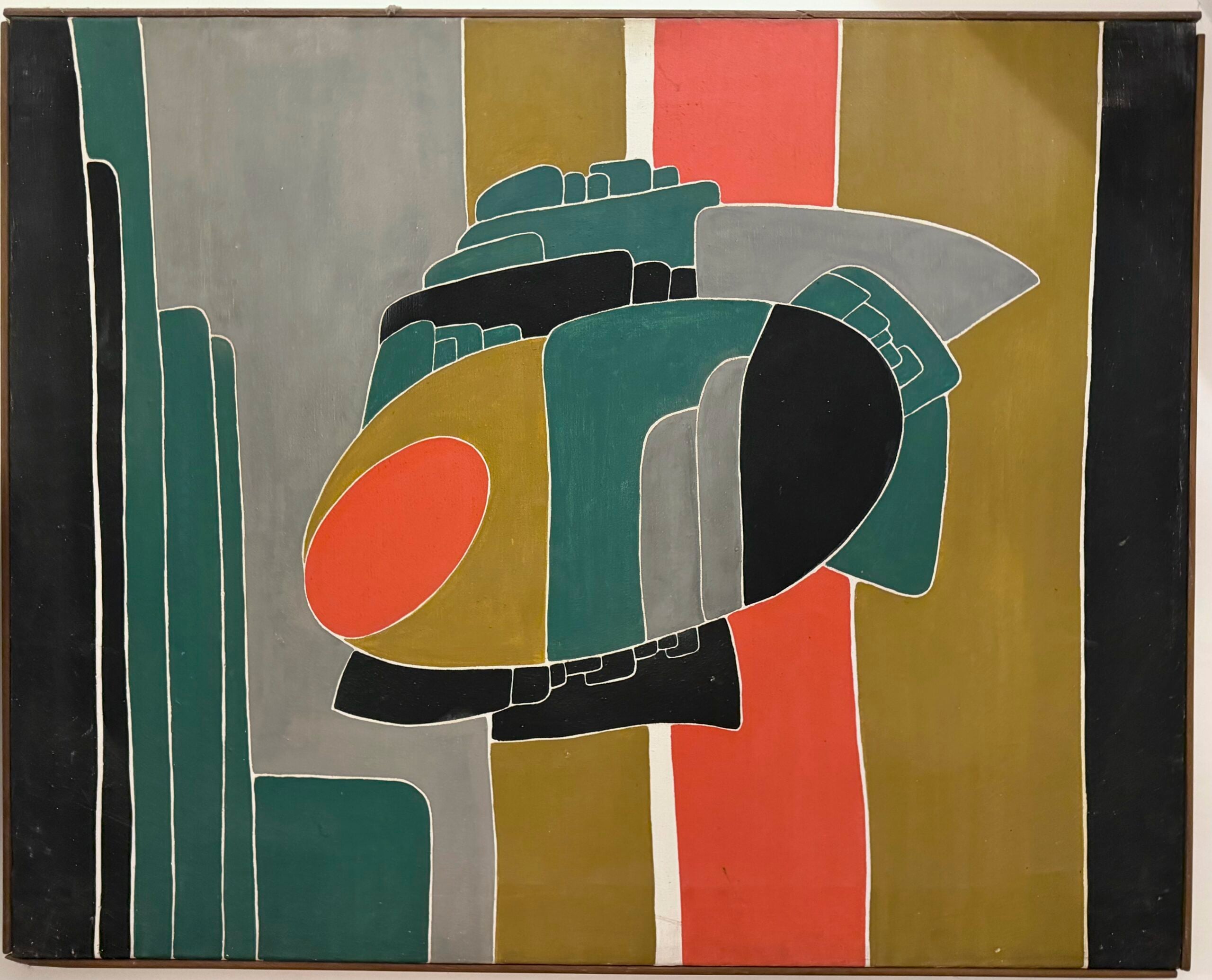
Valeria Alberti (1930-2011), a courageous, rebellious, and nonconformist Italian artist, had a brief but intense career before disappearing from the art world. Recent research by scholar Manuel Barrese reconstructs her trajectory as the only woman in a circle of artists and intellectuals around poet Emilio Villa and the Galleria Appia Antica. Alberti debuted in 1957 alongside Alberto Sartoris, collaborated with ceramist Mario Molli, and created painted panels for the transatlantic liners Leonardo Da Vinci and Michelangelo. She exhibited at Galleria Ferro di Cavallo and Galleria Azimuth, and received Piero Manzoni's Certificate of Authenticity No. 26 in 1961. Her later work included geometric metal sculptures, but she ultimately vanished from the art scene.