filter_list Showing 17 results for "Lore" close Clear
search
dashboard All 233 museum exhibitions 174article culture 17article local 16rate_review review 12article news 5person people 5trending_up market 2candle obituary 1article policy 1
date_range Range Today This Week This Month All
Subscribe

10 Artists to Follow if You Like Iris van Herpen

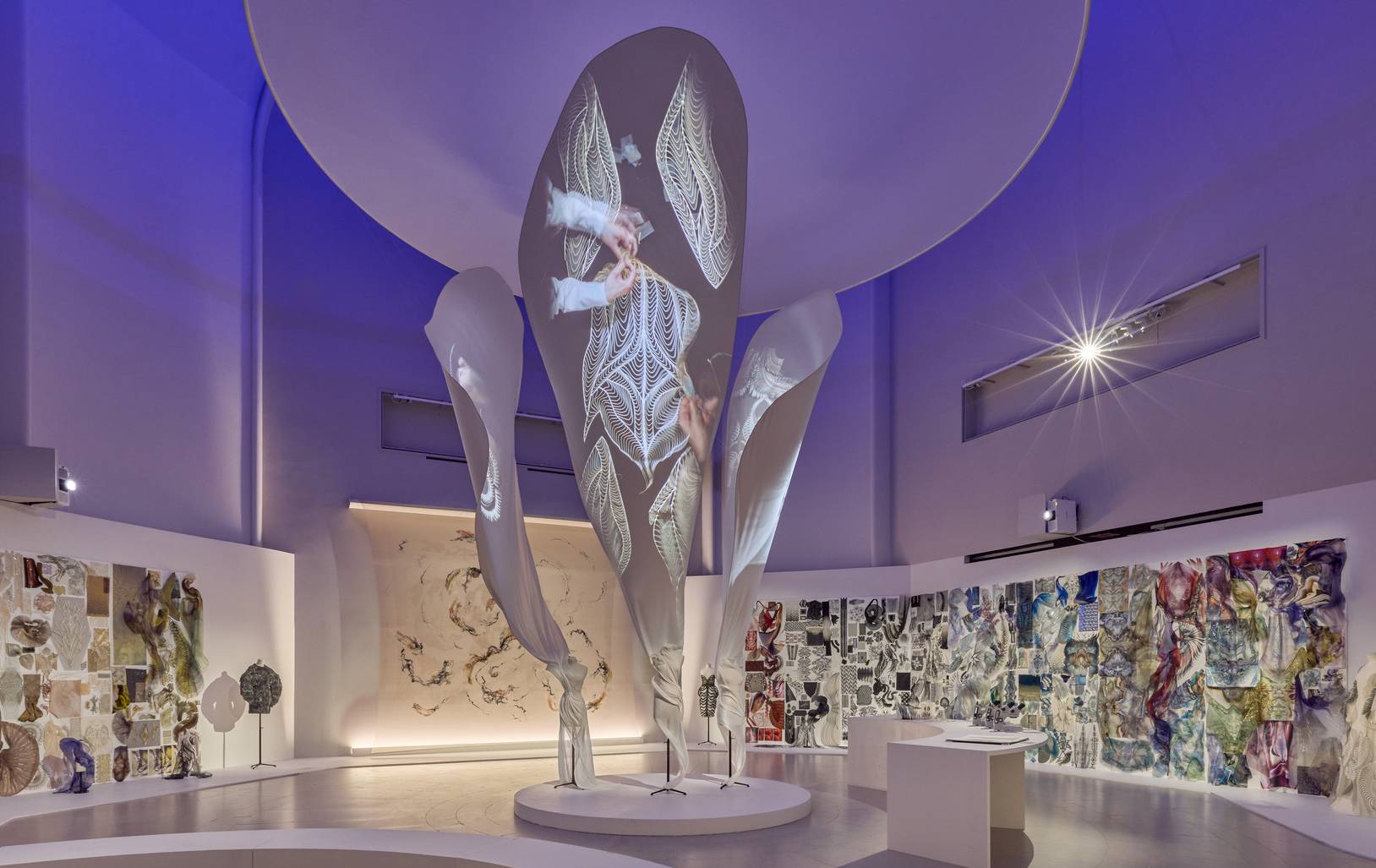
Artsy Editorial profiles 10 contemporary artists whose work aligns with the visionary, technology-driven approach of fashion designer Iris van Herpen. The article highlights van Herpen's career milestones, including her 2011 invitation to join the Chambre Syndicale de la Haute Couture, and her ongoing fusion of traditional craftsmanship with cutting-edge technology to create wearable art. It then presents a curated list of artists who similarly explore themes of organic form, digital fabrication, and the intersection of art and fashion.

Rocked on their heels: how exhibitions can change the course of artists’ lives

Alyce Mahon's new book, *Dorothea Tanning: A Surrealist World*, explores how the 1936 MoMA exhibition *Fantastic Art, Dada, Surrealism* profoundly transformed the young artist Dorothea Tanning, who described being "rocked on my run-over heels" by the experience. The article also recounts similar life-changing exhibition encounters for contemporary artists Lorna Simpson and Hurvin Anderson, as discussed on *The Week in Art* and *A brush with…* podcasts, highlighting how specific shows shaped their artistic trajectories.

We are in danger of losing our sense of community

"Wir drohen das Gespür für die Gemeinschaft zu verlieren"

Christophe Cherix, the new director of the Museum of Modern Art in New York, discusses his first months in the role, emphasizing museums as "safe social places" in an era of anxiety and screen-induced isolation. He advocates for collective vision-building with staff and defends the MoMA's independence against political pressure in Trump-era America. Separately, critic Paco Barragán argues in The Observer that biennials are in a structural crisis of repetition, tracing their history from instruments of national soft power to a "Global Neo-Liberal Biennial" system that co-opts diversity without changing its core logic. He introduces the concept of the "vibe-ennial," where discourse is replaced by atmosphere and critique by affect. Meanwhile, longtime Bonn museum director Stephan Berg critiques the boom in immersive art experiences like "Van Gogh – The Immersive Experience," calling them a "surrogate reality" tailored to the Instagram age that destroys the integrity of original works. Artforum reconstructs late-1960s debates on art criticism, focusing on Barbara Rose's challenge to formalists like Clement Greenberg and Rosalind Krauss, arguing that art must engage with societal conflicts such as Black Power and war resistance.

Two of Modernism’s Lesbian Icons Get the Novel Treatment

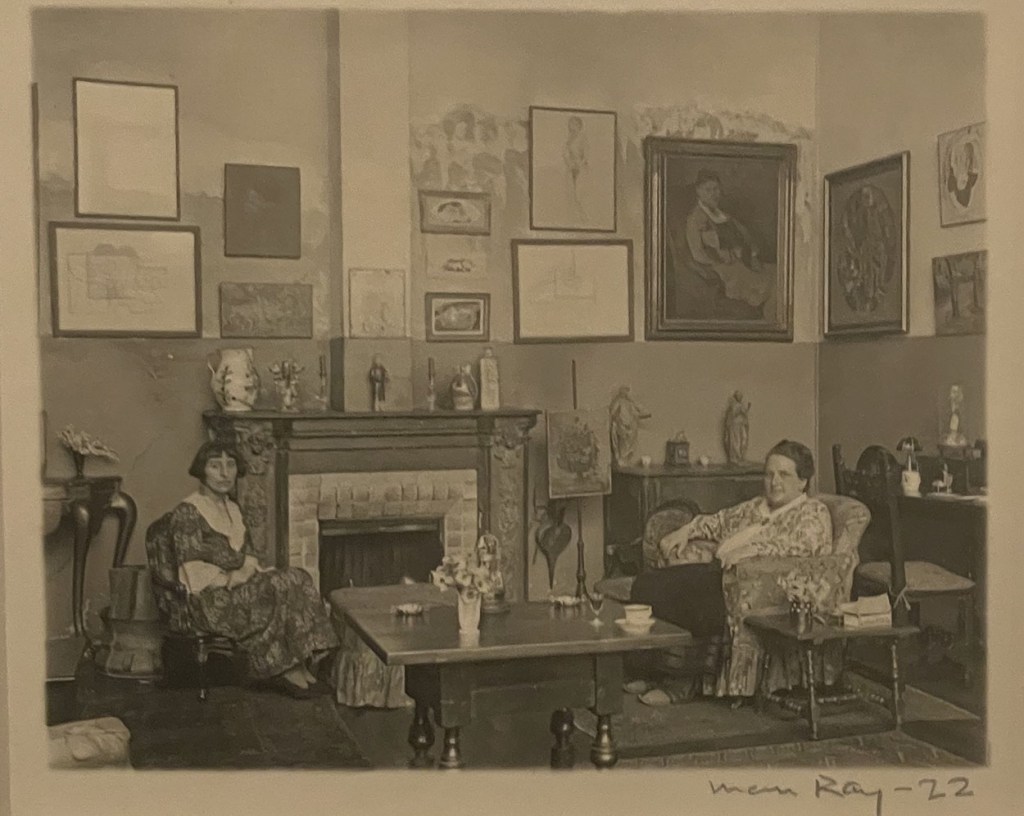
Deborah Levy's novel "My Year in Paris with Gertrude Stein" follows an unnamed narrator who travels to Paris to write an essay about Gertrude Stein, struggling with the weight of Stein's legacy while visiting her grave at Père Lachaise cemetery. The book explores Stein's life as a modernist icon, her relationship with Alice B. Toklas, and her role as a host to figures like Pablo Picasso and Ernest Hemingway, while the narrator grapples with Stein's defiant personality and literary style.

New Richard Avedon documentary chronicles how he shaped the evolution of photography

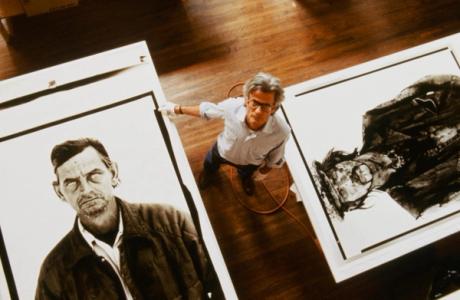
Imagine Documentaries, the nonfiction arm of Ron Howard and Brian Grazer's Imagine Entertainment, premiered a new documentary about photographer Richard Avedon at the Cannes Film Festival on May 17. The film, co-produced by the Richard Avedon Foundation, draws heavily from archival interviews conducted by Helen Whitney for the PBS series *American Masters*, supplemented by new interviews with Avedon's son John, muse Lauren Hutton, Isabella Rossellini, Twyla Tharp, and former *New Yorker* colleagues Tina Brown and John Lahr. The documentary explores Avedon's career, his technique of building rapport with subjects, and his iconic images such as *Dovima with Elephants*, which dealer Larry Gagosian notes sold for $2 million.

What You (Maybe) Didn't Know About Édouard Manet

Ce que vous ne saviez (peut-être) pas sur Édouard Manet

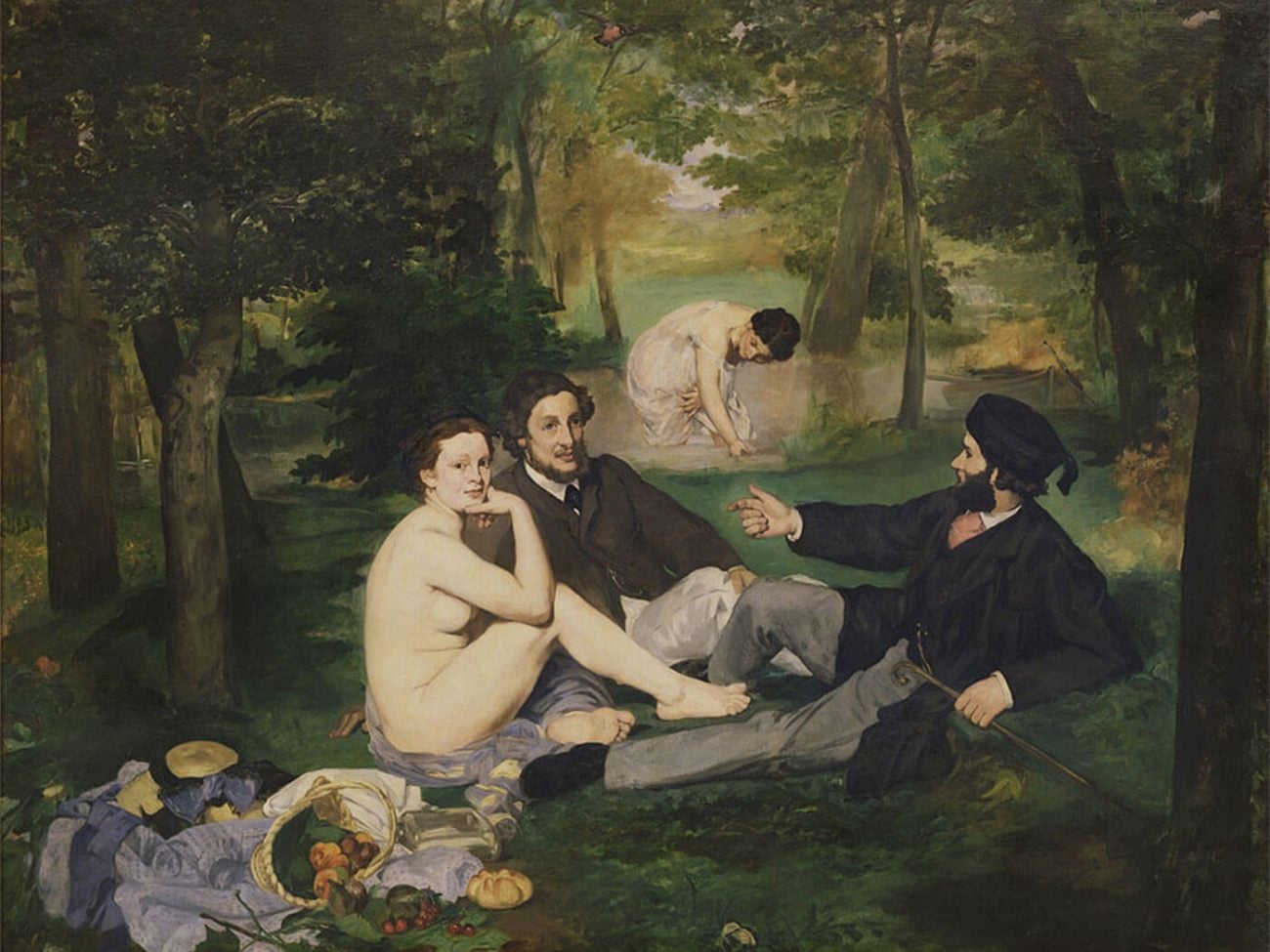
Édouard Manet (1832–1883), a pivotal figure bridging realism and impressionism, is the subject of a feature article in Beaux Arts Magazine. The piece explores lesser-known aspects of his life and career, including his near-miss as a naval officer, his rivalry with Gustave Courbet, his refusal to join the impressionist exhibitions despite close ties to the movement, and his deep fascination with Spanish culture. It highlights his scandalous works like *Le Déjeuner sur l'herbe* (1863) and *Olympia*, the latter entering the Louvre after a subscription launched by Claude Monet in 1889.

A Culture Lover’s Guide to Northwest Arkansas, a Land of Contradictions

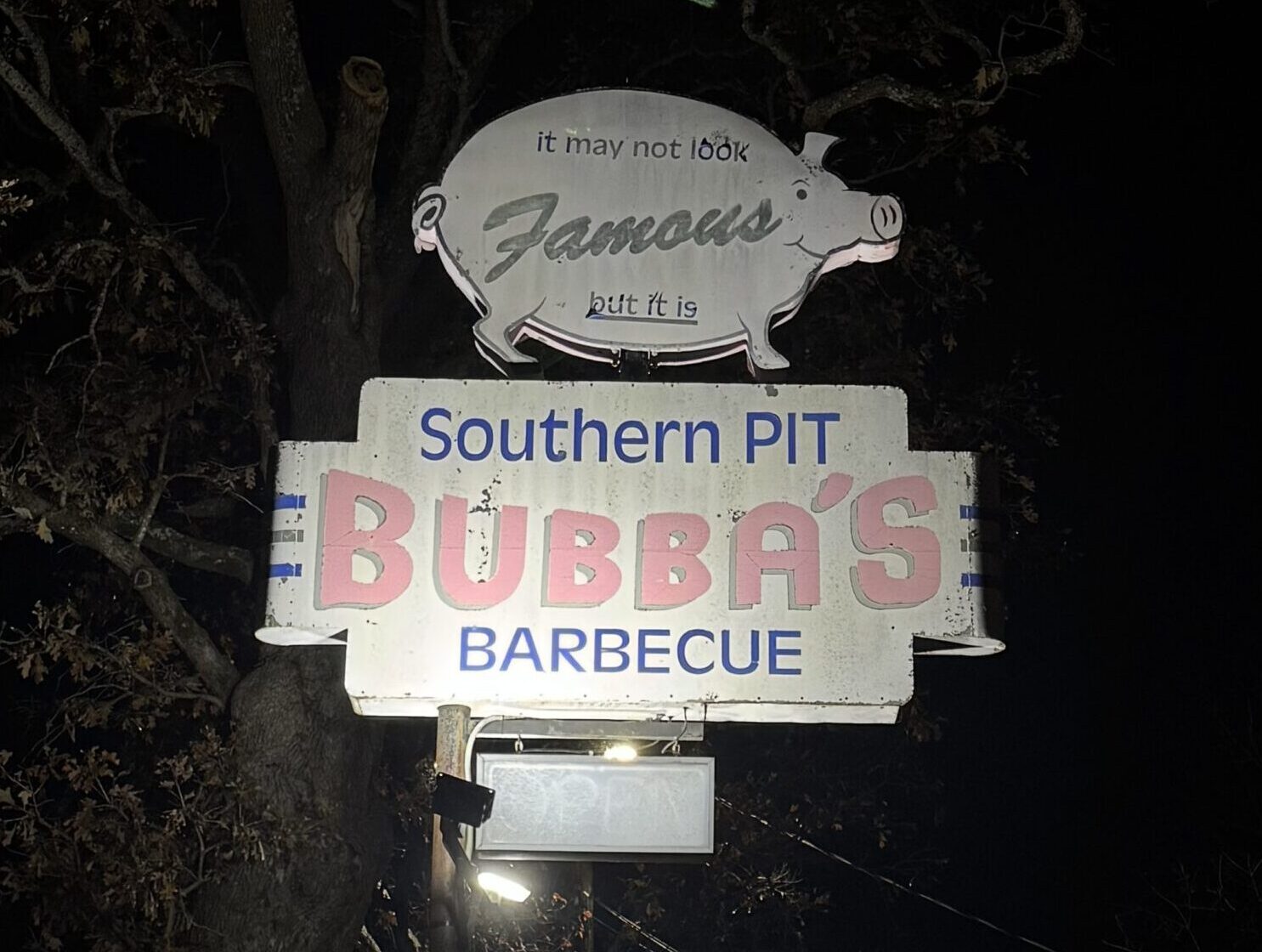
This travel guide explores the cultural landscape of Northwest Arkansas, focusing on the upcoming 114,000-square-foot expansion of the Crystal Bridges Museum of American Art in Bentonville, set to open June 6, 2026. The author recounts a road trip from Little Rock to the Ozarks, visiting the Arkansas Museum of Fine Arts (with its new Studio Gang-designed building), dining at Coursey's Smoked Meats, and encountering a white supremacist billboard in Harrison, while also highlighting Thorncrown Chapel by E. Fay Jones as a transcendent architectural stop.

‘Writing is exactly like love – you need to do it in the dark’: novelist Leila Slimani on why literature is erotic

French-Moroccan novelist Leïla Slimani discusses her residency at Madrid's Museo del Prado, where she draws inspiration from Francisco Goya's Black Paintings for her writing. She reflects on her career, including winning the Prix Goncourt for her novel *Lullaby*, her appointment by French President Emmanuel Macron as a representative for Francophone culture, and the personal trauma of her father's imprisonment that fueled her early writing. The article explores her views on literature, painting, and the erotic nature of writing.

Why Did the Met Opera Decide to Exhume Frida Kahlo and Diego Rivera’s Marital Strife?

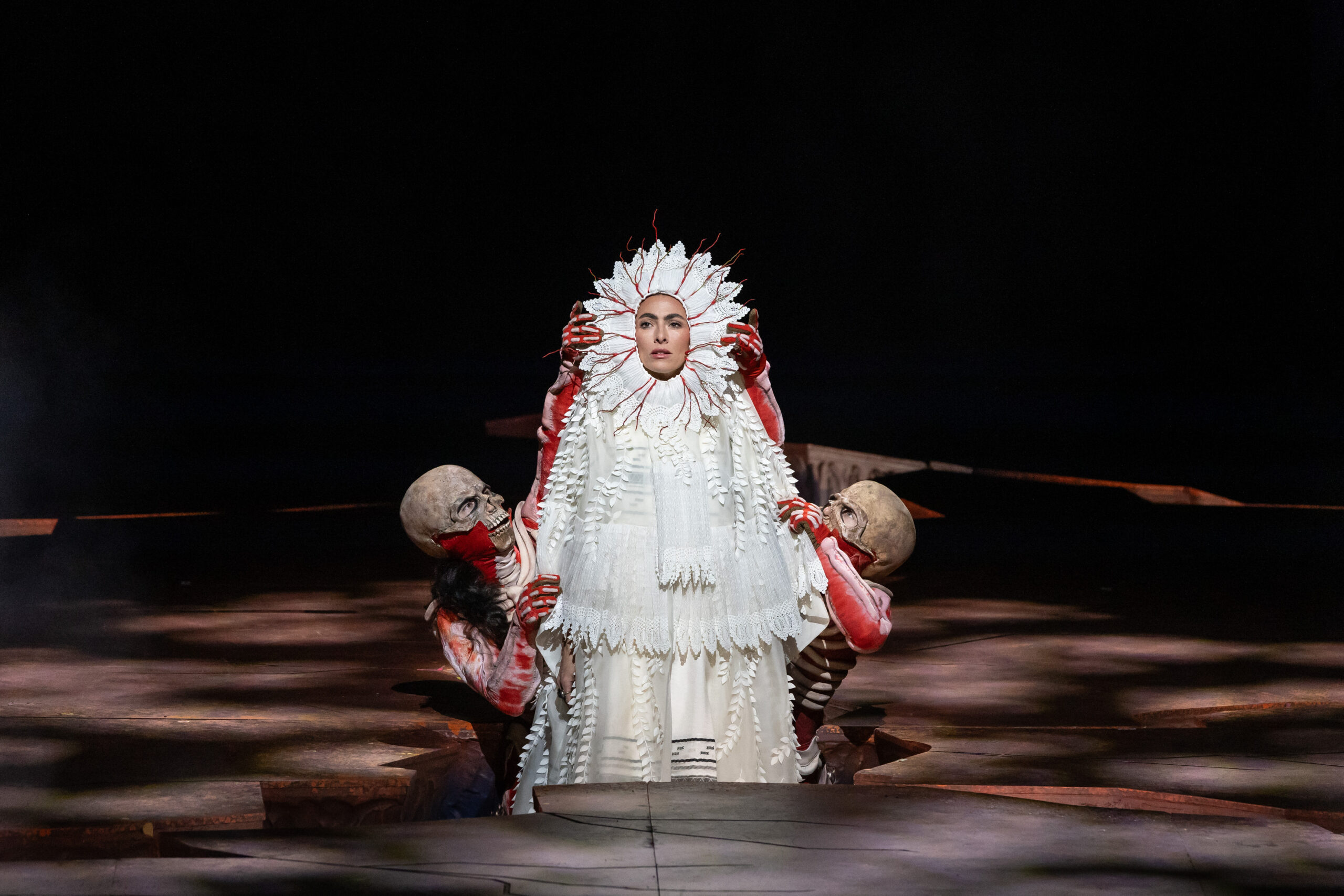
The Metropolitan Opera has staged Gabriela Lena Frank's first opera, *El Último Sueño de Frida y Diego*, which imagines a supernatural reunion between Frida Kahlo and Diego Rivera on Día de los Muertos. The production, conducted by Yannick Nézet-Séguin and starring Isabel Leonard and Carlos Álvarez, uses magical realism to explore the couple's turbulent relationship, though it largely sidelines their Communist activism and Kahlo's queer affairs in favor of a simplified reconciliation narrative.

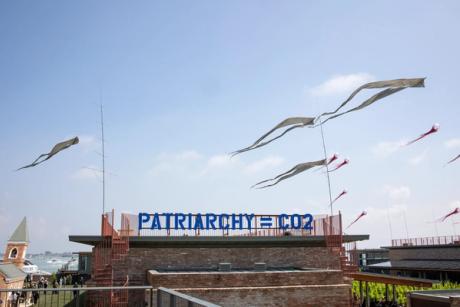
Boats and trains, not planes: reflections on a greener—but sometimes greenwashed—Venice Biennale

The article recounts the author's train journey from London to Venice for the 61st Venice Biennale, highlighting the environmental benefits and pleasant experience of traveling by rail versus flying, despite higher costs and longer duration. It then focuses on the Biennale's central exhibition "In Minor Keys" curated by the late Koyo Kouoh, which foregrounds environmental themes through works that engage with earth, nature, and ecological stakes, featuring artists like Otobong Nkanga, Célia Vasquez Yui, Theo Eshetu, Linda Goode Bryant, and Annalee Davis.

Steven Soderbergh, the Colors of Money

Steven Soderbergh, les couleurs de l’argent

Steven Soderbergh's new film "The Christophers" (2025) is a sharp, chamber-piece drama about art, inheritance, and money. The story follows Julian Skar, a former art superstar from the 1970s now living in seclusion and earning a living by caricaturing himself on social media. His children, Barnaby and Sally, eager to maximize their future inheritance, hire a repentant forger named Lori Butler to secretly complete Julian's unfinished masterpiece, an eight-portrait series titled "The Christophers." The film explores the complex relationships that develop between the four characters in a labyrinthine London house, written in the style of a lively theatrical play.

The Finale Cut: Lucio Fontana e la sua arte al cinema

A new documentary titled "The Final Cut" explores the life and artistic journey of Lucio Fontana, the Italian-Argentine artist famous for his slashed canvases (Concetti Spaziali). Produced by Good Day Films and Nexo Studios, directed by Andrea Bettinetti and narrated by Miriam Leone, the film will screen in Italian cinemas on May 25–27 as part of the "La Grande Arte al Cinema" season. It features archival footage, interviews with artists such as Doug Wheeler, Antony Gormley, Carsten Höller, Alfredo Jaar, Michelangelo Pistoletto, Heinz Mack, and scholars Luca Massimo Barbero and Daniela Alejandra Sbaraglia, highlighting Fontana's revolutionary approach and his first immersive installation, "Ambiente Spaziale a luce nera" (1949).

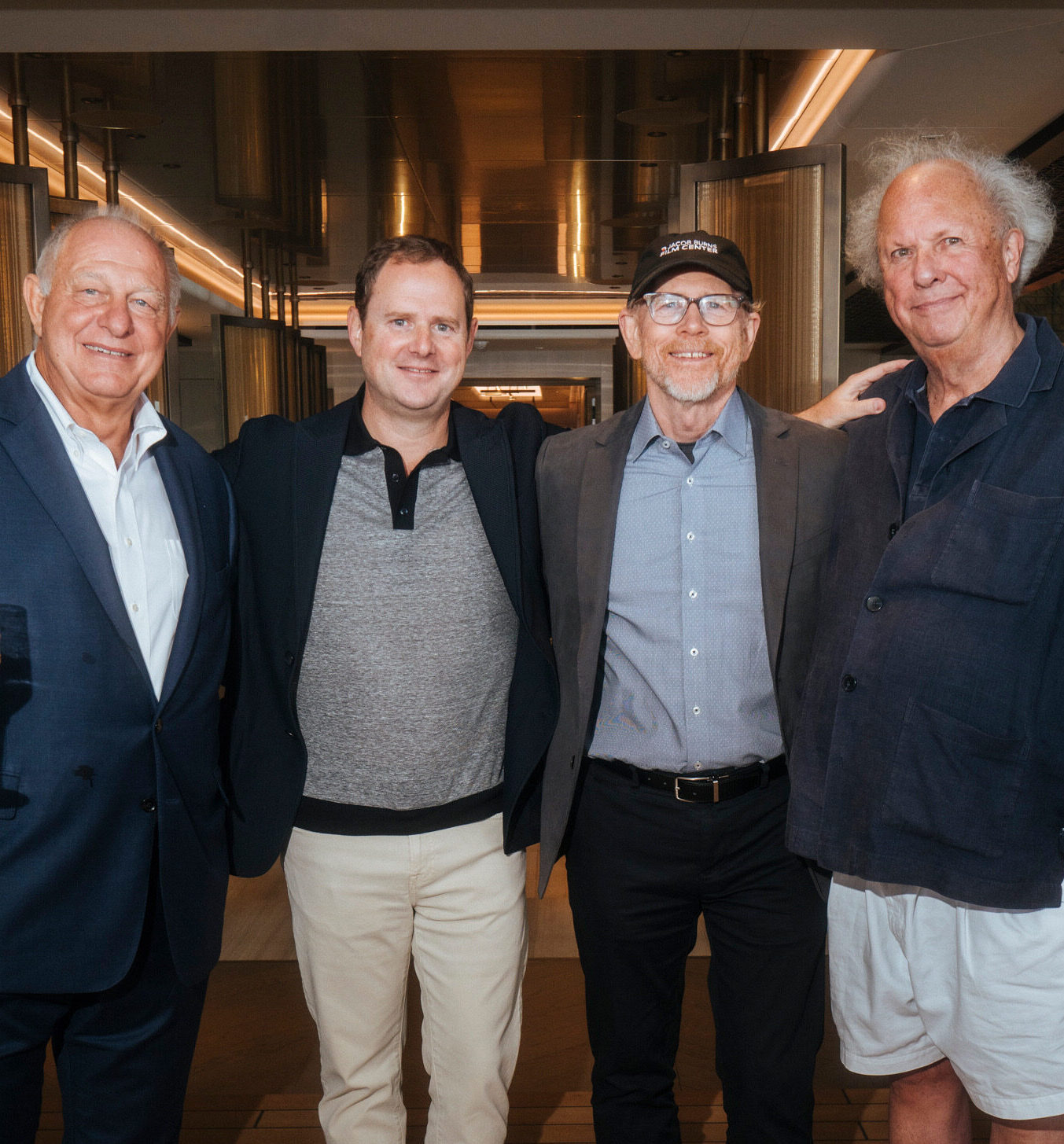
Step Aboard the Superyacht Circling This Year’s Cannes Film Festival

Over the weekend of the Cannes Film Festival, director Ron Howard premiered his documentary *Avedon*, which traces photographer Richard Avedon's rise from a working-class Jewish immigrant background to a defining chronicler of American culture. The film received a second life aboard the Renaissance superyacht with a party hosted by editor Graydon Carter, Ancient chairman and CEO Alexander Klabin, and Burgess chief executive John Beckett. Guests included actors Natasha Lyonne and Rosemarie Dewitt, photographer Jean Pigozzi, model Eddie Mitsou, Avedon's grandchildren Michael, Matthew, and Caroline Avedon, and producers Courtney Kivowitz, Sara Bernstein, Darcie Reisler, Dallas Rexer, Chris St. John, and Justin Wilkes. The after-hours cocktail allowed attendees to relive the film's most impactful scenes while mingling with the producers and the photographer's family.

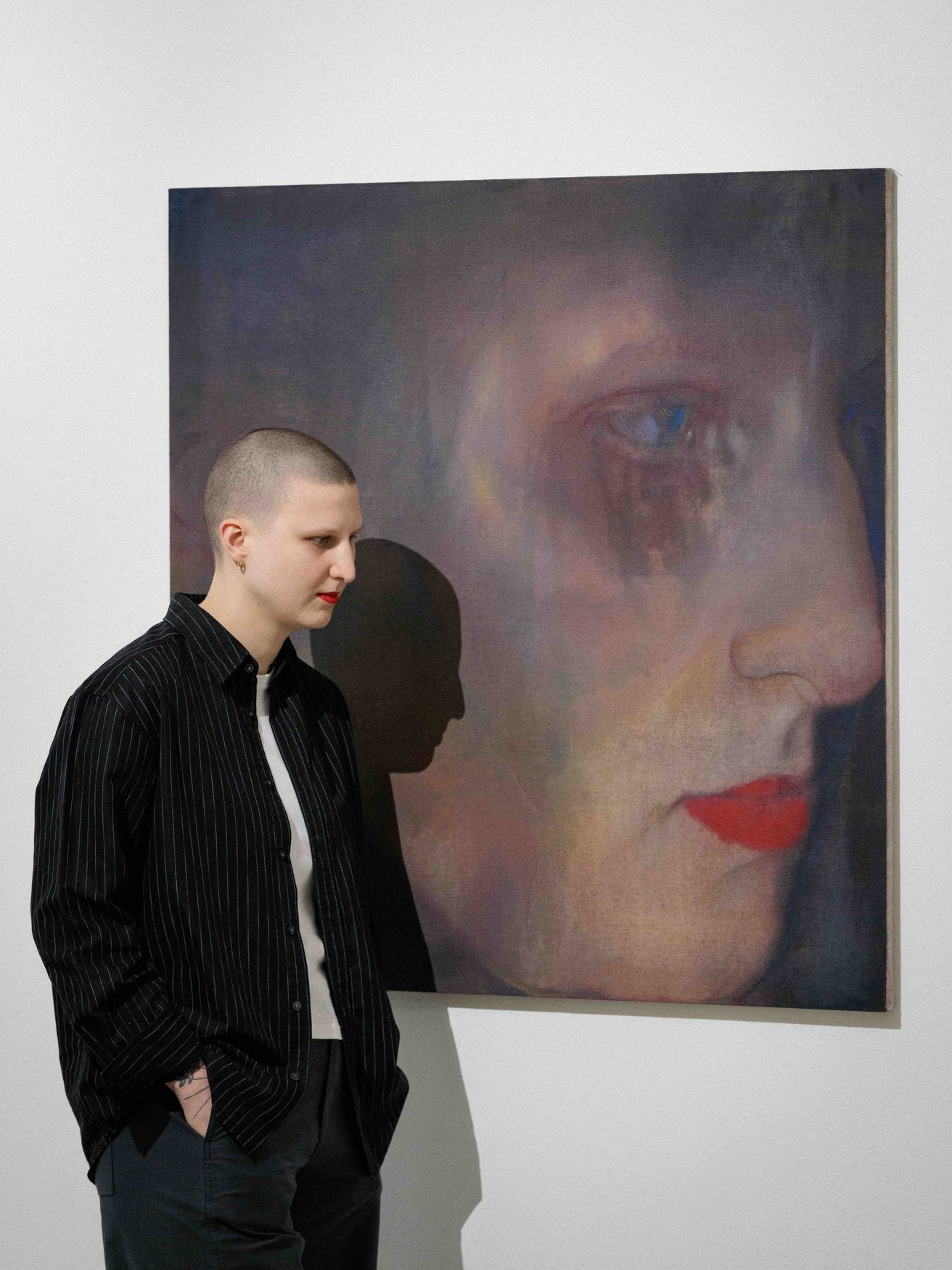
Lifting Belly, Soft Bodies: Zuzanna Szary Talks with Wojciech Szymański

Polish painter Zuzanna Szary discusses her artistic journey and the intersection of queer identity, domesticity, and painting in an interview with Wojciech Szymański. Szary recounts discovering her lesbian identity in junior high and turning to painting after a period of clinical depression, eventually studying at the Academy of Fine Arts in Krakow. Her work, which has evolved from portraits of partners to still lifes centered on food and home, explores themes of softness, sensuality, and the politics of the body, drawing inspiration from figures like Gertrude Stein and Alice B. Toklas.

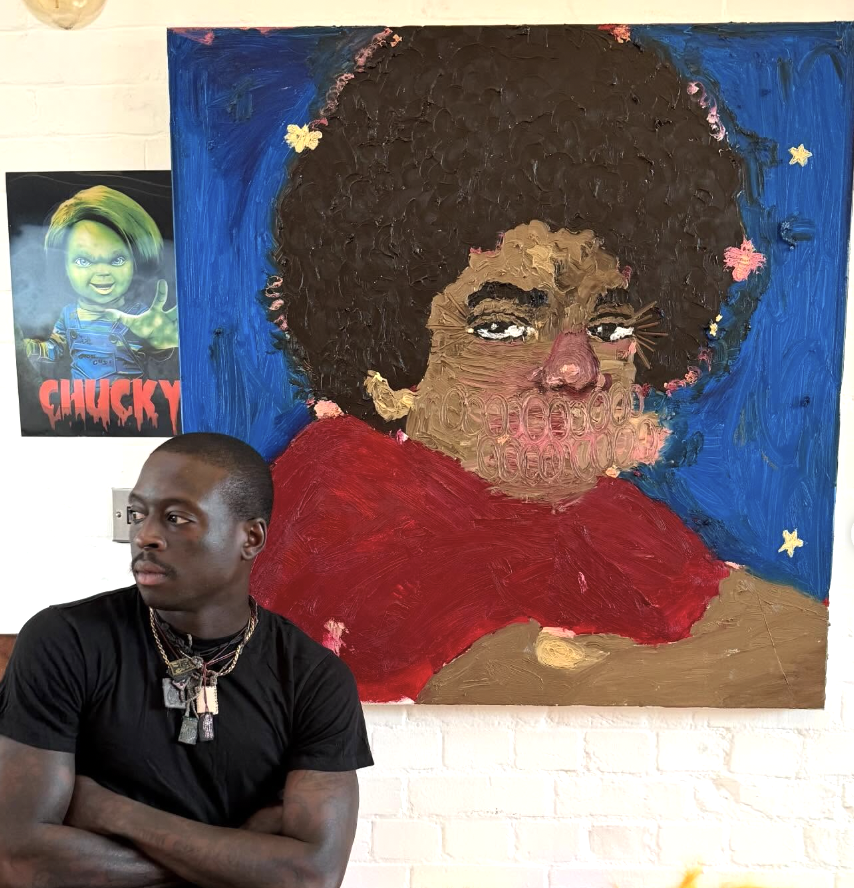
6 Nigerian Gen Z Painting Artists We Should All Recognize By Now

This article profiles six Nigerian Gen Z painting artists who are gaining international recognition for their vibrant, culturally reflective works. The featured artists include Anthony Azekwoh, known for blending classical and digital styles; Olaolu Slawn, a former skateboarder turned graffiti-style artist with collaborations like Rolex and Formula 1; Chigozie Obi, whose multidimensional art explores activism and mental health; Ayanfe Olarinde, a self-taught multidisciplinary artist; Adeoluwa Oluwajoba, a mixed-media artist and curator; and Meju Lawrence, known for colorful, animated pieces displayed in notable galleries.

Interview with French cartoonist Hugo Didier who draws the Cannes Film Festival 79

Intervista al fumettista francese Hugo Didier che disegna il Festival di Cannes 79

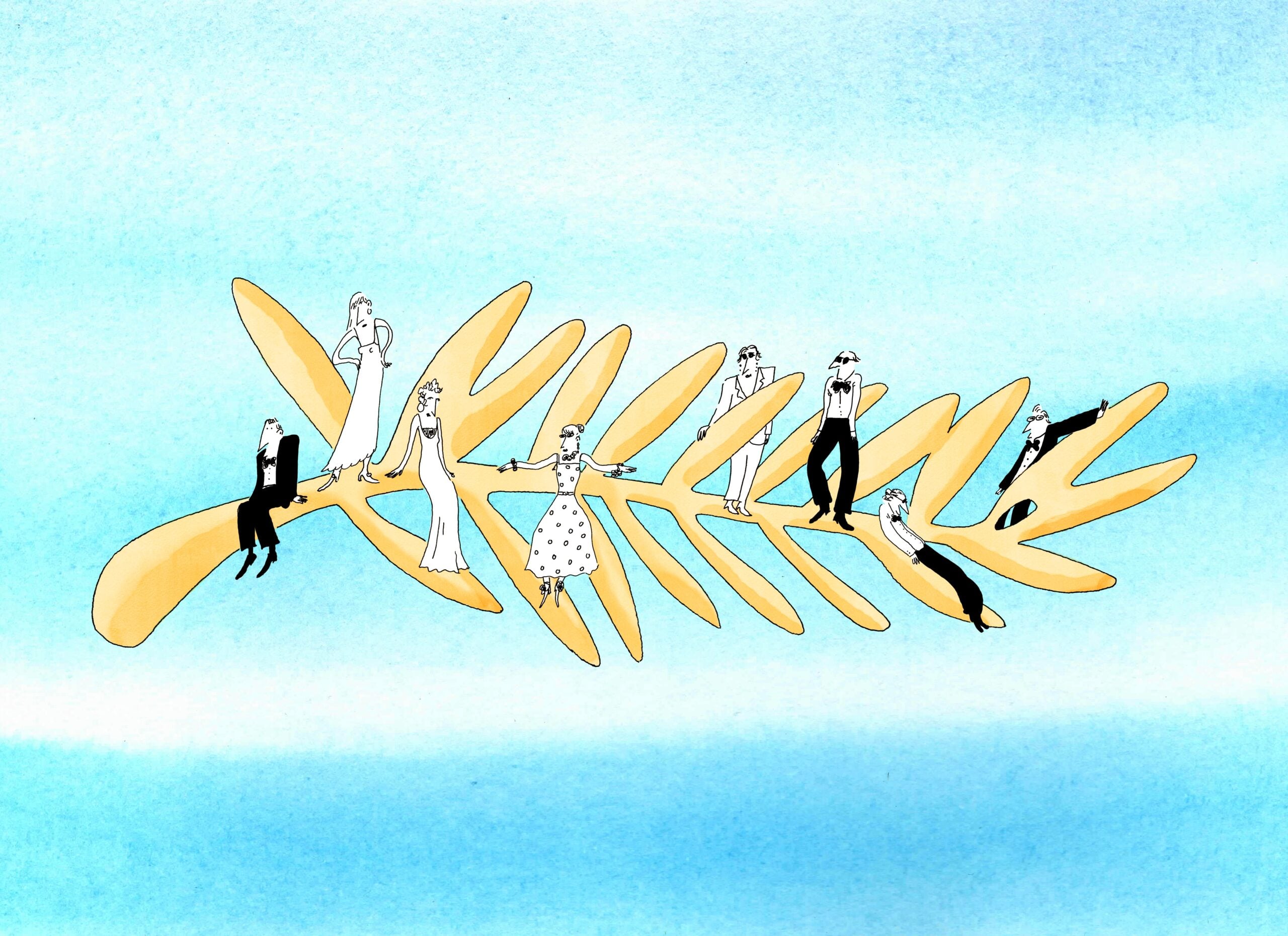
French cartoonist and illustrator Hugo Didier (Paris, 1993) has been commissioned to reinterpret and narrate the 79th edition of the Cannes Film Festival (May 12–23) through his drawings, which have appeared on the festival's official Instagram account. In an interview, Didier discusses how cinema influences his visual imagination, his preference for traditional drawing techniques (nib pens, Rotring technical pen, ink washes, watercolor) over digital, and his creative process that often begins with spontaneous sketches. He also reflects on the role of comics in contemporary French culture, noting their ability to explore diverse themes and reach wide audiences through a playful yet accessible medium.

Le dimore storiche sono il più vasto e straordinario museo diffuso d’Italia. Una giornata per celebrarle

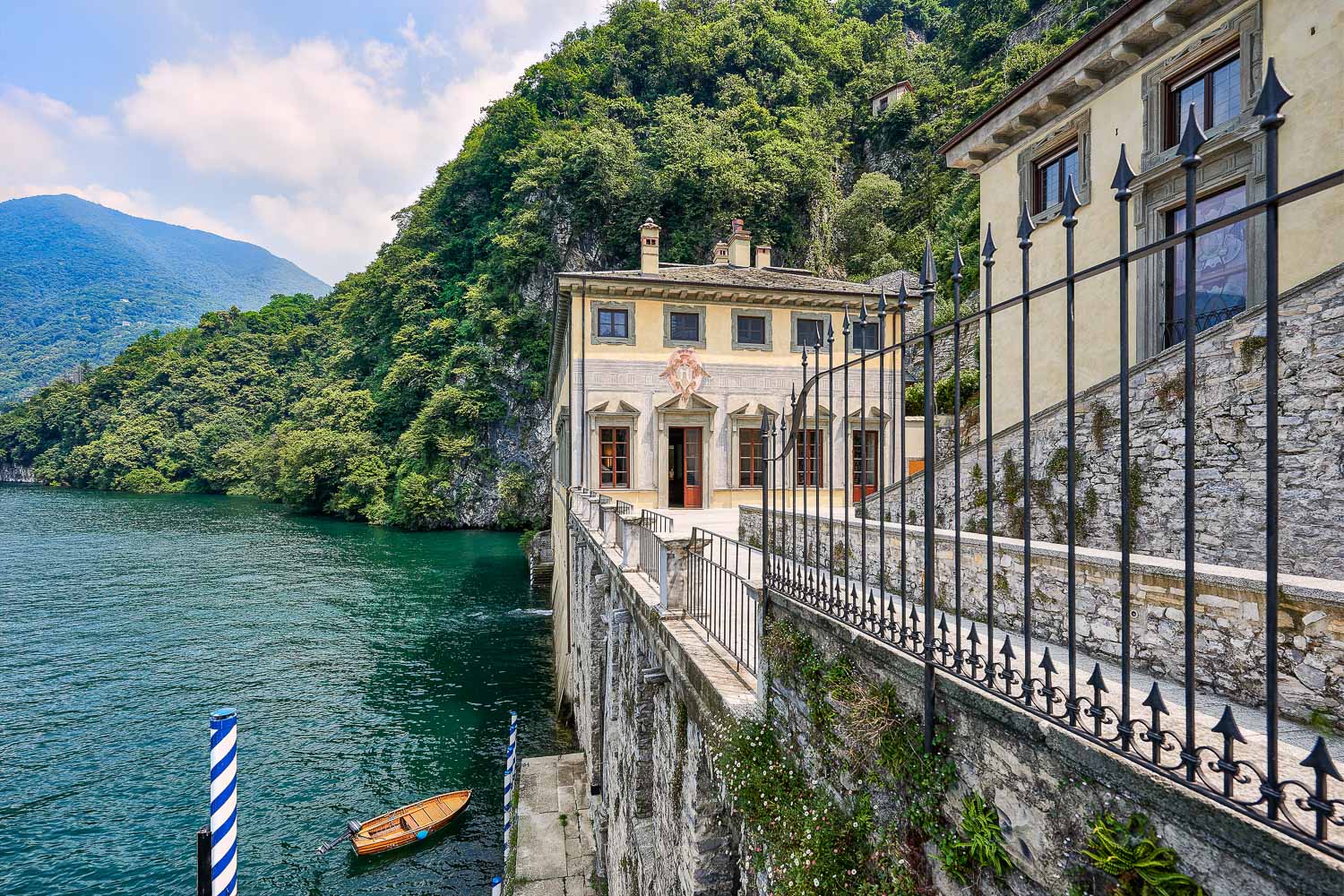
On Sunday, May 24, 2026, Italian historic homes will open their doors free to the public as part of the 16th National Day promoted by ADSI – Associazione Dimore Storiche Italiane. The 2025 edition involved over 500 properties and more than 250,000 visitors, highlighting the widespread cultural heritage across Italy. The article argues that this event is not merely cultural or tourist-oriented but raises broader questions about the future of Italy's fragile territories and the need for a cohesive national strategy for territorial rebalancing.