filter_list Showing 6 results for "MONO" close Clear
dashboard All 61 museum exhibitions 35article news 8article culture 6article policy 5candle obituary 3person people 2article local 1gavel restitution 1
date_range Range Today This Week This Month All
Subscribe

Harnessing the winds of societal change: how art dealers have been able to shape taste for centuries

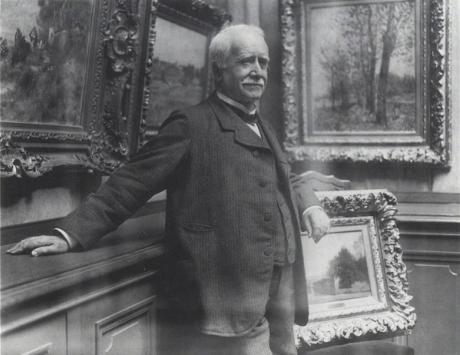
Valentina Castellani, a former Gagosian director, has authored a new book titled *Trading Beauty: Art Market Histories from the Altar to the Gallery* (out 1 May). The book traces how art dealers have historically leveraged societal changes—political, economic, and social—to reshape taste and market structures. Castellani begins in the Middle Ages, when art was made only on commission for patrons like the Catholic church and monarchies, and moves through key shifts such as the Dutch Republic's first open art market in the 17th century, which gave rise to the professional art dealer. She highlights dealers like Paul Durand-Ruel, Joseph Duveen, and Leo Castelli who capitalized on anti-establishment energy, new wealth, and post-war consumer culture to bring avant-garde art to the forefront.


Martin Schongauer in 2 Minutes

Martin Schongauer en 2 minutes

Martin Schongauer (c. 1445–1491), the Alsatian painter, draftsman, and engraver, is celebrated as the greatest German copperplate engraver before Albrecht Dürer and one of the first artists to achieve pan-European fame in his lifetime. The article outlines his life and career, from his early training in his father's goldsmith workshop in Colmar to his studies at the University of Leipzig and travels through Flanders, where he absorbed the influence of Rogier van der Weyden and Dirk Bouts. It highlights his 116 copper engravings, signed with the monogram 'M+S', which elevated engraving to a high art and circulated from Spain to Bohemia, inspiring Dürer and the young Michelangelo. Key works discussed include the painting 'La Vierge au buisson de roses' (1473) and the engraving 'La Tentation de saint Antoine' (c. 1470–1475).

In plane sight: how the gilded elite live – in pictures

Photographer Will Vogt's second monograph, *Behind the Hedges*, offers an intimate glimpse into the lives of America's gilded elite, featuring images of his own social circle at hunting estates, weddings, exclusive club lunches, and golf weekends. The book, published by Schilt Publishing, includes quotes by Vogt and text by editor Jennifer Garza-Cuen from her essay 'Posture of Privilege,' capturing a world of inherited wealth and tradition.

8 Art Films Worth Watching in May

8 Kunstfilme, die sich im Mai lohnen

Monopol magazine presents eight art films worth streaming in May, including a documentary featuring 40,000 slides from critic Jerry Saltz capturing the 1990s New York art scene, Shirin Neshat's film "Women Without Men" about women in 1953 Tehran, Christian Petzold's new film "Miroirs No. 3," and a documentary on the Shroud of Turin. The roundup also includes a politically charged drama directed by Yael Bartana and a Dada-metal film, offering a diverse selection of art-related cinema.

Einatmen – Ausatmen

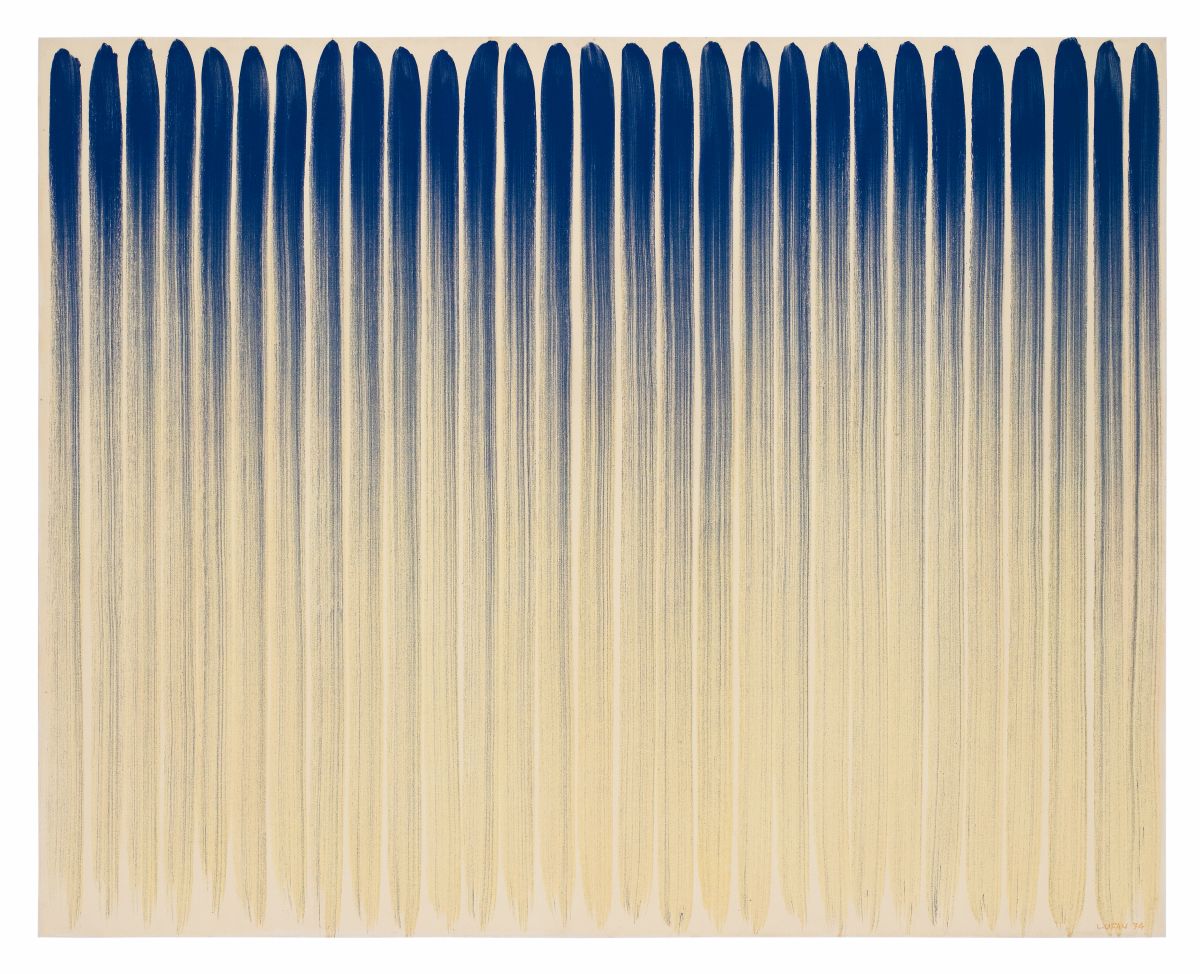
Lee Ufan, the renowned Korean artist known for his meditative single brushstroke paintings, is the subject of a feature article in Monopol. The piece visits his home in Kamakura, Japan, where he lives and works in a simple wooden cube house, reflecting the minimalist philosophy that defines his art. The article explores how Lee finds the entire universe in a single brushstroke, and how the art world is increasingly captivated by his serene, contemplative works.

How the GDR apron became Italian luxury

Wie die DDR-Schürze zum Italo-Luxus wurde

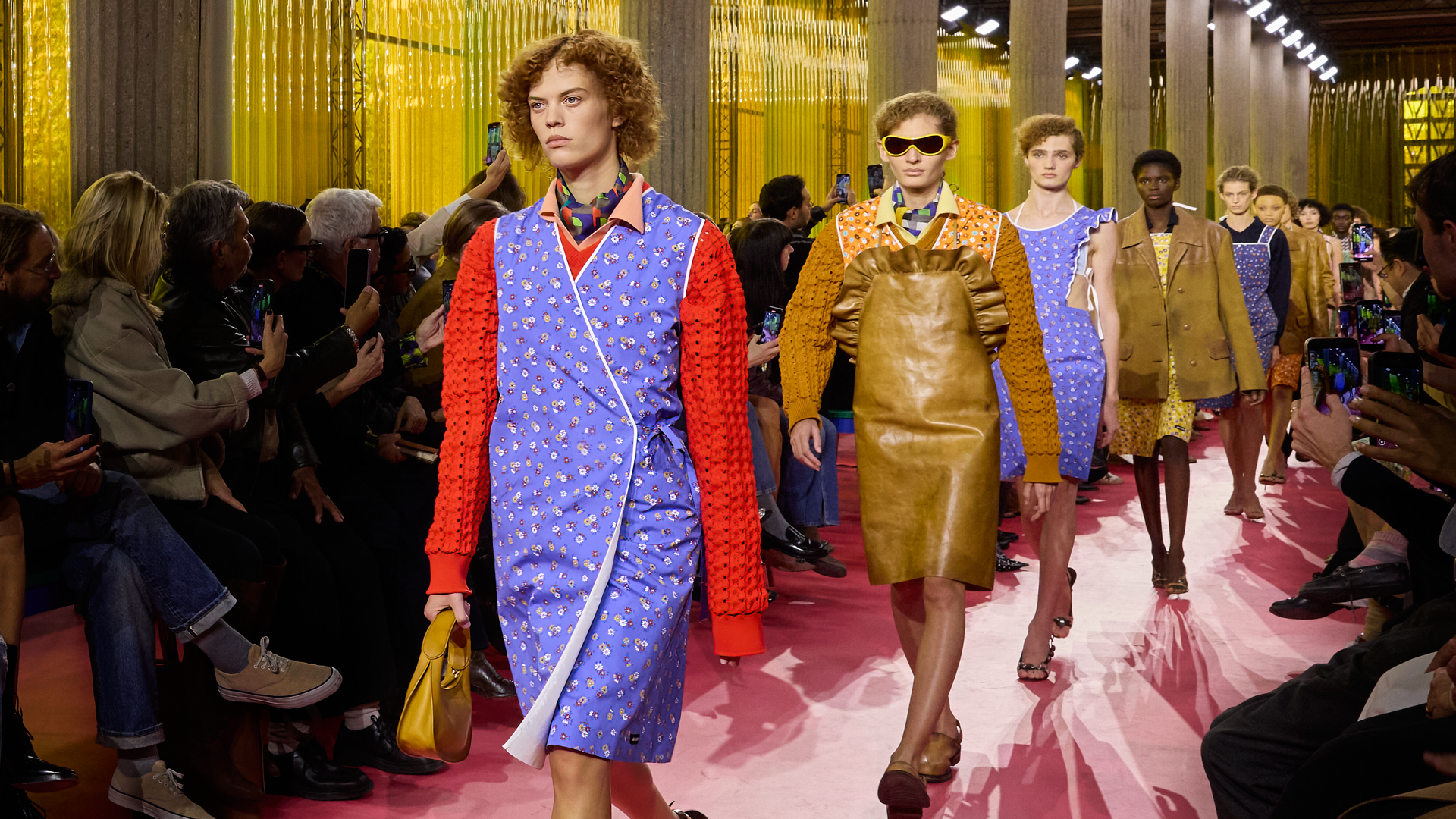
Italian luxury label Miu Miu has released dresses for summer 2026 that resemble 1980s East German kitchen aprons, with prices reaching up to €12,000 for crystal-embroidered versions. The collection debuted on the Paris runway in October, where actress Sandra Hüller opened the show in robust workwear, evoking factory workers from the former GDR. Designer Miuccia Prada, a former member of the Italian Communist Party, drew inspiration from Helga Paris's 1984 photo series "Frauen bei der Arbeit" (Women at Work), which documented female laborers in East Berlin's VEB Treffmodelle textile factory.