filter_list Showing 17 results for "Manhattan" close Clear
search
dashboard All 361 museum exhibitions 134trending_up market 72article news 51gavel restitution 25article local 21article culture 17candle obituary 11person people 11rate_review review 11article policy 5article event 3
date_range Range Today This Week This Month All
Subscribe

8 standout art books to gift and keep this season

The article highlights eight standout art books recommended for gifting this season, covering a range of topics from architectural deep dives and contemporary art to fashion histories and experimental catalogs. Featured titles include "All of Us Stars: Bobby Busnach," a photo book capturing the gritty glamour of 1970s Upper West Side nightlife, and "Christopher Wool: See Stop Run," an exhibition catalog documenting Wool's unconventional 2024 show in a Manhattan office tower. Other books span monographs, boundary-pushing catalogs, and fashion histories, each offering unique perspectives on visual culture.
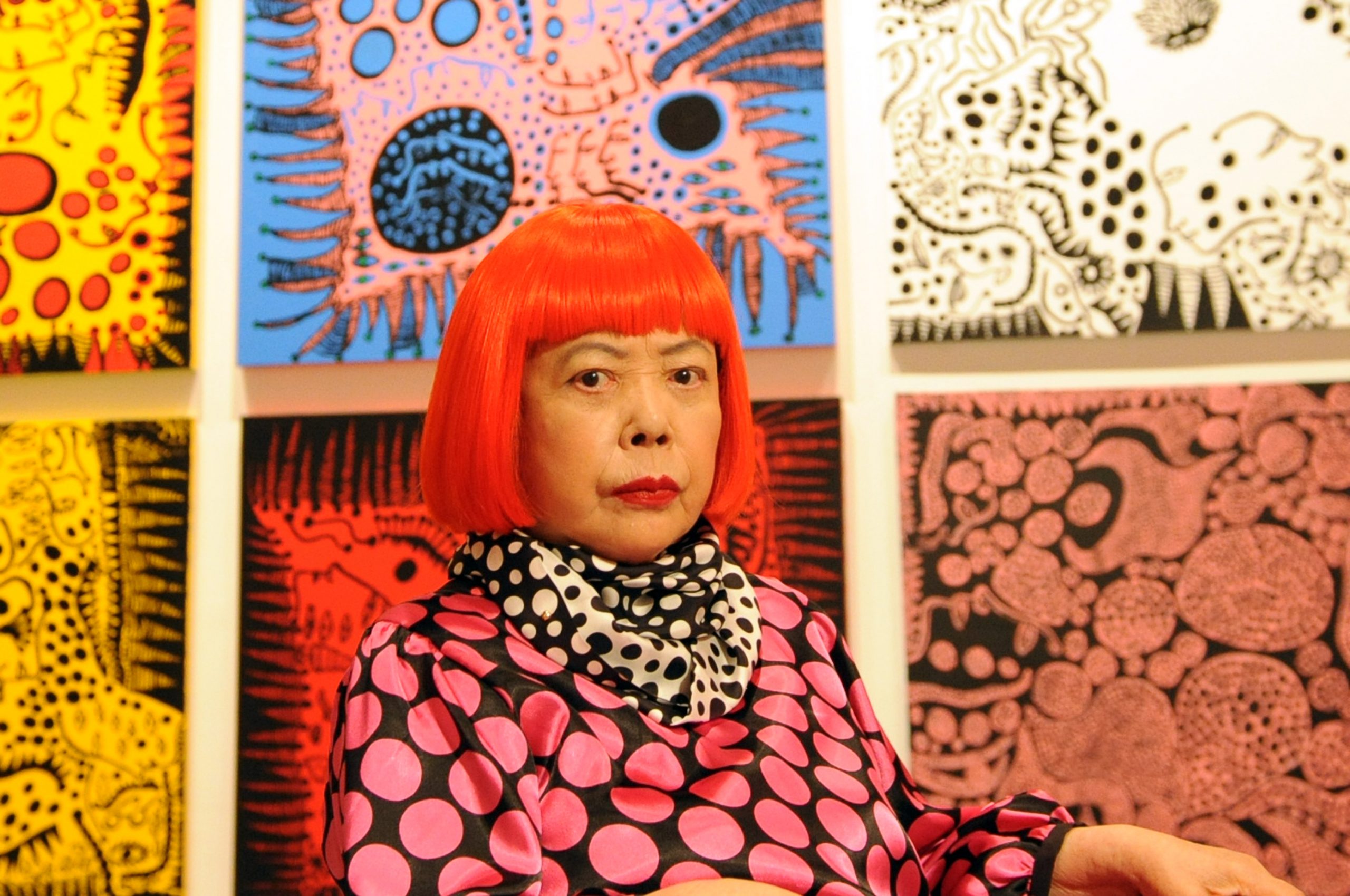
7 yayoi kusama works to know

Artnet News profiles seven key works by Yayoi Kusama, tracing her career from the 1960s to the present. The article highlights her iconic pieces such as *Narcissus Garden* (1966), a guerrilla installation at the Venice Biennale where she sold mirrored spheres, and *Death of a Nerve* (1976), a soft sculpture reflecting her emotional struggles after returning to Japan. It also notes her early life, including her traumatic childhood, move to New York, and friendships with artists like Georgia O'Keeffe and Joseph Cornell.

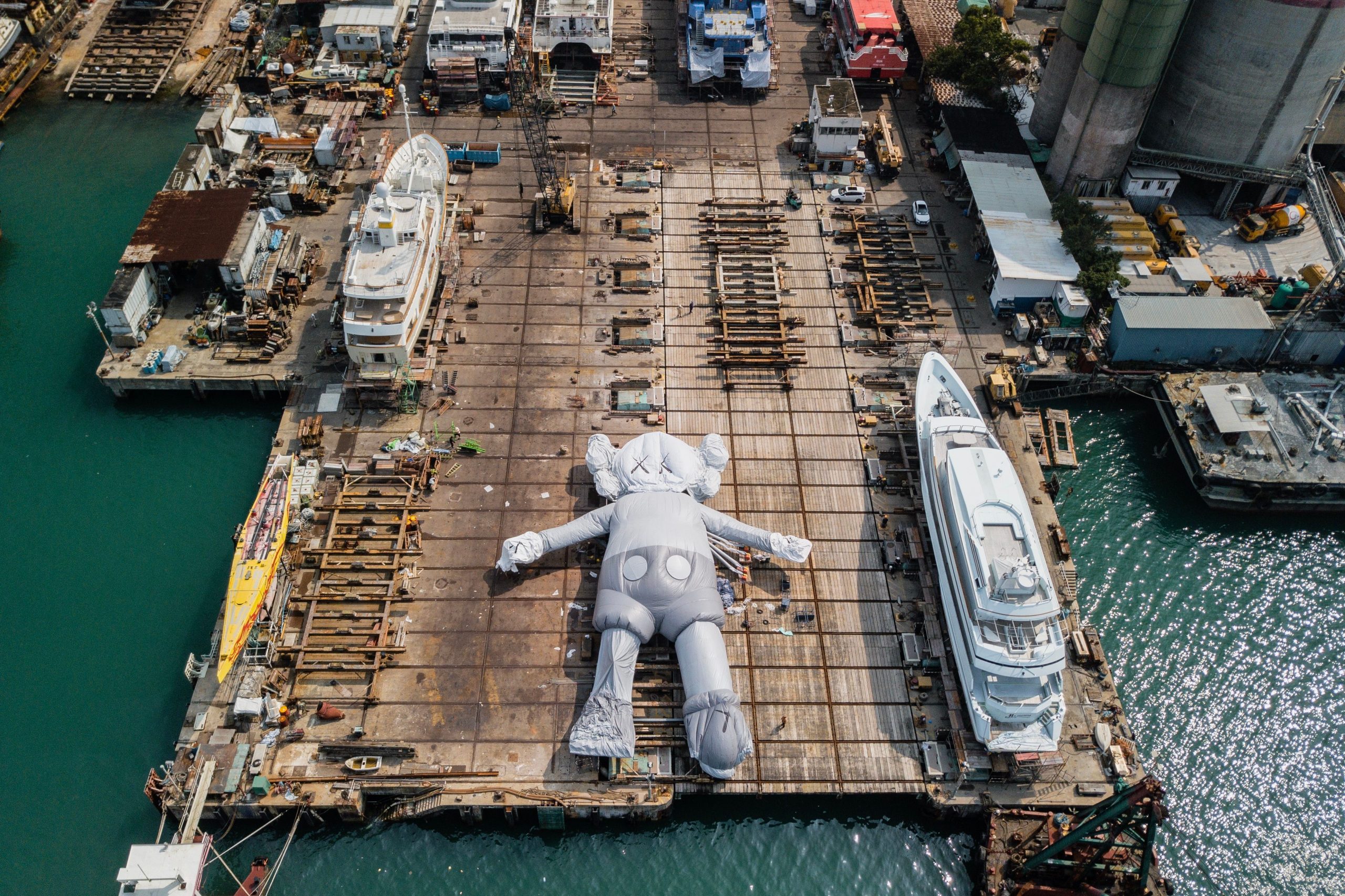
forget blue chip art its a red chip art world now

The article introduces and defines the concept of "red-chip art," a new category of art collecting that rejects traditional art-historical reverence in favor of aesthetics rooted in street art, graffiti, super-flat cartoons, multi-colored chrome, and crypto culture. It describes red-chip collectors as mysteriously affluent millennials, techies, hip-hop visionaries, and crypto aspirants who gravitate toward artworks that resemble toys, limited-edition dolls, NFTs, and memecoins, often consumed at venues like the Eden Fine Art gallery at the Wynn in Las Vegas or parties during Art Basel Miami Beach. Key artists associated with this movement include KAWS, George Condo, Virgil Abloh, Tom Sachs, Alex Israel, Damien Hirst, Harmony Korine, Yoshitomo Nara, and Banksy, with Jeff Koons and Takashi Murakami seen as transitional "purple chip" figures.

The 21st Century’s Biggest Art Trend is Not a Style. But Once You See It, You’ll Notice It Everywhere.

The article traces the evolution of "systems art," a term coined by critic Jack Burnham in 1968 to describe art that uses rules, seriality, and repetition to mirror and reveal the growing protocols of the Cold War era. It highlights early practitioners like Kenneth Noland, Robert Morris, Dan Flavin, and notably Hans Haacke and Adrian Piper, who shifted from atmospheric systems (e.g., Haacke's *Condensation Cube*) to social systems (e.g., Haacke's *Shapolsky et al. Manhattan Real Estate Holdings*). The piece argues that systems thinking has become unavoidable in contemporary life—from algorithms to systemic racism—and that art remains a crucial tool for making these invisible systems legible.

secrets of the metropolitan museum

The article reveals little-known secrets about the Metropolitan Museum of Art, including that its first home was not on Fifth Avenue but at 681 Fifth Avenue, and later the Douglas Mansion, before moving to its current location in 1879. It also notes that the museum's original red-brick facade is barely visible today, hidden within the Robert Lehman Wing, and that its first director, Luigi Palma di Cesnola, controversially mixed and matched parts of ancient sculptures to create composite works, while also misrepresenting their provenance.

Salvador Dalí’s Frustrating Vision of the Divine

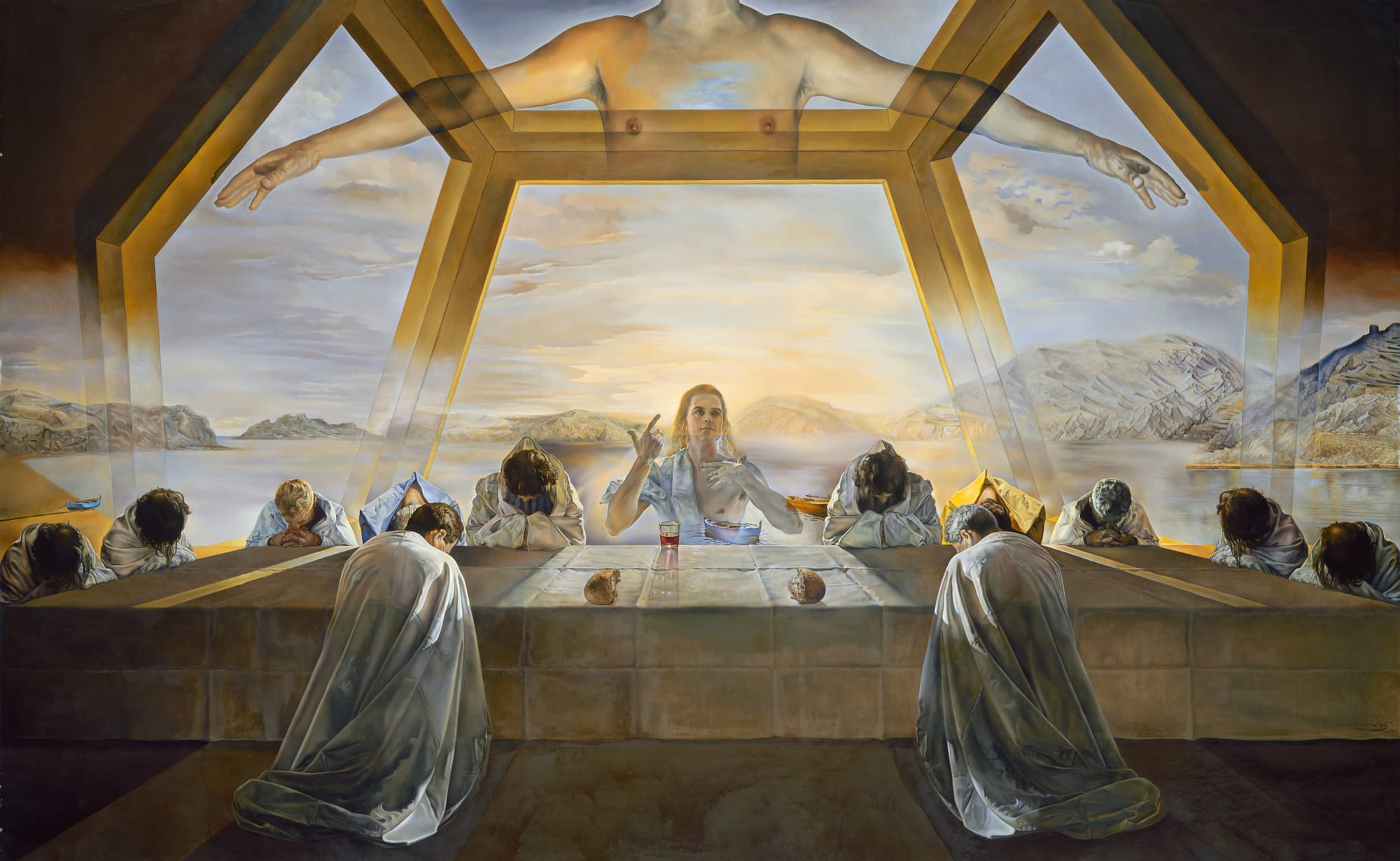
A feature article examines Salvador Dalí's controversial religious painting "Christ of Saint John of the Cross" (1951), which was physically attacked by vandals on two separate occasions—once with a rock in 1961 and later with an air rifle. The painting, part of Dalí's "Nuclear Mysticism" phase, depicts a floating, unblemished Christ from an aerial perspective, based on a drawing by the mystic St. John of the Cross and modeled by a Hollywood stunt double.

7 Artists Who Capture the Essence of Black Dandyism

The article highlights seven contemporary artists whose work embodies Black dandyism, timed to the 2025 Met Gala theme 'Superfine: Tailoring Black Style' and the corresponding exhibition at the Metropolitan Museum of Art's Costume Institute. It traces the history of Black dandyism from its 18th-century European roots through its evolution during slavery and the 20th century, emphasizing its role as a defiant, empowering form of self-expression that challenges gender norms and racial stereotypes. Featured artists include Barkley L. Hendricks, Derek Fordjour, and Tyler Mitchell, among others.

gossip crit group

On a frigid December evening, eleven women artists gathered in the lobby of 125 Maiden Lane in downtown Manhattan to view and discuss Langdon Graves's exhibition "Mental Model," produced by Art in Buildings. The group, called Gossip, is a long-running artist crit collective founded in 2009 by Cranbrook Academy of Art graduates including Jessica Stoller and Kelli Miller, originally named "Get Out" before being renamed by member Virginia Wagner after Silvia Federici's writings on gossip. The group now has about 20 members, including Jenna Gribbon, Erin M. Riley, and Julie Curtiss, and meets regularly in studios and galleries for critical feedback and creative exchange.

artists new technology new museum

DEMO2025, the annual festival from NEW INC (the New Museum's incubator for cutting-edge culture), is hosting a public event at Water Street Projects in Lower Manhattan featuring on-site augmented reality experiments and new models of collective storytelling. To mark the festival, CULTURED asked several NEW INC alumni—including Idris Brewster, Mindy Seu, Stephanie Dinkins, LaJuné McMillian, and the MSCHF Collective—to share which technological developments they find most concerning as artists and which offer the most potential. Their responses address surveillance, attention economies, extractive systems, and the promise of radical alternatives rooted in collectivity and world-building.

Inside the Artist Peter Bradley’s Upstate New York Home

Peter Bradley, a painter, art dealer, and prominent figure in the 1960s and ’70s Manhattan art scene, has lovingly restored an 18th-century home in upstate New York, bringing a loftlike aesthetic to the historic property. The article offers an inside look at his residence, highlighting how his artistic sensibility shaped the renovation.

john gachot shelter island studio

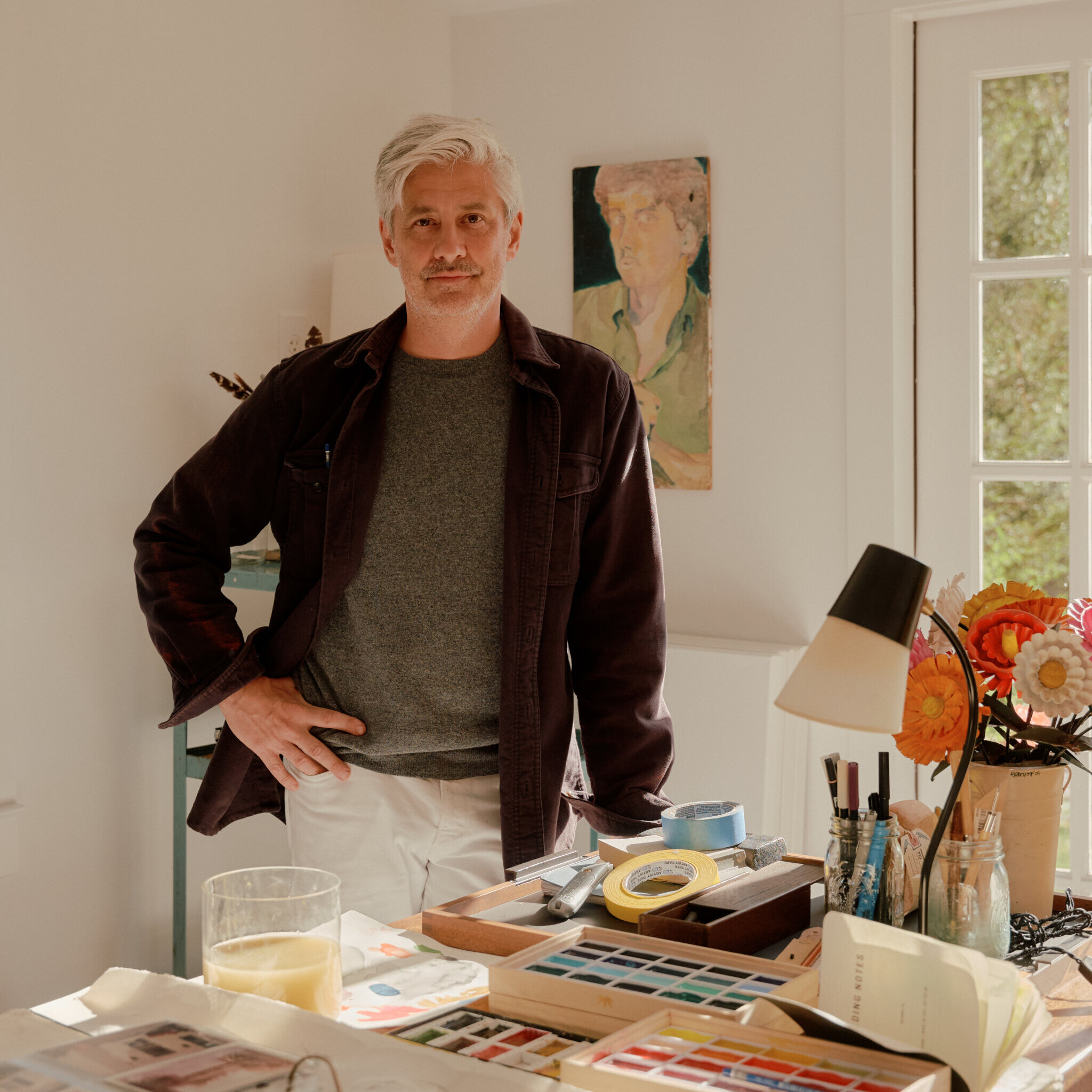
John Gachot, a Manhattan-based designer, has transformed a shed on his Shelter Island property into a studio where he can finally pursue drawing and painting after decades of relegating his practice to notebooks and bar napkins. The space also houses sculptures by his late father, Richard Gachot, an artist who worked out of an ice house on the family's Long Island estate and created animated, politically charged works. The article, structured as an interview, explores how the shed became a creative sanctuary for John and a continuation of his father's artistic legacy.

New York is so expensive that it is no longer possible to produce art and culture in the city

New York è così cara che ormai non è più possibile produrre arte e cultura in città

Artist and curator Josh Kline has sparked a significant industry debate with his essay, "New York Real Estate and the Ruin of American Art," which argues that the city's prohibitive real estate market is dismantling its cultural foundation. Kline posits that the financialization of property and the disappearance of affordable lofts and mid-size galleries have created an unsustainable ecosystem where only those with independent wealth can survive. This economic pressure is forcing a generation of creative workers to choose between their practice and basic survival, leading to a stagnation of innovation.

Why We Need Corporate Art Collections

The article traces the history and significance of corporate art collections, beginning with Deutsche Bank's acquisition of 57 early drawings by Joseph Beuys in the late 1970s, which led to the formal launch of its collection in 1980. Today, the Deutsche Bank Collection comprises over 57,000 objects displayed in 500 locations across 40 countries, and the bank sponsors events like the Frieze Art Fair. The piece also highlights the role of American banker David Rockefeller, who inaugurated Chase Manhattan Bank's Art at Work program in 1959, and notes that corporate collecting has deep roots in Renaissance banking, with institutions like Banca Monte dei Paschi di Siena commissioning art for their offices.

The Art of Performing Maintenance

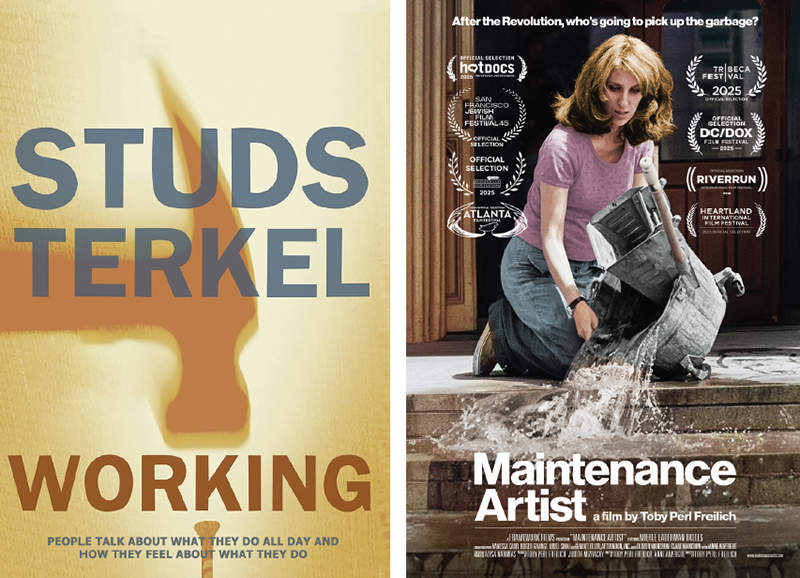
This article explores the work of artist Mierle Laderman Ukeles, who in 1969 wrote her "Manifesto for Maintenance Art" after experiencing a crisis of meaning following the birth of her first child. She proposed that routine maintenance tasks—like cleaning, cooking, and laundry—could be redefined as art when performed in public, particularly in museums. The article traces her early exhibitions at the Wadsworth Athenaeum, where she swept and mopped as performance, and her later projects interviewing passersby on New York City sidewalks and embedding herself in a Manhattan office building, where she invited workers to declare their maintenance tasks art.

Navid Baraty’s Atmospheric Photos Explore Contrasting Scales of Time

Navid Baraty's series "The Time Between" combines digital photographs of urban skylines like Manhattan and Chicago with dramatic natural landscapes such as desert dunes and snow-capped mountains. Using a double-exposure technique, the artist blends city lights and skyscraper outlines with geological features to explore contrasts between contemporary urban life and ancient, timeless terrains.

parties jncquoi club comporta portugal

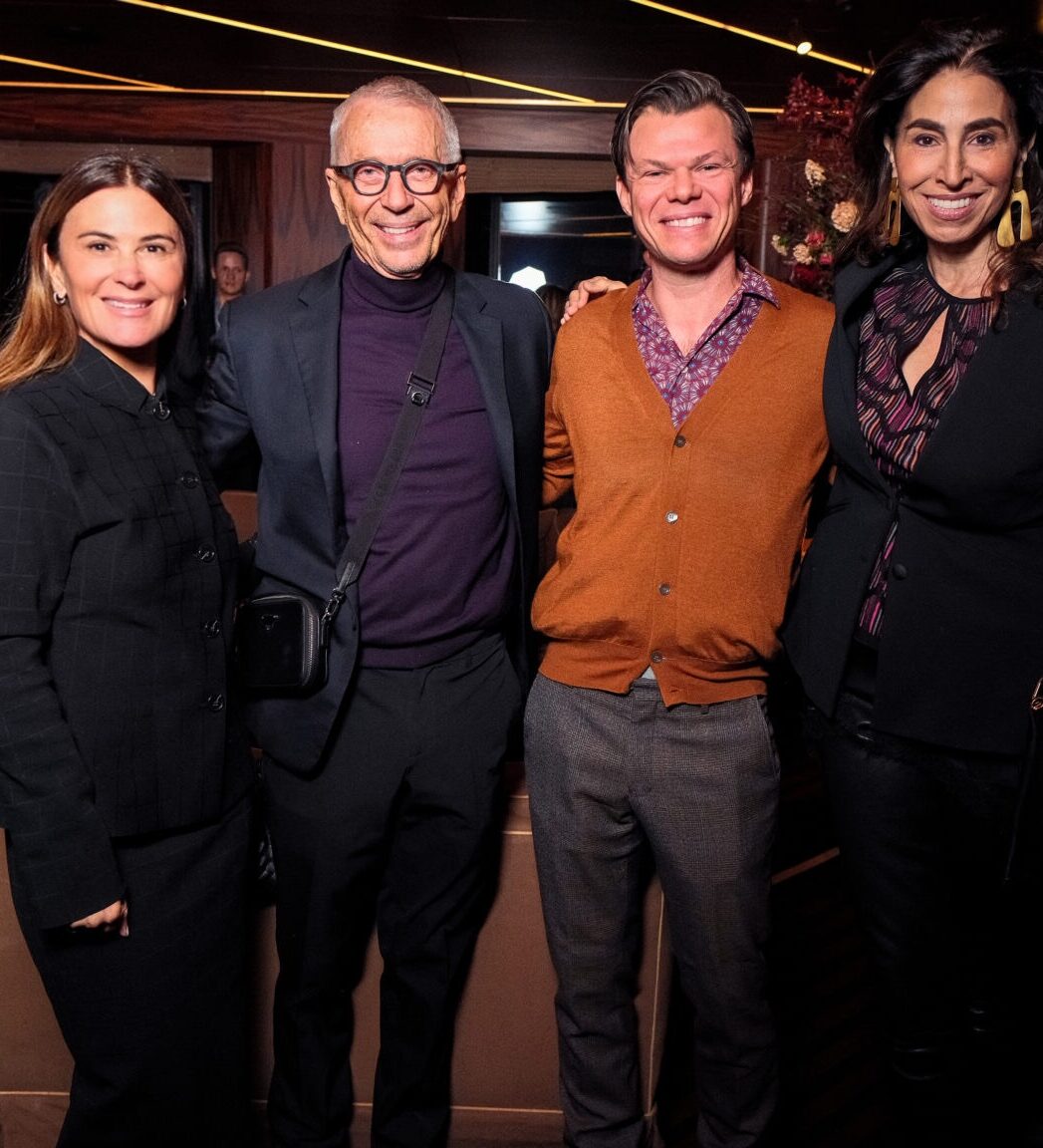
Cultured magazine hosted a dinner at Coco's private club in Manhattan to celebrate JNĉQuoi's forthcoming destination in Comporta, Portugal. The 164-hectare campus, designed by Vincent Van Duysen, will combine a beach club, residential community, and hotel, located an hour outside Lisbon. Founders Paula Amorim and Miguel Guedes de Sousa welcomed a crowd of collectors, gallerists, and art advisors, including Chad Leat, Ida Liu, Alexandra Stanton, Jason and Michelle Rubell, Seth Stolbun, Ellie Rines, Rob Teeters, and Sarah Ivory, with a performance by Portuguese soprano Leonor Vasconcelos.

Rachel Mentzer Transforms Discarded Cartons into Dusky Collagraphs

Ohio-based artist Rachel Mentzer creates collagraph prints using discarded cartons as printing plates, carving them with images of birds, trees, and energy infrastructure. Her process involves carving the cardboard, sealing it with polyurethane, inking it, and transferring the image via an etching press, often incorporating chine collé for color. Her work was recently shown at the Manhattan Graphics Center, and she will participate in the Suzanne Wilson Artist-in-Residence Program at Glen Arbor Arts Center this summer.