filter_list Showing 14 results for "Mari" close Clear
search
dashboard All 175 museum exhibitions 88trending_up market 33article local 19article culture 14article news 11person people 5article policy 3gavel restitution 1rate_review review 1
date_range Range Today This Week This Month All
Subscribe

‘This is mine, I own it’: how Tracey Emin and Frida Kahlo inspired me to make meaning out of pain

The article is a personal essay by a writer who, after undergoing a colectomy in 2023, found inspiration in Tracey Emin's unflinching self-portraiture following her 2020 cancer diagnosis. The author describes taking her own post-surgery photographs, echoing Emin's mantra "This is mine, I own it," and reflects on Emin's current work, including the Tate Modern exhibition and paintings like "I watched Myself die and come alive" (2023) and "Barbed Wire Stitches" (2024). The essay also connects Emin's approach to that of Frida Kahlo, whose retrospective is upcoming at Tate.
No Attitude, Nowhere: Conviction, Zero Meaning

Keine Haltung, nirgends Gesinnung, null Bedeutung

The article critiques the current state of the art world and broader culture, arguing that right-wing calls for depoliticized art are intensifying while the progressive art establishment silently tolerates a culture war that restricts free expression. It uses the 2025 Met Gala as a prime example, describing the event as a heartless display of wealth and power aligned with Trump-era capitalism, where celebrities and artists perform progressive values while participating in a spectacle sponsored by anti-union figures like Jeff Bezos. The author draws on Hannah Arendt's ethics lectures to suggest that moral norms have collapsed overnight, and that the commercial art world now legitimizes anti-democratic tendencies through its silence.

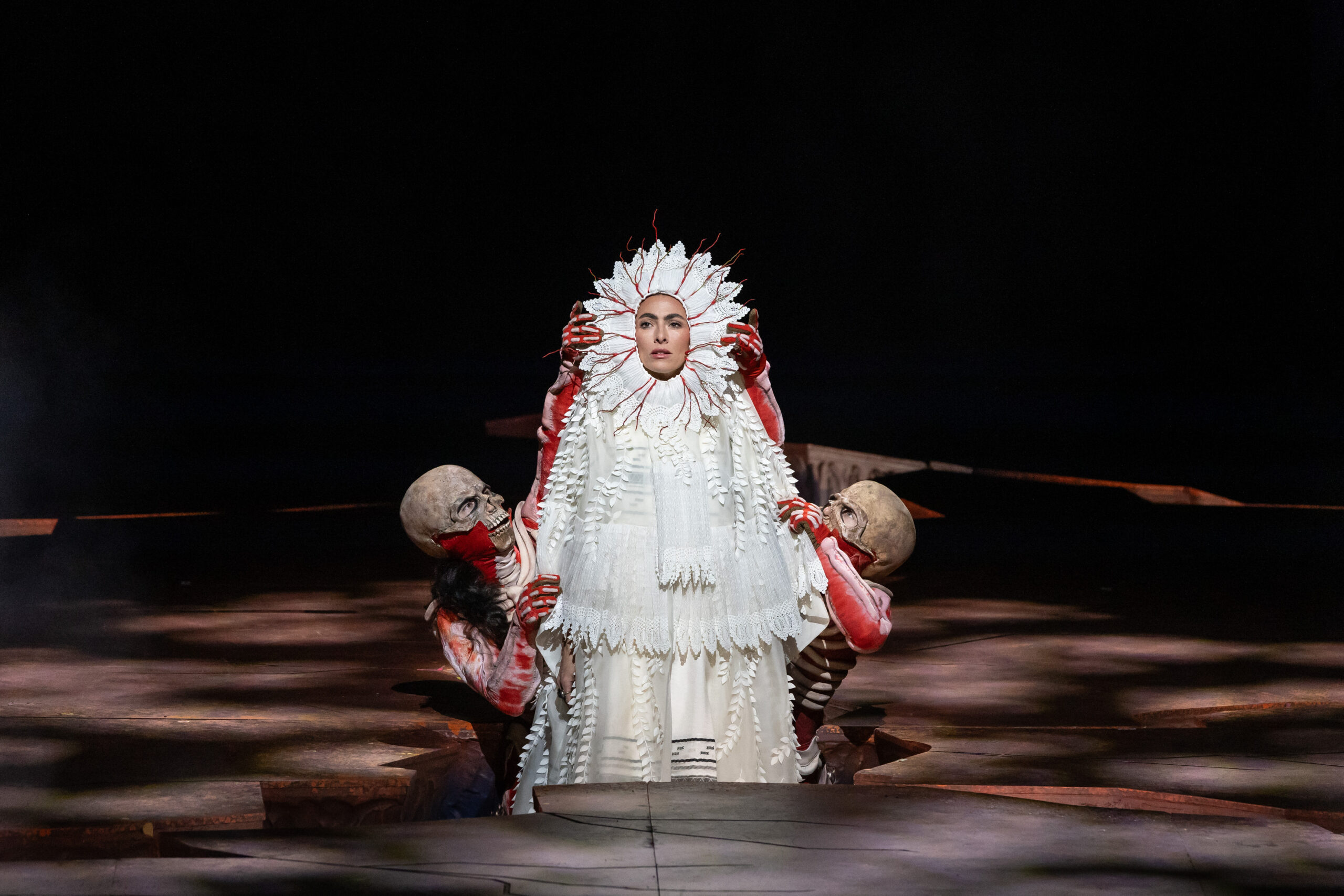
The Met’s Frida & Diego Opera Imagines Feminist Revenge from Beyond the Grave

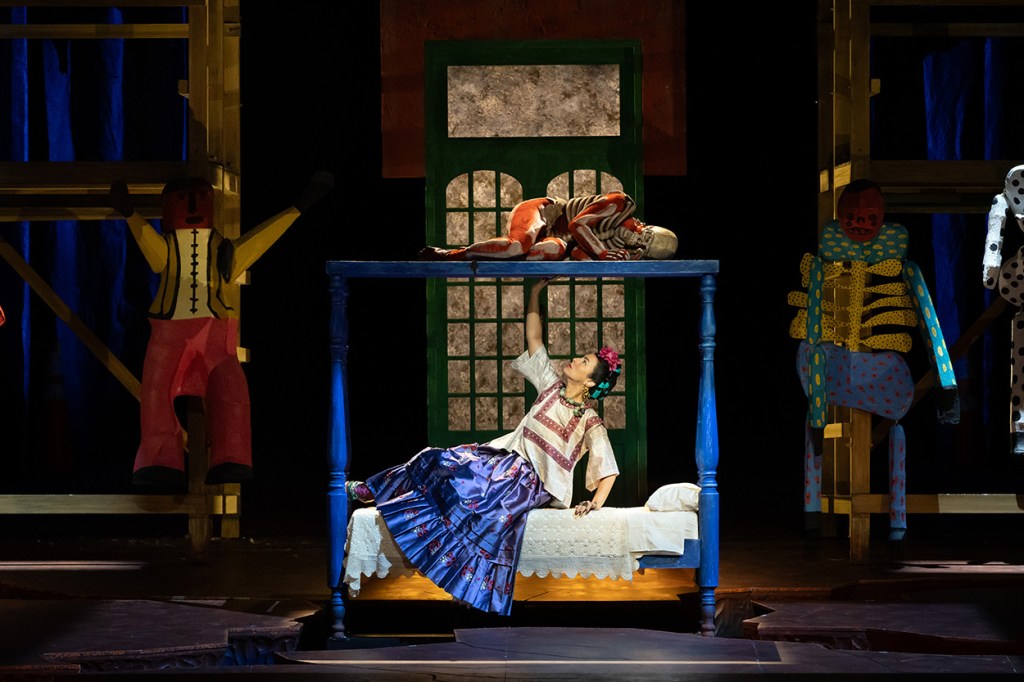
The Metropolitan Opera has opened "El Último Sueño de Frida y Diego," a new opera by composer Gabriela Lena Frank and librettist Nilo Cruz that imagines Frida Kahlo returning from the underworld during Día de los Muertos for a reunion with her husband Diego Rivera. The production features mezzo-soprano Isabel Leonard as Frida, Carlos Álvarez as Diego, and choreography by Deborah Colker, with sets by Jon Bausor that evoke Kahlo's iconic paintings and mirror. The opera explores themes of pain, creativity, and marital strife, granting Kahlo physical freedom denied to her in life while centering her perspective over Rivera's.

In the Studio with Casey Engel

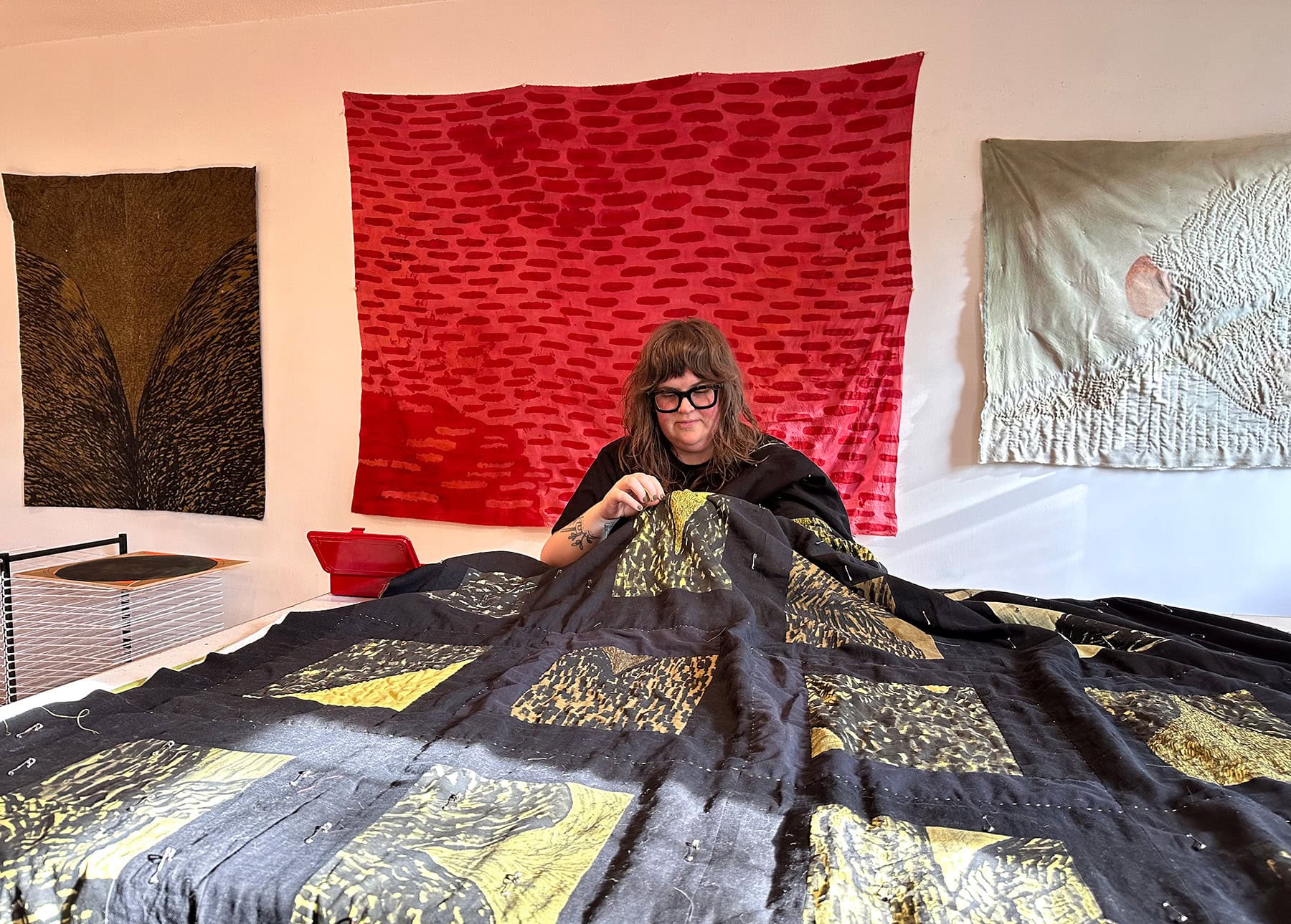
Casey Engel, an artist based in Asheville, North Carolina, is profiled in her studio, where she creates ceramic, fiber, and paper works that blend craft traditions with avant-garde sensibilities. The article, structured as an interview with writer Merin McDivitt, explores Engel's tactile process—from pinching clay to hand-stitching quilts—and her emphasis on touch, intuition, and the tension between functionality and art. Engel previously curated over sixty shows at Blue Spiral 1 before dedicating herself full-time to her own practice.

The Divine Powers of “Chicken Linda”

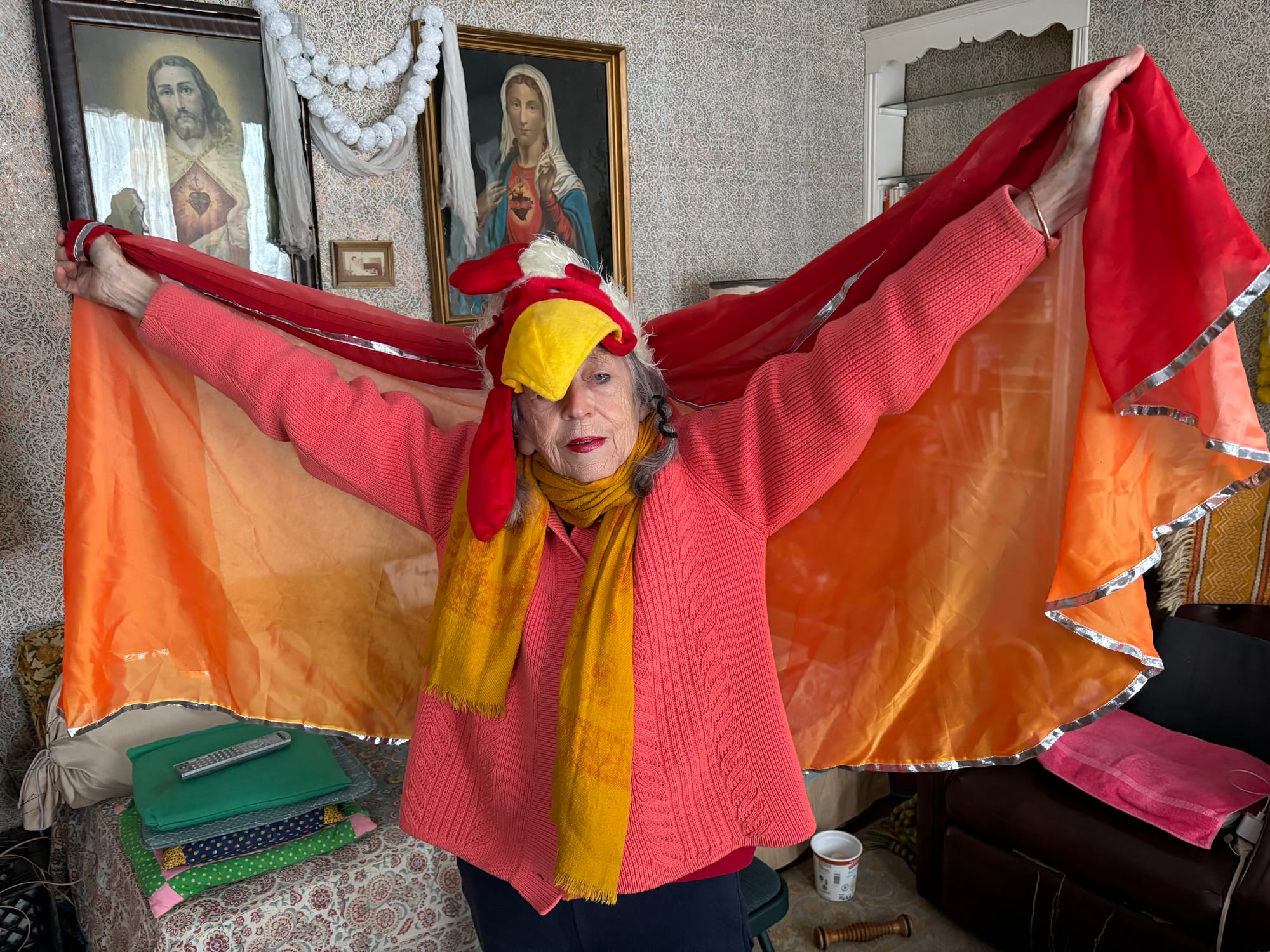
Performance artist Linda Mary Montano, now in her 80s, invited writer Taliesin Thomas into her home in Saugerties, New York, which functions as a living shrine filled with altars, experimental sculptures, and religious iconography. Montano, who calls herself “Chicken Linda” to connect with the Holy Spirit, discussed her six-decade career as an endurance performance artist, her Catholic faith, her studies with guru Shri Bhramananda Saraswati, and her influential early years in San Francisco during the First Wave feminist art movement. She also recounted personal tragedies, including the murder of her former husband Mitchell Payne, which led to her video work “Mitchell’s Death,” now in the collections of MoMA and the Museum of Conceptual Art, Los Angeles.

The Painted Book Cover Is Back

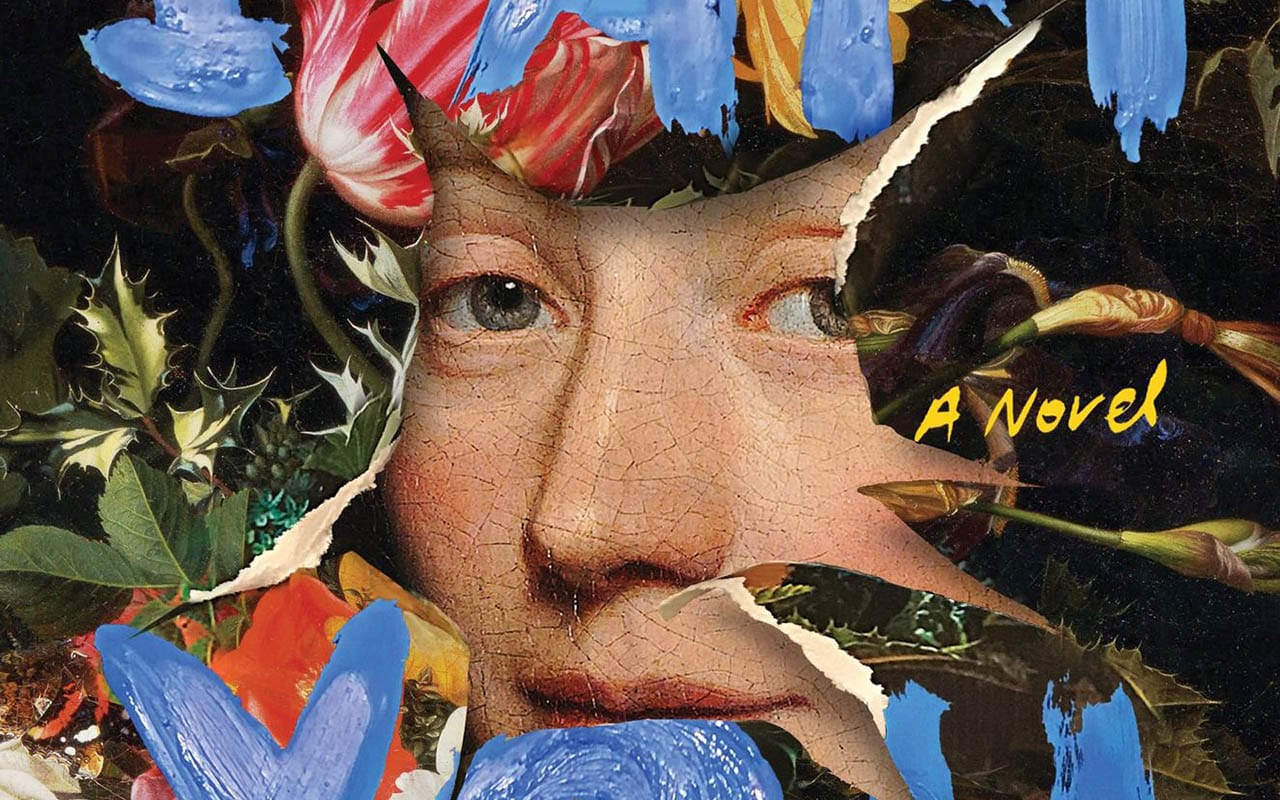
The article reports on a growing trend in book cover design: the use of painted, figurative artwork instead of stock photos or digital renderings. Publishers are increasingly licensing paintings by artists from Hilma af Klint to Shannon Cartier Lucy, seeing them as a way to signal cultural authority and intellectual rigor. The trend is discussed through examples like Victoria Redel's *I Am You* (2025) and Kyung-Ran Jo's *Blowfish* (2025), with insights from LiteraryHub Managing Editor Emily Temple and Astra House publisher Benjamin Schrank.

The Burlington Magazine - n°1478 vol CLXVIII - May 2026

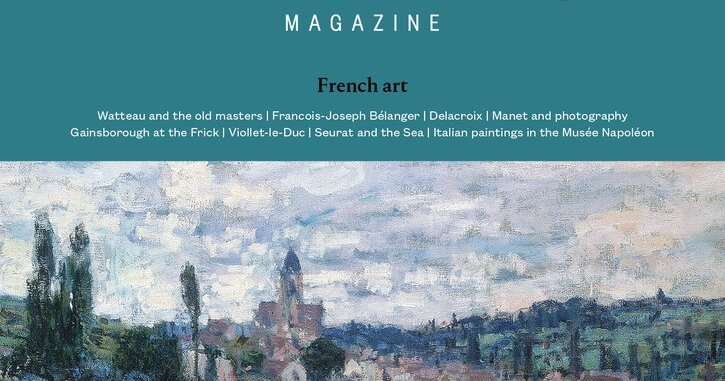
The May 2026 issue of The Burlington Magazine (n°1478, vol. CLXVIII) presents a rich array of scholarly articles, exhibition reviews, and book reviews covering European art from the medieval period to the 20th century. Highlights include Laure Boyer's study of two photographs of Victorine Meurent linked to Manet's 'Le Déjeuner sur l'herbe' and 'Olympia', Axel Moulinier's analysis of Watteau's copies after old masters, and Richard Thomson's essay on a century of Monet in print. Exhibition reviews cover shows on Monet's Étretat coast, Orazio Gentileschi, Cornelius Jonson van Ceulen, Gainsborough, Seurat, Italian Symbolism, and Iliazd. Book reviews range from medieval art and Pietro Bellotti to Helene Schjerfbeck, Roberto Matta, and contemporary jewelry at the Dallas Museum of Art.

Why Did the Met Opera Decide to Exhume Frida Kahlo and Diego Rivera’s Marital Strife?

The Metropolitan Opera has staged Gabriela Lena Frank's first opera, *El Último Sueño de Frida y Diego*, which imagines a supernatural reunion between Frida Kahlo and Diego Rivera on Día de los Muertos. The production, conducted by Yannick Nézet-Séguin and starring Isabel Leonard and Carlos Álvarez, uses magical realism to explore the couple's turbulent relationship, though it largely sidelines their Communist activism and Kahlo's queer affairs in favor of a simplified reconciliation narrative.

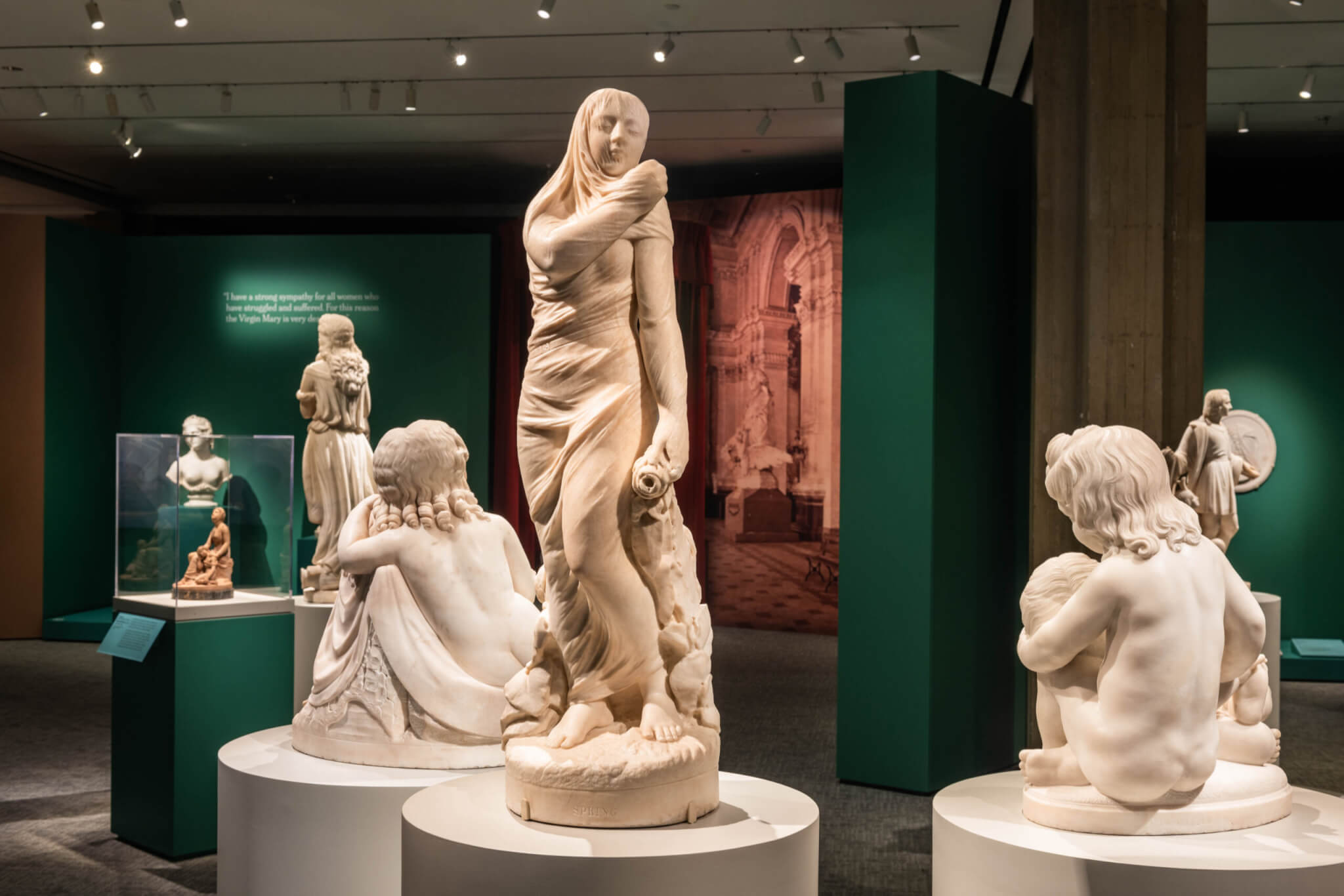
“Edmonia Lewis: Said in Stone” Reconstructs a Life Across Fragments

Boston Art Review (BAR) has published an article titled “Edmonia Lewis: Said in Stone” that reconstructs the life of the 19th-century sculptor Edmonia Lewis across fragmented historical records. The piece examines Lewis’s career, her neoclassical marble works, and the challenges of piecing together her biography due to limited archival materials.

Required Reading

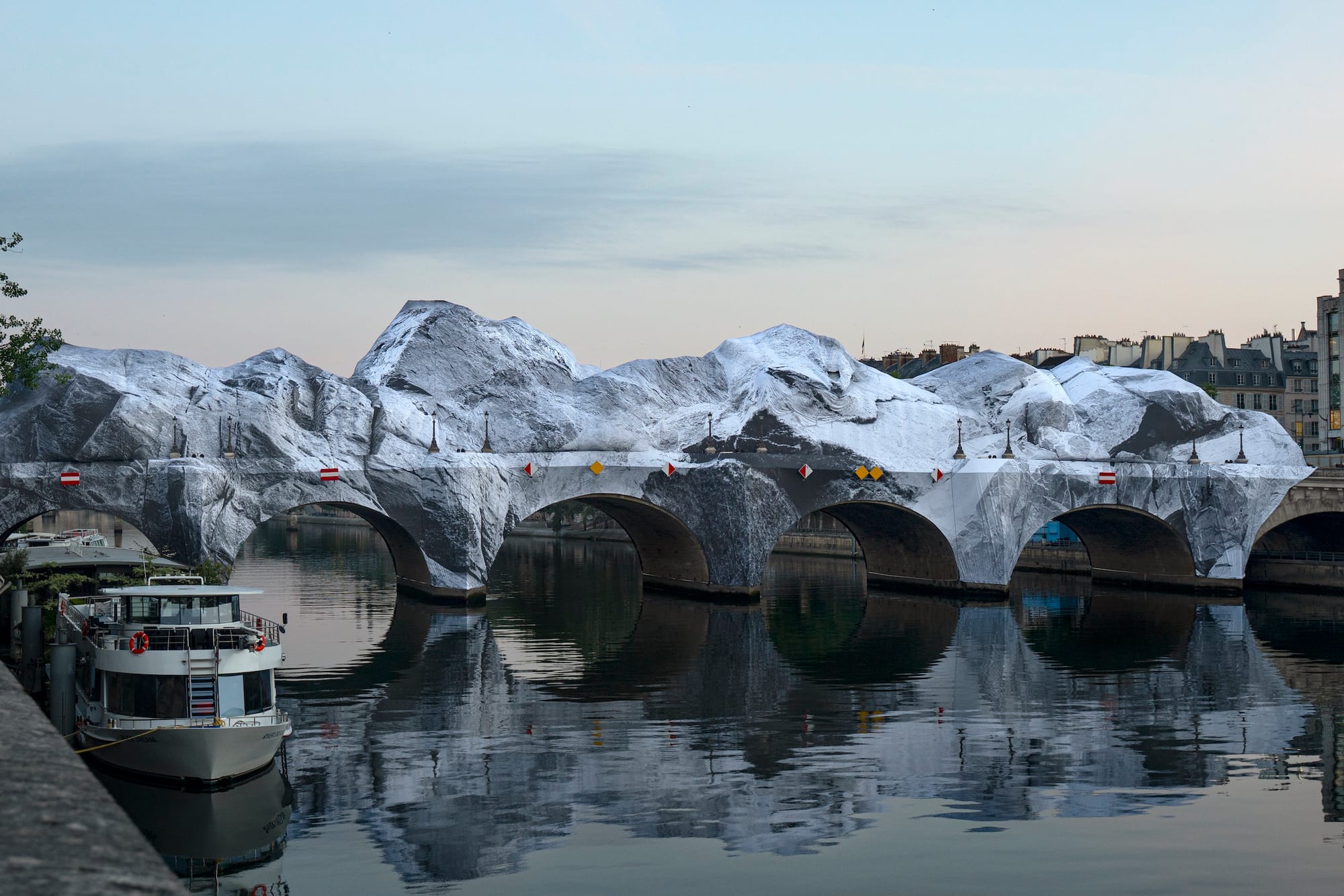
This week's Required Reading roundup from Hyperallergic covers a diverse range of art-world stories. French photographer JR has unveiled "La Caverne du Pont Neuf Paris" (2026), an optical illusion installation that transforms the pathway across the Seine into a black-and-white mountain range cave, paying homage to Christo and Jeanne-Claude's 1985 wrapping of the same bridge. Other highlights include architecture scholar Karrie Jacobs investigating a New York waterfront walking initiative for The Nation, curator Tara Contractor writing in Apollo about James McNeill Whistler's use of metallic pigments influenced by Japanese traditions, and Rob Corsini interviewing Amelia Abraham about their new book celebrating photography of queer nightlife for Dazed.

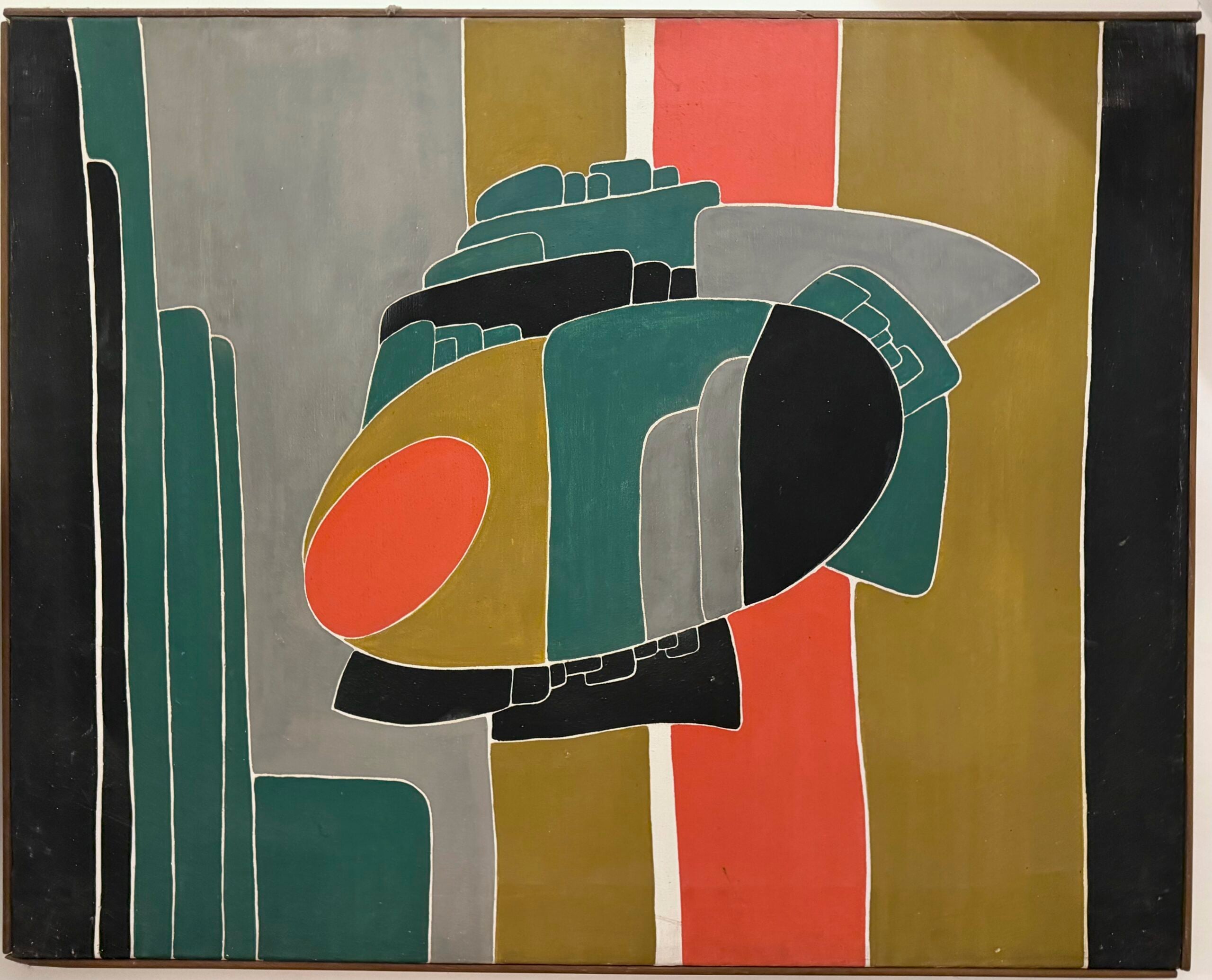
The Forgotten of Art: The Story of Artist Valeria Alberti

I dimenticati dell’arte. La storia dell’artista Valeria Alberti

Valeria Alberti (1930-2011), a courageous, rebellious, and nonconformist Italian artist, had a brief but intense career before disappearing from the art world. Recent research by scholar Manuel Barrese reconstructs her trajectory as the only woman in a circle of artists and intellectuals around poet Emilio Villa and the Galleria Appia Antica. Alberti debuted in 1957 alongside Alberto Sartoris, collaborated with ceramist Mario Molli, and created painted panels for the transatlantic liners Leonardo Da Vinci and Michelangelo. She exhibited at Galleria Ferro di Cavallo and Galleria Azimuth, and received Piero Manzoni's Certificate of Authenticity No. 26 in 1961. Her later work included geometric metal sculptures, but she ultimately vanished from the art scene.

Step Aboard the Superyacht Circling This Year’s Cannes Film Festival

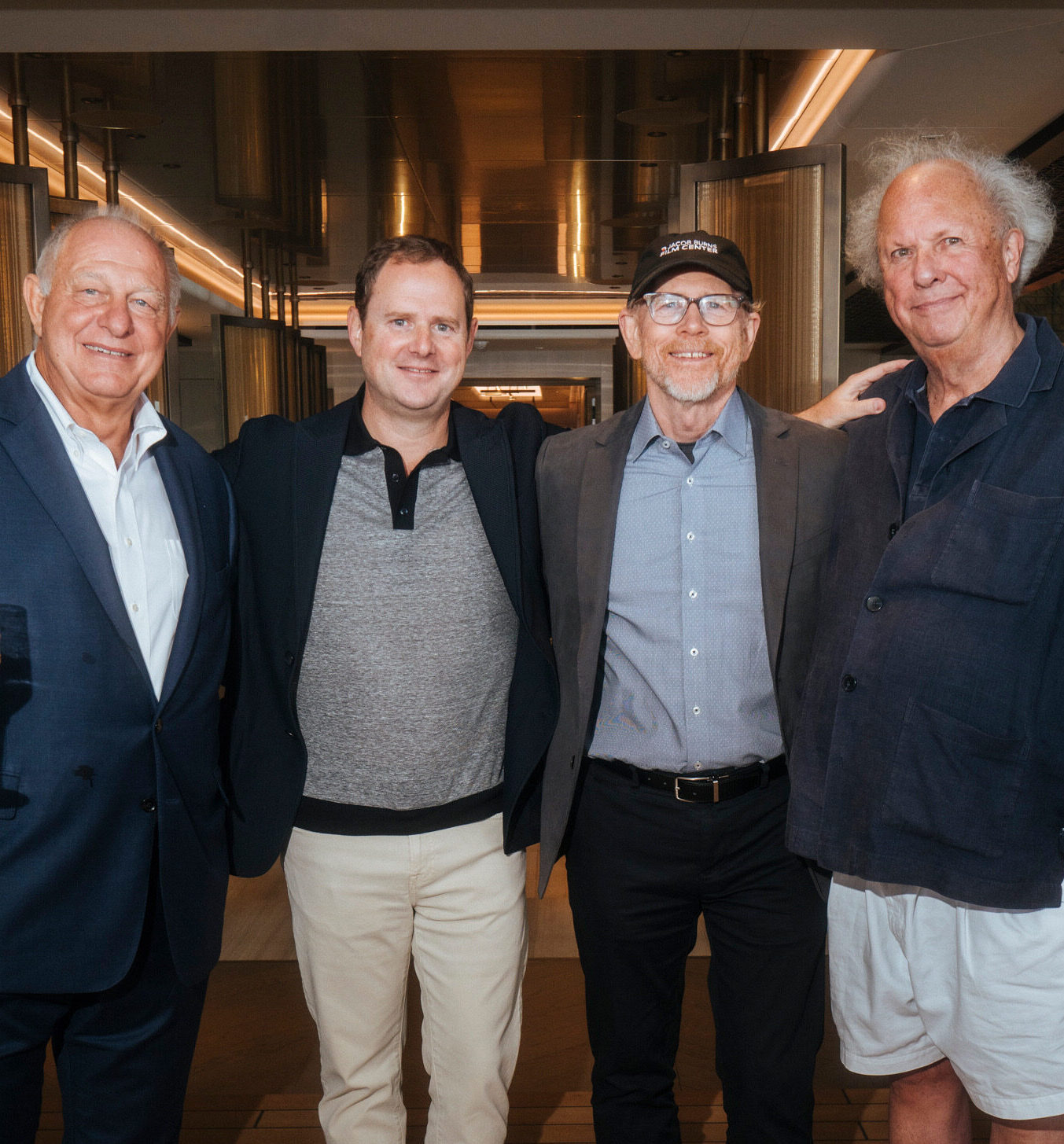
Over the weekend of the Cannes Film Festival, director Ron Howard premiered his documentary *Avedon*, which traces photographer Richard Avedon's rise from a working-class Jewish immigrant background to a defining chronicler of American culture. The film received a second life aboard the Renaissance superyacht with a party hosted by editor Graydon Carter, Ancient chairman and CEO Alexander Klabin, and Burgess chief executive John Beckett. Guests included actors Natasha Lyonne and Rosemarie Dewitt, photographer Jean Pigozzi, model Eddie Mitsou, Avedon's grandchildren Michael, Matthew, and Caroline Avedon, and producers Courtney Kivowitz, Sara Bernstein, Darcie Reisler, Dallas Rexer, Chris St. John, and Justin Wilkes. The after-hours cocktail allowed attendees to relive the film's most impactful scenes while mingling with the producers and the photographer's family.

Two Major Architecture Firms Aim to Revolutionize Rome Over the Next 25 Years

Due grandi studi di architettura puntano a rivoluzionare Roma nei prossimi 25 anni

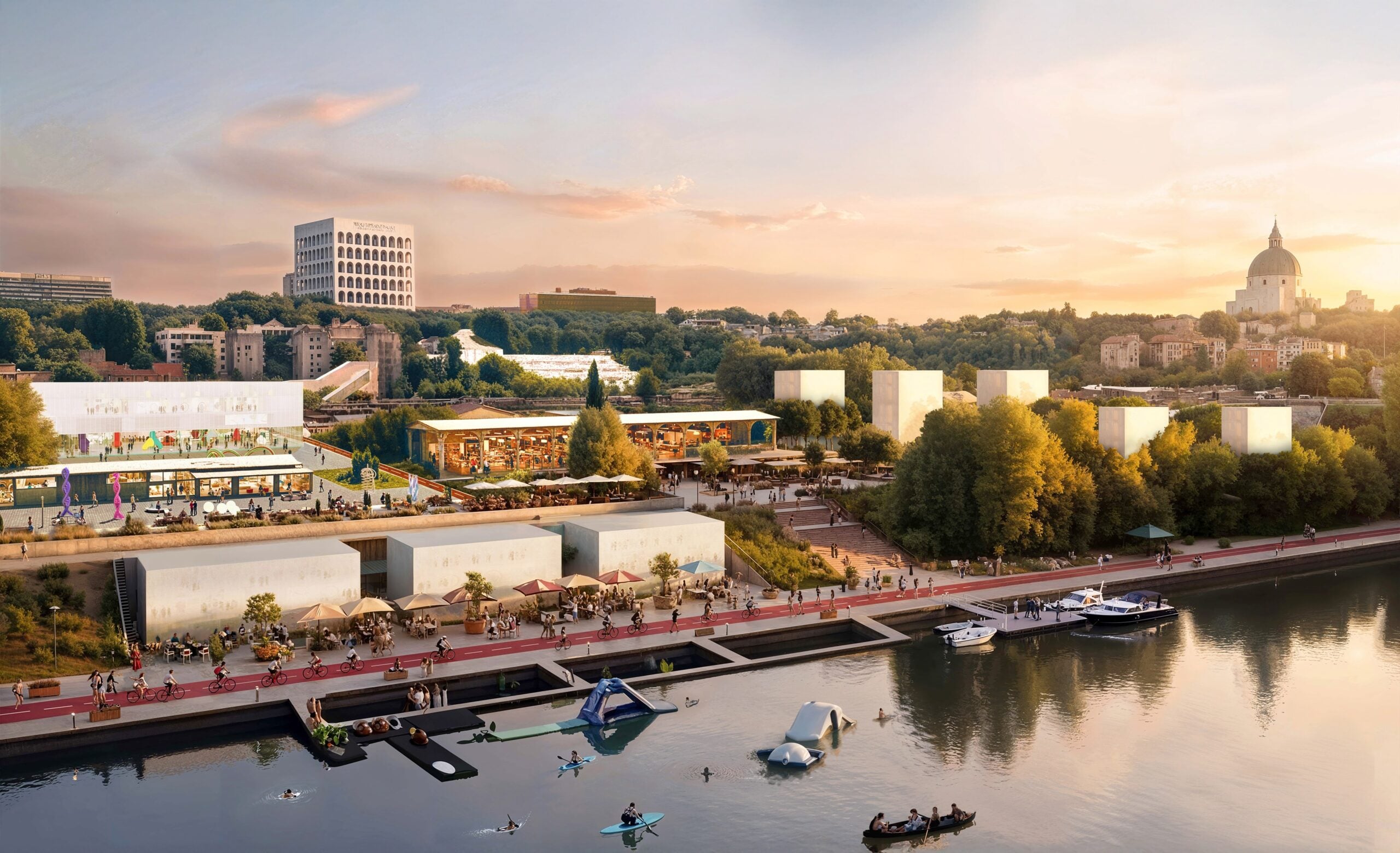
A multidisciplinary team led by Italian architecture and urban planning firm IT'S and Dutch firm OMA has won the international ideas competition "Vision for Rome," promoted by the Fondazione Roma REgeneration. Their project, "Roma Continua," was presented at the Auditorium della Tecnica di Confindustria during the second ROMA REgeneration FORUM. The proposal aims to rethink Rome over the next 25 years through a paradigm shift in urban, social, and cultural planning, envisioning the city as a living ecosystem. It is based on five guiding principles—care, beauty, knowledge, movement, reuse, and grafting—and includes five green corridors anchored to the Tiber River, "Fori dell'innovazione" (innovation forums), and a continuous mobility network. The project also seeks to reduce tourist pressure on the historic center by creating new cultural itineraries and sustainable transport links.

Le dimore storiche sono il più vasto e straordinario museo diffuso d’Italia. Una giornata per celebrarle

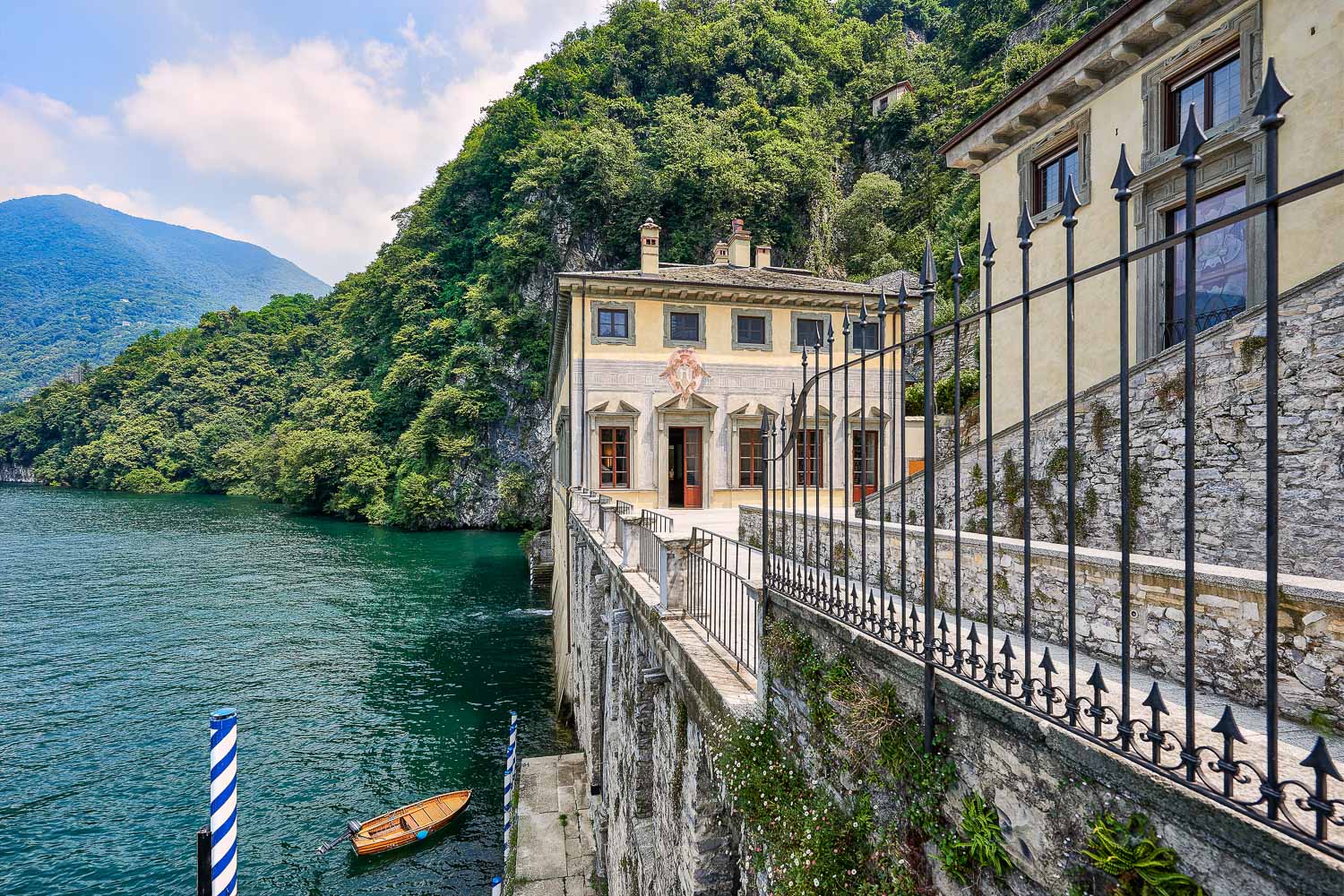
On Sunday, May 24, 2026, Italian historic homes will open their doors free to the public as part of the 16th National Day promoted by ADSI – Associazione Dimore Storiche Italiane. The 2025 edition involved over 500 properties and more than 250,000 visitors, highlighting the widespread cultural heritage across Italy. The article argues that this event is not merely cultural or tourist-oriented but raises broader questions about the future of Italy's fragile territories and the need for a cohesive national strategy for territorial rebalancing.