filter_list Showing 7 results for "Newton" close Clear
search
dashboard All 58 museum exhibitions 27trending_up market 12article culture 7article news 5article local 4person people 2candle obituary 1
date_range Range Today This Week This Month All
Subscribe

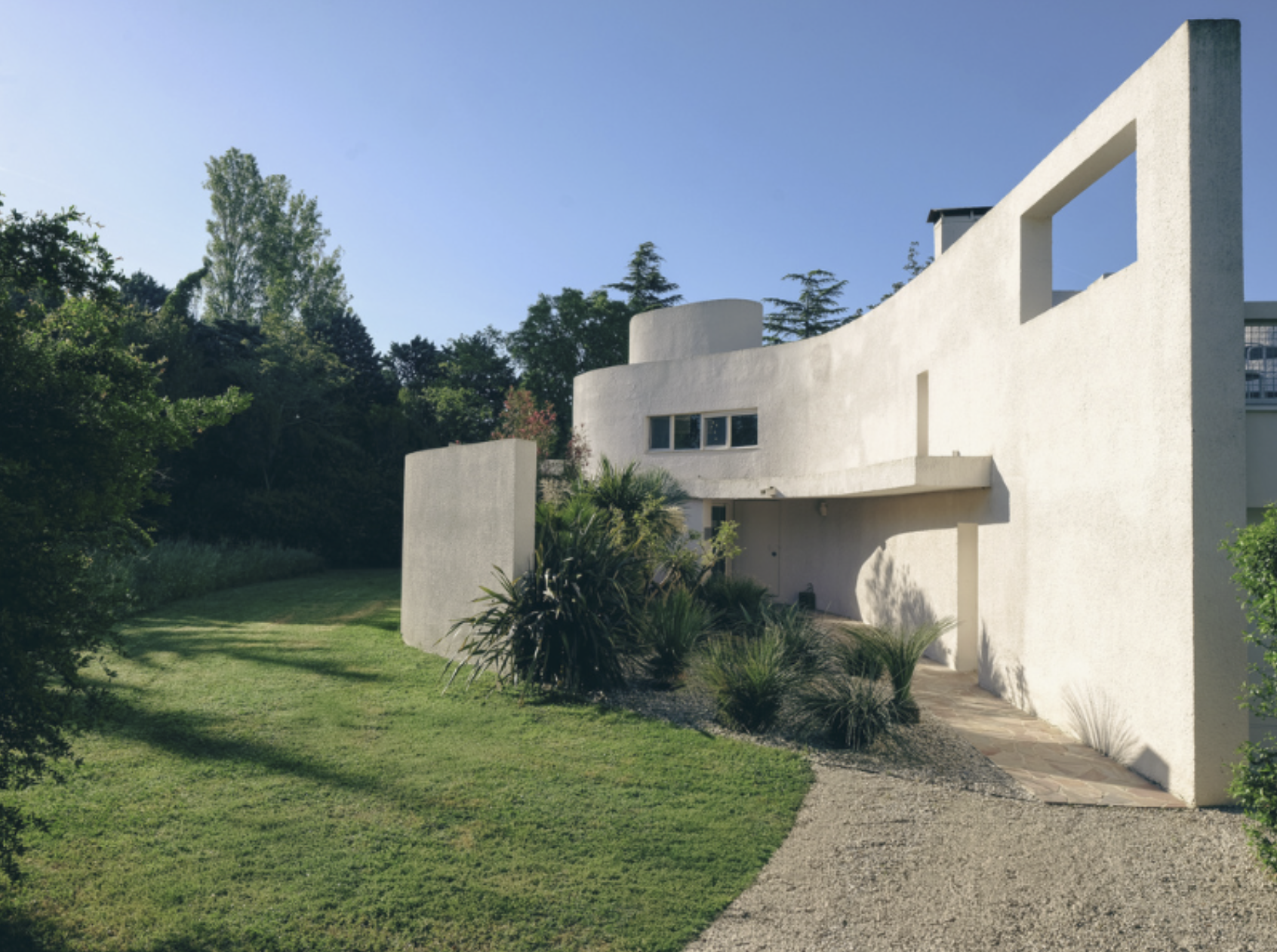
A pop-up hotel format is born that focuses on culture: starting in an architecture in Arles, France (with photos by Carla Sozzani)

Nasce un format di hotel pop up che punta sulla cultura: si inizia in un’architettura di Arles in Francia (con le foto di Carla Sozzani)

Luca Pronzato, founder of the pop-up restaurant platform We Are Ona, is launching a new itinerant hospitality concept called Casa Ideale. The first edition will take place from July 1–10, 2026, at Villa Bank, a 1970s villa near Arles, France, designed by Emile Sala and protected as a Remarkable Contemporary Architecture by the French Ministry of Culture. Guests will stay in the villa and dine at a restaurant run by chef Gil Nogueira, while the space also hosts a photography exhibition titled "Prologo" curated by Maddalena Scarzella for Fondazione Sozzani, featuring over 60 works from Carla Sozzani's archive by artists such as Urs Lüthi and Helmut Newton, alongside design pieces from the gallery Downtown+ by Luna Laffanour.
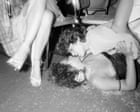
Stripteases, ecstatic embraces and a dog in a dress: the full-on photos celebrating queer dancefloors worldwide

A new photo book titled *Sex, Clubs, Dissent: Visualising Queer Nightlife*, edited by writer Amelia Abraham, collects photographs from the 1960s to today that document queer nightlife around the world. The anthology features works by artists such as Wolfgang Tillmans, Sunil Gupta, Kia LaBeija, Phyllis Christopher, Roxy Lee, Ajamu X, and Del LaGrace Volcano, alongside images from trans community archives in Mexico City and Buenos Aires. The book is organized into sections on sex, clubs, and dissent, and includes a range of media from film stills to a Grindr screenshot, aiming to capture the messy, sexy, and politically charged atmosphere of queer social spaces.

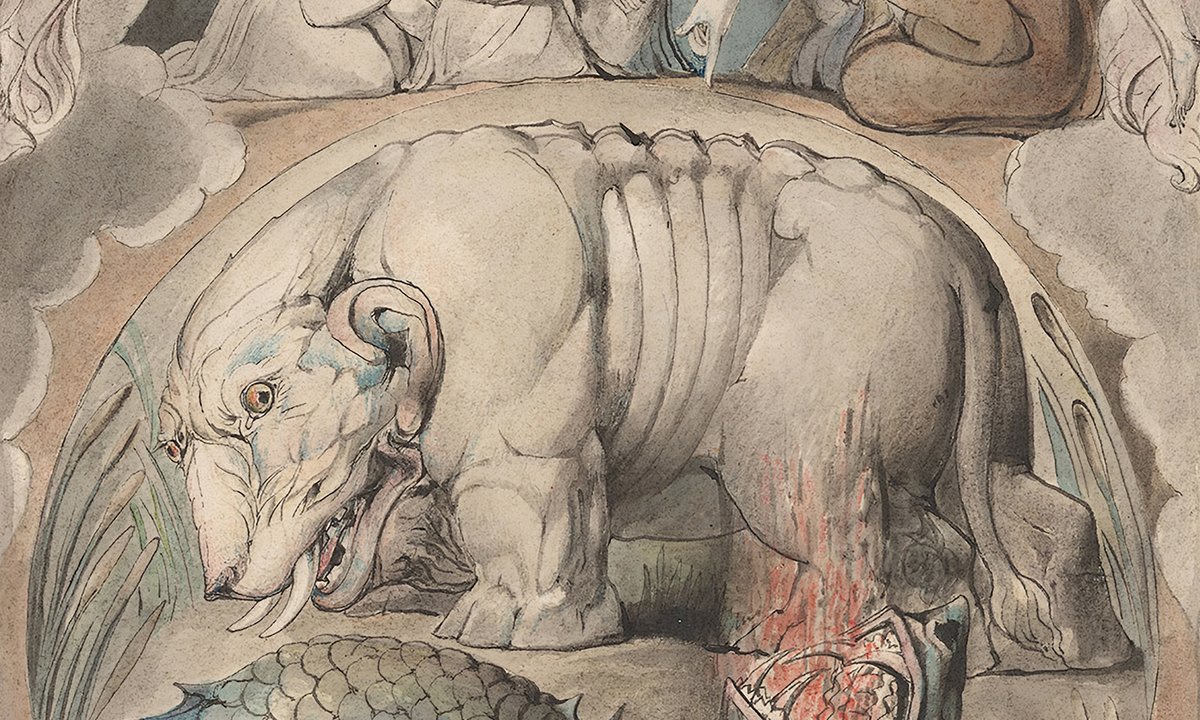
New book offers a suitably poetic vision of Blake and his legacy

A new book titled "William Blake and the Sea Monsters of Love" by biographer and critic Philip Hoare explores the life and work of William Blake, focusing on the three years the artist spent in Felpham, a coastal village in England, starting in 1800. Hoare argues that the ocean profoundly influenced Blake's art and poetry, using the sea as a metaphor to examine Blake's visionary prints, poems like "Milton," and his androgynous, fluid figures. The book also weaves in a cast of other historical figures—including Herman Melville, Paul Nash, and Nancy Cunard—whom Hoare dubs "sea monsters" for their rebellious, queer, and amphibious spirits.

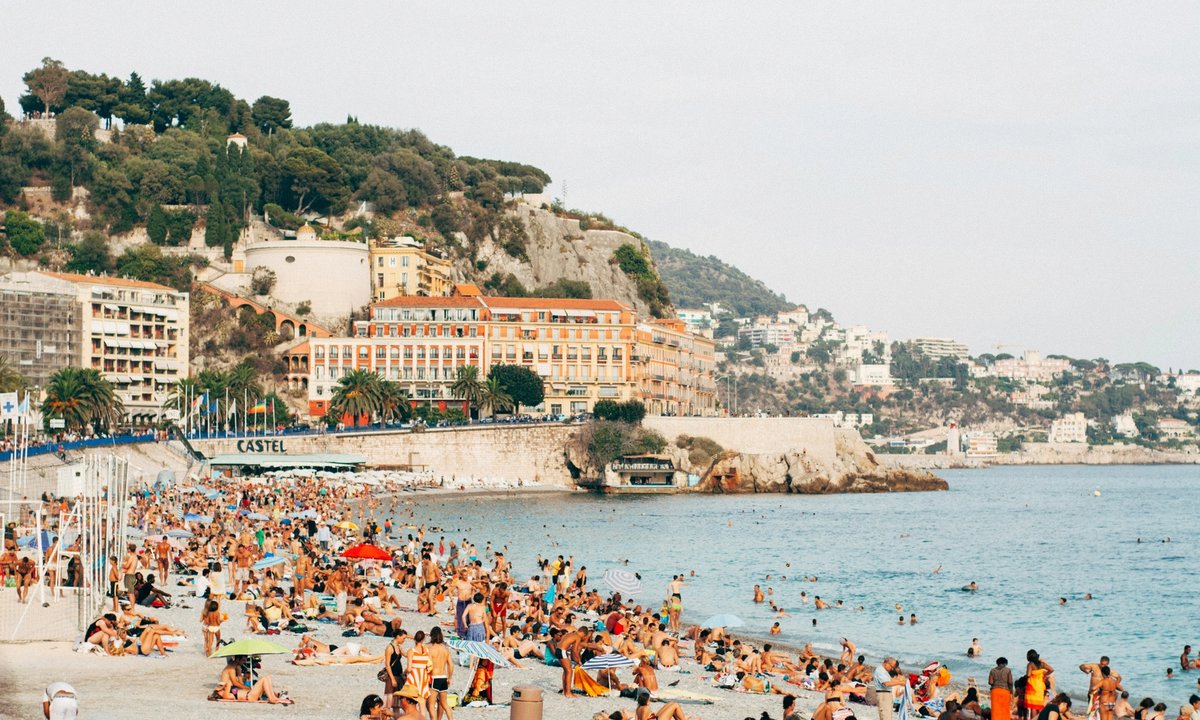
Ten essential works of art to see on the French Riviera

The article highlights ten essential artworks to see on the French Riviera, tracing the region's artistic heritage from the 19th century to the present. It features works by Paul Signac, Henri Matisse, Ludovico Brea, and others, housed in museums such as the Musée de l'Annonciade in Saint-Tropez and the Musée Matisse in Nice, with historical context on how artists like Renoir, Picasso, and Chagall were drawn to the area's light and atmosphere.

Space: the ultimate wardrobe challenge – in pictures

Thames and Hudson has released Space Journal: The Art and Science of Cosmic Exploration, a new visual compendium curated by BBC presenter Dallas Campbell. The book chronicles humanity’s aesthetic and technical obsession with the cosmos, featuring a diverse array of archival imagery ranging from 17th-century illustrations and 1930s rocket experiments to high-fidelity spacesuit replicas and mid-century astronomical art.

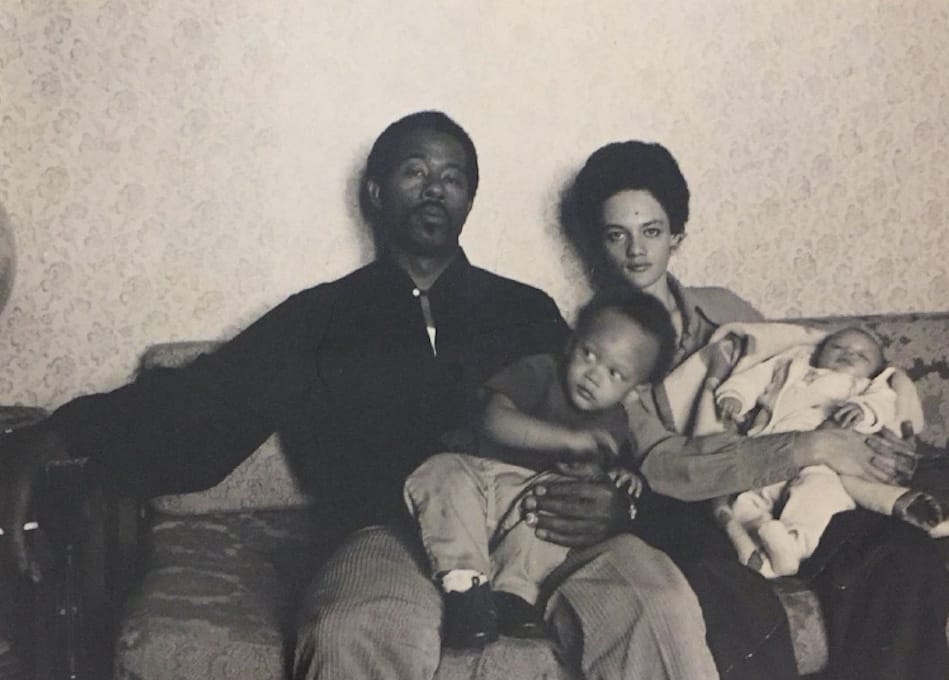
Inside a Black Panther Family Album

Scholar Leigh Raiford examines the personal family archives of Black Panther Party leaders Kathleen and Eldridge Cleaver, specifically focusing on photographs taken during their period of exile in the 1970s. The analysis centers on how domestic objects, such as a zebra-print carver chair and various African artifacts, transitioned from private household items to iconic symbols of Black Power and cultural nationalism in the public sphere.

Belfast’s murals are an open-air gallery of history and art

Belfast's murals, long used as tools of political expression and territorial marking during the Troubles, are gradually changing. Research shows that three-quarters of the most intimidatory murals in the loyalist Shankill area have disappeared since 1998. Newer murals commemorate figures like Queen Elizabeth II and King Charles III, while non-sectarian artistic murals—including tributes to murdered journalist Lyra McKee—are appearing across the city. However, some paramilitary-linked murals persist, and a 2024 incident saw a wall in north Belfast rebuilt and its threatening imagery repainted, reflecting ongoing tensions and the complex politics of 'conflict transformation' funding.