filter_list Showing 17 results for "OBR" close Clear
search
dashboard All 244 museum exhibitions 125article news 29trending_up market 19person people 19article culture 17article policy 12candle obituary 9article local 8rate_review review 6
date_range Range Today This Week This Month All
Subscribe

an infamous rembrandt makes a cameo in the new knives out

A reproduction of Rembrandt's stolen masterpiece, *Christ in the Storm on the Sea of Galilee* (1633), appears in the new Netflix film *Knives Out: Wake Up Dead Man*. The painting, one of 13 works stolen from Boston's Isabella Stewart Gardner Museum in 1990, is seen briefly in a character's study. The museum confirmed the use was not a collaboration, noting the image was used without permission.
All we want for Christmas: The Art Newspaper 2025 gift guide

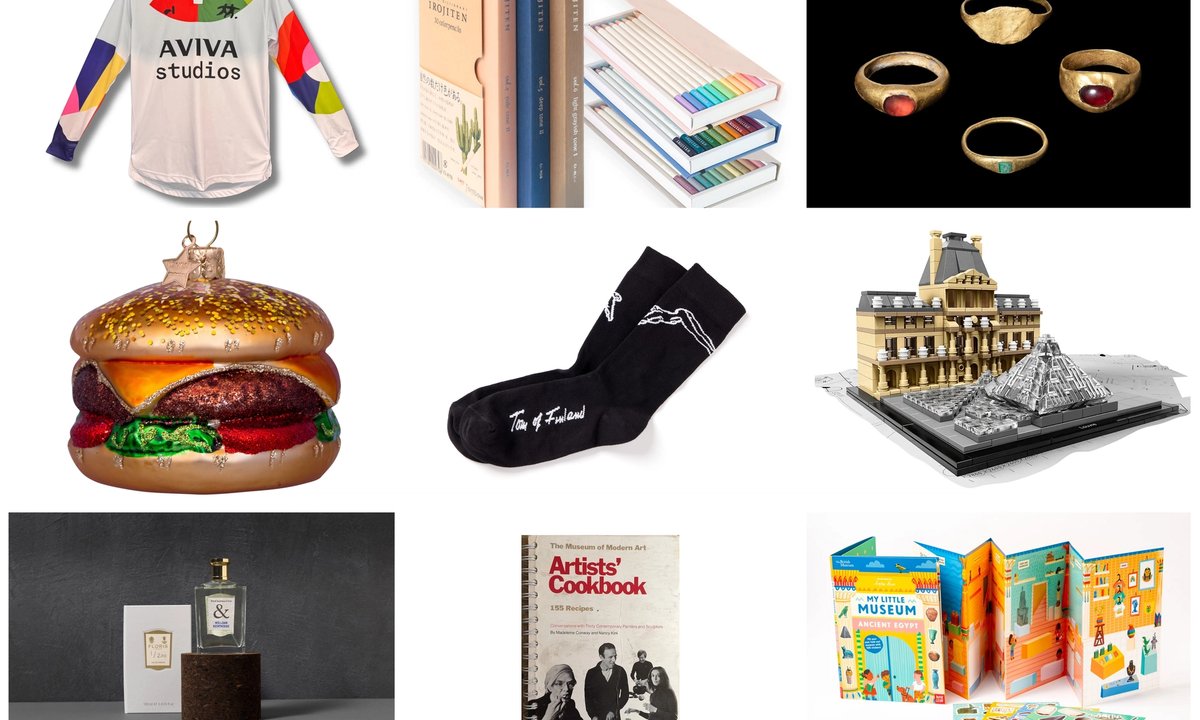
The Art Newspaper has published its 2025 Christmas gift guide, featuring a curated selection of art-related presents. Suggestions include art supplies from London's historic L. Cornelissen & Son, Japanese Irojiten color pencils, and cookbooks like "The Kitchen Studio: Culinary Creations by Artists" and the out-of-print "The Museum of Modern Art Artists' Cookbook." The guide also includes fantasy gift lists from Frieze and Art UK, with items such as Alexander Calder playing cards and a Tom of Finland cushion from House of Voltaire, alongside more unusual ideas like a sponsorship deal for a Victorian loo or a Lego Louvre heist set.

What does winning an arts prize really mean?

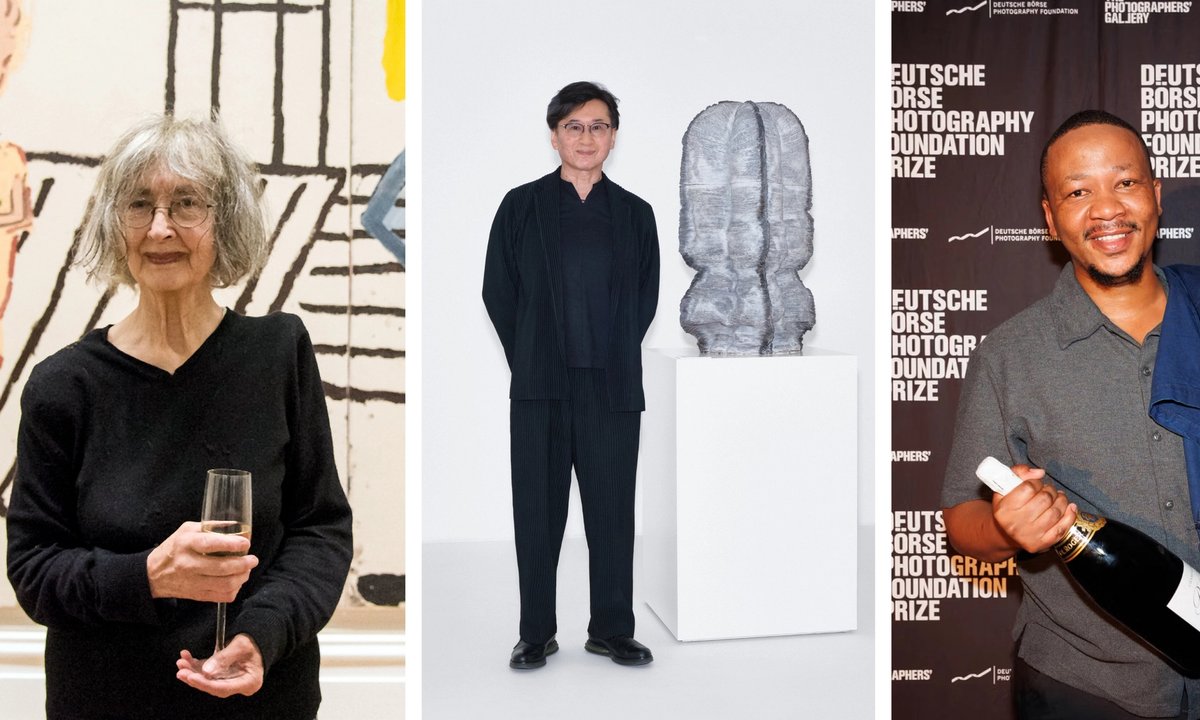
The article examines the history and impact of major art prizes, including the Turner Prize (established 1984), the John Moores Painting Prize (nearly 70 years old), and the Loewe Foundation Craft Prize (annual award). It traces the origins of art prizes back to 19th-century Paris salons and highlights how these awards provide cash, recognition, and career acceleration for artists. Specific examples include Rose Wylie, who won the John Moores Prize at age 80 and later joined David Zwirner and secured a Royal Academy solo show, and Samuel Ross, who used his Hublot Design Prize winnings to start his own company.

Luca De Michelis, chief executive of Marsilio Arte, on his favourite spots in Venice beyond the Biennale

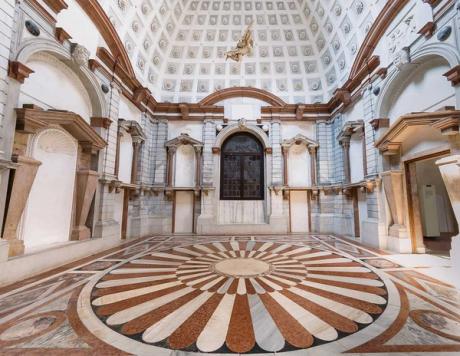
Luca De Michelis, CEO of Marsilio Arte, shares his personal guide to Venice beyond the Biennale, highlighting historic sites, shopping, dining, and cultural venues. His recommendations include Palazzo Grimani, Micheluzzi Glass, the Gardens of the Church of the Redeemer on Giudecca, Antiche Carampane restaurant, the newly opened Dries Van Noten Foundation, San Giorgio Maggiore island, Codroma for spritz, and the upcoming exhibition 'Strange Rules' at Palazzo Diedo’s Berggruen Arts & Culture.

curators reveal their favorite artworks of all time

Artnet News asked leading curators and museum directors to share their favorite artworks of all time. Connie Butler of MoMA PS1 chose David Hammons's "Bliz-aard Ball Sale" (1983), praising its connection from Duchamp to AI. Julieta Gonzalez of the Wexner Center selected Hans Holbein the Younger's "The Ambassadors" (1533), highlighting its anamorphic skull as a metaphor for viewing modernity from the margins. Madeleine Grynsztejn of MCA Chicago picked Francisco Goya's "A Pilgrimage to San Isidro" (1819–23) from his Black Paintings cycle, calling it a metaphor for fanaticism.

Sex Dreams, Piss Takes, and Fake Trends: A Week in the NY Art World With Domenick Ammirati

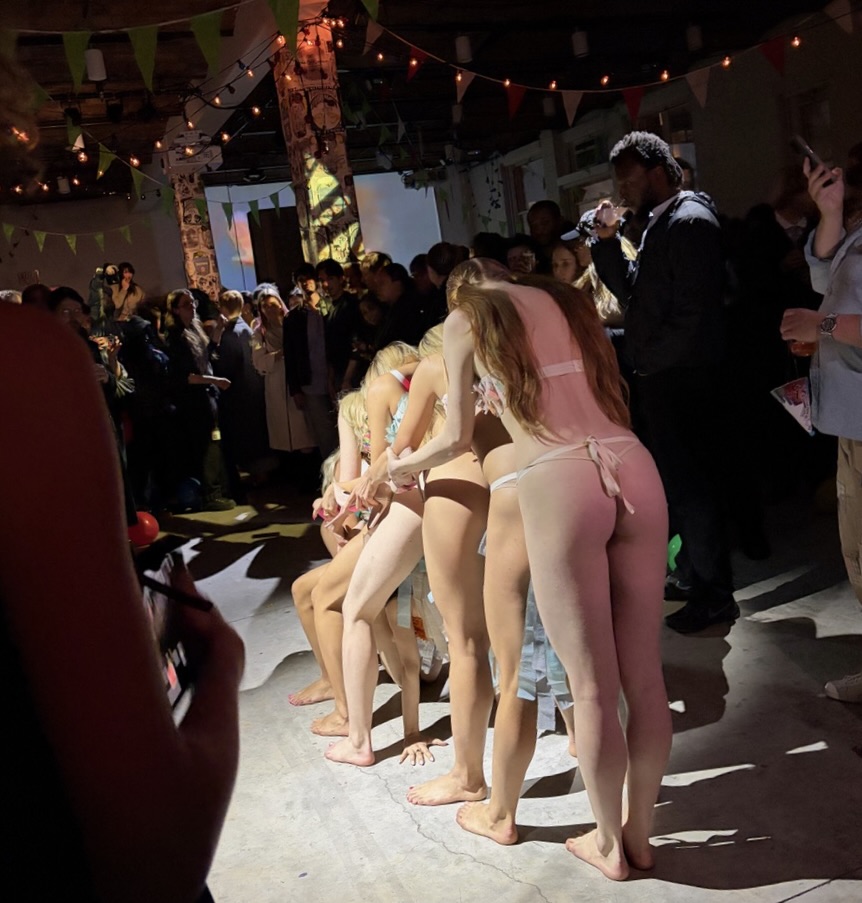
Domenick Ammirati returns to New York after a year-long writing residency in Siena and Provincetown to cover the spring art fairs, including Frieze New York 2026. He observes a notably calm art week, attributing the subdued atmosphere to the fair's proximity to the Venice Biennale, which left key players exhausted. Highlights include a Rei Kawakubo installation at Independent, Gucci's Cruise show in Times Square, and MoMA PS1's 50th anniversary gala, where he mingles with curator Jody Graf and spots Klaus Biesenbach.

Global Art Biennials: Renovation, Revelation—or Repetition?

The article examines the current state of global art biennials, arguing that recent controversies—such as the 2022 documenta antisemitism crisis and geopolitical tensions at the 61st Venice Biennale—reveal these exhibitions as deeply politicized platforms rather than neutral cultural events. It highlights how juries and curators have introduced geopolitical criteria, and cites ongoing debates in Artforum (April 2026) featuring voices like Daniel Birnbaum, Michelle Grabner, and Adam Szymczyk, who diagnose visible tensions but overlook deeper structural conditions.

The Art Diary May 2026 – Revd Jonathan Evens

The article titled "The Art Diary May 2026 – Revd Jonathan Evens" appears to be a diary or column by Revd Jonathan Evens, published on Artlyst, covering art-related events, reflections, or commentary for May 2026. The specific content is not provided in the snippet, but the format suggests a curated overview of exhibitions, cultural happenings, or personal observations from the author's perspective.

art dasha zhukova ray real estate

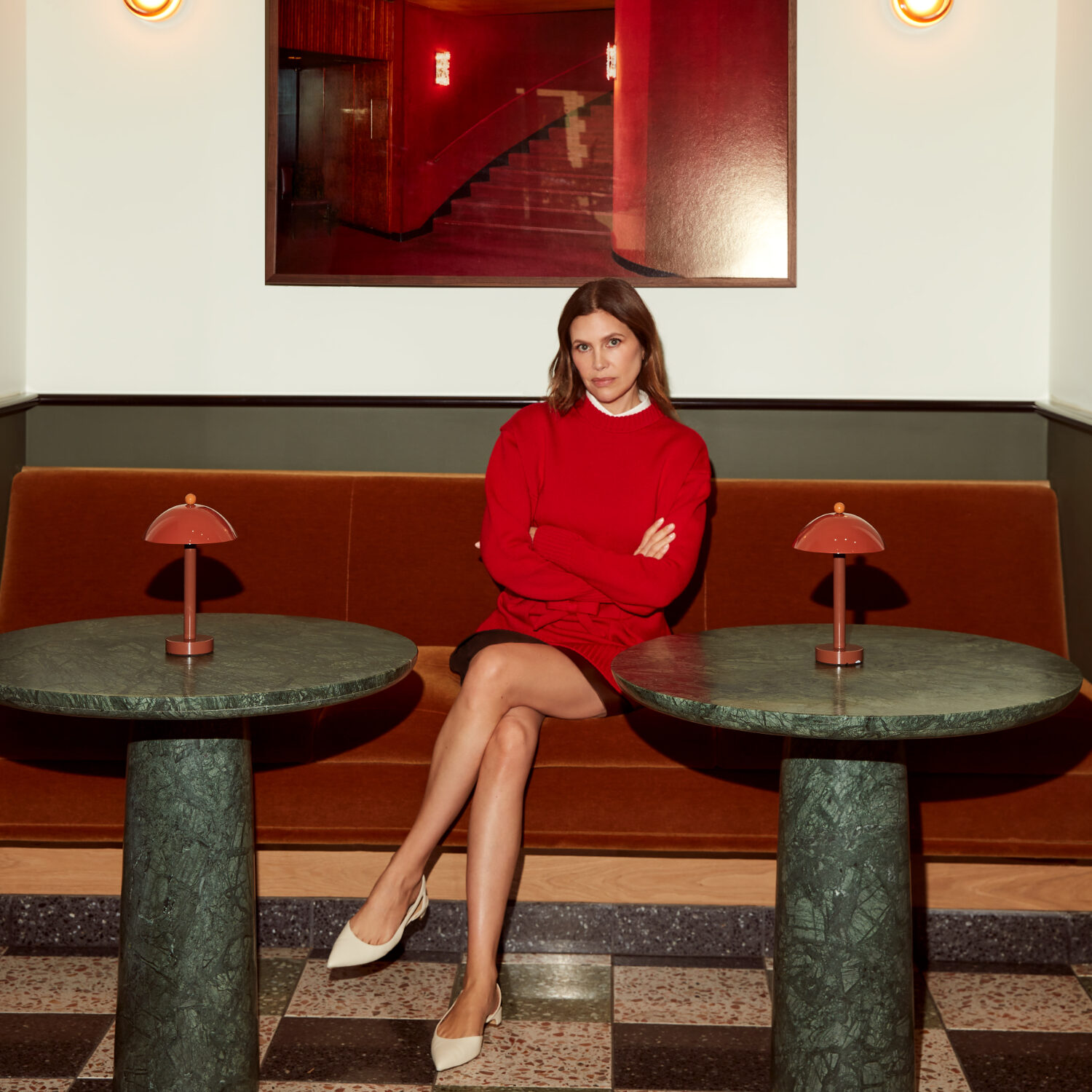
Dasha Zhukova, the former fashion designer, magazine publisher, and museum founder, has launched a new real estate development company called Ray. Its first project, Ray Harlem, is a 21-story residential building on Fifth Avenue in Harlem, built in collaboration with the National Black Theatre (NBT). The development replaces NBT's original building and integrates a 27,000-square-foot theater as its centerpiece, with 222 apartments above, a quarter of which were offered through an affordable housing lottery. The building features site-specific commissioned artworks by emerging Black artists such as Jurell Cayetano, Freddy Carrasco, Nikko Washington, and Ellon Gibbs, and was designed by Frida Escobedo Studio with Handel Architects.

What Art Can Do

A conversation between German author and filmmaker Alexander Kluge and curator Hans Ulrich Obrist, originally published in 2017, has been republished following Kluge's recent death at age 94. The dialogue explores the unique capacities of different art forms, the need for interdisciplinary collaboration, and the role of art as an "oasis" or "garden" within an overwhelming technological landscape.

Primitivism to Reinvent Art

Le primitivisme pour réinventer l’art

Philippe Dagen has published the third and final volume of his series on primitivism, covering the period from World War II to the late 1970s. The book traces how Western artists, from Barnett Newman and Jackson Pollock to members of the CoBrA movement and figures like Jean Dubuffet, Lucio Fontana, and Yayoi Kusama, engaged with so-called "primitive" art from Africa, Oceania, and the Americas, often as a means of rejecting or redefining modern civilization. Dagen also examines the intellectual debates surrounding primitivism, including the critiques of colonized peoples who refused the label "primitive," and the shifting attitudes of thinkers like Claude Lévi-Strauss, Michel Leiris, and Aimé Césaire.

literature art magma bottega veneta

The third edition of the art journal Magma, titled “Archive of the Future,” has been published, featuring over 100 previously unpublished works and texts from artists, filmmakers, and musicians. Highlights include voice memos by Charles Ray, Polaroids by Jonas Mekas from a 1971 Fluxus dinner with Yoko Ono and John Lennon, selections from Jean-Luc Godard’s archive, a text by Patti Smith, and contributions from Precious Okoyomon and Pol Taburet. The 388-page volume, backed by Bottega Veneta and edited by Paul Olivennes, includes a foreword by Hans Ulrich Obrist and will be accompanied by exhibitions at Tramps gallery in London and Forma in Paris.

What Remains of Democracy? The Answers of Contemporary Art

Che cosa resta della democrazia? Le risposte dell’arte contemporanea

The article is a cultural essay examining how contemporary art reflects and responds to the perceived global crisis of democracy. It argues that recent socio-political accelerations—including rising nationalism, wars, and unchecked capitalism—have eroded the substantive content of democracy, reducing public space to an extension of individual, screen-mediated identity.

"Gesundheitseffekt der Künste auf biologischer Ebene"

A roundup of art news covers multiple stories: Stefan Trinks criticizes Berlin's 'MuseumsMeileMitte' as a symptom of urban and cultural misdevelopment, where museums are co-opted by real estate marketing. At the Venice Biennale, the German Pavilion by Henrike Naumann and Sung Tieu explores East German identity and post-reunification trauma, while Patti Smith performed a 'sonic prayer' at the Vatican Pavilion curated by Hans Ulrich Obrist and Ben Vickers. A study from University College London suggests regular arts engagement may slow biological aging.

700 Years of Tenochtitlan (again): Mexico honours its pre-Hispanic capital

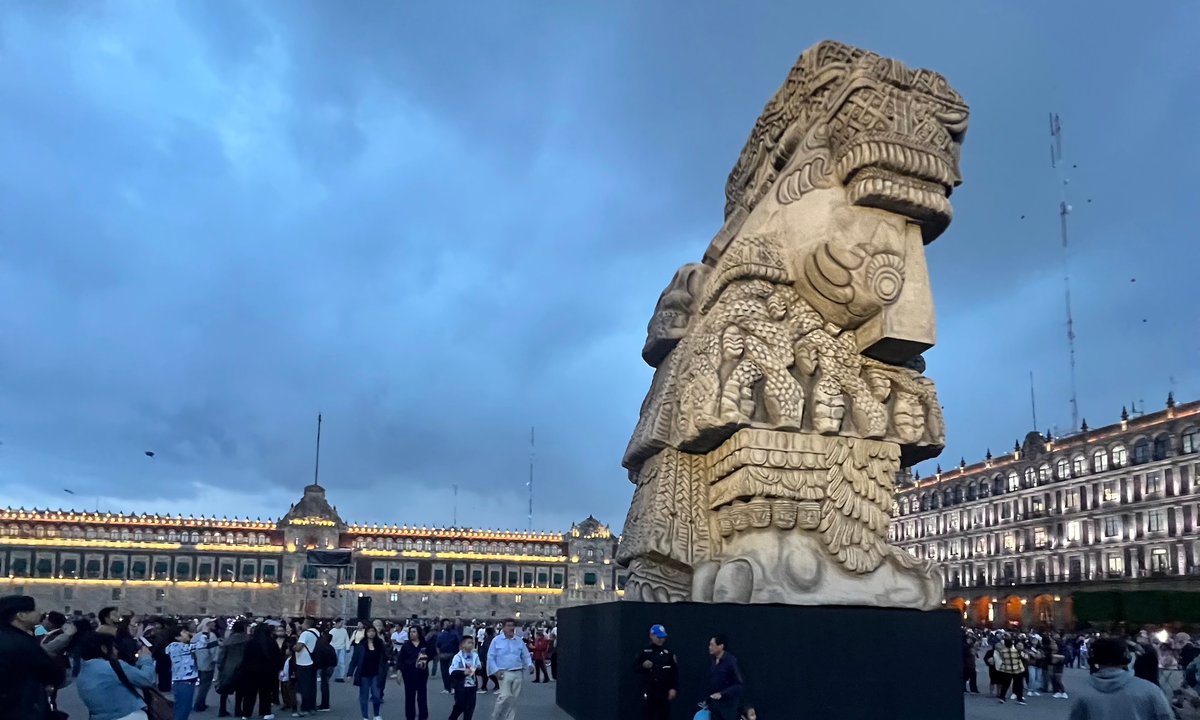
Mexico is commemorating the 700th anniversary of the founding of México-Tenochtitlan with a series of public events including art installations, urban routes, performances, and dances organized by federal and local authorities. The festivities, centered on the Zócalo near the Templo Mayor site, feature large-scale reproductions of Mexica artifacts such as the Aztec Calendar Stone and the Coatlicue statue, along with a video-mapping projection titled "Memoria Luminosa" that narrates the city's history. The celebration follows a similar event in 2021 led by then-president Andrés Manuel López Obrador, which drew criticism for historical inaccuracies and political manipulation.

Torna TAILOR. Ecco come abbonarsi alla newsletter di Artribune sulla cultura del vestire

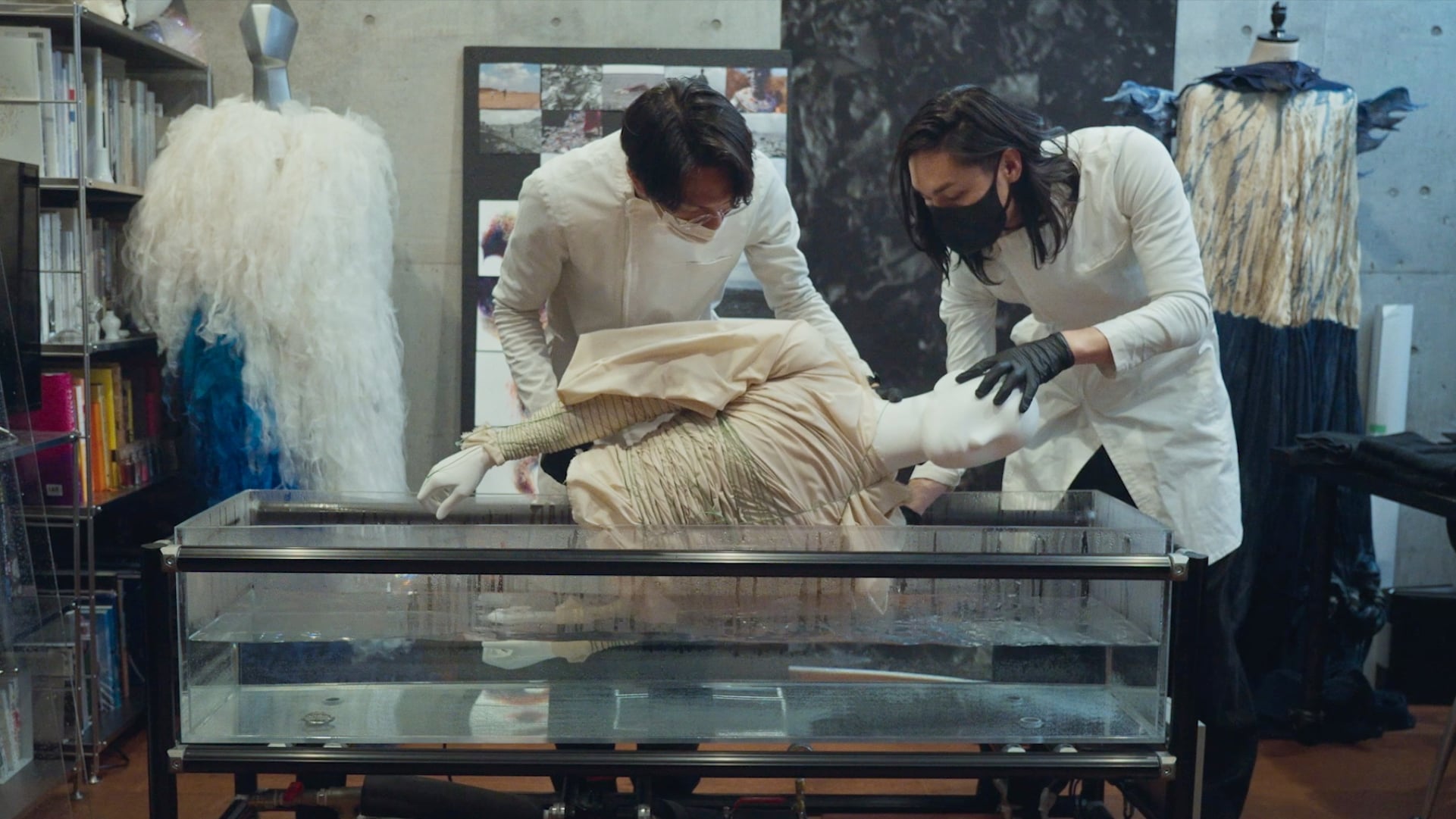
TAILOR, the vertical newsletter from Artribune exploring the intersections of art and fashion, returns on Sunday, May 17, 2026. The upcoming issue focuses on "Science Fashion," an event held from May 13 to 15 at the MACRO – Museo d'Arte Contemporanea di Roma, curated by Dobrila Denegri, which investigates relationships between fashion, science, and new technologies. The newsletter also examines the rapid spread of the non-color white in fashion and design as a response to pandemic, crisis, and geopolitical tensions, offering analytical content for professionals, students, and enthusiasts.

NICOLÁS GÓMEZ ECHEVERRI: “LA TRASCENDENCIA DEL MUSEO ES VULNERABLE A LA IMPOSICIÓN DE MODAS POR PARTE DEL ALGORITMO”

Nicolás Gómez Echeverri, director of the Unidad de Artes y Otras Colecciones at the Banco de la República de Colombia, reflects on the challenges facing museums in Iberoamérica in an interview published for International Museum Day. He oversees institutions including the Museo de Arte Miguel Urrutia (MAMU), the Museo Botero, and the Casa de Moneda. Gómez Echeverri describes the museum as a "radar" that captures decentralized artistic practices and integrates them into collective narratives, while emphasizing the need for mediation, public debate, and long-term cultural projects amid economic constraints and the pressures of digital immediacy.