filter_list Showing 122 results for "One" close Clear
dashboard All 2399 museum exhibitions 1048article news 371article local 226trending_up market 213person people 132article culture 122article policy 112candle obituary 69gavel restitution 49rate_review review 45article event 7article events 3article museum 1article museums & heritage 1
date_range Range Today This Week This Month All
Subscribe

Monet and Van Gogh Masterpieces Hit the Shampoo Aisle

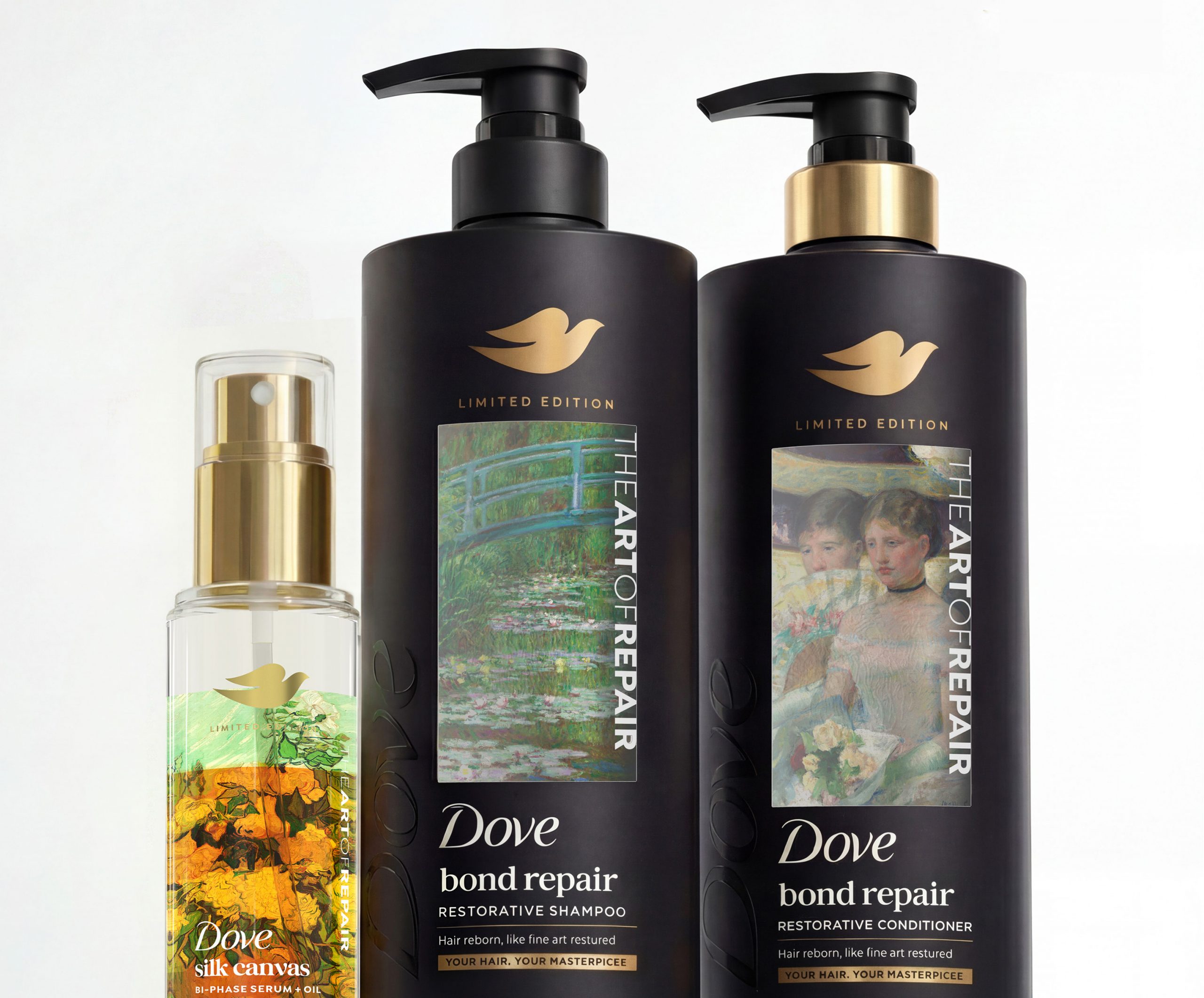
Beauty brand Dove has launched a limited-edition haircare collection called "The Art of Repair" featuring iconic artworks by Claude Monet, Mary Cassatt, and Vincent van Gogh on its product packaging. The shampoo, conditioner, and serum bottles display images of Monet's *The Japanese Footbridge*, Cassatt's *The Loge*, and Van Gogh's *Roses*, drawing a parallel between art conservation and hair repair. The collection is exclusively available at Walmart.
How the New Deal Treated Art as Essential to Democracy

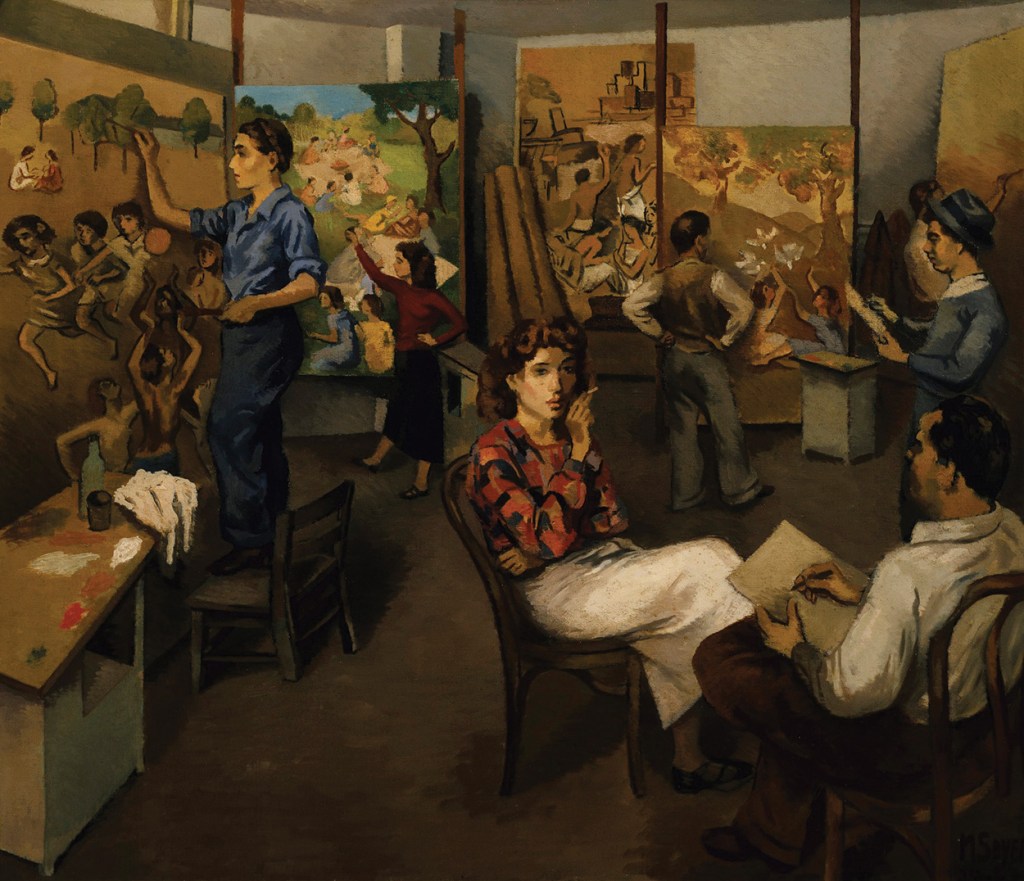
The United States government transformed the role of the artist during the Great Depression by treating art as a vital public resource rather than a private luxury. Between 1933 and 1943, New Deal programs like the Public Works of Art Project (PWAP) commissioned hundreds of thousands of works for schools, libraries, and hospitals, providing 'plumbers' wages' to struggling creators. This federal patronage supported a generation of then-unknown figures, including Jackson Pollock, Mark Rothko, and Alice Neel, while focusing on the 'American scene' to make culture accessible to the general public.

Shoplifting, sex shows and sheepdog-breeding: great artists and the side-hustles they did to get by

The article explores the unconventional and often illicit side jobs that famous artists historically took to support their creative pursuits. It details examples like Jean Genet's specialized book theft, Jean-Luc Godard's pilfering of books and cash, Chantal Akerman's ticket-skimming at a porn theater, and Kathy Acker's simulated sex show performances, highlighting how financial necessity drove them to inventive, sometimes desperate, measures.

The Philosopher Who Predicted Our Post-Literate Art Moment

Art critic Martha Schwendener has released a new book titled 'The Society of the Screen: Vilém Flusser’s Radical Prescience,' exploring the prophetic theories of the late philosopher Vilém Flusser. Flusser, a Prague-born thinker who lived in Brazil and Europe, argued in the 1980s that society was transitioning from a text-based culture to one dominated by 'technical images,' a shift he believed would fundamentally alter human consciousness and the function of the 'apparatus' in daily life.

How to Take Great Photographs of Art, According to Artists

Contemporary gallery-going has become synonymous with digital documentation, as visitors increasingly use smartphones to capture paintings, sculptures, and installations. This shift from passive observation to active photography serves as a method of personal archiving, allowing viewers to preserve the fleeting experience of a physical exhibition and share it within their social circles.

Why Was Sarah Miriam Peale, Pioneering Member of America’s First Art Dynasty, Left Behind?

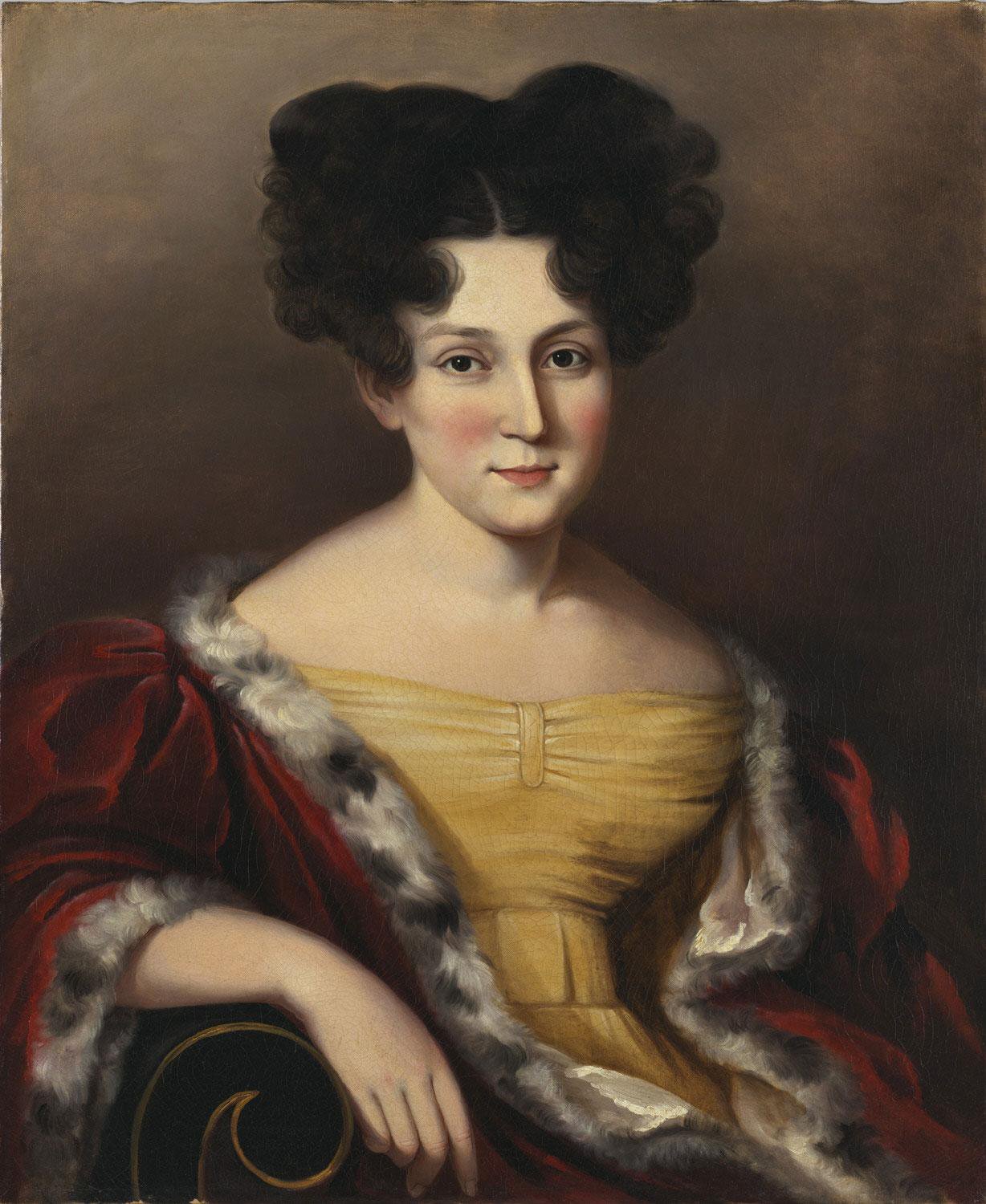
Sarah Miriam Peale, a member of the prominent Peale art dynasty and arguably the first professional woman artist in the United States, is finally receiving long-overdue institutional recognition. Despite a prolific sixty-year career painting portraits of political figures and still lifes in Baltimore and St. Louis, her legacy was largely overshadowed by her uncle Charles Willson Peale and her male cousins. Her independence as an unmarried woman who supported herself entirely through her craft marked a radical departure from the gender norms of the 19th century.

Andrew Lloyd Webber Is Writing a Musical About the Heist that Made ‘Mona Lisa’ Famous

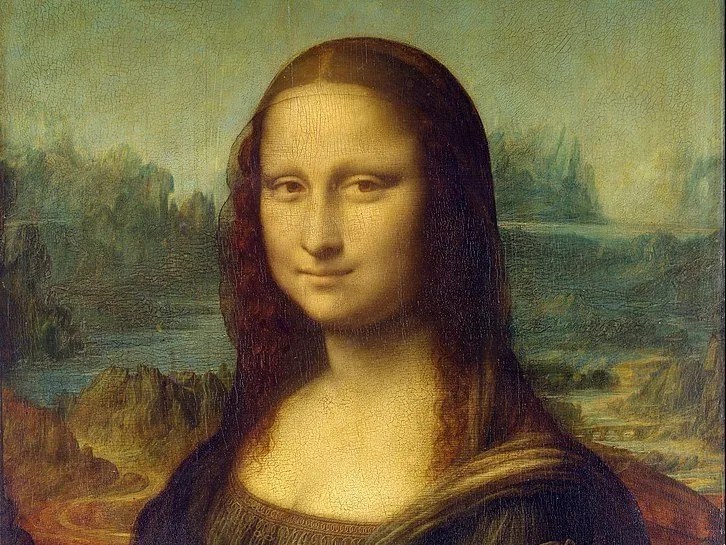
Renowned composer Andrew Lloyd Webber has announced he is developing a new musical centered on the 1911 theft of Leonardo da Vinci’s Mona Lisa. The production will dramatize the true story of Vincenzo Peruggia, a Louvre employee who stole the masterpiece and hid it for two years before it was recovered in Italy. Lloyd Webber revealed the project following the Broadway opening of Cats: The Jellicle Ball, noting that he is beginning the writing process immediately.

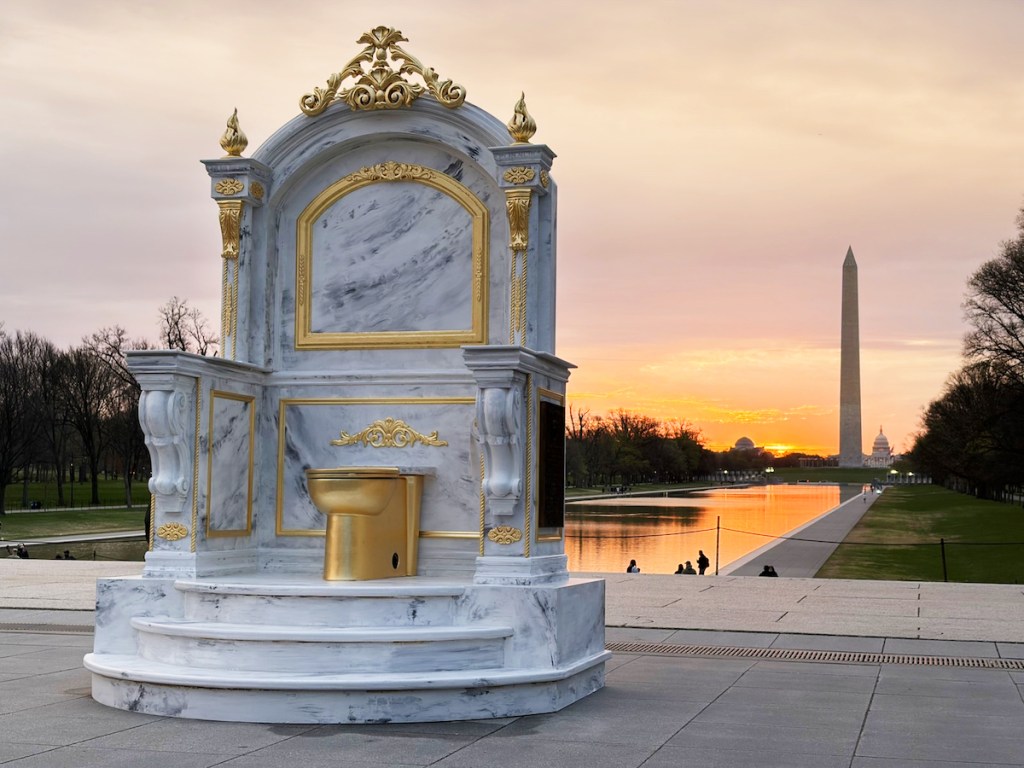
Giant Golden Toilet Sculpture Appears Near Lincoln Memorial in D.C.: ‘A Throne Fit for a King’

An anonymous artist collective known as the Secret Handshake has installed a 10-foot-tall golden toilet sculpture titled 'A Throne Fit for a King' near the Lincoln Memorial in Washington, D.C. The work is a satirical monument to former President Donald Trump's controversial renovation of the White House's Lincoln Bathroom, which he outfitted with gold fixtures during a government shutdown.

In a Historic Kyoto Neighborhood, a New Hotel Channels the Past

A new hotel, the Ace Hotel Kyoto, has opened in the historic Umekoji neighborhood, housed within a renovated 1920s brick building that was once the Kyoto Central Telephone Office. The project, a collaboration between Ace Hotel Group and Japanese developer NTT Urban Development, blends the original structure's industrial character with contemporary design by Kengo Kuma and Commune Design, featuring guest rooms, restaurants, and a gallery space.

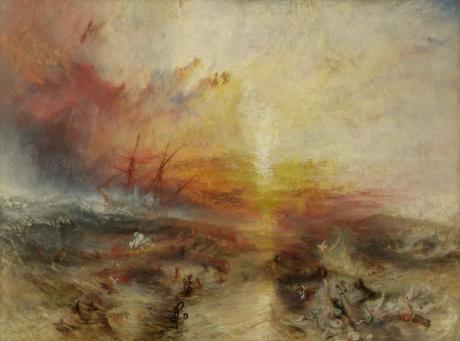
A book exploring the evolution of J.M.W. Turner’s positions on slavery

Art historian Sam Smiles has released a comprehensive new book examining J.M.W. Turner’s complex relationship with the slave trade, expanding on his 2007 discovery of the artist's personal investment in a Jamaican cattle farm that utilized enslaved labor. The research traces Turner’s financial ties from his early patronage by wealthy plantation owners to his own speculative ventures, challenging the long-held perception of the artist as a straightforward abolitionist.

Spring 2026 to Feature New Documentaries, Screenings, Artist Talks, and a New Episode of Art in the Twenty-First Century

Art21 has announced its spring 2026 programming lineup, which includes new documentary premieres, film screenings, artist talks, and the second episode of the 12th season of its flagship series 'Art in the Twenty-First Century.' The season features artists such as Tomás Saraceno, Njideka Akunyili Crosby, Camille Henrot, and Ragnar Kjartansson, and coincides with the series' 25th anniversary.

50 Women Artists You Absolutely Should Know

50 artistes femmes que vous devriez absolument connaître

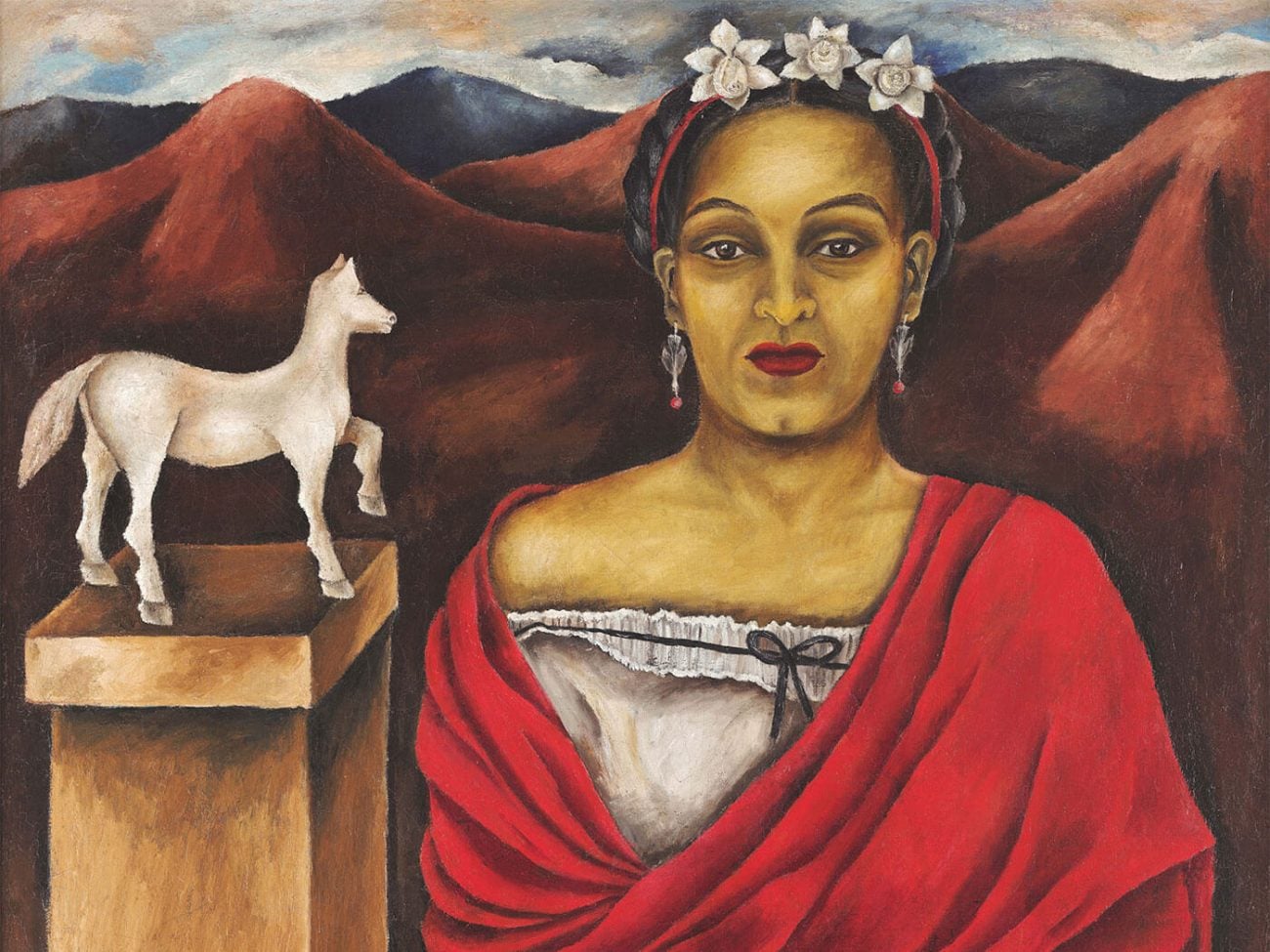
Beaux Arts Magazine is publishing a multi-part series throughout March highlighting 50 historically significant but often overlooked women artists. The series profiles figures like Impressionist painter Marie Bracquemond, whose career was curtailed by her husband, pioneering Spanish photographer Mey Rahola, and Brazilian modernist Tarsila do Amaral, who will be the subject of a major exhibition at the Musée du Luxembourg in 2024.

The story of London's Great Exhibition, as seen through the eyes of artists

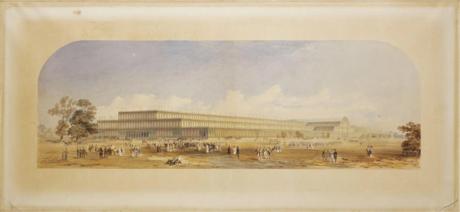
Julius Bryant’s new book, the fourth volume in his history of the Victoria and Albert Museum, re-examines the 1851 Great Exhibition through its visual legacy. By analyzing paintings, prints, and ephemera—including the vast archive of Charles Wentworth Dilke—Bryant reconstructs the 'Crystal Palace' experience, highlighting the youth of its organizers and the staggering speed of its construction. The narrative shifts focus away from traditional social theory toward the actual visual evidence of the event, from David Roberts’s massive panoramic paintings to the 235 sculptures that defined the era's artistic output.

Do you remember the last negative review you read?

« Vous souvenez-vous de la dernière critique négative que vous avez lue ? »

The traditional art of negative criticism is vanishing from mainstream media, replaced by a culture of polite consensus or violent but unprincipled social media attacks. Historically, critics like Baudelaire, Zola, and Huysmans used sharp, subjective arguments to defend avant-garde movements and challenge academicism, viewing the attack on certain artists as a necessary byproduct of championing others. Today, limited editorial space and a desire to support the arts have led French journalists to focus almost exclusively on praise, resulting in a loss of discernment and comparative analysis.

Why this Minneapolis feminist art collective still matters 50 years later

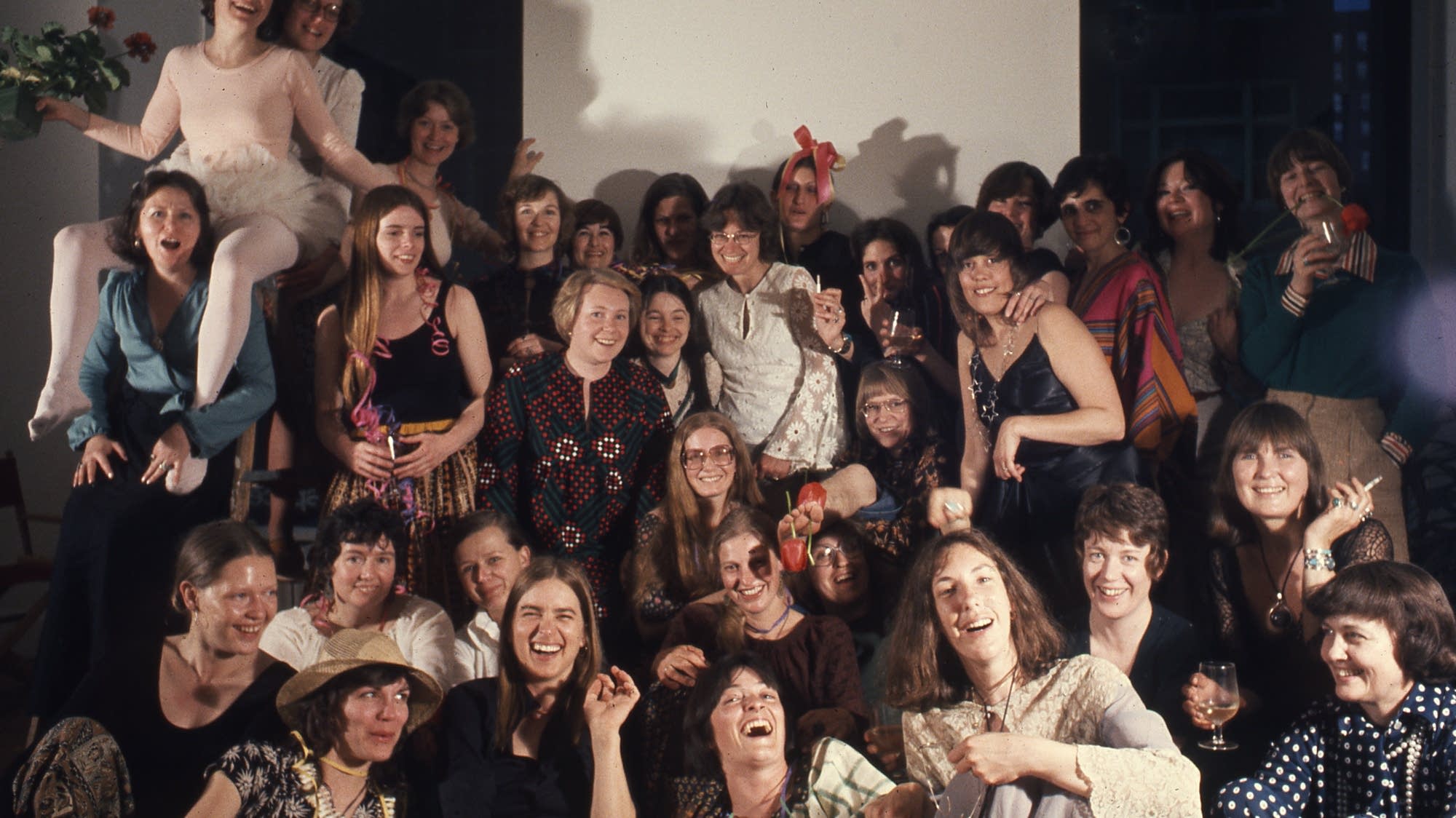
The Women’s Art Registry of Minnesota (WARM), one of the oldest feminist art collectives in the United States, is celebrating its 50th anniversary. Founded in 1973 in Minneapolis, the collective emerged as a grassroots response to the systemic exclusion of women from mainstream galleries and museums, eventually establishing its own gallery space and a robust mentorship program that continues to support female-identifying artists today.

Before He Stole the Oscars, Timothée Chalamet Stole Ballet and Opera

Actor Timothée Chalamet sparked controversy by stating in an interview that he doesn't want to work in ballet or opera, describing them as artforms where the goal is to "keep this thing alive." The comment prompted swift backlash from the dance community, with institutions extending personal invitations and op-eds criticizing his remarks.

Gae Aulenti's 'Tavolo con ruote': A Radical Icon on Wheels

La « Tavolo con ruote » de Gae Aulenti : une icône radicale comme sur des roulettes

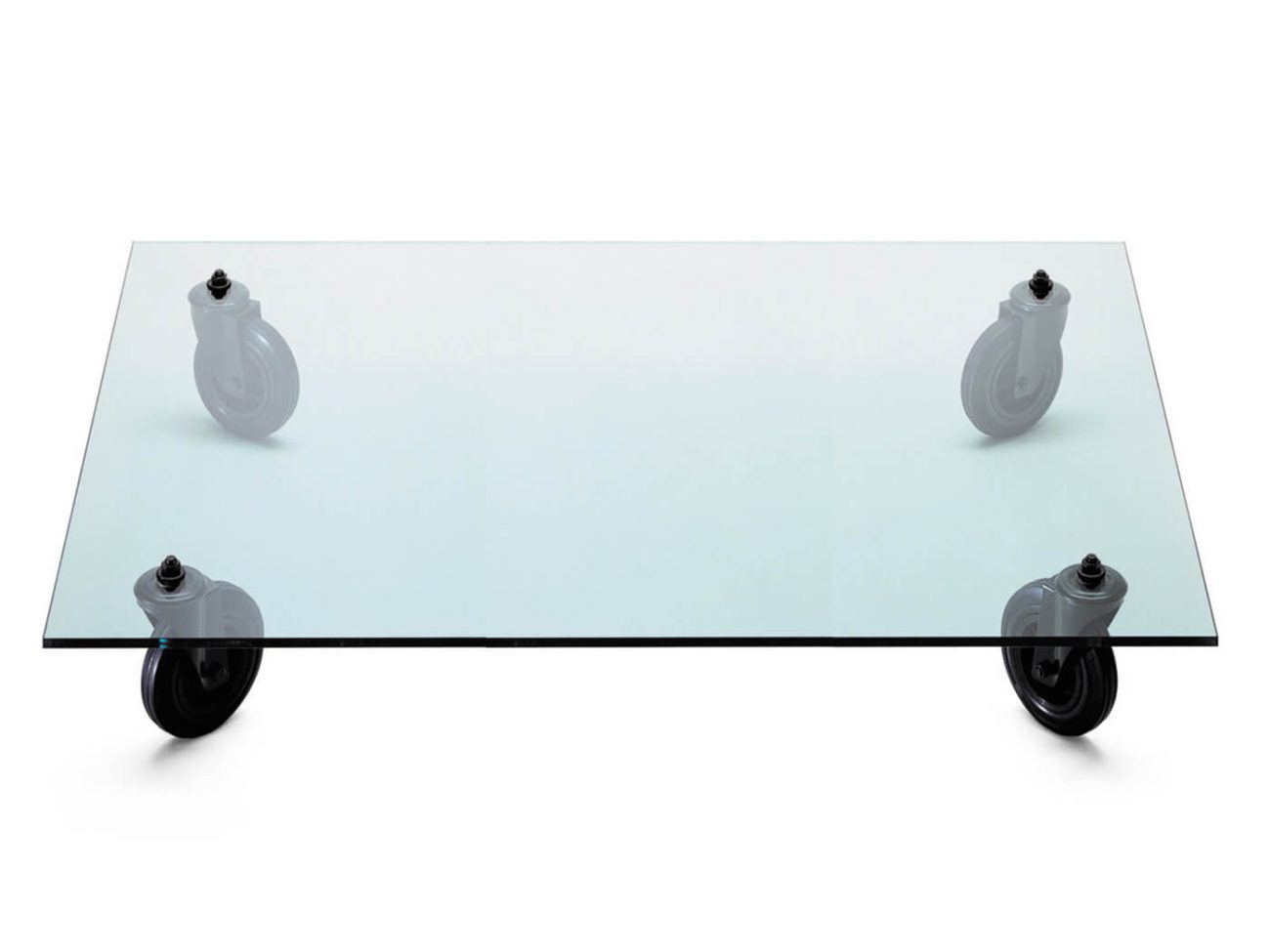
Gae Aulenti’s 1980 'Tavolo con ruote' (Table with wheels) remains a definitive icon of postmodern design, characterized by its radical simplicity. Created during Aulenti's tenure as artistic director of FontanaArte, the piece features a thick glass slab bolted to four industrial trolley wheels, a concept inspired by the factory carts used to transport glass. The table's enduring popularity is highlighted by its recent corporate history, as FontanaArte was acquired by Nemo Lighting in 2024 and subsequently integrated into the Spanish group Kettal in early 2026.

Required Reading

Required Reading

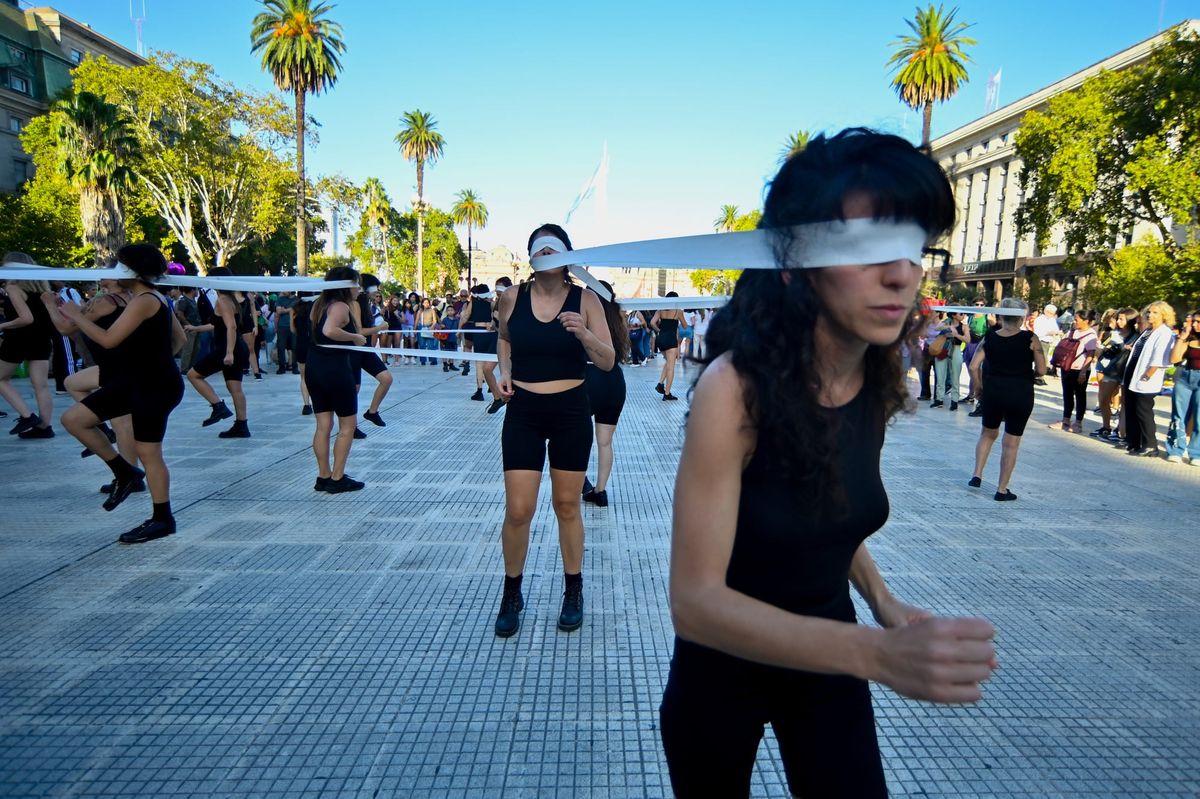
Thousands marched in Buenos Aires on March 9 for a 24-hour women's strike, with one group staging a symbolic artwork by wrapping a continuous blindfold across their faces to protest patriarchal control. This followed a UN report urging Argentina's government to address gender-based violence. Separately, a *Guardian* investigation revealed UK museums hold over 260,000 human remains, many taken from former colonies, which MPs have condemned as a barbaric legacy of imperialism.

Chicago: Model City by Mark Acciari

Native Chicagoan architect and artist Mark Acciari reflects on the architectural identity of Chicago from the distance of Mexico City. Using the iconic imagery of a Chicago-style hot dog as a metaphor for the city's construction, he explores how the city's legacy is often reduced to the 'skeleton frame' of early modernism by critics, while ignoring its more playful, symbolic, and postmodernist undercurrents.

‘The Queen of the Ghetto’ Gave New York’s Immigrant Community a Voice. A Century Later, It’s Re-emerging

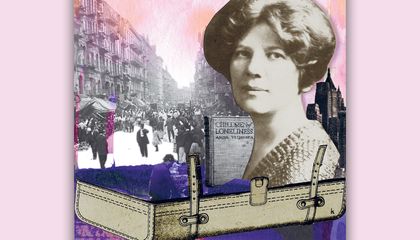
Anzia Yezierska, a Polish-Jewish immigrant who arrived in New York in 1890, defied traditional gender expectations to become a leading literary voice of the 1920s. Dubbed the 'Queen of the Ghetto,' she documented the raw struggles of immigrant women on the Lower East Side using a unique 'immigrant English' style that captured Yiddish idioms. After escaping a restrictive marriage and pursuing an education at Columbia University, she channeled her personal frustrations into stories of poverty, ambition, and the psychological toll of assimilation.

‘A cauldron of people with their tops off!’ Goldie, Estelle, Courtney Pine, Flo and more pick great moments in Black British music

Prominent figures in Black British music, including Goldie, Estelle, and Dennis Bovell, reflect on iconic photographs and visual artifacts that define the history of their genre. The article highlights specific works such as Eddie Otchere’s portrait of drum and bass pioneers Kemistry and Storm, Janette Beckman’s photography of Slick Rick, and Adrian Boot’s documentation of the Race Today offices in Brixton.

What Made Marcel Duchamp’s Readymades So Revolutionary?

Marcel Duchamp transformed the trajectory of 20th-century art by introducing the 'Readymade,' a concept where mass-produced, everyday objects are elevated to the status of art through the artist's selection rather than manual craft. Beginning with a bicycle wheel in 1913 and a bottle rack in 1914, Duchamp eventually formalized the term during a 1915 stay in New York, where the city's industrial modernity and lack of rigid class structures inspired him to challenge traditional definitions of creativity.

On the Background in the Cinema

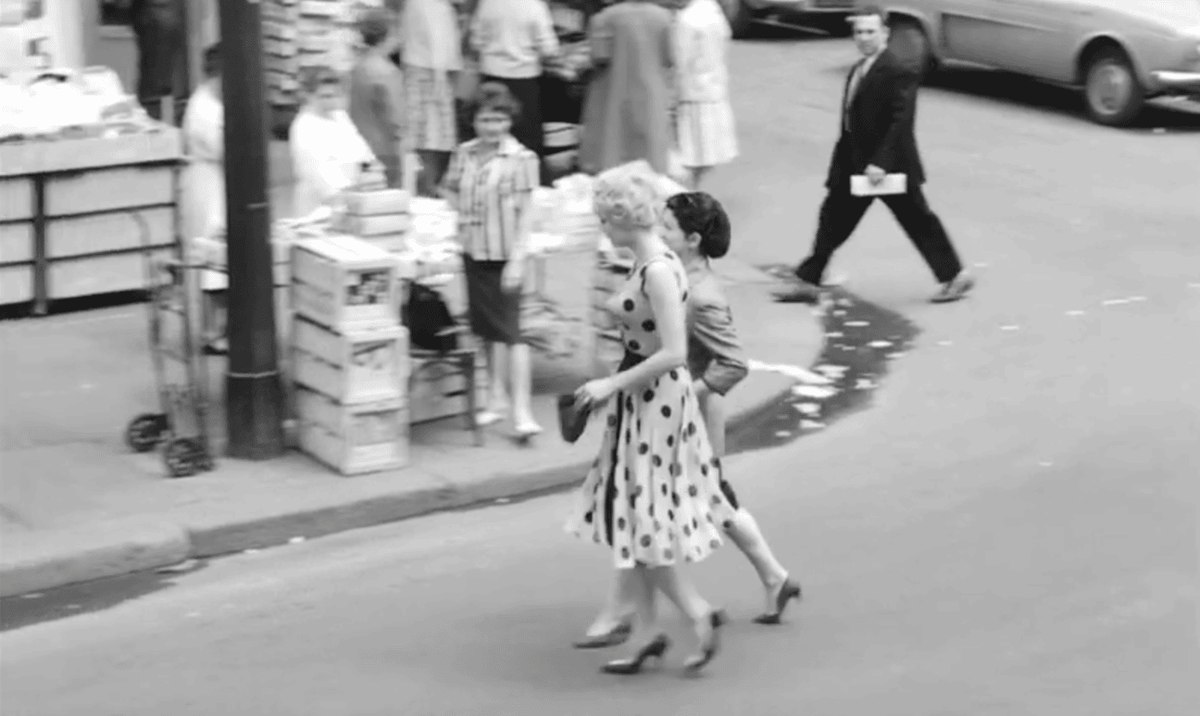
Film Notes has published a new essay by scholar Tiago de Luca, drawn from his research on environment and cinema. The essay focuses on the conceptual and aesthetic role of the background in film, tracing its technical history and examining its relation to power, marginalization, and environmental crisis.

Homework till midnight and ‘one breakdown a week’: the mysterious art school keeping a forgotten style alive

The École Van der Kelen-Logelain, a unique and mythologized painting school in Brussels founded in 1892, continues to operate under strict, traditional methods. Students endure a rigorous six-month winter course, adhering to rules like mandatory white lab coats, silence, and no phones, to master specialized decorative painting skills, most notably the art of trompe l'oeil, or illusionistic painting.

‘The way the world is, something daft is appealing’ – why everything from pizzas to podcasts has a cartoon character on it

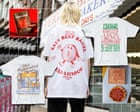
A distinctive cartoon illustration style, rooted in 1920s 'rubber hose' animation and influenced by graffiti, vintage Americana, and underground comics, has become ubiquitous in contemporary branding. This aesthetic, characterized by exaggerated, jointless limbs and friendly faces, now adorns everything from independent pizza shops like London's Yard Sale Pizza to wine labels for Top Cuvee, podcasts, and even global fashion collaborations.

How Duchamp Inspired These 4 Artists

Contemporary artists continue to grapple with the legacy of Marcel Duchamp, specifically his 1917 readymade "Fountain." This analysis highlights four modern creators who have directly referenced or reinterpreted the iconic porcelain urinal to explore themes of gender, domesticity, and institutional critique.

Duchamp Made a Urinal Into Art in 1917. We’re Still Discussing It.

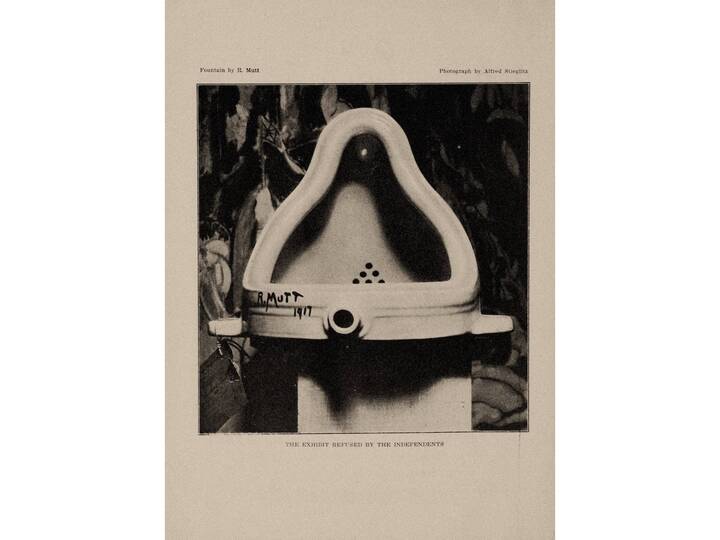
Marcel Duchamp's 1917 submission of a porcelain urinal titled 'Fountain' to the Society of Independent Artists remains one of the most provocative acts in art history. By selecting a mass-produced object and designating it as art, Duchamp introduced the concept of the 'readymade,' effectively decoupling the value of an artwork from the manual skill of the artist.

8 Artists to Follow if You Like Elsa Schiaparelli

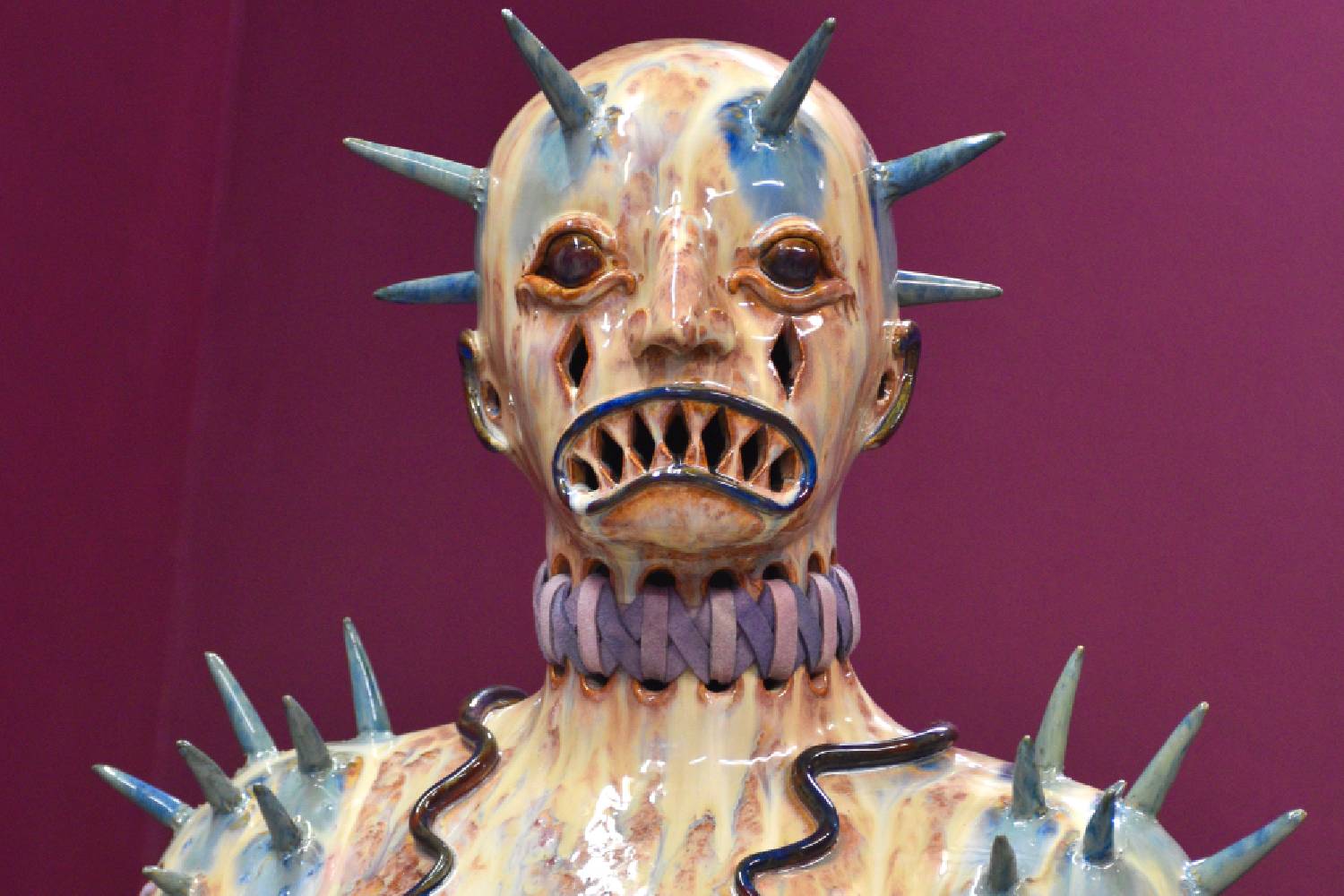
The article profiles eight contemporary artists whose work resonates with the legacy of fashion designer Elsa Schiaparelli. It highlights creators like Shona McAndrew, whose soft sculptures explore the body's interior, and Kiki Smith, known for visceral, anatomical forms, drawing direct parallels to Schiaparelli's surrealist and corporeal inspirations.

“Trey Abdella’s Miserable Dream” New Art21 Film to Premiere Online on December 10, 2025

Art21 will premiere a new documentary film, "Trey Abdella's Miserable Dream," online on December 10, 2025. The film, directed by Andrew Nadkarni, follows the artist as he draws inspiration from Coney Island and American middle-class aesthetics to create mixed-media paintings that blend skilled representation with unconventional materials.

Modern Art and Politics in Germany 1910–1945

The article examines the complex and often fraught relationship between modern art and political power in Germany from 1910 to 1945. It details how avant-garde movements like Expressionism, Dada, and the Bauhaus initially flourished, only to be systematically suppressed and labeled "degenerate" by the Nazi regime after 1933.