filter_list Showing 32 results for "One" close Clear
dashboard All 1336 museum exhibitions 581article news 200article local 140trending_up market 108article culture 84person people 80article policy 48candle obituary 37rate_review review 32gavel restitution 23article event 1article events 1article museums & heritage 1
date_range Range Today This Week This Month All
Subscribe

Are We Too Reverent of Marcel Duchamp?

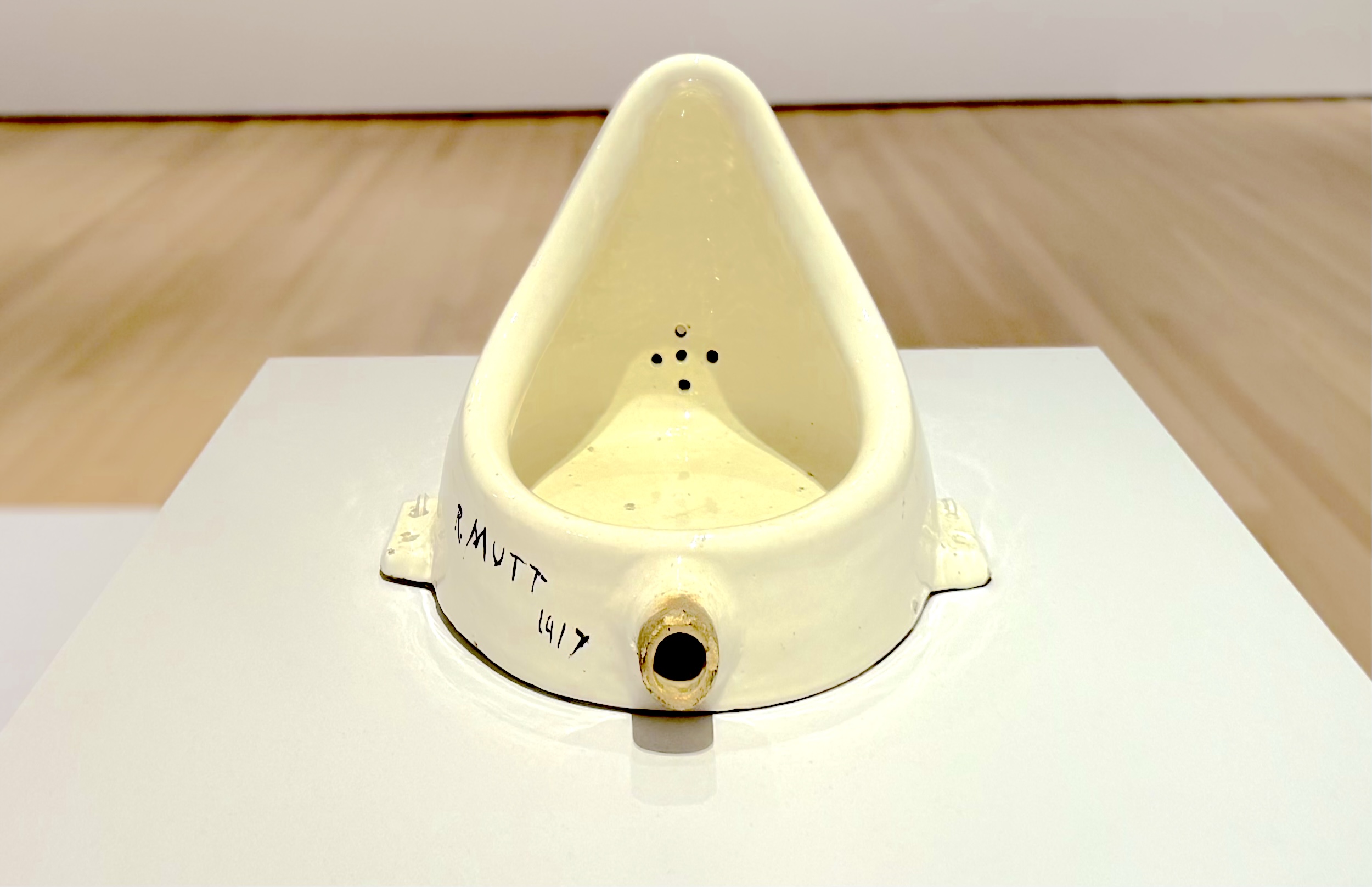
The Museum of Modern Art has launched a major retrospective of Marcel Duchamp, co-organized with the Philadelphia Museum of Art. The exhibition tracks the artist's evolution from his early Cubist experiments and the scandal of 'Nude Descending a Staircase' to his radical invention of the readymade, exemplified by the infamous urinal, 'Fountain'. The show presents a comprehensive look at 'The Duch' through a reverential, church-like atmosphere, concluding with his later years as a dapper, enigmatic figure of the avant-garde.
Matisse, 1941-1954 review – hit after glorious hit in a show of life-enhancing genius

A major exhibition at the Centre Pompidou and the Grand Palais focuses on the final, revolutionary period of Henri Matisse's career, from 1941 to 1954. The show charts his artistic reinvention following a life-threatening surgery, beginning with obsessive, reworked paintings from his Nice studio during the war and culminating in the radiant, large-scale cut-outs for which he is widely celebrated.

15th Shanghai Biennale Review: Code Switching

The 15th Shanghai Biennale, titled 'Code Switching,' has opened at the Power Station of Art (PSA). The exhibition, centered on the theme of what hears and what can be heard, features immersive installations like Allora & Calzadilla's floating yellow synthetic flowers in the atrium, which create a striking yet artificial environment that visitors eagerly photograph. The experience is framed by promotional gestures, such as free manuka honey samples, blurring lines between art, commerce, and audience participation.

Leah Ki Yi Zheng’s Personal I Ching

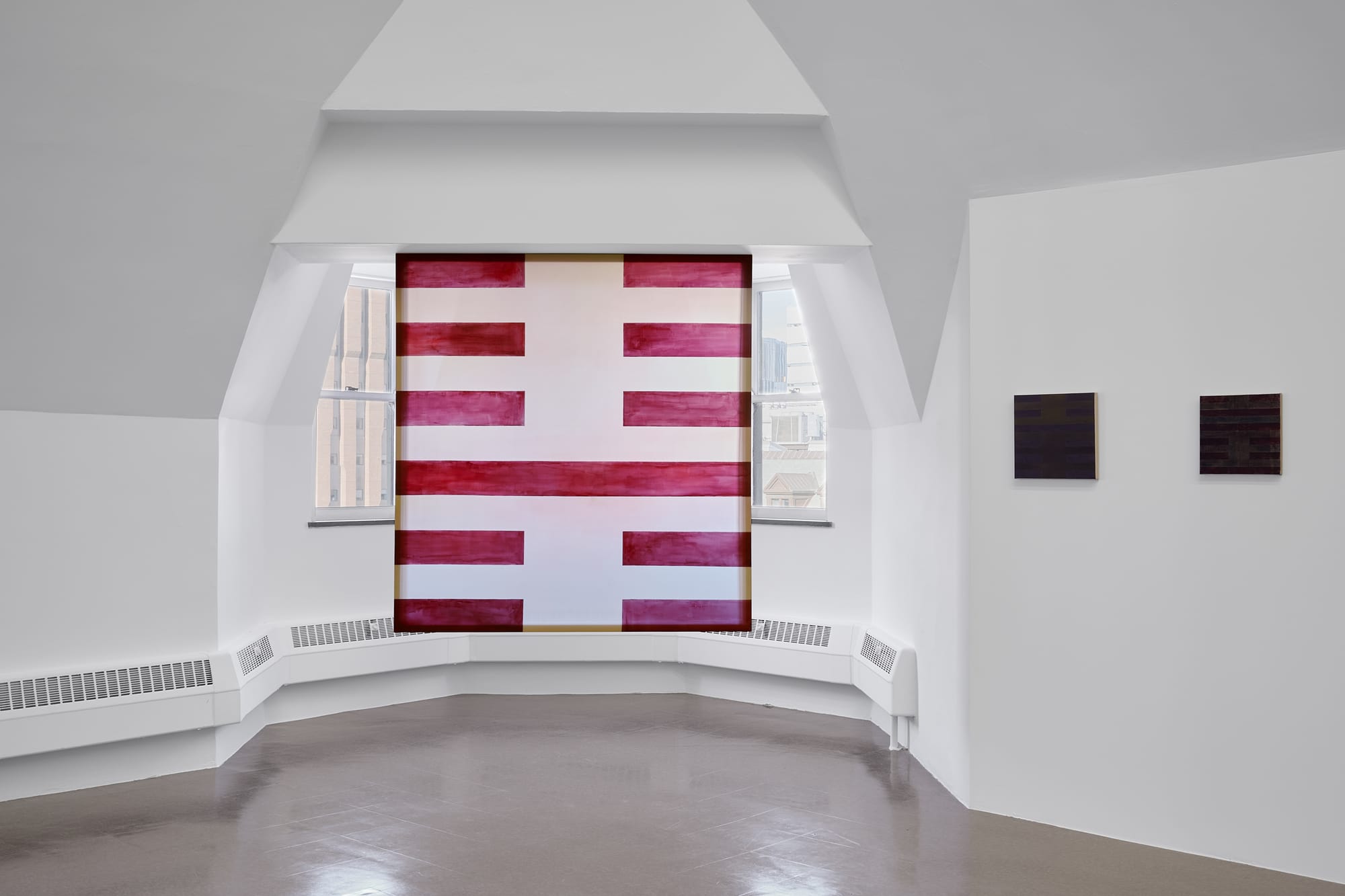
Artist Leah Ke Yi Zheng's exhibition "Change, I Ching (64 Paintings)" at the Renaissance Society in Chicago presents a series of oil and acrylic paintings on silk, each depicting one of the 64 hexagrams from the ancient Chinese divination text, the I Ching. The artist physically altered the gallery's architecture to control light and create a specific viewing rhythm, synthesizing materials and techniques from Chinese ink painting traditions with Western geometric abstraction and oil painting.

Kamrooz Aram Breaks Down the Grid

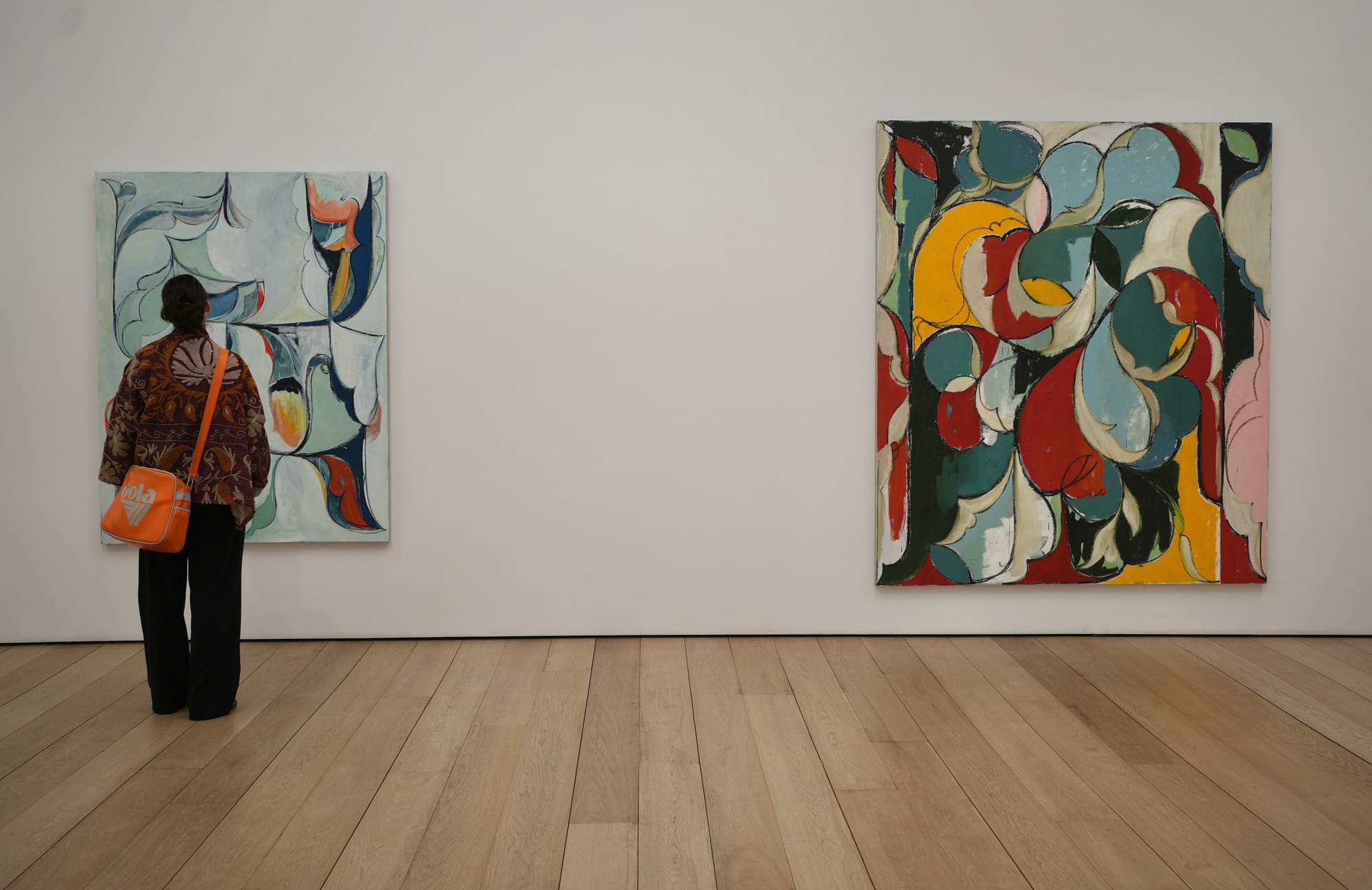
Kamrooz Aram is the subject of multiple major exhibitions in early 2026, including a solo show at Alexander Gray Associates in New York, a presentation at Nature Morte in Mumbai for Mumbai Art Week, and a significant inclusion in the 2026 Whitney Biennial. The artist, known for his work with the grid, uses painting to explore the connections between Western modernist abstraction and non-Western decorative traditions, particularly from Western Asia.

It’s Gabriele Münter’s World, We’re Just Living in It

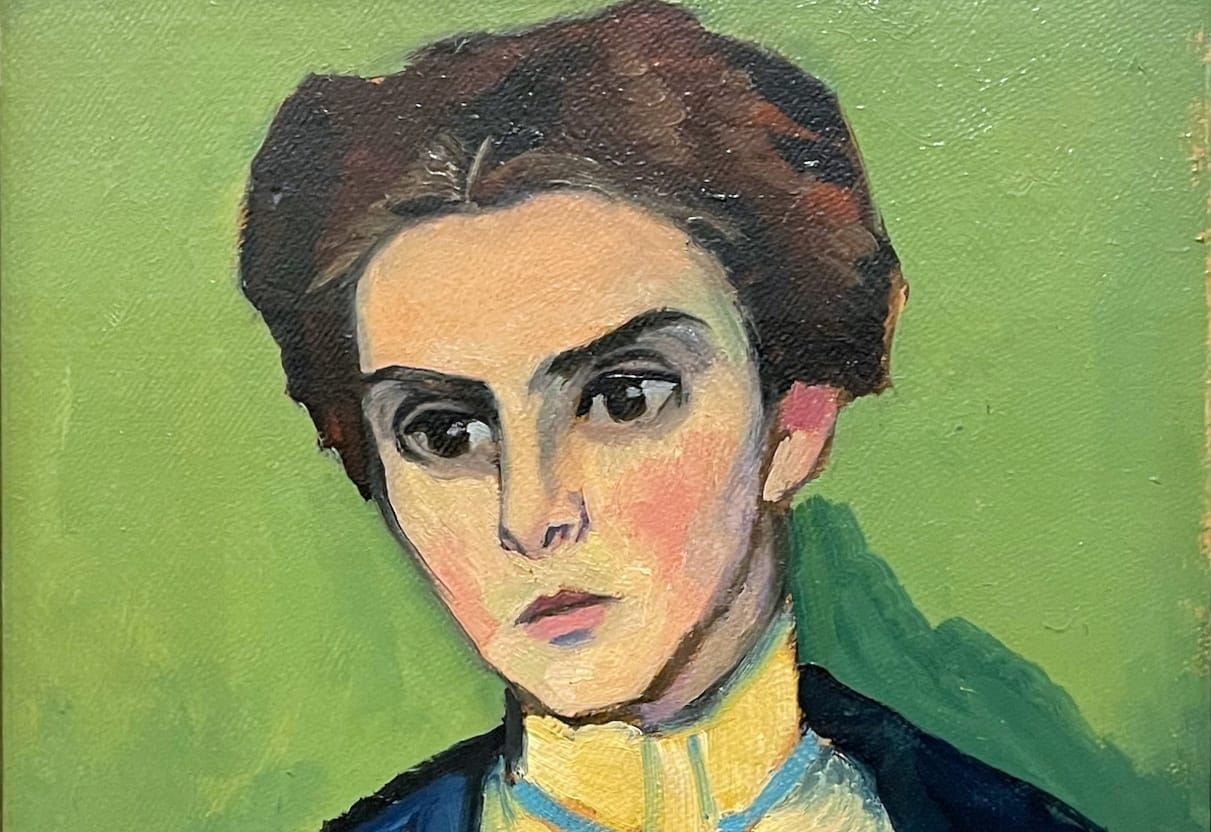
The Solomon R. Guggenheim Museum is hosting "Contours of a World," a retrospective dedicated to Gabriele Münter, a co-founder of the Blue Rider group. The exhibition moves beyond the shadow of her long-time partner Wassily Kandinsky, showcasing her distinct approach to German Expressionism through photography, intimate domestic scenes, and vibrant landscapes. Unlike her contemporaries who leaned toward total abstraction, Münter utilized bold outlines and layered compositions to create a dynamic, phenomenological experience of seeing.

Tracey Emin’s Cult of the Self

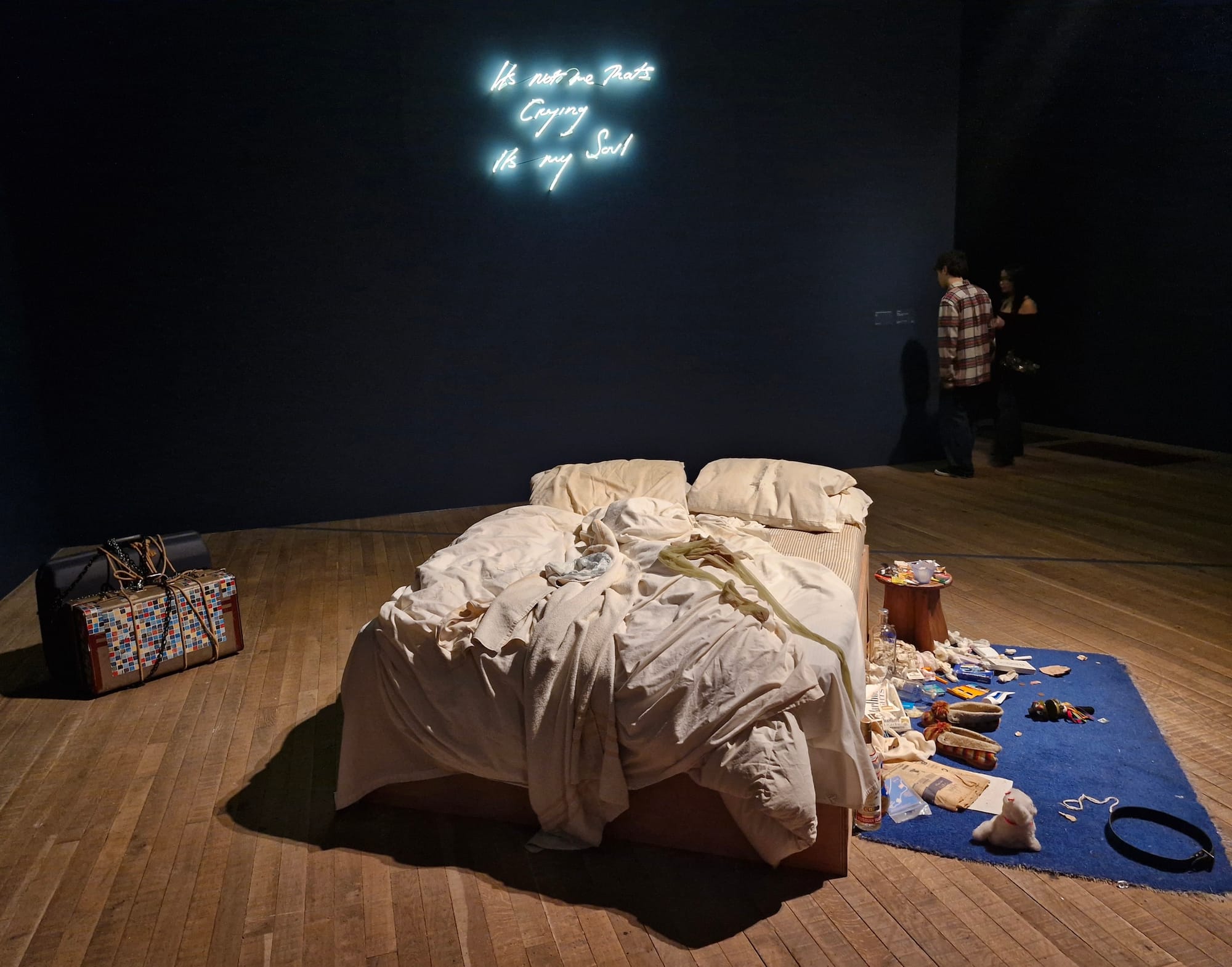
A major retrospective of Tracey Emin's work, "A Second Life," is on view at Tate Modern in London. The exhibition presents the artist's deeply personal and confessional body of work, including iconic pieces like "My Bed" and "Exorcism of the Last Painting I Ever Made," which chronicle intimate experiences of love, trauma, and self-exploration through text, objects, and raw imagery.

Can a Play Capture an Artist as Enigmatic as Henry Darger?

Can a Play Capture an Artist as Enigmatic as Henry Darger?

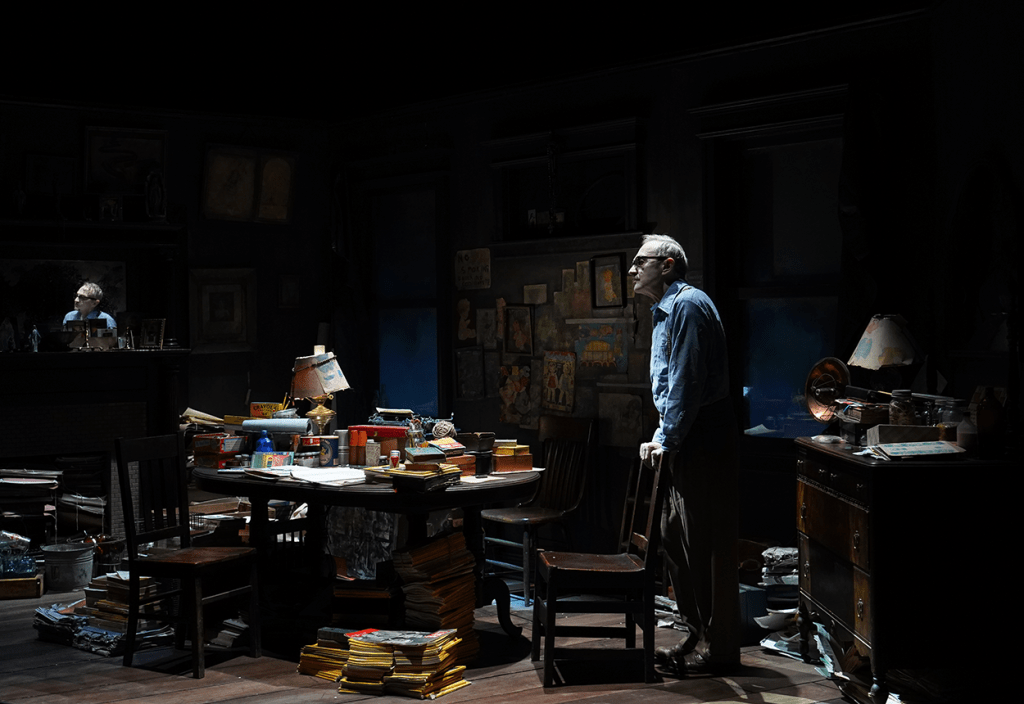
A new play, *Bughouse*, is attempting to portray the life of reclusive artist Henry Darger on stage at New York's Vineyard Theater. The one-man show, starring John Kelly, draws from Darger's own lengthy autobiography to depict his traumatic childhood, institutionalization, and decades of solitary life in Chicago, where he secretly created his vast, fantastical artwork and writings.

Why Felix Gonzalez-Torres’s Go-Go Dancer Piece Remains Subversive

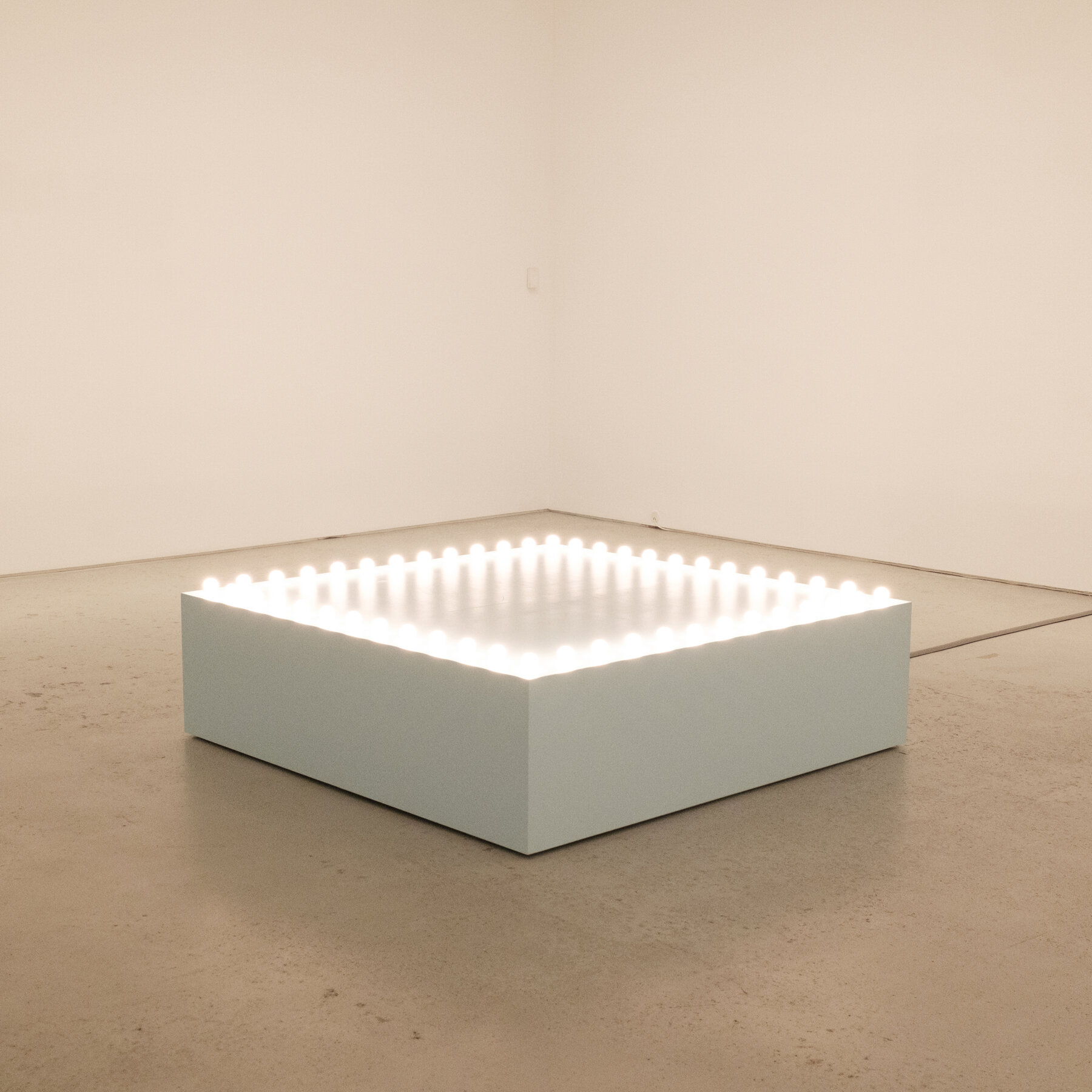
The New York Times examines the enduring power of Felix Gonzalez-Torres's 1991 performance piece "Untitled" (Go-Go Dancing Platform), in which a go-go dancer performs on a pedestal for a brief, scheduled period each day. The work, currently on view at the Art Institute of Chicago, uses the dancer's absence as a central component, creating a poignant metaphor for queer presence and loss.

The Unnameable Artists of the Canton Trade System

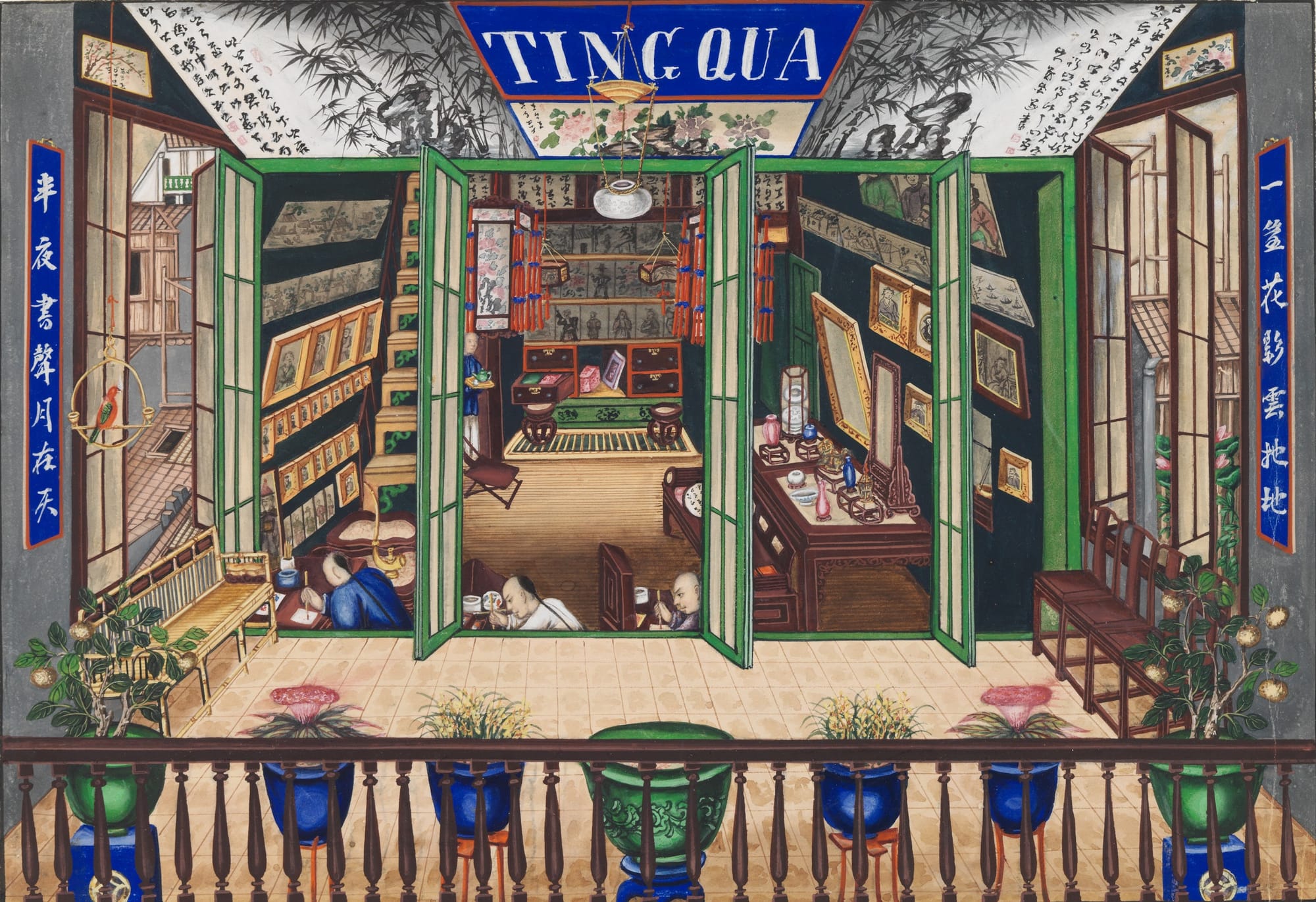
Art historian Winnie Wong’s new book, *The Many Names of Anonymity: Portraitists of the Canton Trade*, investigates the lives and legacies of 18th and 19th-century Chinese artists who produced works for Western traders under the Canton system. These artists, often dismissed by history as mere copyists or left anonymous in museum "tombstone" labels, created complex works that blended European techniques with Chinese traditions. Wong challenges the reductive category of "Asian export art," proposing instead the term "Canton trade painting" to better reflect the unique atmosphere of cultural exchange in Guangzhou.

David Novros’s Portable Murals

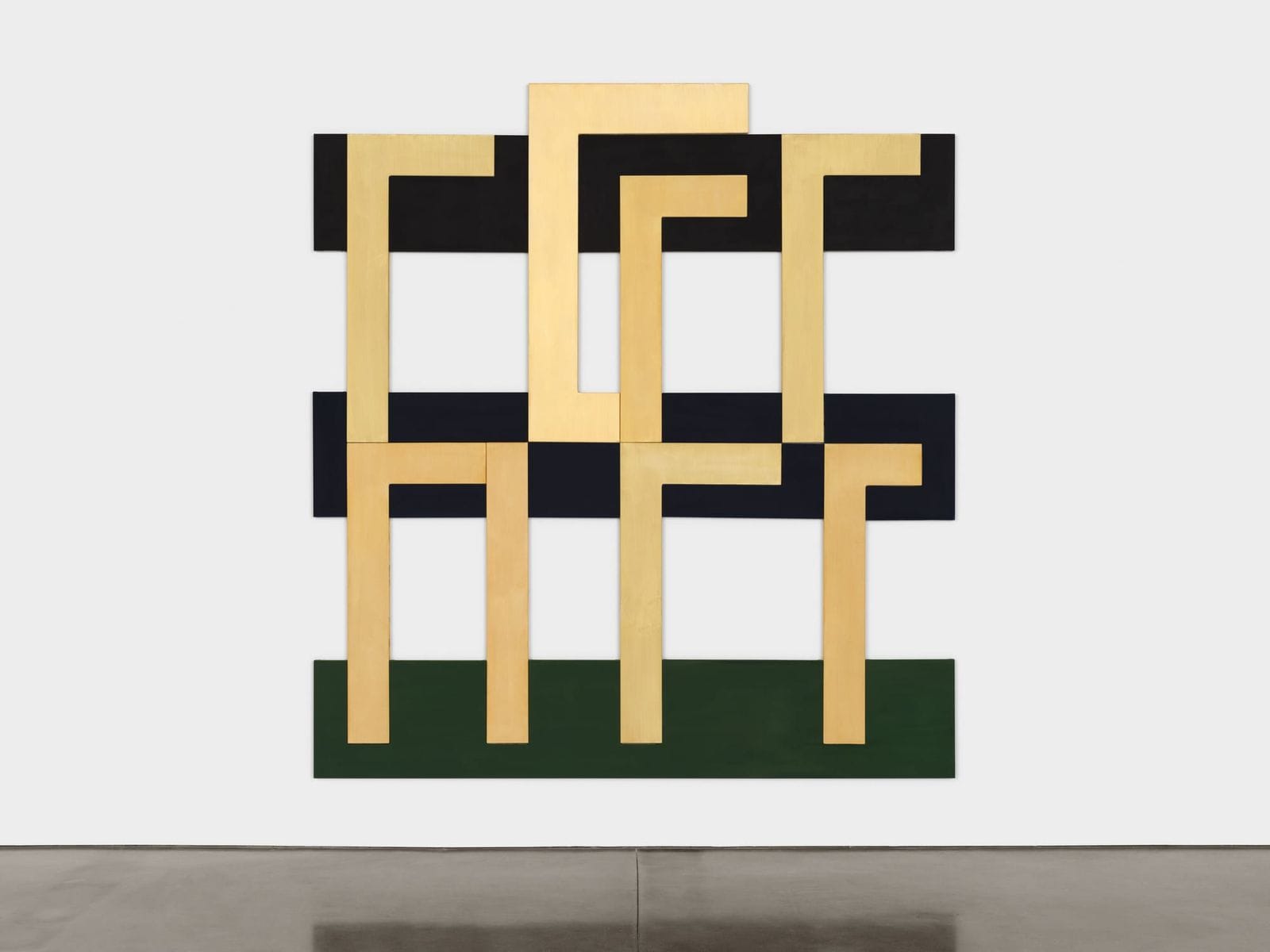
David Novros’s latest exhibition at Paula Cooper Gallery showcases his "portable murals," intricate multi-paneled paintings that challenge the traditional concept of art as a mere object on a wall. Utilizing oil and murano on canvas, Novros assembles monochromatic, L-shaped, and horizontal panels with precise intervals that incorporate the gallery wall into the composition. These works are designed to be experienced kinesthetically, responding to shifting natural light and the viewer's physical movement through the space.

Gardar Eide Einarsson Leaves You in the Dark

Gardar Eide Einarsson’s latest exhibition at Maureen Paley’s East London space presents a haunting exploration of dissociation and coded information. The show features two distinct series: 'Closed Caption,' a collection of monochrome black gouache paintings featuring isolated subtitles from films, and 'Incendiary Test Area,' a set of hyperrealistic woodblock prints created in collaboration with master Shoichi Kitamura. These prints depict the interiors of mock 'Japanese' houses built by the US Army for fire-bombing tests during World War II.

Craig Jun Li: Scrapping the Camera

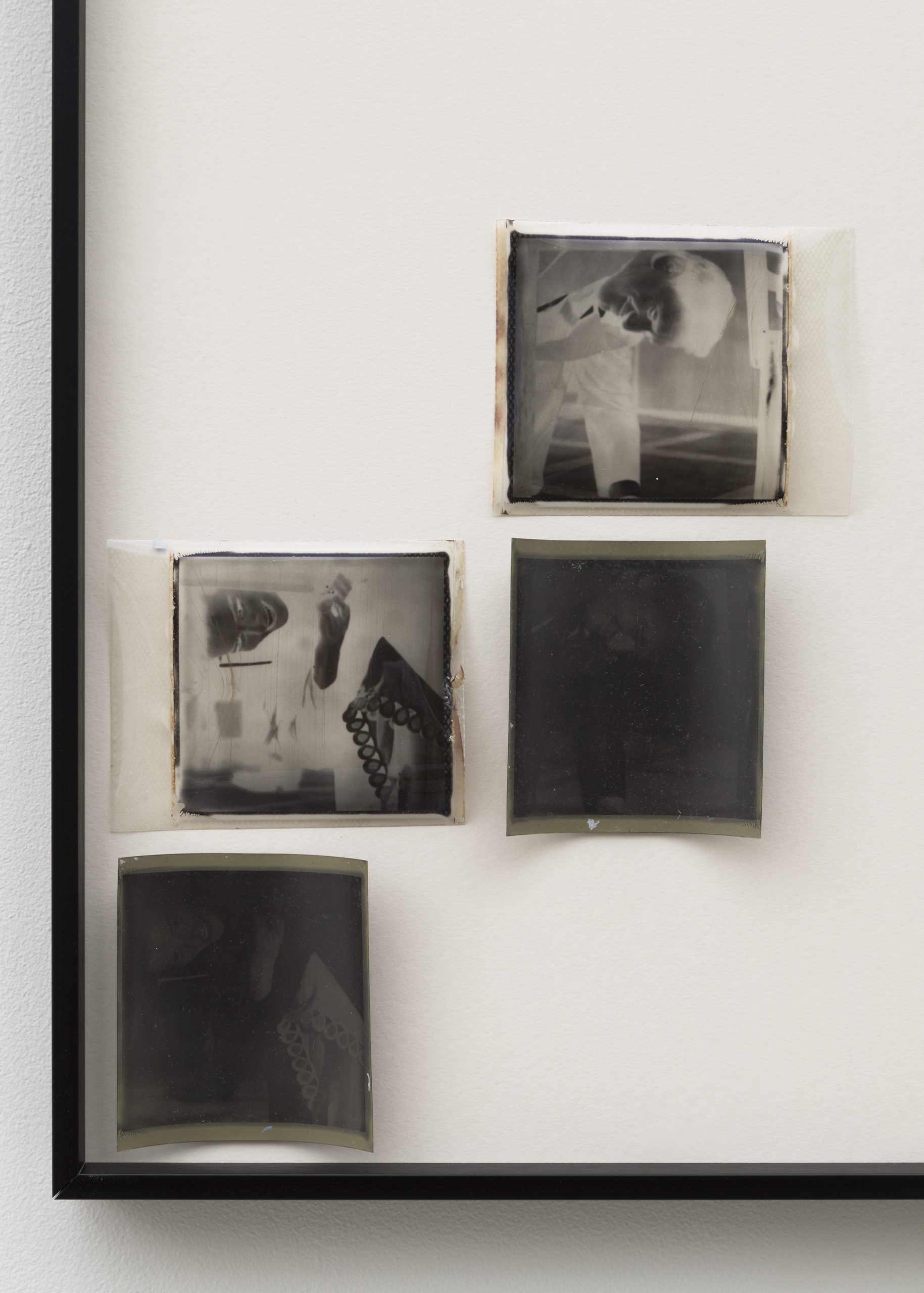
Artist Craig Jun Li's solo exhibition features collagist wall-works and installations that deconstruct photographic technology. Works like the 2025 silicone sheets incorporate altered dye-transfer prints, Polaroids, and actual camera parts like SX-70 film cartridge springs, redirecting focus from pictorial representation to the mechanical apparatus of image-making.

Joe Moss, Drones and Caspar David Friedrich

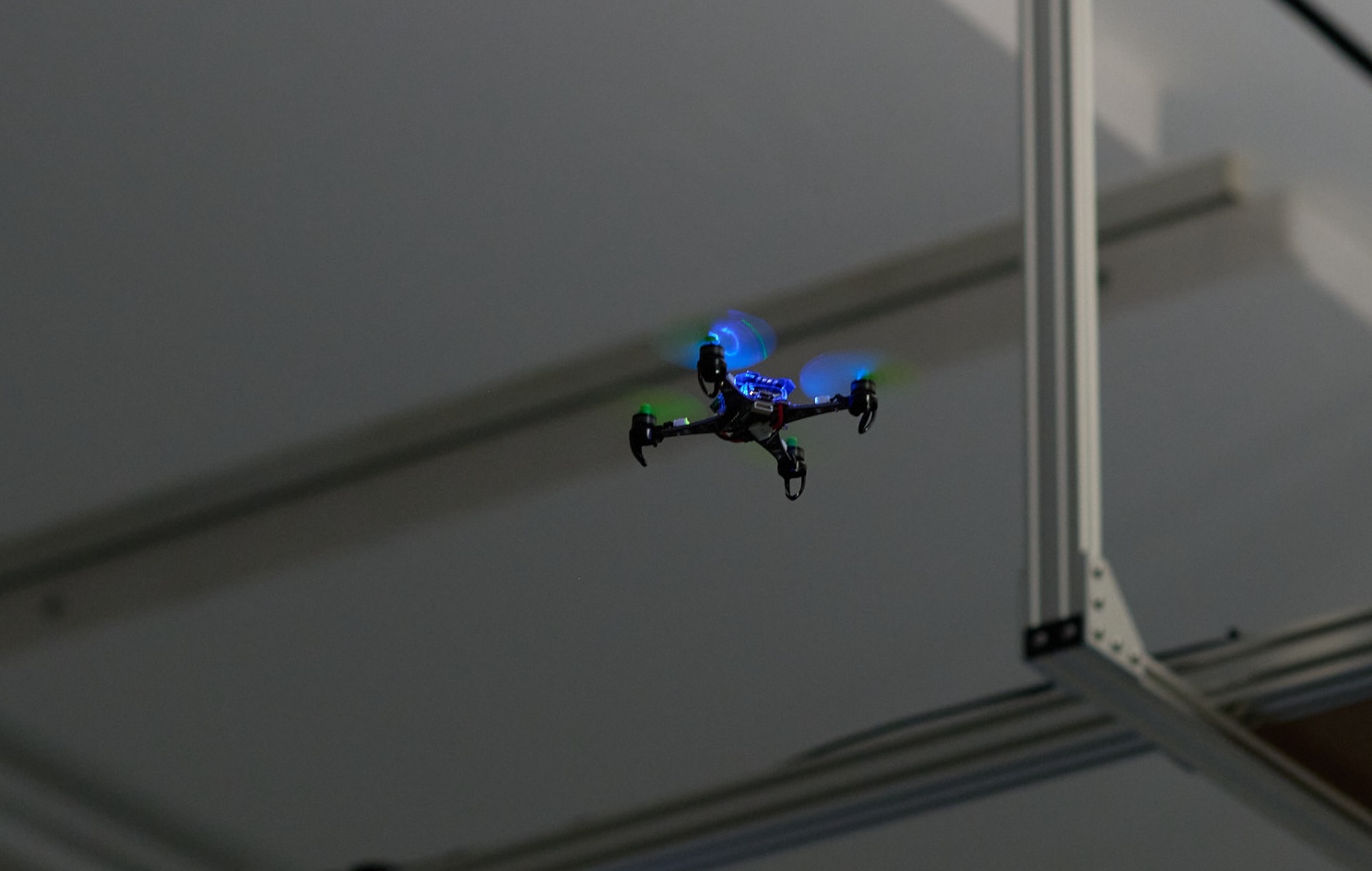
Artist Joe Moss presents his installation 'Automated Fantasy Procedure' at Matt's Gallery in London. The work features a squadron of choreographed drones, two-channel videos with actors portraying figures like a Caspar David Friedrich-inspired wanderer, and a Roman-style mosaic, all experienced in scheduled ten-minute replays designed to mimic the overwhelming sensation of scrolling through a smartphone.

An Analog Tether

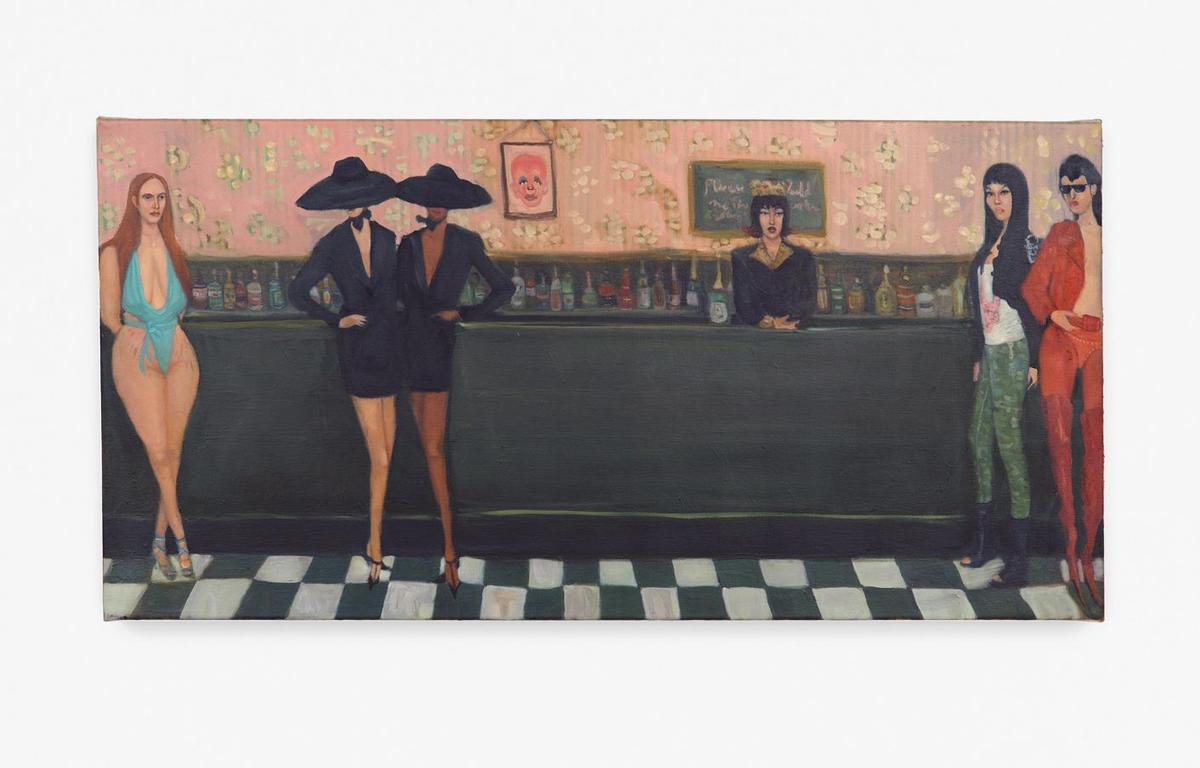
A new wave of gallery exhibitions is championing analog physicality and personal intimacy as a direct counter-response to the rise of AI-generated imagery. Artists like Ben Wolf Noam and Joseph Geagan are utilizing traditional mediums such as charcoal, lithography, and oil paint to capture spontaneous, sentimental moments of human connection, from family dinners to portraits of friends. These works emphasize the "hospitable mess" of real life, prioritizing the recognizable faces and tangible textures that AI often flattens.

Bicoastal Art World Satire ‘Kill Dick’ Imagines Sackler Revenge

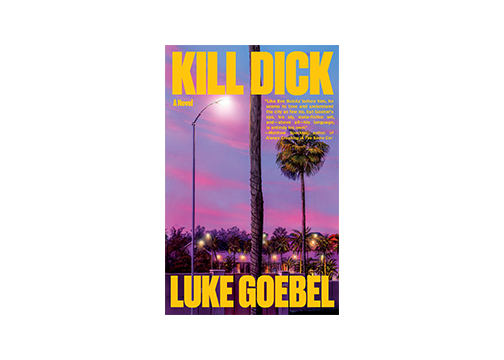
Luke Goebel's new novel 'Kill Dick' is a satirical, chaotic takedown of the contemporary art world and its entanglement with the Sackler family, fictionalized here as the Sicklers. The book follows protagonist Susie, the daughter of the Sickler family lawyer, as she navigates addiction, familial disgust, and a numbed existence against the backdrop of 2016 America. Its prose is deliberately abrasive and shocking, mirroring the emotional state of its narrator.

These Ghosts. Clémentine Bruno  by Michela Ceruti

Clémentine Bruno’s artistic practice explores the tension between presence and absence, treating the canvas as a site of temporal layers rather than a flat surface for representation. Her work emphasizes the preparatory stages of painting—the laying of gesso and the construction of supports—allowing images to emerge reluctantly through processes of sanding, veiling, and partial erasure. Recent exhibitions, such as "Educational Complex" at Tonus and "Vision of Fading" at Mendes Wood DM, highlight her interest in how institutional structures and memory maps dictate what is retained and what is forgotten.

Racheal Crowther review – unnerving installation attacks your mind … and your nostrils!

London-based artist Racheal Crowther has transformed the Chisenhale Gallery into a sensory-heavy, paranoid environment for her first institutional solo exhibition. The installation centers on a decommissioned U.S. military mobile health unit, once used during the 2018 Novichok decontamination efforts, set against walls painted in "drunk tank pink." The experience is defined by an aggressive olfactory component—a chemical cocktail of powdered milk scents and hexadecanal, a molecule found on infants' heads known to manipulate human aggression.

Colours of Time review – Monet meets Mamma Mia in charming French artist comedy

Director Cédric Klapisch’s new film, *Colours of Time* (originally *La Venue de L’Avenir*), is a sentimental French comedy that weaves a fictional romantic history around Impressionist master Claude Monet and pioneering photographer Félix Nadar. The plot follows a group of modern-day descendants who discover a trove of historical secrets in a derelict cottage, leading to a whimsical, time-bending exploration of their ancestors' lives in Belle Époque Paris.

A Mirrored Monet review – painter reflects on his past in a musical with heart and humour

A new musical titled 'A Mirrored Monet' explores the life of Impressionist painter Claude Monet, focusing on his later years as he reflects on his youth, his artistic struggles, and the personal sacrifices he made, particularly regarding his first wife Camille. The production uses innovative set design to immerse the audience in the Impressionist style and features a strong cast portraying Monet and his contemporaries.

‘Transcription’ by Ben Lerner Review: No Phones

Ben Lerner’s latest novel, Transcription, marks a departure from his previous sprawling autofiction like The Topeka School, opting instead for a spare, three-part structure set during the COVID-19 pandemic. The narrative unfolds through three pivotal conversations involving the protagonist, his aging mentor Thomas, a curator, and Thomas’s son Max. Central to the plot is the protagonist’s failure to record a final interview with Thomas due to a broken phone, forcing a reliance on fallible memory and reconstruction.

7 Shows to See in Milan Right Now

Gallery Applications Open for Frieze Abu Dhabi

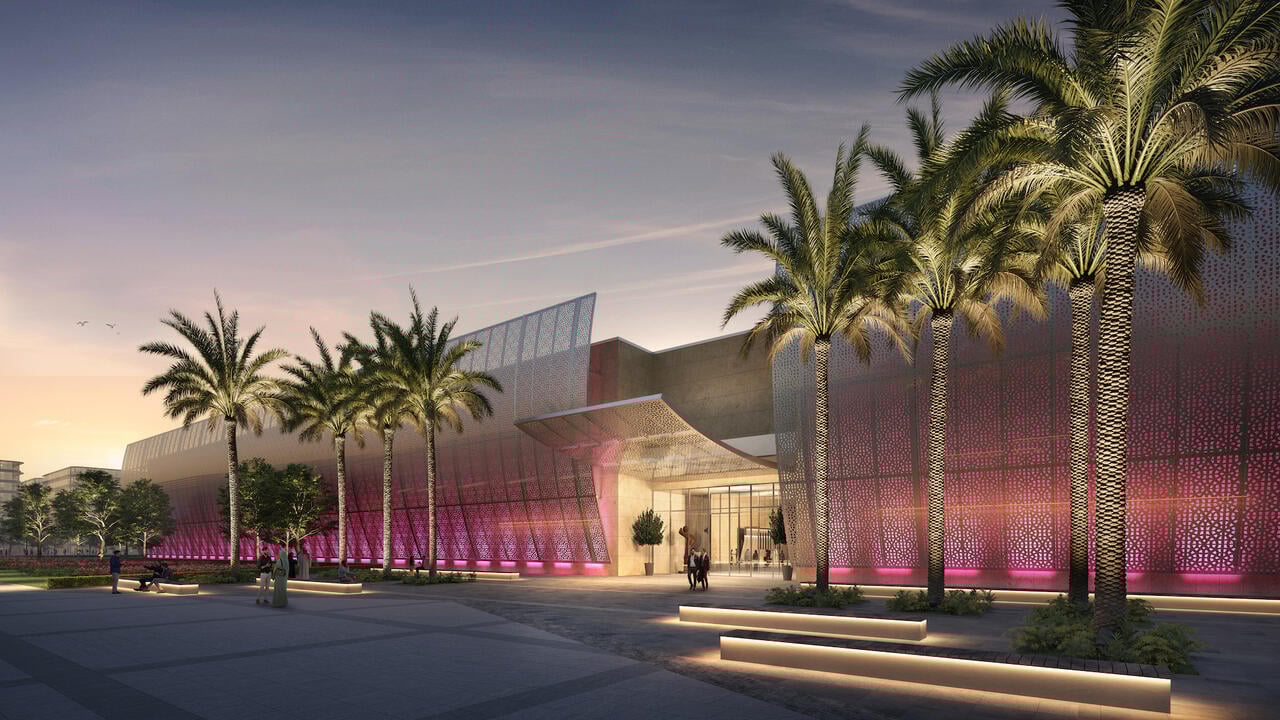
Milan's art scene is currently anchored by several high-profile exhibitions coinciding with the Miart fair. Key highlights include Cao Fei’s exploration of global farming and technology at Pirelli HangarBicocca, alongside Anselm Kiefer’s monumental tributes to female alchemists. Other notable shows feature historical and contemporary dialogues, ranging from Italian post-war masters to experimental multimedia installations.

White Girls and the Global South

The article is a curated list of art books for spring reading, featuring a diverse range of subjects. It highlights two main critical reviews: one critiques a new novel, *Flat Earth* by Anika Jade Levy, as another navel-gazing story about disaffected white women, while the other praises a scholarly work, *Non-Aligned: Art, Decolonization and the Third World Project in India* by Atreyee Gupta, which examines the international solidarity networks of Indian modernist painters long before the term "Global South" became popular.

What Did Happen or What Might Have Happened or What Can Never Happen. Dustin Hodges by Nick Angelo

Dustin Hodges presents a new body of work across two exhibitions, "Barley Patch" at 15 Orient in New York and "Barley Patch 2" at Sebastian Gladstone in Los Angeles. The artist utilizes thin layers of pigment, color glazing, and distemper on linen to create compositions that superimpose cartoon motifs, such as black crows and characters from the "Arthur" series, over complex grids. His process involves a cyclical layering that drives a wedge between the logic of the image and the materiality of painting, resulting in works that feel both choreographed and visceral.

‘The Christophers’ Review: Fine Art, Frayed Artists

Director Steven Soderbergh’s latest film, 'The Christophers,' features standout performances by Ian McKellen and Michaela Coel in a narrative centered on the high-stakes intersection of the art world and global finance. The story follows the psychological and professional fraying of artists and dealers as they navigate a landscape defined by ego, commerce, and the pursuit of prestige.

François Ozon’s 'The Stranger': A Film Between Surface Aesthetics and Political Reinterpretation

“Lo straniero” di François Ozon. Un film tra estetica delle superfici e rilettura politica

Director François Ozon has adapted Albert Camus’s existentialist masterpiece 'The Stranger' into a new feature film, premiering at the 82nd Venice Film Festival. Shot in stark black and white by cinematographer Manuel Dacosse, the film departs from the 1967 Luchino Visconti adaptation by leaning into a cold, clinical aesthetic inspired by Michelangelo Antonioni. The narrative follows Meursault, an emotionally detached clerk in colonial Algiers, whose impassive reaction to his mother's death and the subsequent senseless murder of an Arab man leads to his legal and moral condemnation.

‘As If’ by Isabel Waidner, Reviewed

Isabel Waidner’s latest novel, 'As If', follows the surreal intersection of two actors, Lewis and Korine, who share an uncanny resemblance and wives with the same name. After meeting in a Central London sublet, the pair decide to swap lives: the younger Korine takes over a high-stakes audition for the grieving Lewis, while Lewis assumes Korine’s domestic and financial burdens. Set against the brutalist backdrop of London’s Barbican and Golden Lane estate, the narrative uses this identity swap to explore the thin line between performance and reality.

The Big Review

Tate Britain has launched a major survey dedicated to the visionary artist and poet William Blake, marking one of the most comprehensive exhibitions of his work in London. The show brings together his intricate watercolors, prints, and prophetic books, offering a deep dive into his unique mythological universe and radical political views.

joseph beuys daniel spaulding honigpumpe 1234776979

Joseph Beuys remains one of the most polarizing figures in 20th-century art, a former Nazi soldier who reinvented himself as a shamanic healer and a founding member of the Green Party. A new monographic study by art historian Daniel Spaulding, 'Joseph Beuys and History', re-evaluates the artist's legacy by confronting his refusal to apologize for his wartime past and his use of ambiguous materials like fat and felt. Spaulding argues that Beuys’s work should be read through the lens of 'bad faith,' where his utopian slogans masked a deep, unresolved engagement with the horrors of the Holocaust.

carol bove guggenheim museum retrospective review 1234775914

The Solomon R. Guggenheim Museum has launched a major retrospective of Carol Bove, filling the iconic Frank Lloyd Wright rotunda with approximately 100 works spanning her career. The exhibition showcases Bove’s evolution from her early assemblages of driftwood, peacock feathers, and vintage books to her more recent large-scale, brightly colored steel sculptures. A defining feature of the show is Bove’s inclusion of "para-artworks"—pieces by other artists such as Lionel Ziprin, Agnes Martin, and Arnaldo Pomodoro—integrated into her own installations to highlight the influences and histories that inform her practice.