filter_list Showing 14 results for "Parallel" close Clear
dashboard All 92 museum exhibitions 52article culture 14article news 6rate_review review 5trending_up market 4article policy 4person people 2candle obituary 2article local 2gavel restitution 1
date_range Range Today This Week This Month All
Subscribe

Monet and Van Gogh Masterpieces Hit the Shampoo Aisle

Beauty brand Dove has launched a limited-edition haircare collection called "The Art of Repair" featuring iconic artworks by Claude Monet, Mary Cassatt, and Vincent van Gogh on its product packaging. The shampoo, conditioner, and serum bottles display images of Monet's *The Japanese Footbridge*, Cassatt's *The Loge*, and Van Gogh's *Roses*, drawing a parallel between art conservation and hair repair. The collection is exclusively available at Walmart.

Angus, Thongs and Imperfect Staging

The art collective MSCHF saved a cow named Angus from slaughter after a two-year project called 'Our Cow Angus'. The project allowed fans to preorder burgers or a leather bag made from Angus, but also provided a 'Remorse Token' to cancel orders. If 50% of tokens were used by the deadline, Angus would be spared and sent to a sanctuary. With ten hours remaining, the threshold was met, and the cow's life was saved.

8 Artists to Follow if You Like Elsa Schiaparelli

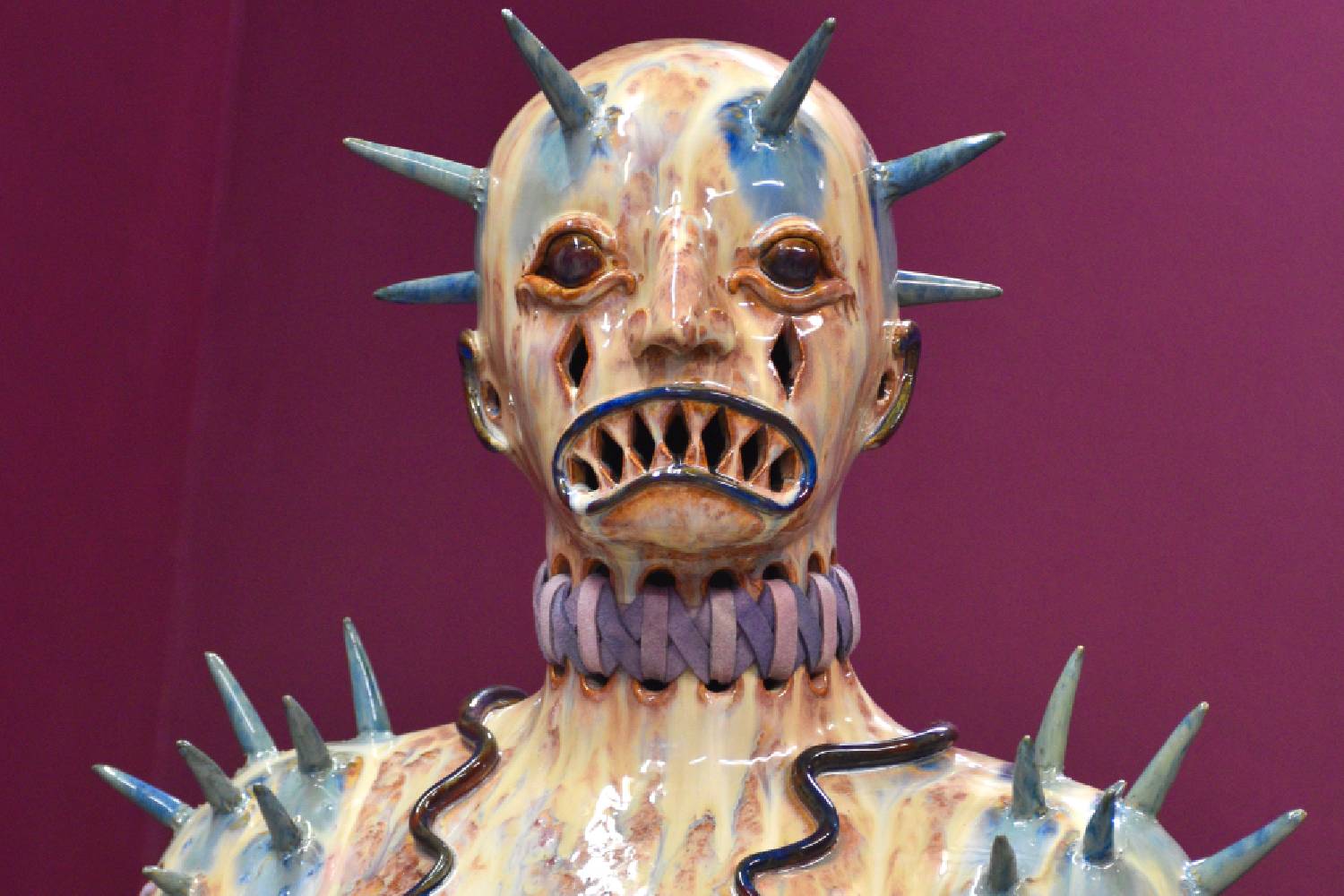
The article profiles eight contemporary artists whose work resonates with the legacy of fashion designer Elsa Schiaparelli. It highlights creators like Shona McAndrew, whose soft sculptures explore the body's interior, and Kiki Smith, known for visceral, anatomical forms, drawing direct parallels to Schiaparelli's surrealist and corporeal inspirations.

Did This Photographer’s Provocative Work Inspire a Key Plot Point in The Drama?

The new film *The Drama*, directed by Kristoffer Borgli and starring Zendaya and Robert Pattinson, features a central plot point involving a fictional photobook titled *Brainrot*. In the movie, Pattinson’s character, a museum curator, becomes obsessed with the book's provocative imagery of young women with firearms after learning of his fiancée’s past violent intentions. While *Brainrot* is a fictional creation, its aesthetic and subject matter draw significant parallels to Lindsay McCrum’s 2011 photography book, *Chicks with Guns*, which documented the diverse demographics of female gun owners in America.

Why Does Italy No Longer Qualify for the World Cup or the Biennials?

Perché l’Italia non si qualifica più né ai Mondiali né alle Biennali?

Artist Oscar Giaconia draws a provocative parallel between the decline of Italian football and the diminishing presence of Italian contemporary artists in major international forums like the Venice Biennale and Manifesta. He argues that both sectors suffer from a systemic failure to nurture young talent, characterized by a lack of strategic scouting, a preference for foreign trends, and a bureaucratic deafness that stifles growth.

Required Reading

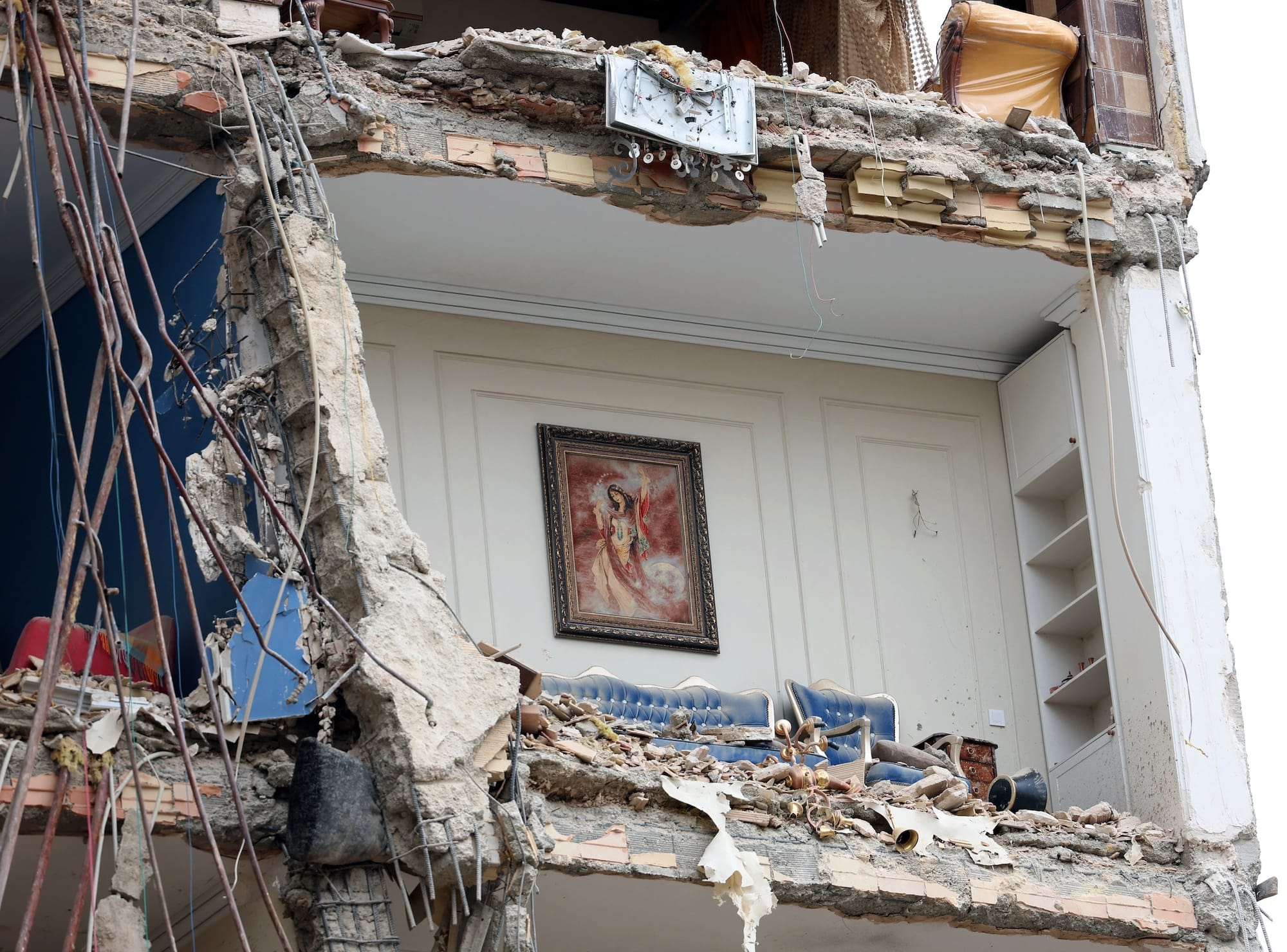
This week's cultural roundup connects diverse stories from art conservation to literary analysis. Novelist Karma Brown draws parallels between restoring artworks and revising novels, inspired by visits to the Art Gallery of Ontario, while an interview with Namwali Serpell examines the complex "monumentalization" of Toni Morrison's legacy. The column also includes a poignant image from Tehran—a framed artwork hanging in a bomb-damaged apartment—and touches on topics ranging from celebrating Eid in Gaza to discussions about "girl games" and the Lindy West drama.

Can an Artwork Have Personhood?

The article explores a growing trend in contemporary art where artists like Pierre Huyghe, Nina Katchadourian, and Marge Monko create works that blur the line between art objects and sentient beings. These works incorporate human performers, animals, AI, and smart devices, prompting viewers to question whether these entities possess or simulate personhood, and forcing an examination of our instinct to anthropomorphize.

Rika Nakajima: A New Book of the Dead, Part 3

連載 中島りか 新しい死者の書 第三回

Japanese artist Rika Nakajima reflects on the trial of Tetsuya Yamagami, who assassinated former Prime Minister Shinzo Abe in 2022, weaving together her own experience running the project space "Datsuisho – (a) place to be naked" in Tokyo's Yanaka district. As the space faced demolition in late 2025, Nakajima draws parallels between the trial's timing and the closure of her venue, recalling earlier events at the space that discussed the state funeral controversy and the cult issues exposed by the assassination. She describes attending the trial in Nara, observing Yamagami's demeanor, and connecting the case to broader themes of political aesthetics, fascism, and the theatricality of the judicial system.

How Caravaggio’s Dark Masterpieces Mirror the Crimes in Netflix’s Ripley

as seen on ripley netflix caravaggio 2466041

The Netflix series Ripley, an adaptation of Patricia Highsmith’s novel, utilizes the works of Caravaggio as a central narrative and aesthetic device. The show follows Tom Ripley, a grifter who travels to Italy and eventually adopts the identity of a wealthy acquaintance after committing murder. Throughout the series, Ripley encounters several of Caravaggio's masterpieces, including The Seven Acts of Mercy and David with the Head of Goliath, which serve as dark mirrors to his own descent into violence.

ai weiwei censorship artificial intelligence deepseek 1234773741

Renowned artist and activist Ai Weiwei critiques the intersection of artificial intelligence and censorship, drawing parallels between AI's algorithmic limitations and the Chinese government's systematic suppression of dissent. Using the emergence of the Chinese AI model DeepSeek as a catalyst, Ai recounts how the tool refused to discuss him, mirroring the state's long-standing strategy of erasing sensitive topics from public discourse. He argues that AI's reliance on existing data sets inherently replicates societal biases and moral codes, leading to factual inaccuracies and the homogenization of human thought.

craft as protest 2741909

Craft-based activism is surging in the U.S. as a form of protest against Immigration and Customs Enforcement (ICE) policies and operations under President Trump's second term. Projects include the "Melt the ICE" hat, a red beanie pattern that has sold over 65,000 copies and raised over $600,000 for immigrant-support nonprofits, and origami rabbits for a detained five-year-old boy, drawing direct parallels to historical craft-as-resistance movements like the Norwegian topplue worn against Nazi occupation.

What happens to the art market when humanity stops mattering?

The article examines the resilience of the high-end art market amid rising geopolitical tensions and shrinking public funding for culture. It notes that while sales at major auction houses like Sotheby's and Christie's have rebounded, political forces in the US and Europe are increasingly prioritizing military spending and exerting pressure on cultural institutions, drawing parallels to the rise of fascism in the early 20th century.

mernet larsen cover painting art in america 1234769883

Mernet Larsen, whose painting *Getting Measured* (1999) appears on the cover of the Winter 2025 issue of *Art in America*, discusses the work's origin and evolution in an interview from her home in Tampa, Florida. She explains how the painting marked a turning point from abstraction to a representational style inspired by 12th-century Japanese narrative painting and the parallel perspective technique used by architects, while also incorporating elements from her own abstract works and a self-portrait titled *Indecisive Woman*.

frank lloyd wright guggenheim leeches teeth pulled 1234768289

Frank Lloyd Wright, the renowned architect of New York's Solomon R. Guggenheim Museum, underwent bizarre medical treatments at the urging of Hilla Rebay, the artist and curator who commissioned him to design the museum. Rebay, a Prussian-born baroness and advisor to Solomon R. Guggenheim, convinced Wright to have all his teeth pulled and replaced with dentures within six weeks of their meeting, and also subjected him and his wife to leech bloodletting to drain 'old' blood. The Wrights stopped following her advice when she eyed their daughter's teeth.