
filter_list Showing 3 results for "Perspectives" close Clear
search
dashboard All 49 museum exhibitions 34article local 4article news 4person people 4article culture 3
date_range Range Today This Week This Month All
Subscribe

Rocked on their heels: how exhibitions can change the course of artists’ lives

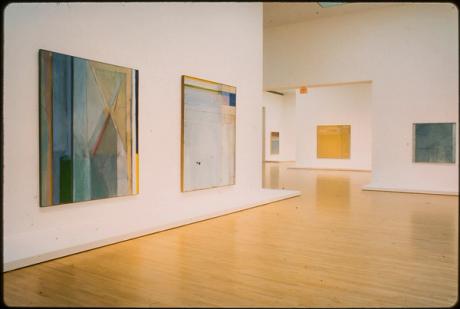
Alyce Mahon's new book, *Dorothea Tanning: A Surrealist World*, explores how the 1936 MoMA exhibition *Fantastic Art, Dada, Surrealism* profoundly transformed the young artist Dorothea Tanning, who described being "rocked on my run-over heels" by the experience. The article also recounts similar life-changing exhibition encounters for contemporary artists Lorna Simpson and Hurvin Anderson, as discussed on *The Week in Art* and *A brush with…* podcasts, highlighting how specific shows shaped their artistic trajectories.
WUF13: Director of National Art Museum explains how art shapes cities and urban change [INTERVIEW]

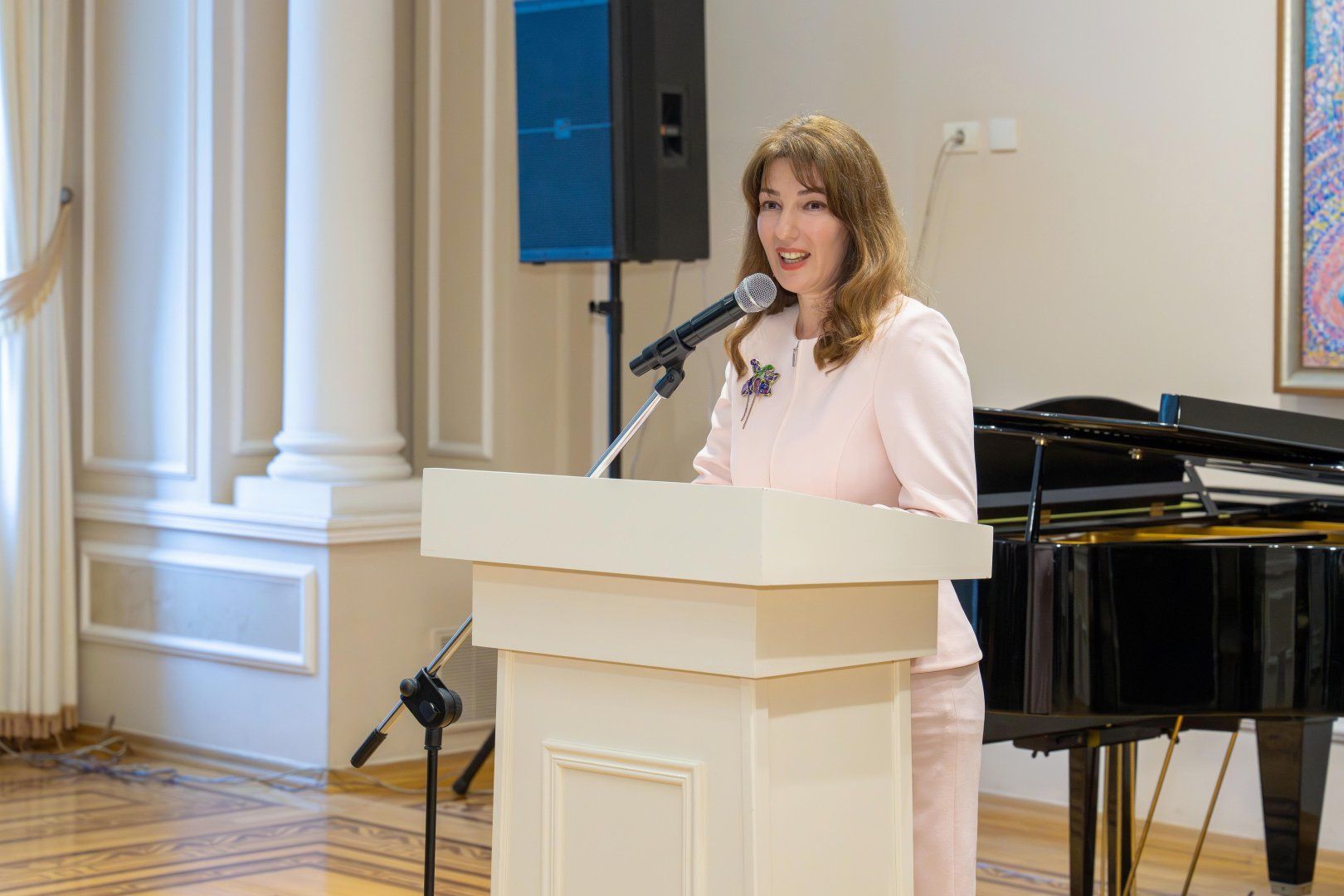
At the 13th session of the World Urban Forum (WUF13) in Baku, Shirin Malikova, director of the Azerbaijan National Art Museum, gave an interview discussing how art reflects and shapes urban development. She cited historical examples such as Bernardo Bellotto's 18th-century vedute paintings, which were used to reconstruct Warsaw's historic center after WWII, and the Eiffel Tower, originally a temporary installation that became a permanent symbol of Paris. The museum also presented an exhibition at the forum focusing on Baku's transformation across different eras, highlighting how art captures the multilayered history and cultural identity of cities.

How Native American Artists Redefined Contemporary Art in the United States

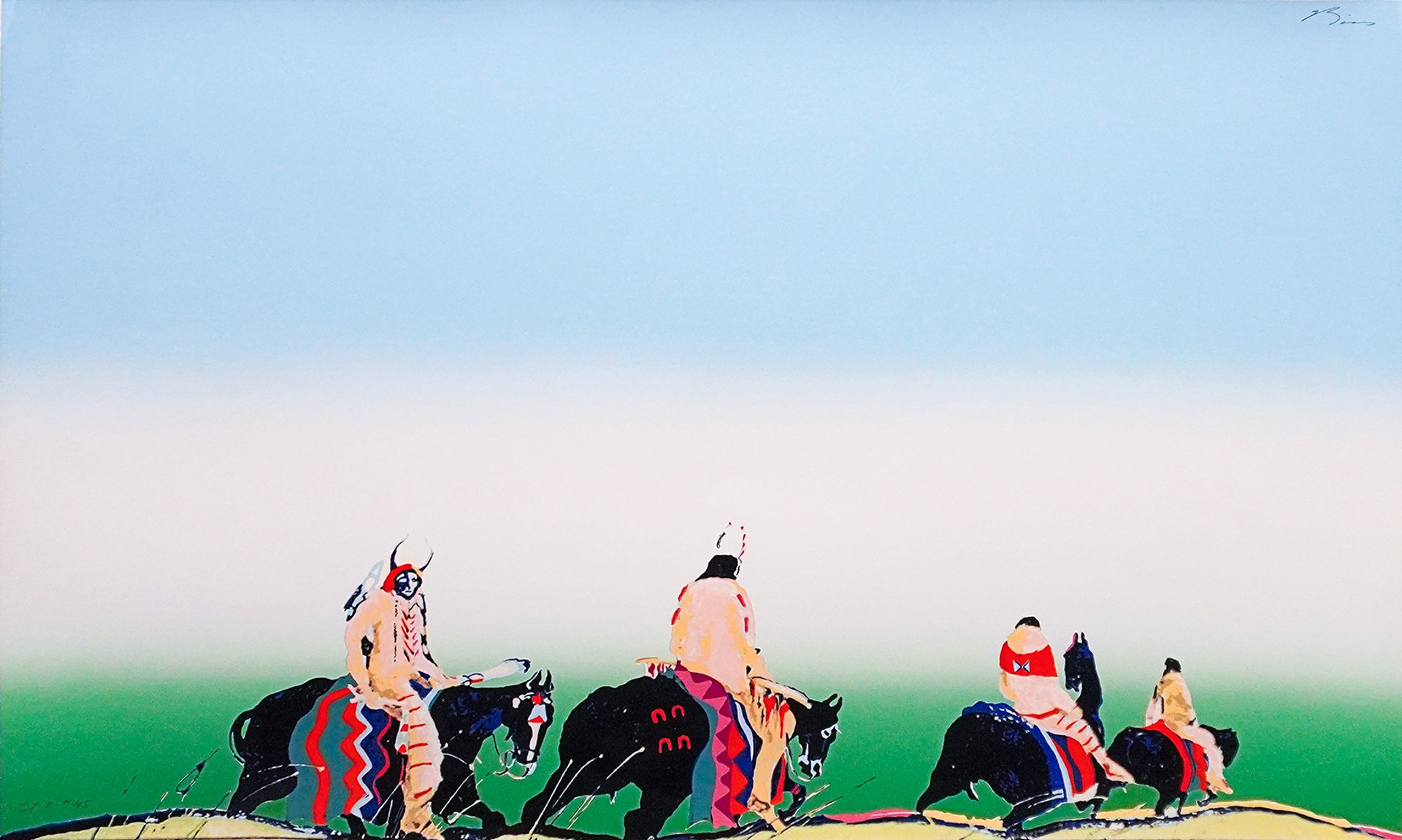
A generation of Native American artists, emerging from the Institute of American Indian Arts (IAIA) in Santa Fe from the 1960s onward, reclaimed Indigenous representation in American art. Figures like Fritz Scholder, T.C. Cannon, Kevin Red Star, and Earl Biss used modernism, irony, and cultural specificity to dismantle colonial stereotypes of Native peoples as romanticized relics, instead portraying them as contemporary individuals with agency and living traditions.