filter_list Showing 10 results for "ROSC" close Clear
search
dashboard All 99 museum exhibitions 50article news 15article culture 10article local 10person people 9trending_up market 2article policy 2candle obituary 1
date_range Range Today This Week This Month All
Subscribe

How Caravaggio’s Dark Masterpieces Mirror the Crimes in Netflix’s Ripley

as seen on ripley netflix caravaggio

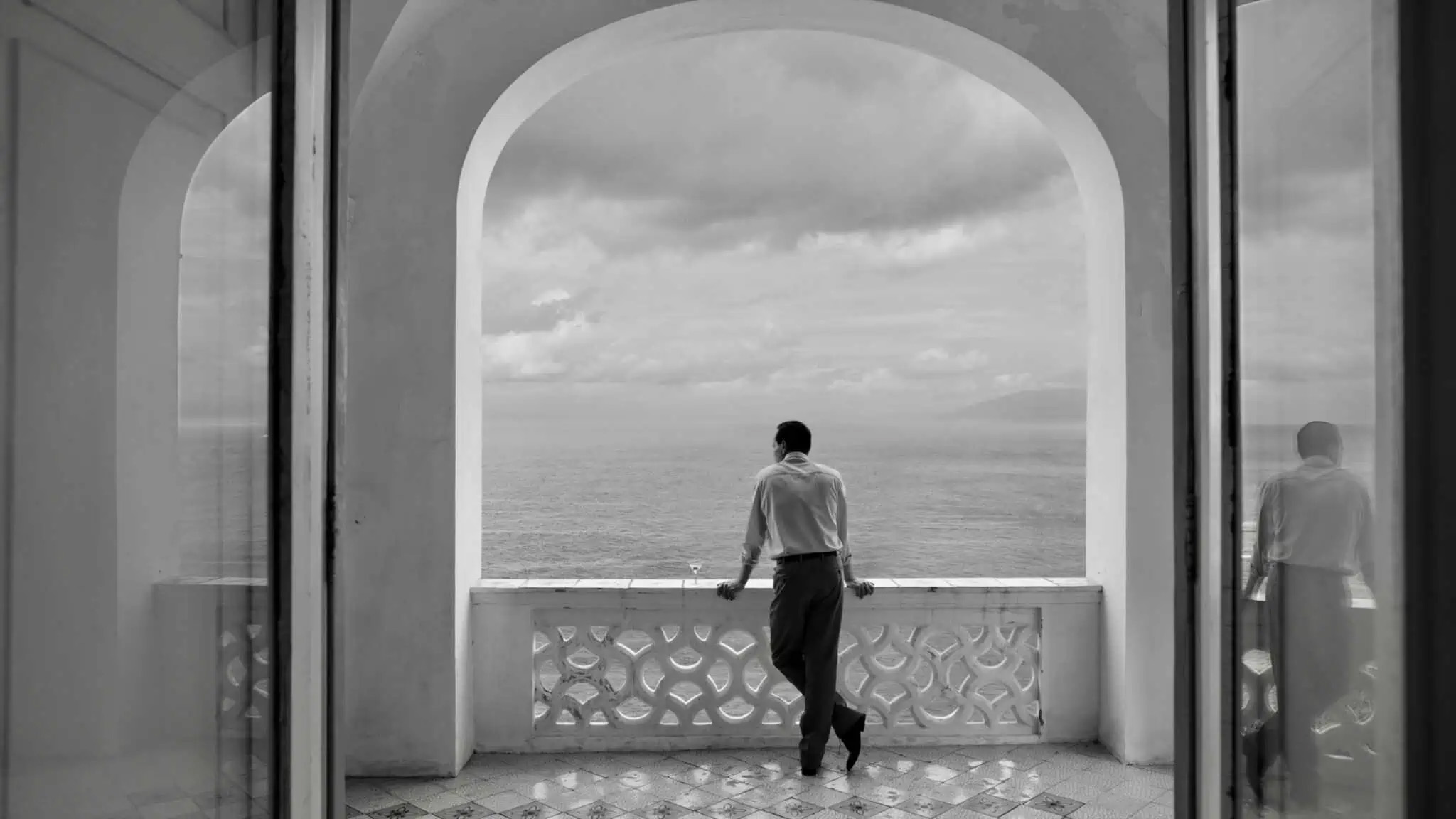
The Netflix series Ripley, an adaptation of Patricia Highsmith’s novel, utilizes the works of Caravaggio as a central narrative and aesthetic device. The show follows Tom Ripley, a grifter who travels to Italy and eventually adopts the identity of a wealthy acquaintance after committing murder. Throughout the series, Ripley encounters several of Caravaggio's masterpieces, including The Seven Acts of Mercy and David with the Head of Goliath, which serve as dark mirrors to his own descent into violence.
Barkley L. Hendricks | Biography, Paintings, Photography & Legacy

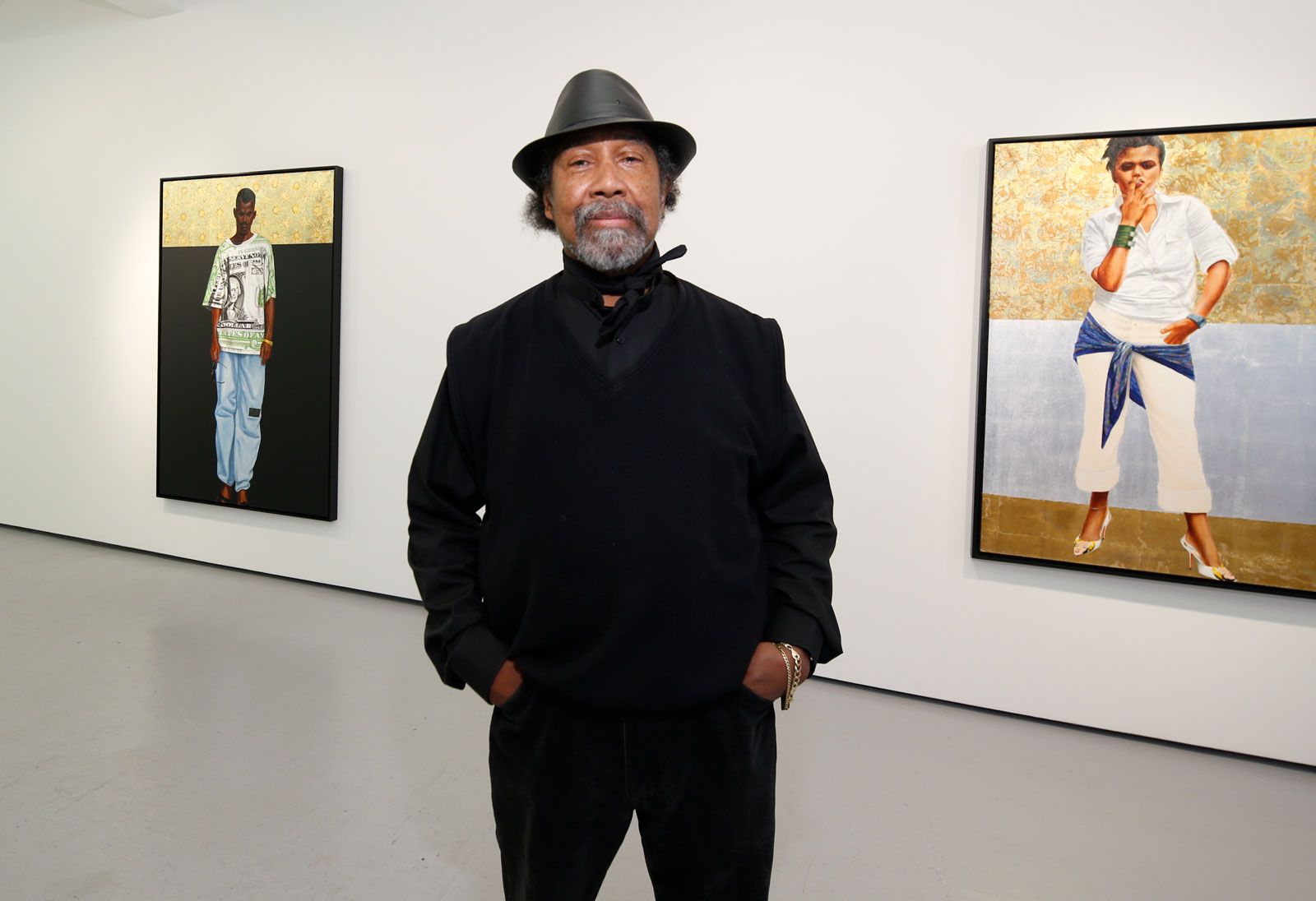
Barkley L. Hendricks was a transformative American portrait artist known for depicting ordinary Black men and women with the scale and technical mastery typically reserved for European Old Masters. After a pivotal trip to Europe in the 1960s where he noted the absence of Black subjects in museum collections, Hendricks dedicated his career to elevating Black identity through bold, life-sized oil paintings and photography. His work often featured vibrant monochromatic backgrounds and subjects drawn from his personal life, popular music, and urban culture.

GEORGE FEBRES: TRANSLATION, IRONY, AND LIBERATION. AN ECUADORIAN ARTIST IN THE DIASPORA

The article examines the life and work of George Febres (1943–1996), an Ecuadorian artist who spent most of his career in the United States, primarily in New Orleans. Febres’s practice blends Pop Art, Neo-Surrealism, and Southern US culture with his experiences as a migrant and queer subject, using bilingualism and ironic tropical imagery to create a hybrid, irreverent body of work. Despite his significance, no works by Febres exist in Ecuadorian public collections, and no major retrospective has been held in his home country, reflecting a broader erasure of queer narratives from national art history.

GEORGE FEBRES: TRADUCCIÓN, IRONÍA Y LIBERACIÓN. UN ARTISTA ECUATORIANO EN LA DIÁSPORA

George Febres (Guayaquil, 1943 – New Orleans, 1996) was an Ecuadorian artist whose work blended pop art, neo-surrealism, and Southern U.S. culture, shaped by his experience as a migrant and queer individual. The article traces his life from a privileged but unstable childhood in Ecuador to his migration to the United States, where he was drafted during the Vietnam War and eventually settled in New Orleans. Febres used bilingualism and ironic appropriation of tropical imagery to create a hybrid, irreverent body of work that challenges the official historiography of Ecuadorian art.

Art and technology meet in the augmented reality of artist Lois He

Arte e tecnologia si incontrano nella realtà aumentata dell’artista Lois He

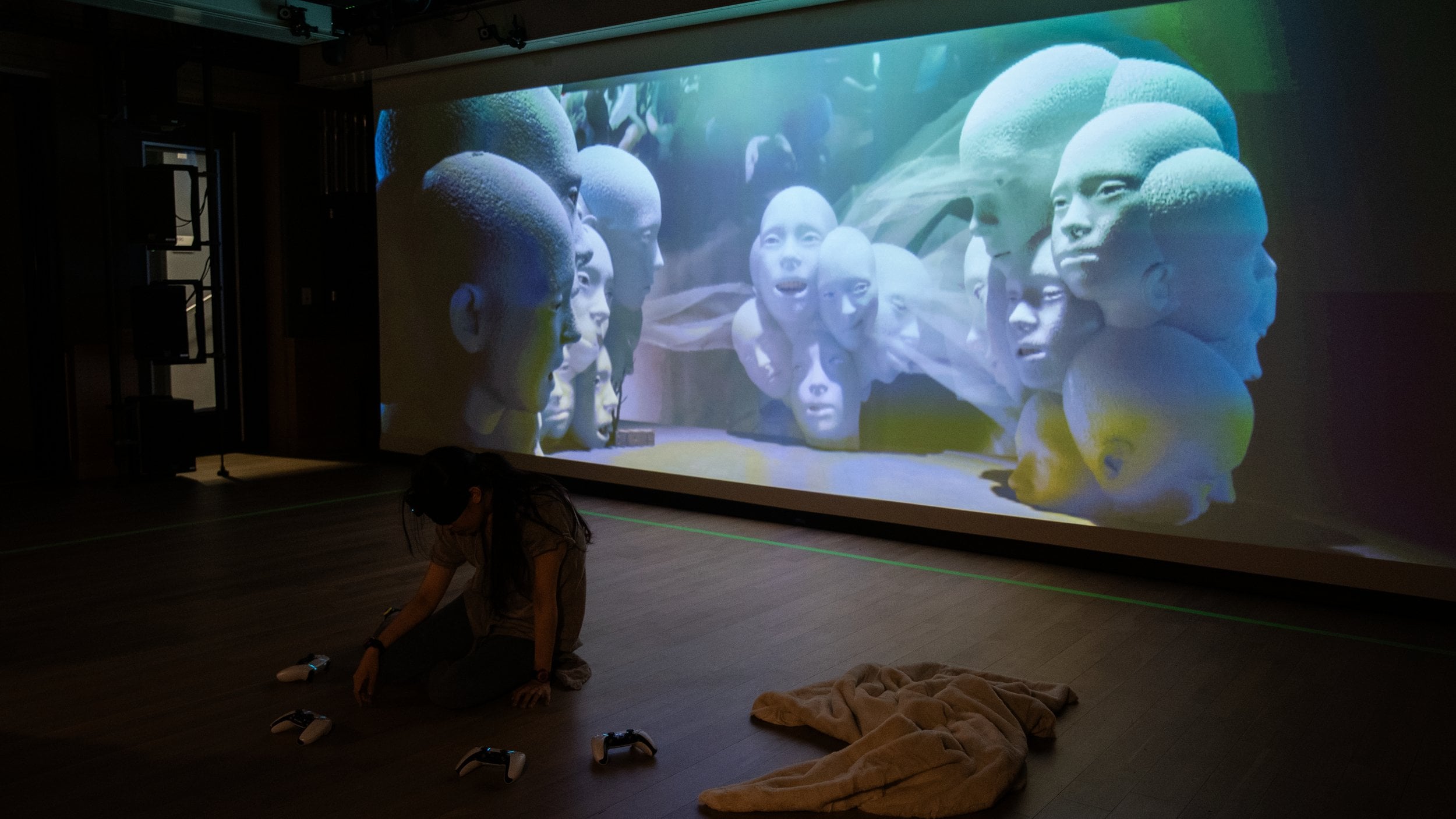
Lois He, a Chinese-born artist now based in New York, creates immersive XR installations that blend art and technology, transforming viewers into active participants. Her works, such as "Rising River," an AI-driven virtual reality experience, and "The Silent Carnival," a digital reinterpretation of Goethe's Faust, explore identity, emotion, and the impact of external agents like technology and culture. He also collaborates with institutions like the Museo Dalí and the NYU Neuroscience Institute, merging art with literature and science.

Beyond the Needle: Chilean Artist Felipe Abel on Chiaroscuro, Symbolism, and the Evolution of Modern Tattooing

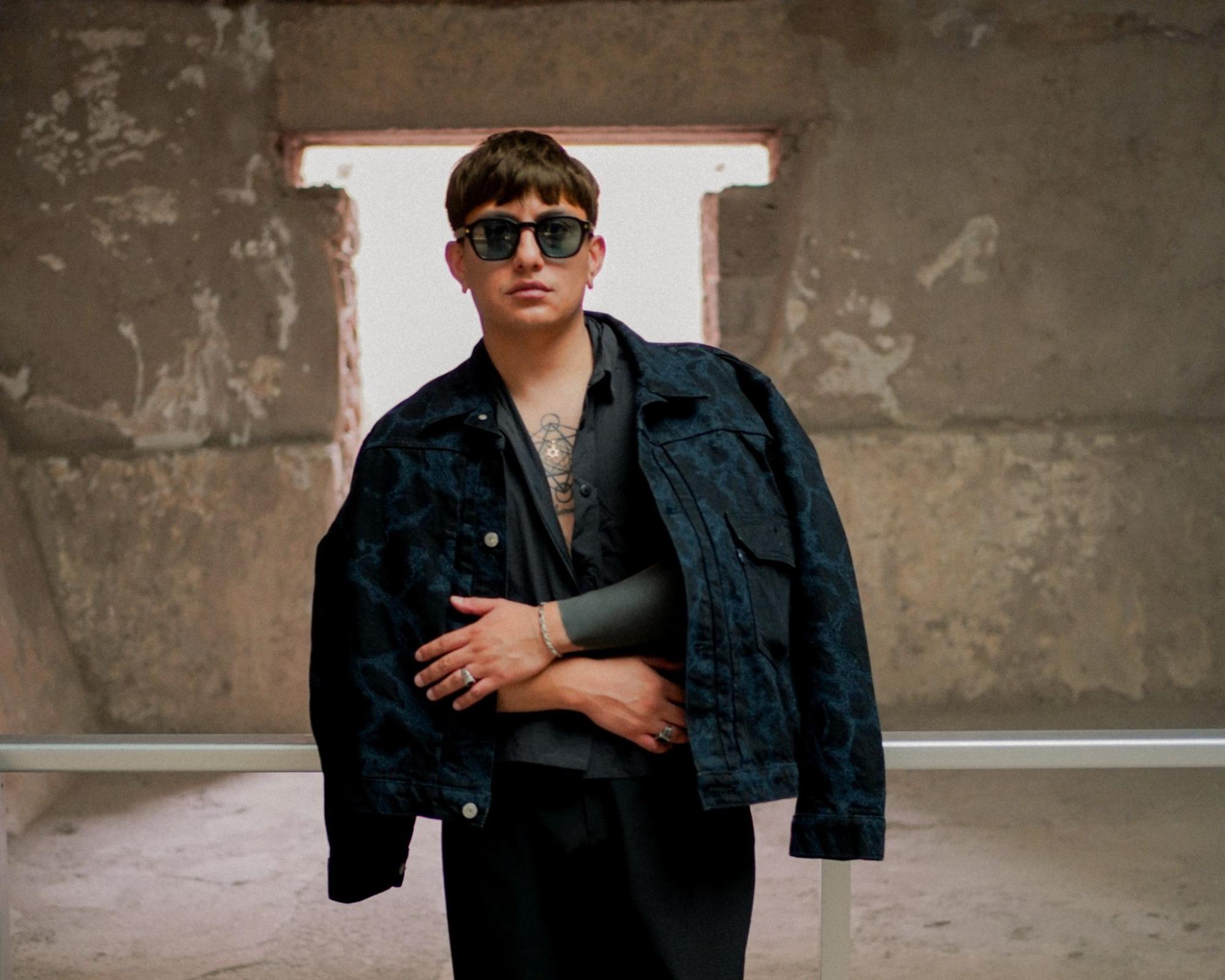
Chilean tattoo artist Felipe Abel (born Felipe Arriagada), who has a background in graphic design and a decade of experience in black-and-grey micro-realism, is preparing to join Noble Art Studio in Brooklyn. He is also developing a new series of oil paintings focused on mythology, theology, and esotericism, expected to debut in a formal exhibition around 2027. Abel, who has held guest spots in over 20 cities across 10 countries including studios like Sasha Tattooing in Paris and The White Whale in Milan, uses chiaroscuro and a recurring floating orb motif in his work, drawing influence from photographer Sebastião Salgado and painter Guillermo Lorca.

From Micro to Mega, Jon McCormack’s Striking Photos Reveal Nature’s Patterns

Photographer Jon McCormack, who grew up in the Australian Outback and has traveled to all seven continents, has a new book titled "Patterns: Art of the Natural World," forthcoming from Damiani Books. The project emerged during the pandemic when limited travel led him to revisit local spots and develop a patient, attentive approach to capturing nature's hidden harmony and symmetry. The book features 90 images ranging from microscopic crystals to aerial views of flamingos in Kenya, along with text contributions from fellow photographers and conservationists.

What’s Your Star Sign? The Ancients Could Offer You Some Insight.

The article explores the ancient origins of astrology, tracing its foundational concepts to Babylonian, Egyptian, and classical civilizations. It details how these early cultures developed complex systems of celestial observation and interpretation that predate modern horoscope apps and the contemporary astrology industry.

Toulouse is the European capital of space travel (and knows how to celebrate it)

Tolosa è la capitale europea dei viaggi nello spazio (e sa come celebrarli)

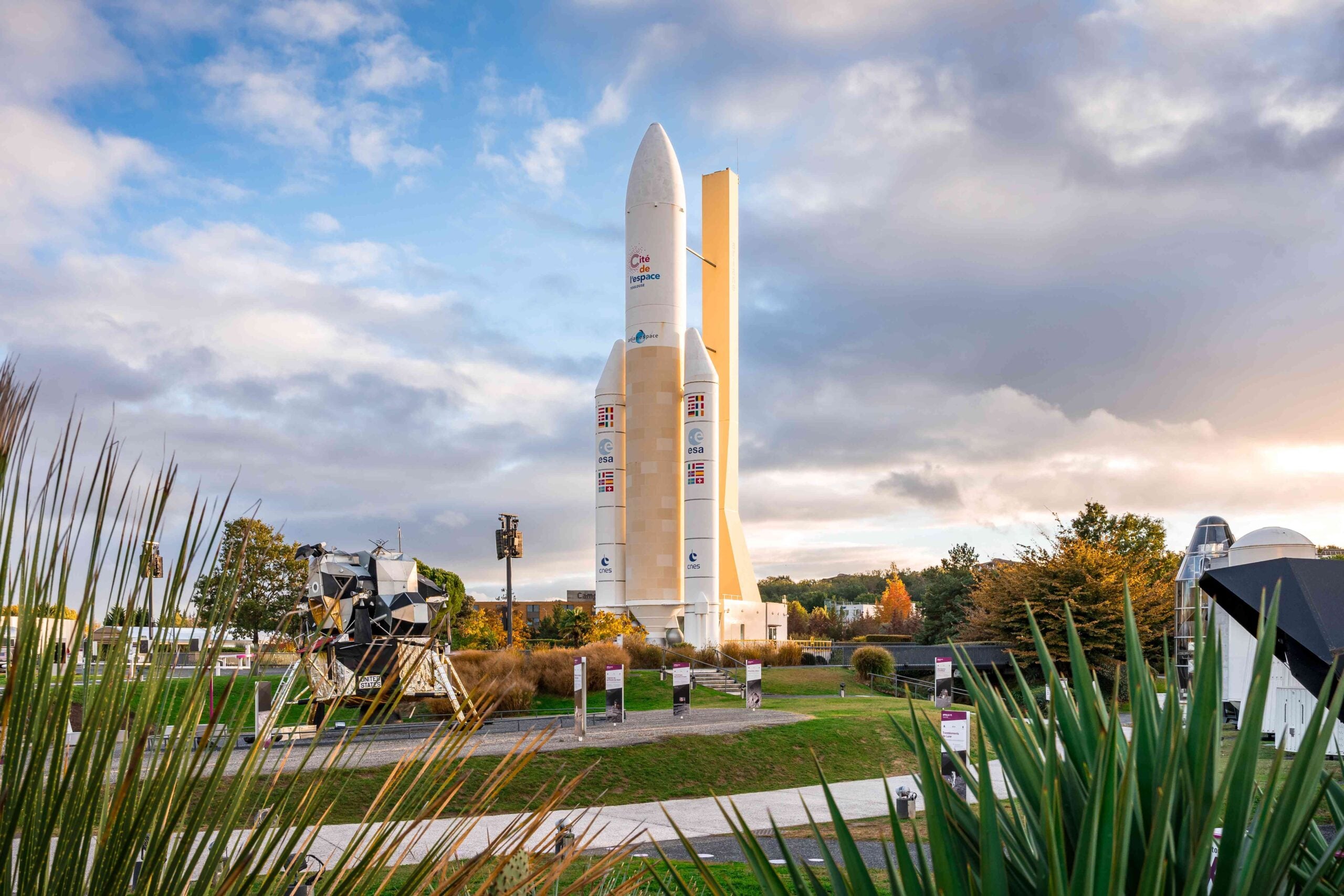
Toulouse has solidified its status as Europe’s aerospace capital, blending industrial prowess with cultural engagement. The city, home to the Airbus headquarters and the National Centre for Space Studies (CNES), celebrates the legacy of flight from Clément Ader’s 1890 steam-powered takeoff to modern satellite technology. Key institutions like the Cité de l’espace and the Envol des Pionniers museum offer immersive experiences, including flight simulators, real-scale rocket replicas, and exhibitions on the history of Air France.

How the National Gallery of Art is Using AI to Unlock New Insights into Art and Pain Managment

The National Gallery of Art in Washington, D.C., is leveraging its extensive digitization program to apply artificial intelligence to new fields, including pain management. Through partnerships like the PHAROS consortium and a collaboration with McGill University researcher Hannah Derue, the museum's open-access collection of over 61,000 high-resolution images is being used to train AI models for PAin+, a software platform that helps chronic pain patients articulate and track their experiences using art-based mindfulness and machine learning.