
filter_list Showing 5 results for "ROSC" close Clear
search
dashboard All 29 museum exhibitions 8person people 7article news 6article culture 5article local 3
date_range Range Today This Week This Month All
Subscribe

GEORGE FEBRES: TRANSLATION, IRONY, AND LIBERATION. AN ECUADORIAN ARTIST IN THE DIASPORA

The article examines the life and work of George Febres (1943–1996), an Ecuadorian artist who spent most of his career in the United States, primarily in New Orleans. Febres’s practice blends Pop Art, Neo-Surrealism, and Southern US culture with his experiences as a migrant and queer subject, using bilingualism and ironic tropical imagery to create a hybrid, irreverent body of work. Despite his significance, no works by Febres exist in Ecuadorian public collections, and no major retrospective has been held in his home country, reflecting a broader erasure of queer narratives from national art history.
GEORGE FEBRES: TRADUCCIÓN, IRONÍA Y LIBERACIÓN. UN ARTISTA ECUATORIANO EN LA DIÁSPORA

George Febres (Guayaquil, 1943 – New Orleans, 1996) was an Ecuadorian artist whose work blended pop art, neo-surrealism, and Southern U.S. culture, shaped by his experience as a migrant and queer individual. The article traces his life from a privileged but unstable childhood in Ecuador to his migration to the United States, where he was drafted during the Vietnam War and eventually settled in New Orleans. Febres used bilingualism and ironic appropriation of tropical imagery to create a hybrid, irreverent body of work that challenges the official historiography of Ecuadorian art.

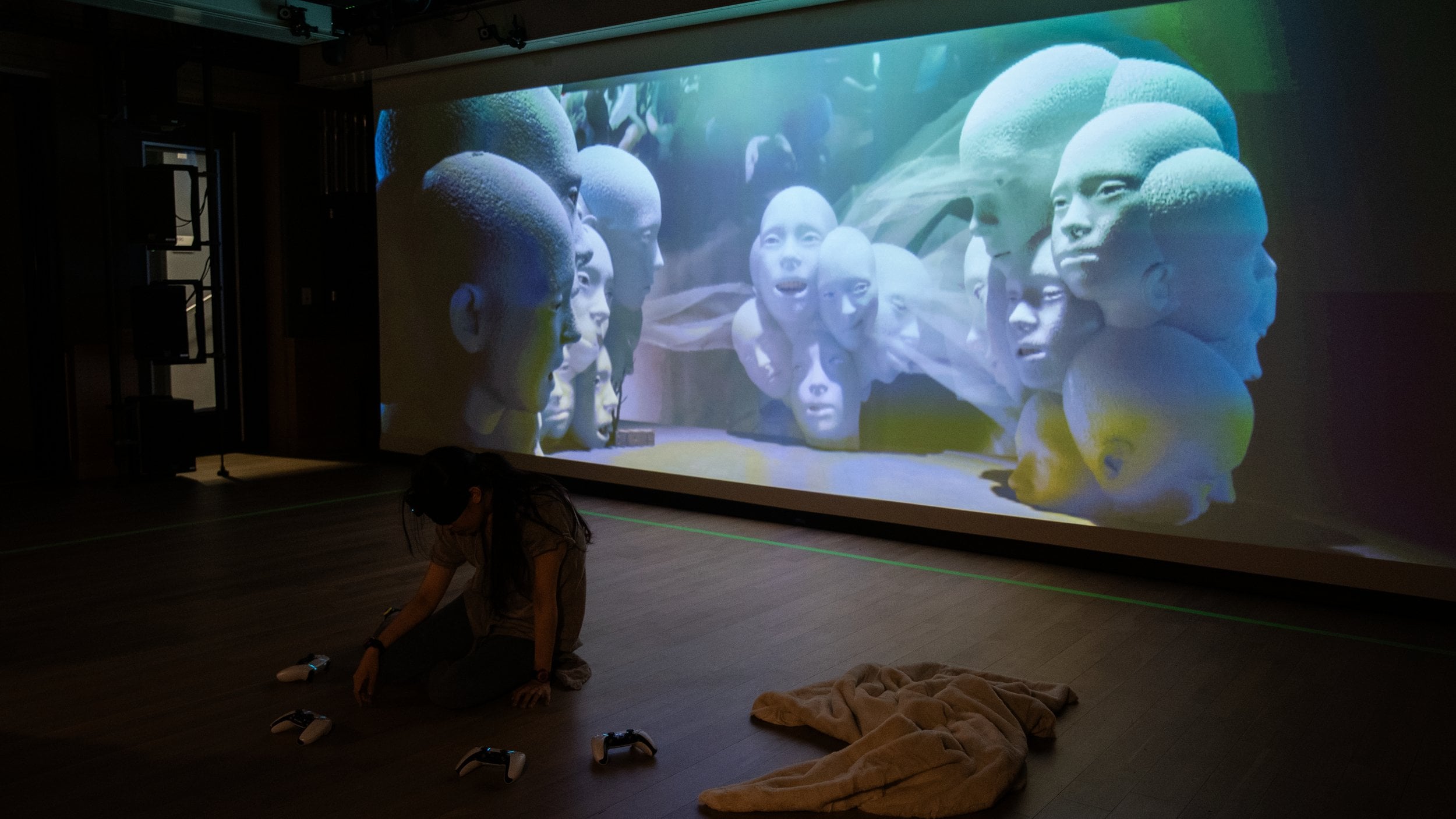
Art and technology meet in the augmented reality of artist Lois He

Arte e tecnologia si incontrano nella realtà aumentata dell’artista Lois He

Lois He, a Chinese-born artist now based in New York, creates immersive XR installations that blend art and technology, transforming viewers into active participants. Her works, such as "Rising River," an AI-driven virtual reality experience, and "The Silent Carnival," a digital reinterpretation of Goethe's Faust, explore identity, emotion, and the impact of external agents like technology and culture. He also collaborates with institutions like the Museo Dalí and the NYU Neuroscience Institute, merging art with literature and science.

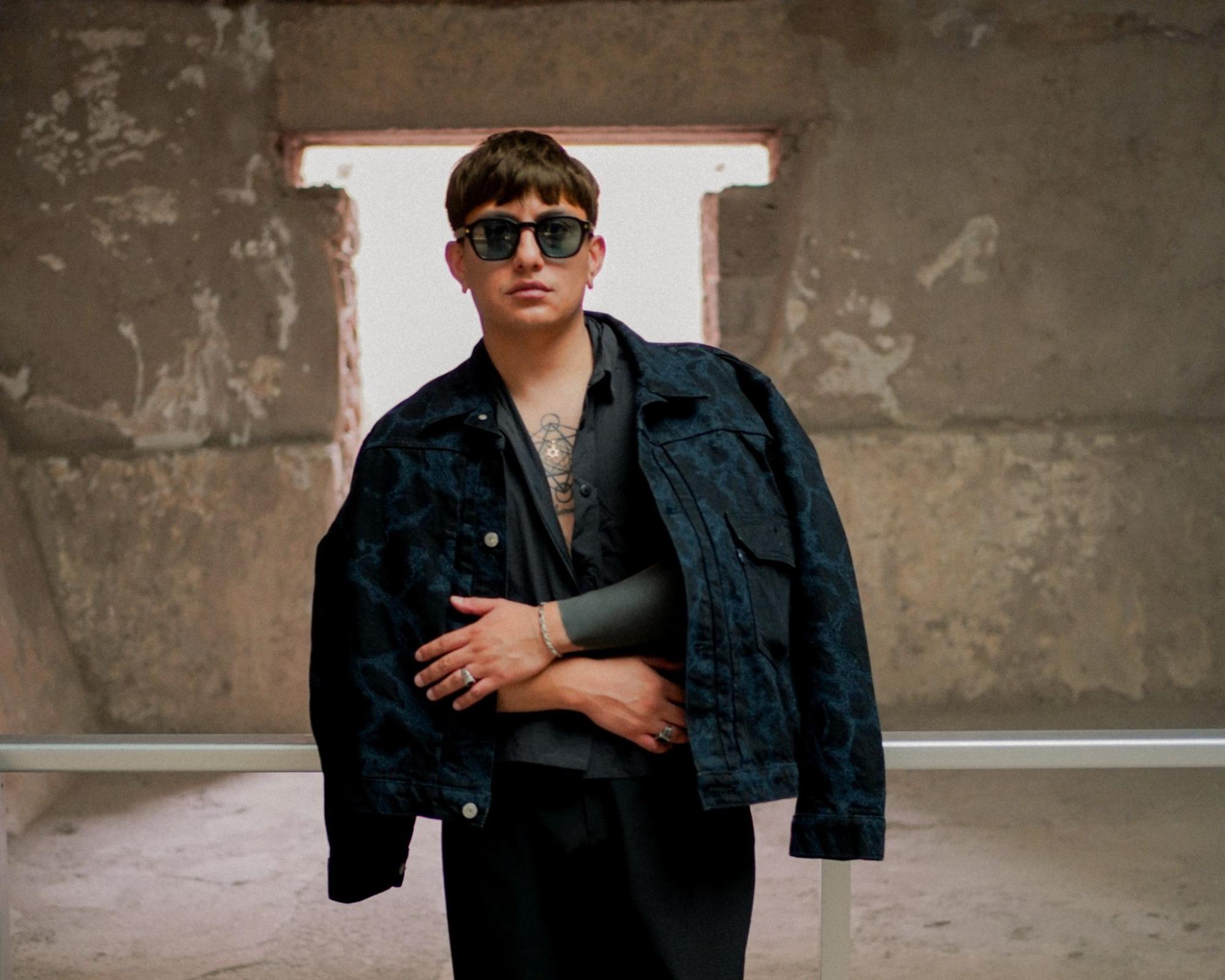
Beyond the Needle: Chilean Artist Felipe Abel on Chiaroscuro, Symbolism, and the Evolution of Modern Tattooing

Chilean tattoo artist Felipe Abel (born Felipe Arriagada), who has a background in graphic design and a decade of experience in black-and-grey micro-realism, is preparing to join Noble Art Studio in Brooklyn. He is also developing a new series of oil paintings focused on mythology, theology, and esotericism, expected to debut in a formal exhibition around 2027. Abel, who has held guest spots in over 20 cities across 10 countries including studios like Sasha Tattooing in Paris and The White Whale in Milan, uses chiaroscuro and a recurring floating orb motif in his work, drawing influence from photographer Sebastião Salgado and painter Guillermo Lorca.

From Micro to Mega, Jon McCormack’s Striking Photos Reveal Nature’s Patterns

Photographer Jon McCormack, who grew up in the Australian Outback and has traveled to all seven continents, has a new book titled "Patterns: Art of the Natural World," forthcoming from Damiani Books. The project emerged during the pandemic when limited travel led him to revisit local spots and develop a patient, attentive approach to capturing nature's hidden harmony and symmetry. The book features 90 images ranging from microscopic crystals to aerial views of flamingos in Kenya, along with text contributions from fellow photographers and conservationists.