filter_list Showing 23 results for "Realities" close Clear
search
dashboard All 195 museum exhibitions 103article news 23article culture 23person people 13rate_review review 10trending_up market 9article local 6article policy 4candle obituary 2gavel restitution 2
date_range Range Today This Week This Month All
Subscribe

art loie hollowell sophia cohen pregnancy parenting

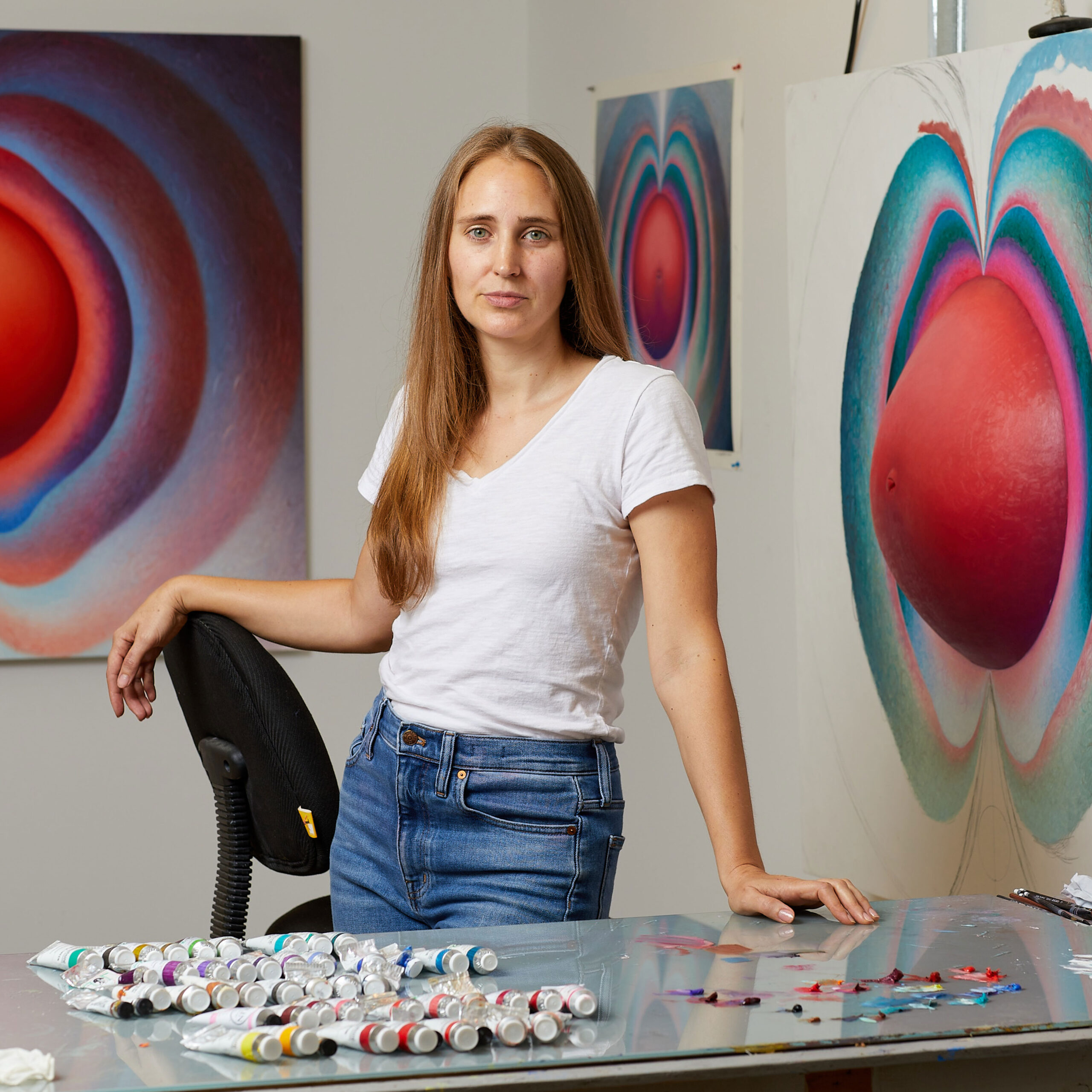
Sophia Cohen, five months pregnant, interviews artist Loie Hollowell about navigating motherhood and artistic practice. Hollowell discusses how pregnancy, childbirth, and perimenopause have influenced her abstract geometric works exploring the female body. The conversation covers the physical and emotional transformations of pregnancy, the fear of loss, and how these experiences manifest—or don't—in her art. Hollowell's recent museum survey at the Aldrich Contemporary Art Museum, “Loie Hollowell: Space Between, A Survey of Ten Years,” mapped the parallel evolution of her visual language and her body.

artist studio

Journalist Bianca Bosker went undercover as a studio assistant for painter Julie Curtiss and other artists, revealing the gritty, athletic reality behind art-making—a world of blood, sweat, and sleepless nights. The article explores how mounting financial pressures, especially for sculptors and installation artists like Ivana Bašić, Erwin Wurm, and Lindsey Mendick, force tough decisions about studio space and production. Bašić, despite critical acclaim, lost a subsidized Dumbo studio and now outsources production to keep costs down, while a growing number of established artists pass on wisdom through residencies and assistant teams.

art in america winter collaborations issue

The winter collaborations issue of Art in America explores the often unglamorous, slow-paced nature of creative work, challenging the social-media-driven perception of art-making as fast and dramatic. The issue features pieces on Ira Sachs's film *Peter Hujar's Day*, which depicts the artist's mundane daily routine, and an interview with Chicago-based artists Nick Cave and Bob Faust, who discuss their collaborative practice and the perceived lack of drama in their process. Other highlights include features on Talia Chetrit's fashion-art boundary work, Mernet Larsen's multi-perspective paintings, and the role of licensing agreements with artists' estates.

25 of 2025: 5 Trailblazing Performance Artists to Know

Artnet News spotlights five trailblazing performance artists defining 2025, including Geumhyung Jeong, whose work "Toys, Selected" (2025) at Canal Projects in New York explores the uncanny relationship between humans and robots through intimate, choreographed interactions with machine parts she built herself. Jeong, who studied acting, dance, and film animation in South Korea, has performed at Kunsthalle Basel, the 2022 Venice Biennale, and London's ICA, and is currently unrepresented by a gallery. The article also profiles Maja Malou Lyse, who was tapped to represent her country at the Venice Biennale.

bint mbareh sound art palestinian resistance

Bint Mbareh, a Palestinian sound artist and stage name assumed around 2019, creates installations and performances that use water and sound as metaphors for Palestinian experience. Growing up in Ramallah and later studying at Goldsmiths in London, she learned geographically specific Palestinian rain-summoning songs, which she twists and destabilizes using digital technology in works like *Time Flows in All Directions: Water Flows Through Me* (2020). After October 7, 2023, she expanded her practice to include a “choir” of collaborators performing collective grief, with appearances at an Artists for Aid benefit concert in London and at Tate Modern. Recent installation works such as *Bodies of Knowledge* (Royal College of Art) and *What’s Left?* (Sharjah Biennial) incorporate water tanks vibrated by sound, evoking both childhood and displacement.

strategies art world

Cem A., an artist and anthropologist known for the art meme page @freeze_magazine, argues that the art world is suffering from an oversupply of graduates trained by art schools that cannot sustain them. He describes a paradox where art graduates face high unemployment and are dismissed as unqualified for non-art jobs, while those who remain in the field must align with market trends and the attention economy, risking burnout and compromised creativity. Cem A. shares his own experience of being rejected for being "too artsy" before finding success through his Instagram page, which opened doors that traditional career paths could not.

Working as an Artist in Hong Kong (Michelle Fung)

Michelle Fung reflects on the realities of working as an artist in Hong Kong, dispelling the romantic myth of the bohemian artist. She describes the city's high cost of living, lack of affordable studio space, and the need for artists to take on multiple jobs—from teaching to selling secondhand handbags—to survive. Fung notes that while Hong Kong offers a vibrant art scene with over 70 galleries and a dozen museums, most artists cannot rely on gallery sales alone. She also critiques the Hong Kong Arts Development Council's grant system, which covers project expenses but provides minimal artist fees, contrasting it with more generous systems in Canada and the Netherlands.

A View From the Easel

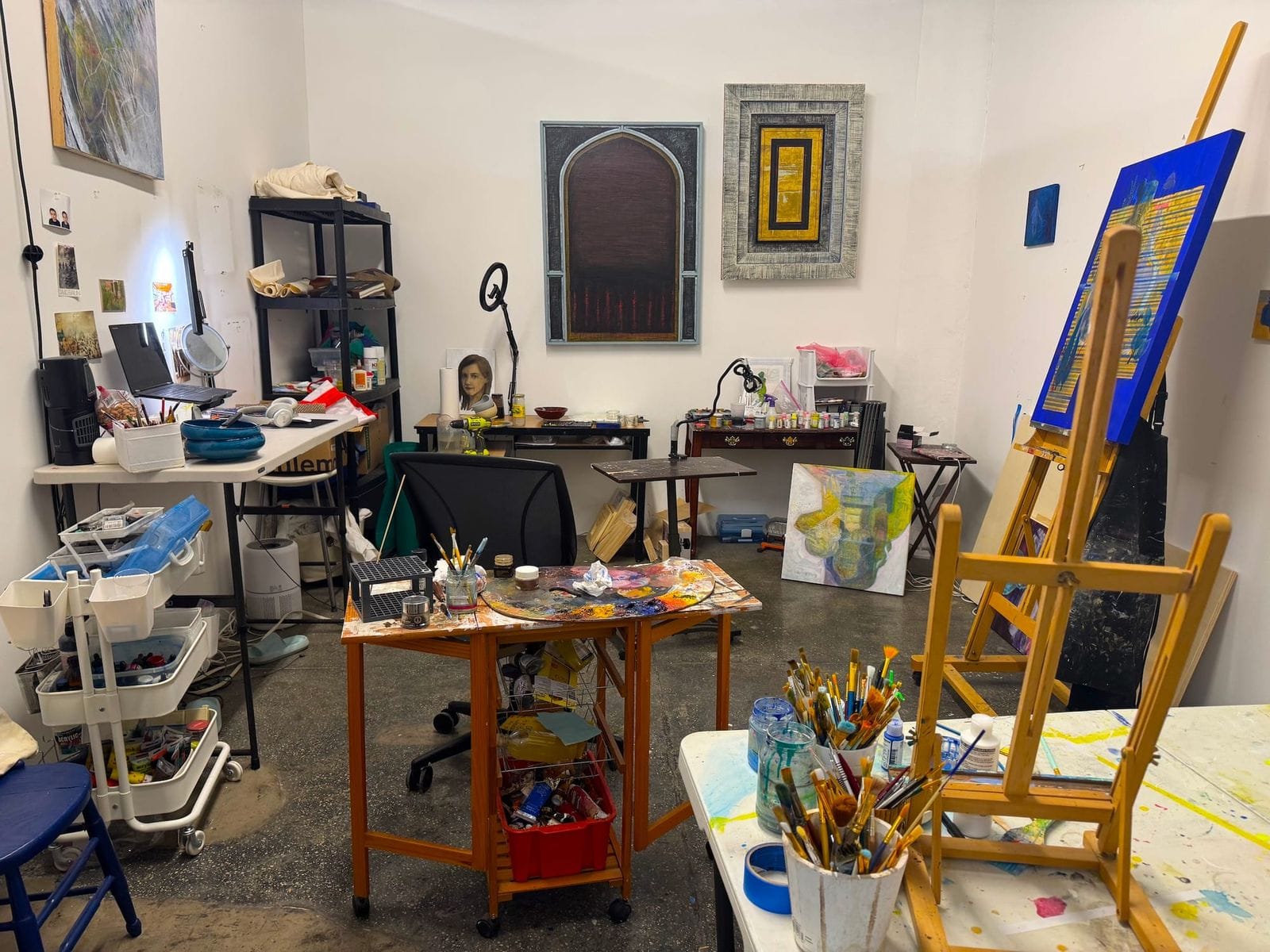
New Jersey-based artist Hadieh Afshani is featured in the 334th installment of Hyperallergic's 'A View From the Easel' series, which profiles artists in their workspaces. Afshani describes her studio practice at Mana Contemporary in Jersey City, where she balances her art with caring for her baby, working around his feeding and sleeping rhythms. She emphasizes the importance of natural light, a sink for fluid processes, and the supportive community of fellow artists and mothers.

May Book Bag: from a guide on entering the art world to a publication about artists influenced by Ovid’s Metamorphoses

The May Book Bag article from The Art Newspaper reviews four new art-related publications. It covers "Metamorphoses: Ovid and the Arts," edited by Francesca Cappelletti and Frits Scholten, which examines Ovid's influence on Western art through works by artists like Titian, Caravaggio, and Louise Bourgeois. Other featured books include Hettie Judah's "How to Enter the Art World," a practical guide for emerging artists; "Derrick Adams: Prints," showcasing the artist's printmaking from 2019-2025; and "Whistler's Legacy" by Daniel Sutherland, which explores the legacy of James Abbott McNeill Whistler through his close associates.

hieronymus bosch garden of earthly delights why important

The article examines Hieronymus Bosch's masterpiece "The Garden of Earthly Delights" (c. 1490–1510), explaining that while modern viewers often call it surreal, the term is an anachronism; the painting reflects a medieval worldview where damnation and divine order were accepted realities. It describes the triptych's structure, its likely commission by Engelbert II, Count of Nassau, and its narrative flow from grisaille exterior to vivid interior panels depicting Eden and hell. The piece also notes how 20th-century Surrealists like André Breton and Salvador Dalí claimed Bosch as a precursor, with Dalí directly borrowing motifs from the painting.

Order and chaos in contemporary Israeli art

Basia Monka profiles three contemporary Israeli artists—Ariel Hacohen, Jessica Moritz, and others—who, despite diverse backgrounds and mediums, share a common drive to explore order and chaos through repetition in their work. Hacohen, a 2024 Rappaport Prize laureate, uses photography, video, and sculpture to blend archaeology, history, and memory, with current exhibitions at the Haifa Museum of Art and Tel Aviv Museum of Art. The article presents each artist's answers to three questions about inspiration, the definition of art, and what makes their work unique.

Art’s new hybrid economy: who is making creative waves in a sector where analogue and digital media exist together?

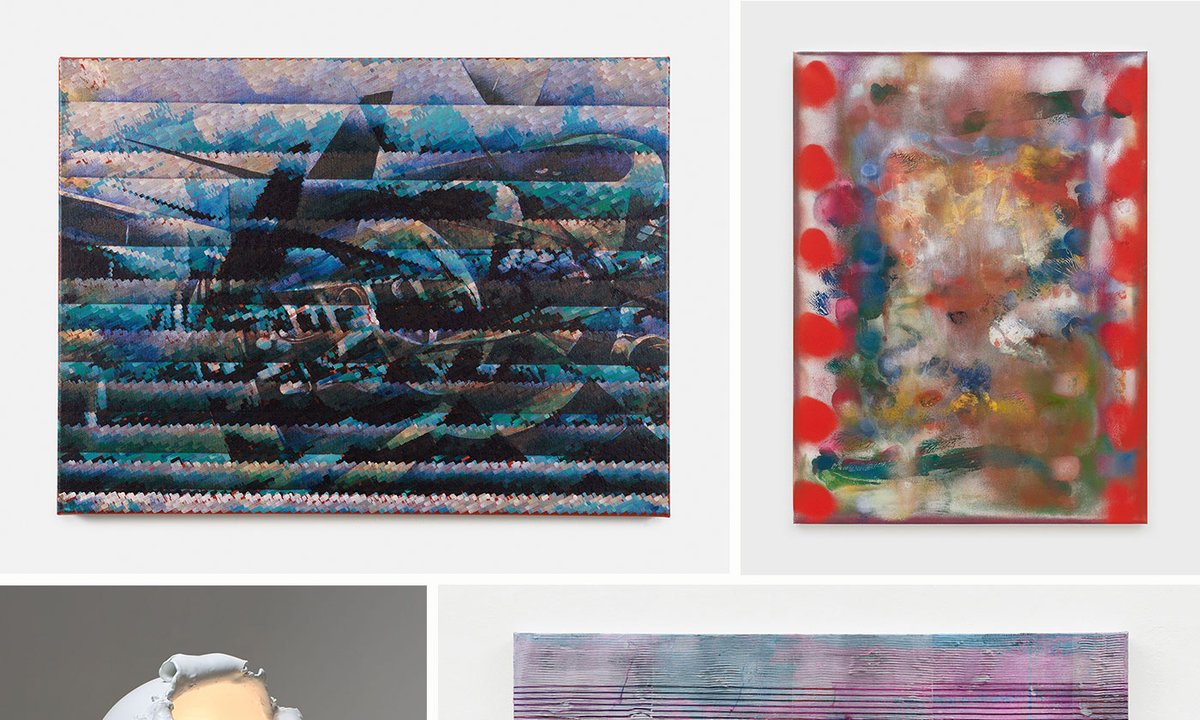
The article examines how contemporary artists are navigating a hybrid art economy where analogue and digital media converge, particularly in the age of AI. It profiles Simon Denny, recently appointed a Member of the New Zealand Order of Merit, whose machine-assisted paintings at Kraupa-Tuskany Zeidler in Berlin address the illegibility of AI-generated images and the militarized rhetoric of Italian Futurism. Other artists featured include Sara Ludy, whose postdigital paintings at Smart Objects, Los Angeles, reflect screen-based perception, and Chris Dorland, whose exhibition at Nicoletti Contemporary, London, exposes the limits of technical systems through glitch aesthetics. Hito Steyerl's new book *Medium Hot: Images in the Age of Heat* (2025) is also discussed, questioning the role of images in an era of operational, nonhuman vision.

department of homeland security thomas kinkade

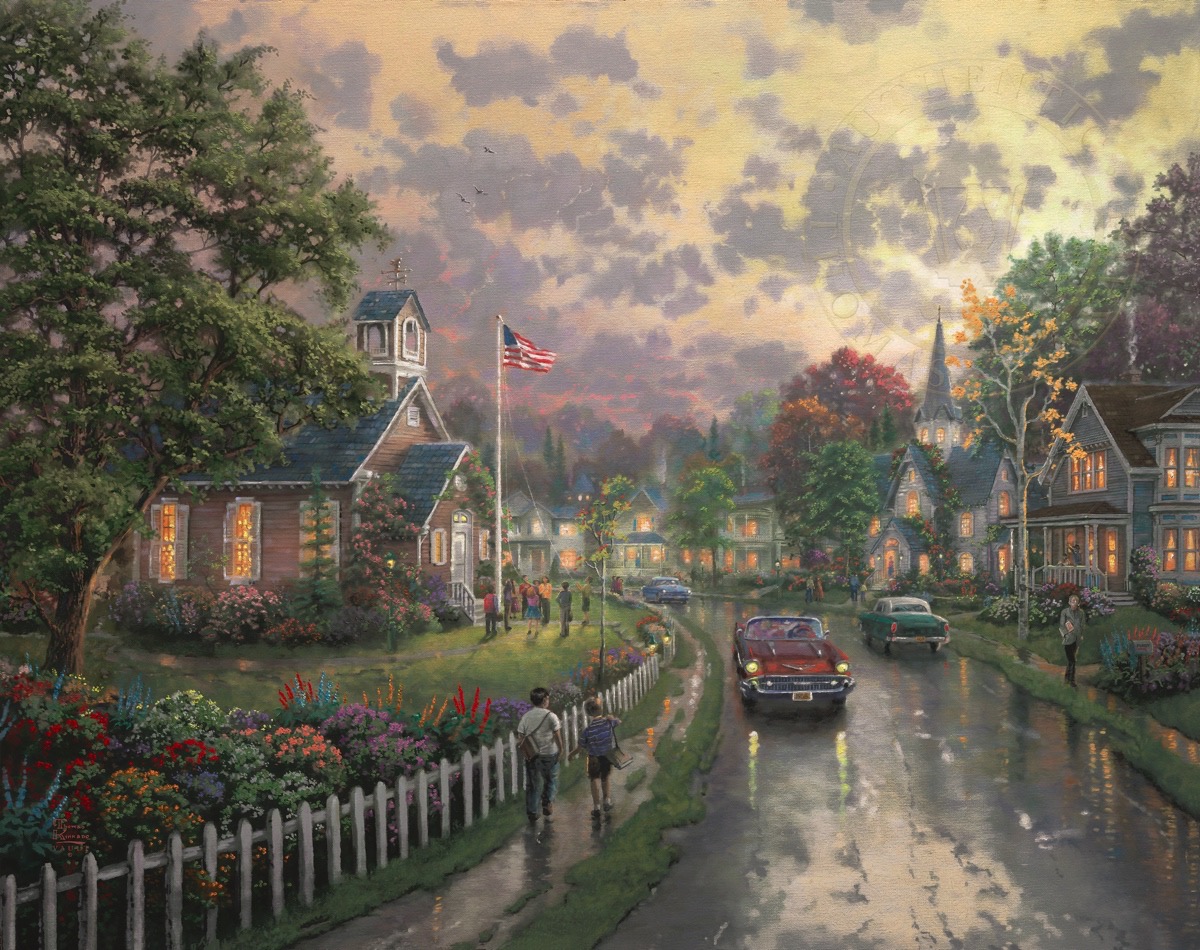
The Department of Homeland Security (DHS) posted a painting by the late artist Thomas Kinkade titled *Morning Pledge* on social media platforms Facebook, Instagram, and X, with the caption “Protect the Homeland.” The painting depicts an idealized American small town with midcentury cars, a schoolhouse, and an American flag. Kinkade, known for mass-producing sentimental, conservative scenes and dubbed the “painter of light,” was widely dismissed by the mainstream art world as kitschy. The DHS post coincided with the opening of a new ICE detention center in the Florida Everglades, nicknamed “Alligator Alcatraz,” built to imprison immigrant detainees, and with the passage of a controversial bill expanding ICE funding while cutting healthcare and food benefits.

Are All Crises Equal? A Conversation with MOS’s Michael Meredith and Hilary Sample by ANY

Architects Michael Meredith and Hilary Sample of the firm MOS discuss the concept of "polycrisis"—the intersection of economic, political, and ecological failures—and its impact on architectural form. The conversation highlights a growing void between the formal aesthetic project of architecture and the urgent political realities of the modern world. Sample specifically addresses how the dominance of political and regulatory restrictions in collective housing has stifled formal innovation, often reducing architecture to a mere byproduct of governance rather than a tool for social or cultural expression.

‘Anger, curiosity and hope’: a planet of protest – in pictures

Matthew Connors' new photo book, *The Axe Will Survive the Master*, compiles 12 years of protest photography from Hong Kong, Cairo, New York, Kyiv, North Korea, and beyond. Published by MACK Books, the work weaves together images from the Occupy movement, the Egyptian revolution, Hong Kong's pro-democracy protests, the war in Ukraine, and other confrontations with authoritarian power, dissolving geographic boundaries into a single sequence drawn from an archive of 200,000 images.

Navajo Nation: the fight for cultural survival – photo essay

The Navajo Nation is currently navigating a complex struggle to preserve its cultural heritage against the lingering effects of colonial-era boarding schools and the modern pressures of social media and urbanization. While elders like Virginia Brown recount the trauma of forced assimilation and language suppression, a new generation is grappling with a decline in Navajo fluency, which UNESCO now classifies as a vulnerable language. Despite these hurdles, community members are utilizing local schools and traditional practices to reclaim their identity.

And who are you?

Und wer seid ihr?

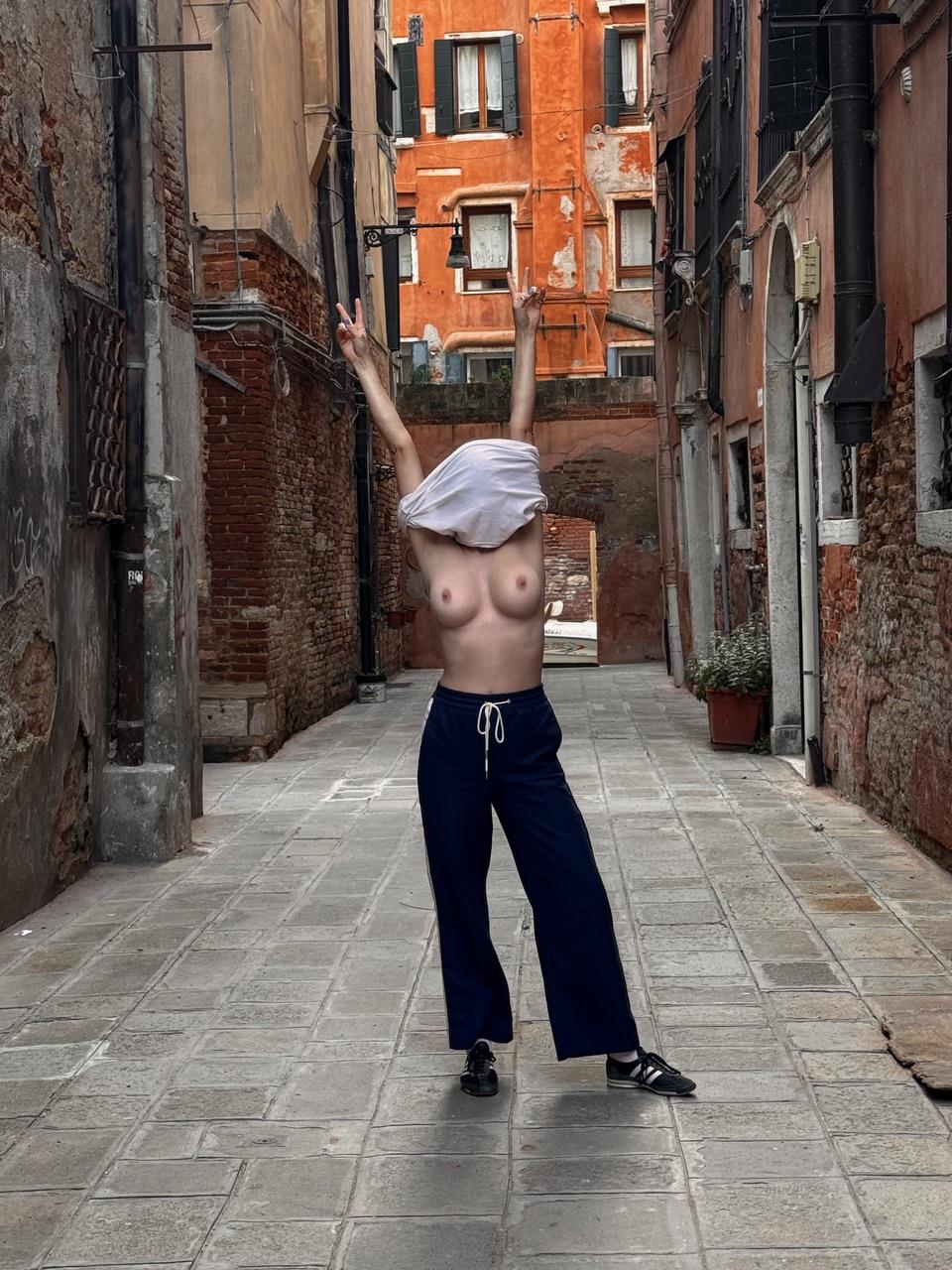
The article is a brief interview conducted at the Venice Biennale, where a visitor named Franzi explains her presence at the event and discusses her favorite pavilion. She cites the Austrian Pavilion by Florentina Holzinger as her absolute favorite after five days of art, and clarifies that her bare chest is not a political protest against Putin but a homage to Holzinger's work. She also mentions missing the Vatican Pavilion due to long queues.

Comment | Are museums ‘guilt tripping’ their visitors? No, they aren’t doing enough

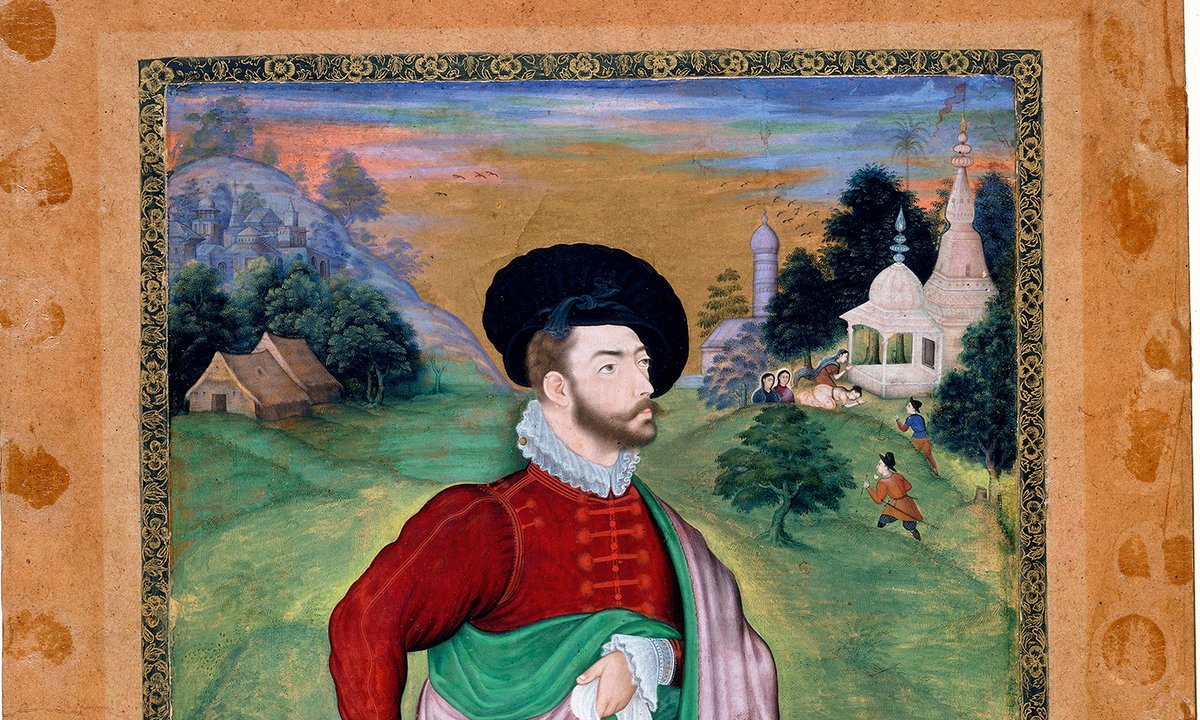
The article argues that museums are not doing enough to address political realities, colonial histories, and systemic oppression in their exhibitions and wall texts, contrary to critics who claim visitors feel guilt-tripped or bored by such content. The author cites the Victoria and Albert Museum's exhibition "The Great Mughals: Art, Architecture and Opulence" as a missed opportunity, noting that it privileged opulence without adequately engaging with the violent histories of colonialism, as pointed out by art historian Archishman Sarker and artist Sutapa Biswas.

Ethics and Parafiction: A Conversation

Ethics and Parafiction: A Conversation

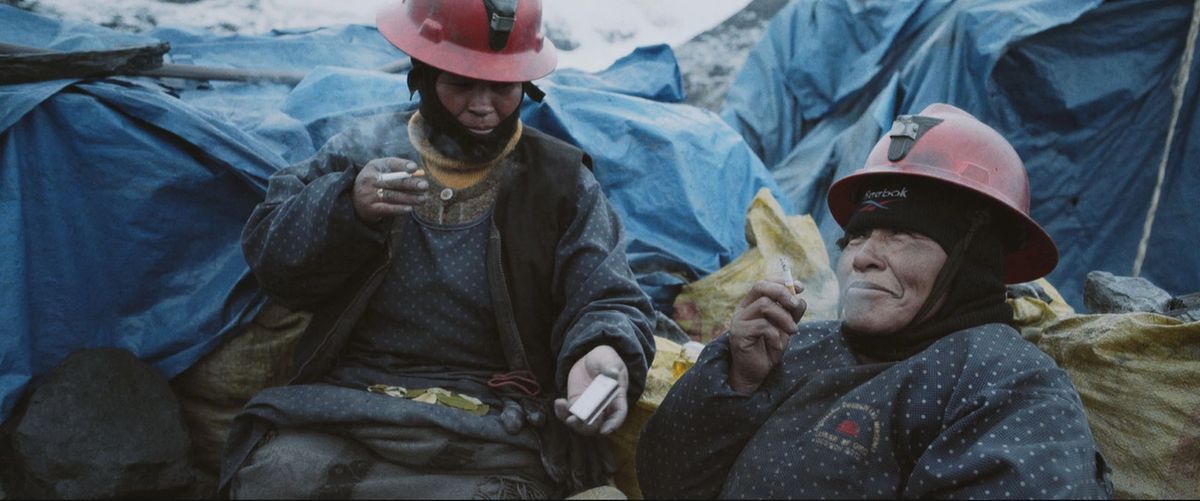
e-flux Screening Room hosted an event featuring artist and filmmaker Salomé Lamas on December 6, 2025. The program included screenings of her films 'Eldorado XXI' (2016) and 'Gold and Ashes' (2025), a presentation of her related publication, and a public conversation with curator Lukas Brasiskis. The published transcript focuses on Lamas's filmmaking process, particularly the logistical and ethical challenges of shooting in extreme locations like La Rinconada, Peru.

Participatory Design or Processual Formalism? Frei Otto, the Ökohaus, and the Ökohäusler by Matthew Kennedy

The Ökohaus (Eco-House) project in Berlin stands as a radical experiment in participatory architecture, born from the 1987 Internationale Bauausstellung (IBA) urban renewal program. Designed by Frei Otto, the complex features three residential buildings characterized by a 'double informality' where dense foliage and a patchwork of diverse cladding materials—ranging from timber and metallic shingles to exposed concrete—create a ruin-like yet meticulously resolved aesthetic. The project challenged traditional housing models by allowing residents, or 'Ökohäusler,' to engage in a collective and individualized construction process.

When the Night Bleeds into the Day

Wenn die Nacht auf den Tag abfärbt

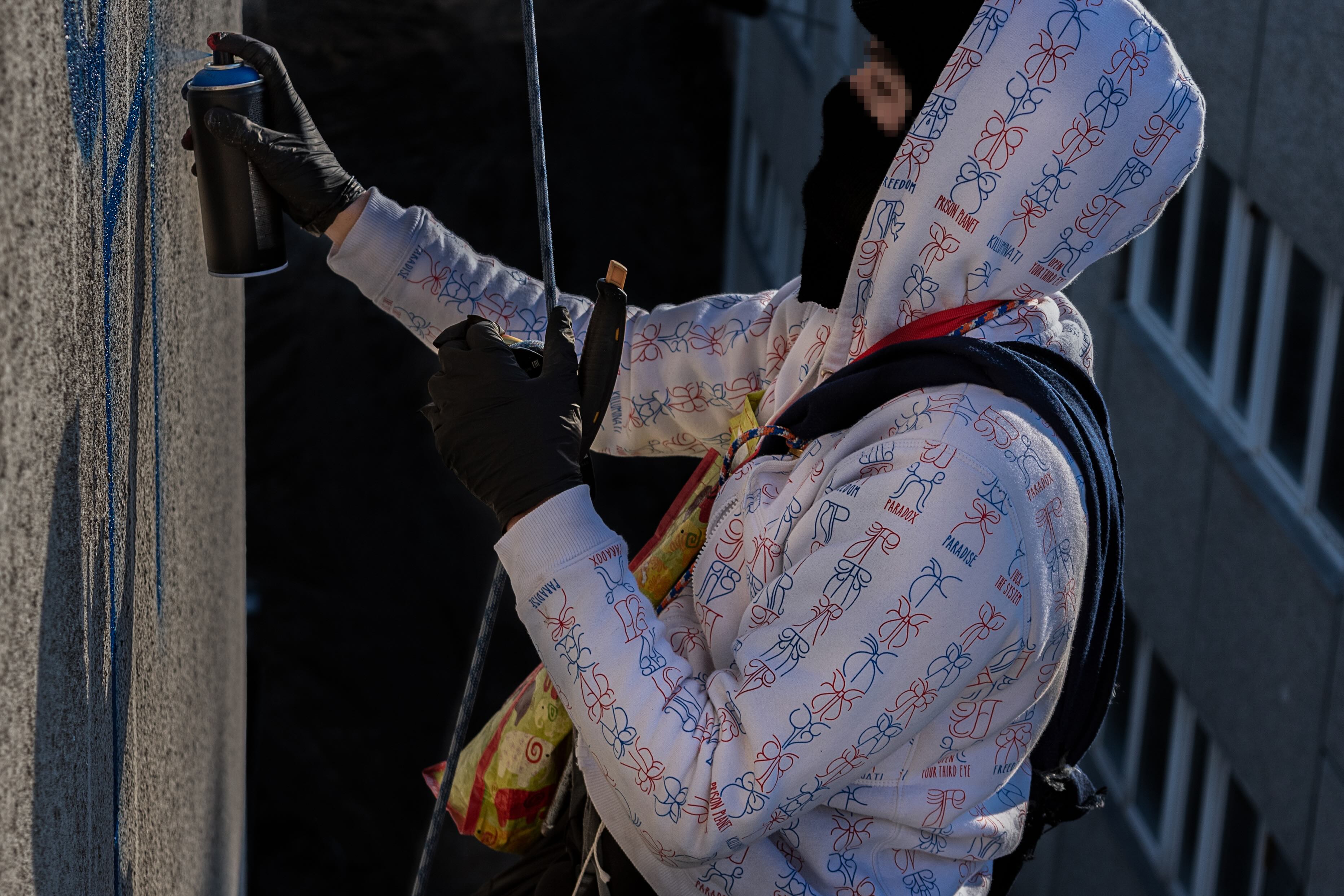
Berlin-based graffiti artist Paradox Paradise, known for his distinctive red-and-blue "Paraglyphs" painted on high facades, discusses his evolution from classic graffiti to a radically reduced visual language. In an interview with Monopol, he explains how he stripped away decorative elements to focus on precise, vertical outlines and messages like "Mieten runter Wände bunter" (lower rents, more colorful walls). He describes his nocturnal actions as states of heightened presence requiring weeks of planning, where every movement has immediate consequences.

6 Nigerian Gen Z Painting Artists We Should All Recognize By Now

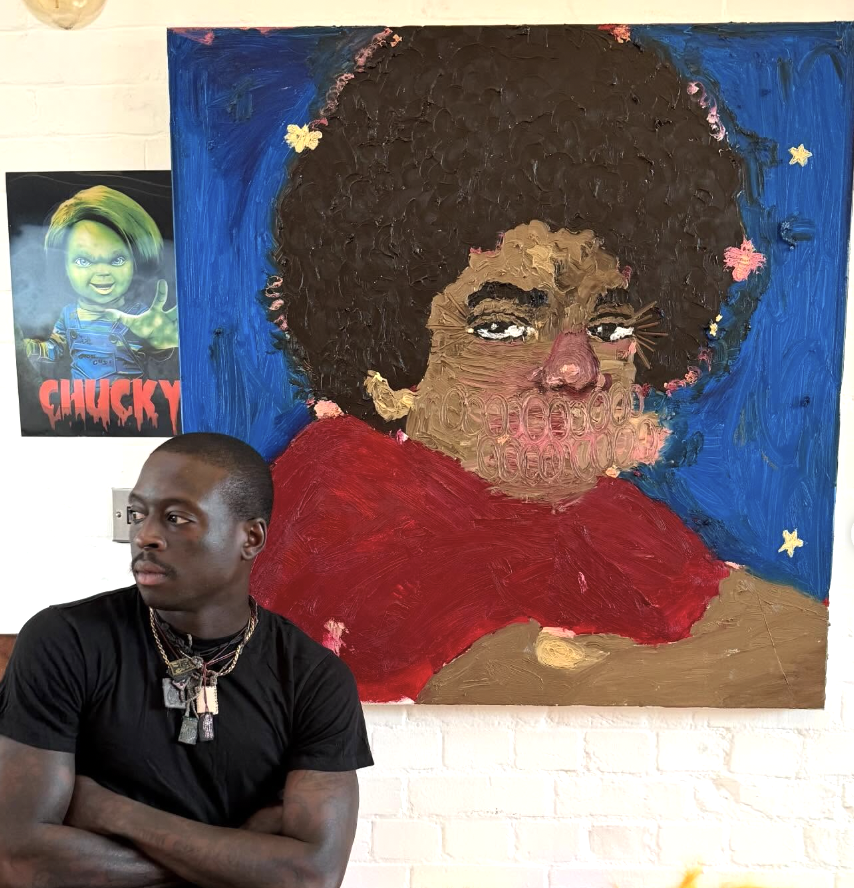
This article profiles six Nigerian Gen Z painting artists who are gaining international recognition for their vibrant, culturally reflective works. The featured artists include Anthony Azekwoh, known for blending classical and digital styles; Olaolu Slawn, a former skateboarder turned graffiti-style artist with collaborations like Rolex and Formula 1; Chigozie Obi, whose multidimensional art explores activism and mental health; Ayanfe Olarinde, a self-taught multidisciplinary artist; Adeoluwa Oluwajoba, a mixed-media artist and curator; and Meju Lawrence, known for colorful, animated pieces displayed in notable galleries.

Provincia Cosmica. A Foggia per scoprire la fotografia sociologica di Maria Palmieri

Maria Palmieri (Foggia, 1986) is a photographer who uses her camera as a tool for observation, understanding, and social improvement. After studying law, she turned to visual arts, blending reportage with vernacular photography to uncover truth amid the 'noisy horror' of contemporary life. In an interview with Artribune, she discusses her sociological approach to photography, her return to her hometown of Foggia, and her ongoing documentation of the region's fragilities, including the largest migrant ghetto in Europe.