
filter_list Showing 3 results for "Reign" close Clear
search
dashboard All 10 museum exhibitions 6article culture 3article news 1
date_range Range Today This Week This Month All
Subscribe

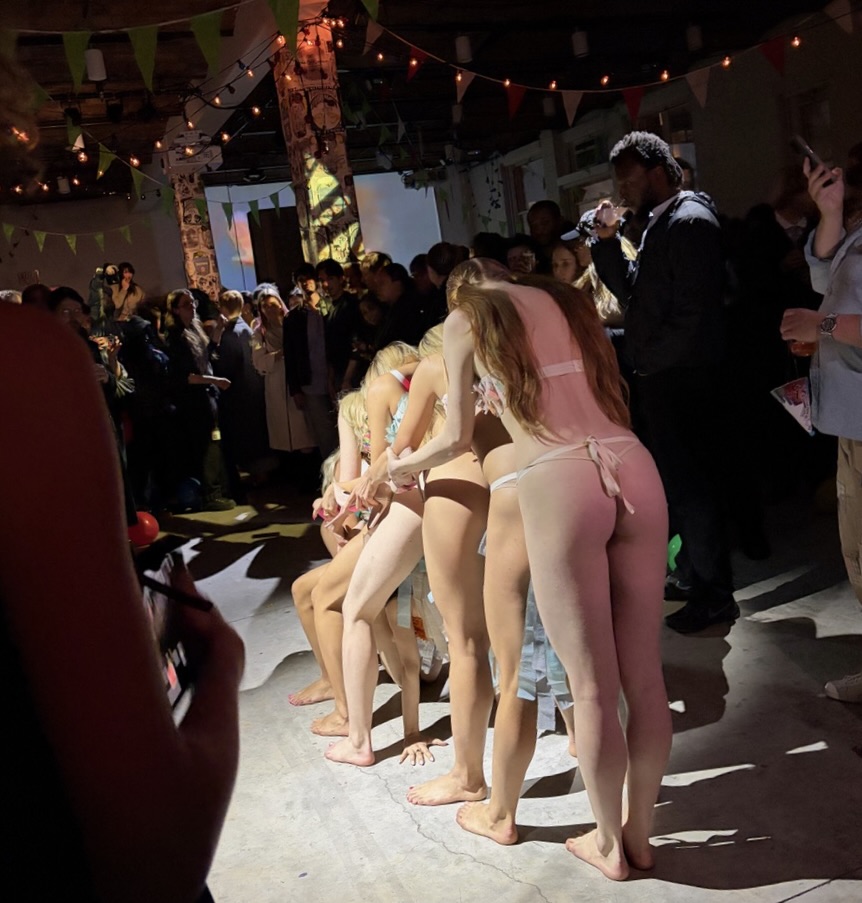
Sex Dreams, Piss Takes, and Fake Trends: A Week in the NY Art World With Domenick Ammirati

Domenick Ammirati returns to New York after a year-long writing residency in Siena and Provincetown to cover the spring art fairs, including Frieze New York 2026. He observes a notably calm art week, attributing the subdued atmosphere to the fair's proximity to the Venice Biennale, which left key players exhausted. Highlights include a Rei Kawakubo installation at Independent, Gucci's Cruise show in Times Square, and MoMA PS1's 50th anniversary gala, where he mingles with curator Jody Graf and spots Klaus Biesenbach.
From men on dog leads to public breast-fondling, Valie Export’s art demanded a total feminist revolution

Valie Export, the pioneering Austrian feminist artist known for her provocative and confrontational performances from the 1960s onward, is the subject of a reflective essay by writer and academic Hettie Judah. The article revisits Export's radical works such as *Hyperbulia* (1973), where she crawled naked through electrified wires; *From the Portfolio of Doggedness* (1968), in which she led a man on a dog lead through Vienna; and *Action Pants: Genital Panic* (1969), where she walked through a cinema with exposed genitals. Judah draws on her own interviews with Export, who died in 2023, and discusses the artist's manifesto demanding that women use art to reshape consciousness and achieve liberation.

How Native American Artists Redefined Contemporary Art in the United States

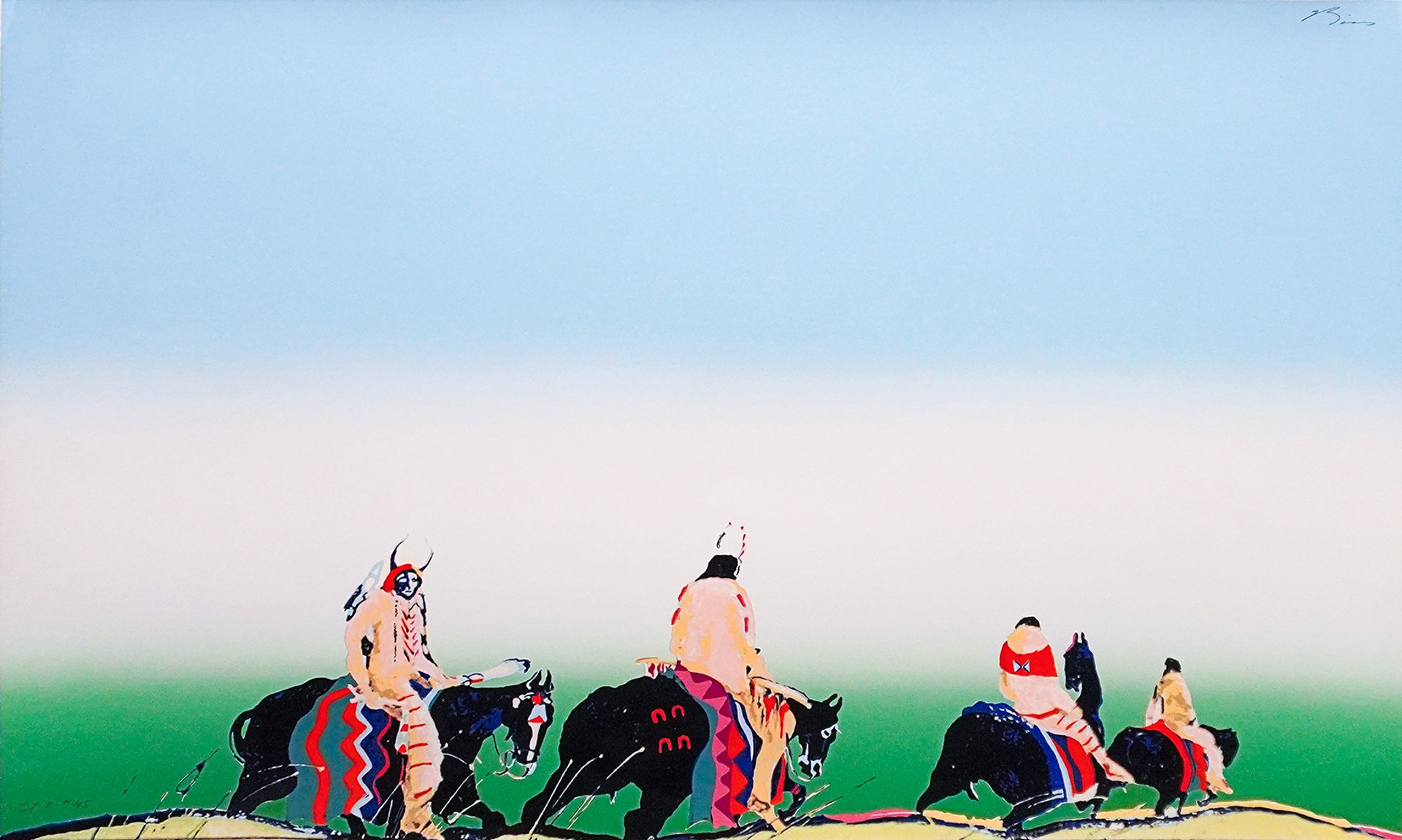
A generation of Native American artists, emerging from the Institute of American Indian Arts (IAIA) in Santa Fe from the 1960s onward, reclaimed Indigenous representation in American art. Figures like Fritz Scholder, T.C. Cannon, Kevin Red Star, and Earl Biss used modernism, irony, and cultural specificity to dismantle colonial stereotypes of Native peoples as romanticized relics, instead portraying them as contemporary individuals with agency and living traditions.