
filter_list Showing 5 results for "Resolve" close Clear
search
dashboard All 107 article news 35museum exhibitions 24gavel restitution 15trending_up market 12article culture 5article local 5person people 5article policy 3rate_review review 3
date_range Range Today This Week This Month All
Subscribe

art heist that inspired the mastermind

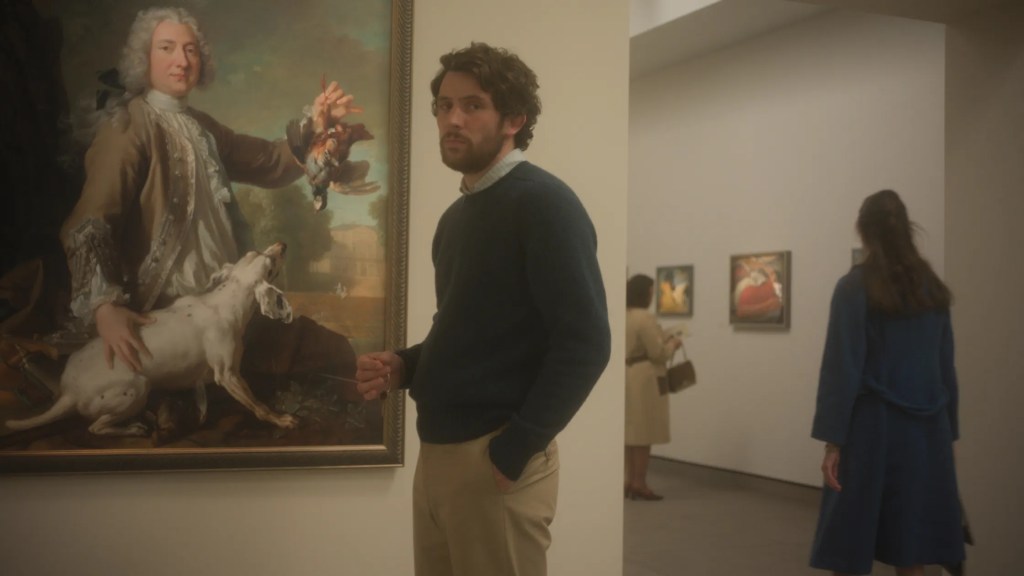
Kelly Reichardt's new film *The Mastermind*, starring Josh O'Connor, depicts a low-stakes art heist at the fictional Framingham Museum of Art, inspired by a real 1972 theft at the Worcester Art Museum in Massachusetts. In the actual heist, two robbers stole four paintings by Rembrandt, Picasso, and Gauguin, worth about $7.72 million today, and shot an unarmed guard. The film, set in the early '70s, draws on details like two schoolgirls who witnessed the crime, but Reichardt deliberately makes the cinematic version less thrilling than the real event.
Required Reading

Required Reading

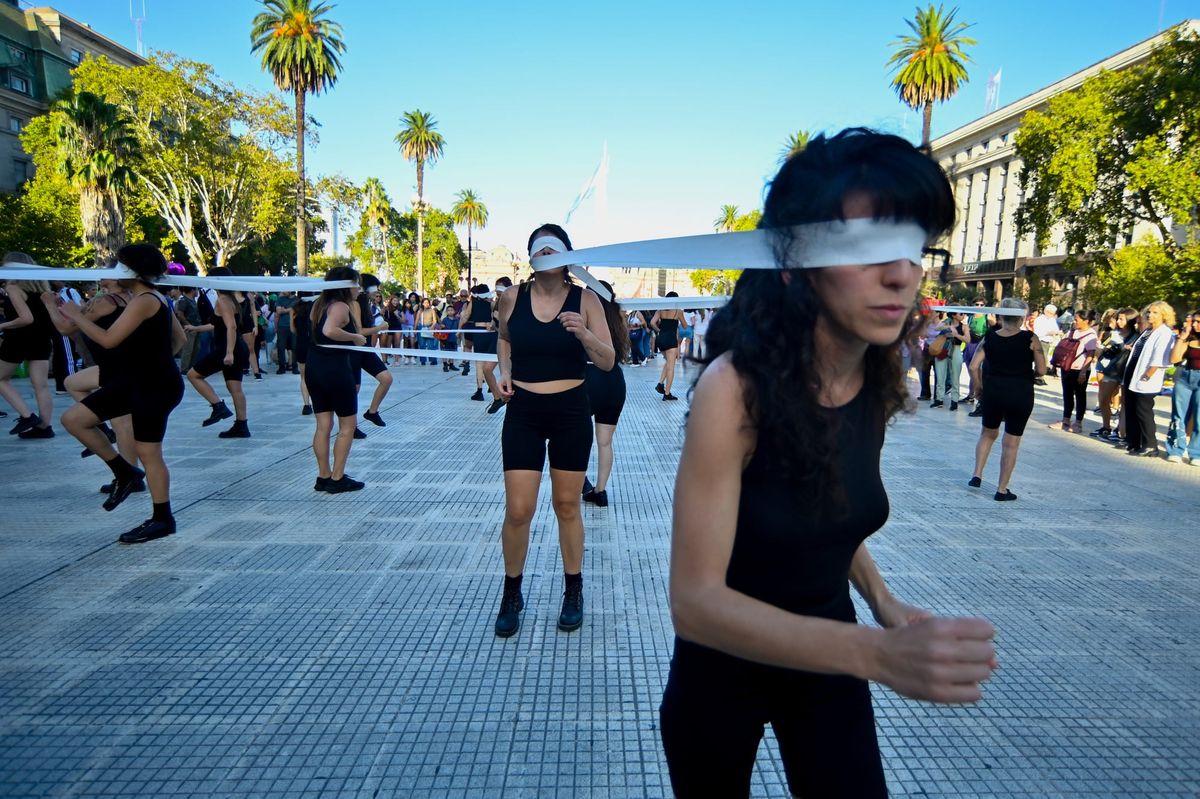
Thousands marched in Buenos Aires on March 9 for a 24-hour women's strike, with one group staging a symbolic artwork by wrapping a continuous blindfold across their faces to protest patriarchal control. This followed a UN report urging Argentina's government to address gender-based violence. Separately, a *Guardian* investigation revealed UK museums hold over 260,000 human remains, many taken from former colonies, which MPs have condemned as a barbaric legacy of imperialism.

The Poetics of Error Between Art and Architecture

La poetica dell’errore tra arte e architettura

This essay challenges the historical obsession with perfection in architecture and art, rooted in Hegelian philosophy where beauty is equated with truth and flawlessness. It argues that the pursuit of the 'ideal' is a cognitive bias that ignores the value of complexity and structural failure. By reframing the 'error' not as a mistake but as a generative method, the text suggests that imperfection is often what elevates a work to the status of a masterpiece.

The Contradictory Museum

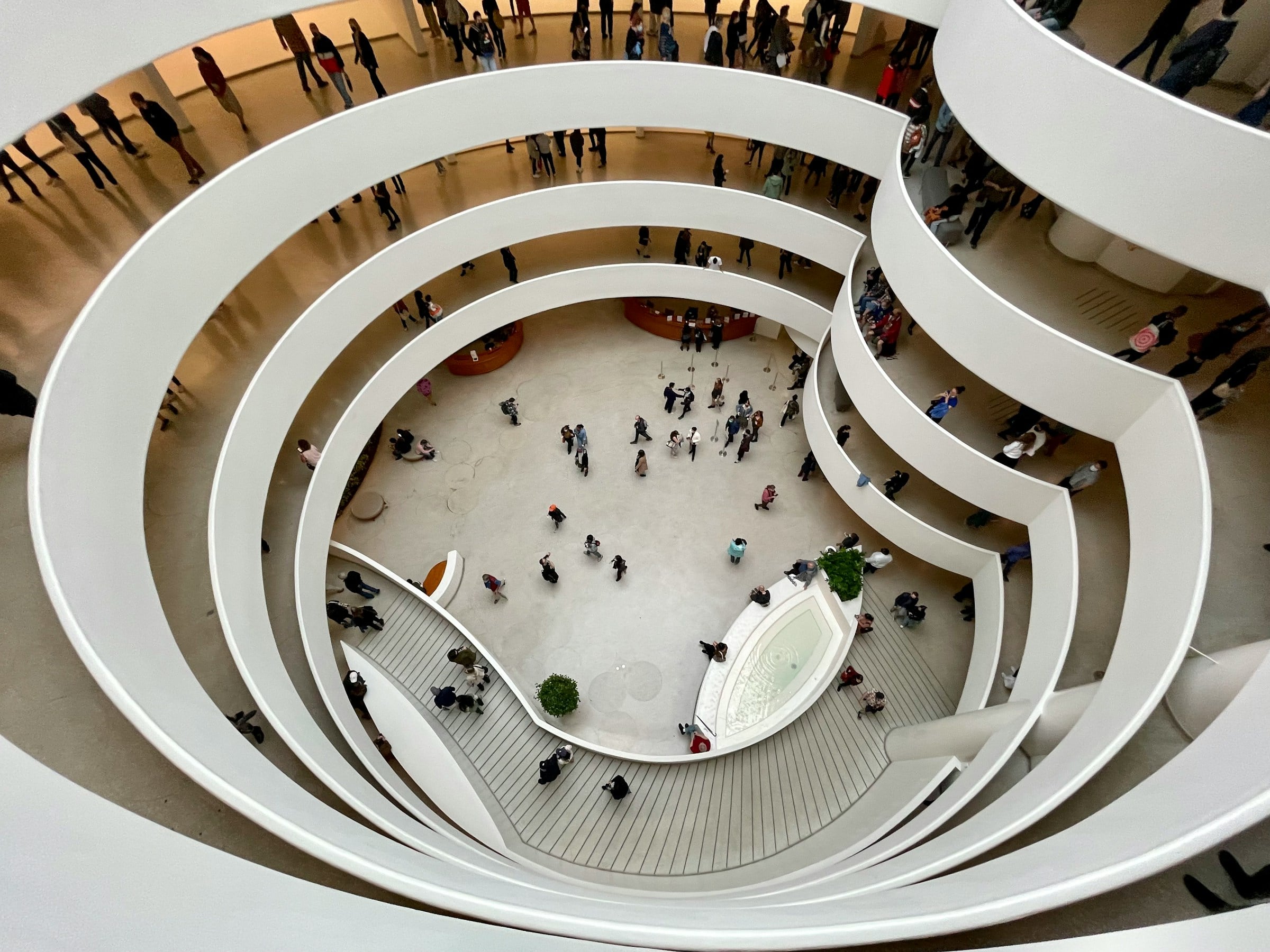
Eugenio Viola, former artistic director of the Bogotá Museum of Modern Art (MAMBO), argues that museums must evolve from authoritative cultural temples into critical civic spaces. He contends that in polarized societies marked by inequality and contested histories, museums are essential infrastructures for hosting discomfort, divergent memories, and unresolved tensions, fostering collective dialogue and visibility for excluded narratives.

Participatory Design or Processual Formalism? Frei Otto, the Ökohaus, and the Ökohäusler by Matthew Kennedy

The Ökohaus (Eco-House) project in Berlin stands as a radical experiment in participatory architecture, born from the 1987 Internationale Bauausstellung (IBA) urban renewal program. Designed by Frei Otto, the complex features three residential buildings characterized by a 'double informality' where dense foliage and a patchwork of diverse cladding materials—ranging from timber and metallic shingles to exposed concrete—create a ruin-like yet meticulously resolved aesthetic. The project challenged traditional housing models by allowing residents, or 'Ökohäusler,' to engage in a collective and individualized construction process.