filter_list Showing 13 results for "Rosa" close Clear
search
dashboard All 135 museum exhibitions 89article news 14article culture 13article local 9trending_up market 3person people 2article policy 2rate_review review 2candle obituary 1
date_range Range Today This Week This Month All
Subscribe

We are in danger of losing our sense of community

"Wir drohen das Gespür für die Gemeinschaft zu verlieren"

Christophe Cherix, the new director of the Museum of Modern Art in New York, discusses his first months in the role, emphasizing museums as "safe social places" in an era of anxiety and screen-induced isolation. He advocates for collective vision-building with staff and defends the MoMA's independence against political pressure in Trump-era America. Separately, critic Paco Barragán argues in The Observer that biennials are in a structural crisis of repetition, tracing their history from instruments of national soft power to a "Global Neo-Liberal Biennial" system that co-opts diversity without changing its core logic. He introduces the concept of the "vibe-ennial," where discourse is replaced by atmosphere and critique by affect. Meanwhile, longtime Bonn museum director Stephan Berg critiques the boom in immersive art experiences like "Van Gogh – The Immersive Experience," calling them a "surrogate reality" tailored to the Instagram age that destroys the integrity of original works. Artforum reconstructs late-1960s debates on art criticism, focusing on Barbara Rose's challenge to formalists like Clement Greenberg and Rosalind Krauss, arguing that art must engage with societal conflicts such as Black Power and war resistance.

Expanded Vocabulary: Revisiting Deborah Kass’ Studio

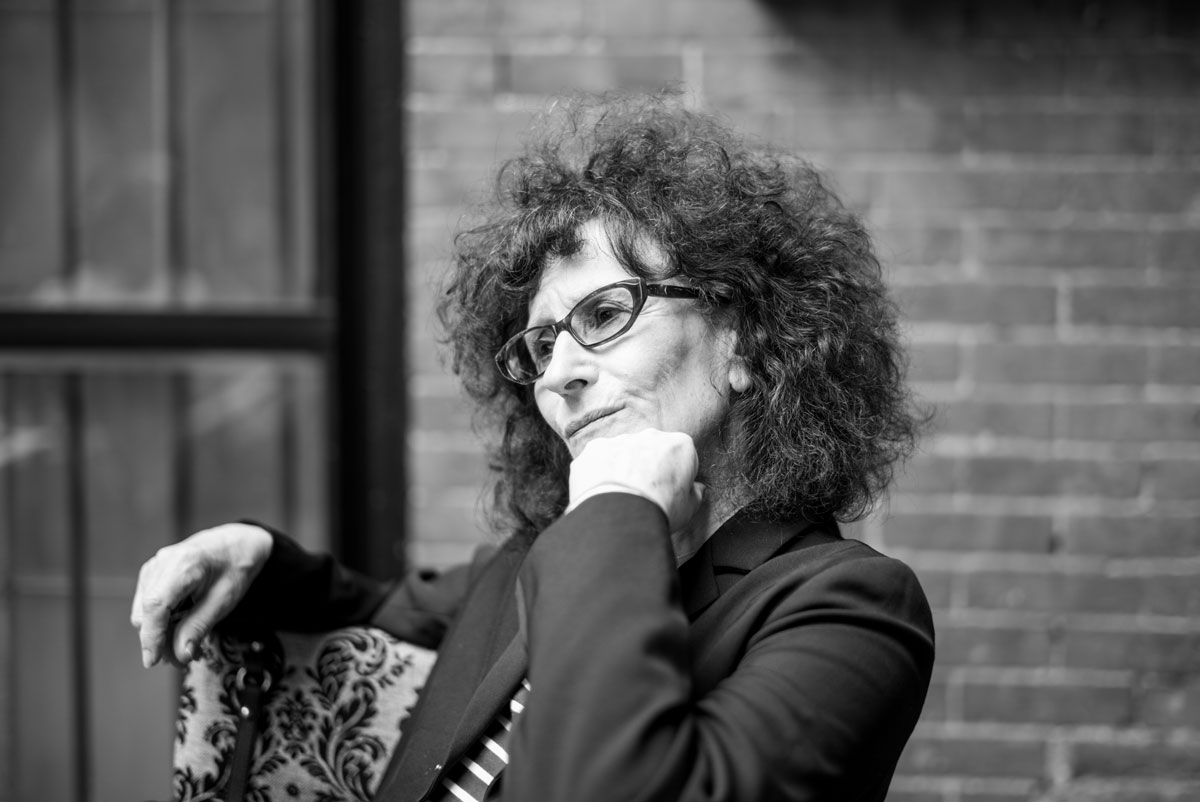
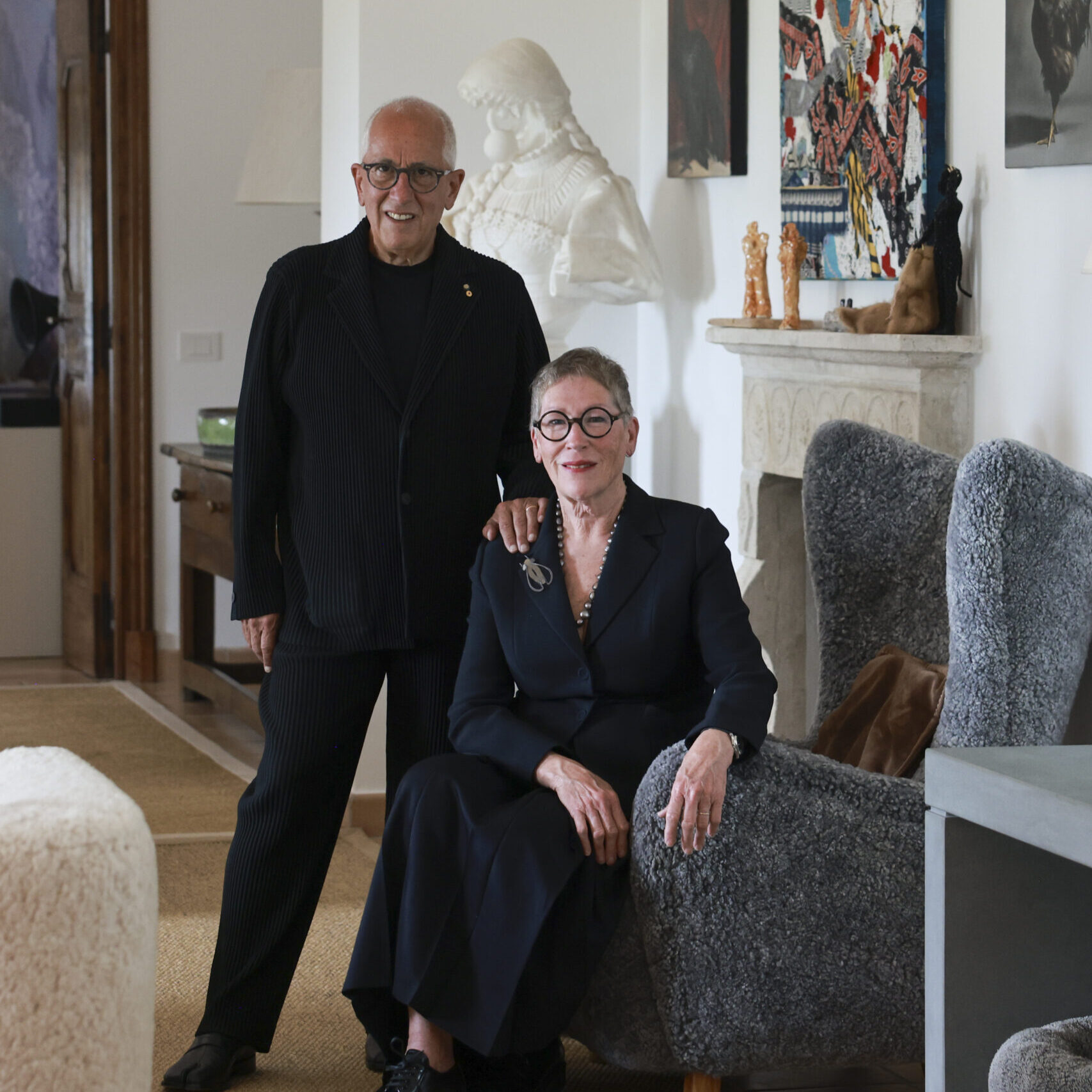
The article recounts the author's visit to Deborah Kass's Brooklyn studio, which she shares with her wife, artist Patricia Cronin. The visit was prompted by logistical issues related to the author's exhibition "Social Minimalism" (2025). During the visit, the author and Kass revisited themes central to Kass's work over three decades: the exclusion of women from art history, Jewish identity, queer voice, lesbian subjectivity, and postwar American art. The conversation also touched on Kass's series including the Warhol Project, Feel Good Paintings, No Kidding, and the large painting/sculpture installation "Everybody" (2019), which was recently featured in a conversation between Kass and Titus Kaphar in Interview magazine.

From high BMI to the ‘GLP-1 look’: how weight-loss jabs are changing the face of beauty

Researchers and art historians are examining how weight-loss drugs like Wegovy and Mounjaro are reshaping ideals of beauty in art. Prof. Rosalind Gill and Dr. Michael Yafi argue that the rapid fat loss caused by GLP-1 medications produces a distinctive gaunt facial appearance—dubbed 'GLP-1 face'—which could become a new aesthetic standard reflected in contemporary art, similar to 'heroin chic' in the 1990s. Yafi presented his findings at the European Congress on Obesity, noting that while artists like Fernando Botero continue to celebrate fuller figures, future artworks may increasingly depict thin individuals with hollowed features.

Theatre, production, performance: fashion invests in art

Fashion houses like Chanel are increasingly investing in contemporary art, not merely as inspiration for prints or patterns but as a strategic tool for brand positioning and cultural credibility. Gallery owner Tristan Paprocki, who recently opened a Milan space with partner Guido Romero Pierini, notes that brands now seek out emerging artists to demonstrate foresight and support new talent. Chanel has collaborated with Berlin's Hamburger Bahnhof museum for large-scale installations by artists such as Klára Hosnedlová and Lina Lapelytė, and has announced ten artists for the third edition of its Next Prize 2026, including Bárbara Sánchez-Kane, Pan Daijing, and Álvaro Urbano. These artists work across fashion, sculpture, and performance, blurring the lines between clothing and contemporary art.

The Best and Worst of the Stars at the 2026 Met Gala Inspired by Art History

Le meilleur et le pire des stars au Met Gala 2026 inspiré par l’histoire de l’art

On May 4, 2026, the Met Gala brought together 450 guests at the Metropolitan Museum of Art in New York under the theme "Fashion is Art," tied to the exhibition "Costume Art." Attendees were asked to draw inspiration from specific artworks, resulting in standout looks: Madonna channeled Leonora Carrington's "The Temptation of Saint Anthony" (1945) in a Saint Laurent gown, Kim Kardashian wore a custom piece by Allen Jones extending his "Cover Story 4/4" (2021), Hunter Schafer embodied Gustav Klimt's portrait "Mäda Primavesi" (1912-1913) in Prada, and Tessa Thompson referenced Yves Klein's "Anthropométries" in Valentino. Gracie Abrams also paid homage to Klimt's "The Kiss."

art criticism lynne tillman paying attention book

Lynne Tillman celebrated the publication of her new collection, *Paying Attention: Essays on Art and Culture*, from David Zwirner Books, at an event hosted by Coco’s at Colette. The article features a conversation between Tillman and the author, in which she discusses her origin story as a critic, her background in fiction writing, and her unconventional entry into art criticism through an invitation from Craig Owens at *Art in America*. She recounts writing a Madame Realism story about a Renoir exhibition after eavesdropping on museum tours, a piece that angered some art historians.

Boats and trains, not planes: reflections on a greener—but sometimes greenwashed—Venice Biennale

The article recounts the author's train journey from London to Venice for the 61st Venice Biennale, highlighting the environmental benefits and pleasant experience of traveling by rail versus flying, despite higher costs and longer duration. It then focuses on the Biennale's central exhibition "In Minor Keys" curated by the late Koyo Kouoh, which foregrounds environmental themes through works that engage with earth, nature, and ecological stakes, featuring artists like Otobong Nkanga, Célia Vasquez Yui, Theo Eshetu, Linda Goode Bryant, and Annalee Davis.

‘It’s a world heritage site, but it’s my home’: the last resident of Casa Milà on life in Gaudí’s masterwork

Ana Viladomiu, a 70-year-old writer, is the last remaining tenant of Antoni Gaudí’s Casa Milà (La Pedrera) in Barcelona, a UNESCO World Heritage site that receives about a million visitors annually. She has lived in the luminous apartment since 1988, originally moving in with her then-husband Fernando Amat, owner of the iconic design store Vinçon. Viladomiu holds a rare renta antigua (fixed-rent contract) that allows her to stay until she or Amat dies, after which the not-for-profit foundation managing the building will take ownership. The rest of the building now houses offices and cultural event spaces.

Paris Diary 1

The article is a first-person diary entry from an unnamed narrator visiting Paris and Brussels. The narrator recounts working in the studio of painter Camila Oliveira Fairclough, attending a public dialogue at Almine Rech gallery in Brussels with artist Erik Lindman, and viewing an exhibition pairing Lindman's paintings with works by Robert Motherwell and two Picassos chosen by Bernard Picasso. The narrator also visits a posthumous exhibition of Didier Demozay at Galerie Bernard Jordan and sees a temporary mural by Marielle Paul in a Paris housing complex, later visiting her studio in a historic 19th-century artist building once occupied by Eugène Carrière.

A Bigflo et Oli video shot in front of a giant Picasso at the Abattoirs in Toulouse

Un clip de Bigflo et Oli tourné devant un immense Picasso aux Abattoirs de Toulouse

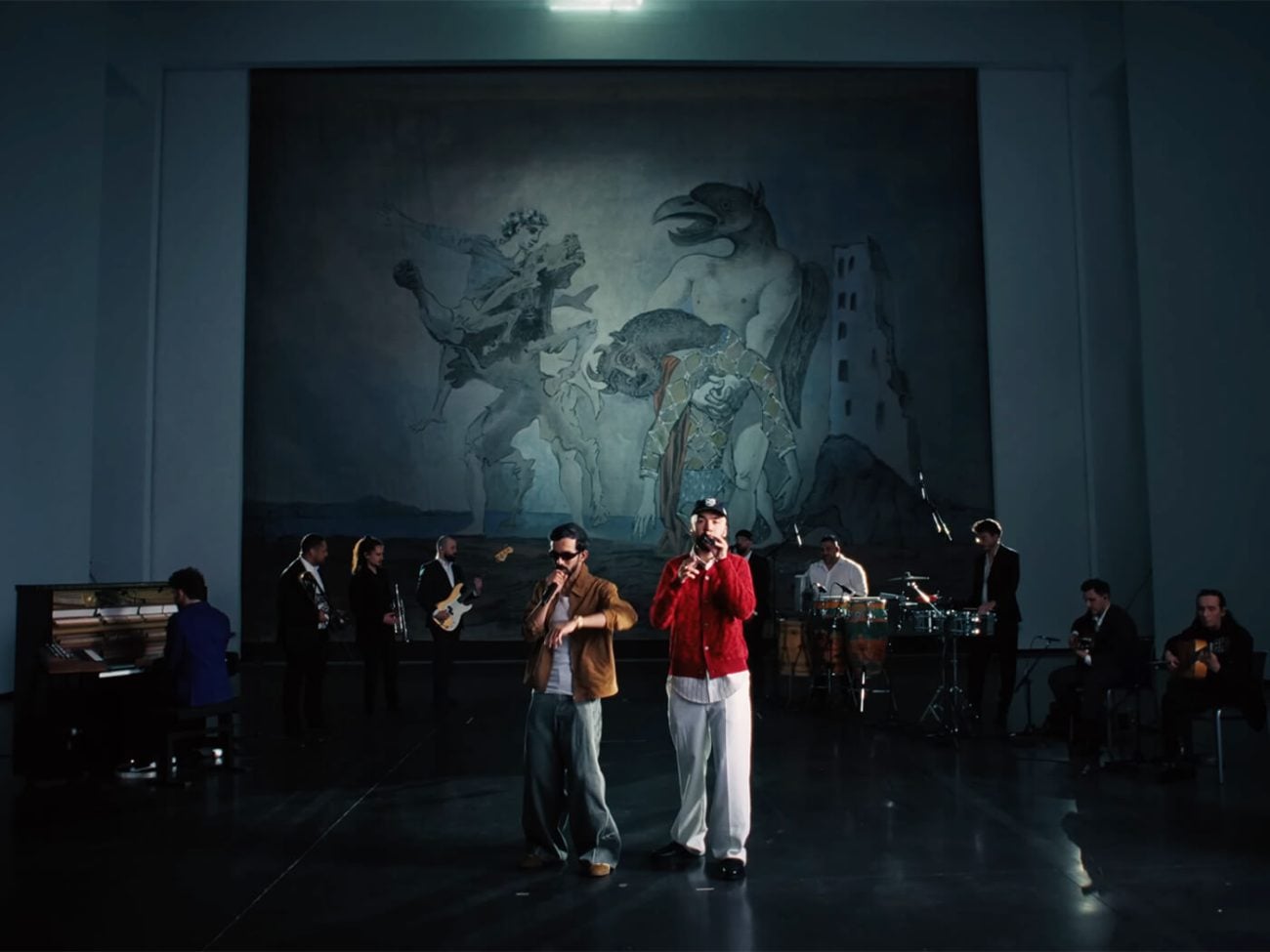
French rap duo Bigflo et Oli filmed a live session of their song "Picasso" in front of Pablo Picasso's monumental stage curtain "La Dépouille du Minotaure en costume d'Arlequin" (1936) at the Abattoirs museum in Toulouse. The video, directed by Antoine Zago-Honnorat, features nine musicians and draws on Latin and Spanish pop influences, with the duo citing inspiration from Spanish artist Rusowsky. The choice of venue is personal: the brothers grew up visiting the museum, and Oli co-curated an exhibition there in 2024–2025 titled "Le Musée imaginaire d'Oli," which attracted over 100,000 visitors.

SOL HENARO: “BAJAR LA VELOCIDAD ES POLÍTICO Y, AUNQUE CUESTA MUCHO, HAY QUE SEGUIR INTENTÁNDOLO”

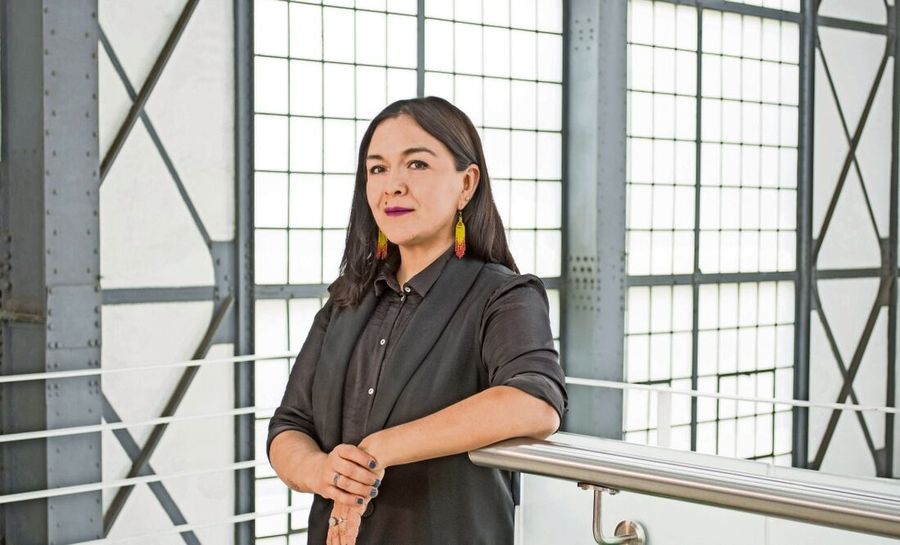
Sol Henaro, director of the Museo Universitario del Chopo in Mexico City, argues in an interview for Artishock Revista that museums must resist neoliberal pressures to accelerate production, spectacularize content, and convert cultural experience into immediate consumption. She advocates for the museum as a space of plurality, deceleration, and critical thought, emphasizing the need for horizontal, careful practices that allow for dissent and coexistence. The interview is part of a series on International Museum Day featuring directors from Latin American and Ibero-American institutions.

Jewellers delve into the Dalíesque with dreamlike pieces

Jewellers are creating a new wave of sculptural, nature-themed pieces inspired by the surrealist artist Salvador Dalí. These dreamlike works draw on Dalí's iconic motifs—melting clocks, fantastical creatures, and organic forms—reimagined in precious metals and gemstones by contemporary designers and luxury houses.

This Family Made Gin on Zoom During Covid. Here’s How It Became an Art World Staple.

During the pandemic, the Mordant family—Simon, Catriona, Brielle, and Angus—began making gin from wild juniper on their Umbria property, splitting operations between Italy, London, and upstate New York. After enrolling in a master gin-making course and refining recipes via Zoom, they entered their creation into the World Gin Awards, earning a triple-gold medal with a score of 97 out of 100. Despite initially producing only 502 bottles not intended for sale, global demand prompted them to scale up commercially, leading to Quattro Gatti becoming the official gin of the Venice Biennale.