filter_list Showing 10 results for "Russia" close Clear
search
dashboard All 210 article news 115museum exhibitions 70article culture 10article policy 7rate_review review 4article local 2trending_up market 1person people 1
date_range Range Today This Week This Month All
Subscribe

The Strange Coincidence Behind Ivy Getty’s Ludovic de Saint Sernin Met Gala Dress

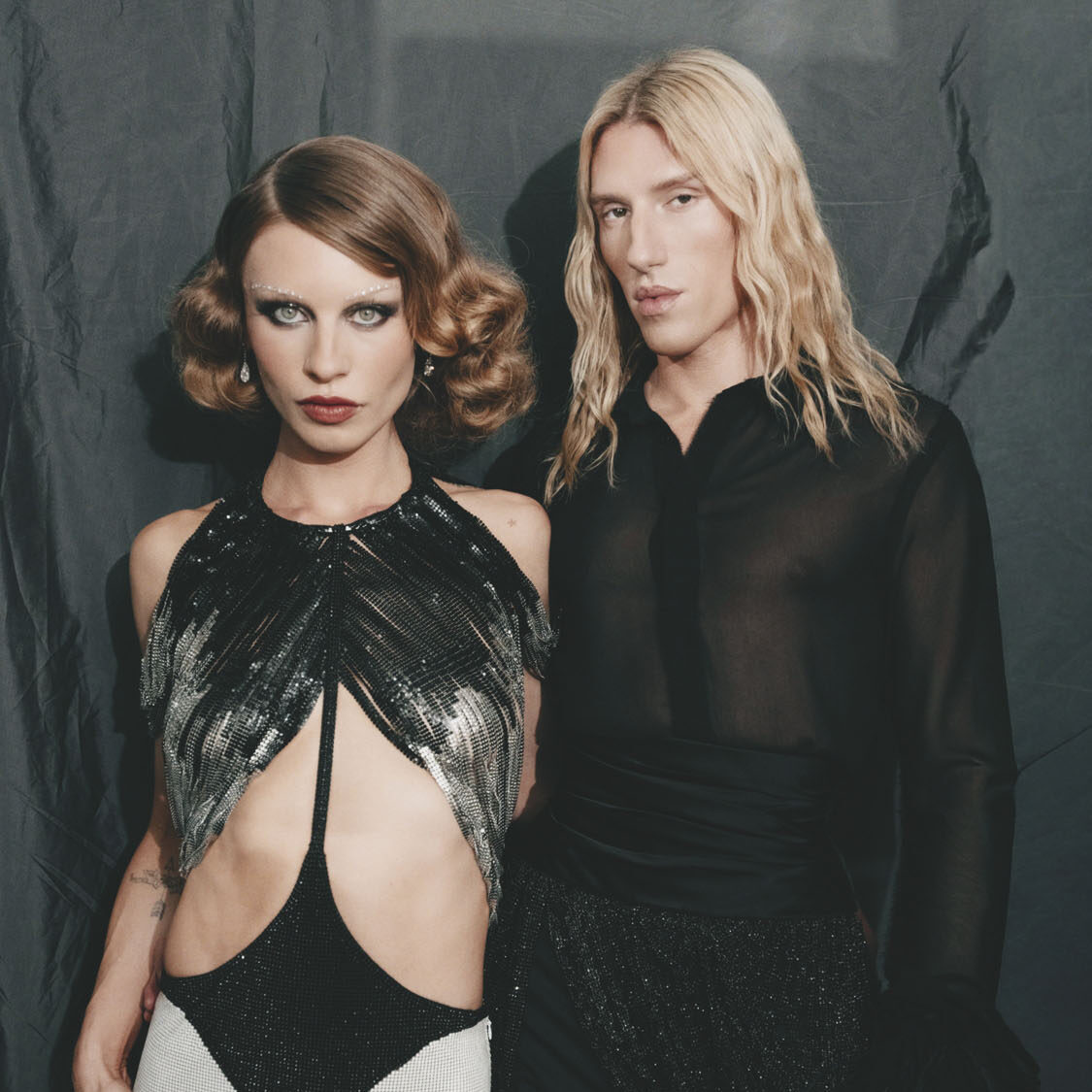
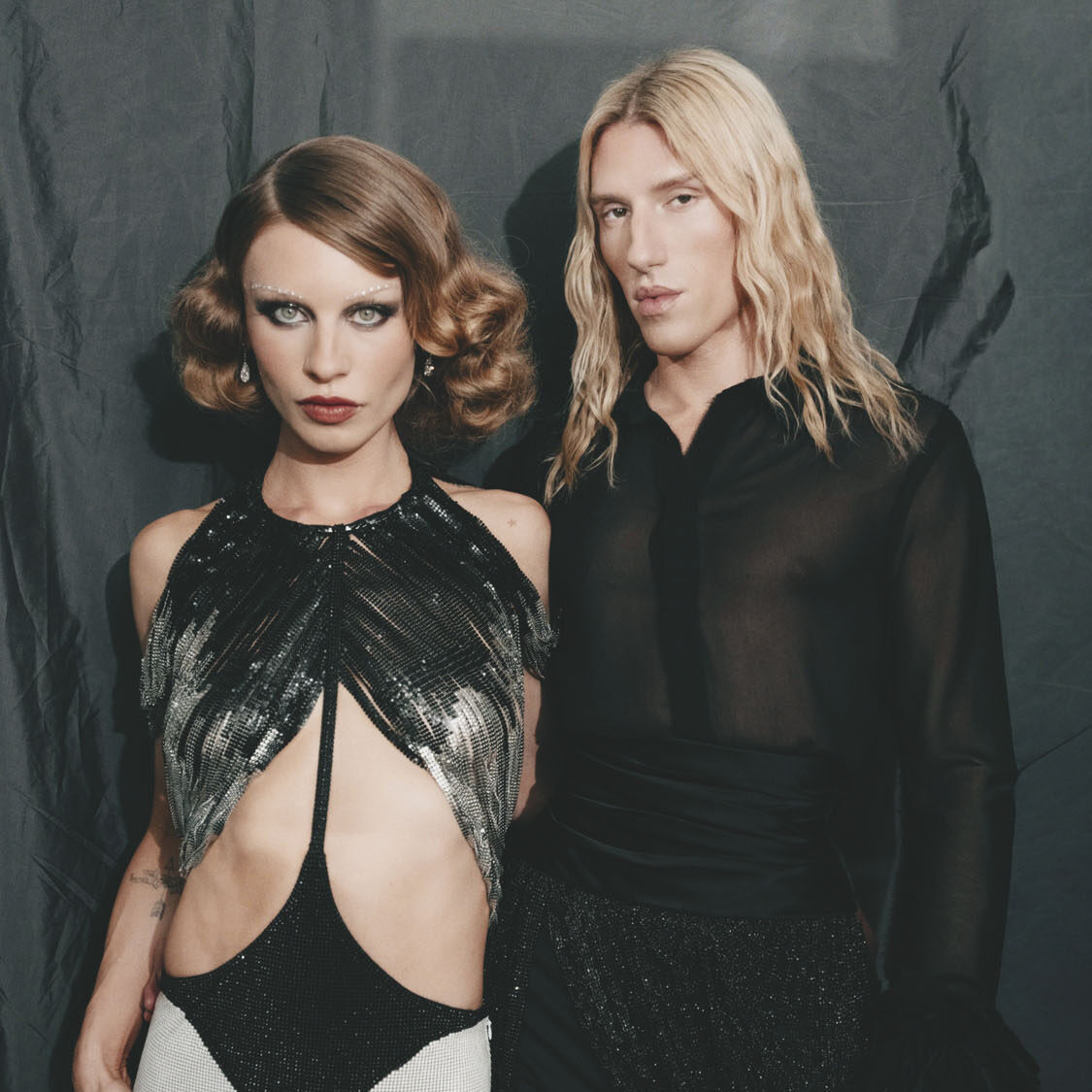
Ivy Getty, an American model and philanthropist, collaborated with Parisian designer Ludovic de Saint Sernin to create her Met Gala dress, inspired by the 1926 illustration *L’Eclat de l’Or* by Russian artist Erté. The sketch, originally for the show *The Golden Fables*, was chosen from Getty’s mood board; the pair later discovered it is held in the Metropolitan Museum of Art’s archive, coinciding with its 100th anniversary. The final fringed gown debuted on the Met Gala red carpet, and the duo discussed the creative process in an interview.
fashion ivy getty met gala ludovic de saint sernin

Ivy Getty, an American model and philanthropist, collaborated with Parisian designer Ludovic de Saint Sernin on her 2025 Met Gala look. The design was inspired by a 1926 illustration titled *L’Eclat de l’Or* by Russian artist Erté, originally created for the show *The Golden Fables*. Getty's mood board included vintage sketches and imagery from the 1920s, and the pair discovered that the original artwork is held in the Metropolitan Museum of Art's archive, which they visited in person. The final dress features a fringe-lined reinterpretation of the historic design, and the article includes an interview with the duo about their creative process and the experience of preparing for the event.

Where to go for the next scandal?

Wo bitte geht's zum nächsten Skandal?

The article reports on the 2024 Venice Biennale preview days, where the atmosphere is dominated by political protests, media stunts, and social-media pressure rather than the art itself. Incidents include a solidarity drone choir for Gaza, a Pussy Riot and FEMEN protest at the Russian Pavilion, and a planned demonstration near the Israeli Pavilion, all amplified by PR agencies and WhatsApp alerts. A journalist describes being pressured by editors to cover scandals and political controversies instead of art reviews, which they say no longer attract clicks.

Art and politics: to take a stand or not? Nine artists and curators respond

Arte e politica: bisogna esporsi o no? Rispondono in 9 tra artisti e curatori

Nove tra artisti e curatori italiani rispondono alla domanda se l'arte debba esporsi politicamente, in un articolo pubblicato su Artribune. Marco Trulli, responsabile Cultura Arci e curatore, sostiene che l'arte non possa prescindere dal contesto storico e geopolitico, e che il mondo dell'arte debba mettere in discussione le connessioni tra istituzioni culturali, guerre e violenze sistemiche. Gabi Scardi, curatrice, rifiuta la categoria di 'arte politica' e invita gli artisti ad agire politicamente, citando esempi di padiglioni nazionali alla Biennale di Venezia (Turchia 2017, Israele 2015) come modelli di critica radicale dall'interno. Un altro contributo, legato al progetto 'Francesco 2026' per il Padiglione Internet a Venezia, propone una regola etica: l'arte deve minimizzare il danno alle persone più vulnerabili.

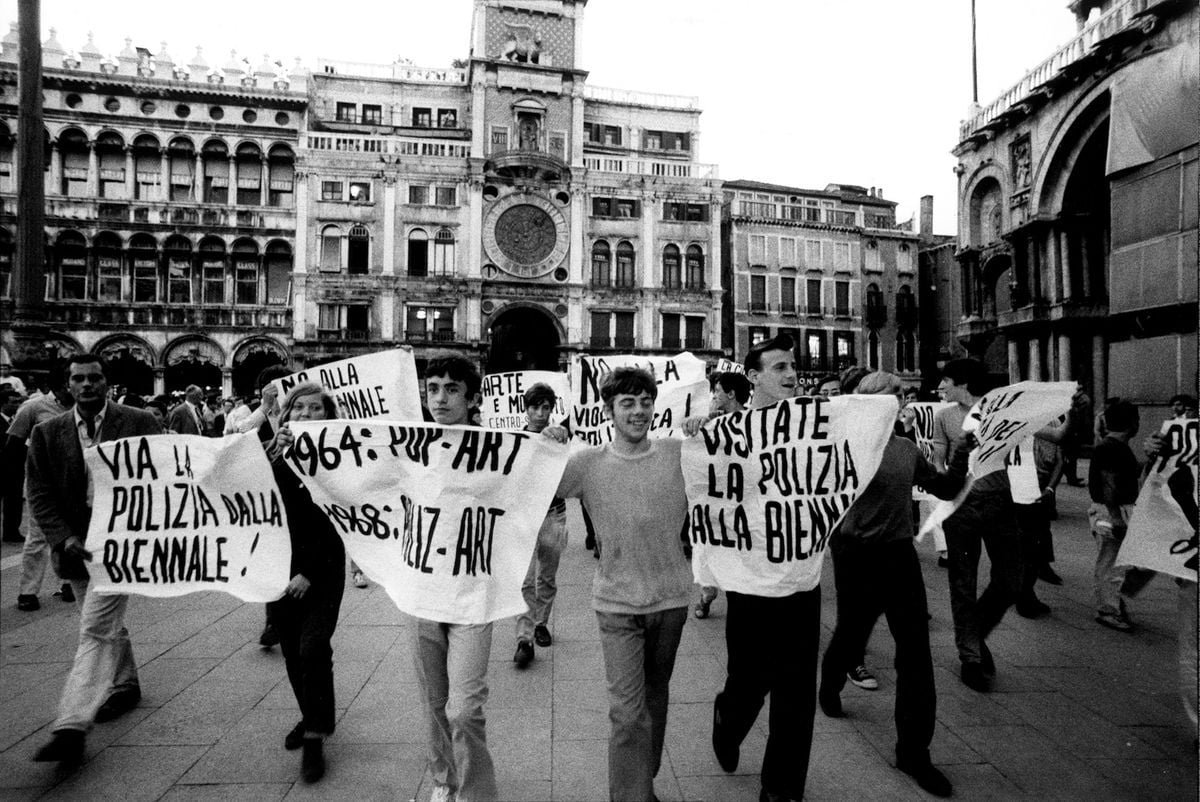
Since 1968, Protests Have Revealed the Real Impact of the Venice Biennale

The article recounts the 1968 protests at the Venice Biennale, where artists, students, and activists clashed with police over the event's perceived ties to bourgeois power and capitalist commodification. It draws parallels to the 2024 Biennale, where groups like Art Not Genocide Alliance, Pussy Riot, and Femen demonstrated against the participation of Russia and Israel, while artists staged strikes and performances like the Solidarity Drone Chorus to highlight the Gaza conflict.

Births, deaths and a first kiss: life near the frontline in Ukraine – in pictures

British-Iranian artist Aria Shahrokhshahi's long-term photographic project "Wet Ground" captures daily life in Ukraine during Russia's full-scale invasion, focusing on moments of youth, subculture, and fragile continuity rather than traditional war imagery. The series, developed through repeated stays and volunteering since 2019, includes scenes from teenage discos, hospital wards, a birth during a missile attack, and a first kiss near the frontline, all shot in stark black and white.

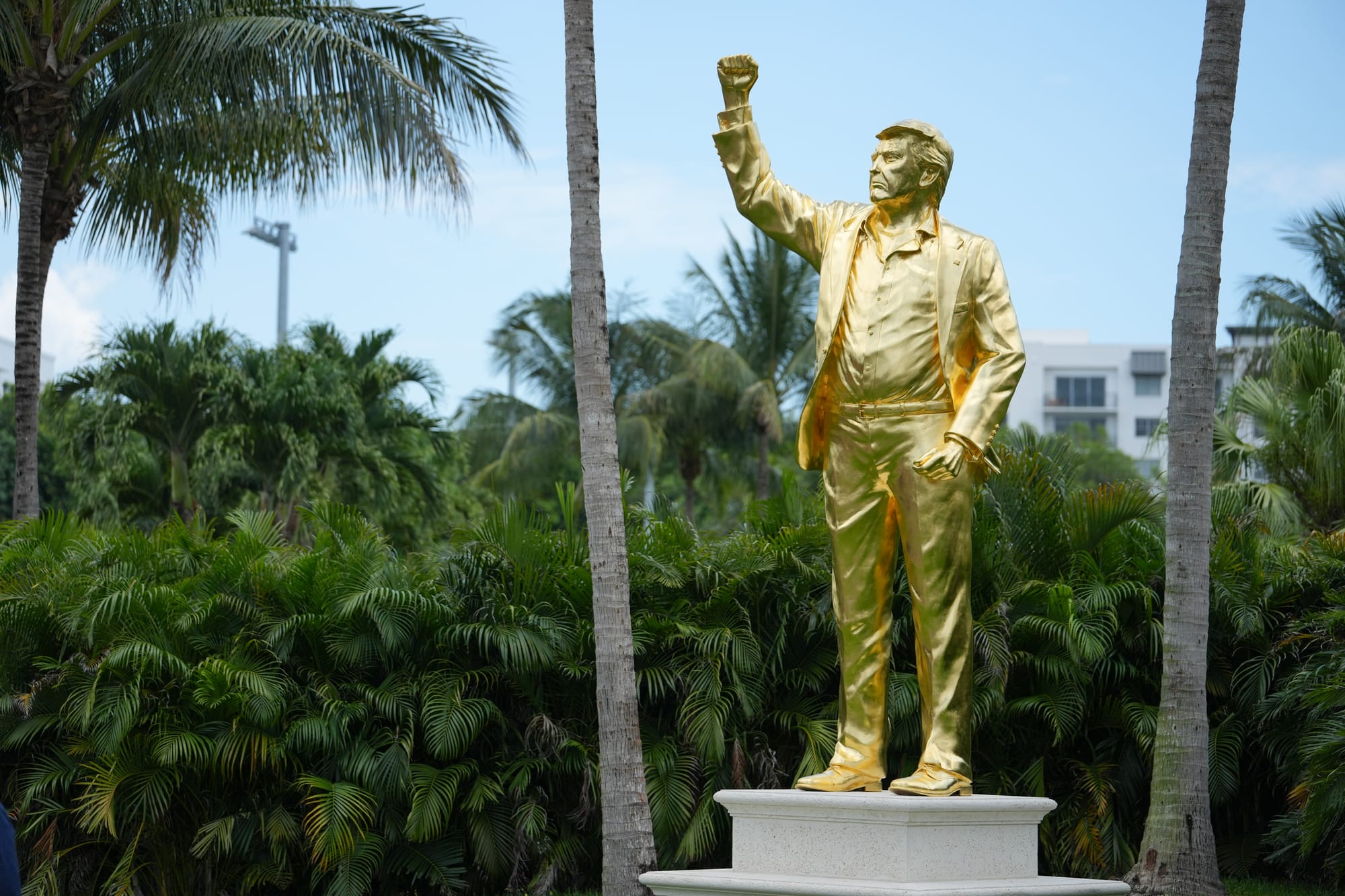
Genuflecting Before “Don Colossus”

A 15-foot-tall gold-leafed bronze statue of Donald Trump, titled "Don Colossus," was unveiled at his National Doral golf club in Miami, Florida, ahead of the G20 summit. The statue, funded by $450,000 raised by cryptocurrency moguls and sculpted by Alan Cottrill (founder of Four Star Pizza), depicts Trump raising a triumphant fist with a plaque reading "FIGHT, FIGHT, FIGHT!" The unveiling was organized by televangelist Mark Burns of "Pastors for Trump," who posted that the statue was "not a golden calf," and was attended by evangelical Christian leaders and reportedly some Hassidic rabbis.

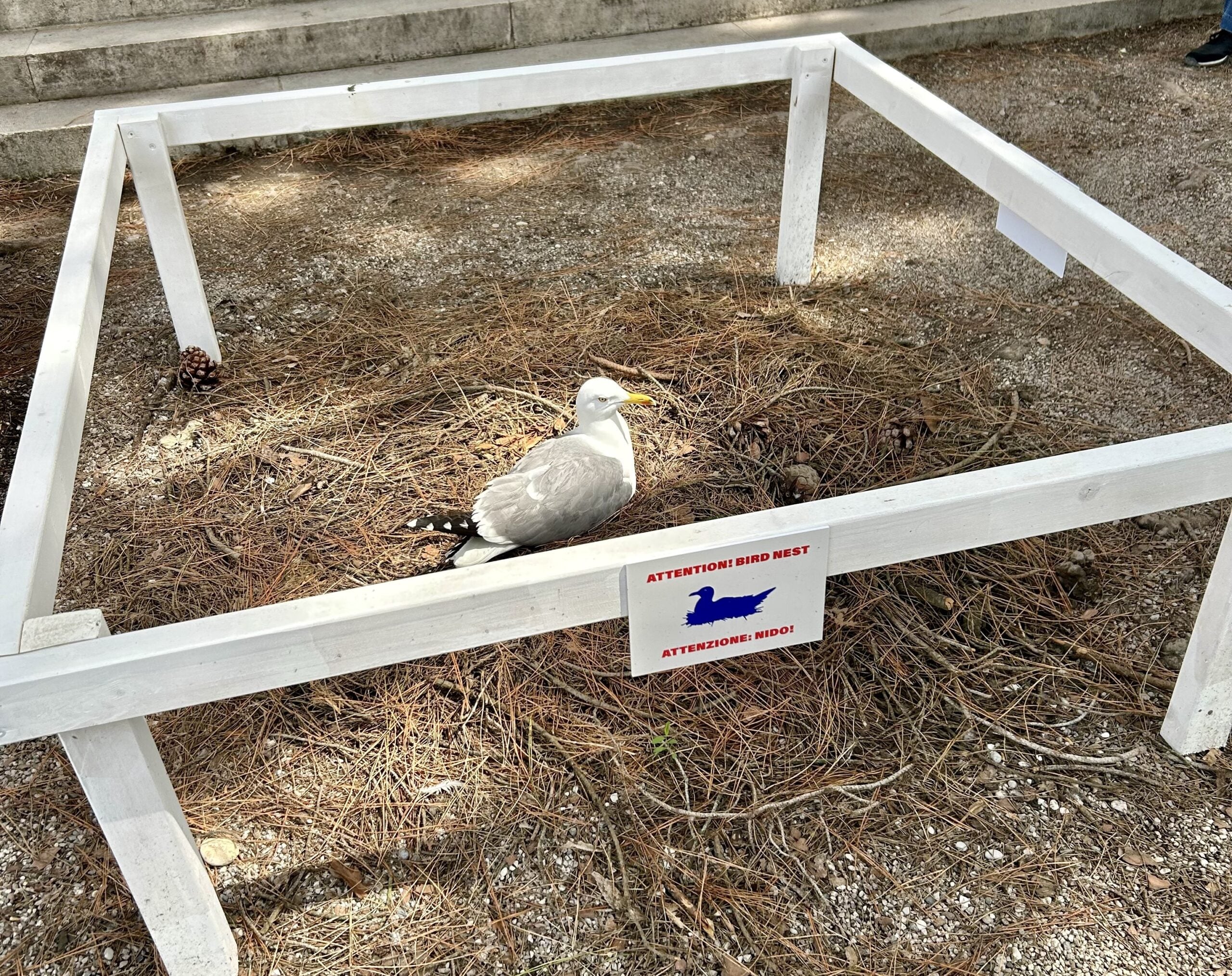
Il Padiglione della Natura alla Biennale di Venezia. Ovvero due gabbiani che mettono in crisi il patriarcato

At the 2026 Venice Biennale, two seagulls built a nest in front of the Polish Pavilion in the Giardini. Organizers chose to protect the nest with a small fence and a sign, turning it into an unofficial "Nature Pavilion." The birds share incubation duties equally, drawing large crowds who pause to watch their cooperative behavior amid the Biennale's intense geopolitical tensions, including protests against the Russian Pavilion, pro-Palestinian actions, and debates over Israel's cultural role.

The Biennale and the Weight of Flags. What Is the Point of National Pavilions?

La Biennale e il peso delle bandiere. Che senso hanno i padiglioni nazionali?

The article examines the inherent contradiction within the Venice Biennale: its historical structure of national pavilions, a legacy of 19th-century world fairs and state-sponsored art, clashes with the transnational, post-identity vision of the international exhibition curated by Koyo Kouoh. The return of the Russia Pavilion amid geopolitical conflict and the international show titled "In Minor Keys," which rejects national belonging as an interpretive criterion, highlight this tension. The piece also addresses the controversy over the lack of Italian artists in the main exhibition, questioning whether a Biennale hosted in Italy should guarantee national representation.

Venice Biennale: Is art ever separate from politics?

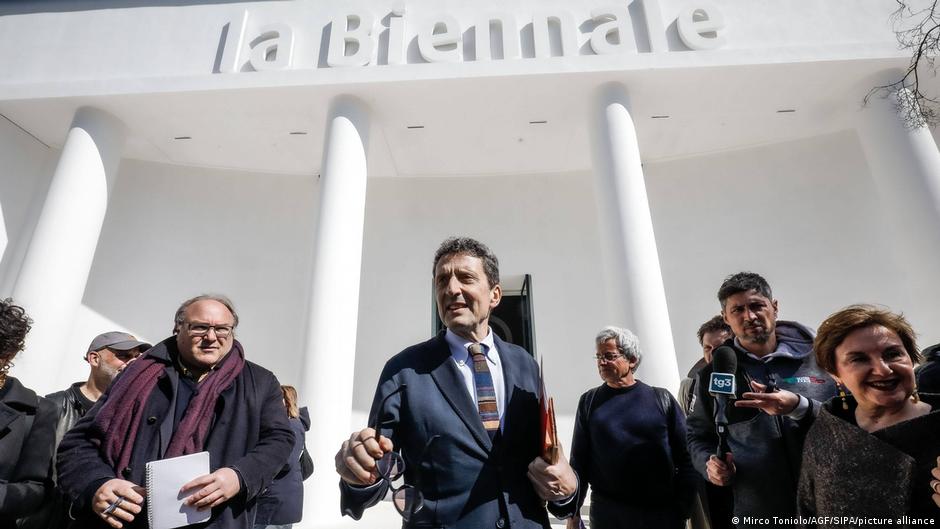
The article, published by DW, examines the ongoing debate about the relationship between art and politics, using the Venice Biennale as a case study. It highlights how the 2024 edition of the Biennale has become a platform for political statements, particularly regarding Russia's exclusion from the event following its invasion of Ukraine, and the broader question of whether cultural institutions can remain neutral in times of geopolitical conflict.