filter_list Showing 4 results for "Sicily" close Clear
search
dashboard All 24 museum exhibitions 6trending_up market 6article culture 4article local 2article news 2gavel restitution 2article event 1person people 1
date_range Range Today This Week This Month All
Subscribe

The documentary dedicated to Sicilian patron Antonio Presti airs on Rai Tre. Here is the video preview.

Va in onda su Rai Tre il documentario dedicato al mecenate siciliano Antonio Presti. Qui la video anteprima

On Tuesday, May 19, 2026, at 3:30 PM, RAI 3 will broadcast the documentary "Asteroide 20049 Antonio Presti," produced by Rai Documentari and dedicated to Sicilian patron Antonio Presti (born 1957). Written by Fedora Sasso and Francesco Castellani, curated by Giulietta Venneri, and directed by Fedora Sasso, the film explores Presti's four-decade career using art to intervene in marginalized areas of Sicily. The documentary's title references an asteroid named after Presti, symbolizing his vision linking cosmic and urban space. It opens at the Astrophysical Observatory of Isnello and focuses on the Catania neighborhood of Librino, where Presti created MAGMA, an open-air museum developed through collaboration with students, artists, and residents.
The Enigmatic Youth

Der rätselhafte Jüngling

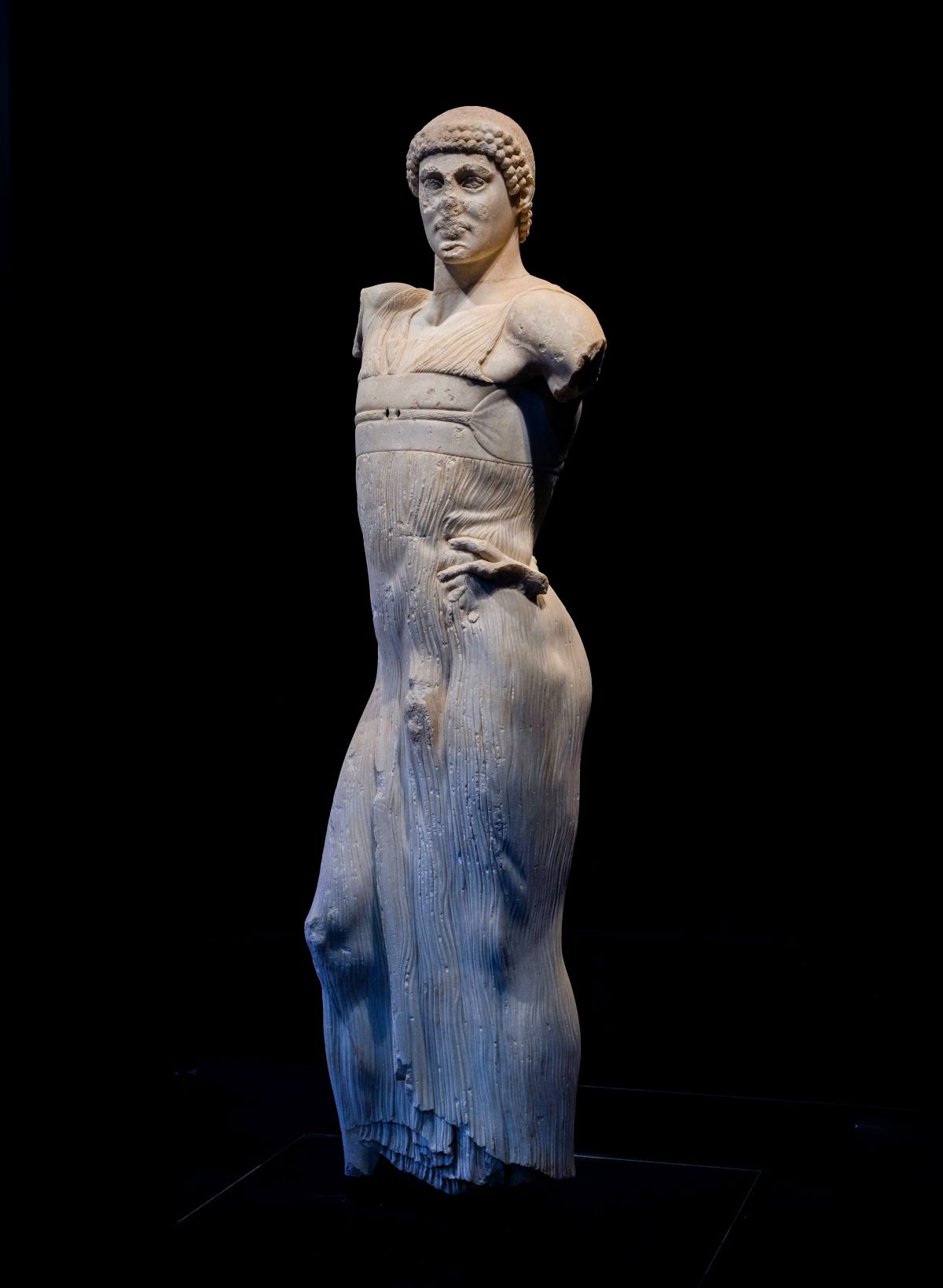
Artist Danh Vo reflects on the enigmatic "Ephebe of Mozia," an ancient Greek statue housed at the Museo Giuseppe Whitaker on the island of Mozia off Sicily's west coast. Vo describes the sculpture as a work of timeless beauty, marked by fractures, mysteries, and surprising sensuality, and recounts the difficulty of reaching the remote museum location.

huge persepolis destruction

The article recounts the Sack of Persepolis in 330 B.C.E., when Alexander the Great and his Macedonian forces pillaged and destroyed the Achaemenid capital. It describes Persepolis as a marvel of ancient architecture, including the 31-acre limestone terrace, the Apadana hall with 36 columns, and the palace of Xerxes I. Ancient sources like Diodorus of Sicily and Plutarch offer conflicting accounts of the destruction—whether it was spontaneous, premeditated, or fueled by alcohol—while modern historians view it as a political act of retribution for Xerxes' attack on Athens.

Dolce Vita is Over

Dolce Vita war gestern

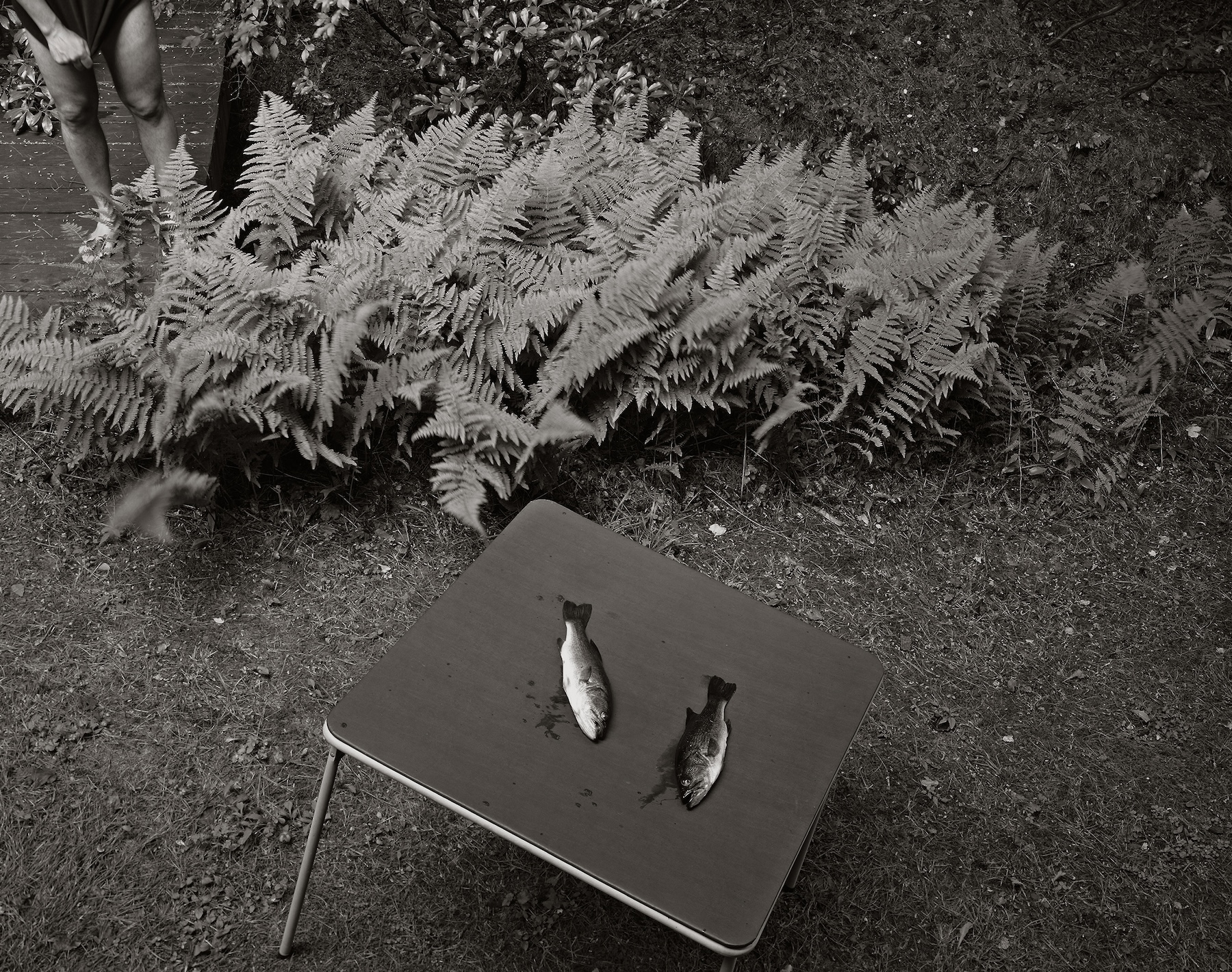
Andrea Modica's new photobook "Italian Story" collects four decades of photographs taken in Italy, beginning with her first trip there in the late 1980s. Born in 1960 to a family with roots in Sicily and Naples, Modica received a Fulbright scholarship to travel to Sicily and photograph the origins of the Catholic imagery, gender roles, and family structures she experienced growing up in New York. The book, however, is not a documentary of her heritage; instead, it presents dreamlike, surreal images—motionless bodies in water, dead fish, figures behind mosquito nets, Madonna statues—that resist clear narrative or identity politics. Modica works with an 8x10 large-format analog camera and prints using the historic platinum-palladium process, giving the images a timeless, collaborative quality.