
filter_list Showing 3 results for "Statements" close Clear
search
dashboard All 30 museum exhibitions 12article news 6article local 5article culture 3candle obituary 2trending_up market 1rate_review review 1
date_range Range Today This Week This Month All
Subscribe

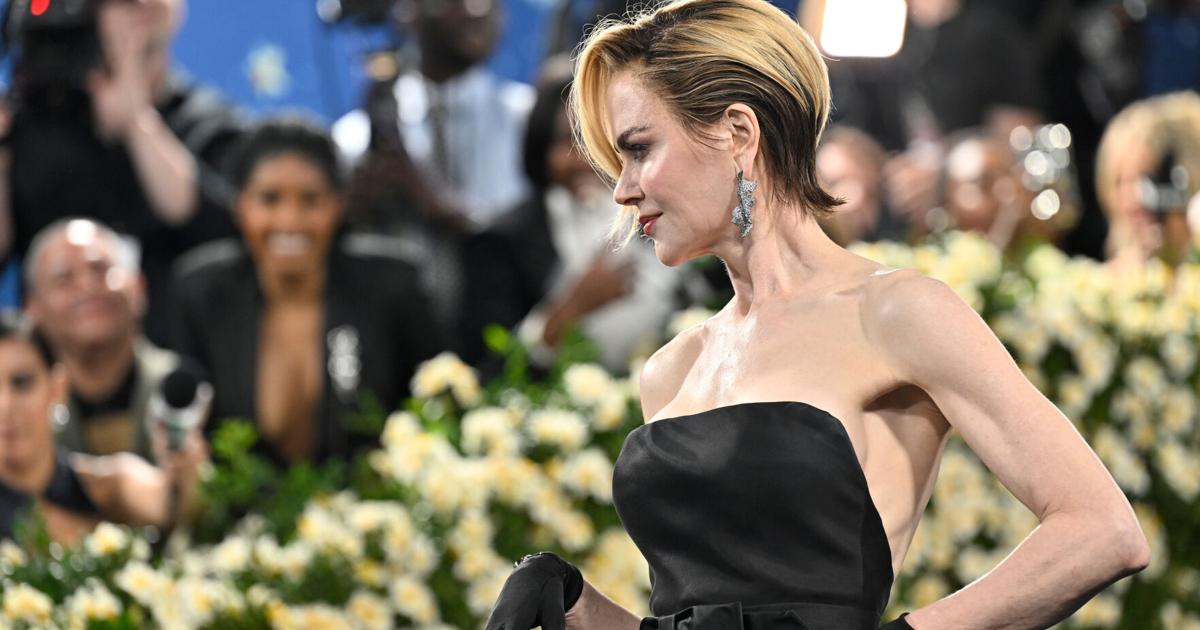
Met Gala guests take artistic liberties with dress code

Guests at the 2025 Met Gala embraced the dress code 'Fashion is art' with bold, artistic ensembles. Beyoncé wore a custom Olivier Rousteing sculptural skeleton dress with a feathered train and diamond crown. Naomi Osaka stunned in a Robert Wun white sculptural dress that revealed a red beaded gown underneath. Emma Chamberlain arrived in a hand-painted Mugler dress by Miguel Castro Freitas. Co-chairs Anna Wintour, Nicole Kidman, and Venus Williams also made statements, with Williams wearing a sparkling gown in homage to her own portrait by Robert Pruitt. Many guests referenced famous artworks, such as Lena Dunham channeling Artemisia Gentileschi's 'Judith Slaying Holofernes' through a Valentino design by Alessandro Michele, and Lauren Sánchez Bezos wearing a Schiaparelli gown inspired by John Singer Sargent's 'Madame X.'
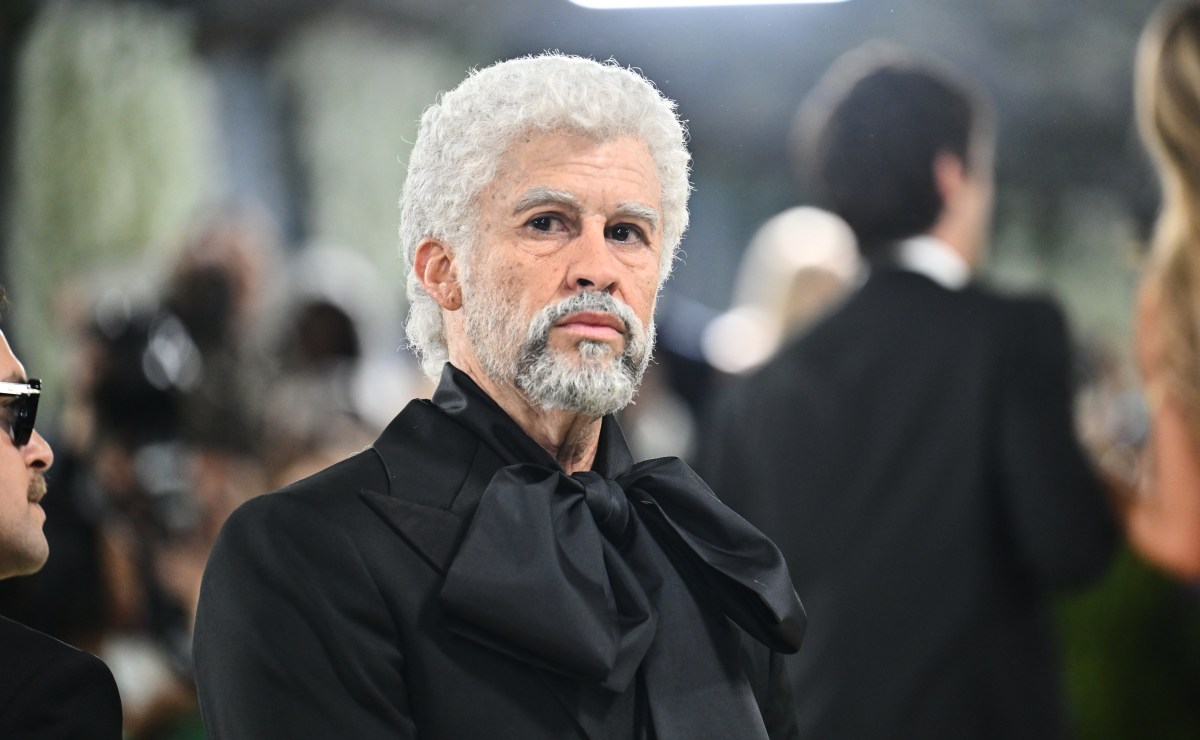
No One Understood the 2026 Met Gala Theme Quite Like Bad Bunny

At the 2026 Met Gala, Puerto Rican superstar Bad Bunny arrived in a transformative look that made him nearly unrecognizable. He wore a black pussy-bow blouse, wrap blazer, and trousers, with prosthetics and makeup by Mike Marin turning him into an old man, accessorized with a cane. The gala's theme, inspired by the Metropolitan Museum of Art's 'Costume as Art' exhibition, had a dress code of 'Fashion is Art,' and Bad Bunny's choice specifically highlighted the aging body, aligning with the exhibition's focus on the body at all stages.

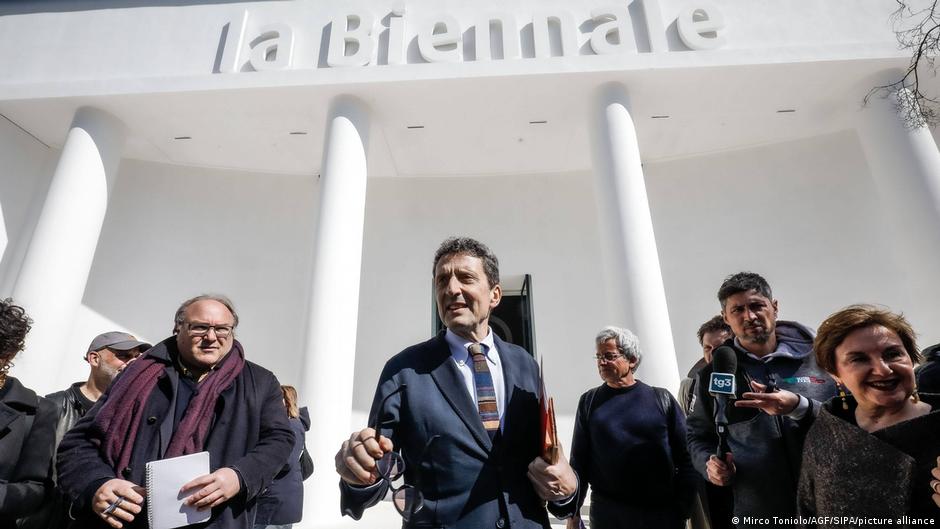
Venice Biennale: Is art ever separate from politics?

The article, published by DW, examines the ongoing debate about the relationship between art and politics, using the Venice Biennale as a case study. It highlights how the 2024 edition of the Biennale has become a platform for political statements, particularly regarding Russia's exclusion from the event following its invasion of Ukraine, and the broader question of whether cultural institutions can remain neutral in times of geopolitical conflict.