
filter_list Showing 3 results for "Stern" close Clear
search
dashboard All 45 museum exhibitions 32article local 5article culture 3trending_up market 2article news 2person people 1
date_range Range Today This Week This Month All
Subscribe

Required Reading

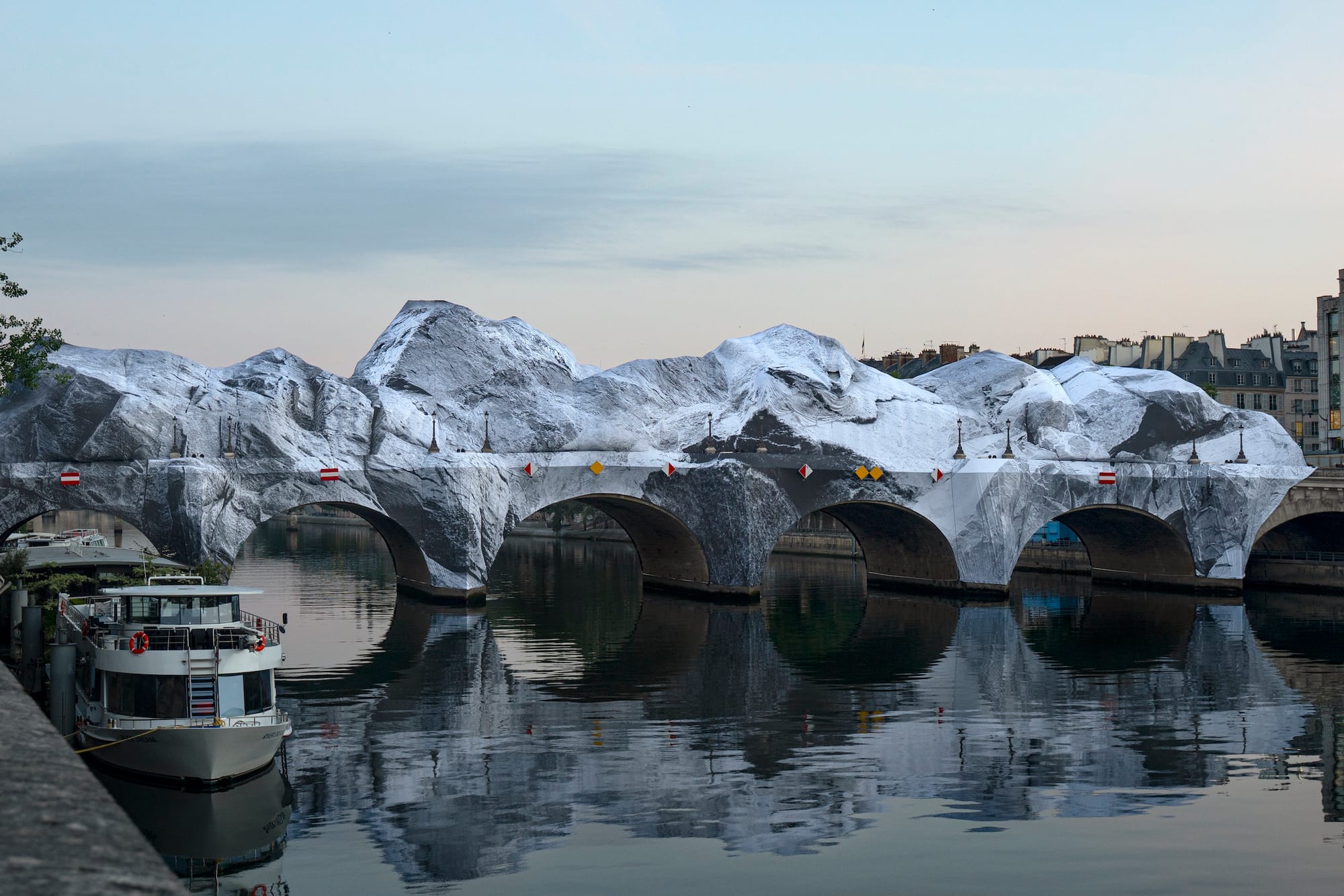
This week's Required Reading roundup from Hyperallergic covers a diverse range of art-world stories. French photographer JR has unveiled "La Caverne du Pont Neuf Paris" (2026), an optical illusion installation that transforms the pathway across the Seine into a black-and-white mountain range cave, paying homage to Christo and Jeanne-Claude's 1985 wrapping of the same bridge. Other highlights include architecture scholar Karrie Jacobs investigating a New York waterfront walking initiative for The Nation, curator Tara Contractor writing in Apollo about James McNeill Whistler's use of metallic pigments influenced by Japanese traditions, and Rob Corsini interviewing Amelia Abraham about their new book celebrating photography of queer nightlife for Dazed.
Dolce Vita is Over

Dolce Vita war gestern

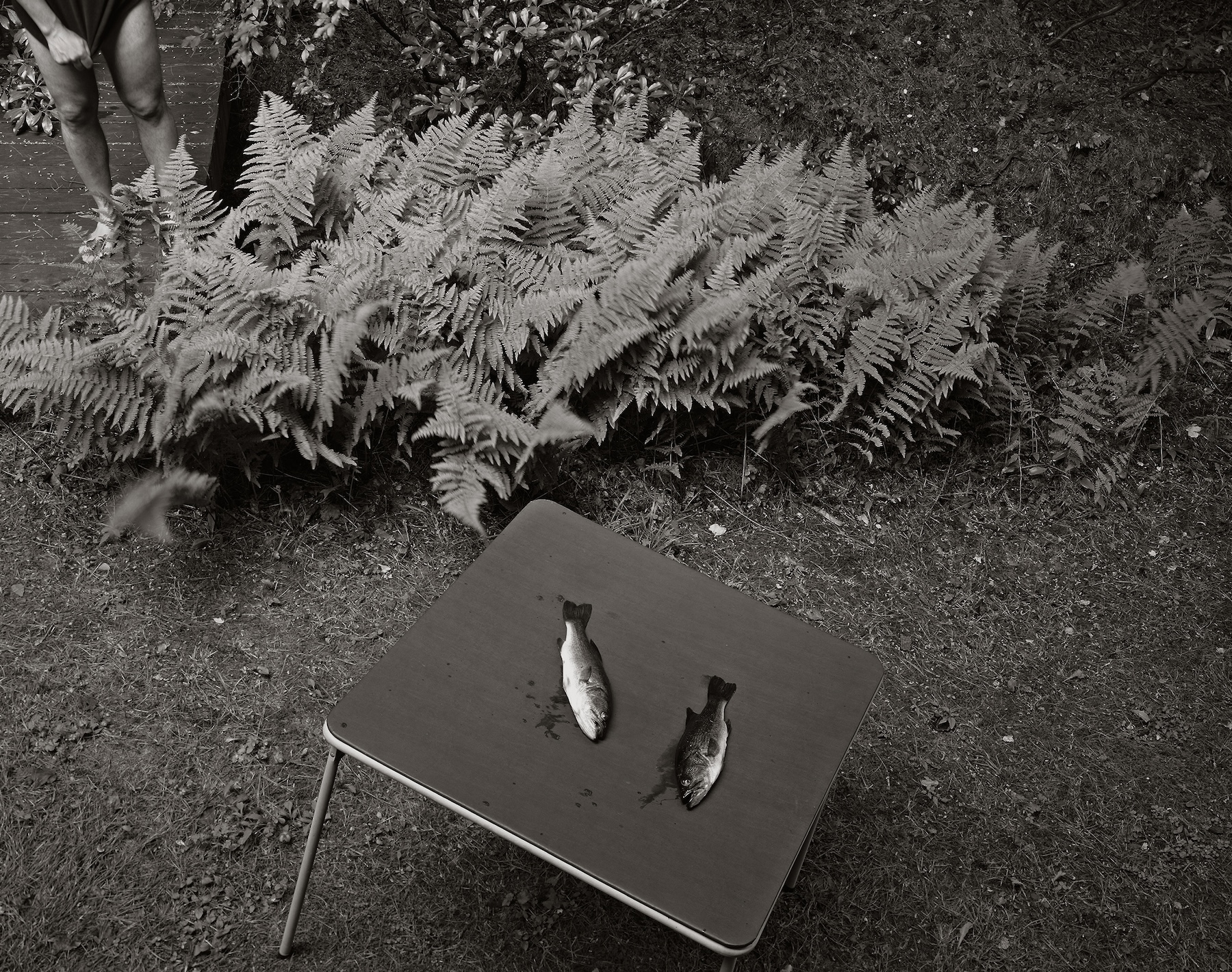
Andrea Modica's new photobook "Italian Story" collects four decades of photographs taken in Italy, beginning with her first trip there in the late 1980s. Born in 1960 to a family with roots in Sicily and Naples, Modica received a Fulbright scholarship to travel to Sicily and photograph the origins of the Catholic imagery, gender roles, and family structures she experienced growing up in New York. The book, however, is not a documentary of her heritage; instead, it presents dreamlike, surreal images—motionless bodies in water, dead fish, figures behind mosquito nets, Madonna statues—that resist clear narrative or identity politics. Modica works with an 8x10 large-format analog camera and prints using the historic platinum-palladium process, giving the images a timeless, collaborative quality.

5 Artists Inspired by Moroccan Rugs and North African Weaving

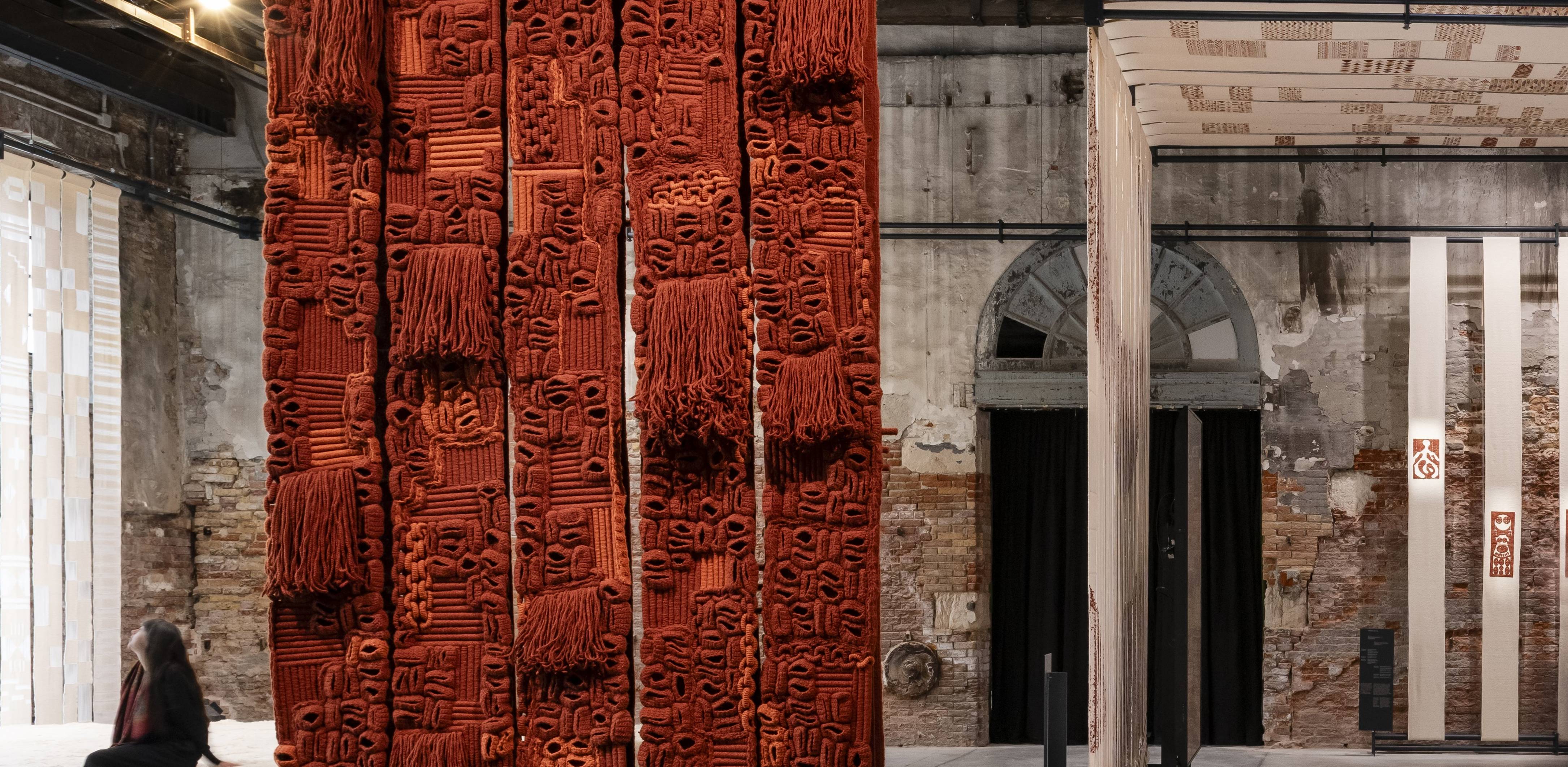
Artsy Editorial profiles five contemporary artists from the Maghreb region who draw inspiration from Moroccan rugs and North African weaving traditions. The article highlights how these artists transform the loom-based craft—historically dismissed as "womanly craft" by academia and the avant-garde—into a contemporary art form that honors and updates longstanding weaving practices. Each artist uses the grammar of signs, stitches, rhythm, color, and designs inherent to North African textiles to articulate narratives and philosophies.