filter_list Showing 12 results for "Sue" close Clear
dashboard All 103 museum exhibitions 51article news 17article culture 12article local 10rate_review review 4article policy 3person people 2trending_up market 2candle obituary 1gavel restitution 1
date_range Range Today This Week This Month All
Subscribe

7 Books We’re Looking Forward to in May

ARTnews has published a list of seven art books to look forward to in May 2026, covering a wide range of topics from contemporary theory and AI imagery to historical biographies and the Venice Biennale. Featured titles include Dena Yago's collected writings 'That Figures,' Victoria Johnson's biography of Frederic Church 'Glorious Country,' Trevor Paglen's 'How to See Like a Machine,' Nicholas Fox Weber's 'Anni Albers: A Life,' Massimiliano Gioni's 'High Waters: An Oral History of the Venice Biennale,' Rennie McDougall's 'Nonstop Bodies: How Dance Shaped New York City,' and Paul Elie's 'Last Supper: Art, Faith, Sex and Controversy in the 1980s.'

Expanded Vocabulary: Revisiting Deborah Kass’ Studio

The article recounts the author's visit to Deborah Kass's Brooklyn studio, which she shares with her wife, artist Patricia Cronin. The visit was prompted by logistical issues related to the author's exhibition "Social Minimalism" (2025). During the visit, the author and Kass revisited themes central to Kass's work over three decades: the exclusion of women from art history, Jewish identity, queer voice, lesbian subjectivity, and postwar American art. The conversation also touched on Kass's series including the Warhol Project, Feel Good Paintings, No Kidding, and the large painting/sculpture installation "Everybody" (2019), which was recently featured in a conversation between Kass and Titus Kaphar in Interview magazine.

‘It’s a world heritage site, but it’s my home’: the last resident of Casa Milà on life in Gaudí’s masterwork

Ana Viladomiu, a 70-year-old writer, is the last remaining tenant of Antoni Gaudí’s Casa Milà (La Pedrera) in Barcelona, a UNESCO World Heritage site that receives about a million visitors annually. She has lived in the luminous apartment since 1988, originally moving in with her then-husband Fernando Amat, owner of the iconic design store Vinçon. Viladomiu holds a rare renta antigua (fixed-rent contract) that allows her to stay until she or Amat dies, after which the not-for-profit foundation managing the building will take ownership. The rest of the building now houses offices and cultural event spaces.

Khaled Sabsabi: Splintered Worlds

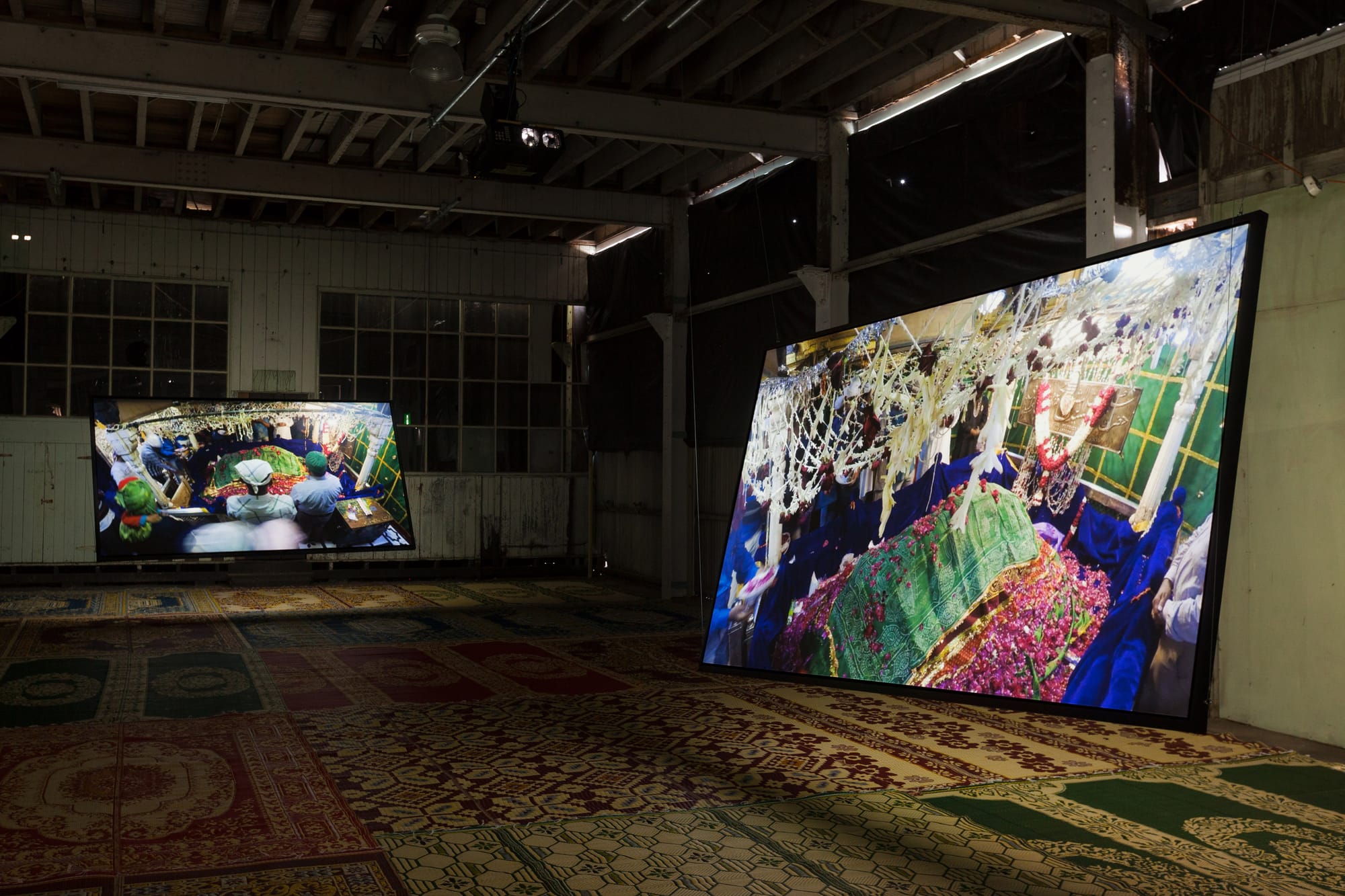
Khaled Sabsabi, a Lebanese Australian artist, explores the intersection of spirituality and perception through video and mixed-media installations rooted in Sufism. His work, such as the 18-minute video *Lefke Morning* (2012–18), captures the Naqshbandi-Haqqani Sufi Order's dawn meditations, using blurred imagery and soundscapes to challenge Islamophobic media tropes and evoke a sense of unity. Sabsabi's practice also draws on hip-hop, which he performed as "Peacefender" in the 1980s, using music to address social issues and support marginalized communities in Western Sydney.

In new play, Norval Morrisseau forgery scandal prompts questions about authenticity and Indigenous identity

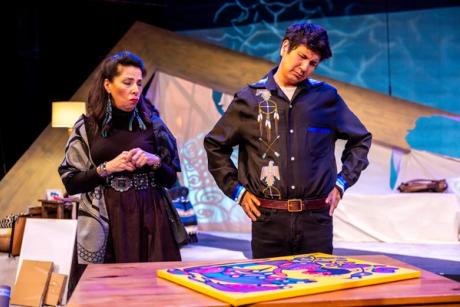
A new play by Ojibway playwright Drew Hayden Taylor, *The Undeniable Accusations of Red Cadmium Light*, dramatizes the massive Norval Morrisseau art forgery scandal in Canada. The story follows an Indigenous art expert named Nazhi, her adopted daughter Beverly, and a journalist whose investigation into Morrisseau forgeries unravels Nazhi’s own identity and status. The play uses Morrisseau’s iconic imagery and the forensic analysis of paint colors to explore the blurred lines between authentic and fake, both in art and in personal identity. It concluded its run at Vancouver’s Firehall Arts Centre on 3 May.

Linocuts by Eduardo Robledo Celebrate Mexican Heritage and Community

Eduardo Robledo, a Mexico City-based artist from Xochimilco, creates detailed linocuts that celebrate Mexican heritage, community, and spiritual motifs. His work features traditional symbols like skulls, skeletons, and Sacred Hearts alongside regional animals and cultural references such as Xochimilco's canal boats. Robledo also engages in social activism through printmaking, viewing it as a democratic medium for spreading messages about causes he supports. His prints are available at Hecho a Mano in Santa Fe, and he co-founded Lugar de Huida, a gallery in Mexico City that highlights Mexican printmakers.

'The Bean' Sculptor Kapoor Blasts America's 'Politics Of Hate' And 'Warmongering'

British-Indian sculptor Anish Kapoor, best known for Chicago's 'Cloud Gate' sculpture (commonly called 'The Bean'), publicly criticized American politics in a recent interview, denouncing what he described as a 'politics of hate' and 'warmongering.' Kapoor, whose monumental public artworks have become global icons, did not specify particular events but spoke broadly about the current political climate in the United States.

The new TAILOR newsletter is coming out: luxury crisis, new creative generations, and mental health (subscribe!)

Sta per uscire la nuova newsletter TAILOR tra crisi del lusso, nuove generazioni creative e salute mentale (abbonatevi!)

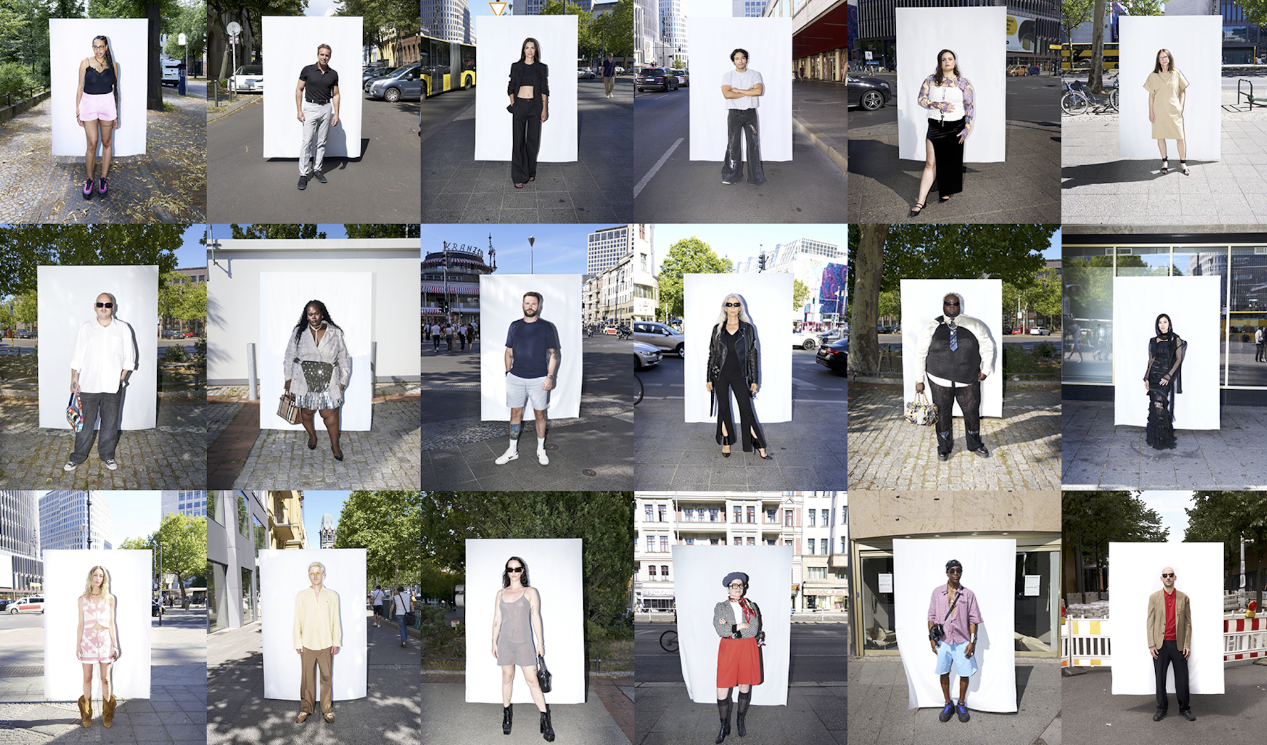
Artribune has launched a new edition of its newsletter TAILOR, which examines the transformation of the global fashion system amid a luxury crisis, the rise of new creative generations, and the growing structural importance of mental health in the industry. The newsletter features a focus on five emerging designers shifting fashion from product to narrative, an exclusive interview with influential stylist Tom Eerebout, and the debut in Italy of the project "One Person. One Voice" as part of the Mental Health in Fashion campaign, created by Florian Müller with artist Claudia Malecka.

The first of May starts a new issue of Pax. Previews of the newsletter on cultural tourism (subscribe)

Il primo maggio parte una nuova uscita di Pax. Le anticipazioni della newsletter sul turismo culturale (abbonatevi)

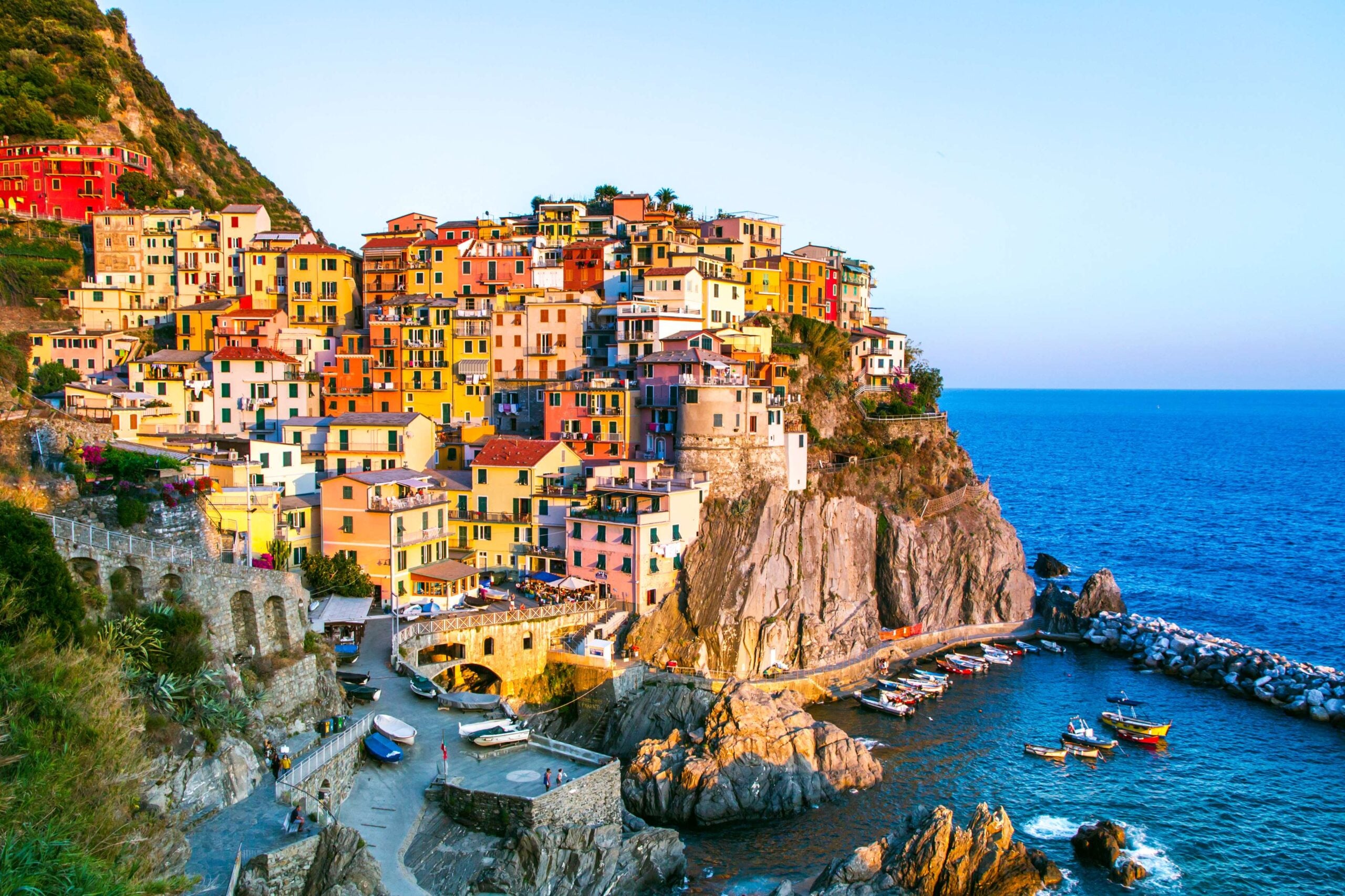
The article previews the upcoming May 1st issue of Pax, a newsletter by Artribune focused on cultural tourism. It highlights a feature on Italy's colorful villages, explaining how bright colors historically aided sailors and fishermen, and how white facades served hygienic purposes. The issue also covers off-the-beaten-path destinations like Bolsena, which recently opened a contemporary art space in Palazzo Cozza Caposavi, and explores slow tourism practices such as barefooting, discussed with its founder Andrea Bianchi. Additional content includes a roundup of cultural initiatives from Berlin to Naples, Budapest's Citadella reopening, and the Sussex forest's Winnie-the-Pooh centenary.

Provincia Cosmica. A Foggia per scoprire la fotografia sociologica di Maria Palmieri

Maria Palmieri (Foggia, 1986) is a photographer who uses her camera as a tool for observation, understanding, and social improvement. After studying law, she turned to visual arts, blending reportage with vernacular photography to uncover truth amid the 'noisy horror' of contemporary life. In an interview with Artribune, she discusses her sociological approach to photography, her return to her hometown of Foggia, and her ongoing documentation of the region's fragilities, including the largest migrant ghetto in Europe.

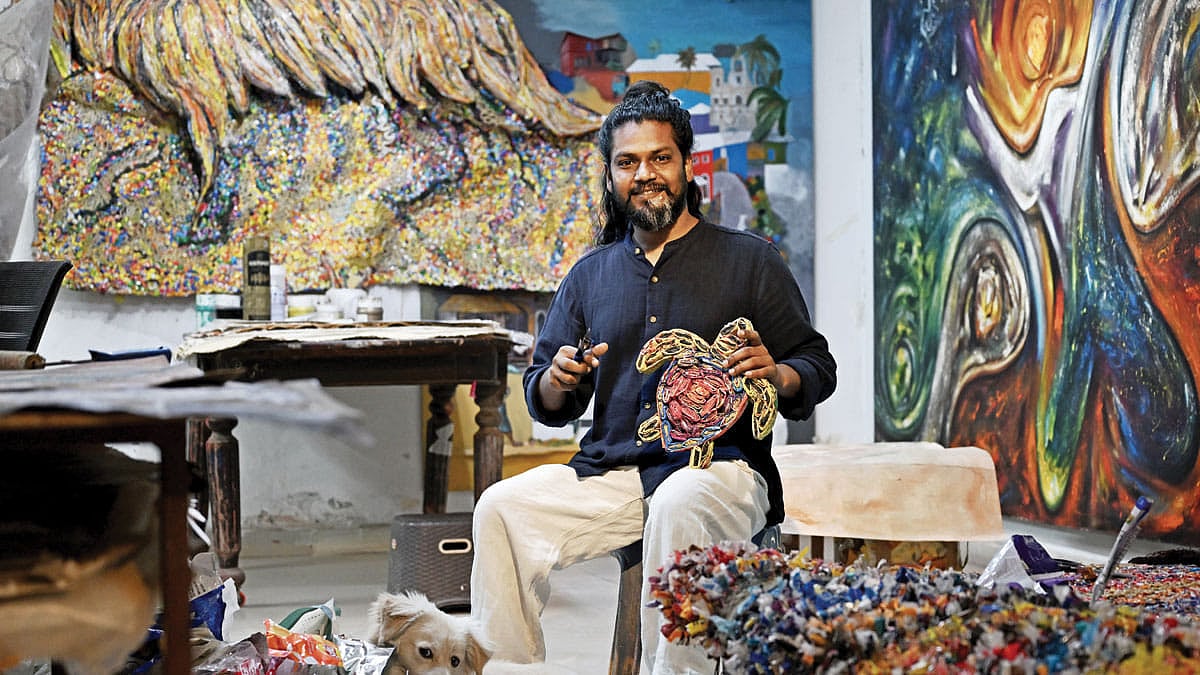
Remains of time: Discarded Material Finds New Life As Artwork

Two Indian artists, Manveer Singh (aka Plasticvalla) and Smriti Dixit, are creating artworks from discarded materials to address environmental degradation. Singh transforms multi-layered plastic waste into sculptures inspired by local landscapes and folk traditions, such as a snow leopard for Spiti Valley and a landfill-inspired piece for Delhi. Dixit finds her practice meditative, while other young artists like Anuja Dasgupta and Mrugen Rathod recently exhibited at the 'Sustaina' exhibition using recycled materials like agricultural waste and discarded hotel textiles. Additionally, Tara Lal's Aranyani Pavilion, made from invasive Lantana Camara wood, was displayed at Sunder Nursery to promote forest restoration.

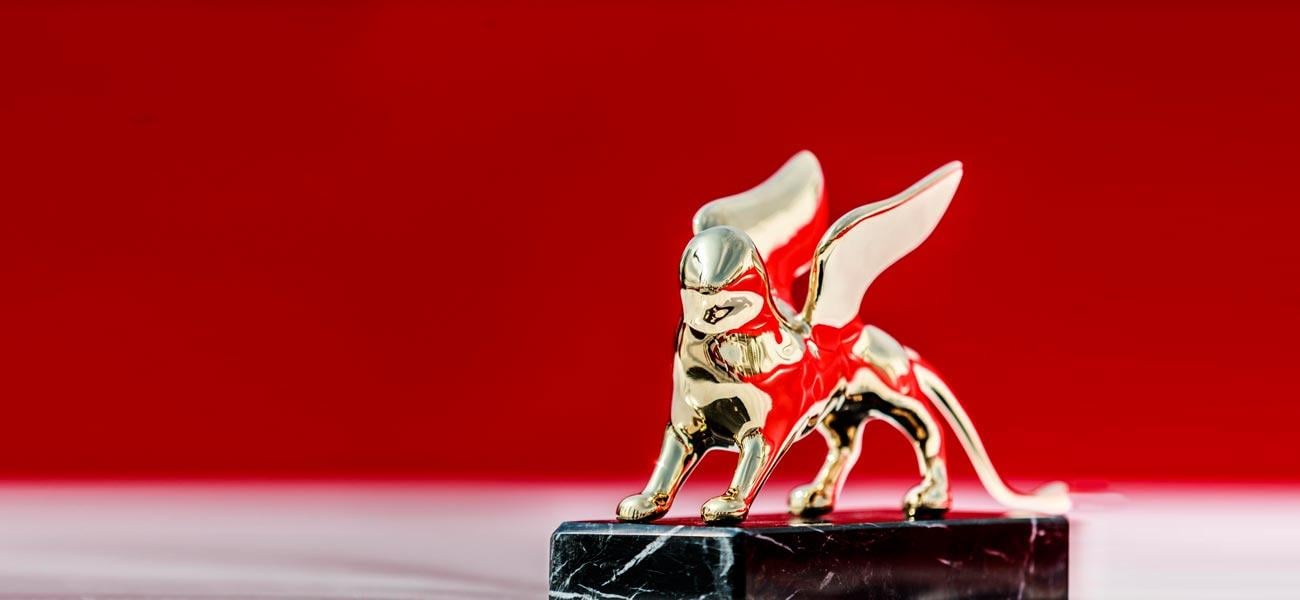
Jury or Public? The Biennale Is Not an Algorithm, But Neither Is It a Liturgy

Giuria o pubblico? La Biennale non è un algoritmo, ma neppure una liturgia

The article critically examines the proposal for "Visitor Lions" (Leoni dei Visitatori) at the Venice Biennale, arguing that the idea is a fragile, quick-fix response to a deeper crisis. It questions whether replacing expert juries with public voting would truly improve the selection process, noting that both systems have significant flaws: juries are not necessarily neutral, often rushed and filtered, while public voting risks favoring accessible, easily consumable works and reinforcing existing hierarchies.