filter_list Showing 30 results for "Tabi" close Clear
search
dashboard All 766 article news 202museum exhibitions 199trending_up market 135article policy 82person people 56article culture 30article local 24gavel restitution 18rate_review review 14candle obituary 5article event 1
date_range Range Today This Week This Month All
Subscribe

los angeles frieze art world jeffrey epstein tod lippy

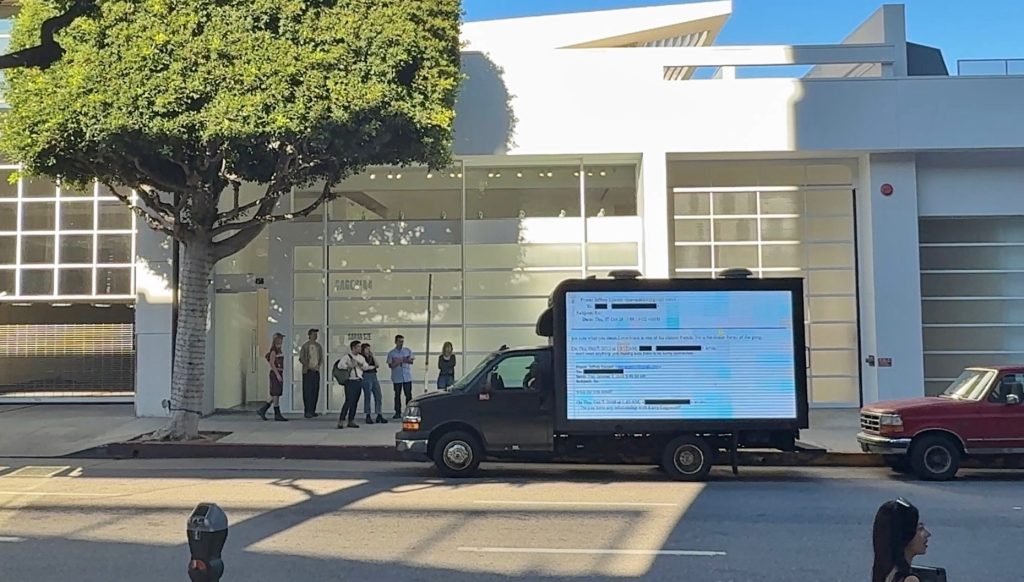
Artist Tod Lippy is launching a mobile protest piece titled "All Of the Gang" during Frieze Los Angeles, featuring an LED truck that displays emails and documents linking prominent art world figures to Jeffrey Epstein. The project highlights correspondence and associations involving major industry names like Larry Gagosian, Leon Black, and David A. Ross, aiming to confront the public with the industry's perceived complicity and lack of accountability.

The Defining Themes of Today’s Biennial Art

The article analyzes the defining themes and styles of the past four years in the international biennial circuit, based on a survey of 130 biennials. It identifies a core group of artists who appeared most frequently, including Ali Eyal, Apichatpong Weerasethakul, Carolina Caycedo, Kapwani Kiwanga, and Tuan Andrew Nguyen, among others. Many of these artists are also featured in the upcoming 61st Venice Biennale curated by the late Koyo Kouoh. The piece categorizes their work under two broad themes: "Post-Colonial Post-Conceptualism," which involves poetic engagement with colonial history and artifacts, and "Families and Networks," where artists explore personal and political family histories.

our favourite viral gen z marketing scripts

Museums and cultural institutions are participating in a viral social media trend where staff, often older guides or curators, deliver marketing scripts written entirely in Gen Z slang. The trend, which began with a video from England's Hever Castle in early September, has spread across TikTok and Instagram, with hundreds of organizations creating their own versions. Typical phrases include "no cap," "ate and left no crumbs," and "menty b," often accompanied by the "Millennial Pause" for comedic effect. The article highlights several examples, including the Poe Museum in Virginia and the New York Historical Society, and notes that the trend has expanded beyond the art world to include accountancy firms, donkey sanctuaries, and even the NYC Ferry.

the art angle canyon art basel adrien brody

The Art Angle podcast team reviews three major art stories from June. First, Canyon, a new museum-like venue dedicated to immersive video art, has been announced for New York's Lower East Side. Second, the team discusses the outcomes of Art Basel in Switzerland, the art world's most important fair, and ongoing volatility in art pricing. Third, they examine the buzz—and mockery—surrounding Oscar-winning actor Adrien Brody's painting exhibition in New York City. Culture editor Min Chen joins host Ben Davis and senior editor Kate Brown to analyze these developments.

Global Art Biennials: Renovation, Revelation—or Repetition?

The article examines the current state of global art biennials, arguing that recent controversies—such as the 2022 documenta antisemitism crisis and geopolitical tensions at the 61st Venice Biennale—reveal these exhibitions as deeply politicized platforms rather than neutral cultural events. It highlights how juries and curators have introduced geopolitical criteria, and cites ongoing debates in Artforum (April 2026) featuring voices like Daniel Birnbaum, Michelle Grabner, and Adam Szymczyk, who diagnose visible tensions but overlook deeper structural conditions.

In Galerie Sardine, a New Idea of What the Art Gallery Can Be

Artist Joe Bradley and his wife Valentina Akerman, neither of whom had run an art gallery before, opened Galerie Sardine in a 1701 farmhouse on Main Street in Amagansett, Long Island. The gallery, named after a small fish to convey modesty and portability, attracted crowds of local and visiting art lovers, including prominent dealer Larry Gagosian. The article profiles the couple's backgrounds—Akerman, an architect and former art director from Colombia, and Bradley, a painter who rose to prominence with a solo show at MoMA PS1 in 2006 and now shows with David Zwirner.

Nine Lessons on My Path From Engagement to Leadership

The article is an excerpt from the forthcoming field resource 'Curating Engagement,' featuring a first-person reflection by an arts professional. The author outlines nine lessons learned over two decades of practice, moving from engagement-focused roles to institutional leadership. Key lessons emphasize curiosity as a foundational practice, engagement as a form of service to communities rather than extraction, and the importance of site and history as collaborators in curatorial work.

The Best April Fools’ Jokes in the Art World This Year

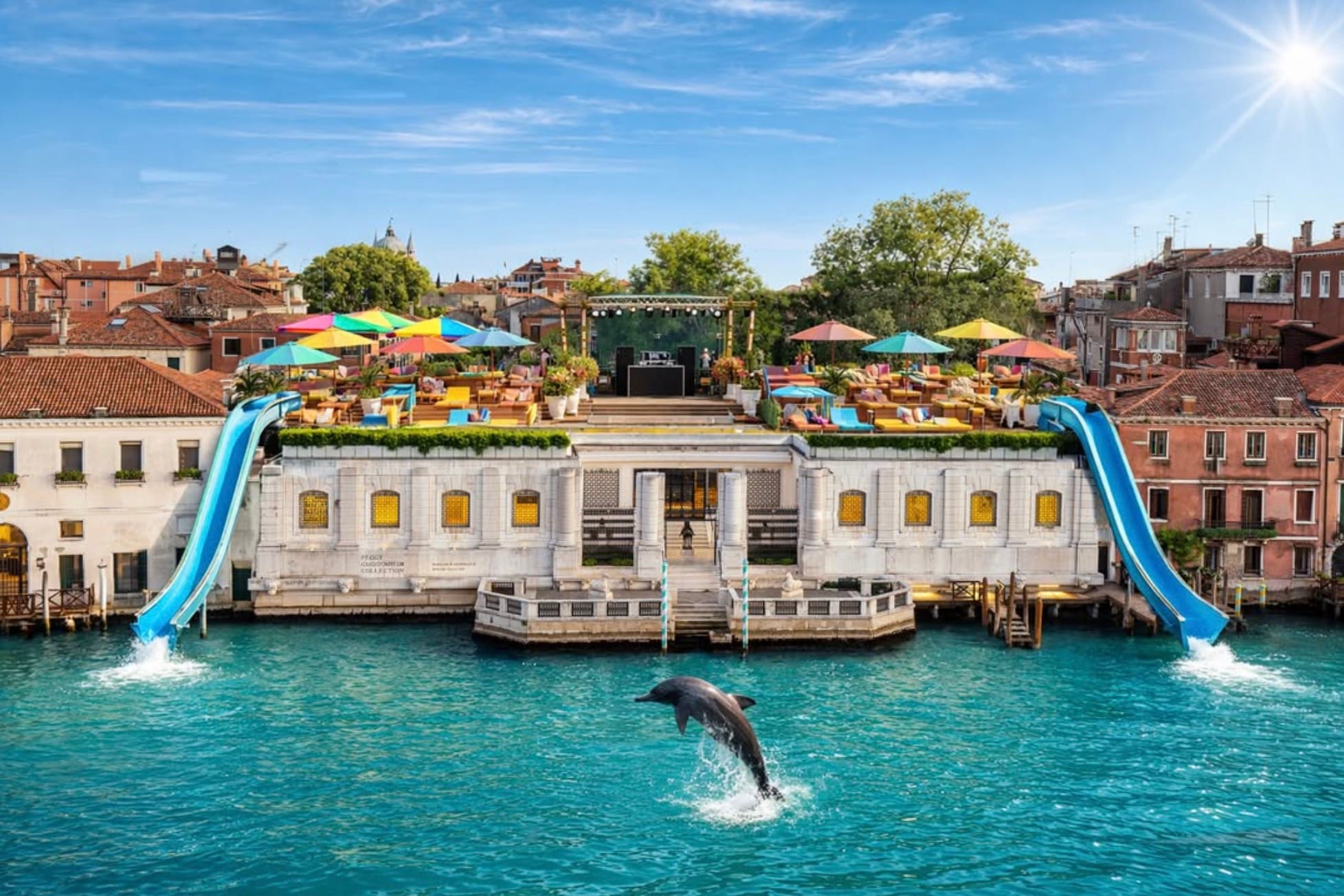
Hyperallergic compiled a list of notable April Fools' Day pranks executed by major arts and cultural institutions in 2025. The jokes included the Morgan Library and Museum pretending to give its ornate interior a cheap "Landlord Special" makeover, the New York Public Library announcing it would replace its iconic lion statues with beaver sculptures, and the Brooklyn Museum and Brooklyn Botanic Garden proposing a whimsical, amusement park-style tunnel connecting their campuses.

david adjaye me too studio museum princeton west african

The article reflects on the #MeToo movement's failure to achieve lasting change, using the case of architect David Adjaye as a central example. Adjaye was accused in 2023 by three women of sexual exploitation, harassment, and creating a hostile work environment at his firm, Adjaye Associates, allegations he denied. Despite initial backlash—including termination from projects like Westminster's Holocaust Memorial—many clients quietly resumed working with him, illustrating a broader pattern of institutional cowardice.

bint mbareh sound art palestinian resistance

Bint Mbareh, a Palestinian sound artist and stage name assumed around 2019, creates installations and performances that use water and sound as metaphors for Palestinian experience. Growing up in Ramallah and later studying at Goldsmiths in London, she learned geographically specific Palestinian rain-summoning songs, which she twists and destabilizes using digital technology in works like *Time Flows in All Directions: Water Flows Through Me* (2020). After October 7, 2023, she expanded her practice to include a “choir” of collaborators performing collective grief, with appearances at an Artists for Aid benefit concert in London and at Tate Modern. Recent installation works such as *Bodies of Knowledge* (Royal College of Art) and *What’s Left?* (Sharjah Biennial) incorporate water tanks vibrated by sound, evoking both childhood and displacement.

heidi hahn not your woman

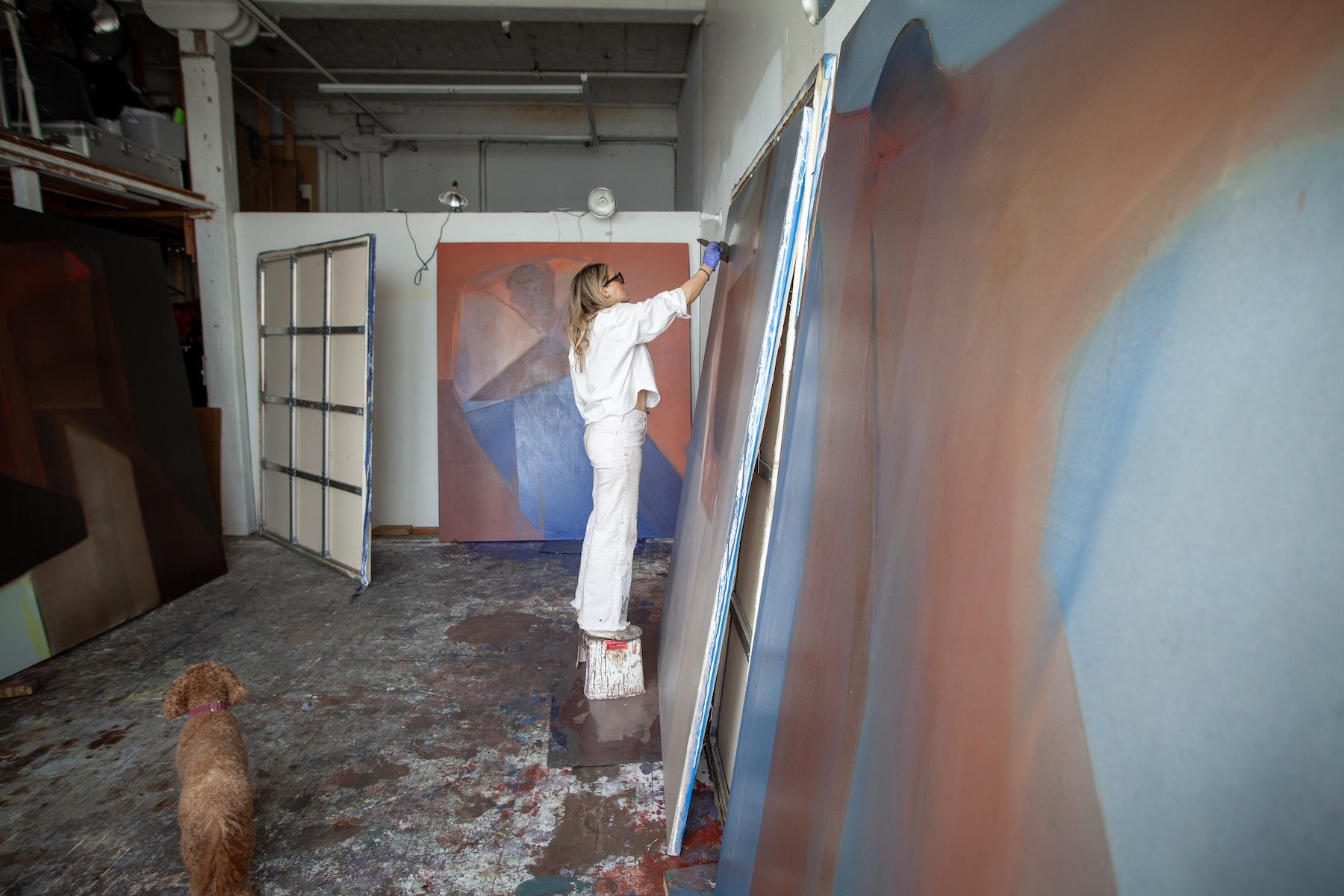
Artist Heidi Hahn discusses her recent exhibition "Not Your Woman" and the emotional journey behind the paintings in an interview with Thalia Stefaniuk. Originally scheduled to open at Mitchell-Innes & Nash's Chelsea gallery, the show was cancelled when the gallery suddenly closed, leaving Hahn feeling discarded and forcing her to rethink the work. The resulting large-scale canvases feature abstract, monumental female bodies rendered in muted oranges, reds, and blues—figures that are faceless, exaggerated, and more like totems or memories than recognizable women. The conversation explores themes of disappointment, failure, and the tension between wanting to be seen and wanting to disappear.

design artist housing hell real estate

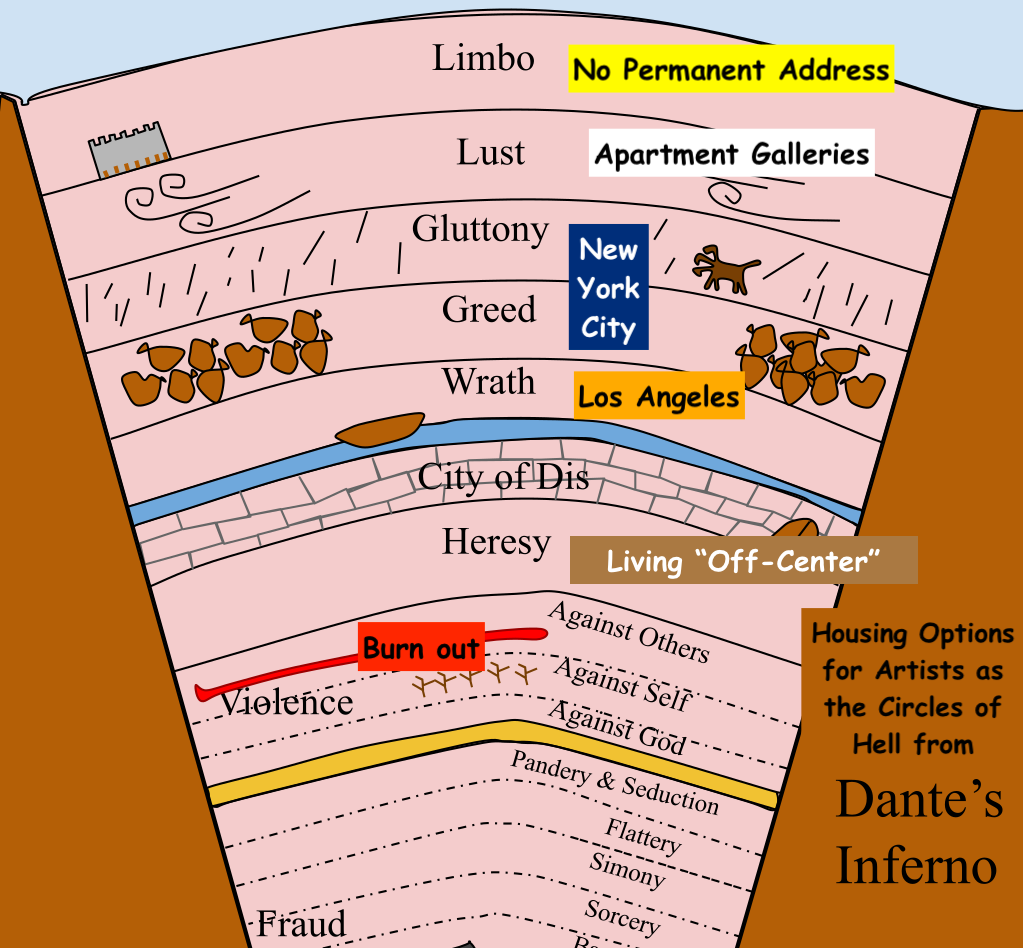
The article examines the severe affordable housing crisis facing artists in major art capitals like New York, Berlin, London, Los Angeles, Paris, and Hong Kong. It draws parallels between the satirical portrayals of housing struggles in Tama Janowitz's *Slaves of New York* (1986) and Jane DeLynn's *Real Estate* (1988) and the contemporary reality, where median rents have tripled since the 1970s while artists' median earnings remain critically low. The author maps artists' precarious housing situations onto Dante's nine circles of Hell, illustrating the creative but often desperate workarounds artists employ, such as subletting, living in storage units, or having no permanent address.

risd design aesthetics recession

A writer revisits the Rhode Island School of Design (RISD) alumni magazine after being assigned to explore how a group of RISD graduates from the late 2000s helped shape contemporary American material culture. The article focuses on the cohort that studied at RISD during the 2008 financial crisis, a time of institutional dysfunction and curricular drift, and includes figures like fashion brand Eckhaus Latta (co-founded by Mike Eckhaus and Zoe Latta), designer Adam Charlap Hyman, artists Katie Stout, Misha Kahn, F Taylor Colantonio, and Martine Gutierrez. The author reflects on shared memories and the unique conditions that produced this influential group.

Michael Garner Explores Truth, Systems & Constructed Reality

Michael Garner, an artist with a background spanning social science and intelligence work, creates immersive works that blend science, espionage, philosophy, and absurdity. His recent exhibitions include a show at the Bomb Factory Art Foundation featuring a vending machine dispensing mock classified information, and a presentation at the Austrian Cultural Forum London exploring his newly acquired Austrian citizenship through neural pathway paintings in the colors of the Austrian flag.

dear auction execs column

An art world insider publishes an open letter to auction executives, accusing them of encroaching on the primary gallery market by accepting consignments of works by emerging artists and scheduling auctions to coincide with major art fairs. The author argues that auction houses prioritize financial gain over artists' long-term career stability, destabilizing prices and encouraging speculation. They call for auction houses to respect the traditional boundaries between primary and secondary markets, stop glorifying auction prices, and avoid accepting works from recent primary sales.

How the adoption of canvas in Venice changed the way artists painted

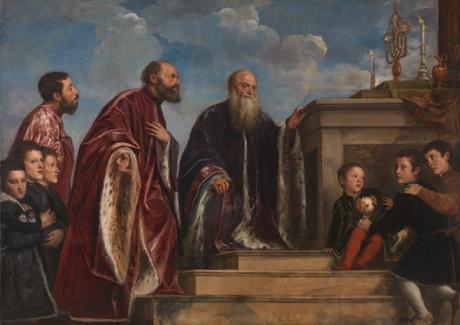
Art historian Cleo Nisse has published a new book, *Venetian Canvas and the Transformation of Painting*, examining how 16th-century Venetian painters such as Titian, Veronese, and Tintoretto pioneered the use of canvas as a painting support. Nisse reveals that canvas was not a uniform material—artists experimented with different weaves, including tabby and herringbone patterns, and even repurposed sailcloth and tablecloth-quality fabrics to achieve specific visual effects. The book argues that canvas was already familiar in the late Middle Ages for banners and alternatives to tapestry, and that Vittore Carpaccio was the first master of the medium, varying canvas types for expressive purposes in his *Legend of St Ursula* series.

What happens to the art market when humanity stops mattering?

The article examines the resilience of the high-end art market amid rising geopolitical tensions and shrinking public funding for culture. It notes that while sales at major auction houses like Sotheby's and Christie's have rebounded, political forces in the US and Europe are increasingly prioritizing military spending and exerting pressure on cultural institutions, drawing parallels to the rise of fascism in the early 20th century.

Three artists, three questions: Contemporary art

Three Israeli artists—Ronit Porat, an evacuated photographer working with archival materials; an emerging artist using shrapnel from rocket shells as art material while serving as an IDF reservist; and a young artist opening a new exhibition after a break—are profiled in this column by Basia Monkaj. Each answers three questions about inspiration, the definition of art, and what makes their work unique, set against the backdrop of the ongoing war in Israel and the centenary of Surrealism.

The controversy raised by Timothée Chalamet has made us reflect on the fragility of culture

« La controverse soulevée par Timothée Chalamet a eu le mérite de nous faire réfléchir à la fragilité de la culture »

Timothée Chalamet, l'acteur franco-américain, a suscité une controverse en déclarant qu'il ne souhaitait pas travailler dans le ballet ou l'opéra, qualifiant ces disciplines de "trucs où c'est genre : 'Hé, continuez à faire tourner ça, même si plus personne n'en a rien à faire.'" Ses propos, tenus alors qu'il était en lice pour l'Oscar du meilleur acteur, ont provoqué des réactions dans le monde culturel, notamment dans le magazine Art Review, où Will Ferreira Dyke a défendu la pérennité du ballet et de l'opéra, arguant qu'ils survivraient aux attaques des "chalametistes". L'article relie cette polémique à la fragilité de la culture face aux coupes budgétaires, évoquant les demandes de Donald Trump pour augmenter le budget militaire américain au détriment de l'éducation, de la santé et de l'environnement.

art bites durer star charts

Albrecht Dürer created the first printed star charts in Europe in 1515, producing two 17-inch square woodcut maps of the northern and southern celestial hemispheres. The charts depict 48 constellations, including zodiac signs, and feature portraits of ancient astronomers. Dürer collaborated with mathematician Conrad Heinfogel and imperial astronomer Johann Stabius, and the prints were patronized by Holy Roman Emperor Maximilian I. One set sold for £361,250 at Sotheby's in 2011.

huge library of ashurbanipal

The British Museum houses the Library of Ashurbanipal, a collection of approximately 30,000 cuneiform tablets from the Assyrian Empire, discovered in the 19th century. Created by King Ashurbanipal (r. 669–631 BCE), the library contains texts on astronomy, medicine, history, and literature, including the Epic of Gilgamesh. The tablets survived a fire set by invading Babylonians and Medes, which hardened them. Recent excavations in Nineveh have uncovered more tablets and a 20-foot-tall winged bull statue, while the British Museum's Ashurbanipal Library Project, now led by curator Jon Taylor, focuses on digitizing and studying medical texts.

artist renee good last words new york ice office

Performance artist Maria De Victoria spent Tuesday chanting the last words of Renee Nicole Good—a poet and mother killed by an ICE agent in Minneapolis—outside the ICE field office in New York City's Jacob K. Javits Federal Building. Dressed in a coat bearing Good's phrase "I'm not mad at you, dude," De Victoria performed the endurance piece from sunrise to sunset as an act of dissent against federal immigration crackdowns. The work concluded with a silent vigil, and De Victoria, an immigrant from Peru represented by Desnivel Gallery, has a history of politically charged endurance performances.

What does a technology fair have to do with the art world? A report from MIR in Rimini

Cosa c’entra una fiera della tecnologia con il mondo dell’arte? Un report dal MIR di Rimini

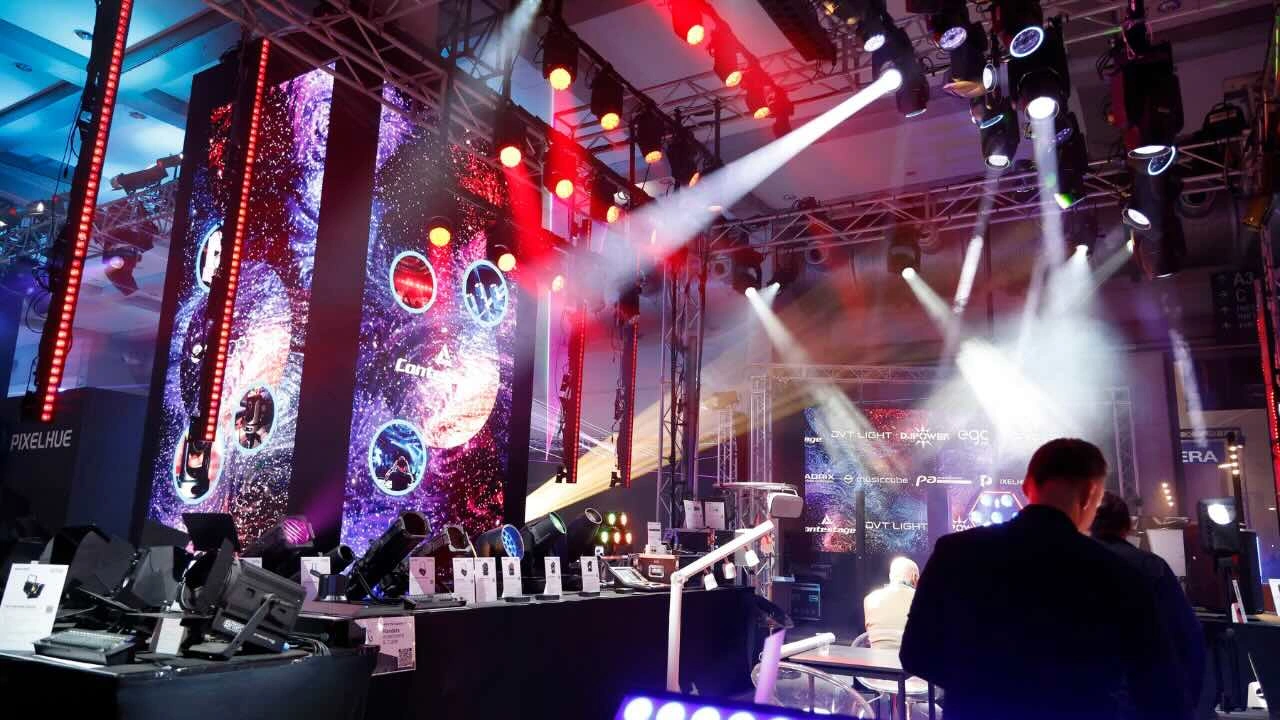
The article reports from the MIR (Live Entertainment Expo) technology trade fair in Rimini, an event focused on professional audio/video equipment and systems integration. While dominated by corporate stands and live sound demonstrations, the fair also hosted discussions on the precarious working conditions and pension system for cultural and entertainment workers, revealing underlying anxieties in the creative industries.

Monuments & Weapons: How Public Space Prepares Us for War Without Us Even Realizing It

Monumenti&armi. Così lo spazio pubblico ci prepara alla guerra senza che neppure ce ne rendiamo conto

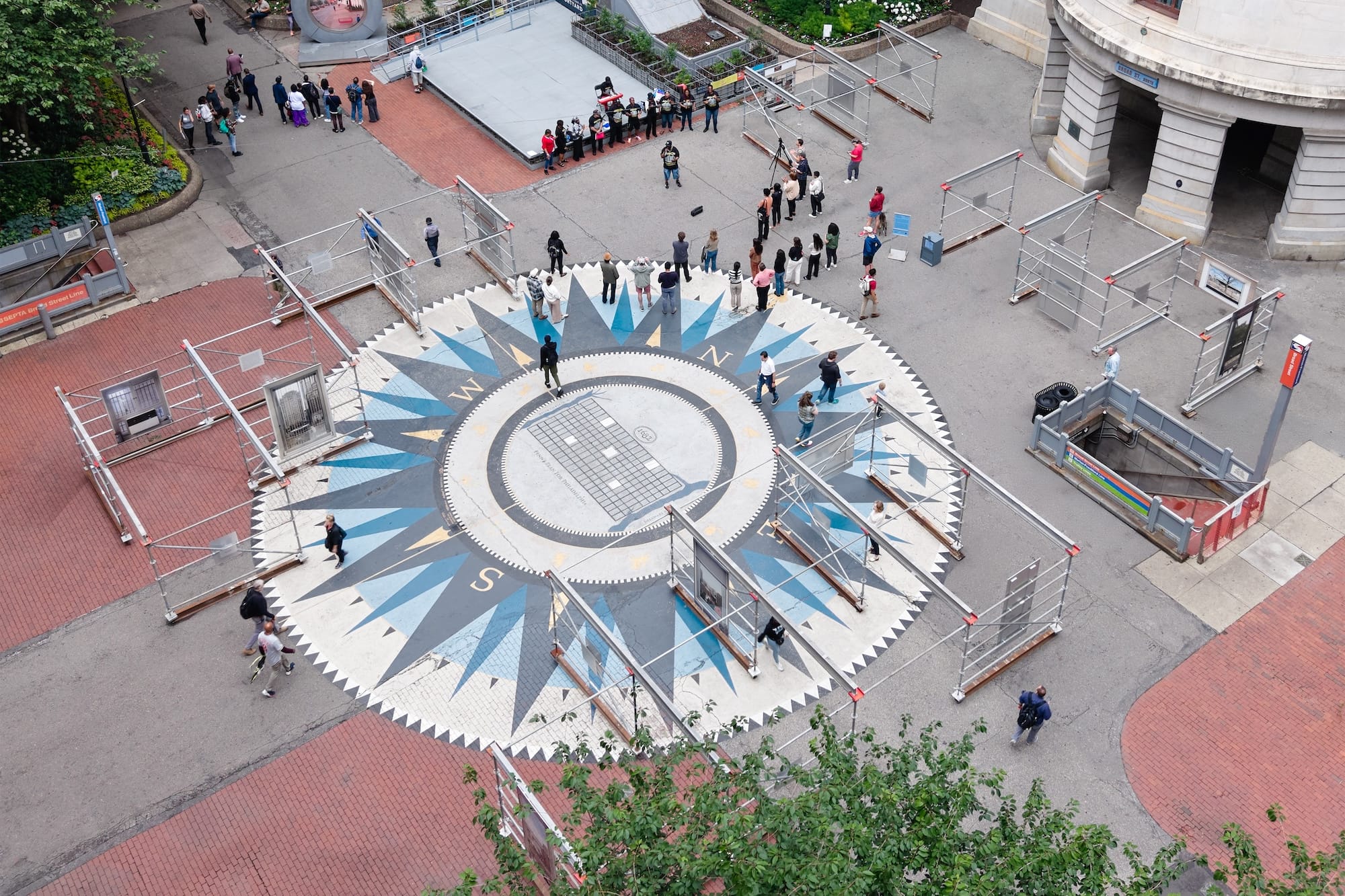
Public squares and urban spaces are densely populated with war-related monuments that condition society to accept conflict as a historical inevitability. A study by Philadelphia’s Monument Lab reveals that nearly 60% of U.S. monuments focus on war themes, outnumbering themes of peace thirteen-fold, while Italy maintains over 12,000 memorials dedicated solely to World War I. These structures often prioritize military hierarchy and territorial conquest over themes of care, gender equality, or social diversity.

nathan myhrvold modernist cuisine

Nathan Myhrvold, the former Microsoft CTO, chef, author, and photographer, has released his first series of safari photographs taken in Africa. The collection, titled 'Resting Leopard' (2025) and 'The Young King' (2025), marks a shift from his meticulously staged food and beverage photography to wildlife portraiture. In an interview, Myhrvold discusses how the project reconnects with humanity's place in the natural world, contrasting the controlled environment of studio work with the unpredictability of photographing wild animals.

Collapse Finance, Part 1: Introduction

The global financial landscape is undergoing a structural shift toward "collapse finance," where institutions designed to manage risk are increasingly profiting from and accelerating systemic instability. Amid geopolitical turmoil and the abandonment of green initiatives, traditional concepts of market security are unravelling, replaced by a system that monetizes uncertainty through instruments like catastrophe bonds and volatile cryptocurrencies.

“Jeffrey Epstein Walk of Shame” Appears in Washington, DC Public Park

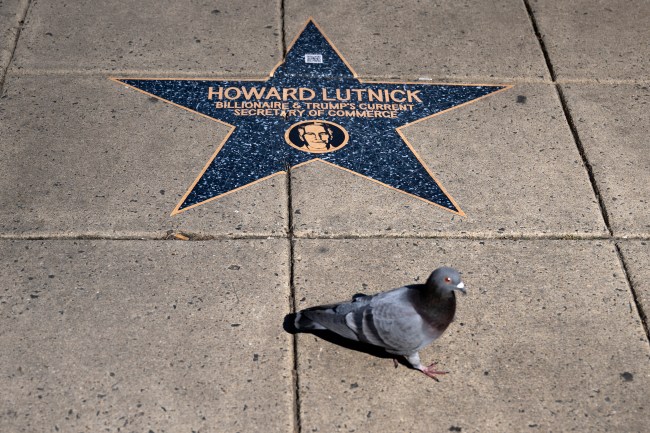
A guerrilla art installation called the "Jeffrey Epstein Walk of Shame" appeared in Washington, DC's Farragut Square. It consists of sidewalk stickers resembling Hollywood stars, bearing the names and images of twenty public figures linked to convicted sex offender Jeffrey Epstein, including Prince Andrew, Ghislaine Maxwell, Harvey Weinstein, Bill Gates, and Bill Clinton. Each sticker features a QR code linking to Department of Justice evidence or the Epstein Files.

IDF Soldiers Hide From Our Gaze

An opinion article on Hyperallergic analyzes official portraits of Israeli Defense Forces (IDF) soldiers released in May 2025, in which the soldiers are depicted with their backs to the camera. The author argues that this pose is a deliberate tactic to avoid identification and potential prosecution for war crimes in the occupied Palestinian territories, weaponizing surveillance technologies against the very people they surveil. The piece frames these images as "counter-portraits" that transform individual soldiers into a faceless, intimidating mass, contrasting them with traditional portraiture that invites intimate moral scrutiny.

Comment | From restitution to confronting authoritarian regimes, here are five ways museums can be more ethical

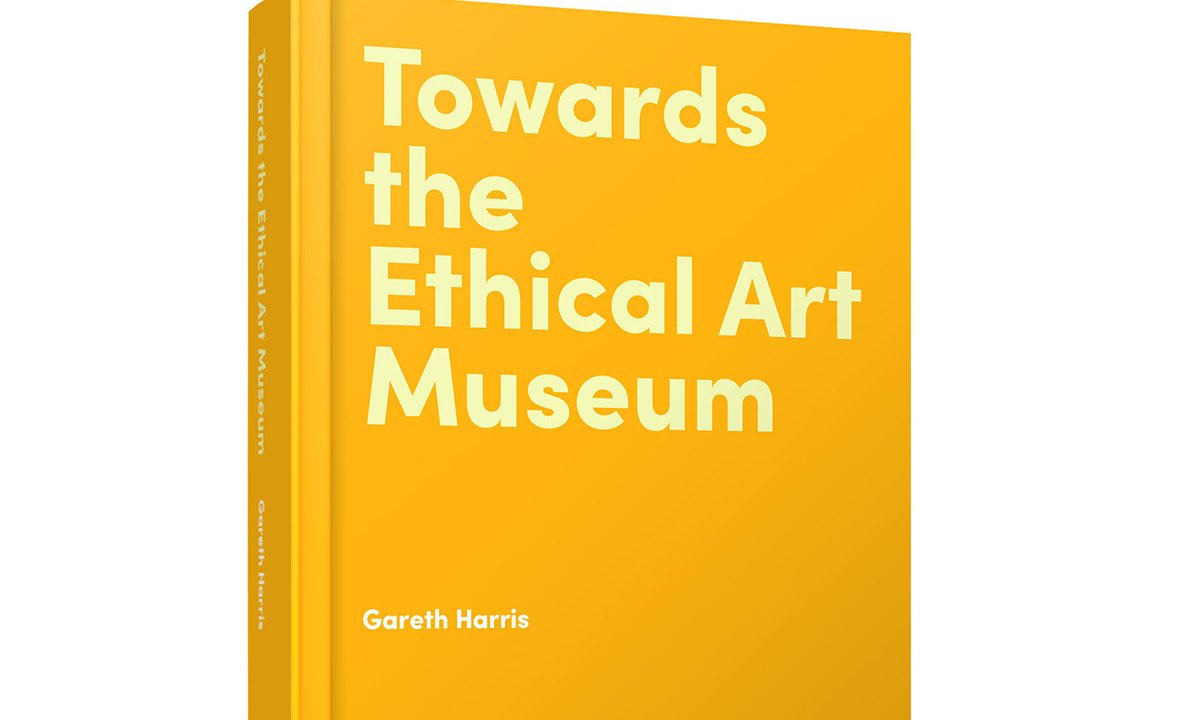
The article previews the upcoming book "Towards the Ethical Art Museum" and outlines five key strategies for museums to become more ethical institutions. These include developing ethics codes in collaboration with advisory bodies like ICOM and the UK Museums Association, changing mindsets on restitution to focus on mutual benefit rather than loss, and addressing internal "employee activism" to build diverse and equitable workplaces.

Where Private Fortunes Treat the Public to Sumptuous Art

The New York Times article explores the growing trend of private collectors and foundations establishing their own museums to showcase their art collections to the public. These institutions, often funded by immense private fortunes, offer lavish exhibition spaces and high-profile shows that rival traditional public museums, blurring the lines between private ownership and public cultural access.