filter_list Showing 24 results for "The Complex" close Clear
search
dashboard All 285 museum exhibitions 130article news 48article culture 24gavel restitution 21trending_up market 18rate_review review 12person people 10candle obituary 9article local 7article policy 5article museums & heritage 1
date_range Range Today This Week This Month All
Subscribe

artists studios google street view part 2

Artnet News continues its exploration of famous artists' studios via Google Maps Street View, featuring nine historic homes and workspaces. Among them are Max Liebermann's lakeside Berlin villa, now a memorial museum; the modernist compound of Diego Rivera and Frida Kahlo in Mexico City, designed by Juan O'Gorman; Dora Gordine's eclectic Dorich House in South London; and Ben Nicholson's studio in the historic Porthmeor Studios building in Cornwall, which once housed Francis Bacon and other artists. Each entry includes the location, historical context, and an interesting fact about the site.
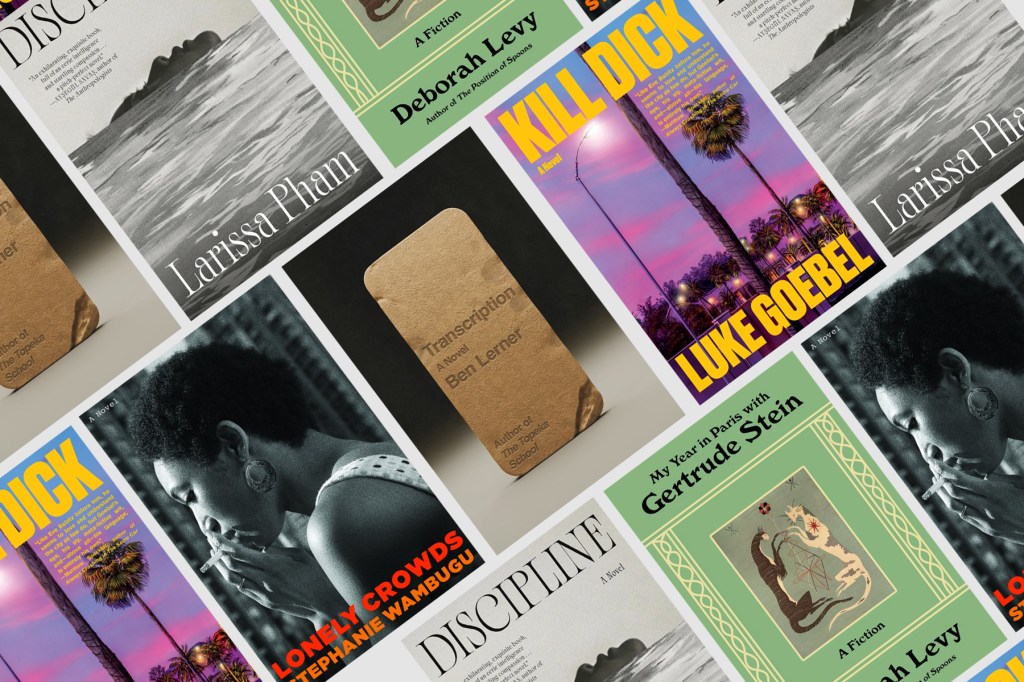
5 Art Novels to Read This Summer

ARTnews has published a list of five art novels to read this summer, all released within the past year. The featured books include Ben Lerner's 'Transcription,' Larissa Pham's 'Discipline,' Deborah Levy's 'My Year in Paris with Gertrude Stein: A Fiction,' Stephanie Wambugu's 'Lonely Crowds,' and Luke Goebel's 'Kill Dick.' Each novel explores how art emerges through relationships—with friends, mentors, parents, lovers, and historical artists—offering a range of perspectives from anxious inner monologues to satirical critiques of the art world.

joshua johnson

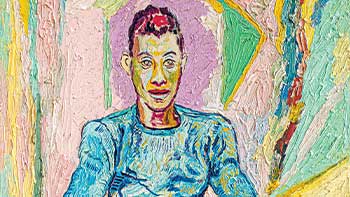
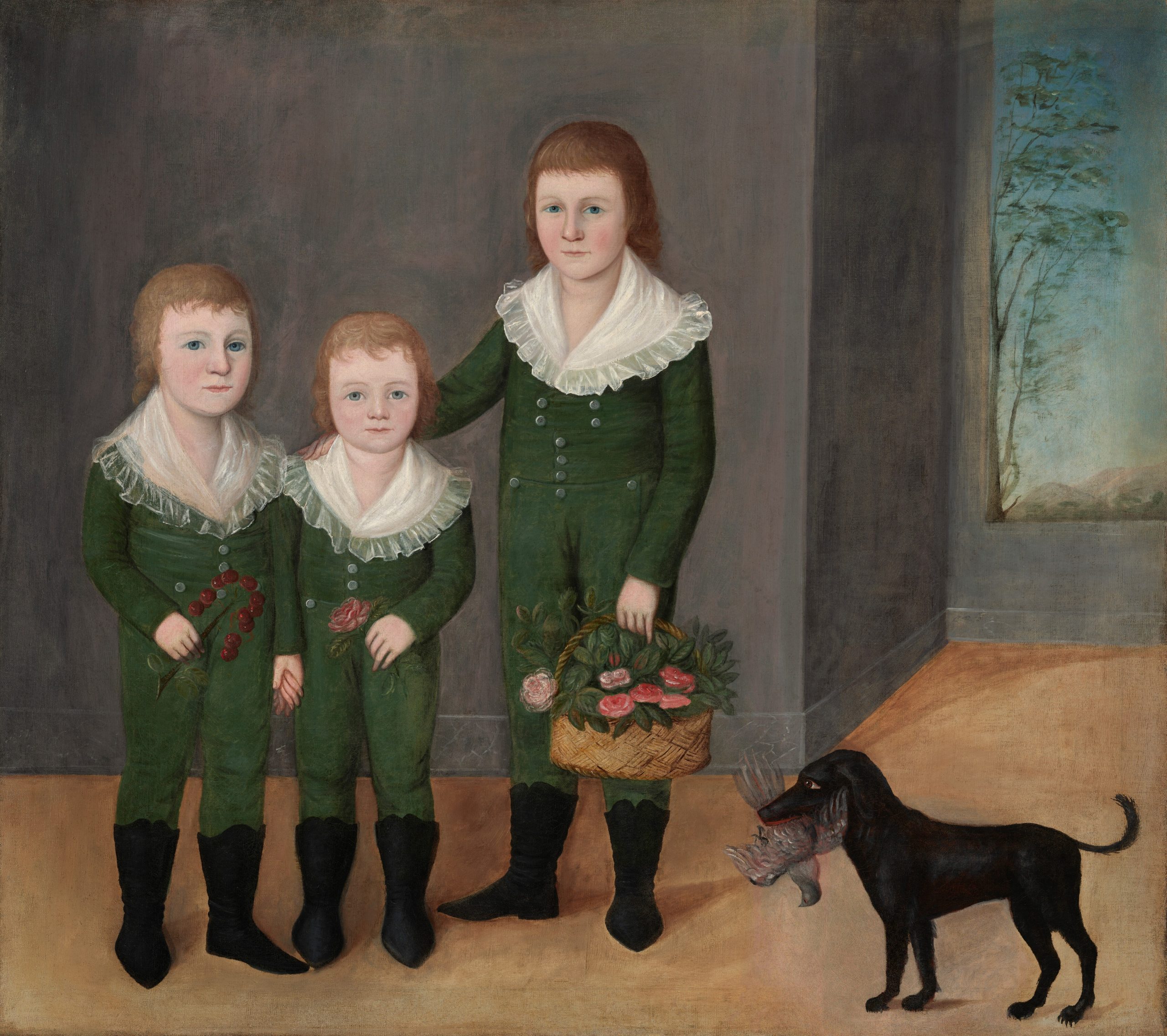
Joshua Johnson, born into slavery in Maryland around 1763, emerged in the late 18th century as the first documented Black professional artist in the United States. After gaining his freedom in 1782, Johnson established himself in Baltimore as a self-taught portraitist, advertising his services in local newspapers and catering to the city's prominent families. His body of work, consisting of approximately 83 attributed paintings, is characterized by a distinct flatness and three-quarter profile compositions typical of early American folk art.

The story of London's Great Exhibition, as seen through the eyes of artists

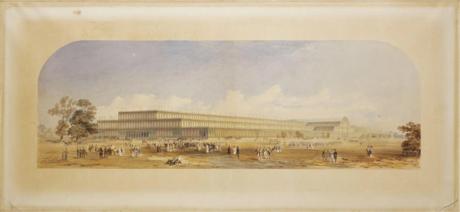
Julius Bryant’s new book, the fourth volume in his history of the Victoria and Albert Museum, re-examines the 1851 Great Exhibition through its visual legacy. By analyzing paintings, prints, and ephemera—including the vast archive of Charles Wentworth Dilke—Bryant reconstructs the 'Crystal Palace' experience, highlighting the youth of its organizers and the staggering speed of its construction. The narrative shifts focus away from traditional social theory toward the actual visual evidence of the event, from David Roberts’s massive panoramic paintings to the 235 sculptures that defined the era's artistic output.

art bites frank lloyd wright imperial hotel lincoln logs

Lincoln Logs, the iconic wooden construction toy that has entertained American children for over a century, was designed by John Lloyd Wright, the second-eldest son of famed architect Frank Lloyd Wright. John conceived the toy while in Japan with his father between 1916 and 1917, inspired by the interlocking wooden foundation Frank Lloyd Wright designed for the Imperial Hotel in Tokyo to make it earthquake-resistant. The toy, named after Abraham Lincoln, went on to become a classic, inducted into the National Toy Hall of Fame in 1999.

Van Gogh’s family used an erotic Gauguin ceramic as a flower vase

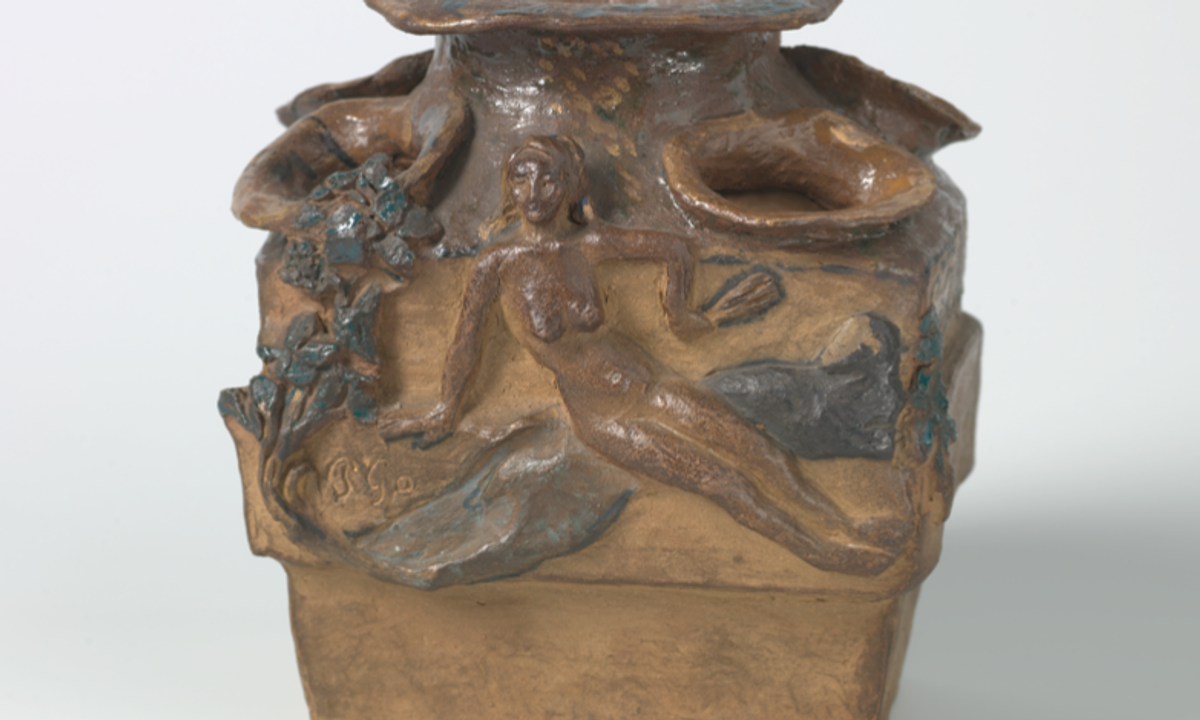
A researcher at the Van Gogh Museum, Joost van der Hoeven, has revealed that Paul Gauguin's erotic ceramic, the Cleopatra Pot (winter 1887-88), was used as a flower vase by Vincent van Gogh's family. Gauguin brought the pot to Arles when he stayed with Van Gogh in 1888, and after Van Gogh's ear incident, Gauguin gave the pot to Vincent's brother Theo as a gift. The pot later remained with Theo's widow, Jo Bonger, and a photograph from 1925-26 shows it on her piano holding flowers, surrounded by still-life paintings.

On Arte, a Documentary Deciphers the Persistent Misunderstanding Around the Painter of Happiness, Auguste Renoir

Sur Arte, un documentaire décrypte le malentendu tenace autour du peintre du bonheur, Auguste Renoir

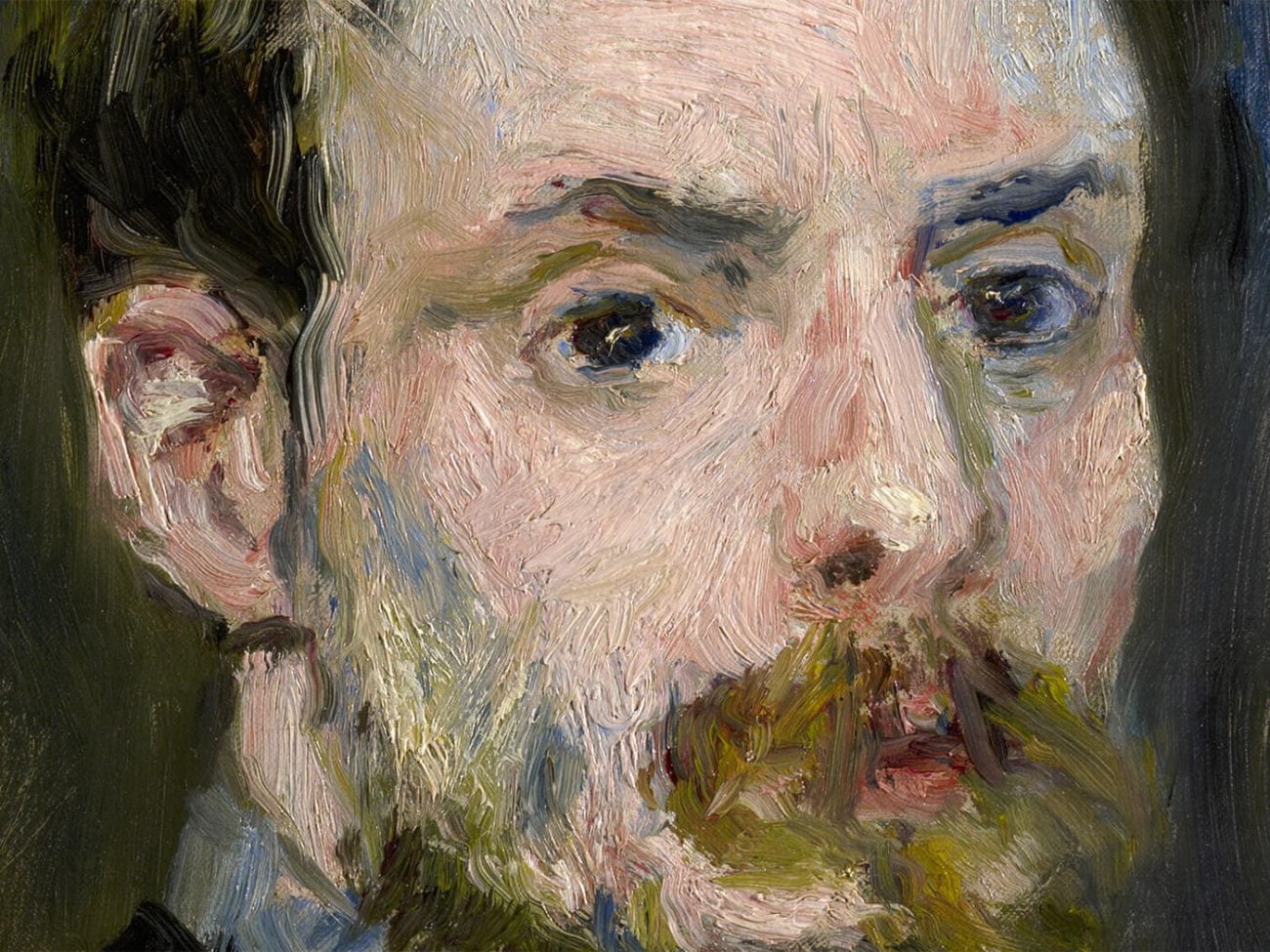
A new documentary titled "Renoir in Love" airing on Arte examines the persistent critical misunderstanding surrounding Auguste Renoir. The film, released in tandem with a major double exhibition at the Musée d'Orsay, argues that Renoir's joyful depictions of couples and modern leisure have been unfairly dismissed as saccharine, relegating him to the margins of modern art history. It presents a nuanced portrait of an artist whose work was fundamentally driven by a philosophy of love and human connection.

art bites michelangelo military fortifications

Michelangelo, best known for masterpieces like the Sistine Chapel ceiling and the Pietà, also served as the governor and procurator general of fortifications for Florence in 1529, tasked with designing military defenses against the Medici family. After the Medici were expelled in 1527, Michelangelo joined the "Nine of the Militia" committee, but his overly complex drawings were so impractical that almost none were built. The Medici, backed by Pope Clement VII, successfully besieged Florence in 1529–30, forcing Michelangelo into hiding in a secret chamber beneath the Medici Chapel, where he drew figurative works rediscovered in 1975. He was eventually pardoned and went on to create major commissions like the tomb of Pope Julius II and The Last Judgement, but left Florence for Rome in 1534.

laocoon vatican michelangelo forgery

On January 14, 1506, Florentine architect Giuliano da Sangallo and Michelangelo Buonarroti witnessed the excavation of the Laocoön Group, a monumental ancient marble statue unearthed in a Roman vineyard. The sculpture, depicting the Trojan priest Laocoön and his sons battling serpents, was quickly acquired by Pope Julius II and installed in the Vatican, where it remains today at the Museo Pio-Clementino. However, art historian Lynn Catterson controversially proposed in 2005 that the statue is not an ancient artifact but a forgery created by Michelangelo himself, citing evidence such as a drawing of a torso resembling the statue's back, bank records of Michelangelo's marble purchases, and his history of producing forgeries like the lost Sleeping Cupid.

high potential tv series art heist

The ABC television series *High Potential* aired a midseason finale episode titled “The One that Got Away,” in which protagonist Morgan Gillory, a cleaning lady turned police consultant, investigates a museum heist involving a $20 million Rembrandt painting, *Young Girl Leaning on a Windowsill*. The fictional theft—executed via a skylight rope descent, laser security disabling, and smoke bomb—eerily mirrored a real-life Louvre heist that occurred just a week after the episode was written, where thieves used a cherry picker and angle grinder to break through a window. The episode also touches on Nazi-looted art and a possible serial art thief named John Baptist.

ai weiwei censorship artificial intelligence deepseek

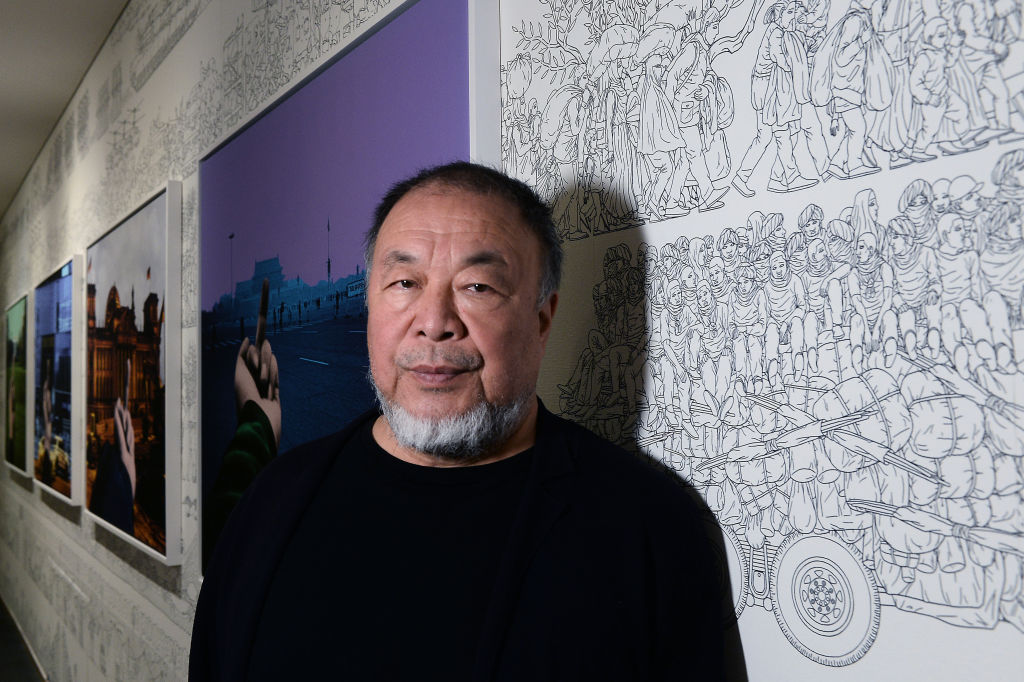
Renowned artist and activist Ai Weiwei critiques the intersection of artificial intelligence and censorship, drawing parallels between AI's algorithmic limitations and the Chinese government's systematic suppression of dissent. Using the emergence of the Chinese AI model DeepSeek as a catalyst, Ai recounts how the tool refused to discuss him, mirroring the state's long-standing strategy of erasing sensitive topics from public discourse. He argues that AI's reliance on existing data sets inherently replicates societal biases and moral codes, leading to factual inaccuracies and the homogenization of human thought.

Steven Soderbergh, the Colors of Money

Steven Soderbergh, les couleurs de l’argent

Steven Soderbergh's new film "The Christophers" (2025) is a sharp, chamber-piece drama about art, inheritance, and money. The story follows Julian Skar, a former art superstar from the 1970s now living in seclusion and earning a living by caricaturing himself on social media. His children, Barnaby and Sally, eager to maximize their future inheritance, hire a repentant forger named Lori Butler to secretly complete Julian's unfinished masterpiece, an eight-portrait series titled "The Christophers." The film explores the complex relationships that develop between the four characters in a labyrinthine London house, written in the style of a lively theatrical play.

Right bank, Left bank: A walk through the sites of “Black Paris”

The article explores the sites of "Black Paris" through a walking tour of locations significant to Black artists and musicians in postwar Paris. It highlights jazz clubs like the Blue Note and Chez Haynes, galleries such as Galerie Huit and Galerie Intemporel, and museums including the Louvre and the Musée de l'Homme, where artists like Gordon Parks, Herbert Gentry, Bob Thompson, and Ernest Mancova found inspiration and community. The tour also examines the film "Harlem-sur-Seine" and the exhibition "Paris Noir," which document these cultural hubs.

Required Reading

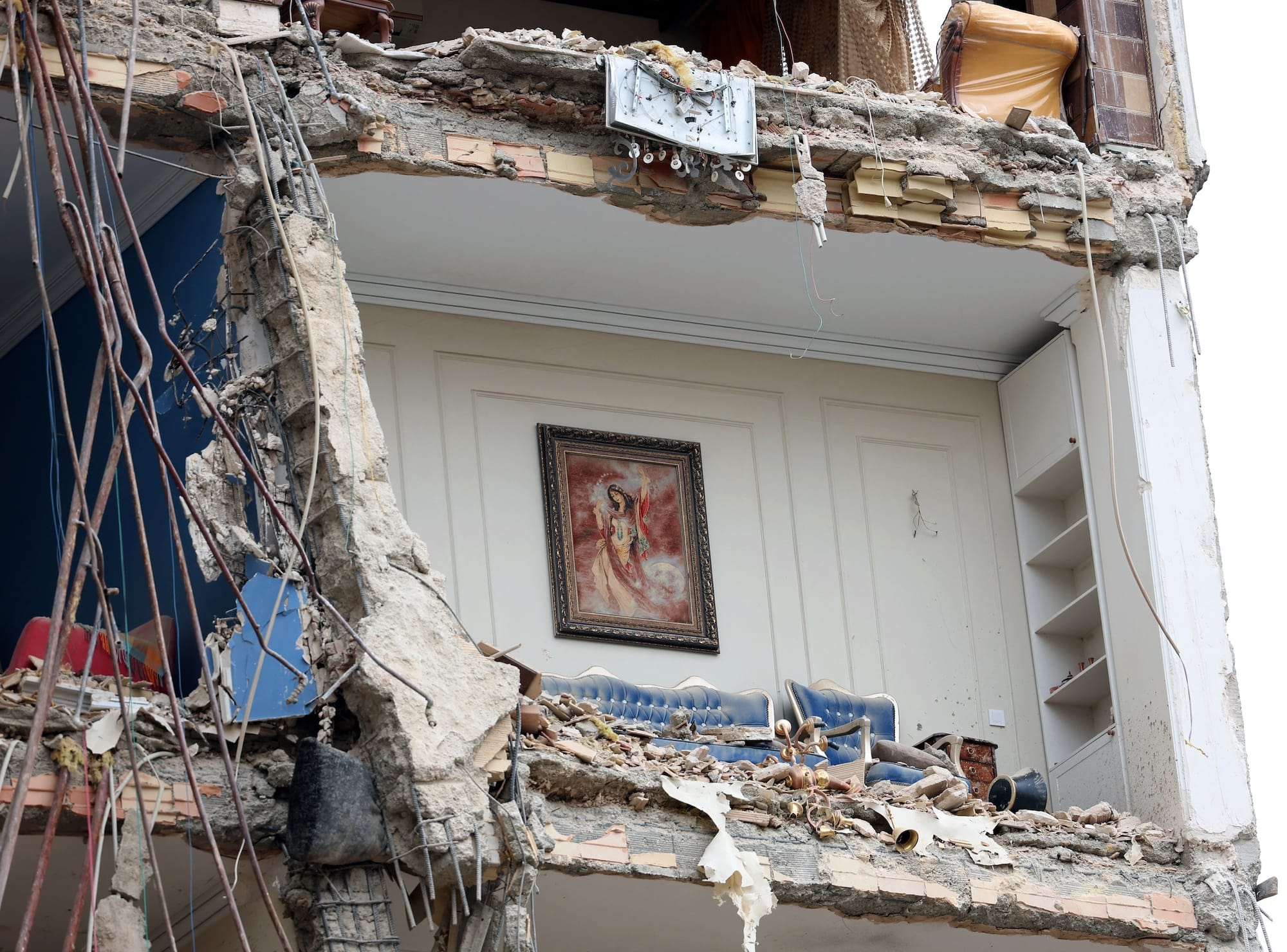
This week's cultural roundup connects diverse stories from art conservation to literary analysis. Novelist Karma Brown draws parallels between restoring artworks and revising novels, inspired by visits to the Art Gallery of Ontario, while an interview with Namwali Serpell examines the complex "monumentalization" of Toni Morrison's legacy. The column also includes a poignant image from Tehran—a framed artwork hanging in a bomb-damaged apartment—and touches on topics ranging from celebrating Eid in Gaza to discussions about "girl games" and the Lindy West drama.

Modern Art and Politics in Germany 1910–1945

The article examines the complex and often fraught relationship between modern art and political power in Germany from 1910 to 1945. It details how avant-garde movements like Expressionism, Dada, and the Bauhaus initially flourished, only to be systematically suppressed and labeled "degenerate" by the Nazi regime after 1933.

Anyone who never feels uncomfortable as a tourist is not a good tourist

"Wer sich als Tourist nie unbehaglich fühlt, ist kein guter Tourist"

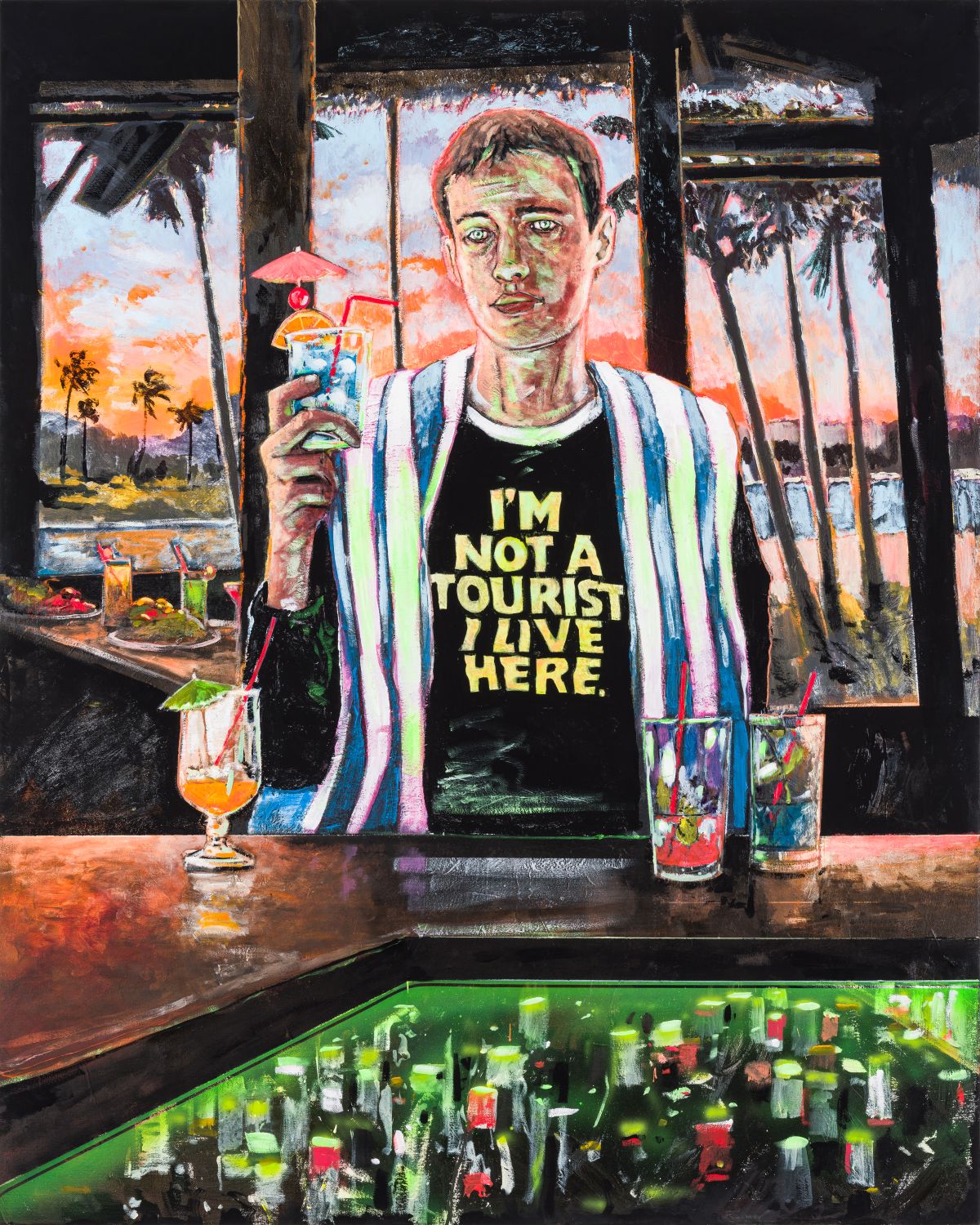
American painter Hernan Bas has created a new series of paintings inspired by Venice and its tourists, drawing from his long-standing relationship with the city. His first encounter with Venice came through an invitation to exhibit at Bruna Aickelin's renowned gallery Il Capricorno, and he has since shown there multiple times, considering Aickelin his Italian connection.

Caravaggio, Class, Clothes, and Street Style by Elizabeth Currie

caravaggio class clothes street style elizabeth currie

An excerpt from Elizabeth Currie's upcoming book "Street Style: Art and Dress in the Time of Caravaggio" analyzes the significance of clothing in Caravaggio's painting *The Cardsharps*. The author dissects the garments of the three figures—a finely dressed youth, a possibly liveried servant, and a disheveled card sharp—to reveal how their attire provides clues to their social status, professions, and the complex, often deceptive relationships between them.

The art of being Pope Leo: from a Raphael portrait to the first pontiff to be captured on film

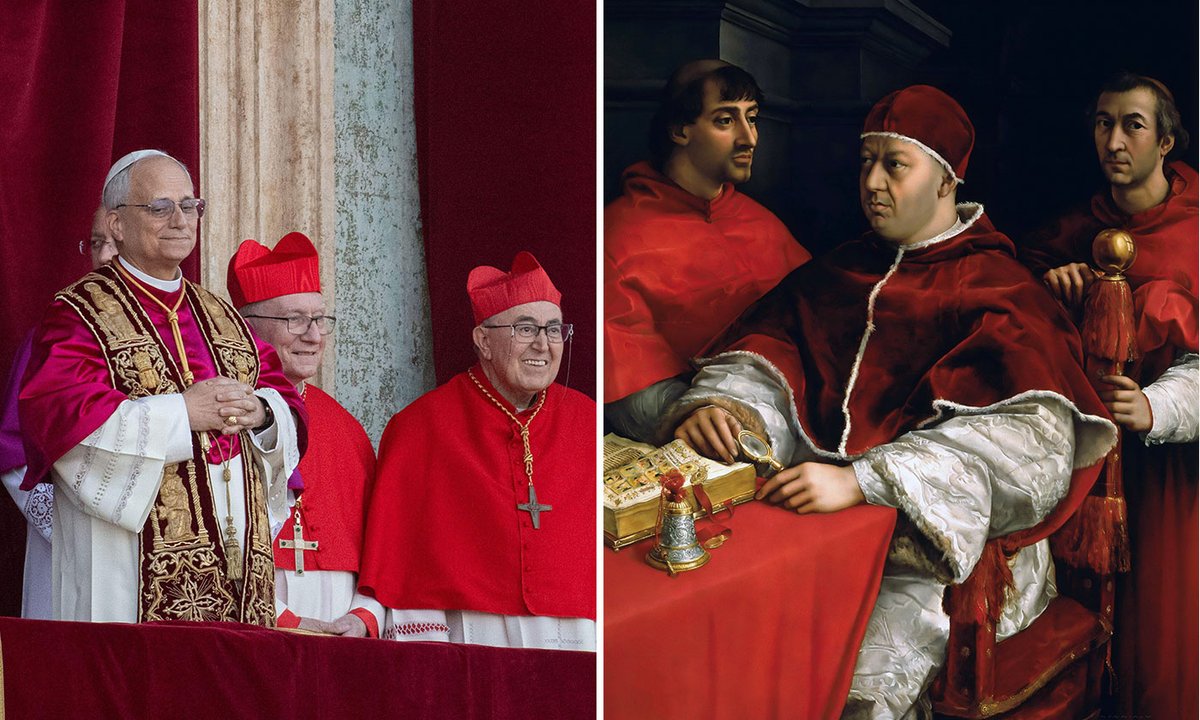
The article examines the artistic and historical legacy of popes named Leo, following the election of Robert Prevost as Pope Leo XIV on 8 May. It traces the name through figures like Leo I (Leo the Great), Leo IX, and Leo X, focusing on Raphael's iconic 1518-20 portrait of Pope Leo X with cardinals Giulio de' Medici and Luigi de Rossi. The piece also discusses Raphael's frescoes in the Vatican's Stanze and Loggia, which depict earlier Leonine popes, and highlights the Medici family's role in bankrolling the Renaissance.

That Time Raphael Visited Tivoli, Transforming Antiquity into Art

Quella volta che Raffaello visitò Tivoli trasformando l’antichità in arte

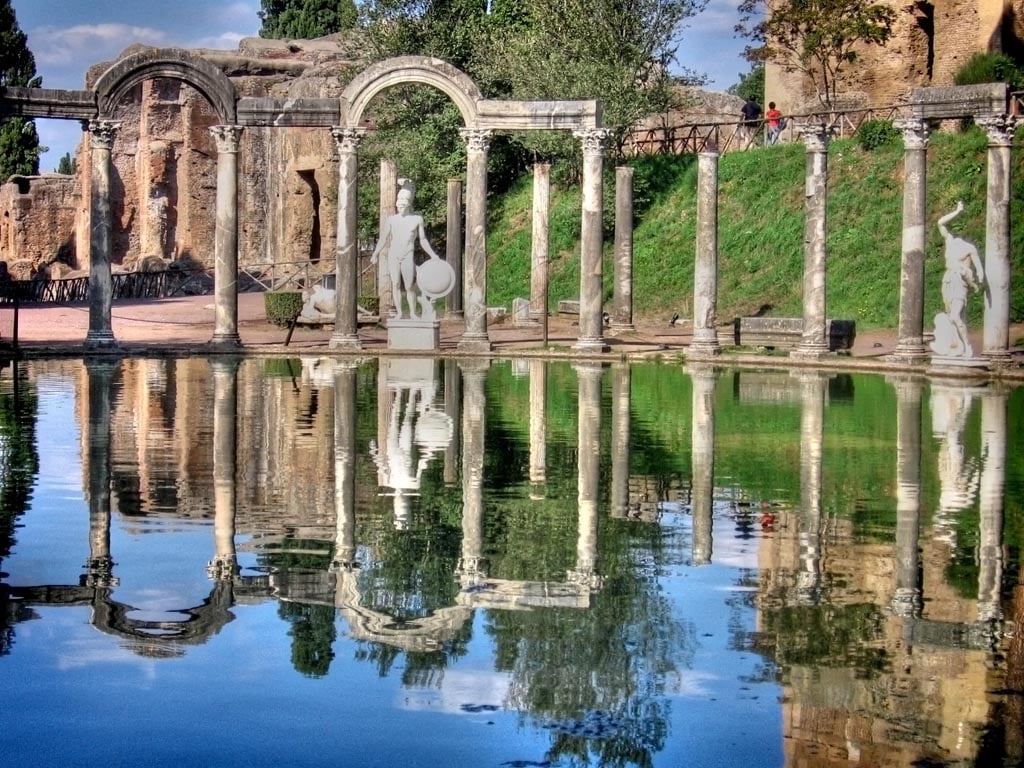
In April 1516, Raphael Sanzio embarked on a historic excursion to Tivoli alongside a prestigious circle of Renaissance intellectuals, including Baldassarre Castiglione and Pietro Bembo. This journey served as a critical field study for Raphael, who had recently been appointed as Rome's prefect of antiquities. By examining the complex ruins of Hadrian's Villa and the Sanctuary of the Sibyl, the group engaged in a sophisticated blend of archaeological investigation and humanist leisure that defined the cultural climate under Pope Leo X.

New book explores the complex history of Jewish country houses

A new book titled *Jewish Country Houses*, edited by Juliet Carey and Abigail Green, explores the history of approximately 1,000 country estates built or remodeled by wealthy Jewish families across Great Britain and Continental Europe from the French Revolution until World War II. These houses, such as Waddesdon Manor and Château de Champs-sur-Marne, served as symbols of social arrival and assimilation, blending eclectic architectural styles with art collections from European auction houses. The volume, published by Profile and Brandeis University Press in association with the National Trust, features contributions from an international team of historians and curators, with photographs by Hélène Binet, and includes case studies of a dozen houses now open to the public.

A short guide to the hidden meanings in great paintings

Former picture researcher Caroline Chapman has released a new book titled "Painted Mysteries: Interpreting Great Paintings," which decodes the hidden symbolism in over 135 historic artworks. The publication serves as a guide for modern viewers to understand the complex visual language used by masters such as Botticelli, Rembrandt, and Raphael, unravelling layers of meaning that have become elusive over time.

Participatory Design or Processual Formalism? Frei Otto, the Ökohaus, and the Ökohäusler by Matthew Kennedy

The Ökohaus (Eco-House) project in Berlin stands as a radical experiment in participatory architecture, born from the 1987 Internationale Bauausstellung (IBA) urban renewal program. Designed by Frei Otto, the complex features three residential buildings characterized by a 'double informality' where dense foliage and a patchwork of diverse cladding materials—ranging from timber and metallic shingles to exposed concrete—create a ruin-like yet meticulously resolved aesthetic. The project challenged traditional housing models by allowing residents, or 'Ökohäusler,' to engage in a collective and individualized construction process.

Belfast’s murals are an open-air gallery of history and art

Belfast's murals, long used as tools of political expression and territorial marking during the Troubles, are gradually changing. Research shows that three-quarters of the most intimidatory murals in the loyalist Shankill area have disappeared since 1998. Newer murals commemorate figures like Queen Elizabeth II and King Charles III, while non-sectarian artistic murals—including tributes to murdered journalist Lyra McKee—are appearing across the city. However, some paramilitary-linked murals persist, and a 2024 incident saw a wall in north Belfast rebuilt and its threatening imagery repainted, reflecting ongoing tensions and the complex politics of 'conflict transformation' funding.

Co-Curated Biennials Are Rarely Harmonious. Why Not Embrace This?

The article explores the inherent tensions and conflicts that arise in biennials curated by multiple individuals, arguing that such friction is often seen as a flaw but could instead be embraced as a creative strength. It examines how co-curation can lead to disjointed or contradictory exhibitions, yet suggests that these very qualities reflect the complexity of contemporary art and society.