filter_list Showing 10 results for "Transport" close Clear
search
dashboard All 155 museum exhibitions 61article news 33article local 16article policy 11gavel restitution 10article culture 10trending_up market 9person people 3candle obituary 2
date_range Range Today This Week This Month All
Subscribe

‘Like a carefully choreographed performance’: meet the logistics professionals who bring art fairs to life

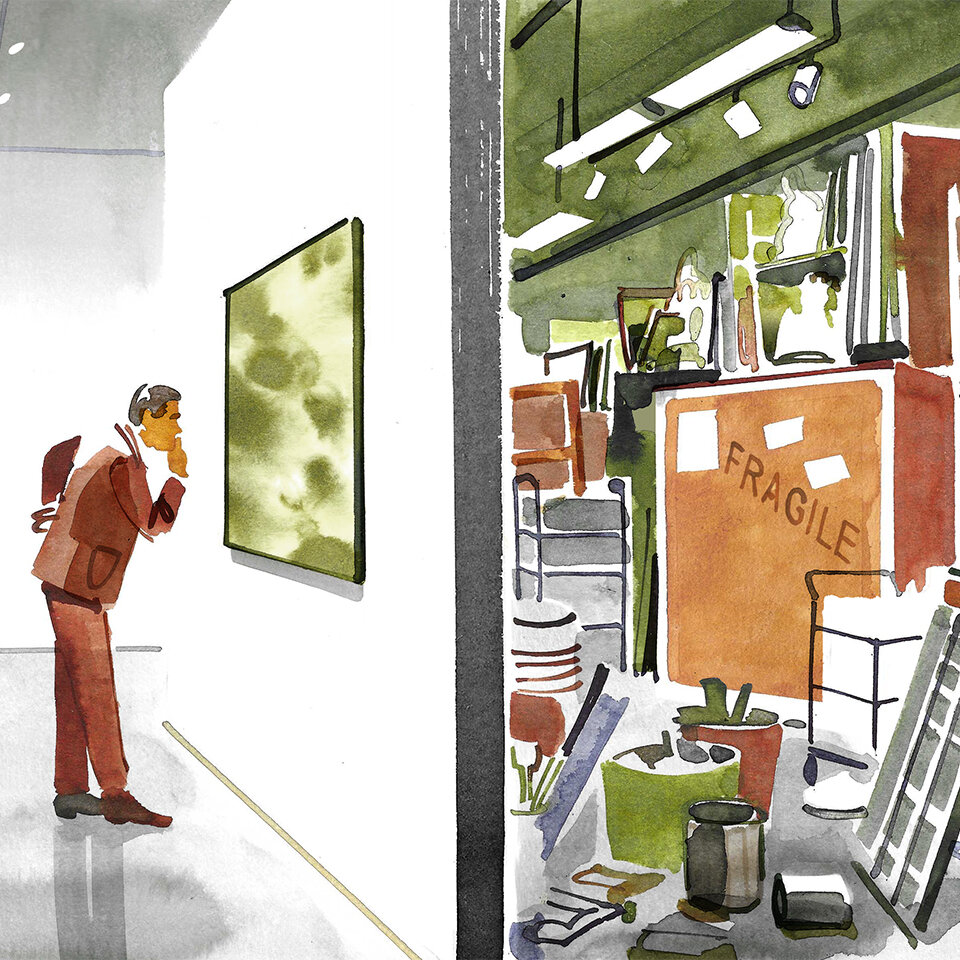
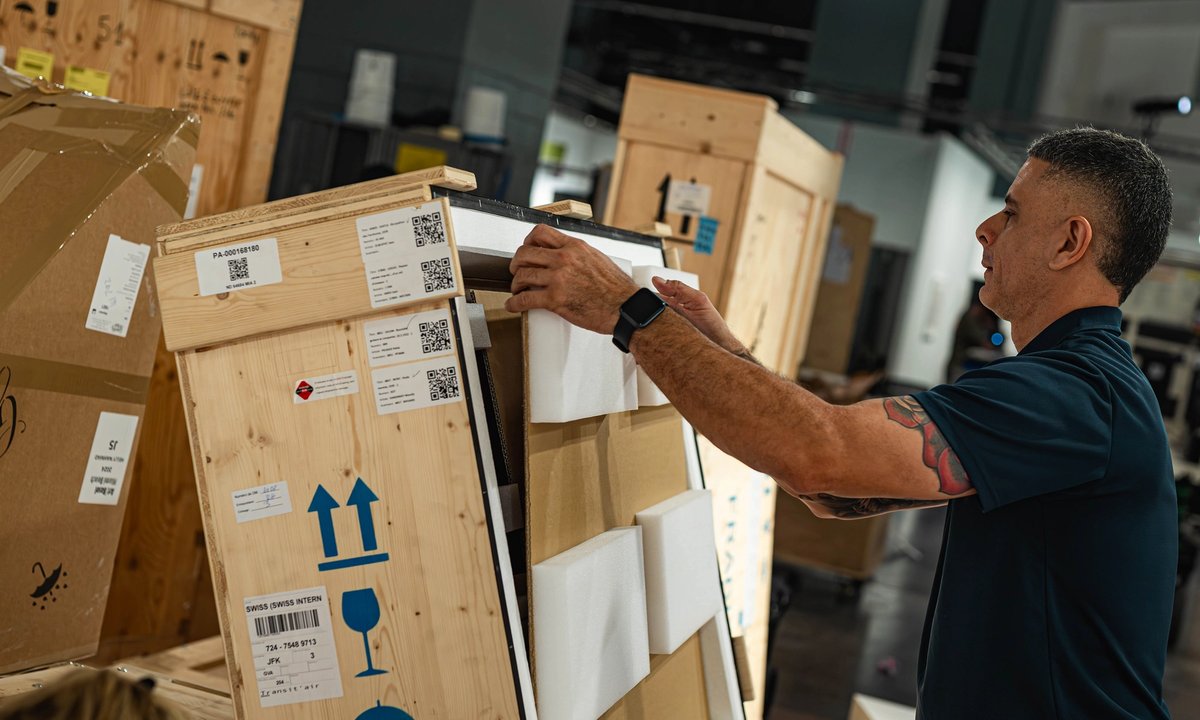
Art fairs appear serene on the surface, but behind the scenes, logistics professionals work frantically to ship, install, and present hundreds of artworks. The article shares dramatic installation tales from galleries and shippers, including Gianpietro Carlesso's heavy sculpture at Frieze Sculpture 2020, a Calder Stegosaurus transported for Art Basel Miami Beach 2013, and Mandy El-Sayegh's immersive booth installation at Frieze London 2023. These stories highlight the challenges of tight schedules, extreme weather, and complex installations that require structural engineers, cranes, and overnight work.

Gae Aulenti's 'Tavolo con ruote': A Radical Icon on Wheels

La « Tavolo con ruote » de Gae Aulenti : une icône radicale comme sur des roulettes

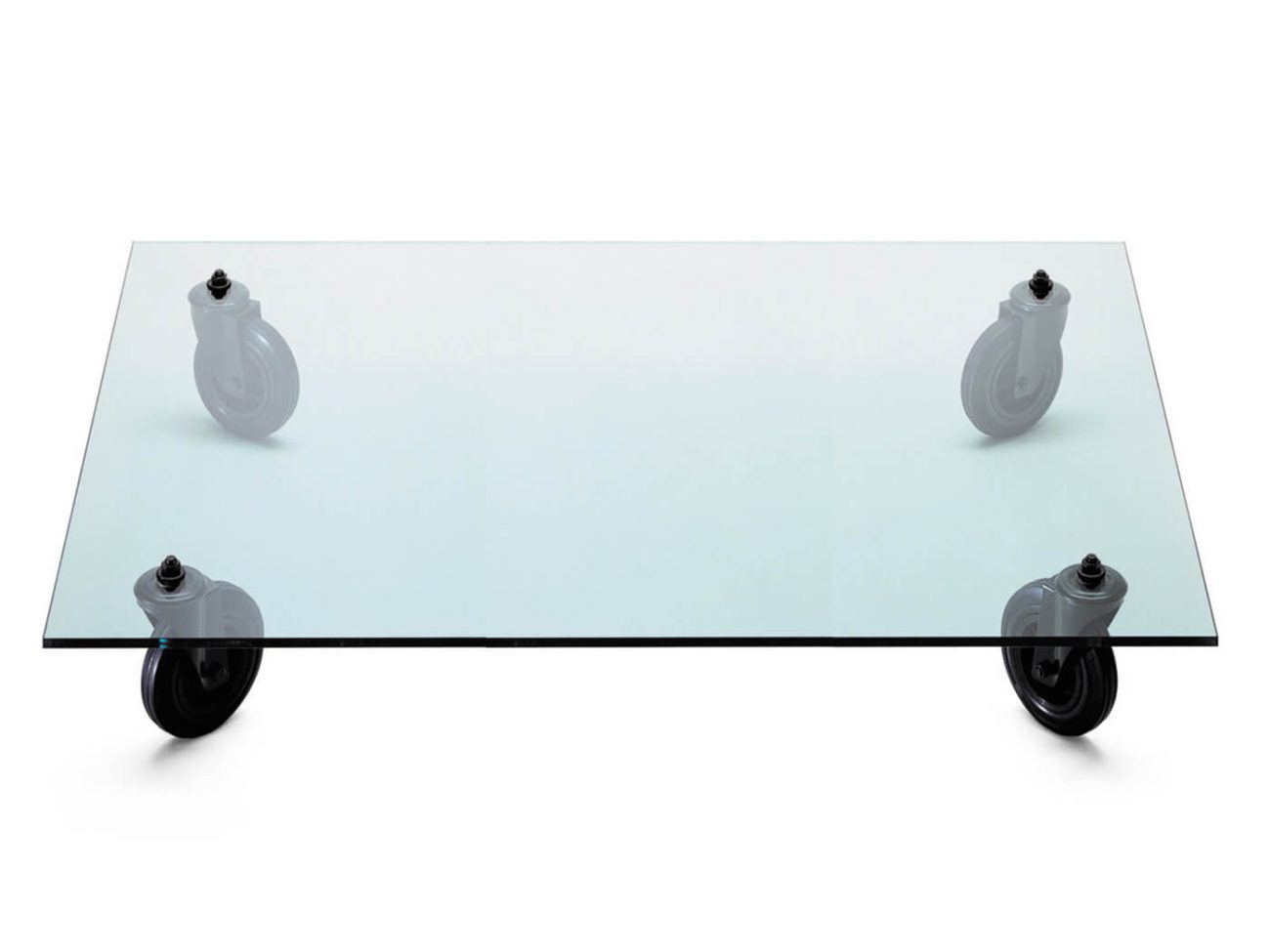
Gae Aulenti’s 1980 'Tavolo con ruote' (Table with wheels) remains a definitive icon of postmodern design, characterized by its radical simplicity. Created during Aulenti's tenure as artistic director of FontanaArte, the piece features a thick glass slab bolted to four industrial trolley wheels, a concept inspired by the factory carts used to transport glass. The table's enduring popularity is highlighted by its recent corporate history, as FontanaArte was acquired by Nemo Lighting in 2024 and subsequently integrated into the Spanish group Kettal in early 2026.

fashion versace ss26 campaign mexico city

Versace has launched its Spring/Summer 2026 campaign, commissioning three photographers—Steven Meisel, Frank Lebon, and Tania Franco Klein—to create distinct visual contributions. Klein, a Mexican photographer based in Mexico City, shot her portion entirely in her home city, using local talent and crew. Her images are intimate, psychological, and reference her own past projects, including a recreation of her grandmother's earthquake-destroyed room. The campaign was directed by Dario Vitale and features a soundtrack by the duo New York.

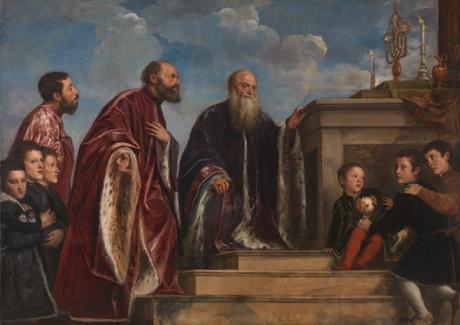
How the adoption of canvas in Venice changed the way artists painted

Art historian Cleo Nisse has published a new book, *Venetian Canvas and the Transformation of Painting*, examining how 16th-century Venetian painters such as Titian, Veronese, and Tintoretto pioneered the use of canvas as a painting support. Nisse reveals that canvas was not a uniform material—artists experimented with different weaves, including tabby and herringbone patterns, and even repurposed sailcloth and tablecloth-quality fabrics to achieve specific visual effects. The book argues that canvas was already familiar in the late Middle Ages for banners and alternatives to tapestry, and that Vittore Carpaccio was the first master of the medium, varying canvas types for expressive purposes in his *Legend of St Ursula* series.

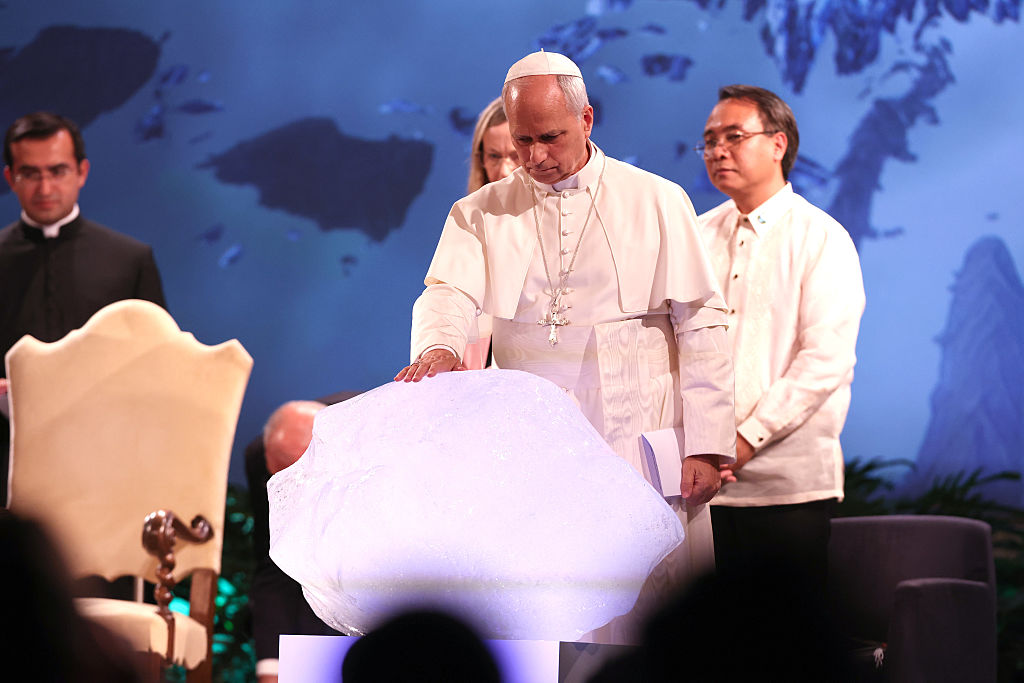
pope leo xiv olafur eliasson greenland ice blessing

At the Raising Hope conference in Rome, Pope Leo XIV blessed a 20,000-year-old piece of Greenland glacial ice brought onstage by artist Olafur Eliasson. The ice, transported from Nuup Kangerlua fjord with geologist Minik Rosing, had already broken away from the Greenland ice sheet and was melting. Eliasson documented the event on Instagram, calling it a striking moment that underscored the connection between nature and humanity.

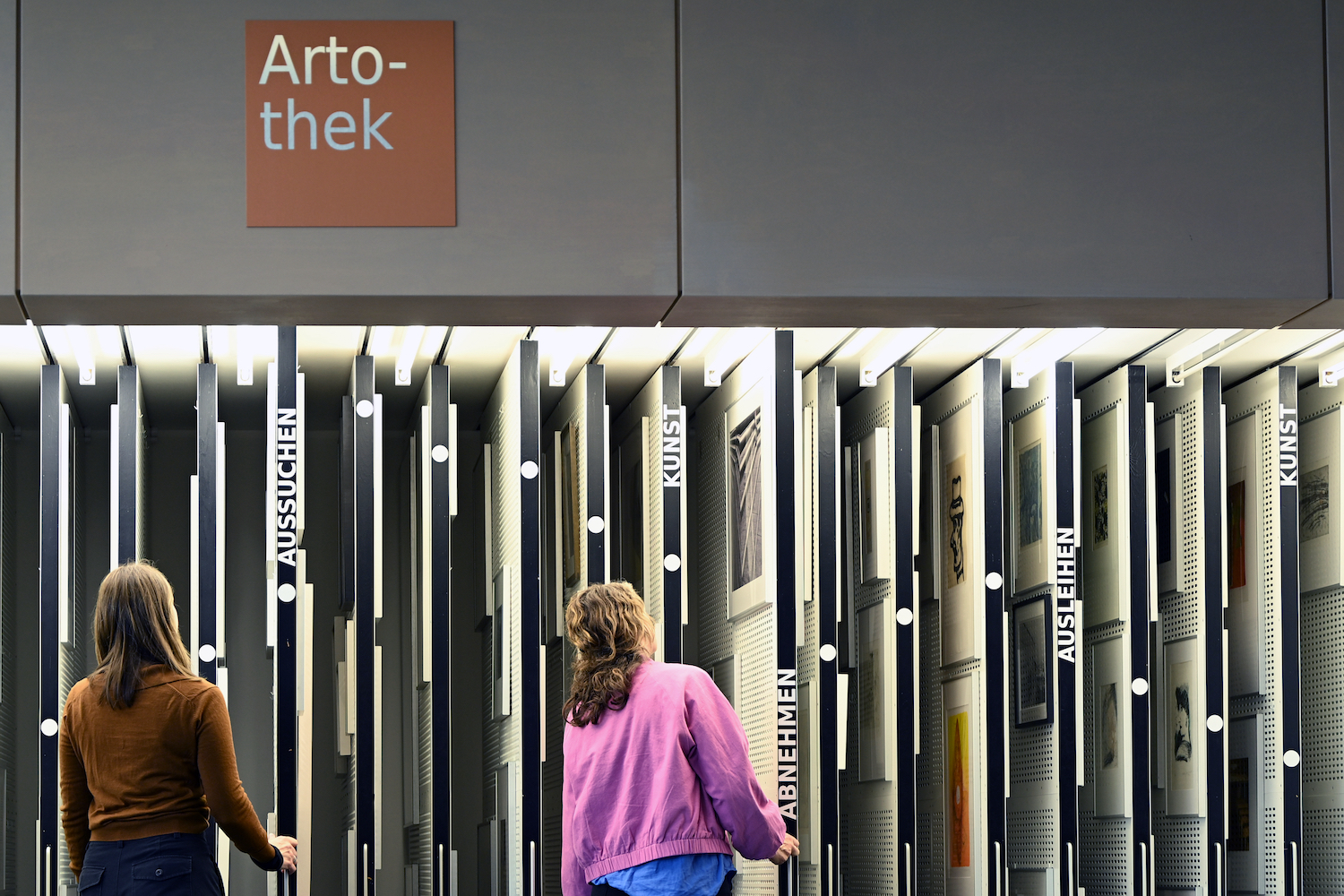
How Art Libraries Make Art Accessible

Wie Artotheken Kunst zugänglich machen

Artotheken, or art libraries, are public institutions that lend artworks to anyone with a library card, making art accessible beyond the traditional museum or gallery system. In Germany, over 100 such artotheken exist, often housed in public libraries, art associations, or museums. The Amerika-Gedenkbibliothek in Berlin, for example, has a collection of 2,000 works, with around 300 currently on loan to homes, doctors' offices, and law firms. The lending process is informal: borrowers can eat, drink, and even touch the works, and transport by bus or bike is encouraged. A jury selects up to 15 new works annually, and the collection includes major names like Roy Lichtenstein and Niki de Saint Phalle, though most users choose pieces based on personal connection rather than prestige.

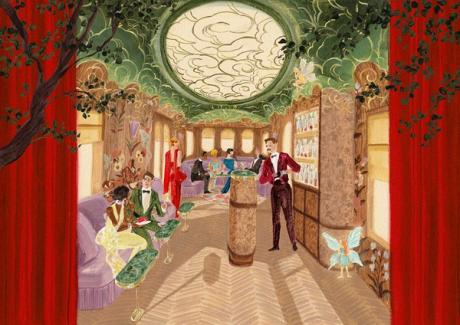
'A work of conceptual art': Belmond launches new Art Deco-inspired train dining car

On 15 May, Belmond's British Pullman will debut a new private dining car named Celia, originally built in 1932. The carriage's interior has been designed by film director Baz Luhrmann and his wife, production designer Catherine Martin, who created an Art Deco-inspired aesthetic featuring burl veneers, marquetry, stained glass, and their signature rich red. The couple invented a backstory for the car's namesake, a fictional 1930s Shakespearean actress, aiming to immerse guests in a narrative experience reminiscent of A Midsummer Night's Dream. This follows Belmond's previous collaborations with Wes Anderson and artist JR, as part of its strategy under LVMH ownership to commission high-profile creative figures for its heritage trains.

huge olmec heads mesoamerica

A farmer in southern Mexico discovered the first Olmec head in the late 1850s while clearing land for corn cultivation. Since then, 17 colossal stone heads have been unearthed, primarily at the San Lorenzo Tenochtitlan archaeological site in Veracruz. Carved by the Olmec civilization between 1200 and 400 B.C.E., these basalt monuments range from 3.5 to 11.5 feet tall and weigh up to 45 tons. Each head features unique facial expressions and is thought to depict individual Olmec rulers, possibly serving as funerary monuments. The heads are now held by institutions such as the National Museum of Anthropology in Mexico City and the Xalapa Museum of Anthropology.

How to Reduce the Environmental Impact of Collecting

The article outlines practical strategies for art collectors to minimize their environmental footprint. It details specific actions such as opting for commercial flights over private jets, selecting reusable and sustainably sourced packing crates, consolidating shipments, and choosing local artists or galleries to reduce transportation emissions.

Two Major Architecture Firms Aim to Revolutionize Rome Over the Next 25 Years

Due grandi studi di architettura puntano a rivoluzionare Roma nei prossimi 25 anni

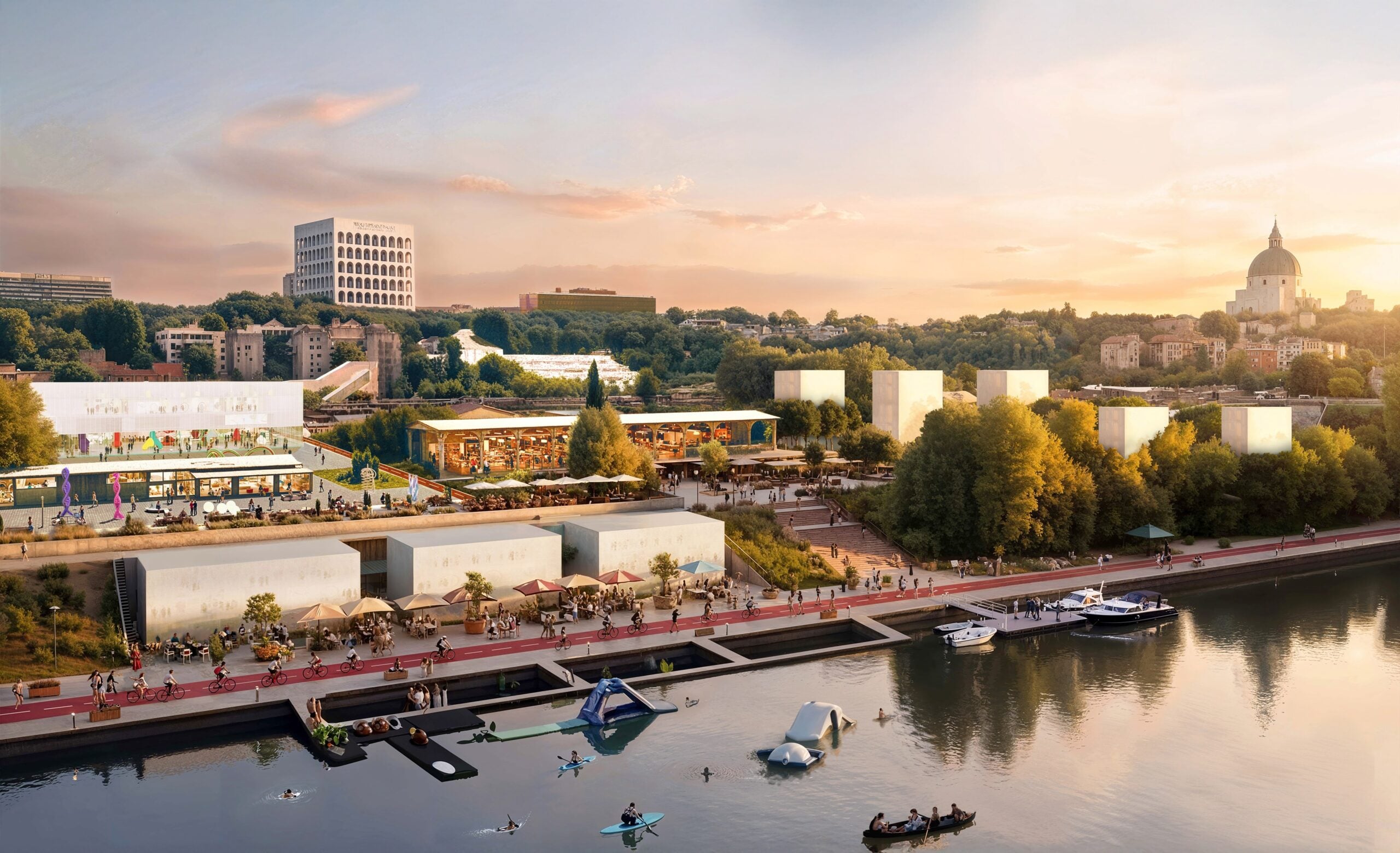
A multidisciplinary team led by Italian architecture and urban planning firm IT'S and Dutch firm OMA has won the international ideas competition "Vision for Rome," promoted by the Fondazione Roma REgeneration. Their project, "Roma Continua," was presented at the Auditorium della Tecnica di Confindustria during the second ROMA REgeneration FORUM. The proposal aims to rethink Rome over the next 25 years through a paradigm shift in urban, social, and cultural planning, envisioning the city as a living ecosystem. It is based on five guiding principles—care, beauty, knowledge, movement, reuse, and grafting—and includes five green corridors anchored to the Tiber River, "Fori dell'innovazione" (innovation forums), and a continuous mobility network. The project also seeks to reduce tourist pressure on the historic center by creating new cultural itineraries and sustainable transport links.