search
dashboard All 5088 museum exhibitions 2685article local 791article culture 396article news 359trending_up market 319person people 149candle obituary 136article policy 117rate_review review 101gavel restitution 31article school 2article museums 1article architecture 1
date_range Range Today This Week This Month All
Subscribe

Van Gogh’s wheatfields ‘under turbulent skies’

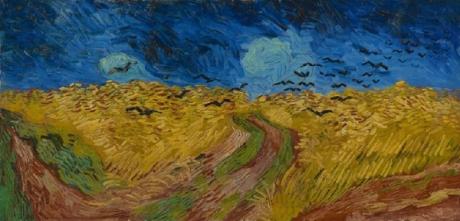
Van Gogh painted five major wheatfield landscapes in July 1890, just days before his death, while living in Auvers-sur-Oise. The article examines these late works—including *Wheatfield with Crows*, *Wheatfield under Thunderclouds*, *The Fields*, and *Wheatfields with Reaper*—and analyzes the artist's letters to his brother Theo and sister-in-law Jo, in which he described the fields as "under turbulent skies" and expressed both sadness and a sense of health in nature. It also corrects the long-held assumption that *Wheatfield with Crows* was his final painting, now believed to have been completed on 8 July, before the letters were written.
A brush with... Lisa Yuskavage—podcast

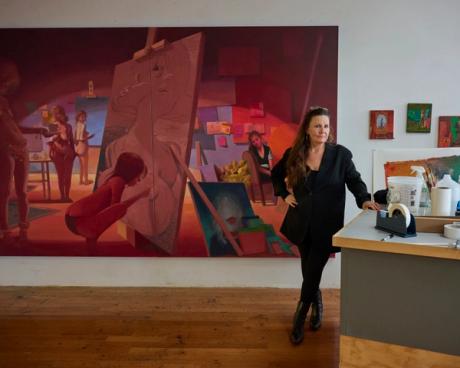
This episode of 'A brush with...' podcast features artist Lisa Yuskavage, who discusses her painting practice, influences, and career. Yuskavage, born in Philadelphia in 1962 and based in New York, creates stylized, often eroticized female figures in invented interiors and landscapes, drawing from art history, pop culture, and soft-porn magazines. She reflects on the 'emotional formalism' of her work, transformative visits to the Philadelphia Museum of Art and Italy, the impact of Giovanni Bellini and Marcel Duchamp's Étant Donnés, and her admiration for artists like Agnes Martin, Philip Guston, and Laura Owens. The podcast is sponsored by Bloomberg Connects, which highlights museums where Yuskavage has had solo exhibitions, including the Morgan Library and Museum, Baltimore Museum of Art, Aspen Art Museum, and Contemporary Art Museum (CAM), St. Louis.

‘I think about him every time I go swimming’: David Hockney remembered by Rachel Whiteread, Jeremy Deller and more

The Guardian publishes a tribute to David Hockney, featuring personal reminiscences from artists Rachel Whiteread, Jeremy Deller, and Tacita Dean. Whiteread recalls first seeing Hockney on TV in the 1970s and marvels at his swimming pool paintings, which she thinks about every time she swims. Deller describes Hockney as a great role model who humanized technology, recounting how Hockney designed a banner for a Manchester procession that angered an anti-smoking councillor. Dean shares a story of meeting Hockney in 2014, where he spontaneously painted her son Rufus, coining the family motto "Inspiration, she does not visit the lazy."

‘I make casts of their feet!’ Rachel Whiteread, Michael Armitage and more on how they get their kids into art

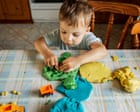
Five artist parents—Rachel Whiteread, Michael Armitage, Chantal Joffe, and Rachel Maclean—share their personal approaches to introducing young children to art. Whiteread describes letting her boys play in her studio and casting their hands and feet for fun; Armitage lets his daughter lead, using his materials in unexpected ways; Joffe emphasizes good materials and allowing mess; Maclean prefers making art at home over museum visits. The article includes practical tips and photographs of children interacting with artworks.

We Asked Artists, Dealers, Lawyers, and Advisers What Gallery Representation Means Today—And It’s Surprisingly Complicated

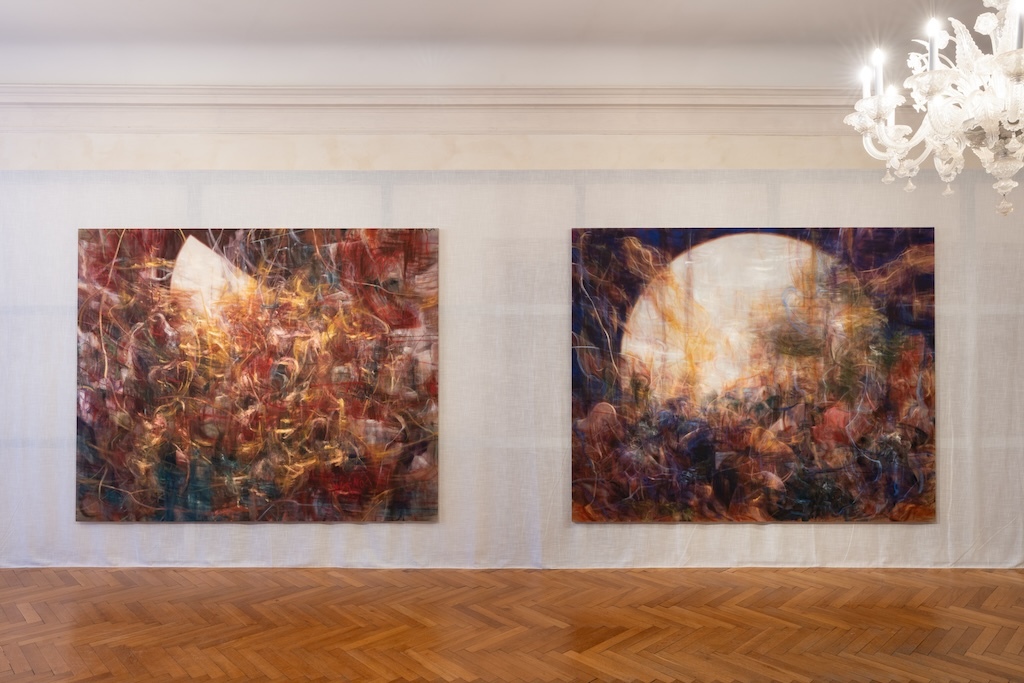
ARTnews explores the evolving and often ambiguous nature of gallery representation through interviews with artists, dealers, lawyers, and advisers. The article traces British painter Nigel Cooke's journey from his first representation by Stuart Shave/Modern Art in 2002 to his current gallery Pace, and his recent exhibition "Bad Habits" at Fondazione Querini Stampalia in Venice. It highlights the gap between the romantic ideal of a dealer discovering and nurturing an artist's career and the commercial reality of contracts, commissions, and termination clauses.

Phoenix Probably Shouldn’t Exist. But Eric Fischl and Frank Lloyd Wright Make It Feel Like the Future

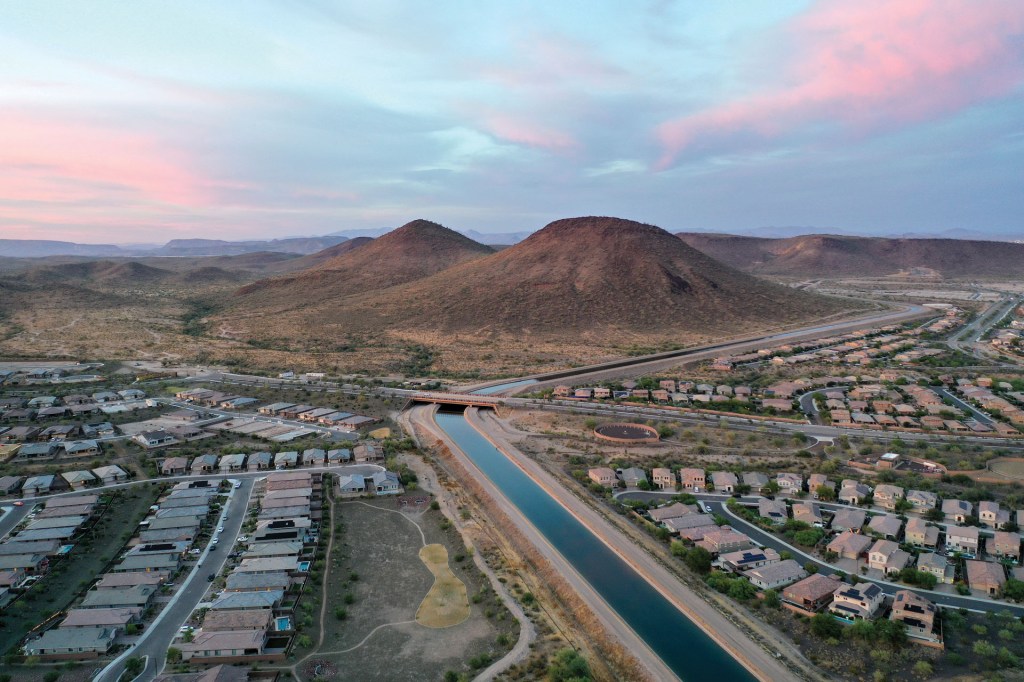
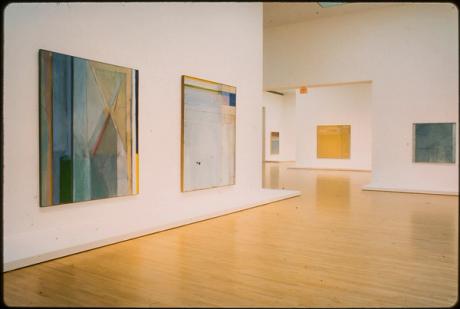
The article is a personal essay recounting the author's multiple visits to Phoenix, Arizona, in 2025. It reflects on the city's rapid growth, its reliance on air-conditioning and water from the Colorado River, and the surreal abundance of swimming pools. The narrative weaves together observations about the city's landscape, including non-native palm trees, and a dinner with artist Eric Fischl, who was judging an art show at Phoenix College. Fischl's painting "Daddy's Gone, Girl" (2016) is discussed as a key example of his work, which often explores suburban unease.

The 21st Century’s Biggest Art Trend is Not a Style. But Once You See It, You’ll Notice It Everywhere.

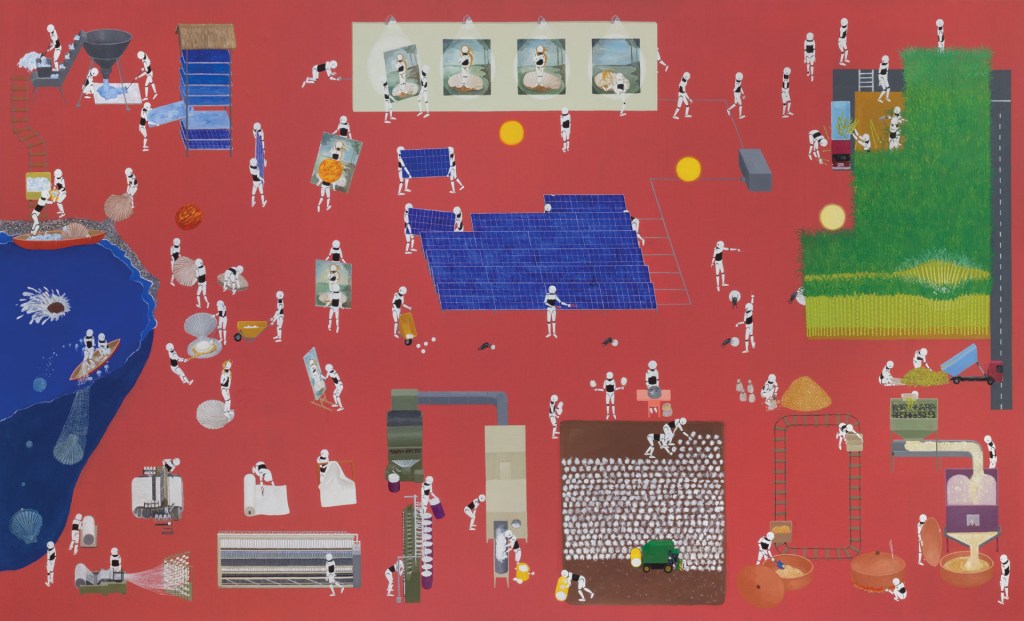
The article traces the evolution of "systems art," a term coined by critic Jack Burnham in 1968 to describe art that uses rules, seriality, and repetition to mirror and reveal the growing protocols of the Cold War era. It highlights early practitioners like Kenneth Noland, Robert Morris, Dan Flavin, and notably Hans Haacke and Adrian Piper, who shifted from atmospheric systems (e.g., Haacke's *Condensation Cube*) to social systems (e.g., Haacke's *Shapolsky et al. Manhattan Real Estate Holdings*). The piece argues that systems thinking has become unavoidable in contemporary life—from algorithms to systemic racism—and that art remains a crucial tool for making these invisible systems legible.

Jamie Nares’s Enduring Romance With the Brushstroke

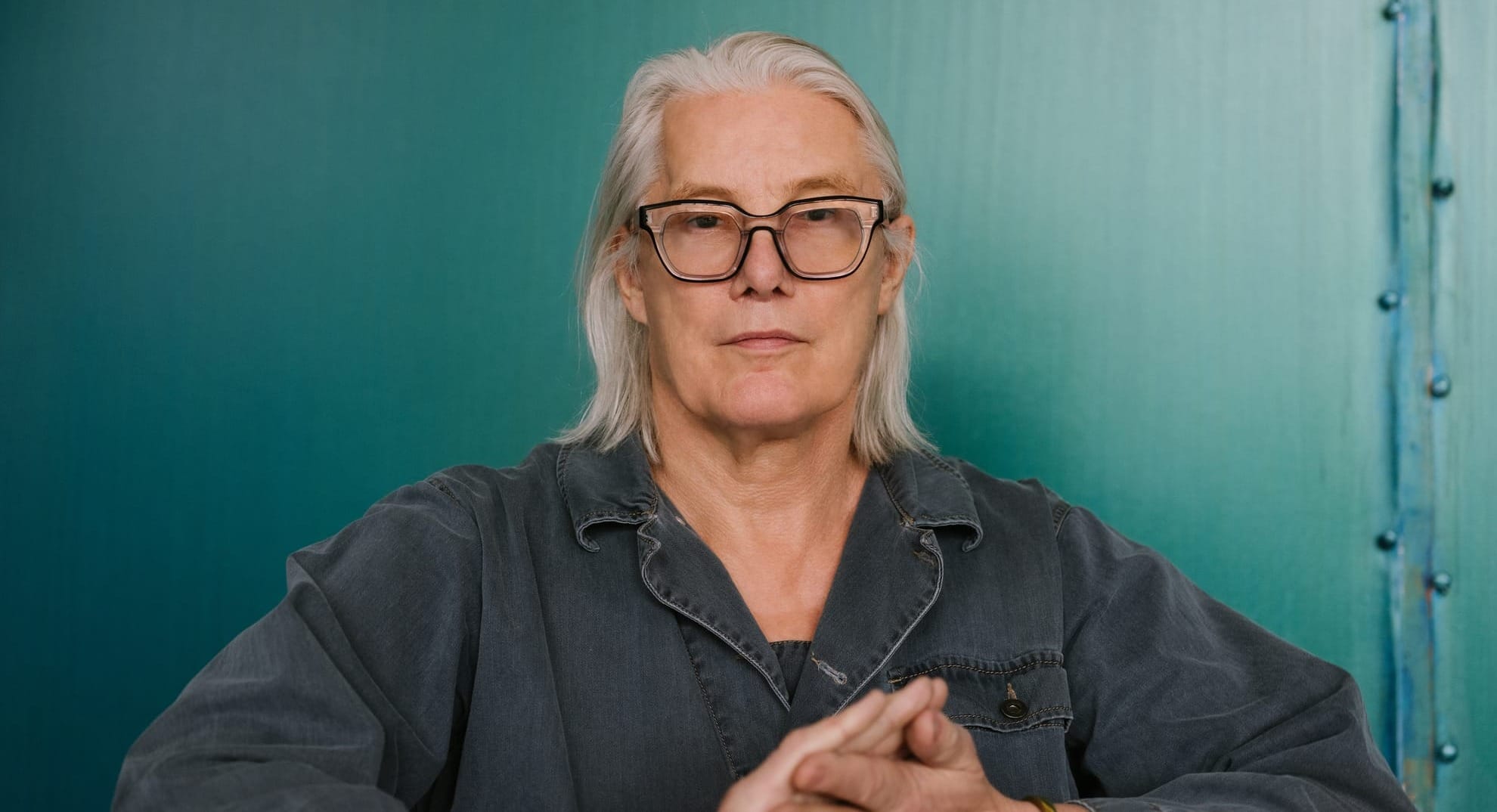
Hyperallergic interviews Jamie Nares, a New York-based painter and filmmaker, about her artistic journey and enduring focus on the brushstroke. Nares, who came out as transgender in 2019 and changed her artist name in 2024, discusses her move from London to New York in the mid-1970s, her involvement in the No Wave movement, and her recent decision to relocate permanently to Upstate New York. She explains how she reduced her practice to the single brushstroke, finding endless variation in that gesture, and describes her process as a search for the essences of things, stripping away what is superfluous.

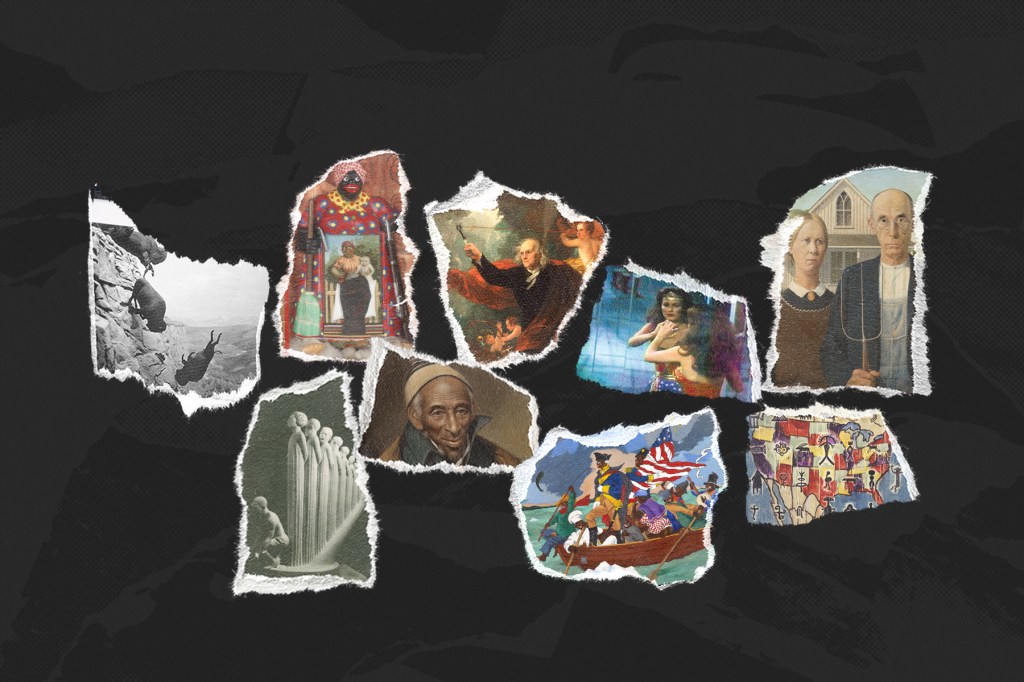
The 100 Best Artworks About America

ARTnews and Art in America have jointly compiled a list of the 100 best artworks about America, selected by their editors. The list spans from before the nation's founding in 1776 to the present day, featuring paintings, sculptures, prints, drawings, videos, films, and digital works. Notable entries include rafa esparza's 2019 performance 'bust: indestructible columns,' which involved chiseling himself out of a concrete Ionic column on the Ellipse near the White House as a metaphor for democracy; Bureau of Inverse Technology's 1997–98 project 'BIT Plane,' a surveillance critique using a radio-controlled aircraft over Silicon Valley; and Bruce Nauman's 1981–82 neon work 'American Violence,' which combines sexual advances and white nationalist imagery.

‘A gift that keeps on giving’: the witty world of Lee Friedlander – in pictures

The Guardian published a photo essay celebrating American photographer Lee Friedlander, featuring images from his career spanning the 1950s to the 2010s. The article highlights his new book "Life Still," published by Aperture, which collects over 130 photographs—most previously unpublished—showcasing his signature wit and his eye for the American social landscape, including chain link fences, roadside signs, and still lifes. The piece includes commentary from curator Peter Galassi and notes Friedlander's influences from Walker Evans and Robert Frank.

No Attitude, Nowhere: Conviction, Zero Meaning

Keine Haltung, nirgends Gesinnung, null Bedeutung

The article critiques the current state of the art world and broader culture, arguing that right-wing calls for depoliticized art are intensifying while the progressive art establishment silently tolerates a culture war that restricts free expression. It uses the 2025 Met Gala as a prime example, describing the event as a heartless display of wealth and power aligned with Trump-era capitalism, where celebrities and artists perform progressive values while participating in a spectacle sponsored by anti-union figures like Jeff Bezos. The author draws on Hannah Arendt's ethics lectures to suggest that moral norms have collapsed overnight, and that the commercial art world now legitimizes anti-democratic tendencies through its silence.

‘This is mine, I own it’: how Tracey Emin and Frida Kahlo inspired me to make meaning out of pain

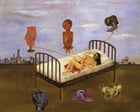
The article is a personal essay by a writer who, after undergoing a colectomy in 2023, found inspiration in Tracey Emin's unflinching self-portraiture following her 2020 cancer diagnosis. The author describes taking her own post-surgery photographs, echoing Emin's mantra "This is mine, I own it," and reflects on Emin's current work, including the Tate Modern exhibition and paintings like "I watched Myself die and come alive" (2023) and "Barbed Wire Stitches" (2024). The essay also connects Emin's approach to that of Frida Kahlo, whose retrospective is upcoming at Tate.

12 Art Books to Kick Off Summer

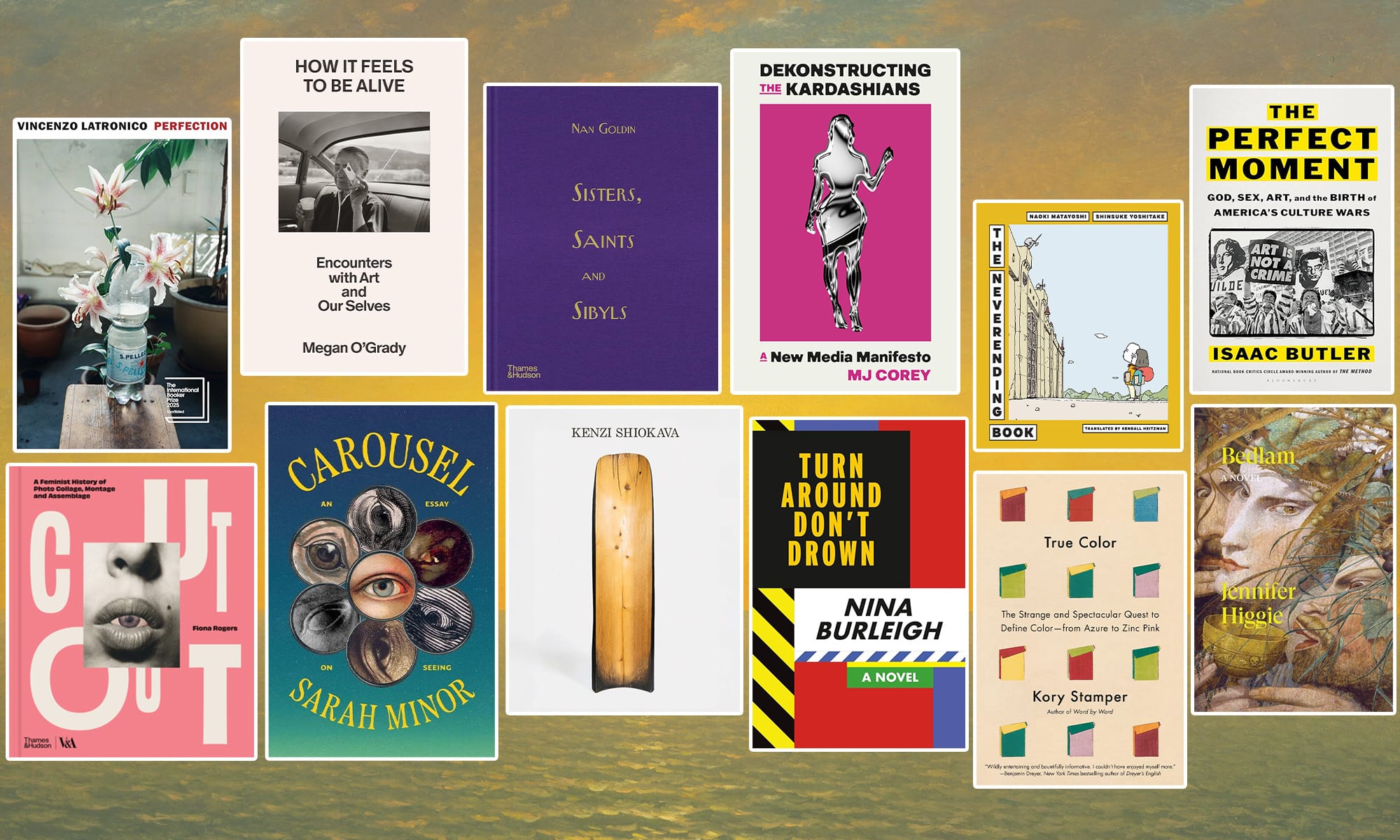
Hyperallergic's Lakshmi Rivera Amin presents a curated list of 12 art books for summer reading, including a novel lampooning the art world, Megan O'Grady's meditation on art and living, Kory Stamper's exploration of color lexicography, Nan Goldin's reissued photo essay, and Jennifer Higgie's prose poetry novel. The roundup also features Vincenzo Latronico's 'Perfection,' Nina Burleigh's satirical 'Turn Around, Don’t Drown,' and a graphic novel by Naoki Matayoshi and Shinsuke Yoshitake, among others.

Don’t lose sight of the big picture in art galleries | Letters

Readers respond to a Guardian article about the overwhelming amount of art in galleries, offering personal strategies for enjoying museum visits. Dr. Penelope Jackson argues that galleries are caught between criticism for showing too much or too little, noting that the National Gallery in London displays about 40% of its collection while Tate Britain shows a tiny fraction. Sue Lewis shares how visiting with children and letting them choose favorite paintings created a joyful, engaging experience. Fiona Willan suggests reading a newspaper review beforehand to focus on key works and save energy for the cafe.

As the Country Turns 250, Why Won’t Its Museums Meet the Moment?

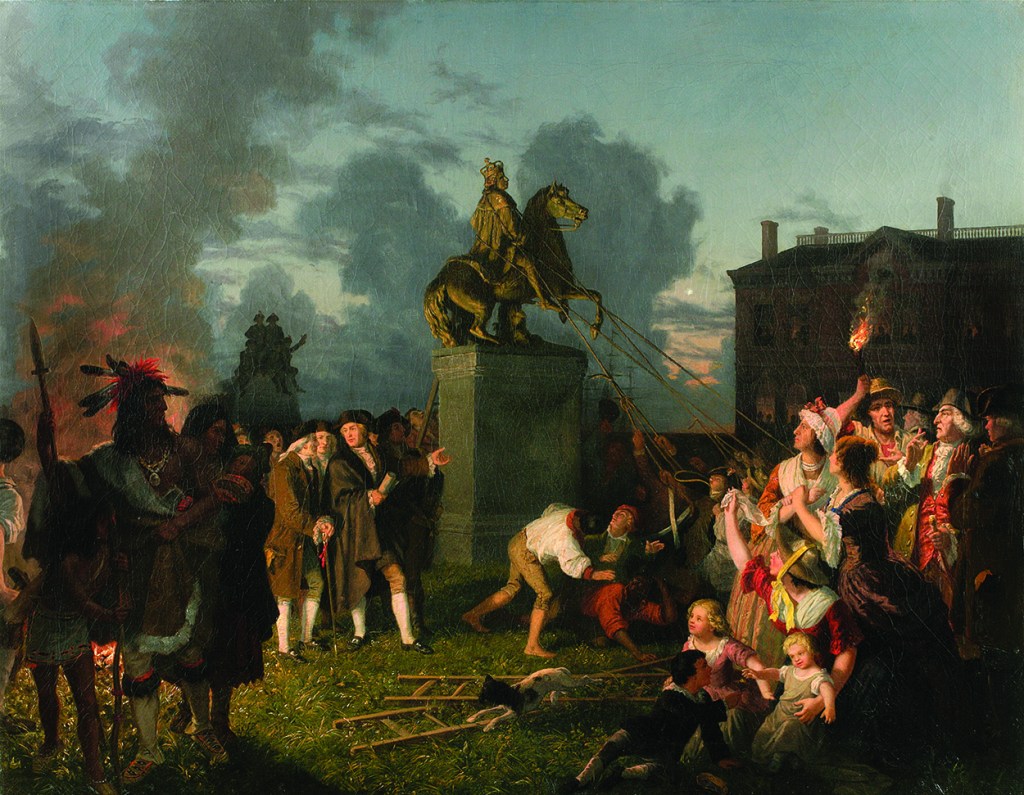
As the United States approaches its 250th anniversary in 2026, the official America 250 (A250) commission has been taken over by a MAGA-aligned events company that previously produced Trump rallies, including the January 6 insurrection. The new contractors have received over $26 million in no-bid federal contracts and have rolled out commemorative programming that critics say whitewashes history, including a video projection on the Washington Monument that celebrates Christopher Columbus and skips over slavery, Indigenous peoples, and women. Meanwhile, the National Park Service plans to exhibit a statue of Caesar Rodney, a slaveholding signer of the Declaration of Independence, on Pennsylvania Avenue.

Rocked on their heels: how exhibitions can change the course of artists’ lives

Alyce Mahon's new book, *Dorothea Tanning: A Surrealist World*, explores how the 1936 MoMA exhibition *Fantastic Art, Dada, Surrealism* profoundly transformed the young artist Dorothea Tanning, who described being "rocked on my run-over heels" by the experience. The article also recounts similar life-changing exhibition encounters for contemporary artists Lorna Simpson and Hurvin Anderson, as discussed on *The Week in Art* and *A brush with…* podcasts, highlighting how specific shows shaped their artistic trajectories.

Saidiya Hartman on Teaming Up with All-Star Artists to Imagine the End of White Supremacy

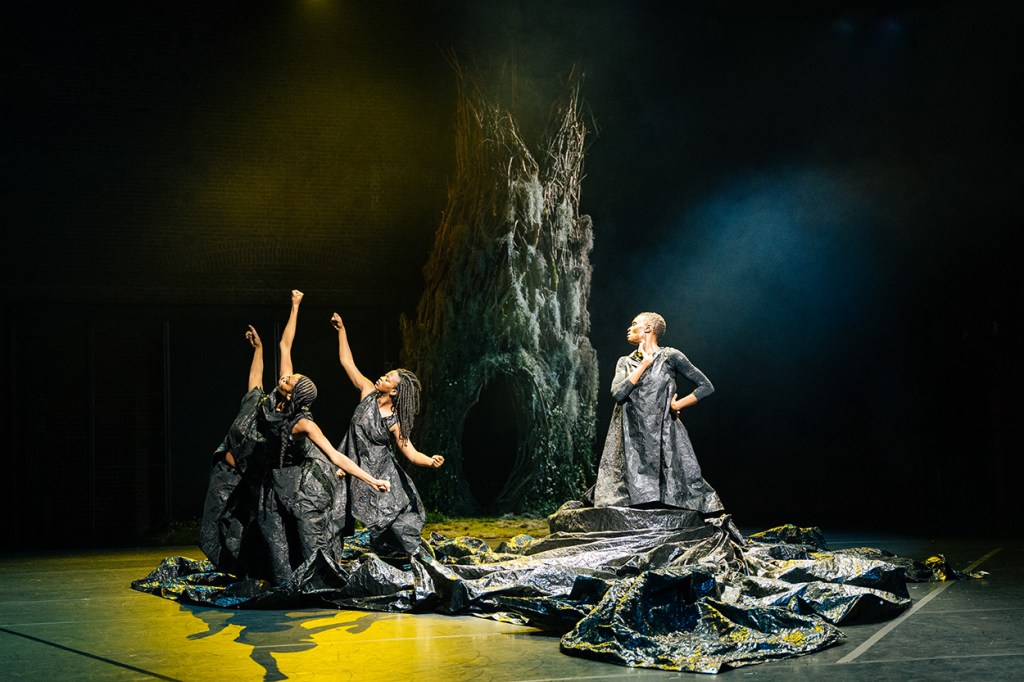
Saidiya Hartman, a Columbia professor known for her "critical fabulation" method of writing history, has created her first artwork: a performance titled "Minor Music at the End of the World." Debuted in October, the three-part work imagines the end of white supremacy and features cinematic elements by Arthur Jafa, sculptures by Precious Okoyomon, sounds by Peter Born, and performances by André Holland and Okwui Okpokwasili. Cameron Rowland serves as "Attendant of the Archive." The piece recently had a run in Venice, echoing the Biennale's main show "In Minor Keys." Hartman's essay "The End of White Supremacy," which responds to W. E. B. Du Bois's "The Comet," inspired the performance.

10 Artists to Follow if You Like Iris van Herpen

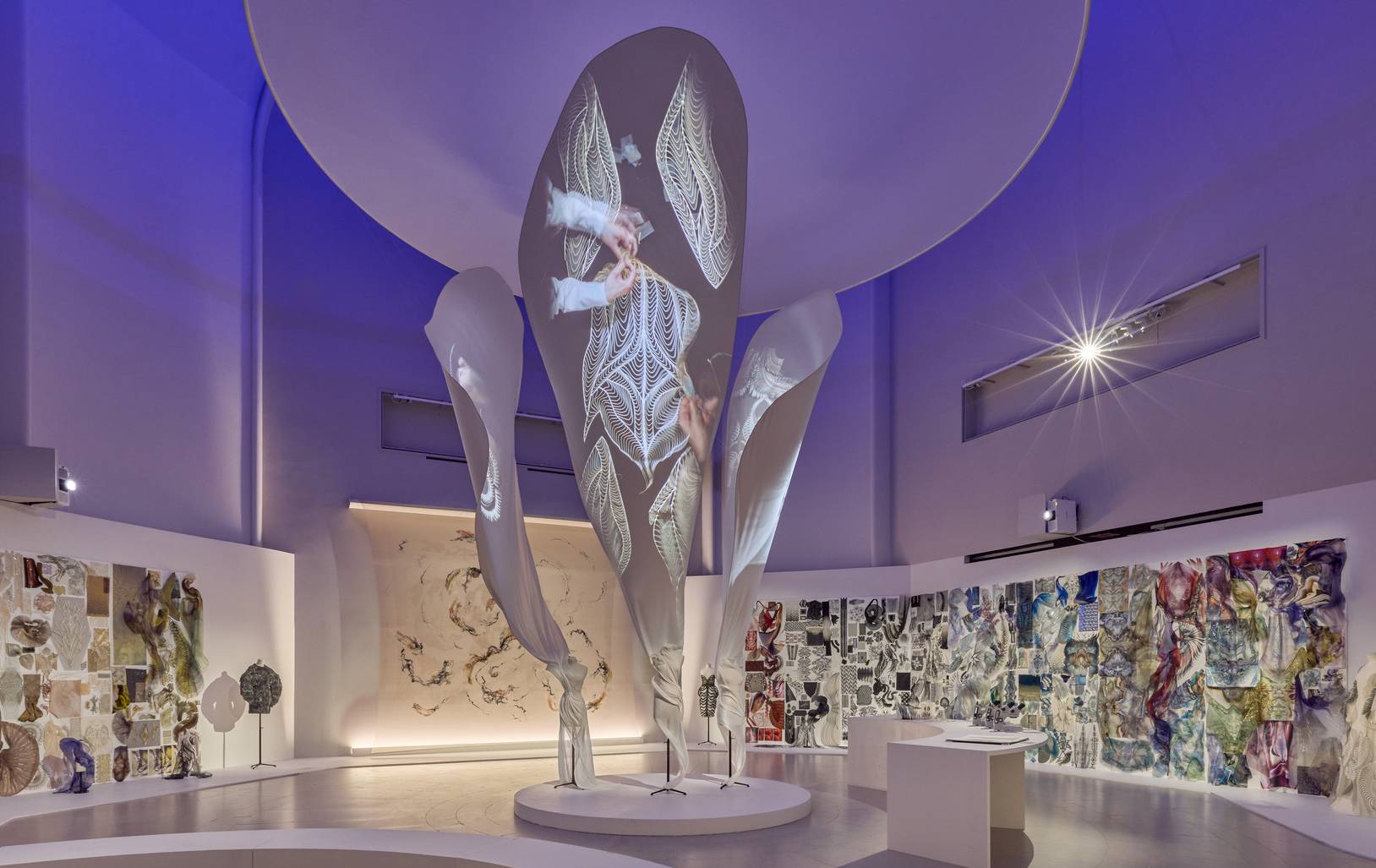
Artsy Editorial profiles 10 contemporary artists whose work aligns with the visionary, technology-driven approach of fashion designer Iris van Herpen. The article highlights van Herpen's career milestones, including her 2011 invitation to join the Chambre Syndicale de la Haute Couture, and her ongoing fusion of traditional craftsmanship with cutting-edge technology to create wearable art. It then presents a curated list of artists who similarly explore themes of organic form, digital fabrication, and the intersection of art and fashion.

What Was the Art World Like the Last Time the Knicks Were in the Championship?

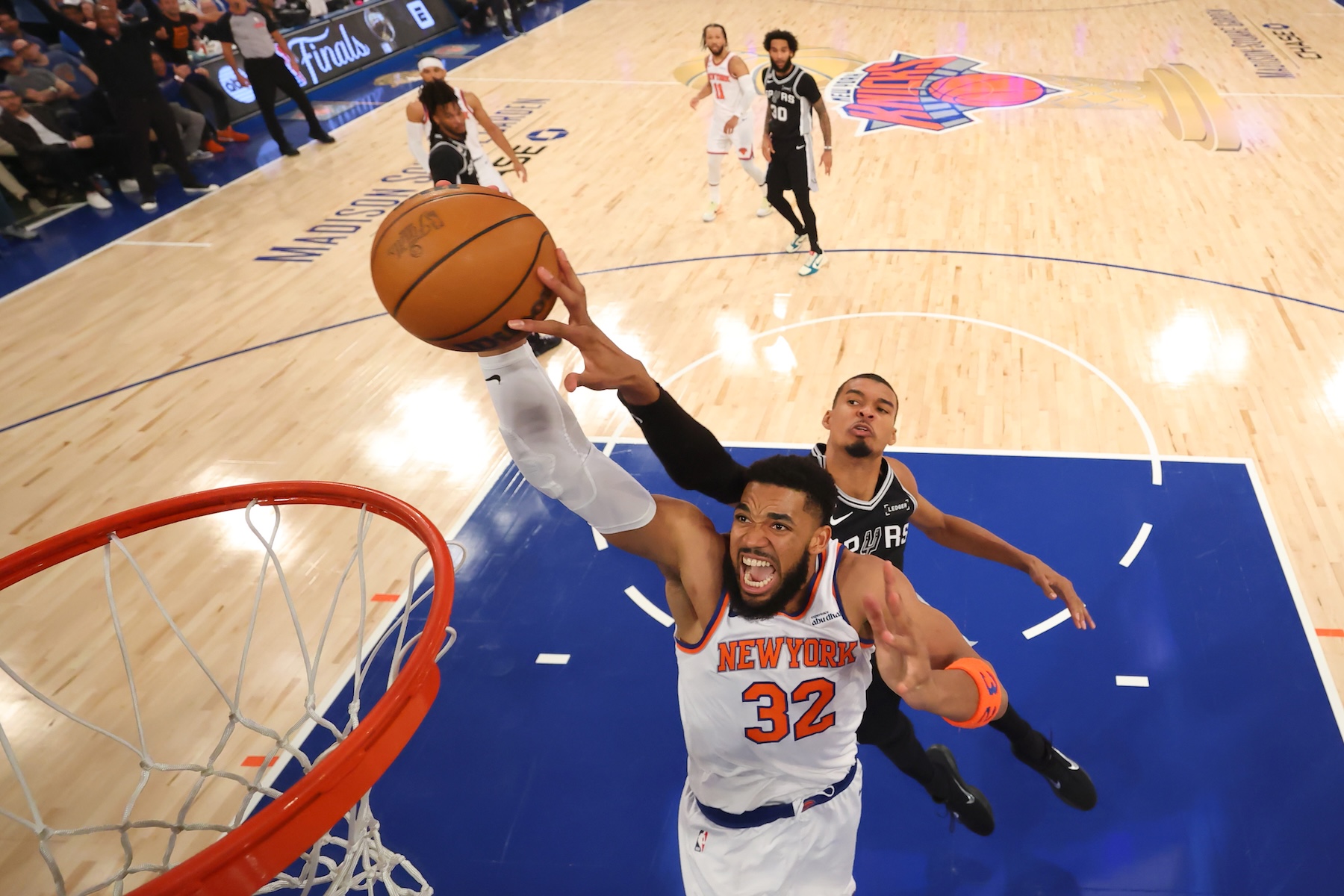
The article draws a parallel between the New York Knicks' long absence from the NBA championship and the state of the art world during their last two key moments: 1999 and 1973. In 1999, the Knicks lost the finals to the San Antonio Spurs, and the art world was markedly different—the 48th Venice Biennale, titled "dAPERTutto" and curated by Harald Szeemann, established the modern biennial format; the Whitney Biennial had just begun hiring external curators; and the global art fair boom had not yet started, with Art Basel Miami Beach and Frieze Art Fair still years away. Tate Modern was about to open, commissioning Louise Bourgeois's iconic spider sculpture *Maman* (1999), while the Young British Artists dominated headlines, culminating in the controversial "Sensation" exhibition at the Brooklyn Museum, which sparked a culture war with then-mayor Rudy Giuliani over Chris Ofili's *The Holy Virgin Mary* (1996).

The Wit and Wisdom of David Hockney

David Hockney, the British artist known for his vibrant California scenes and iPad drawings, is the subject of a feature that collects eight of his best quotes, aphorisms, and one-liners. The article recounts his rebellious student days at the Royal College of Art, where he refused to submit a life drawing of a female model and an academic essay, instead offering a drawing of a male bodybuilder titled "Life Painting for a Diploma." It also includes his sharp opinions on fellow artists—calling Damien Hirst's paintings "terrible" and Jeff Koons "a terrible painter"—as well as reflections on the disappearance of bohemian culture, the importance of faces in art, and his belief that viewers should judge artists by their work, not their words.

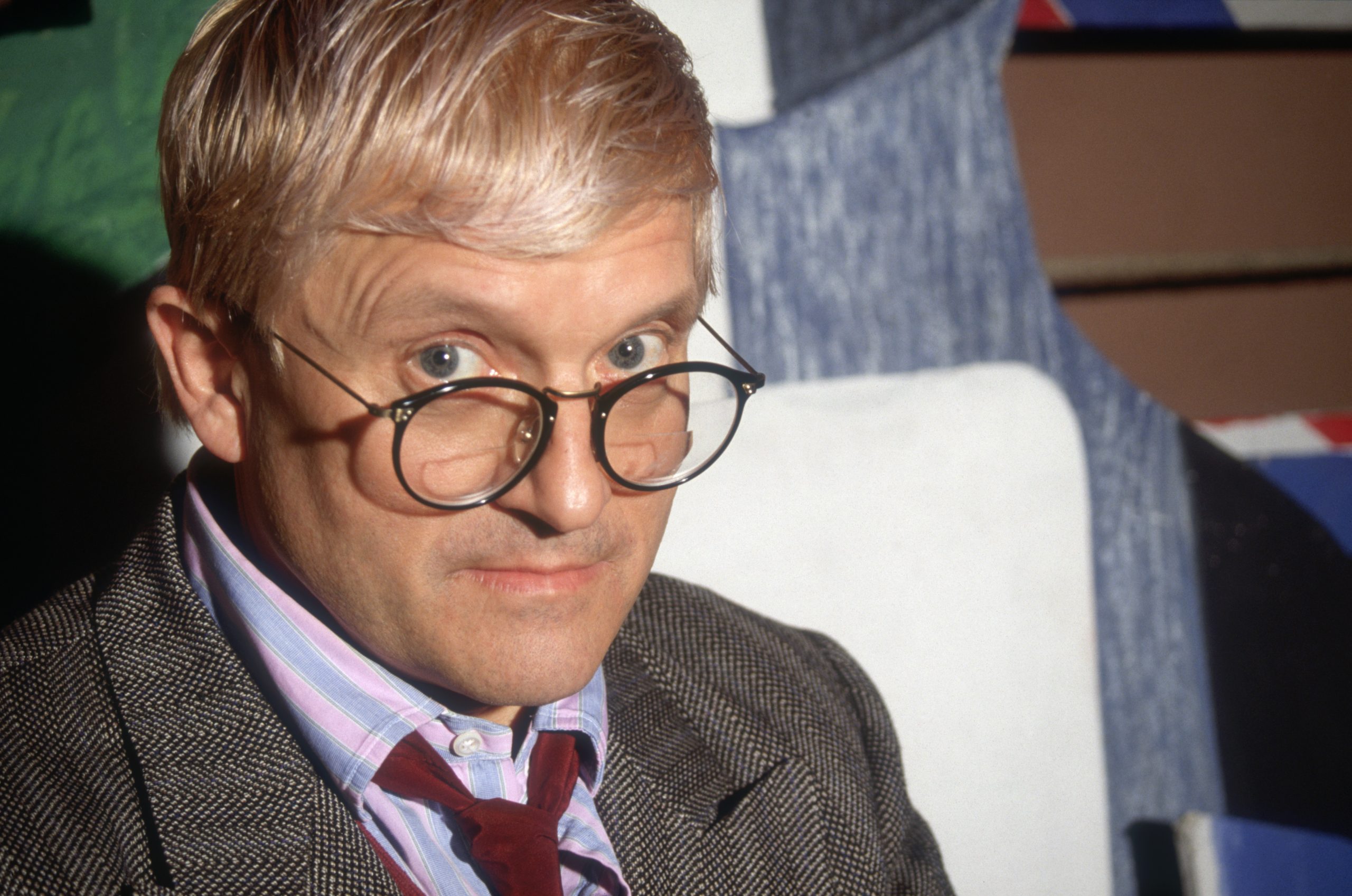
Peroxide mop, statement specs, tweed suits and quirky crocs: David Hockney’s genius for fashion

David Hockney, the renowned British artist, is celebrated for his distinctive personal style, which has evolved from his teenage self-portrait in a blue coat and red scarf to his trademark peroxide hair, round spectacles, rugby shirts, tweed suits, and quirky accessories like yellow Crocs worn to meet King Charles in 2022. The article traces his fashion journey through decades, noting how his unstudied, colorful ensembles—often documented in his own self-portraits—have made him a style icon, inspiring designers such as Christopher Bailey at Burberry and Paul Smith.

‘David Hockney caught the look of the modern world’: a tribute to the artist whose work was a feast of visual pleasure

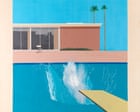
The Guardian publishes a tribute to David Hockney, celebrating his lifelong career as an artist who captured the look and feel of the modern world with unabashed visual pleasure. The article traces his journey from a childhood in Bradford, through his student years at the Royal College of Art, to his embrace of Los Angeles as a vision of paradise. It highlights key works such as 'A Bigger Splash' and 'Portrait of an Artist (Pool with Two Figures)', the latter selling for $90.3 million in 2018, and discusses his relaxed depiction of gay life, his role as both participant and observer in the new freedoms of the 1960s, and his enduring influence as the 'Matisse of pop art'.

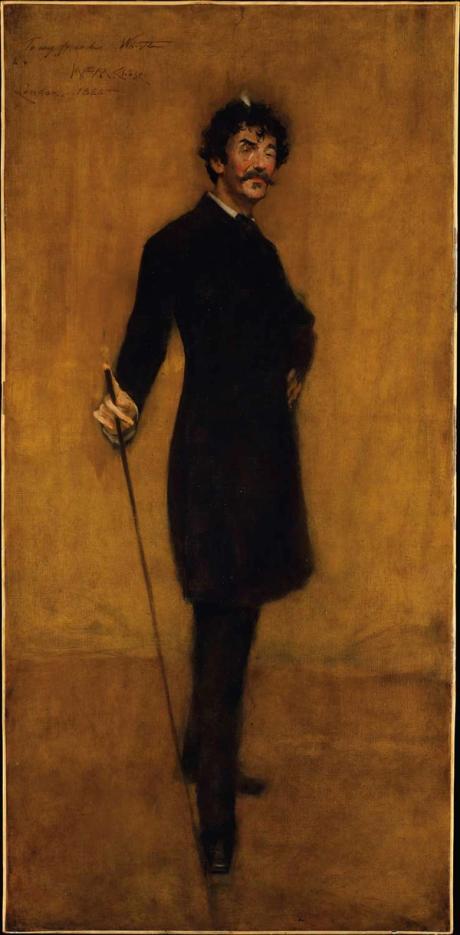
Mystery, controversy and the butterfly’s sting: James McNeill Whistler book aims to dispel the fog around his legacy

A new book, *Whistler's Legacy*, by historian Daniel Sutherland aims to correct the myths and misconceptions surrounding the enigmatic artist James McNeill Whistler. Sutherland critiques early biographers Joseph and Elizabeth Pennell for factual errors and doctored accounts, and reexamines Whistler's paradoxical life—an American expatriate, a self-styled provocateur, and a meticulous painter of nocturnes and pastels. The book also addresses Whistler's controversial relationships, including his legal battle with critic John Ruskin over *Nocturne in Black and Gold–The Falling Rocket*.

Mapplethorpe nudes, the NEA and the birth of America’s culture wars

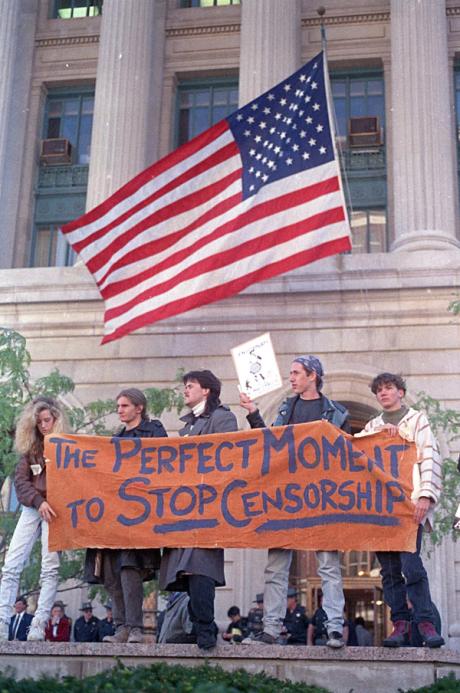
Isaac Butler's new book, *The Perfect Moment: God, Sex, Art, and the Birth of America’s Culture Wars*, examines the 1989 controversy over Robert Mapplethorpe's retrospective at the Corcoran Gallery in Washington, DC. The exhibition, funded in part by a $30,000 NEA grant, was canceled after conservative backlash, then hosted by the Washington Project for the Arts. Butler, whose mother served on the WPA board, also covers related battles over Andres Serrano's *Immersion (Piss Christ)*, music warning labels, and the "NEA Four" performance artists whose grants were denied. The book was inspired by the 2020 decision to delay a Philip Guston retrospective over concerns about his Klan imagery, which Butler sees as a liberal act of self-censorship.

What We Miss When We Flatten Georgia O’Keeffe Into a Feminist Icon

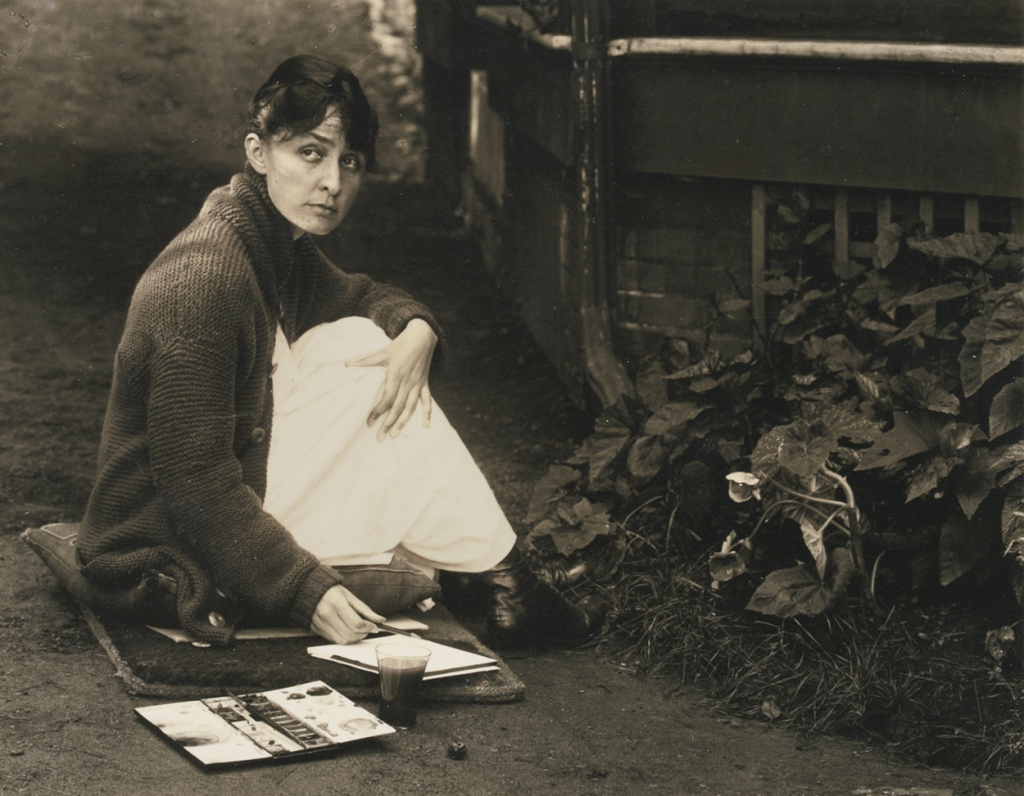
A new documentary, *Georgia O'Keeffe: The Brightness of Light*, directed by Paul Wagner, explores the artist's life and work, but its release timed around Mother's Day sparks criticism for reducing O'Keeffe to a maternal stereotype. The film delves into O'Keeffe's complex relationship with husband and gallerist Alfred Stieglitz, her rejection of sexualized interpretations of her flower paintings, and her determination to prioritize art over conventional womanhood.

From high BMI to the ‘GLP-1 look’: how weight-loss jabs are changing the face of beauty

Researchers and art historians are examining how weight-loss drugs like Wegovy and Mounjaro are reshaping ideals of beauty in art. Prof. Rosalind Gill and Dr. Michael Yafi argue that the rapid fat loss caused by GLP-1 medications produces a distinctive gaunt facial appearance—dubbed 'GLP-1 face'—which could become a new aesthetic standard reflected in contemporary art, similar to 'heroin chic' in the 1990s. Yafi presented his findings at the European Congress on Obesity, noting that while artists like Fernando Botero continue to celebrate fuller figures, future artworks may increasingly depict thin individuals with hollowed features.

Two of Modernism’s Lesbian Icons Get the Novel Treatment

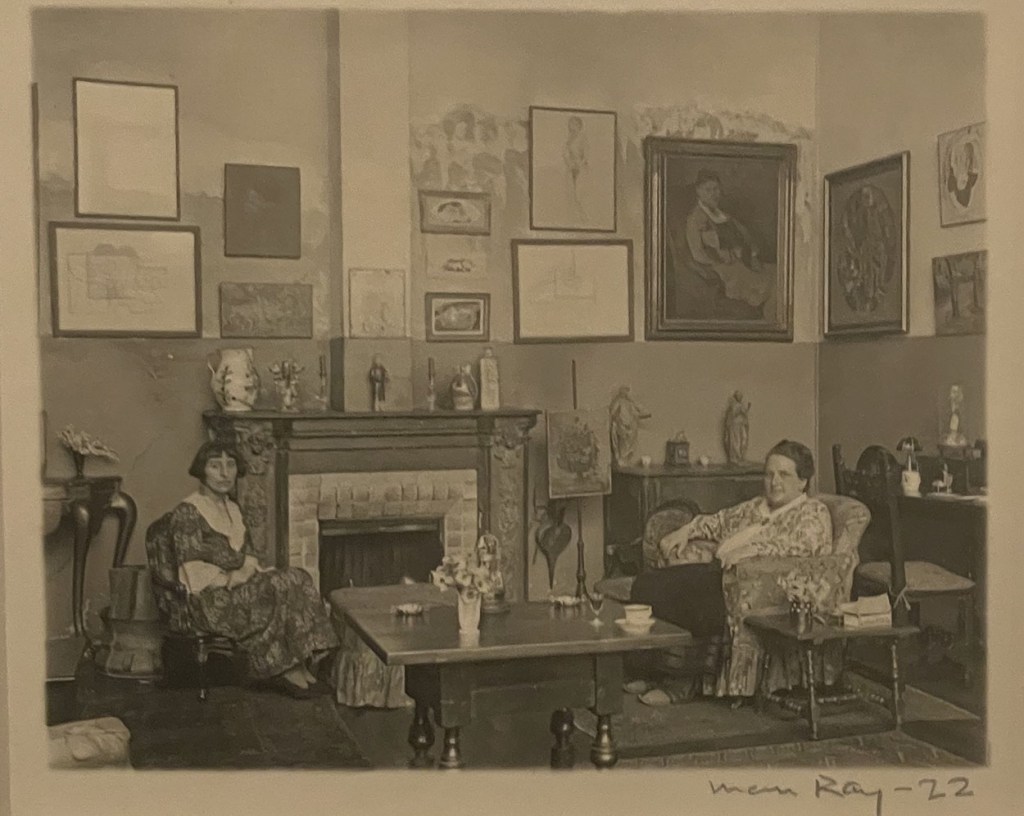
Deborah Levy's novel "My Year in Paris with Gertrude Stein" follows an unnamed narrator who travels to Paris to write an essay about Gertrude Stein, struggling with the weight of Stein's legacy while visiting her grave at Père Lachaise cemetery. The book explores Stein's life as a modernist icon, her relationship with Alice B. Toklas, and her role as a host to figures like Pablo Picasso and Ernest Hemingway, while the narrator grapples with Stein's defiant personality and literary style.

Louis Vuitton revives Keith Haring collaboration at lavish New York show

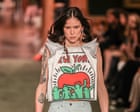
Louis Vuitton staged a lavish fashion show at the Frick Collection in New York, reviving a collaboration with the estate of artist Keith Haring. The collection, designed by Nicolas Ghesquière, featured Haring's signature motifs on classic LV handbags and was presented in the museum's marble galleries. The event also marked a three-year sponsorship deal, with Louis Vuitton funding exhibitions, public access, and a curatorial position at the Frick, including rebranded free entry evenings as Louis Vuitton Free Fridays.

New Richard Avedon documentary chronicles how he shaped the evolution of photography

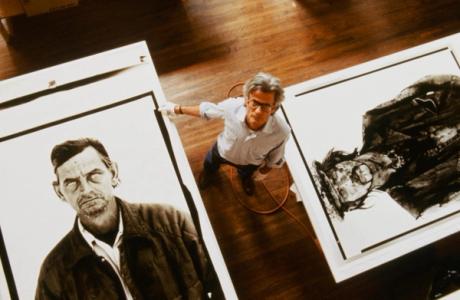
Imagine Documentaries, the nonfiction arm of Ron Howard and Brian Grazer's Imagine Entertainment, premiered a new documentary about photographer Richard Avedon at the Cannes Film Festival on May 17. The film, co-produced by the Richard Avedon Foundation, draws heavily from archival interviews conducted by Helen Whitney for the PBS series *American Masters*, supplemented by new interviews with Avedon's son John, muse Lauren Hutton, Isabella Rossellini, Twyla Tharp, and former *New Yorker* colleagues Tina Brown and John Lahr. The documentary explores Avedon's career, his technique of building rapport with subjects, and his iconic images such as *Dovima with Elephants*, which dealer Larry Gagosian notes sold for $2 million.

‘Depraved in all the right ways’: why forgotten no wave visionary Gordon Stevenson is about to take off

The article profiles Gordon Stevenson, a forgotten visionary of the no wave movement in late-1970s New York, who was an artist, jewelry designer, musician, and filmmaker best known for the notorious film *Ecstatic Stigmatic*. Decades after his death from AIDS, a storage unit full of his lost work has been discovered, including jewelry, mail-art collaborations with Ray Johnson, and clues to a surviving print of his film. His family has also recovered hundreds of letters he wrote to his parents, chronicling his life in downtown New York and his experiences as one of the city's first AIDS patients. The piece traces his journey from a small town in Georgia, where he met his wife Mirielle Cervenka (who later renamed Exene Cervenka), to their punk-era jewelry brand LHOOQ and his lasting influence on gothic fashion.