
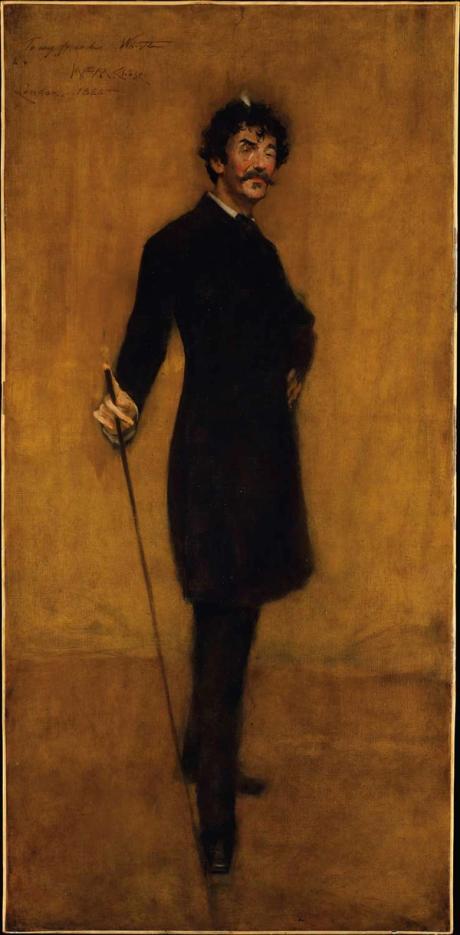
A new book, *Whistler's Legacy*, by historian Daniel Sutherland aims to correct the myths and misconceptions surrounding the enigmatic artist James McNeill Whistler. Sutherland critiques early biographers Joseph and Elizabeth Pennell for factual errors and doctored accounts, and reexamines Whistler's paradoxical life—an American expatriate, a self-styled provocateur, and a meticulous painter of nocturnes and pastels. The book also addresses Whistler's controversial relationships, including his legal battle with critic John Ruskin over *Nocturne in Black and Gold–The Falling Rocket*.
This book matters because it seeks to rescue Whistler's legacy from decades of distortion, offering a more nuanced portrait of an artist who has often been dismissed as a publicity-seeking dandy. By holding early biographers and contemporaries accountable, Sutherland provides a clearer understanding of Whistler's contributions to transatlantic art and his enduring influence on modern painting. The work also highlights ongoing debates about artistic integrity, self-mythology, and the role of criticism in the art world.