search
dashboard All 5096 museum exhibitions 2763article local 772article culture 376article news 353trending_up market 322person people 148article policy 122rate_review review 102candle obituary 97gavel restitution 37article school 2article museums 1article architecture 1
date_range Range Today This Week This Month All
Subscribe

Celia Paul Transcends Her Own Mythology

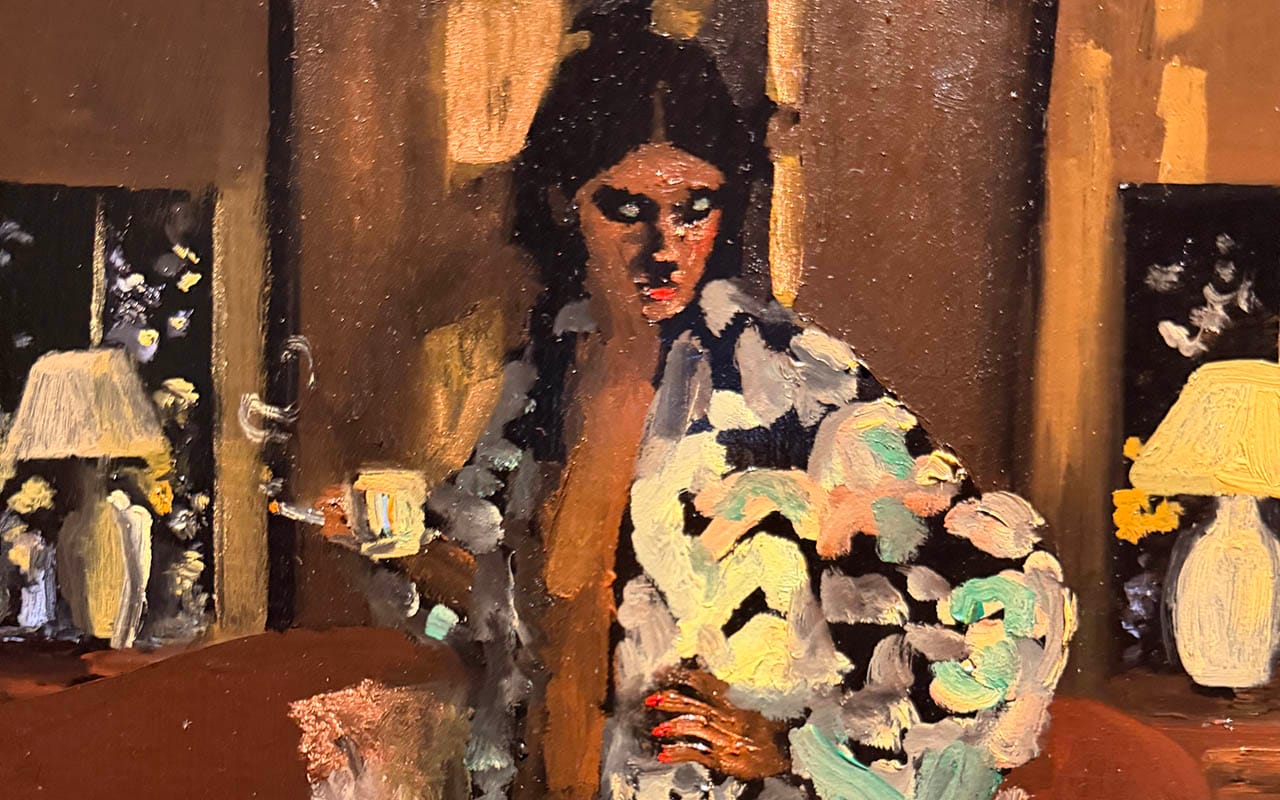
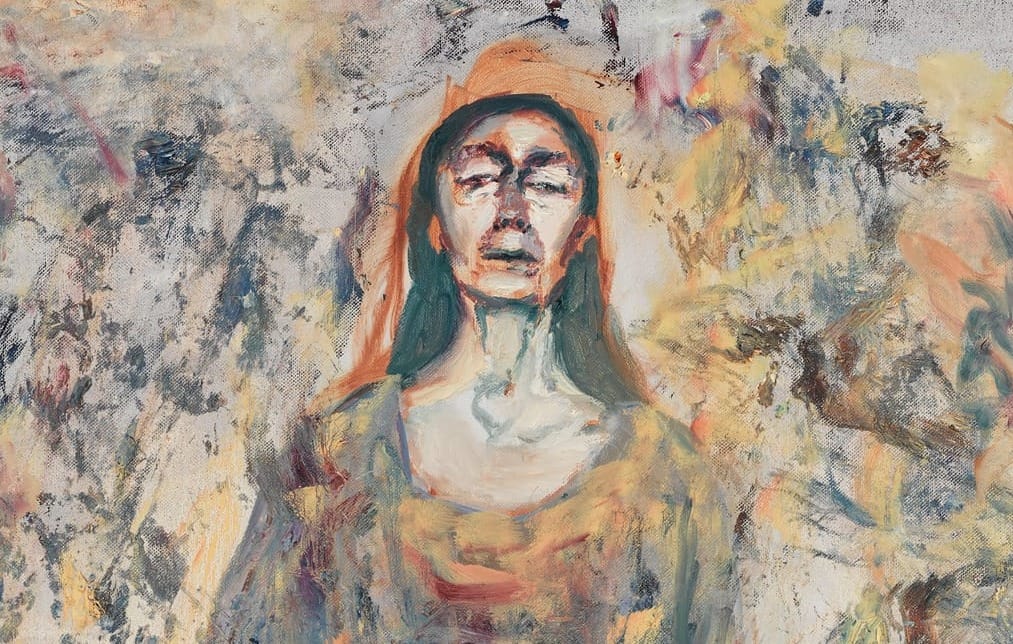
Celia Paul's exhibition "Innervisions" at Gladstone Gallery showcases her latest paintings, including works like "Cruciform Muse" (2025) and "Burning Painter" (2025). The show features her characteristic autobiographical approach, depicting family members, self-portraits, and ocean scenes, while also exploring themes of vulnerability and power through nude figures inspired by Gwen John. The exhibition builds on Paul's established reputation as a painter and memoirist, following her book "Letters to Gwen John" (2022) and a documentary by Jake Auerbach.

Jack White review – former White Stripe’s art is like a 12-year-old visiting Tate Modern for the first time

Rock musician Jack White, formerly of the White Stripes, has mounted an exhibition of his visual art at Damien Hirst's Newport Street Gallery in London. The show features customised amplifiers by Ai Weiwei and Hirst, furniture inspired by Mondrian, and works referencing American folk music, including a series based on a statuette called Ukulele Joe. The review is scathing, describing White's art as derivative, glib, and at the intellectual level of a 12-year-old visiting Tate Modern for the first time.

What ‘Costume Art’ Gets Wrong About the Body

The Metropolitan Museum of Art's Costume Institute spring exhibition, featuring nearly 400 objects, pairs garments and ensembles with Western figurative artworks from the museum's permanent collection in dyadic, associative displays. The show eschews traditional art-historical timelines and context in favor of visual and thematic parallels—comparing, for example, Rudi Gernreich's Pubikini with an Egyptian statuette, or Ying Gao's sound-responsive dress with a David Hockney drawing. The exhibition is sponsored by Jeff and Lauren Sánchez Bezos.

Marilyn Monroe: A Portrait review – the radiant, uncontainable star she always wanted to be

The National Portrait Gallery in London has opened a new blockbuster exhibition, "Marilyn Monroe: A Portrait," marking what would have been the star's 100th birthday. The show presents Monroe through photographs, paintings, and film excerpts, tracing her transformation from Norma Jeane Baker into a global icon. It features works by renowned photographers such as Richard Avedon, Milton Greene, Cecil Beaton, Eve Arnold, Philippe Halsman, Weegee, and André de Dienes, as well as paintings by Pauline Boty and Andy Warhol. The exhibition emphasizes Monroe's agency and control over her own image, challenging the notion of uncovering a "real Marilyn" behind the glamour.

Hulda Guzmán review – lizards and ghosts gather for an art freakout in the rainforest

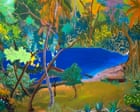
Hulda Guzmán's first institutional exhibition in Europe, "Please Awake – Asked Nature Kindly," is on view at Turner Contemporary in Margate, UK. The show features the Dominican artist's ultra-colorful, psychedelic jungle paintings that blend art historical references—from Japanese ukiyo-e prints to pointillism and symbolism—with personal mythology, demons, spirits, and lush tropical landscapes. The works are drawn from her life in the Dominican rainforest, where she lives and works in a studio built by her architect father.

Two Museums Take on Performative Masculinity, Looksmaxxing, Incels, and Other Macho Buzzwords That Don’t Belong There.

The Stedelijk Museum and Kunstmuseum St. Gallen have co-organized an exhibition titled "Beyond the Manosphere: Masculinities Today," which aims to critically examine contemporary masculinity and its online manifestations such as incels, looksmaxxing, and pickup artists. The show features works by artists including Reba Maybury and Richard Serra, and is curated by Melanie Bühler, with directors Rein Wolfs and Gianni Jetzer overseeing the project. The exhibition will travel from the Stedelijk to the Kunstmuseum St. Gallen later this year.

Art, Death, Duchamp

Marcel Duchamp, known for his nonchalant attitude toward the material status of his artworks, paradoxically exerted meticulous control over their afterlife. The article examines his detailed instructions for the posthumous installation of his secret sculptural environment *Étant donnés* (1946–66) at the Philadelphia Museum of Art, including a four-ring binder of notes specifying everything from architectural dimensions to lightbulb wattage. It also highlights his earlier role as cofounder of the Société Anonyme, Inc., where he balanced artistic control with delegation, selecting artists like Louis Eilshemius for exhibitions despite their differing sensibilities.

Marianna Simnett’s Furry Friends

Marianna Simnett’s exhibition at Société, Berlin, features a provocative mix of film, painting, and sculpture that revels in grotesque, erotic, and fantastical transformations. Works like *Hyena and Swan in the Midst of Sexual Congress* (2019) and the films *Leda was a Swan* (2025) and *Blue Moon* (2022) reimagine classical myths and fairy tales through a feminist, body-horror lens, using AI-assisted visuals and stop-motion to explore themes of animality, abjection, and pleasure. The show includes taxidermy-inspired animations, BDSM-inflected live-action shorts, and sculptures that ensnare human figures in animal forms.

Sanford Wurmfeld’s Unstable Geometry

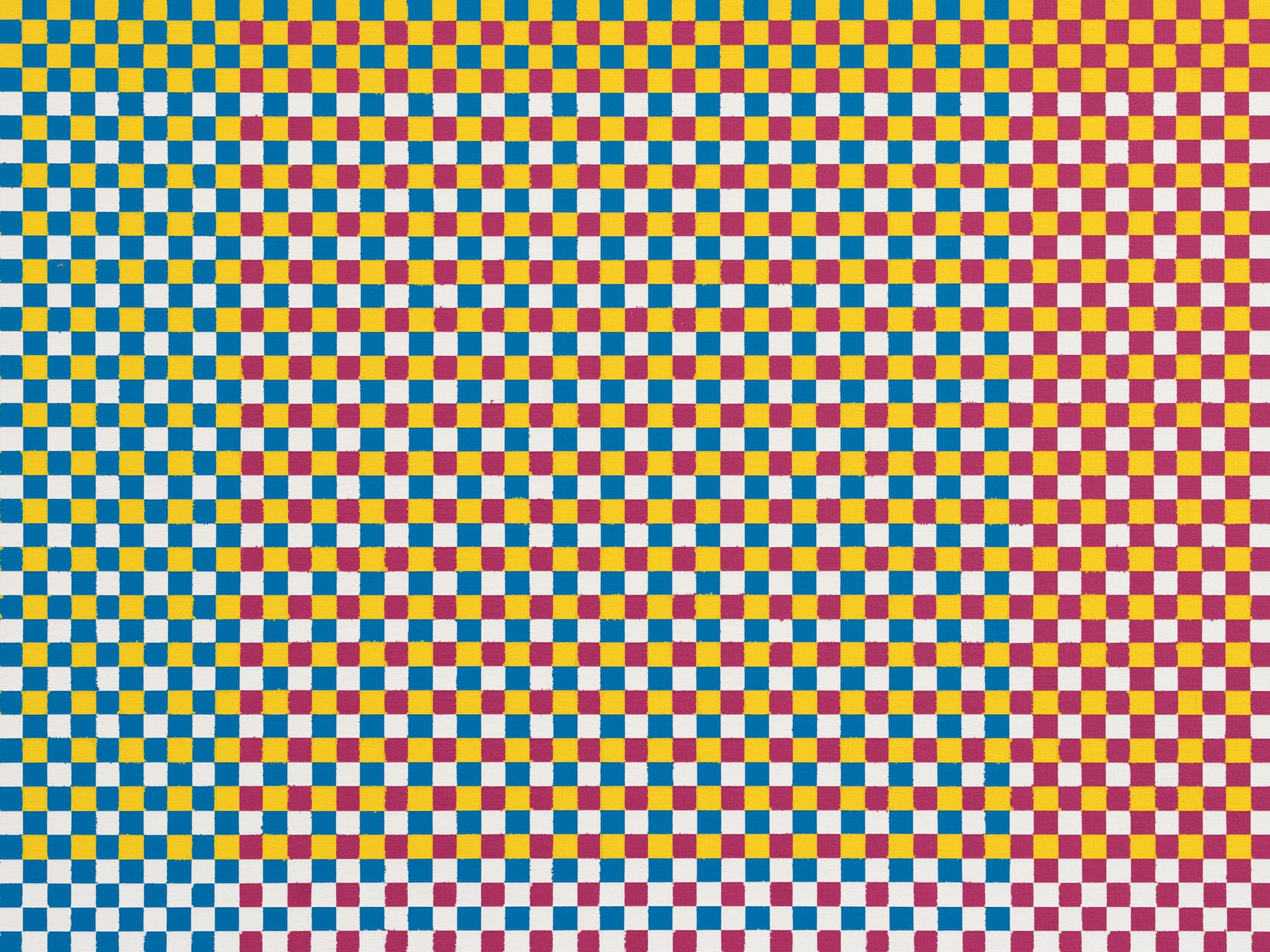
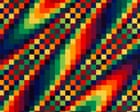
Hyperallergic reviews Sanford Wurmfeld's exhibition "Squares 1971–74" at Ceysson & Bénétière in New York, featuring six paintings and one study from 1971 to 1974. The show highlights Wurmfeld's methodical exploration of color through gridded compositions of one-inch squares, using a limited palette of four hues to create optical interactions that shift as the viewer looks. Wurmfeld, who was the youngest artist in MoMA's 1968 "Art of the Real" exhibition, has long operated under the radar of the New York art world.

Todd Gray Reframes Black Diasporic History

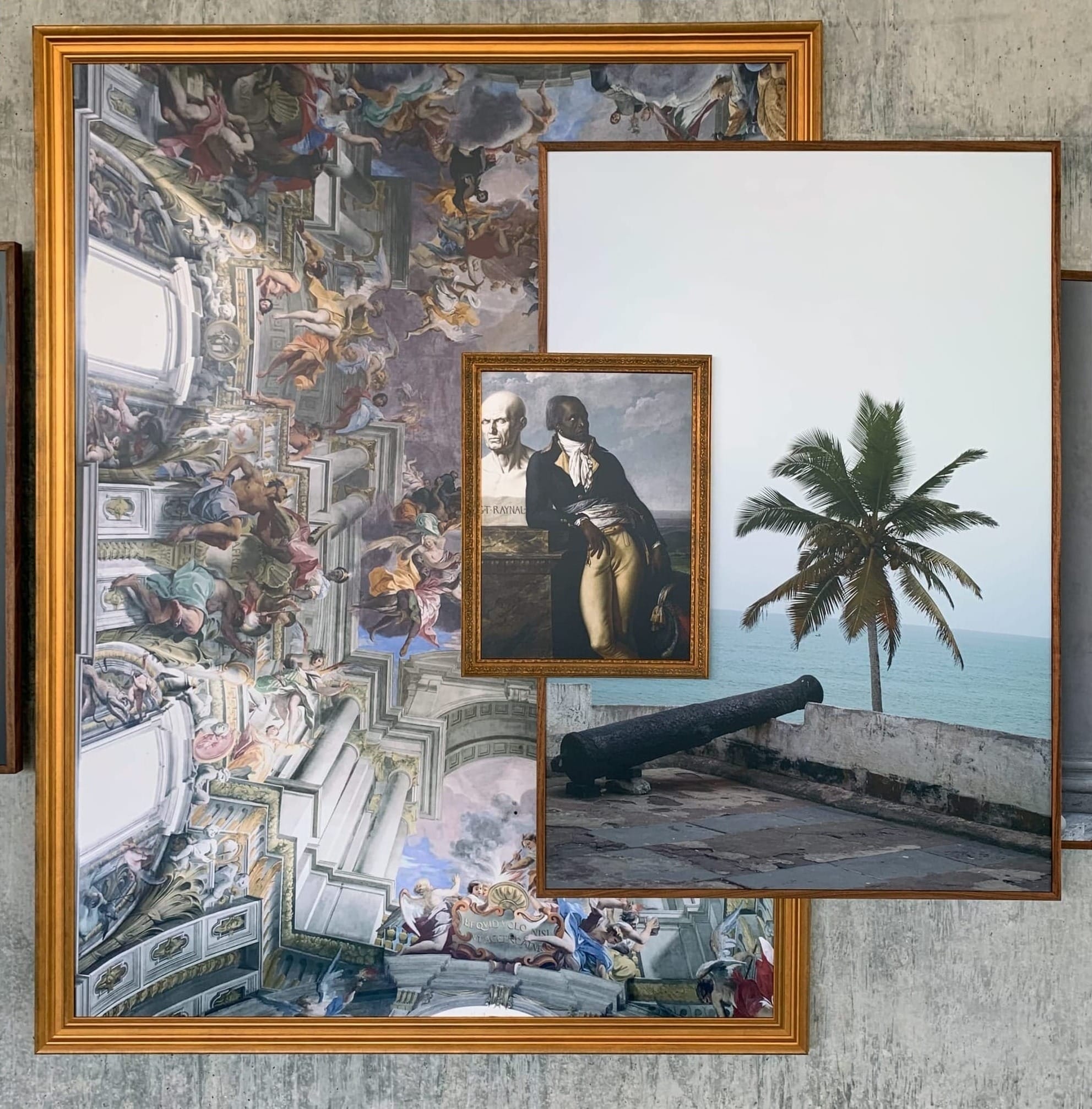
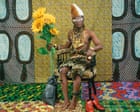
Todd Gray's exhibition "Portals" at Perrotin in Los Angeles features multi-paneled photo assemblages that juxtapose images of slavery with European art, architecture, and formal gardens, exploring the evolution of Black history and identity. The show coincides with the opening of his commissioned installation "Octavia's Gaze" (2025) at the new David Geffen Galleries of the Los Angeles County Museum of Art. Gray's works incorporate his own photographs alongside sources like Hubble Space Telescope imagery, creating layered visual puzzles that invite viewers to find connections and ask questions about African diasporic identity.

Cats, flowers and Harry Hill’s car on fire – RA Summer Exhibition review

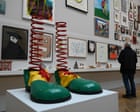
The 2024 Royal Academy Summer Exhibition, coordinated by conceptual artist Ryan Gander, is reviewed as being less awful than usual. Gander introduces strangeness to the historic open-submission show, including a video of Bowie karaoke and a disembodied corpse in a living-room installation. The exhibition features thousands of works, from amateur flower drawings to pieces by Tracey Emin, Antony Gormley, and Sean Scully, alongside standout contributions from Harry Hill (paintings of cars on fire), Harriet Porter, and Glen Pudvine. The review notes the show's overwhelming density and its function as a buying opportunity for the public.

Julio Le Parc review – as if Bridget Riley had opened a riotous funfair

Julio Le Parc's retrospective at Tate Modern immerses visitors in the playful, politically charged atmosphere of 1960s Paris. The exhibition features interactive works from Le Parc and his collective GRAV (Groupe de Recherche d'Art Visuel), including spinning discs, mirrored screens, and button-activated kinetic sculptures that invite physical engagement. Le Parc, who died in May 2025 at age 97, sought to subvert the silence and deadness of traditional museums by filling them with noise, action, and democratic play.

John Constable, an artist and man for all seasons, shines brightly in new book

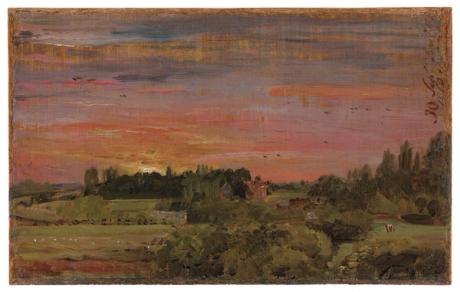
A new book titled *Constable's Year* offers a fresh perspective on John Constable, blending art history, biography, and nature writing to explore how the changing seasons and agricultural cycles of Suffolk shaped his life and work. Author Owens visited the exact sites Constable painted during the corresponding seasons and structured her book's four chapters around spring, summer, autumn, and winter, covering the artist's full lifespan from 1776 to 1837. The book also draws heavily on Constable's correspondence, revealing his deep emotional connection to nature.

Don’t: Camille Henrot review – surreal sexual psychodrama for the digitally overwhelmed

The Guardian reviews Camille Henrot's latest exhibition "Don't" at a private museum in London, marking a shift from her earlier grand-scale works about the origins of humanity and the universe. The show features two bodies of work: a series of layered digital-abstract paintings titled "Dos and Don'ts" that blend screenshots, collaged paper, and brushstrokes, and a set of erotic drawings depicting surreal sexual psychodramas. Henrot, who won the Silver Lion at the Venice Biennale in 2014, turns inward here, exploring the mundane, personal, and intimate aspects of everyday life.

Anni Albers Wasn’t Afraid to Start From Zero

Nicholas Fox Weber's new biography, *Anni Albers: A Life*, draws on his nearly 25-year friendship with the artist to offer an intimate, nuanced portrait of the pioneering textile artist. The book traces Albers's journey from her birth in Berlin in 1899, through her studies and teaching at the Bauhaus and Black Mountain College, her escape from Nazi Germany in 1933, and her later years in Connecticut. Weber, who serves as executive director of the Josef & Anni Albers Foundation, fills the biography with lively anecdotes—from her love of Kentucky Fried Chicken to her sharp wit—while correcting the "stock stories" she often repeated, revealing her personality and artistic dedication with rare depth.

Fantastic visions and cosmic rhythms: how Whistler is making me see – and hear – differently

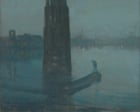
The article explores how the James McNeill Whistler exhibition at Tate in London prompts a reconsideration of the relationship between music and visual art. Whistler titled his works using musical terms like "Arrangement," "Symphony," and "Nocturne," arguing that painting should be abstract and independent of narrative, much like instrumental music. The exhibition, reviewed by Jonathan Jones, highlights Whistler's radical art-for-art's-sake philosophy, which influenced composer Claude Debussy, whose orchestral Nocturnes were directly inspired by Whistler's paintings of light and atmosphere.

James McNeill Whistler review – a luscious, seductive blockbuster for the painter who scandalised Britain

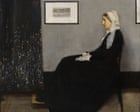
Tate Britain has opened a major retrospective dedicated to James McNeill Whistler, the American painter who scandalized Victorian Britain. The exhibition centers on his iconic work *Arrangement in Grey and Black No. 1* (commonly known as *Whistler's Mother*), lent by the Musée d'Orsay, and traces his evolution from raw realist scenes of London's docks to radical, abstract celebrations of color and pattern. It includes a reconstruction of *The Peacock Room* and highlights his rivalry with critic John Ruskin, who accused him of 'flinging a pot of paint in the public's face.'

Zineb Sedira review: A chic ode to revolutionary cinema, brainy boozers – and exceptional berets

Zineb Sedira's exhibition at Tate Britain presents a cinematic and sculptural homage to La Cinémathèque Algérienne, the Algerian film archive founded in 1965 that became a hub for leftist African filmmakers. The show recreates a 1970s Algerian cafe in Paris, complete with a jukebox, books on revolutionary cinema, and a model movie theater screening a documentary about the archive's director, Boudjemaâ Karèche. Sedira, born in Paris to Algerian parents and based in London, weaves personal and political narratives to explore identity, diaspora, and the role of art in social change.

« Caïn » de Fernand Cormon : aux origines de la conscience humaine ?

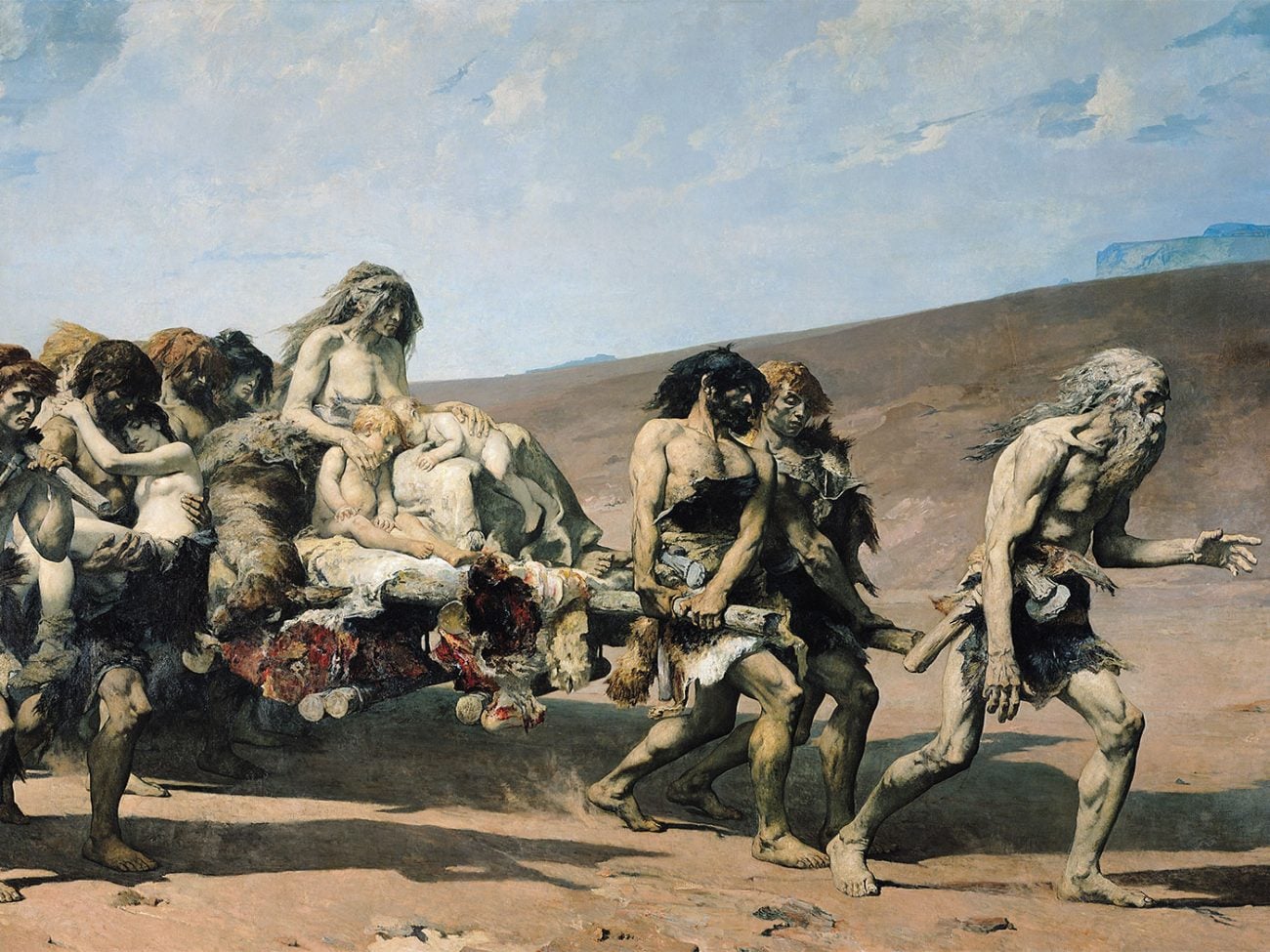
Beaux Arts Magazine analyzes Fernand Cormon's monumental 1880 painting "Caïn," currently held at the Musée d'Orsay. The article describes the scene: a prehistoric, weary clan trudges through a desert, led by a haggard patriarch, with a tired mother on a litter and hunters carrying game. Cormon's work is presented as the antithesis of classical triumph, evoking a melancholic, post-traumatic atmosphere. The painting is linked to the biblical story of Cain, who killed his brother Abel and was condemned to exile, and is accompanied by verses from Victor Hugo's poem "Conscience."

‘Moss & Freud’: Both Complaining and Explaining

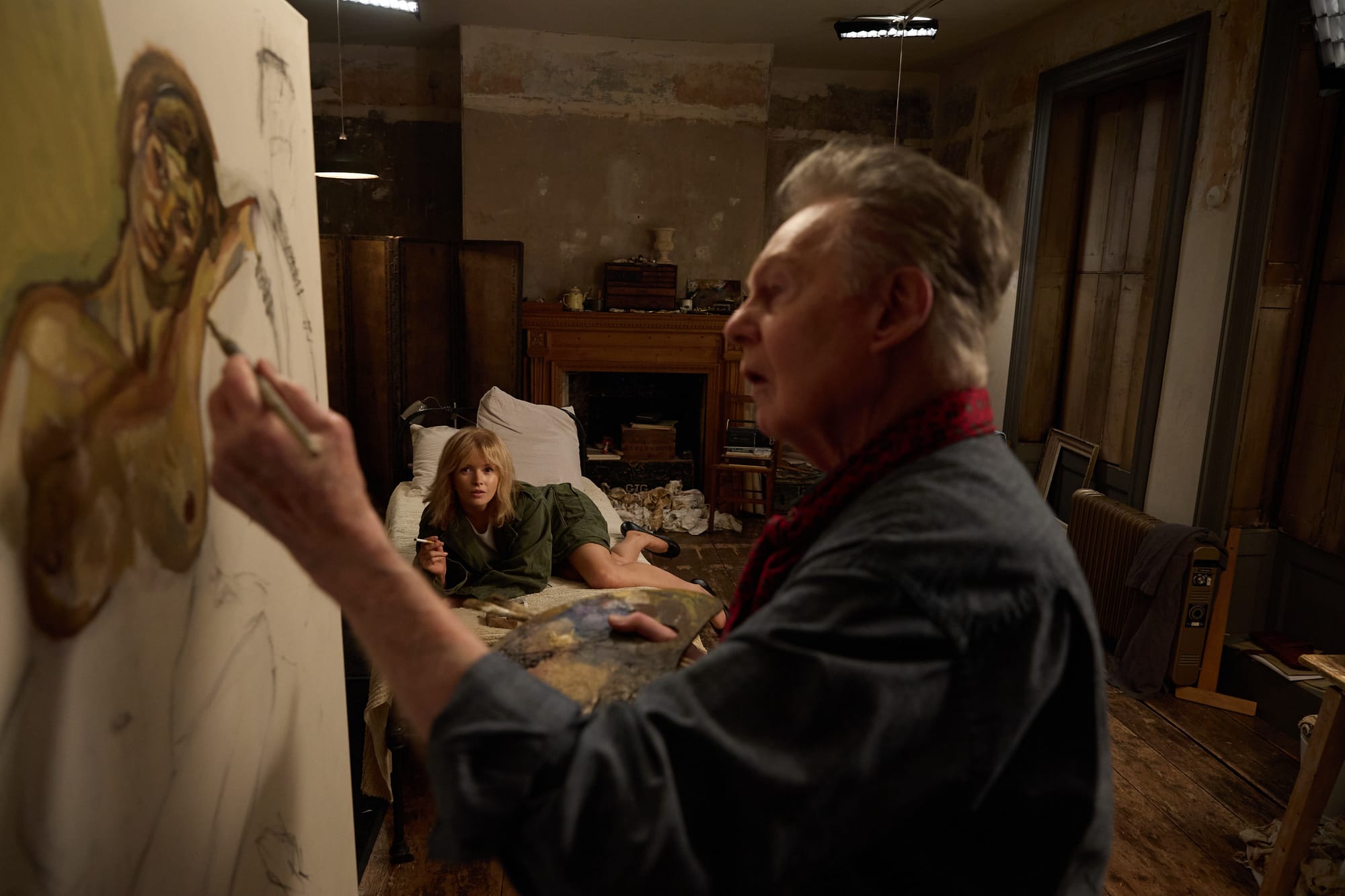
A new biopic titled *Moss & Freud*, directed by James Lucas and released in 2025, fictionalizes the creation of Lucian Freud's 2002 painting *Naked Portrait* of Kate Moss. The film stars Derek Jacobi as Freud and Ellie Bamber as Moss, and opens with the pair discussing art at the National Gallery in London. Critic Philippa Snow argues that the film fails to capture the real Moss, portraying her as frivolous and airheaded rather than the savvy, enigmatic icon she is known to be. Snow notes that Moss's lifelong reluctance to give interviews and her mantra 'never complain, never explain' have contributed to her mystique, which the film undermines by attempting to explain her behavior as trauma-driven.

Farm Equipment on the Lower East Side? Our Critic Investigates a Few Unexpected Art Shows

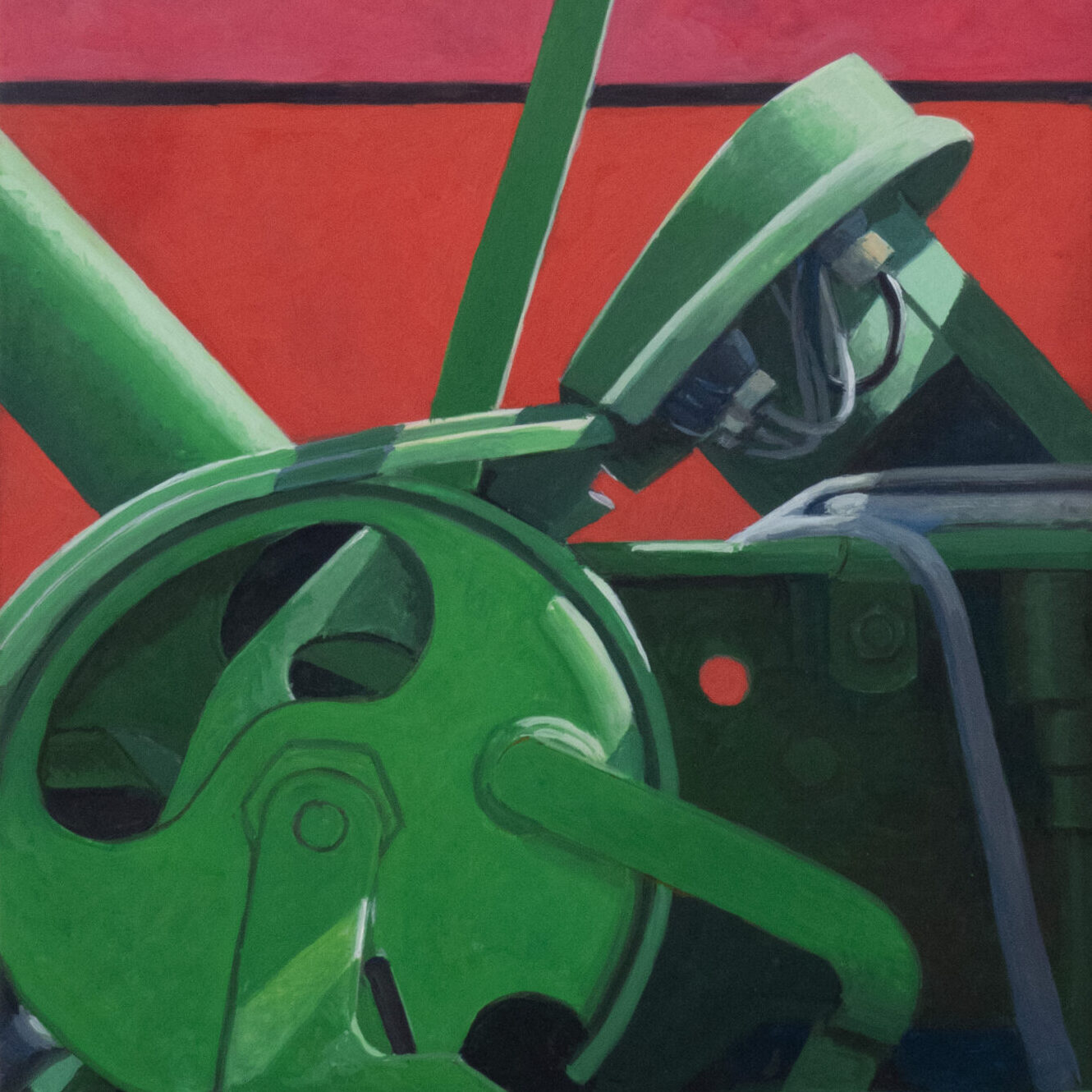
Art critic Emily Watlington investigates two unexpected exhibitions on New York's Lower East Side. At Hoffman Donahue gallery, Altoon Sultan presents 13 small egg tempera paintings of agricultural machinery on parchment-covered panels, zooming in on mechanical details with a luminous, almost devotional treatment of light. At Company gallery, Hayden Dunham's third solo show "NEVER IS OVER" transforms a dark basement into a multisensory installation with video projections, ambient whale sounds, and sculptural egg- or stone-shaped forms that evoke 1990s installation art.

Terry Winters review – flashes of magic in patterns science has yet to explain

Terry Winters presents eight new paintings at Modern Art in London, titled after geometric and mathematical terms like Area, Array, Field, and Locus. The works explore patterns inspired by botany, engineering, computer modeling, and cybernetics, using optical illusions and layered compositions to evoke natural and scientific systems. The review highlights how Winters' paintings create a push-pull effect through color and form, blending sensory pleasure with intellectual inquiry.

Nicola Florimbi’s Paintings Are Unsettling and Necessary

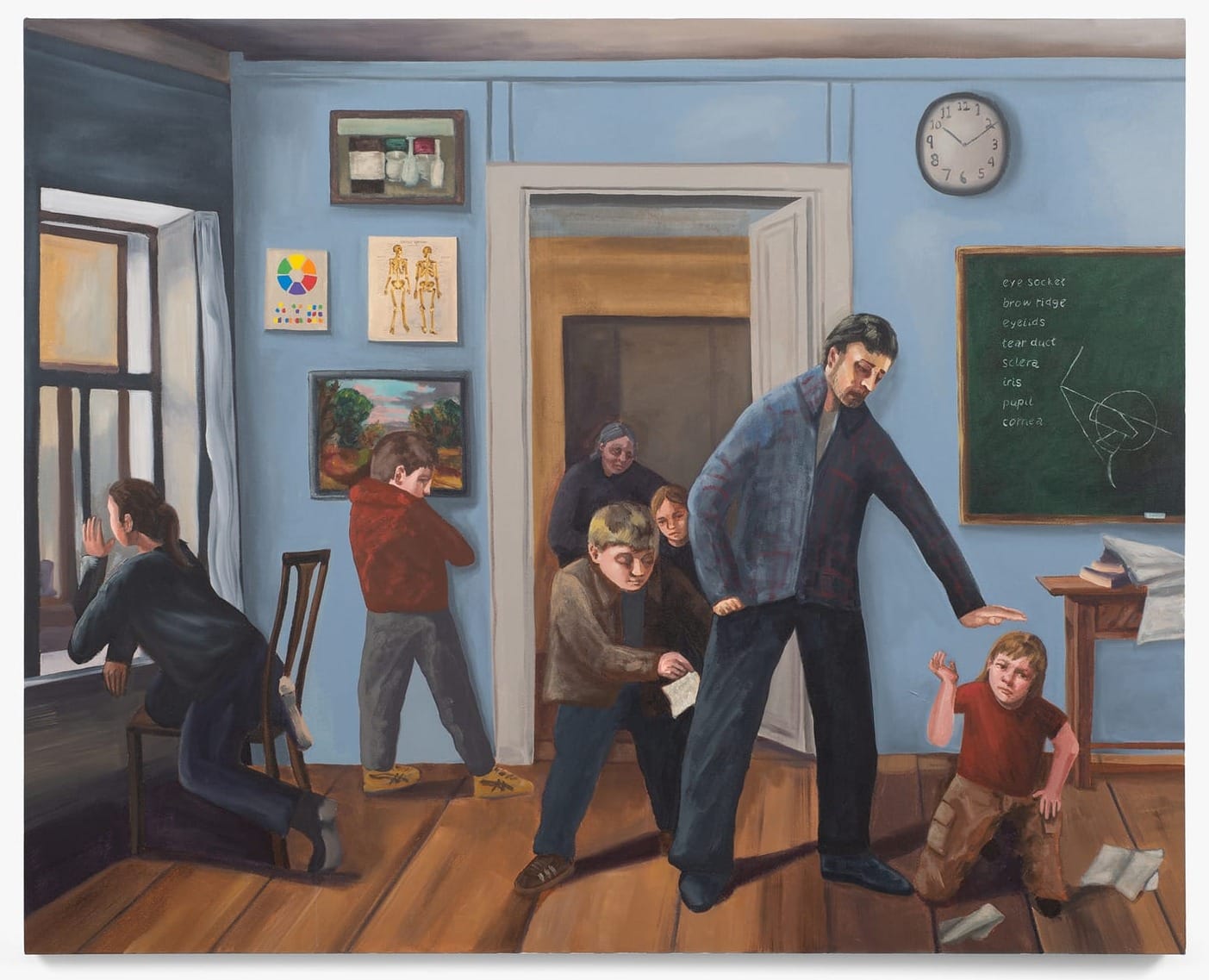
Hyperallergic reviews Nicola Florimbi's debut exhibition "Rooms" at Corbett vs. Dempsey in Chicago, featuring 10 acrylic paintings that depict individuals in ambiguous, theatrical interiors. The works reference Old Masters like Velázquez, Balthus, and Hopper, creating complex visual narratives that resist easy interpretation. Florimbi's figures—children and adults—interact in unsettling, stage-like settings that blend timelessness with contemporary unease.

Review: The Good, The Bad and The Venice Biennale

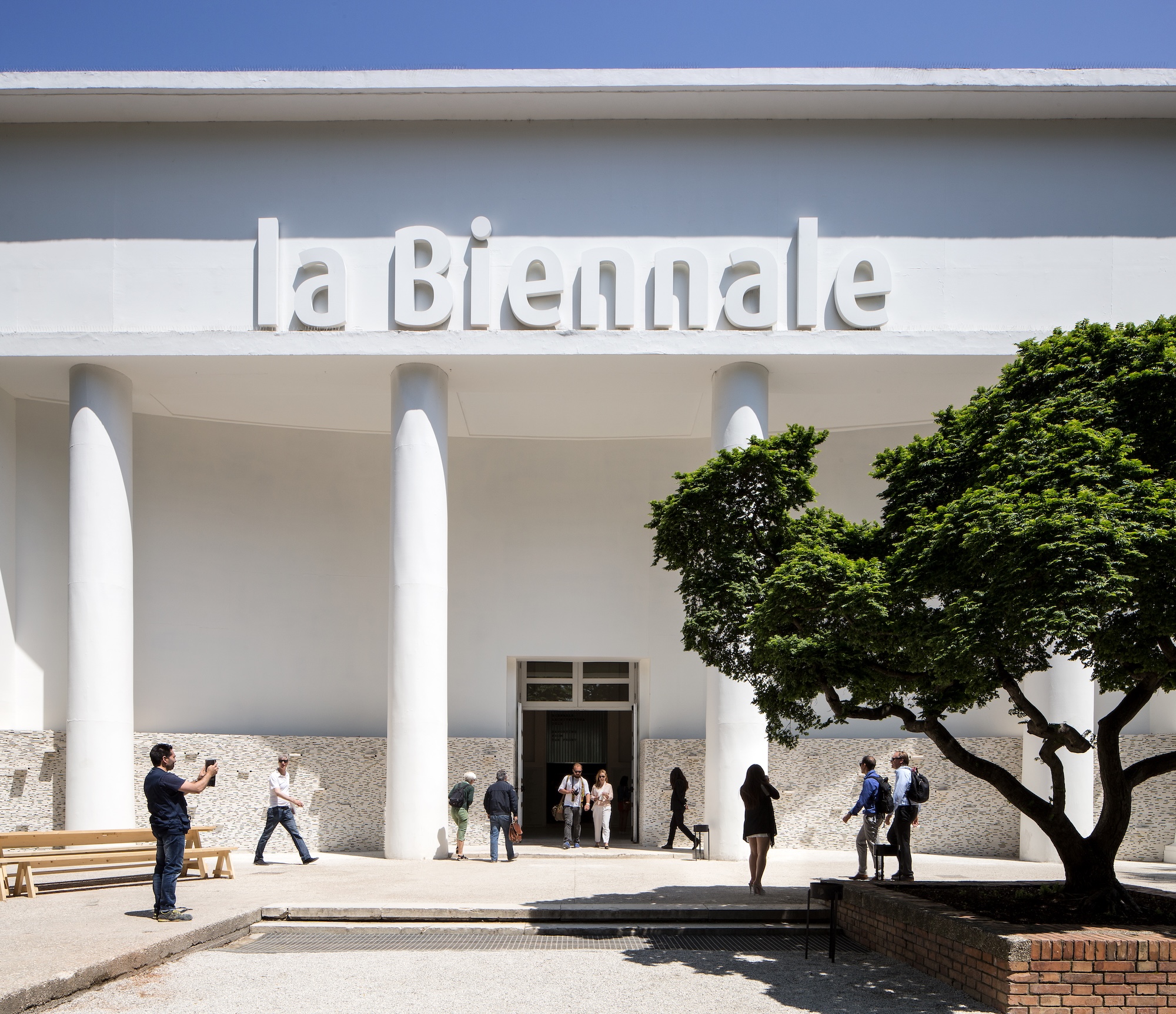
The article reviews the 2024 Venice Biennale, focusing on controversies over Russia's and Israel's participation. Protests erupted during opening week, leading the EU to cut funding and the International Jury to resign. As a result, awards like the Golden Lion and Silver Lion will be decided by public vote, with many pavilions and artists withdrawing in protest. The main exhibition, curated under the theme 'Minor Keys,' features standout works by Alfredo Jaar and Carrie Schneider, alongside national pavilions like Austria's provocative entry by Florentina Holzinger.

Portrait of a Papal Artist

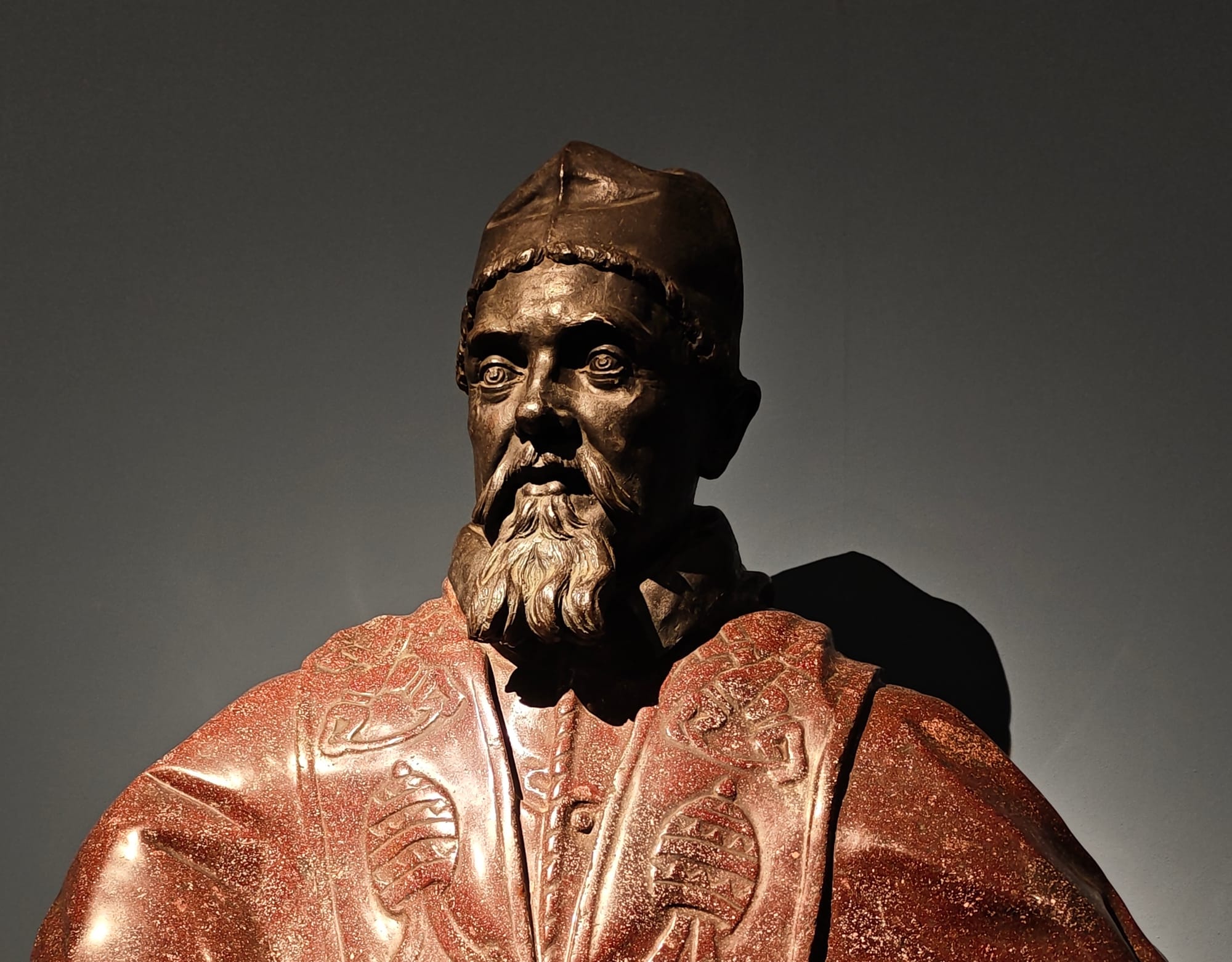
An exhibition at Palazzo Barberini in Rome, titled 'Bernini e i Barberini,' explores the relationship between Baroque sculptor and architect Gian Lorenzo Bernini and his most powerful patron, Pope Urban VIII Barberini. The show traces Bernini's artistic development, beginning with works by his father and teacher Pietro Bernini, and features key sculptures such as 'Saint Sebastian' (1617–18) and 'The Martyrdom of Saint Lawrence' (1616–17). However, the exhibition notably omits significant reference to Bernini's earlier sponsor, Cardinal Scipione Borghese, creating a misleading impression that the artist was purely a Barberini discovery.

The Black Photographers Who Exposed My Own Brainwashing

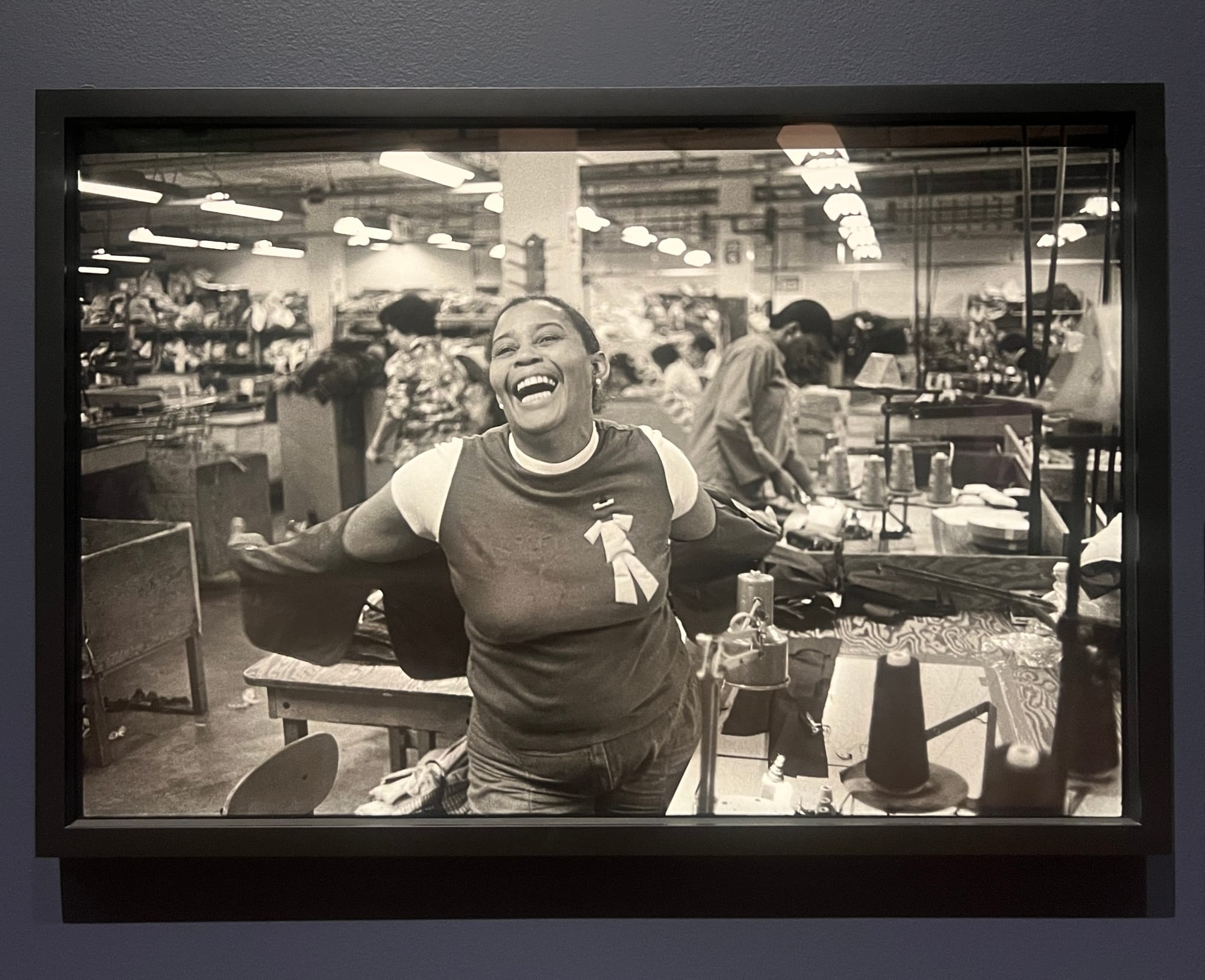
The article reviews "Photography and the Black Arts Movement, 1955–1985" at the Getty's West Pavilion in Los Angeles. The exhibition features over 200 photographs by Black photographers who documented and shaped the Black Arts Movement, including better-known figures like Gordon Parks and Carrie Mae Weems alongside numerous lesser-known artists. Organized into eight themes, the show explores how Black photographers reframed the Black American image through pride, beauty, strength, and artistic daring, emphasizing photography's power as evidence and a tool for liberation.

The Best Part of “Moss and Freud” Is When It’s Over

The article is a scathing film review of "Moss and Freud" (2025), a new movie directed by James Lucas that depicts the friendship between supermodel Kate Moss and painter Lucian Freud. The reviewer criticizes the film as shallow, exploitative, and predictable, noting that it glamorizes an artist-muse relationship without addressing darker realities like Moss's "Cocaine Kate" epithet or the power dynamics at play. The film stars Ellie Bamber as Moss and Derek Jacobi as Freud, and is described as a frivolous buddy film that revels in early aughts excess but lacks substance.

“In minor keys” è la mostra delle cuciture e della lentezza. Cosa funziona e cosa non funziona alla Biennale di Venezia

The article reviews "In minor keys," the main exhibition of the 61st Venice Biennale curated by Koyo Kouoh. It describes the show as an anti-white cube, anti-modernist display dominated by manual craftsmanship, textiles, and natural motifs, contrasting sharply with the previous edition curated by Adriano Pedrosa. The review notes the exhibition's cohesive character but criticizes certain works, such as Alfredo Jaar's installation, as jarring dissonances.

“In Minor Keys” Is the Biennale’s Crown Jewel

Hyperallergic's Editor-in-Chief Hakim Bishara reviews the main exhibition of the 2026 Venice Biennale, titled "In Minor Keys," calling it a triumph for the historically dispossessed and overlooked. The posthumous exhibition, curated by the late Koyo Kouoh, features 111 international artists and is described as a hymn to those who carry both melancholy and joy. Separately, Aruna d'Souza interviews Lebanese-born, Sydney-based artist Khaled Sabsabi, who was initially chosen for the Australian Pavilion but temporarily removed due to pressure from pro-Israel groups before being reinstated and also invited by Kouoh to participate in the main exhibition. The article also includes brief news items about a Swann auction, a Louvre jewel heist film adaptation, and a study on art museums slowing aging.

Mounting Rene Matić’s snapshots in Perspex isn’t really enough to make them interesting | Charlotte Jansen

Rene Matić, at 29, became the youngest winner of the £30,000 Deutsche Börse Photography Foundation prize, nominated for their solo exhibition "As Opposed to the Truth" at CCA Berlin. A smaller version of that show is now at the Photographers’ Gallery in London. Matić was also the youngest Turner Prize nominee last year. The article critiques Matić's work, praising their 2022 piece "Upon This Rock" for exploring masculinity, fatherhood, and British identity, but dismissing much of their other output—like the snapshot installation "Feelings Wheel"—as immature, mediocre, and reliant on display gimmicks rather than photographic substance.