filter_list Showing 13 results for "USC" close Clear
search
dashboard All 188 museum exhibitions 91trending_up market 35article news 17article culture 13article local 9gavel restitution 6rate_review review 5article policy 5person people 4candle obituary 3
date_range Range Today This Week This Month All
Subscribe

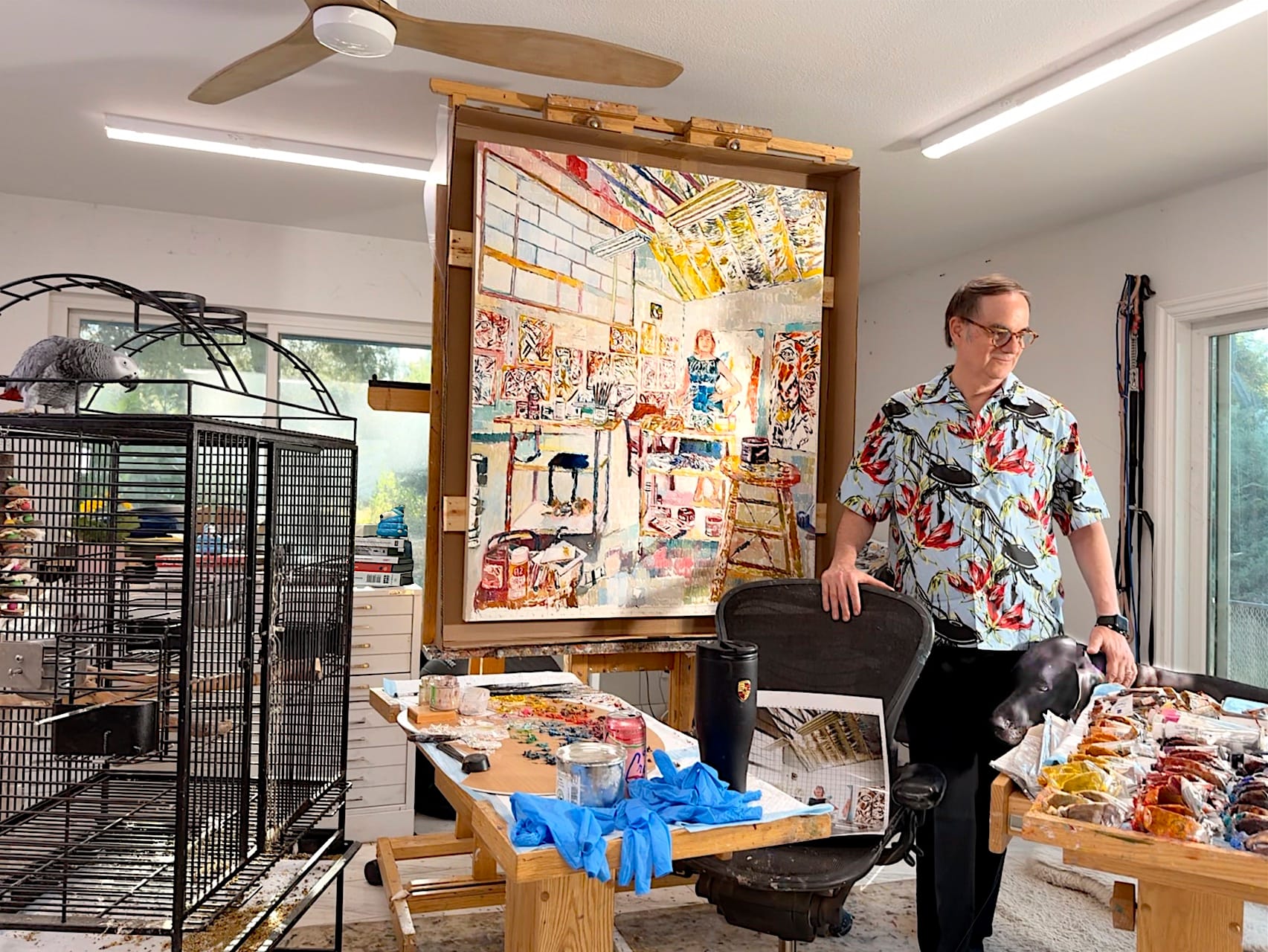
Beer With a Painter: Keith Mayerson

Hyperallergic interviews Los Angeles-based painter Keith Mayerson, who discusses his ongoing 'My American Dream' series—a cosmology of paintings blending American identity, activism, and popular culture. The conversation covers his early influences from comics, the Muppets, and Hunter S. Thompson, his transition from cartooning to painting, and his vibratory, swirling brushwork. Mayerson's work has been featured in the 2014 Whitney Biennial and is currently on view at the Aspen Art Museum and the Pollock-Krasner House.

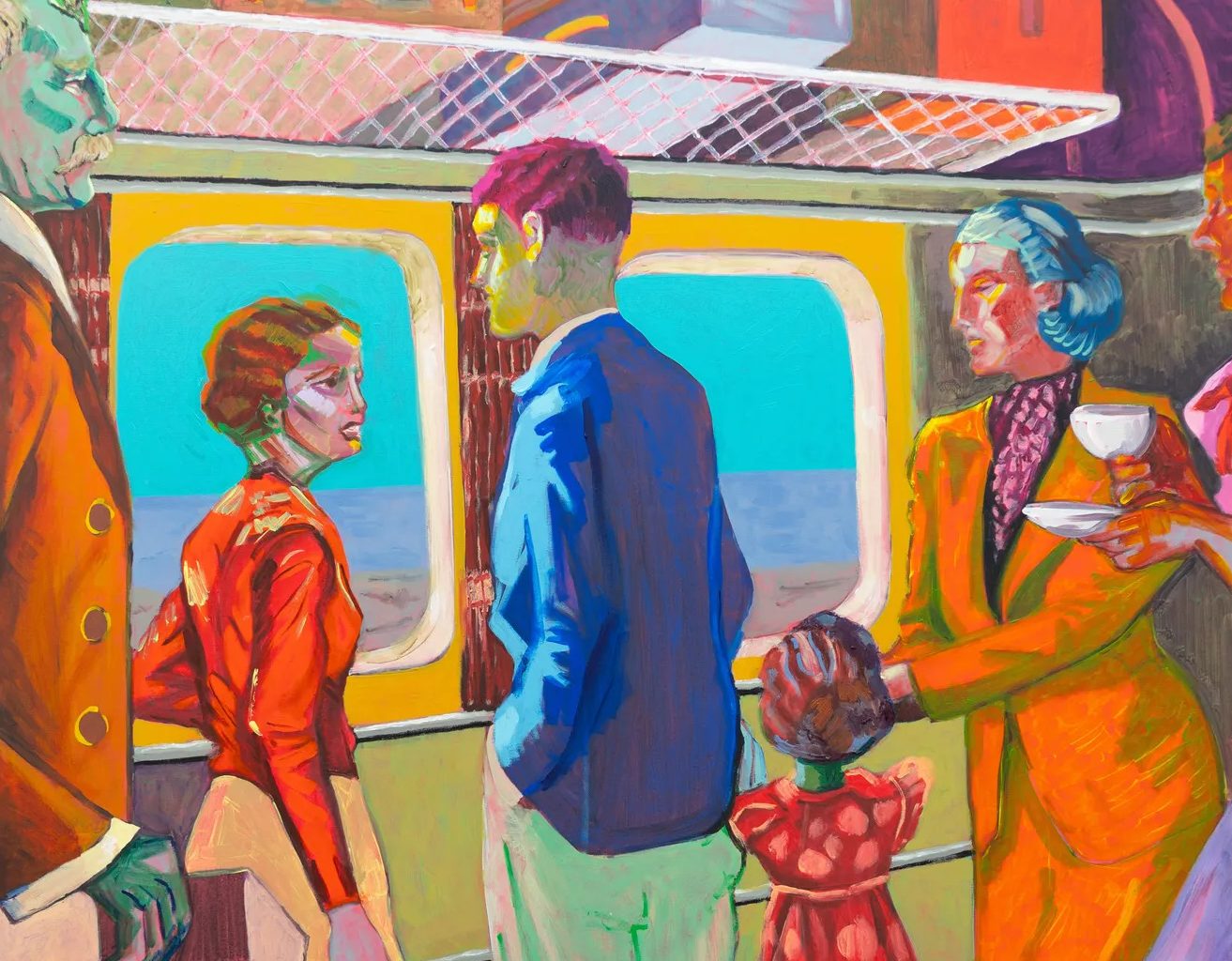
Expanded Vocabulary: Revisiting Deborah Kass’ Studio

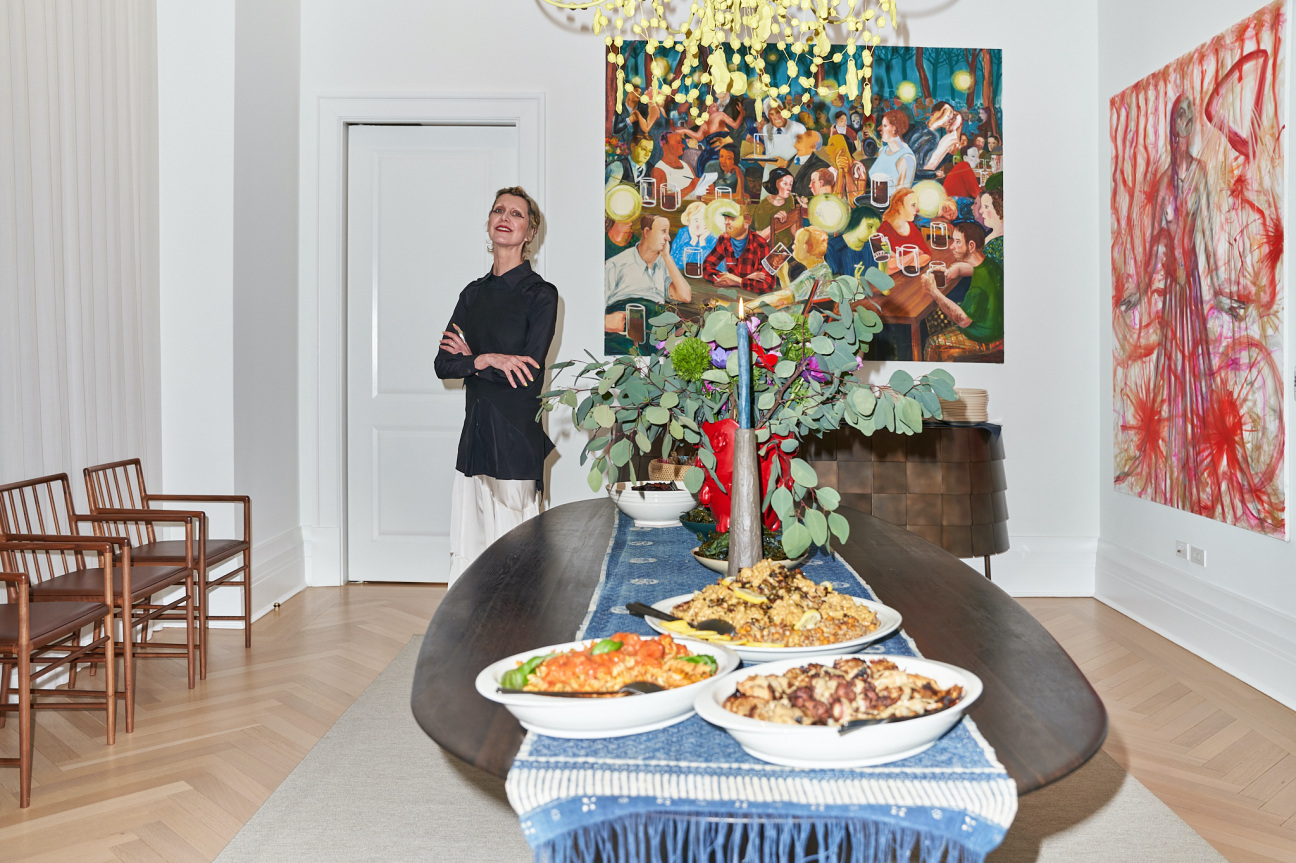
The article recounts the author's visit to Deborah Kass's Brooklyn studio, which she shares with her wife, artist Patricia Cronin. The visit was prompted by logistical issues related to the author's exhibition "Social Minimalism" (2025). During the visit, the author and Kass revisited themes central to Kass's work over three decades: the exclusion of women from art history, Jewish identity, queer voice, lesbian subjectivity, and postwar American art. The conversation also touched on Kass's series including the Warhol Project, Feel Good Paintings, No Kidding, and the large painting/sculpture installation "Everybody" (2019), which was recently featured in a conversation between Kass and Titus Kaphar in Interview magazine.

Archie Rand On the Irreducibility of Painting in a Post-Digital Age

Archie Rand, now in his late 70s, recently held his first extensive solo show in years at Jarvis Art in New York, featuring his new body of work titled "Heads." The exhibition reclaims painting's primordial function, emphasizing the connection between brain and hands, imagination and reality. Rand, who emerged from the downtown New York scene in the late 1970s and early '80s, has witnessed the full postwar evolution of American art. His career includes a pivotal synagogue mural commission that led to backlash from the Orthodox community and a break with critic Clement Greenberg, pushing him toward representational forms. He found allies in figures like Philip Guston and John Ashbery, and after his wife's death ten years ago, began reflecting on mortality and childhood influences.

Malo Chapuy Reimagines Medieval Art on the Cover of our New Talent Issue

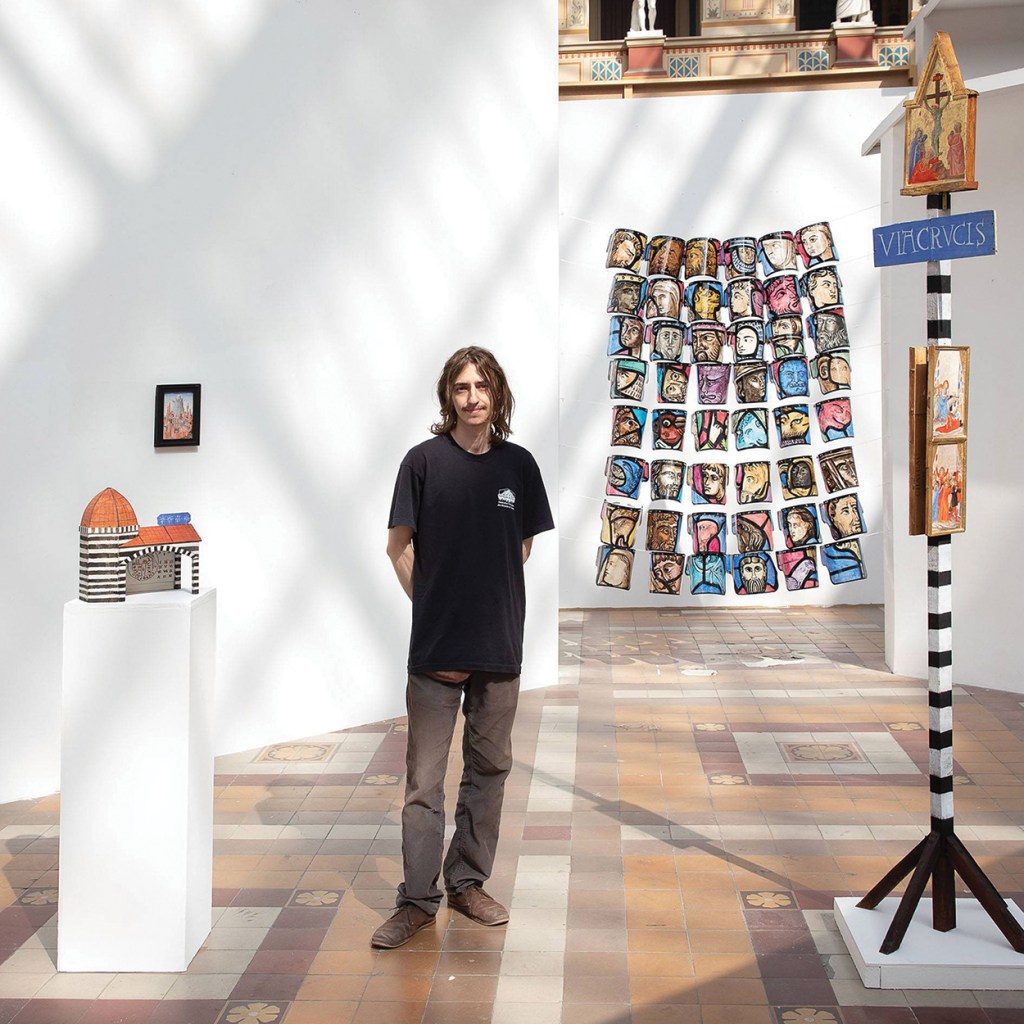
Malo Chapuy's painting *Virgin with Codex* (2025) appears on the cover of Art in America's new talent issue. In an interview from his Paris studio, Chapuy explains how he reinterprets medieval and early Renaissance Flemish painting by mixing its motifs with contemporary and sci-fi elements, such as gothic cathedral spaceships and QR codes designed to function like medieval manuscripts for future postapocalyptic monks. He describes his process as making "forgeries," using traditional techniques like oil on wood panels, homemade lead white, and self-carved frames to mimic aged Old Master works while addressing themes of ecological collapse, apocalyptic anxiety, and planetary exile.

Who’s The Next Obsession? 12 European Collectors Reveal How They Discover New Talent

Cultured magazine asked 12 European collectors how they discover new talent, timed to the 61st Venice Biennale. Collectors like Nicole Saikalis Bay, Amélie du Chalard, Belma Gaudio, and Laurent Asscher share their personal approaches—ranging from emotional resonance and dialogue with existing works to long-term obsession with an artist before acquiring a piece. The responses reveal a diversity of methods, from instinct-driven buying to conceptual and technical evaluation.

Basquiat’s Former Dealer on the Making of an Art World Icon

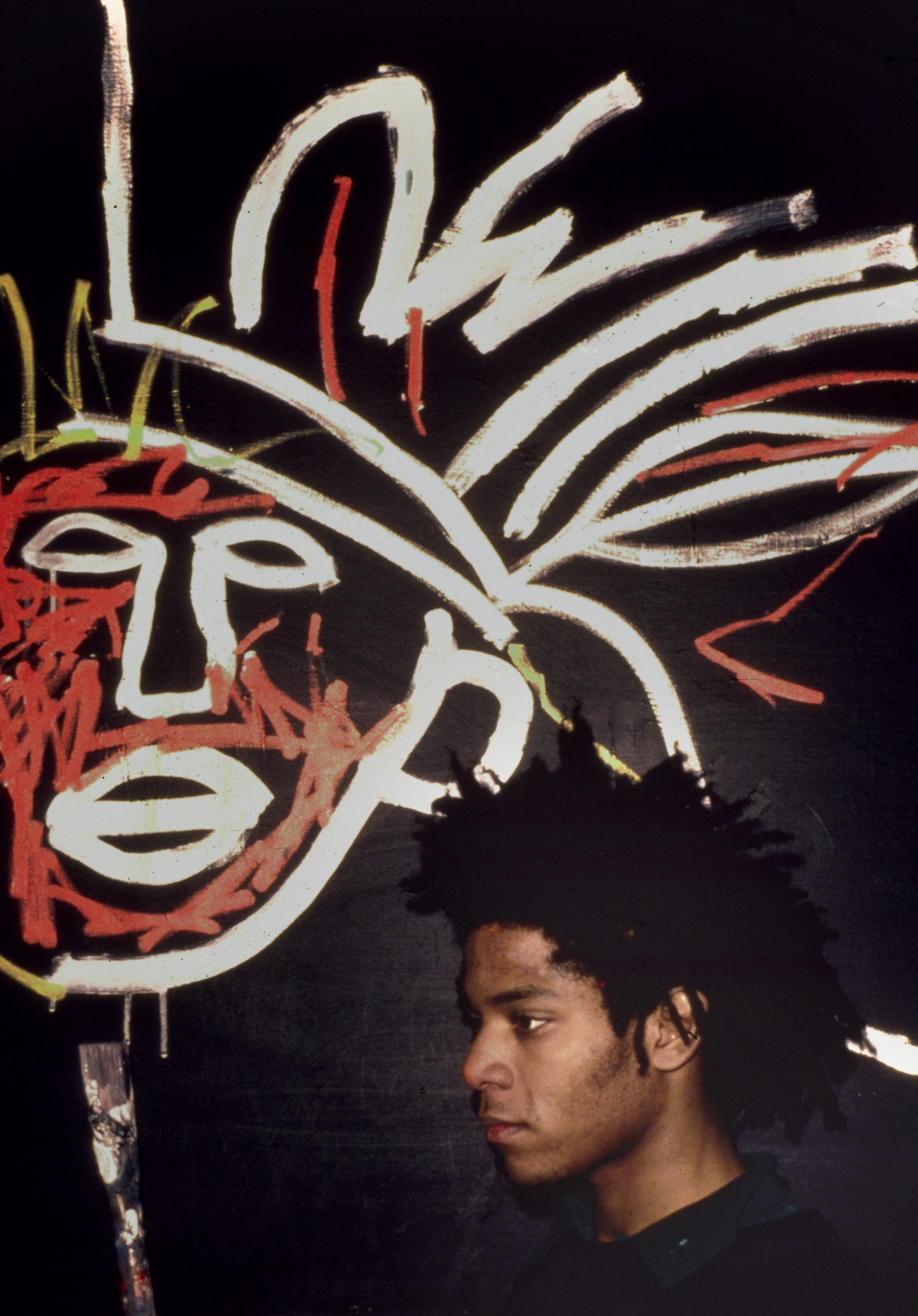
Bruno Bischofberger, who served as Jean-Michel Basquiat's exclusive worldwide dealer from 1982 until the artist's death in 1988, reflects on Basquiat's life and legacy in an excerpt from the forthcoming book *Basquiat: The World of Jean-Michel*, published by Assouline. Bischofberger contrasts Basquiat's raw, politically charged approach with Andy Warhol's detached, commercial style, and recounts personal memories of Basquiat's visits to Switzerland, where he absorbed everything from visual art to folk art and design.

The controversy raised by Timothée Chalamet has made us reflect on the fragility of culture

« La controverse soulevée par Timothée Chalamet a eu le mérite de nous faire réfléchir à la fragilité de la culture »

Timothée Chalamet, l'acteur franco-américain, a suscité une controverse en déclarant qu'il ne souhaitait pas travailler dans le ballet ou l'opéra, qualifiant ces disciplines de "trucs où c'est genre : 'Hé, continuez à faire tourner ça, même si plus personne n'en a rien à faire.'" Ses propos, tenus alors qu'il était en lice pour l'Oscar du meilleur acteur, ont provoqué des réactions dans le monde culturel, notamment dans le magazine Art Review, où Will Ferreira Dyke a défendu la pérennité du ballet et de l'opéra, arguant qu'ils survivraient aux attaques des "chalametistes". L'article relie cette polémique à la fragilité de la culture face aux coupes budgétaires, évoquant les demandes de Donald Trump pour augmenter le budget militaire américain au détriment de l'éducation, de la santé et de l'environnement.

Required Reading

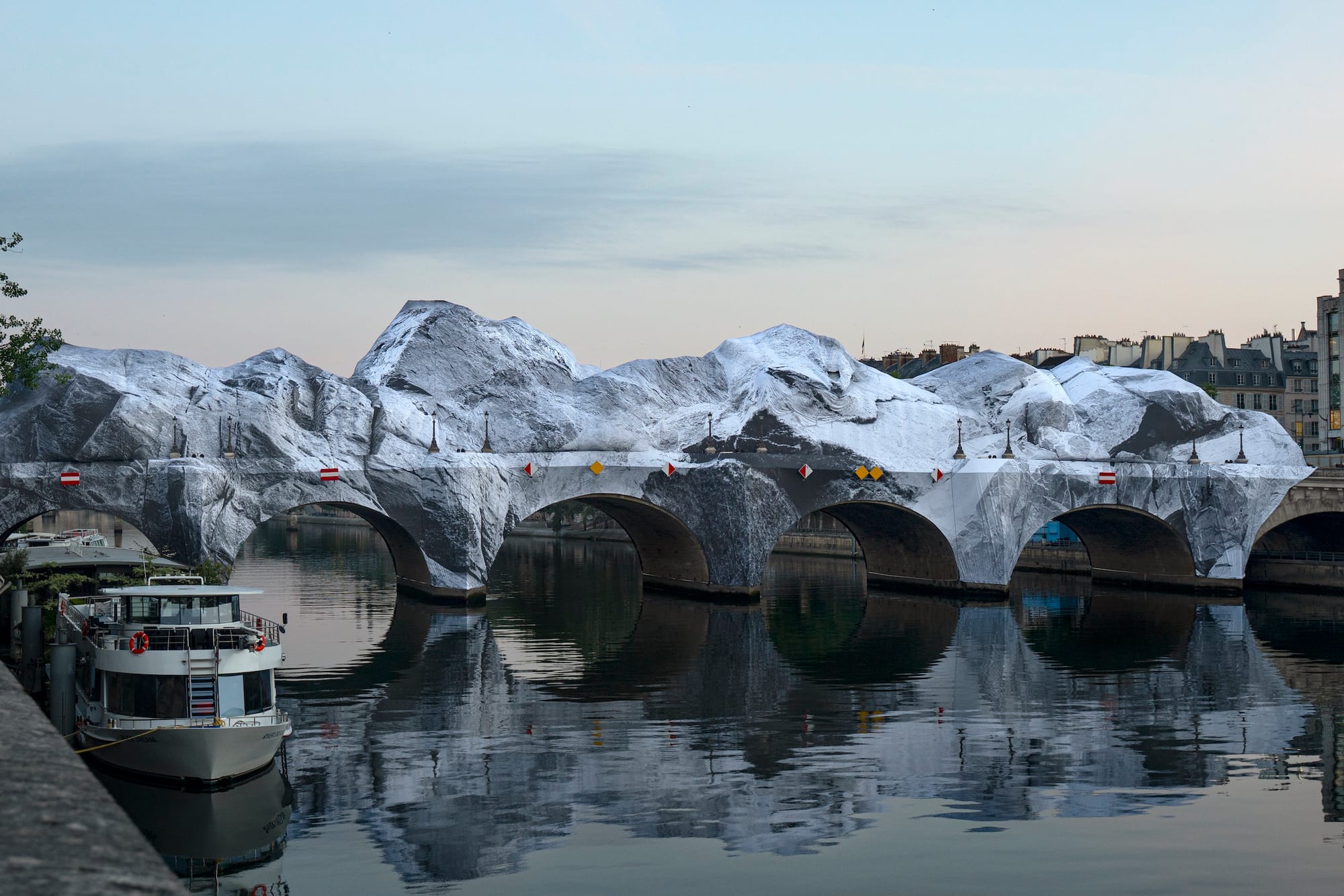
This week's Required Reading roundup from Hyperallergic covers a diverse range of art-world stories. French photographer JR has unveiled "La Caverne du Pont Neuf Paris" (2026), an optical illusion installation that transforms the pathway across the Seine into a black-and-white mountain range cave, paying homage to Christo and Jeanne-Claude's 1985 wrapping of the same bridge. Other highlights include architecture scholar Karrie Jacobs investigating a New York waterfront walking initiative for The Nation, curator Tara Contractor writing in Apollo about James McNeill Whistler's use of metallic pigments influenced by Japanese traditions, and Rob Corsini interviewing Amelia Abraham about their new book celebrating photography of queer nightlife for Dazed.

Why We Need Corporate Art Collections

The article traces the history and significance of corporate art collections, beginning with Deutsche Bank's acquisition of 57 early drawings by Joseph Beuys in the late 1970s, which led to the formal launch of its collection in 1980. Today, the Deutsche Bank Collection comprises over 57,000 objects displayed in 500 locations across 40 countries, and the bank sponsors events like the Frieze Art Fair. The piece also highlights the role of American banker David Rockefeller, who inaugurated Chase Manhattan Bank's Art at Work program in 1959, and notes that corporate collecting has deep roots in Renaissance banking, with institutions like Banca Monte dei Paschi di Siena commissioning art for their offices.

Two photographers tried to tell Tuscany beyond the usual clichés

Due fotografi hanno provato a raccontare la Toscana oltre i soliti cliché

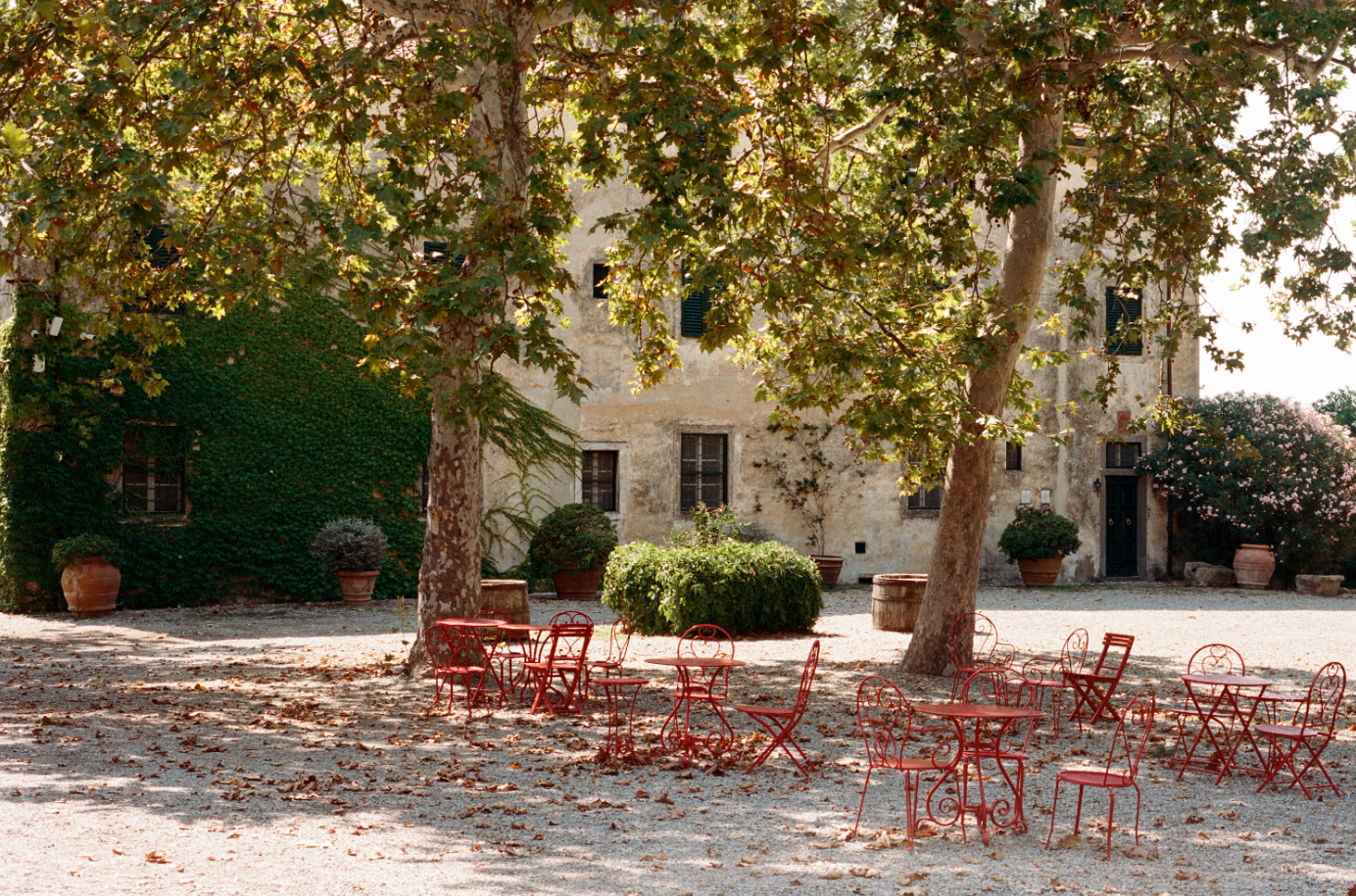
The article profiles photographers Gioconda Rafanelli and August Kaciuruba, who are contributing to the "How Italy Feels" project curated by Marina Serena Cacciapuoti and Cesare Cacciapuoti of Italy Segreta. The project involves twenty local photographers capturing Italy beyond stereotypes. In the Tuscany chapter, Rafanelli and Kaciuruba present a lived, off-duty vision of the region, blending fashion, architecture, and cinematic influences. They discuss their collaborative process, their shared gaze, and how their work shifts between the fast pace of Milan and the slower rhythms of Tuscany, drawing inspiration from filmmakers like Wong Kar-wai, Stanley Kubrick, Luchino Visconti, and Michelangelo Antonioni.

The new TAILOR newsletter is coming out: luxury crisis, new creative generations, and mental health (subscribe!)

Sta per uscire la nuova newsletter TAILOR tra crisi del lusso, nuove generazioni creative e salute mentale (abbonatevi!)

Artribune has launched a new edition of its newsletter TAILOR, which examines the transformation of the global fashion system amid a luxury crisis, the rise of new creative generations, and the growing structural importance of mental health in the industry. The newsletter features a focus on five emerging designers shifting fashion from product to narrative, an exclusive interview with influential stylist Tom Eerebout, and the debut in Italy of the project "One Person. One Voice" as part of the Mental Health in Fashion campaign, created by Florian Müller with artist Claudia Malecka.

The first of May starts a new issue of Pax. Previews of the newsletter on cultural tourism (subscribe)

Il primo maggio parte una nuova uscita di Pax. Le anticipazioni della newsletter sul turismo culturale (abbonatevi)

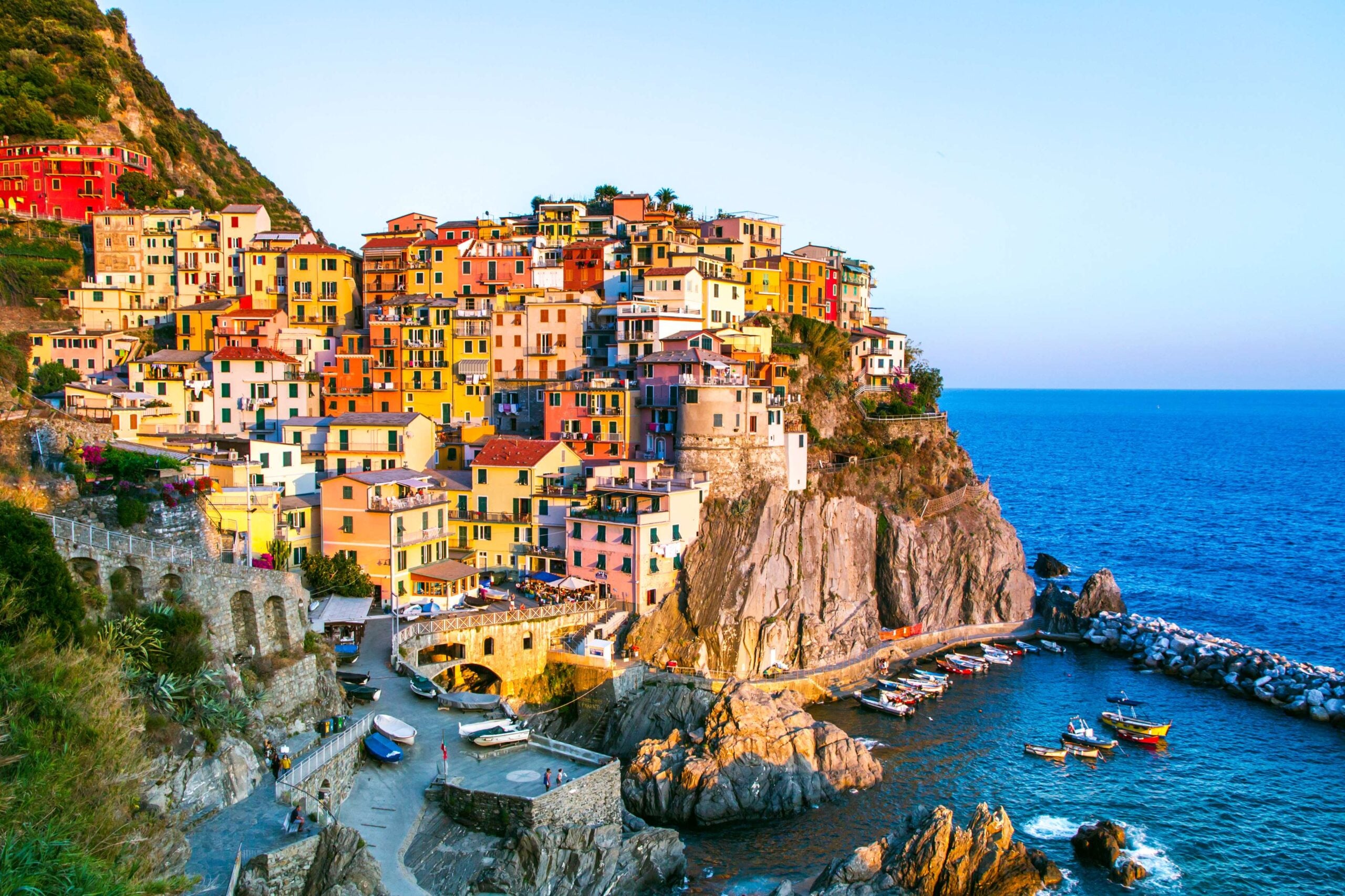
The article previews the upcoming May 1st issue of Pax, a newsletter by Artribune focused on cultural tourism. It highlights a feature on Italy's colorful villages, explaining how bright colors historically aided sailors and fishermen, and how white facades served hygienic purposes. The issue also covers off-the-beaten-path destinations like Bolsena, which recently opened a contemporary art space in Palazzo Cozza Caposavi, and explores slow tourism practices such as barefooting, discussed with its founder Andrea Bianchi. Additional content includes a roundup of cultural initiatives from Berlin to Naples, Budapest's Citadella reopening, and the Sussex forest's Winnie-the-Pooh centenary.

Should the Auschwitz commandant’s house be hosting exhibitions?

The Counter Extremism Project has acquired the former home of Rudolf Höss, the commandant of Auschwitz, and is now using it to host exhibitions. The current show features the work of a Nazi ornithologist, raising complex and unsettling questions about the ethics of displaying art in a site so deeply tied to the Holocaust.