filter_list Showing 9 results for "Unit" close Clear
dashboard All 392 museum exhibitions 173article local 168article news 15article culture 9person people 7trending_up market 6article policy 6rate_review review 4candle obituary 3gavel restitution 1
date_range Range Today This Week This Month All
Subscribe

Can Art Feel?

Hyperallergic's newsletter explores the question of whether artworks can possess personhood, drawing on Lisa Siraganian's essay that references the 2010 Citizens United Supreme Court decision and Pierre Huyghe's uncanny human statues. Other featured pieces include Ed Simon's review of Elizabeth Goldring's new book on Hans Holbein the Younger, Michael Glover's introduction to George Stubbs's equine portraits at the National Gallery in London, and news of a historic $116M gift to the National Gallery of Art for an artwork lending program. The newsletter also covers Byron Kim's exhibition at James Cohan Gallery, the new V&A East museum in London, and obituaries for Desmond Morris, James Hayward, and Flo Oy Wong.
A View From the Easel

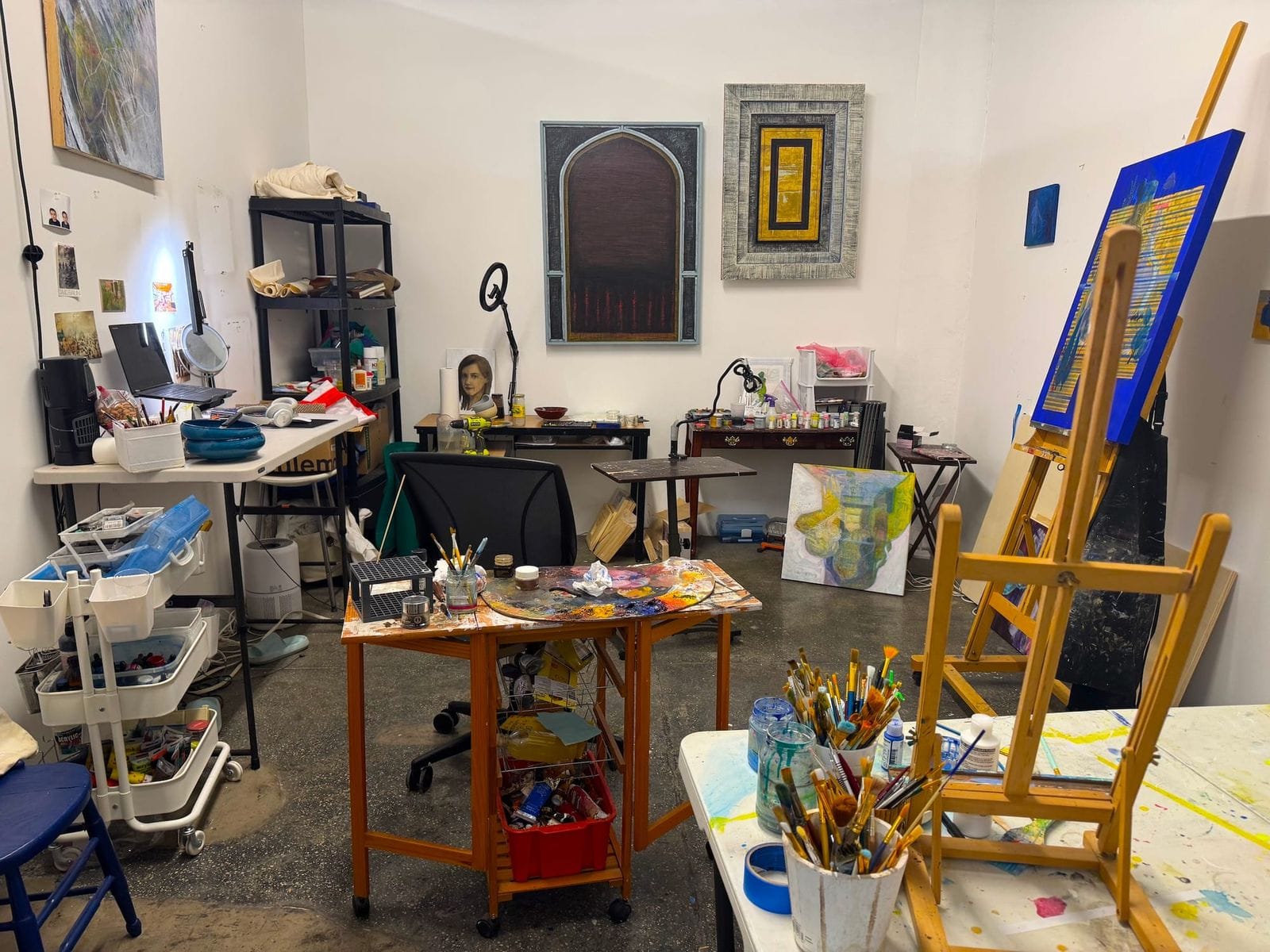
New Jersey-based artist Hadieh Afshani is featured in the 334th installment of Hyperallergic's 'A View From the Easel' series, which profiles artists in their workspaces. Afshani describes her studio practice at Mana Contemporary in Jersey City, where she balances her art with caring for her baby, working around his feeding and sleeping rhythms. She emphasizes the importance of natural light, a sink for fluid processes, and the supportive community of fellow artists and mothers.

‘They tore up everything’: the wolf hunters of Kyrgyzstan – in pictures

Photographer Luke Oppenheimer traveled to the remote Kyrgyz village of Ottuk in 2021 for a short assignment on wolves preying on livestock, but ended up staying for four years. His project, titled 'Ottuk' and published by Aliens in Residence, documents the lives of shepherds who hunt wolves to protect their herds in the Tien Shan mountains, capturing their ancient way of life, harsh winters, and the legends that shape their community.

An artist told the incredible story of a Calabrian village that no longer exists. The interview

Un artista ha raccontato l’incredibile storia di un borgo della Calabria che non c’è più. L’intervista

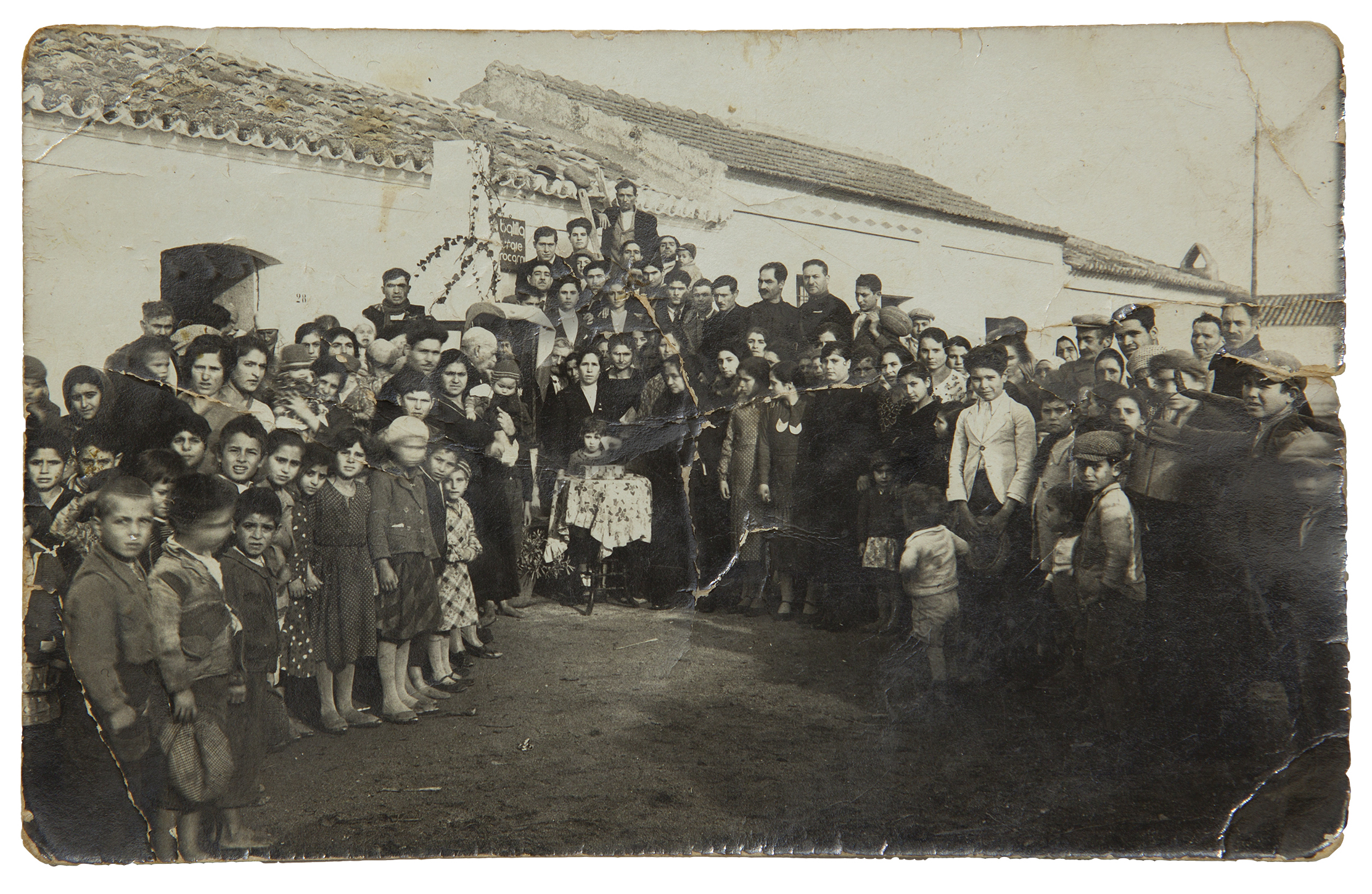
Italian artist Martin Errichiello has created [campanamuta], a six-part audio work broadcast on RAI Radio 3's Zazà program in late 2025 and now available on RaiPlay Sound. The piece tells the story of Eranova, a farming community founded in 1896 near Reggio Calabria that was destroyed by 1980 after the Christian Democratic party planned—but never built—a steel center on its land, now the site of the Port of Gioia Tauro. Errichiello weaves together interviews with former residents and his own original texts, using non-linear narration to explore the village's utopian origins and forced disappearance.

“Yellow Letters”: arte e politica, libertà e censura nel nuovo film di İlker Çatak

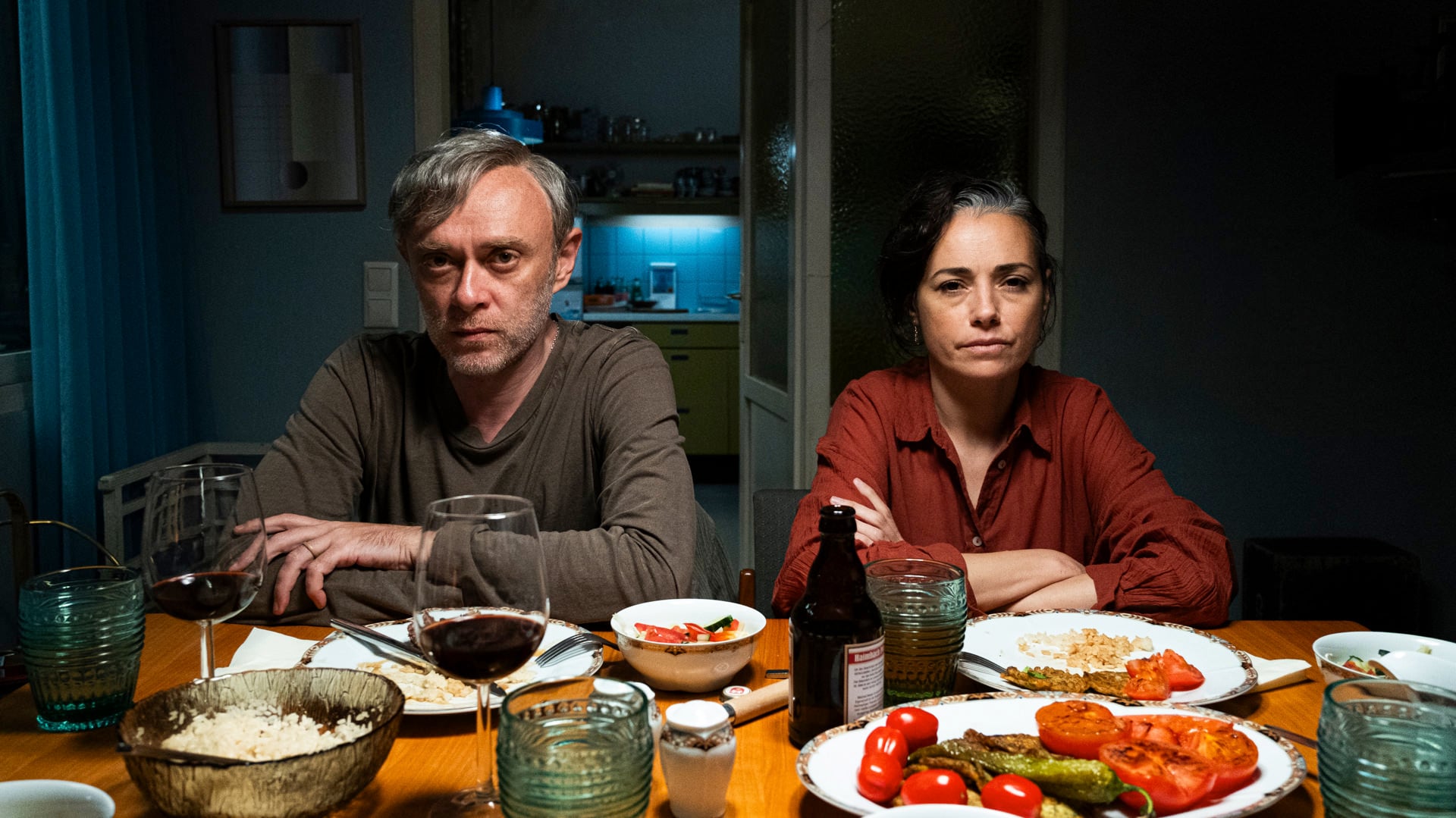
Ilker Çatak's fifth film, "Yellow Letters," premieres on April 30, 2026, distributed by Lucky Red. The story follows Derya and Aziz, a Turkish artist couple whose lives unravel after Aziz, a professor at Ankara University, receives a "yellow letter" terminating his employment. The film, inspired by post-2016 coup purges in Turkey, shifts to Berlin and Hamburg, where the director deliberately avoids mimicking Turkish locations, instead using explicit captions like "Berlin as Ankara" to create a Brechtian alienation effect. Çatak explores how arbitrary state repression fractures personal relationships and moral boundaries, drawing on interviews with artists who faced unjust dismissals.

GEORGE FEBRES: TRANSLATION, IRONY, AND LIBERATION. AN ECUADORIAN ARTIST IN THE DIASPORA

The article examines the life and work of George Febres (1943–1996), an Ecuadorian artist who spent most of his career in the United States, primarily in New Orleans. Febres’s practice blends Pop Art, Neo-Surrealism, and Southern US culture with his experiences as a migrant and queer subject, using bilingualism and ironic tropical imagery to create a hybrid, irreverent body of work. Despite his significance, no works by Febres exist in Ecuadorian public collections, and no major retrospective has been held in his home country, reflecting a broader erasure of queer narratives from national art history.

GEORGE FEBRES: TRADUCCIÓN, IRONÍA Y LIBERACIÓN. UN ARTISTA ECUATORIANO EN LA DIÁSPORA

George Febres (Guayaquil, 1943 – New Orleans, 1996) was an Ecuadorian artist whose work blended pop art, neo-surrealism, and Southern U.S. culture, shaped by his experience as a migrant and queer individual. The article traces his life from a privileged but unstable childhood in Ecuador to his migration to the United States, where he was drafted during the Vietnam War and eventually settled in New Orleans. Febres used bilingualism and ironic appropriation of tropical imagery to create a hybrid, irreverent body of work that challenges the official historiography of Ecuadorian art.

The first of May starts a new issue of Pax. Previews of the newsletter on cultural tourism (subscribe)

Il primo maggio parte una nuova uscita di Pax. Le anticipazioni della newsletter sul turismo culturale (abbonatevi)

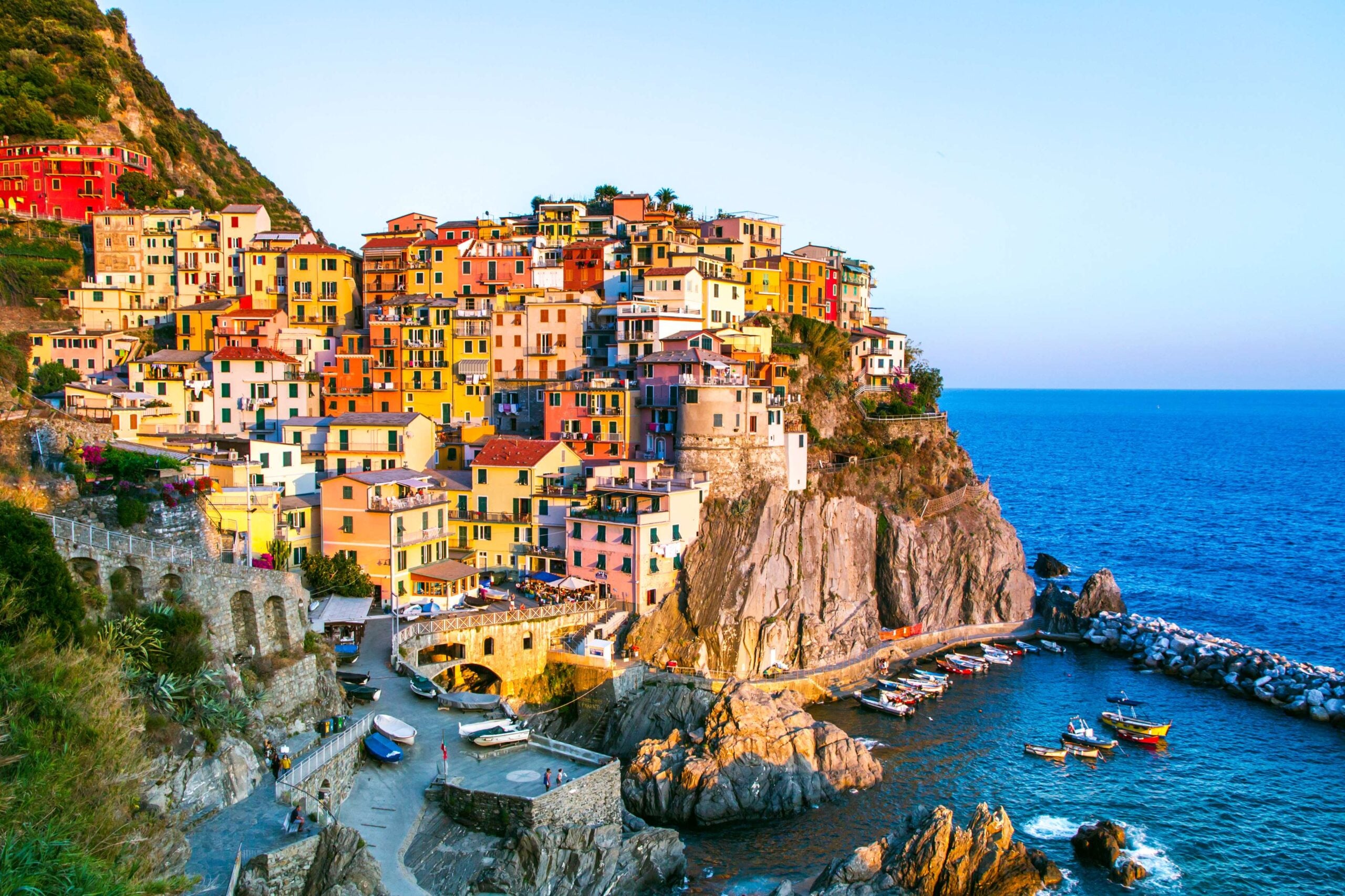
The article previews the upcoming May 1st issue of Pax, a newsletter by Artribune focused on cultural tourism. It highlights a feature on Italy's colorful villages, explaining how bright colors historically aided sailors and fishermen, and how white facades served hygienic purposes. The issue also covers off-the-beaten-path destinations like Bolsena, which recently opened a contemporary art space in Palazzo Cozza Caposavi, and explores slow tourism practices such as barefooting, discussed with its founder Andrea Bianchi. Additional content includes a roundup of cultural initiatives from Berlin to Naples, Budapest's Citadella reopening, and the Sussex forest's Winnie-the-Pooh centenary.

Linocuts by Eduardo Robledo Celebrate Mexican Heritage and Community

Eduardo Robledo, a Mexico City-based artist from Xochimilco, creates detailed linocuts that celebrate Mexican heritage, community, and spiritual motifs. His work features traditional symbols like skulls, skeletons, and Sacred Hearts alongside regional animals and cultural references such as Xochimilco's canal boats. Robledo also engages in social activism through printmaking, viewing it as a democratic medium for spreading messages about causes he supports. His prints are available at Hecho a Mano in Santa Fe, and he co-founded Lugar de Huida, a gallery in Mexico City that highlights Mexican printmakers.