filter_list Showing 6 results for "Venice Biennale 2026" close Clear
search
dashboard All 384 museum exhibitions 254article news 88rate_review review 19trending_up market 7person people 6article culture 6article policy 2article local 1candle obituary 1
date_range Range Today This Week This Month All
Subscribe

7 Books We’re Looking Forward to in May

ARTnews has published a list of seven art books to look forward to in May 2026, covering a wide range of topics from contemporary theory and AI imagery to historical biographies and the Venice Biennale. Featured titles include Dena Yago's collected writings 'That Figures,' Victoria Johnson's biography of Frederic Church 'Glorious Country,' Trevor Paglen's 'How to See Like a Machine,' Nicholas Fox Weber's 'Anni Albers: A Life,' Massimiliano Gioni's 'High Waters: An Oral History of the Venice Biennale,' Rennie McDougall's 'Nonstop Bodies: How Dance Shaped New York City,' and Paul Elie's 'Last Supper: Art, Faith, Sex and Controversy in the 1980s.'
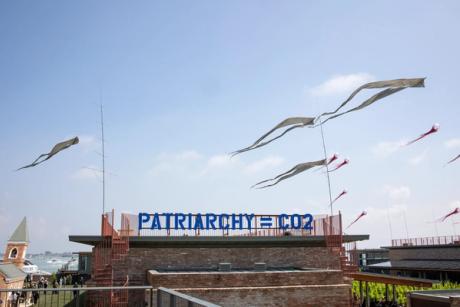
Boats and trains, not planes: reflections on a greener—but sometimes greenwashed—Venice Biennale

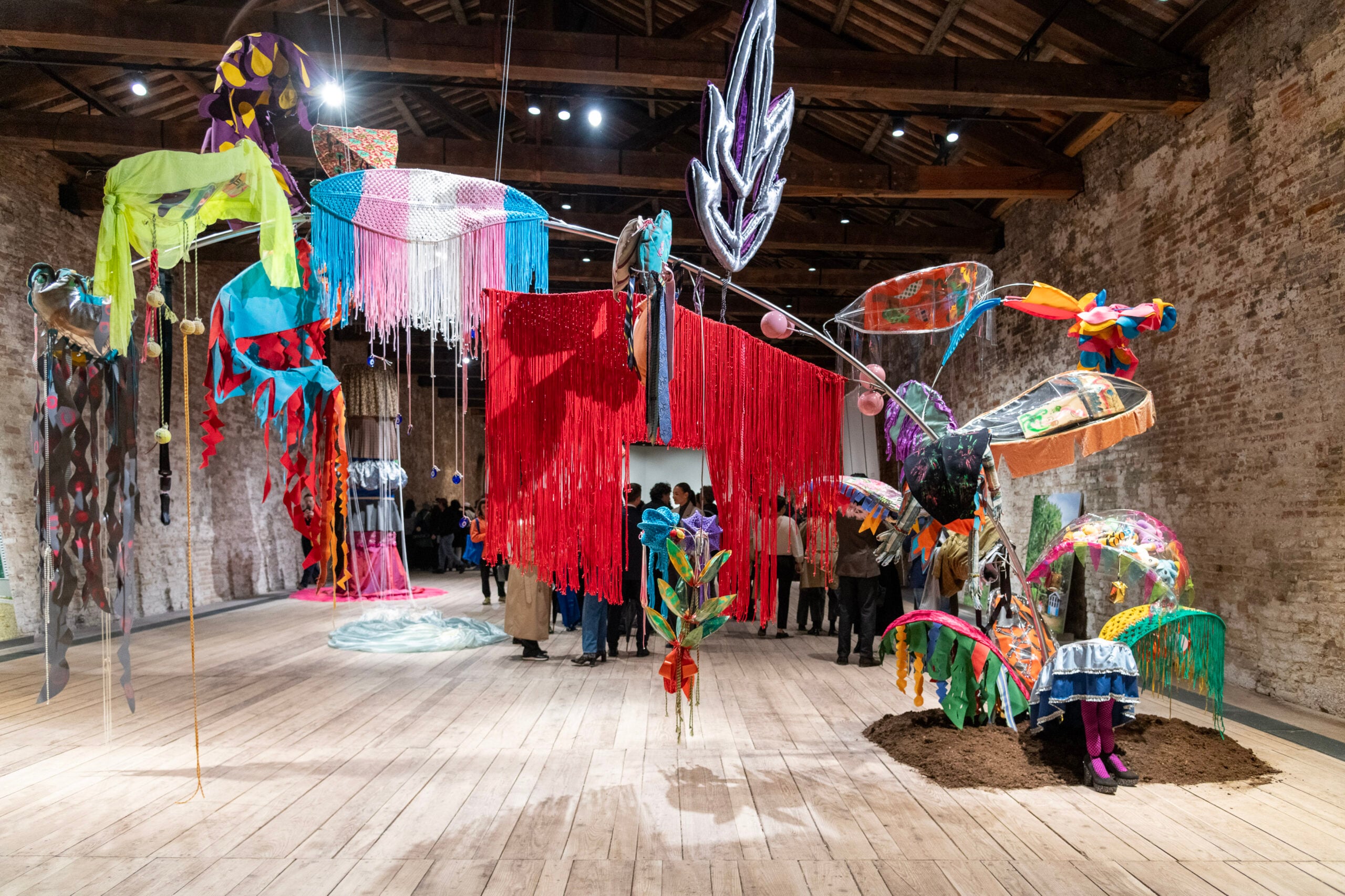
The article recounts the author's train journey from London to Venice for the 61st Venice Biennale, highlighting the environmental benefits and pleasant experience of traveling by rail versus flying, despite higher costs and longer duration. It then focuses on the Biennale's central exhibition "In Minor Keys" curated by the late Koyo Kouoh, which foregrounds environmental themes through works that engage with earth, nature, and ecological stakes, featuring artists like Otobong Nkanga, Célia Vasquez Yui, Theo Eshetu, Linda Goode Bryant, and Annalee Davis.

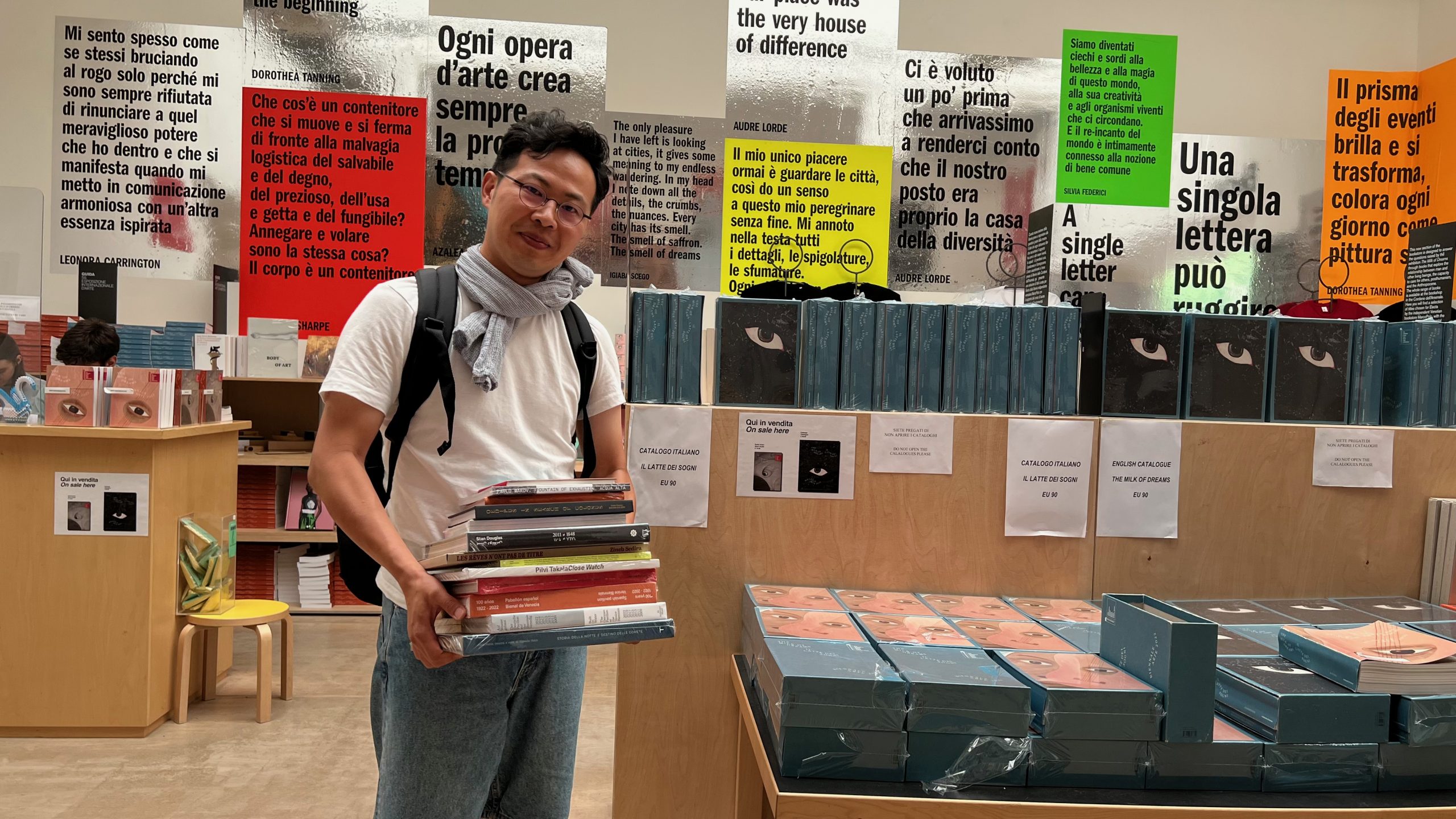
Meet the Writer Who Sees Every Single Show at the Venice Biennale

Jaeyong Park, a Seoul-based writer, translator, and interpreter, has attended every edition of the Venice Biennale since 2022—including both art and architecture cycles—and seen every single show, from the central exhibition and national pavilions to collateral and unofficial events. He documents his journeys in regular dispatches and has compiled a free bilingual guide to the biennial. Park organizes his trips with a group of fellow art workers, splitting accommodation costs and sharing reviews over dinner to ensure full coverage.

Art Born of Pain: Frida Kahlo

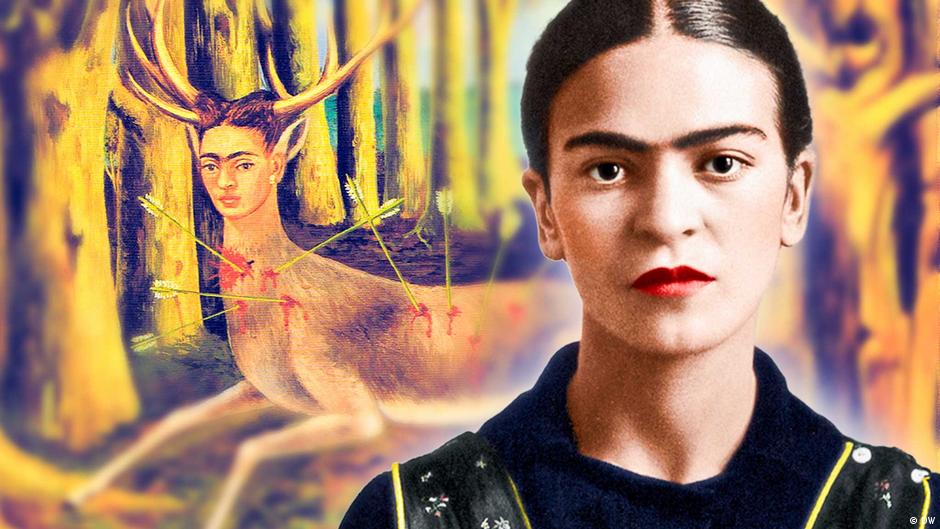
This article is a promotional piece for the DW English program 'Arts Unveiled,' highlighting several upcoming segments. It announces the start of the 61st Venice Biennale, the world's largest art exhibition, and poses questions about its standout features and art's role in times of crisis. Other segments explore the American Dream as a nightmare on the 250th anniversary of US independence, and feature Indigenous artist Britta Marakatt-Labba, who creates embroidered polar landscapes reflecting Sámi culture.

Il Padiglione della Natura alla Biennale di Venezia. Ovvero due gabbiani che mettono in crisi il patriarcato

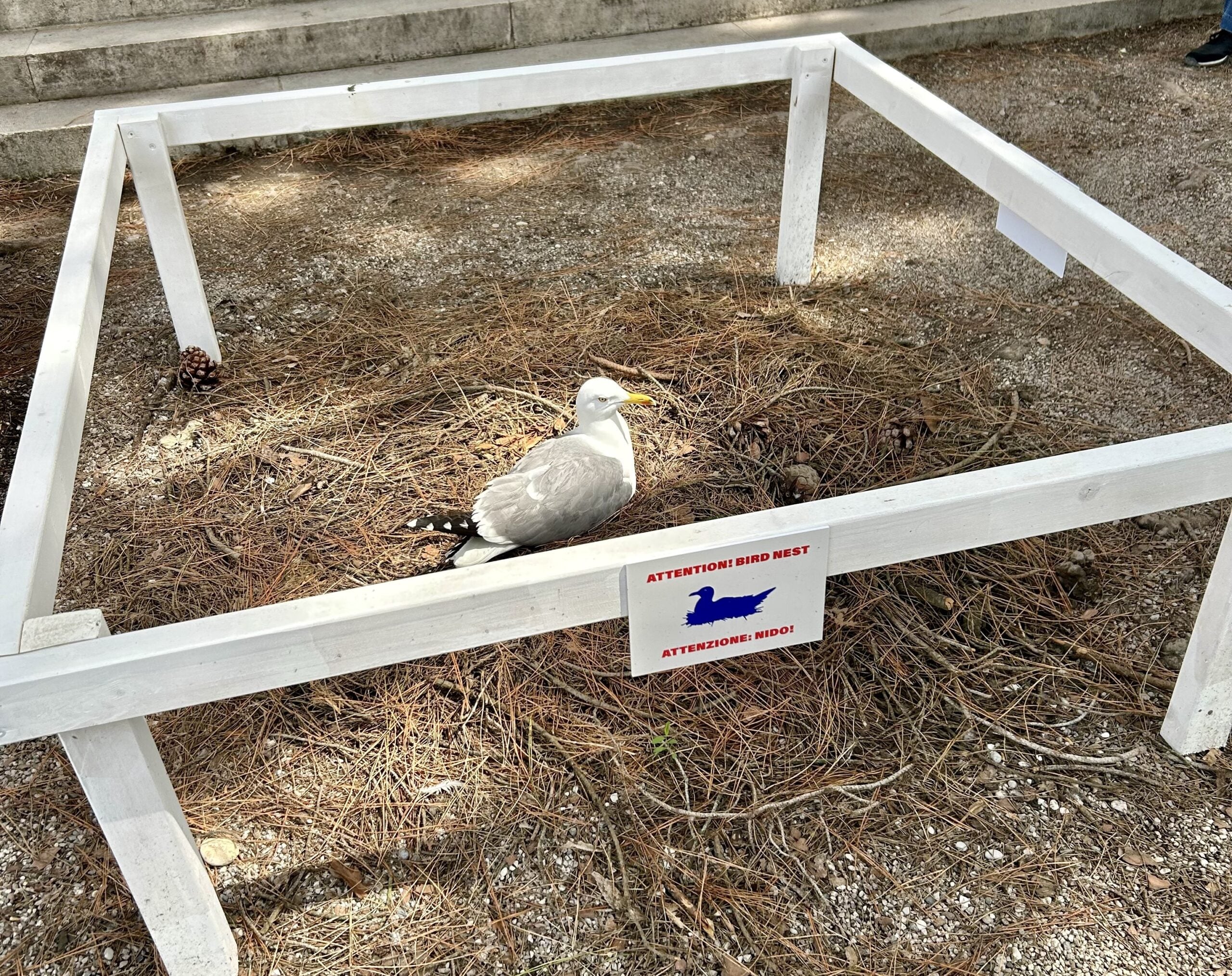
At the 2026 Venice Biennale, two seagulls built a nest in front of the Polish Pavilion in the Giardini. Organizers chose to protect the nest with a small fence and a sign, turning it into an unofficial "Nature Pavilion." The birds share incubation duties equally, drawing large crowds who pause to watch their cooperative behavior amid the Biennale's intense geopolitical tensions, including protests against the Russian Pavilion, pro-Palestinian actions, and debates over Israel's cultural role.

The Biennale and the Weight of Flags. What Is the Point of National Pavilions?

La Biennale e il peso delle bandiere. Che senso hanno i padiglioni nazionali?

The article examines the inherent contradiction within the Venice Biennale: its historical structure of national pavilions, a legacy of 19th-century world fairs and state-sponsored art, clashes with the transnational, post-identity vision of the international exhibition curated by Koyo Kouoh. The return of the Russia Pavilion amid geopolitical conflict and the international show titled "In Minor Keys," which rejects national belonging as an interpretive criterion, highlight this tension. The piece also addresses the controversy over the lack of Italian artists in the main exhibition, questioning whether a Biennale hosted in Italy should guarantee national representation.