filter_list Showing 34 results for "Wings" close Clear
search
dashboard All 863 museum exhibitions 571article local 84trending_up market 73article news 40article culture 34rate_review review 24person people 23candle obituary 6article policy 4gavel restitution 4
date_range Range Today This Week This Month All
Subscribe

art world acronyms

The article provides a comprehensive guide to essential acronyms used in the art world, explaining what each abbreviation stands for and its significance. It covers organizations like AAM (American Alliance of Museums), AAMD (Association of Art Museum Directors), and ADAA (Art Dealers Association of America), as well as art fairs such as ABMB (Art Basel Miami Beach) and ARCO (Arte Contemporáneo in Madrid). It also includes advisories like AIG (Art Intelligence Global), historical galleries like AIR (Artists in Residence), and defunct fairs like FIAC (Foire Internationale d'Art Contemporain), offering context on their origins and current relevance.

alejandro jodorowsky taschen art sin fin monograph

Taschen has released a monumental two-volume monograph titled "Art Sin Fin" (2026) dedicated to the 96-year-old Chilean filmmaker and polymath Alejandro Jodorowsky. The book, priced at $1,500 and packaged in a Plexiglass box, spans over 2,000 pages and includes film stills, collages, drawings, photographs, comic strips, and performance images curated by Jodorowsky himself in collaboration with Donatien Grau, head of contemporary programs at the Louvre Museum. It covers his entire career, from his surrealist films "El Topo" (1970) and "The Holy Mountain" (1973) to his failed "Dune" adaptation, his comic series like "The Incal" and "The Metabarons," his psychomagic therapy practice, and recent collaborations with his wife Pascale Montandon.

swiss artist publisher childrens books rachel harrison

Rachel Harrison's recent exhibition "The Friedmann Equations" at Greene Naftali in New York was a highlight of 2025, featuring her signature brainy, oblique, and funny sculptures and drawings. The show included works alluding to Marcel Duchamp and his alter-ego Rrose Sélavy, as well as drawings riffing on Hans Holbein's portraits of Henry VIII and his court. During a visit to the gallery, Harrison's dealer Carol Greene handed the author a copy of Harrison's new children's book, "Hold Still, Henry!", which reproduces those Holbein-inspired drawings in a board-book format for young readers. The book is published by Rookie Books, a small press founded in 2022 by artist Camillo Paravicini of Basel, Switzerland, who has previously worked with artists like Monster Chetwynd, Martin Parr, and Nathalie Du Pasquier.

ls lowry ian mckellen documentary

A new BBC documentary, *L.S. Lowry: The Unheard Tapes*, will mark the 50th anniversary of the artist's death in 1976. The film features never-before-heard recordings of conversations between Lowry and a young fan, Angela Barratt, recorded in his living room—the last and longest interview he ever gave. These tapes will be brought to life through dramatic reenactments, with Ian McKellen lip-syncing Lowry's words and Annabel Smith portraying Barratt. The documentary is produced by Wall to Wall Media and aims to reveal intimate insights into Lowry's thoughts, ambitions, regrets, and humor.

Meet the Woman Who Curated the Art on Miranda Priestly’s Walls

Fanny Pereire, an art advisor specializing in film and television, curates the art seen on the walls of fictional characters like Miranda Priestly in *The Devil Wears Prada 2*, Logan Roy in *Succession*, and Bobby Axelrod in *Billions*. She works as a fine art coordinator, sourcing reproductions and original works to match character personalities and socioeconomic status, often overseeing the destruction of replicas after filming. Her role, created by producer Scott Rudin in 1999, involves clearing copyrights for every artwork shown on screen, from children's drawings to high-end pieces by artists like Wayne Thiebaud and Alex Katz.

collectors queer art pride month

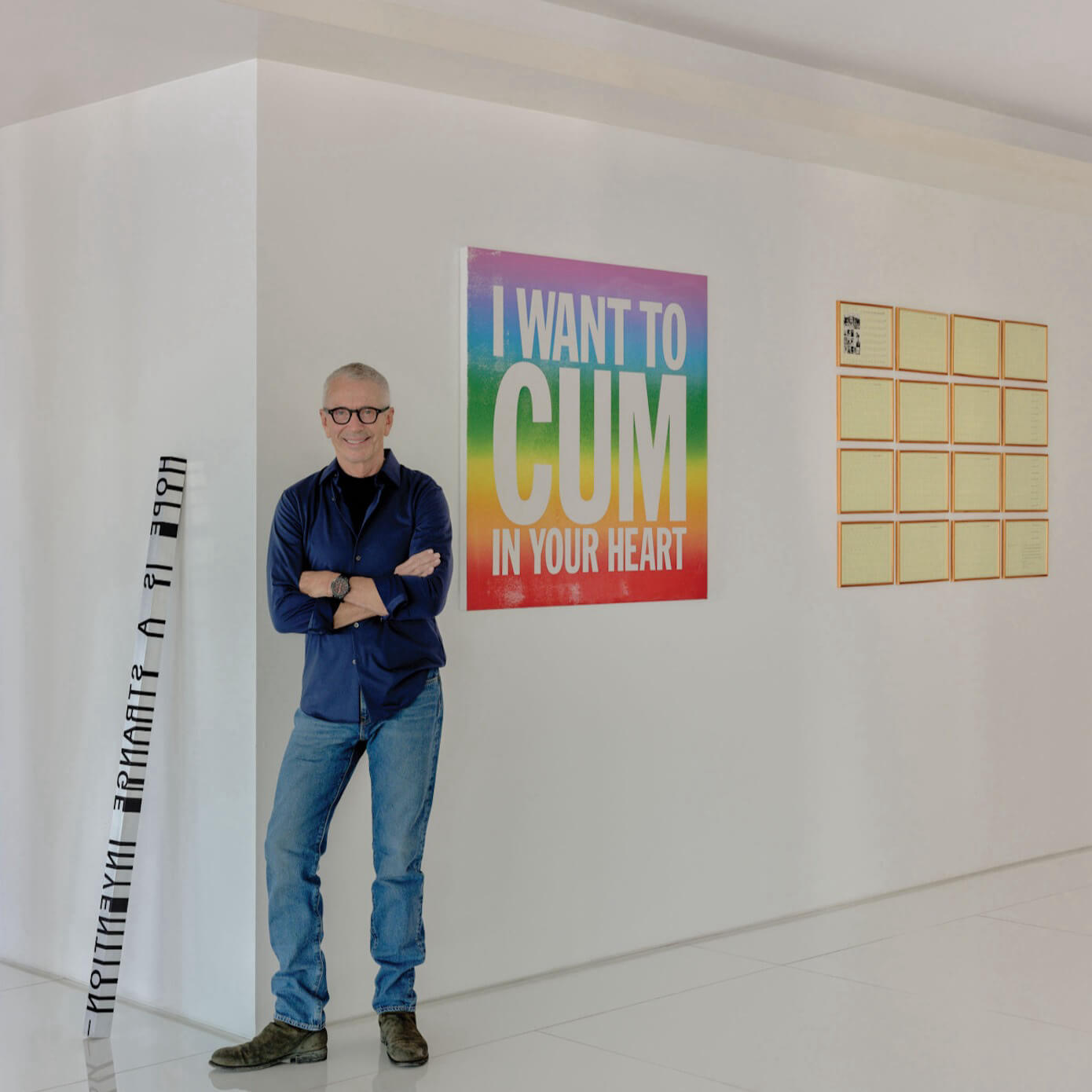
CULTURED revisits four collector questionnaires from Pride Month, featuring Rob and Eric Thomas-Suwall (the Icy Gays), Chad Leat, and Ilan Cohen. Each collector shares their personal journey, motivations, and the LGBTQ+ artists they champion, including Salman Toor, Dominique Fung, Anna Weyant, Roni Horn, John Giorno, Wolfgang Tillmans, Doron Langberg, Louis Fratino, and TM Davy. The article offers intimate glimpses into their homes and collections, highlighting how they discovered art, built relationships with dealers, and navigated collecting from remote or non-traditional locations.

‘Depraved in all the right ways’: why forgotten no wave visionary Gordon Stevenson is about to take off

The article profiles Gordon Stevenson, a forgotten visionary of the no wave movement in late-1970s New York, who was an artist, jewelry designer, musician, and filmmaker best known for the notorious film *Ecstatic Stigmatic*. Decades after his death from AIDS, a storage unit full of his lost work has been discovered, including jewelry, mail-art collaborations with Ray Johnson, and clues to a surviving print of his film. His family has also recovered hundreds of letters he wrote to his parents, chronicling his life in downtown New York and his experiences as one of the city's first AIDS patients. The piece traces his journey from a small town in Georgia, where he met his wife Mirielle Cervenka (who later renamed Exene Cervenka), to their punk-era jewelry brand LHOOQ and his lasting influence on gothic fashion.

wuthering heights art history

The article explores how Emily Brontë's novel *Wuthering Heights* has inspired visual artists across different eras. It details specific works by English artist Edna Clarke Hall, who created hundreds of sketches and watercolors reflecting her personal connection to the story's themes of isolation and turmoil, and by Polish-French modernist Balthus, who produced a series of ink illustrations focusing on the childhood trauma of the protagonists.

renaissance artists raphael and durer were kind of obsessed with each other

The article explores the artistic friendship between Renaissance masters Raphael and Albrecht Dürer, who never met but exchanged letters and artworks across 600 miles. Initiated when both were at the height of their careers, the correspondence began with Dürer sending Raphael a gouache self-portrait, to which Raphael responded with drawings, including "Two male nude studies" (1515) and "Three Standing Men" (1514-16). The friendship lasted only five years, ending with Raphael's death in 1520 at age 37. The exchange is documented by Giorgio Vasari in "The Lives of the Artists," and one surviving drawing bears an inscription by Dürer acknowledging Raphael's gift.

Isabel Nolan’s Work Challenges Everything We Think We Know About Creativity

Artist Isabel Nolan recently discovered she has aphantasia, a rare neurological condition that prevents her from visualizing mental images. Despite this, Nolan has built a successful career creating abstract sculptures, drawings, and tapestries, and her work is featured in the Irish Pavilion at the Venice Biennale. Her exhibition, "Dreamshook," explores themes of imagination versus reality and draws inspiration from late medieval history and the printer Aldo Manuzio.

Can Digital Art Ever Truly Replicate the Gallery Experience?

The article explores whether digital art platforms can replicate the experience of visiting a physical gallery. It acknowledges the impressive progress of virtual exhibitions—global accessibility, VR tours, AR overlays, and high-resolution zoom—and notes that 35% of UK adults digitally engaged with the arts in 2024/25, up from 27% in 2021/22. However, it argues that something essential is lost without physical presence: the tactile encounter with a painting's texture and scale, the serendipity of in-person discovery, and the spatial awe of standing before a Rothko in a white cube.

A brush with... Hew Locke—podcast

This episode of 'A brush with...' features artist Hew Locke, who discusses his career and artistic practice. Born in Edinburgh in 1959 to artists Donald and Leila Locke, he moved to Guyana as a child and returned to the UK to study art in 1980. Over three decades, Locke has created sculptures, installations, photographs, drawings, and textiles exploring nationhood, culture, and power, often using found objects and cardboard. He reflects on influences including his parents, a tutorial with Paula Rego, and Hans Haacke's 1993 Venice Biennale pavilion, and discusses his upcoming exhibitions: 'Gilt' at Compton Verney (2025-2027), 'Passages' at the Yale Center for British Art (2025-2026), 'Armada' at Newlyn Art Gallery, and 'Cargoes' at King Edward Memorial Park.

art bites michelangelo military fortifications

Michelangelo, best known for masterpieces like the Sistine Chapel ceiling and the Pietà, also served as the governor and procurator general of fortifications for Florence in 1529, tasked with designing military defenses against the Medici family. After the Medici were expelled in 1527, Michelangelo joined the "Nine of the Militia" committee, but his overly complex drawings were so impractical that almost none were built. The Medici, backed by Pope Clement VII, successfully besieged Florence in 1529–30, forcing Michelangelo into hiding in a secret chamber beneath the Medici Chapel, where he drew figurative works rediscovered in 1975. He was eventually pardoned and went on to create major commissions like the tomb of Pope Julius II and The Last Judgement, but left Florence for Rome in 1534.

What Role Do Galleries Play in the Art World?

Maxwell Rabb's article explains the fundamental role of commercial art galleries in the art world, tracing their evolution from 19th-century Parisian storefronts like Goupil & Cie to contemporary spaces. It highlights how galleries function as private businesses that showcase and sell artworks, support artists, organize exhibitions, and connect with collectors, curators, and institutions. The piece also addresses the perception of galleries as exclusive spaces while noting they are often free and open to the public, serving as a bridge between the art world and curious visitors.

New book digs into the little-known gallery that brought Modern art to America

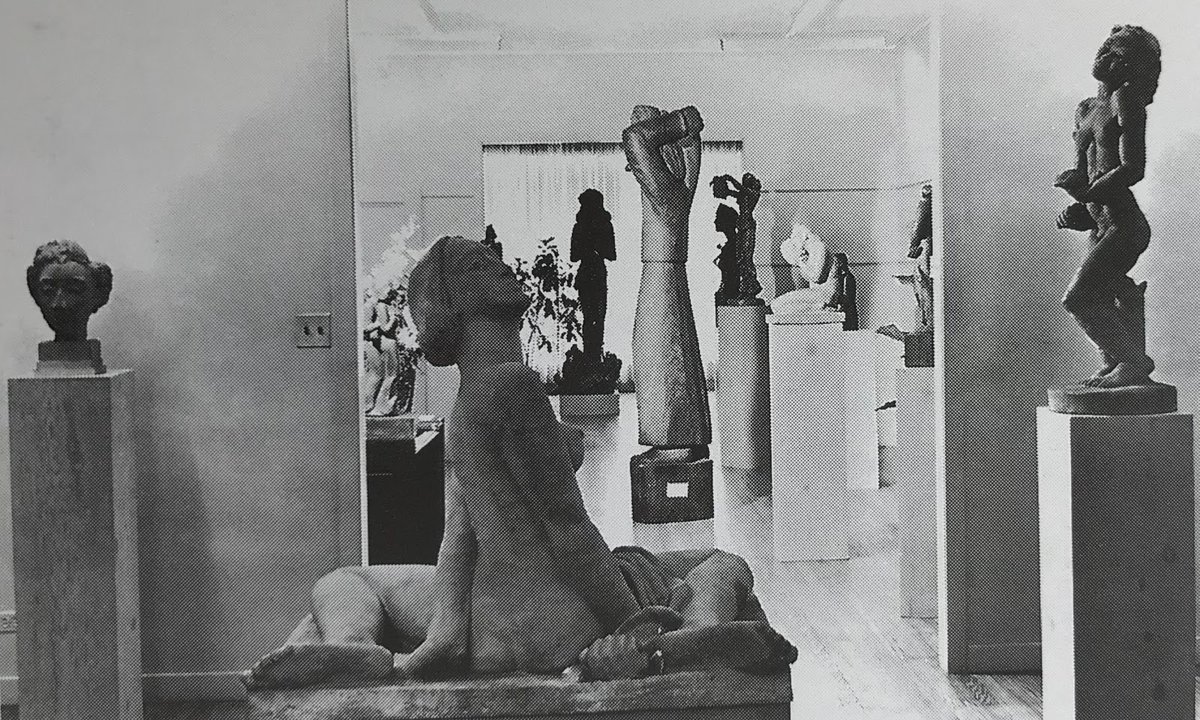
Researcher Julia May Boddewyn has published a new book, 'The Valentine Gallery: The Forgotten Story of Valentine Dudensing, Matisse, Picasso, and the US Market for Modern Art (1926-1947)', which unearths the history of a pivotal but overlooked New York gallery. Founded a century ago, the F. Valentine Dudensing Gallery was responsible for introducing European Modernism to America, hosting the first US solo shows for icons like Joan Miró and Piet Mondrian, and organizing the American debut of Picasso’s 'Guernica'.

art kenturah davis los angeles artist studio

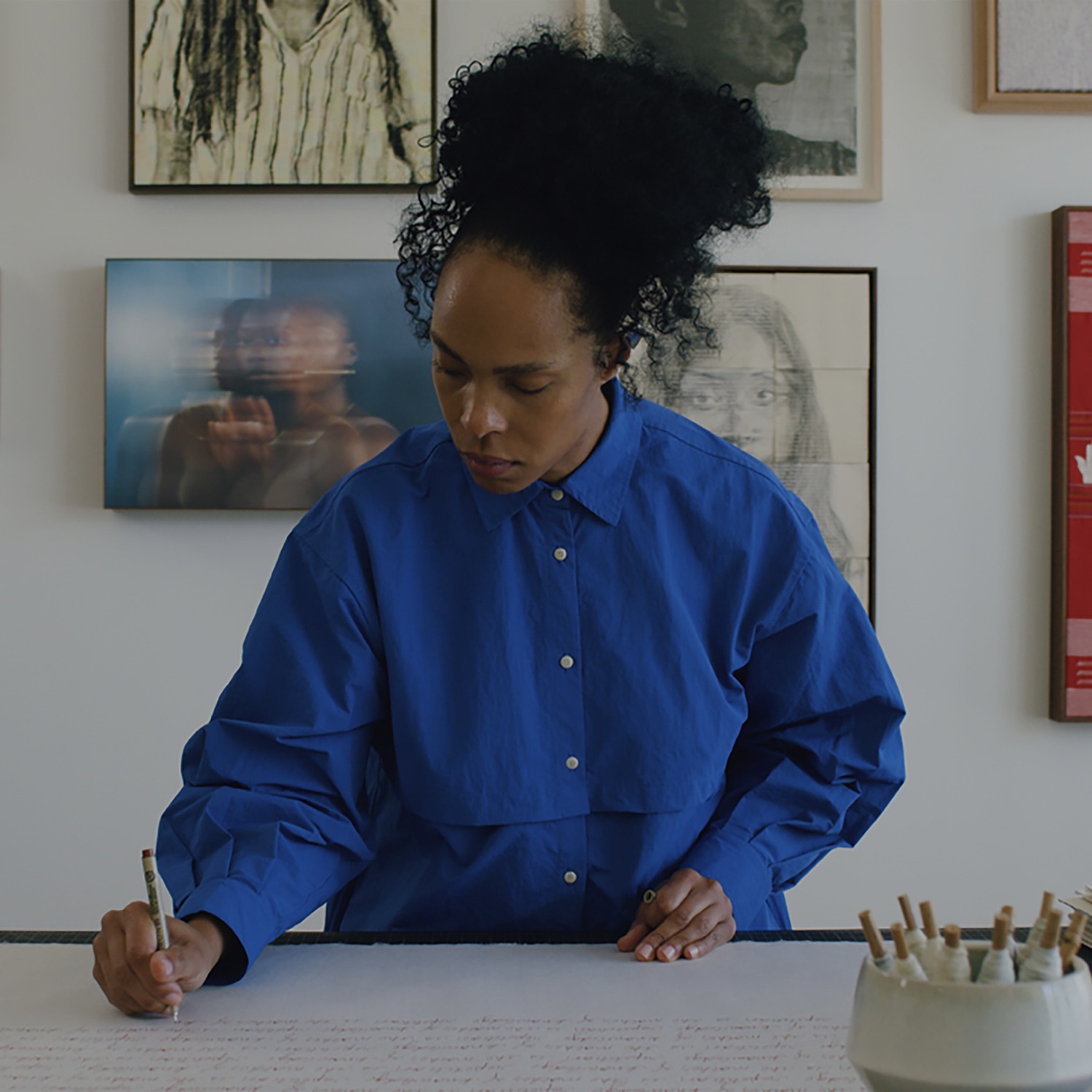
Kenturah Davis, a Los Angeles- and Accra-based artist known for large-scale drawings and carbon pencil rubbings that incorporate text, lost her Altadena home and studio in the Eaton fire last year. In response, she helped organize “Ode to ‘Dena,” a group show at the California African American Museum honoring the neighborhood, and is now launching Rest Stops, a restorative public art project and community garden aiming to establish 10 green spaces by 2027. She has also taken up pottery classes and rebuilt her studio practice in a new Altadena sanctuary.

art robert crumb george dicaprio david zwirner

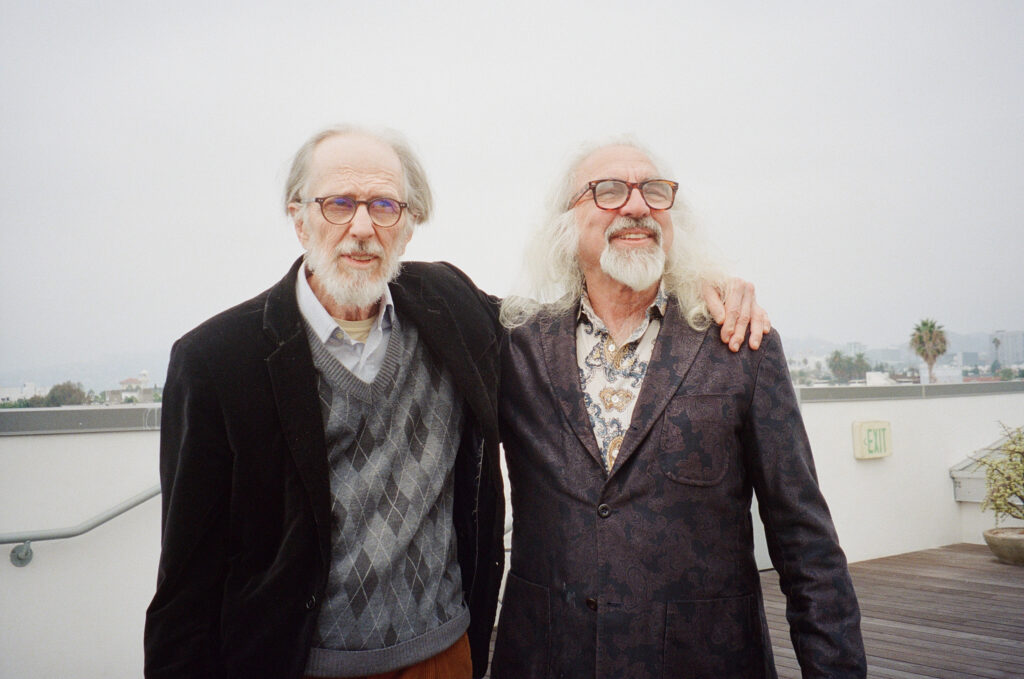
Robert Crumb and George DiCaprio, two figures from the 1970s underground comics scene, reunite for a conversation moderated by cartoonist Sammy Harkham on the rooftop of David Zwirner in Los Angeles. The discussion, published in Cultured, traces their serendipitous meeting in New York—DiCaprio offered his illegal loft to Crumb's band—and DiCaprio's subsequent move to Los Angeles after Crumb recommended him for an animation job on Ralph Bakshi's film *Heavy Traffic*. The interview coincides with the release of Crumb's first solo comic in 23 years, *Tales of Paranoia* (2025), published by Fantagraphics, and an exhibition of his new drawings and prints at David Zwirner, on view through January 10. Topics range from conspiracy theories and the economics of comics to DiCaprio's collection of underground art, including a letter from cartoonist Vaughn Bode to his unborn son Leonardo DiCaprio.

In the new film Nagi Notes, art is a vessel for characters’ desires

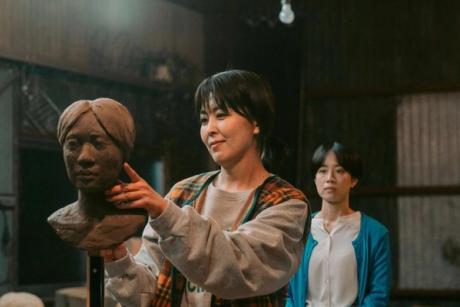
Japanese writer-director Koji Fukada's new film *Nagi Notes* premiered on 13 May at the Cannes Film Festival. The story follows Yuri (Shizuka Ishibashi), who visits the remote town of Nagi to sit for a sculptor friend, Yoriko (Takako Matsu). The film explores how characters use art—from drawings to sculptural busts—as a medium to express unspoken desires, grief, and identity, with key scenes set at the Nagi Museum of Contemporary Art featuring a permanent installation by Arakawa and Madeline Gins.

olympics opening ceremony art references

The opening ceremony of the 2026 Milano Cortina Winter Olympics featured significant art-historical references, including a flame cauldron inspired by Leonardo da Vinci's knot drawings and performances that brought to life the marble sculptures of Antonio Canova. Dancers animated recreations of works like 'Psyche Revived by Cupid's Kiss,' and the ceremony included symbolic representations of Italian architectural landmarks like the Colosseum and Florence's Duomo.

art bites singerie monkeys

This article explores the artistic tradition of Singerie, or 'monkey trick,' a genre that depicts primates dressed and acting like humans. It traces the history from its origins in the early 1600s through its peak in the Rococo period, citing examples such as Jan Brueghel the Elder's 'Monkeys Feasting' (c. 1620) and Edwin Landseer's 'The Monkey Who Had Seen the World' (1827). The piece connects this historical convention to contemporary culture, noting its influence on the 2024 Robbie Williams biopic 'Better Man,' where the singer is portrayed as a chimpanzee, and on modern satirical works like Banksy's 'Devolved Parliament' (2009).

frank lloyd wright didnt just design buildings he invented fonts too

Frank Lloyd Wright, renowned for his iconic architectural designs, also created distinctive hand-lettered typefaces that appeared on his architectural drawings. These letterforms, characterized by unique features like nearly meeting arcs in 'O's and double crossbars in 'A's and 'H's, were integral to his holistic artistic vision. The article traces how these lettering styles have been digitized into fonts, starting with Eaglefeather in 1993, designed by David Siegel in partnership with the Frank Lloyd Wright Foundation, followed by other typefaces like Exhibition, Terracotta, and Midway released by P22 Foundry, each drawing from different Wright projects.

bob dylan point blank book

Bob Dylan, at 84, is releasing a new book titled *Point Blank (Quick Studies)* in November 2025, published by Simon & Schuster. The volume collects about 100 drawings he created between 2021 and 2022, featuring portraits, still lifes, and landscapes in black-and-white. The works were originally the foundation for his current exhibition of the same name at Halcyon Gallery in London, on view through July 6. The book includes prose contributions from writers Lucy Sante and Eddie Gorodetsky.

Frieze in London, Hypha Studios and a Renoir drawing for ‘The Great Bathers’—podcast

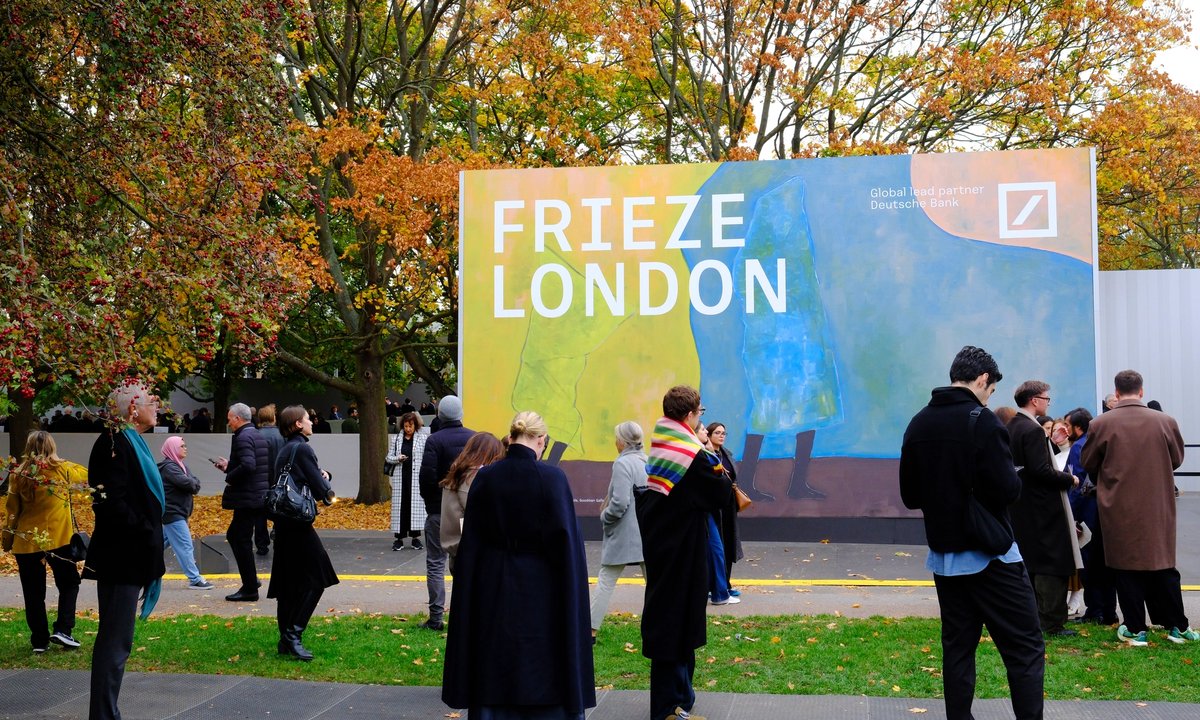
This episode of The Art Newspaper's podcast 'The Week in Art' covers three main stories. Host Ben Luke discusses the mood at the Frieze art fairs in London with art market editor Kabir Jhala, amid ongoing debate about the health of the art market. The episode also explores Hypha Studios, a UK initiative that provides free exhibition and studio space to unrepresented artists in vacant properties, which has just launched an online sales platform called Hypha Curates. Finally, the podcast features a 'Work of the Week' segment on a Renoir drawing from the 1880s, a study for 'The Great Bathers,' now on view at the Morgan Library & Museum in New York as part of the exhibition 'Renoir Drawings.'

An expert’s guide to Edvard Munch: five must-read books on the Norwegian Expressionist

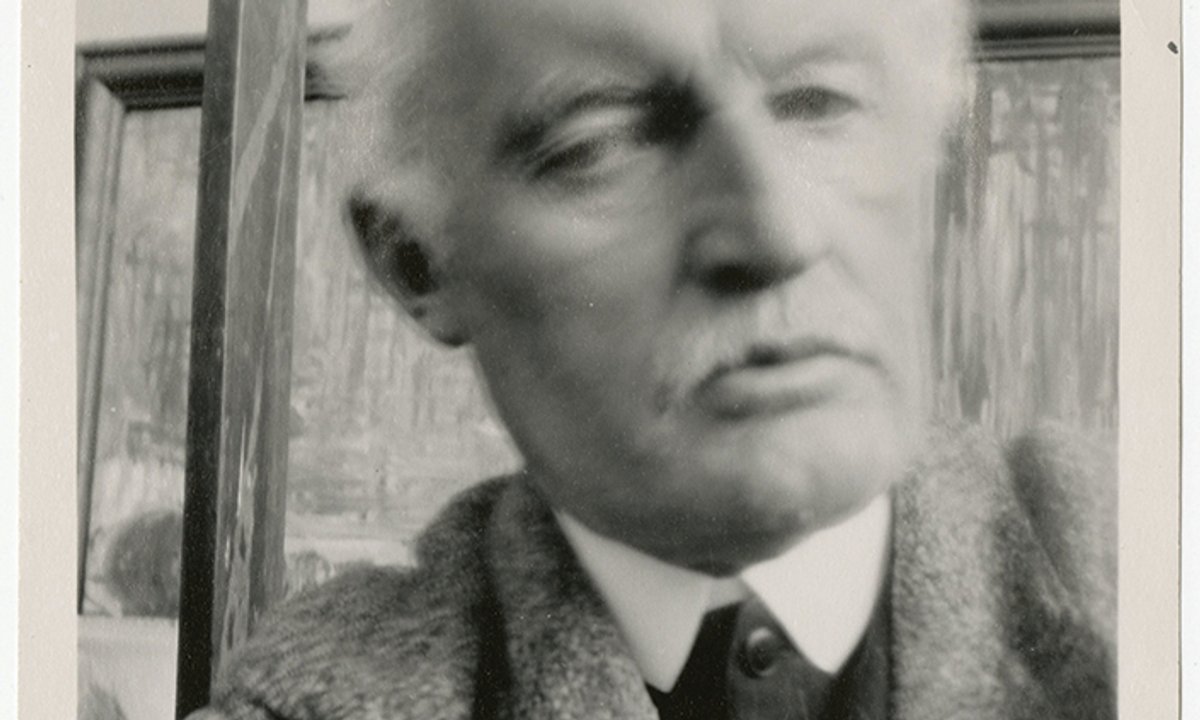
The article presents a curated reading list on Edvard Munch, compiled by Trine Otte Bak Nielsen, a curator at the Munch Museum in Oslo. The list includes five key books: Ali Smith's essay "So in the Spruce Forest" (2025), Gerd Woll's catalogue raisonné "Edvard Munch: Complete Paintings" (2009), "Living Lines: Five Contemporary Artists on Edvard Munch's Drawings" (2021) edited by Halvor Haugen, Rolf E. Stenersen's biography "Edvard Munch: Close-up of a Genius" (1944/2013), and Stanislaw Przybyszewski's "Das Werk Des Edvard Munch" (1894). The selection coincides with the museum's exhibition "Lifeblood: Edvard Munch," which explores the artist's work through themes of health and sickness.

Extended from one volume to three, the new ‘Taste and the Antique’ expands on four centuries of interactions with sculpture

A new, expanded edition of the seminal art-historical reference work 'Taste and the Antique' has been released, growing from one volume to three. Originally published in 1981 by Francis Haskell and Nicholas Penny, the book traced the reception history of ancient Greek and Roman statues from 1500 to 1900. This updated version features full-color photography of all 95 canonical works, including multiple angles and detail shots, overcoming the original edition's criticized monochrome images. A third volume illustrates copies, prints, casts, and reproductions of the statues across media and centuries, from Renaissance drawings to modern advertisements and photographs.

White stuff: capturing a land without colour – in pictures

Photographer Elizabeth Sanjuan has released a new book titled 'Silent Snow,' featuring 40 monochrome images captured over four winters in Hokkaido, Japan. The work focuses on the island's snow-covered landscape, which remains white for half the year, and explores the visual and emotional qualities of this extreme environment.

sleep artist lee hadwin

Artist Lee Hadwin creates elaborate drawings and paintings while sleepwalking, with no memory of making them. His nocturnal creativity began at age four and intensified at 15 when he produced three pencil drawings of Marilyn Monroe overnight. Now based in London, Hadwin has made hundreds of works while asleep, selling them for $1,500 to $10,000 each. His art is currently featured in a sleep-themed exhibition in Albury, Australia, and he is working on a book titled *The Awakening*.

Why We Need Corporate Art Collections

The article traces the history and significance of corporate art collections, beginning with Deutsche Bank's acquisition of 57 early drawings by Joseph Beuys in the late 1970s, which led to the formal launch of its collection in 1980. Today, the Deutsche Bank Collection comprises over 57,000 objects displayed in 500 locations across 40 countries, and the bank sponsors events like the Frieze Art Fair. The piece also highlights the role of American banker David Rockefeller, who inaugurated Chase Manhattan Bank's Art at Work program in 1959, and notes that corporate collecting has deep roots in Renaissance banking, with institutions like Banca Monte dei Paschi di Siena commissioning art for their offices.

Comment | Art and science rely on freedom of thought—and on each other

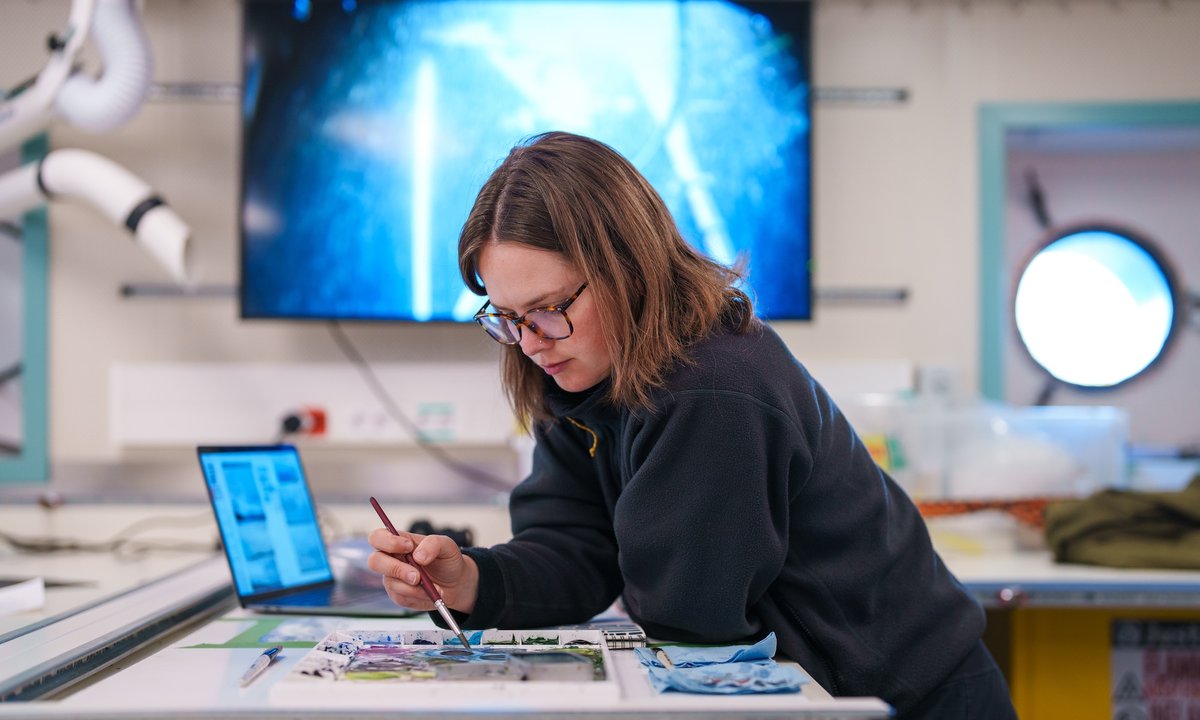
The article argues that art and science are deeply interconnected, both relying on freedom of thought and cross-disciplinary collaboration. It cites examples like birds' colorful feathers being explained by a study supported by Schmidt Sciences, which found that birds use a layer of white and black feathers to accentuate color—a technique painters have used for centuries. The piece highlights the Artist-at-Sea programme aboard the Schmidt Ocean Institute's research vessel Falkor (too), where artists like Constance Sartor and Jill Pelto collaborate with scientists to communicate marine science to broader audiences. The author, who works with scientists and is married to one, emphasizes that both disciplines pursue truth through different but complementary methods, from Leonardo da Vinci's anatomical studies to medieval Islamic tilework and Alexander von Humboldt's naturalist drawings.

The Artist Who Keeps Remaking His Childhood Home

The New York Times profiles an artist who repeatedly recreates his childhood home through various artistic mediums, exploring memory, loss, and the passage of time. The article details how the artist reconstructs the house from memory, using materials ranging from drawings and sculptures to immersive installations, each iteration reflecting a different emotional or psychological state.