filter_list Showing 19 results for "Wish" close Clear
dashboard All 292 museum exhibitions 106article news 48gavel restitution 39trending_up market 27article culture 19article policy 17article local 14person people 12candle obituary 5rate_review review 5
date_range Range Today This Week This Month All
Subscribe

museum artists 2726456

The article reflects on the final 2025 edition of the Museum Artists list, which tracks the most exhibited artists in U.S. museums each quarter. The author notes that the top artists—such as Marie Watt, Jeffrey Gibson, and Rose B. Simpson—have remained consistent throughout the year, with a narrow band of stars appearing in many shows while a long tail of artists have limited visibility. Below the top 15, notable names include Julie Mehretu, Wangechi Mutu, and Jean Shin, with a cluster of older white female artists like Petah Coyne and Joyce Kozloff also gaining recognition.

On Curating Carnage

On Curating Carnage

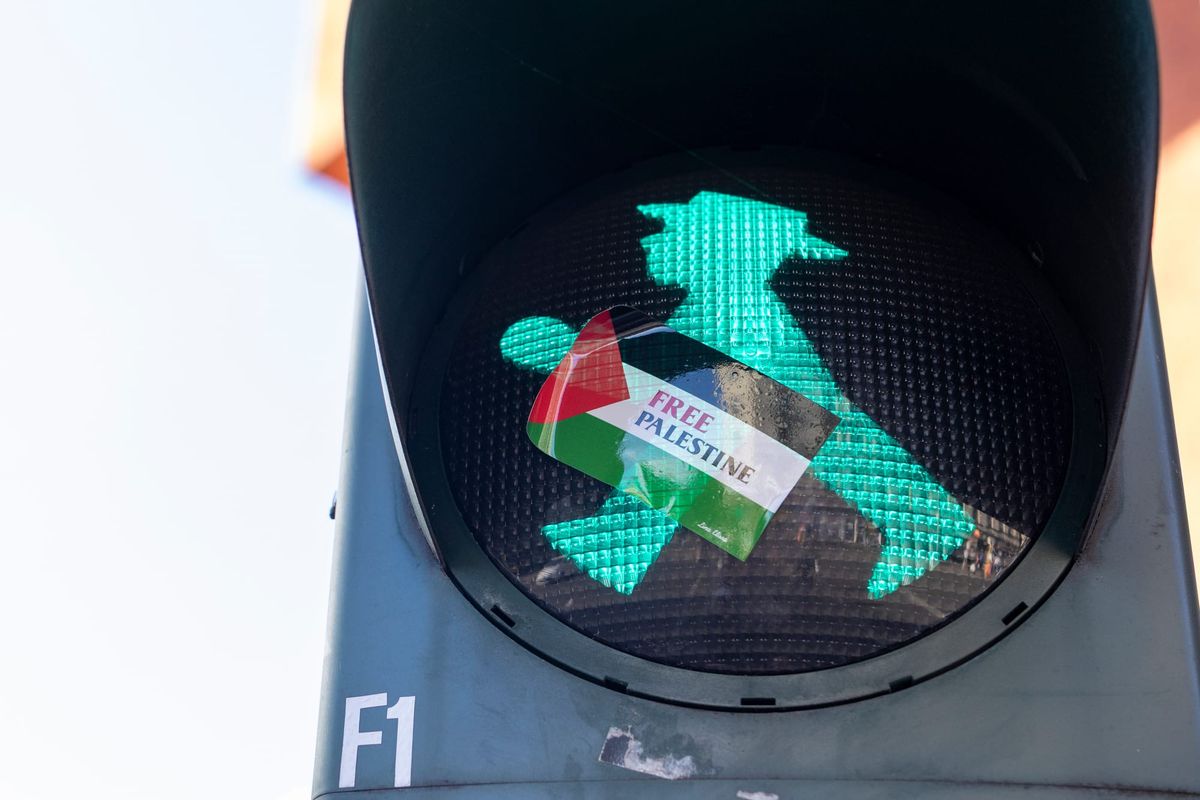
The Berlin-based art journal *OnCurating* published a September 2025 issue titled "Let’s Talk About… Anti-Democratic, Anti-Queer, Misogynist, Antisemitic, Right-Wing Spaces and Their Counter-Movements." The article critiques this publication, arguing it uses the language of feminism, anti-racism, and anti-Semitism as a political tool to unconditionally support Israel and demonize the Palestinian cause, thereby aligning with German state policy and a specific strain of leftist thought known as Antideutsch.

lorde man of the year video walter de maria 2652372

Lorde's new single "Man of the Year" from her upcoming album *Virgin* (released June 27) features a music video that visually references Walter De Maria's *New York Earth Room* (1977), a minimalist installation of 280,000 pounds of soil filling a SoHo loft. The video shows Lorde stripping, taping her breasts, and rolling in dirt, while the song's lyrics explore her fluid gender identity. Lorde also cites Italian artist Lucio Fontana and includes an X-ray cover image by photographer Heji Shin.

Shoplifting, sex shows and sheepdog-breeding: great artists and the side-hustles they did to get by

The article explores the unconventional and often illicit side jobs that famous artists historically took to support their creative pursuits. It details examples like Jean Genet's specialized book theft, Jean-Luc Godard's pilfering of books and cash, Chantal Akerman's ticket-skimming at a porn theater, and Kathy Acker's simulated sex show performances, highlighting how financial necessity drove them to inventive, sometimes desperate, measures.

Expanded Vocabulary: Revisiting Deborah Kass’ Studio

The article recounts the author's visit to Deborah Kass's Brooklyn studio, which she shares with her wife, artist Patricia Cronin. The visit was prompted by logistical issues related to the author's exhibition "Social Minimalism" (2025). During the visit, the author and Kass revisited themes central to Kass's work over three decades: the exclusion of women from art history, Jewish identity, queer voice, lesbian subjectivity, and postwar American art. The conversation also touched on Kass's series including the Warhol Project, Feel Good Paintings, No Kidding, and the large painting/sculpture installation "Everybody" (2019), which was recently featured in a conversation between Kass and Titus Kaphar in Interview magazine.

On Arte, 'The Stolen Painting' dives into auction houses through the rediscovery of an Egon Schiele looted by the Nazis

Sur Arte, « Le Tableau volé » plonge dans les salles de ventes aux enchères à travers la redécouverte d’un Egon Schiele spolié par les nazis

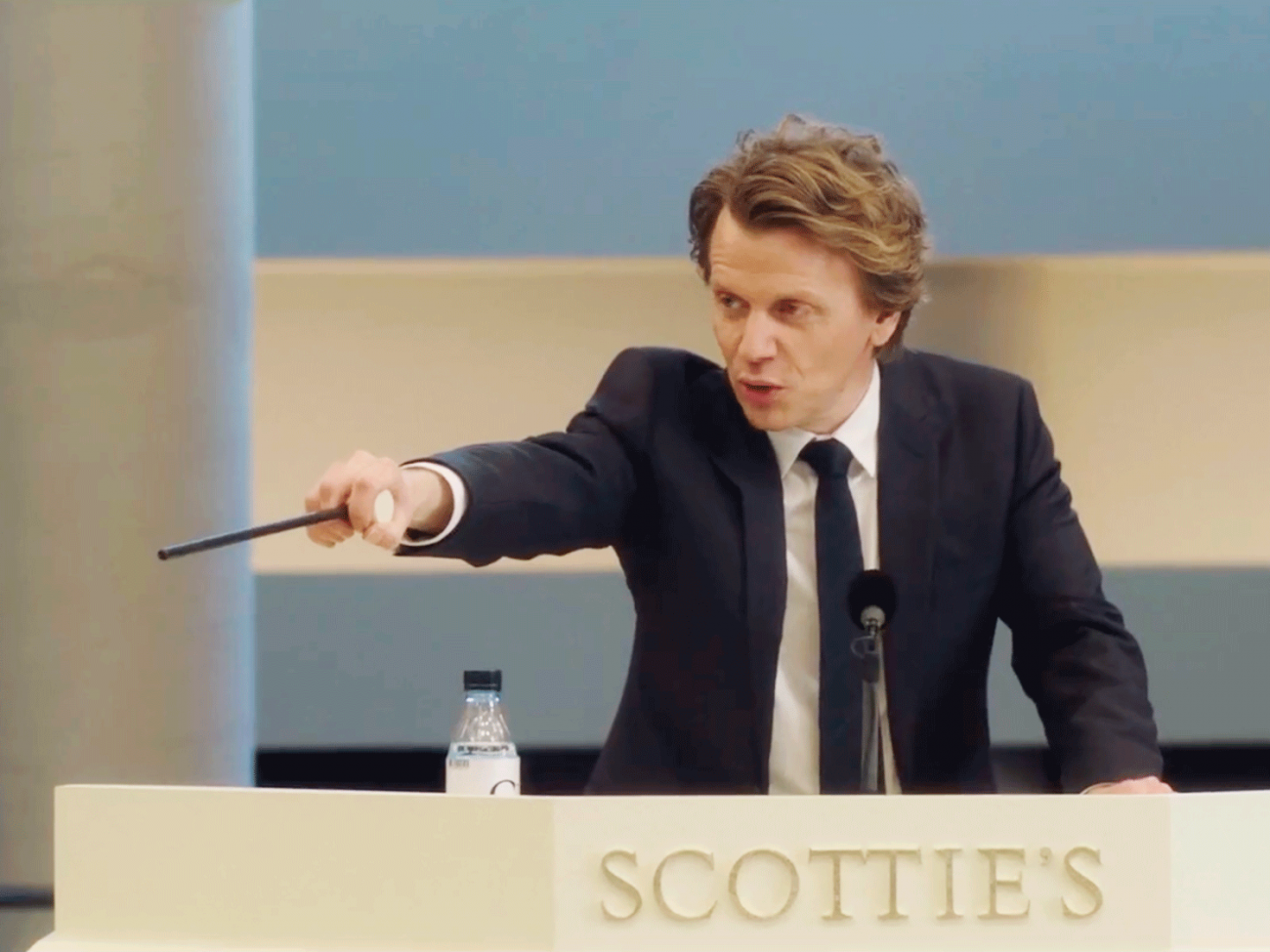
Director Pascal Bonitzer’s film 'Le Tableau volé' (The Stolen Painting) dramatizes the real-life 2005 discovery of a lost Egon Schiele masterpiece, 'Autumn Sun,' in the modest home of a factory worker in Mulhouse. The narrative follows a cynical auctioneer, played by Alex Lutz, as he navigates the authentication and eventual sale of the work, which was looted by the Nazis from Jewish collector Karl Grünwald during World War II.

Thinking Infrastructurally: On Diversity of Aesthetics, Part 2

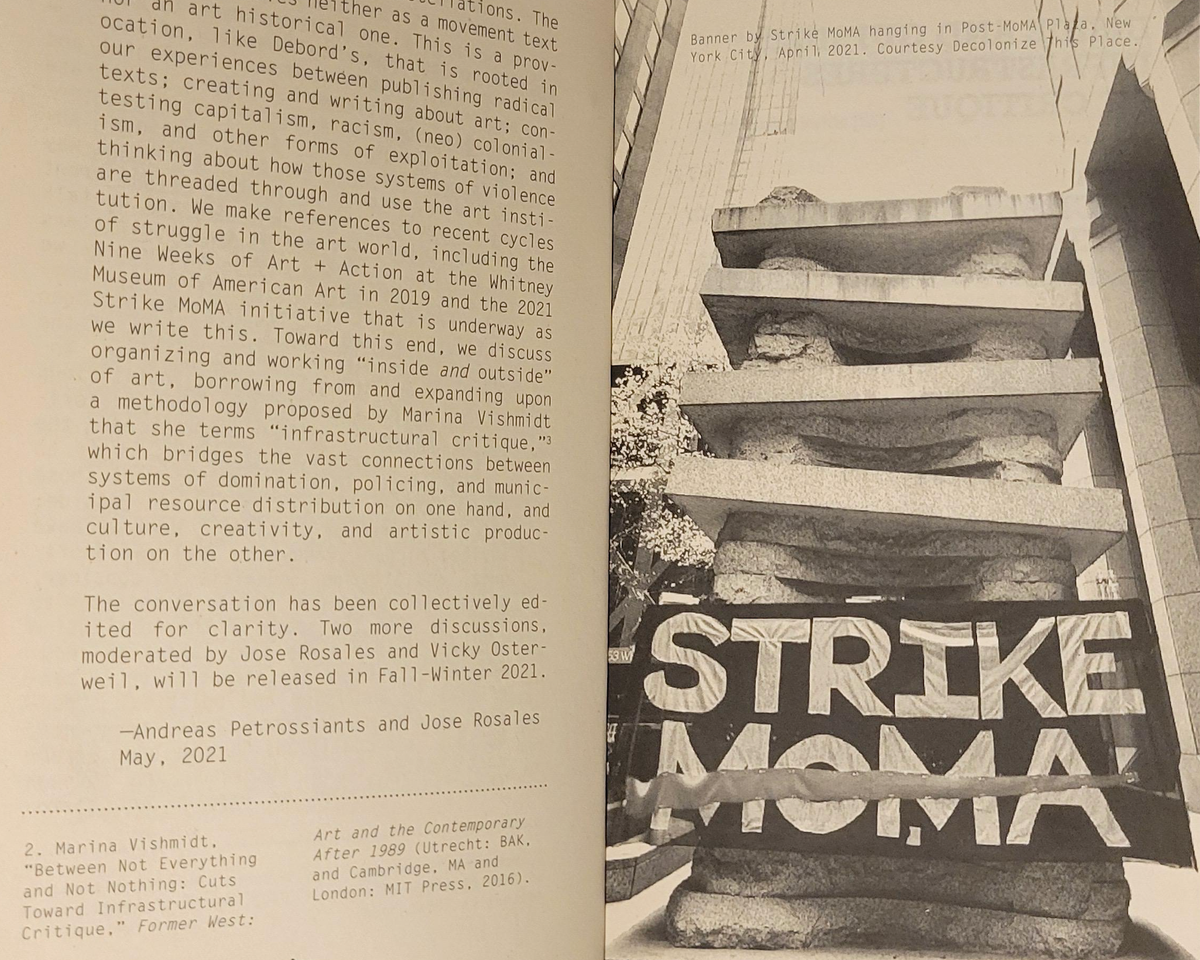
The article, part of a series on e-flux, presents a theoretical analysis of the 1965 Watts rebellion through the lens of Guy Debord's Situationist thought. It examines how the rioters' destruction and theft of commodities, like refrigerators they couldn't power, acted as a rejection of capitalist integration and exposed the false promise of consumer affluence.

pee wee herman 2346054

Paul Reubens, the actor and comedian best known for his character Pee-wee Herman, died at age 70 on June 30, leaving behind a legacy that extends far beyond children's television. The article explores how the design of "Pee-wee's Playhouse" (1986–1990) was a groundbreaking aesthetic achievement, created by a team of downtown New York artists—production designers Gary Panter, Ric Heitzman, and Wayne White—who approached the set as an evolving art installation. Their work blended postmodernism, Memphis Group influences, psychedelia, and thrift-store aesthetics into a joyful, childlike environment that became a cultural touchstone.

The Guardian view on anonymity in art: the ‘unmasking’ of Banksy and Ferrante should stop | Editorial

A Reuters investigation this week identified street artist Banksy as 52-year-old Robin Gunningham, reigniting a long-running public debate about the unmasking of anonymous artists. This follows a recent hoax announcement of novelist Elena Ferrante's death, which similarly targeted her carefully guarded identity.

art criticism contemporary art crisis trump gaza

The article, written by an art critic for Cultured, opens by describing recent U.S. government actions under Executive Order 14253, including the National Park Service's restoration of a monument to Confederate General Albert Pike and a White House letter to Smithsonian Secretary Lonnie G. Bunch III ordering a review of Smithsonian programming to align with a directive to "celebrate American exceptionalism." The critic notes Bunch's balancing act of cooperating while asserting the Smithsonian's independent authority. The piece then pivots to the state of art criticism, referencing Domenick Ammirati's essay on the perpetual "crisis in criticism," and highlights Marco Brambilla's exhibition "Limit of Control" at bitforms gallery as the year's most under-appreciated show, praising its use of AI to explore political violence and protest.

art black museums moad mocada auc

CULTURED magazine assembled a roundtable of three Black women leaders at prominent Black art museums in the U.S.—Key Jo Lee of the Museum of the African Diaspora (MoAD) in San Francisco, Cheryl Finley of the Atlanta University Center Art History and Curatorial Studies Collective (AUC), and Amy Andrieux of the Museum of Contemporary African Diasporan Arts (MoCADA) in New York. The discussion explores how each arrived at her role, the challenges these institutions face—including financial pressures and heightened scrutiny under the current U.S. administration—and their strategies for preserving and building legacies. Lee, who joined MoAD three years ago after a tenure at the Cleveland Museum of Art, is curating the exhibition “UNBOUND: Art, Blackness & the Universe,” named one of Hyperallergic’s top 25 of 2025. Finley, a curator, art historian, critic, and author, directs the AUC collective at Spelman College. Andrieux, who came from music and media roles at Red Bull Media House and MTV World, was recruited in 2018 to save MoCADA from closure and later became its executive director and chief curator, overseeing a capital expansion in 2023.

art dealers movie villains 1625287

Artnet News examines the recurring trope of art dealers as villains in popular cinema, highlighting seven films that feature duplicitous gallerists, auction house specialists, and art advisors. Examples include Rhodora Haze in *Velvet Buzzsaw* (2019), a ruthless gallerist who profits from a dead artist's work against his dying wish, and Virgil Oldman in *The Best Offer* (2013), an auction house director entangled in forgery and deception. The article also references Victor Taft in *Legal Eagles* (1986), where a performance artist's father's suspicious death drives the plot.

The glories of Francisco de Zurbarán’s paintings | Letters

Two letters to the editor respond to Charlotte Higgins's article on Francisco de Zurbarán. Paul McGilchrist critiques the physical inaccuracy of crucifixion depictions, including Zurbarán's *The Crucified Christ*, noting that most paintings fail to convey the true weight and distortion of a body suspended by nails. Jean Wilson highlights Zurbarán's series *Jacob and his 12 Sons* at Auckland Palace in Bishop Auckland, describing its history since 1756 and its connection to Bishop Trevor's support for Jewish rights.

‘The Queen of the Ghetto’ Gave New York’s Immigrant Community a Voice. A Century Later, It’s Re-emerging

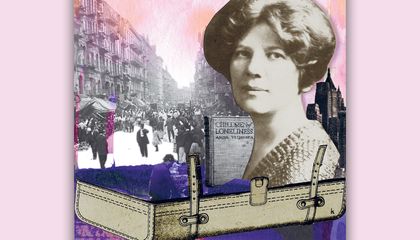
Anzia Yezierska, a Polish-Jewish immigrant who arrived in New York in 1890, defied traditional gender expectations to become a leading literary voice of the 1920s. Dubbed the 'Queen of the Ghetto,' she documented the raw struggles of immigrant women on the Lower East Side using a unique 'immigrant English' style that captured Yiddish idioms. After escaping a restrictive marriage and pursuing an education at Columbia University, she channeled her personal frustrations into stories of poverty, ambition, and the psychological toll of assimilation.

Frank Auerbach’s Berlin homecoming, human remains and museums, Ian Hamilton Finlay’s ‘Republic’—podcast

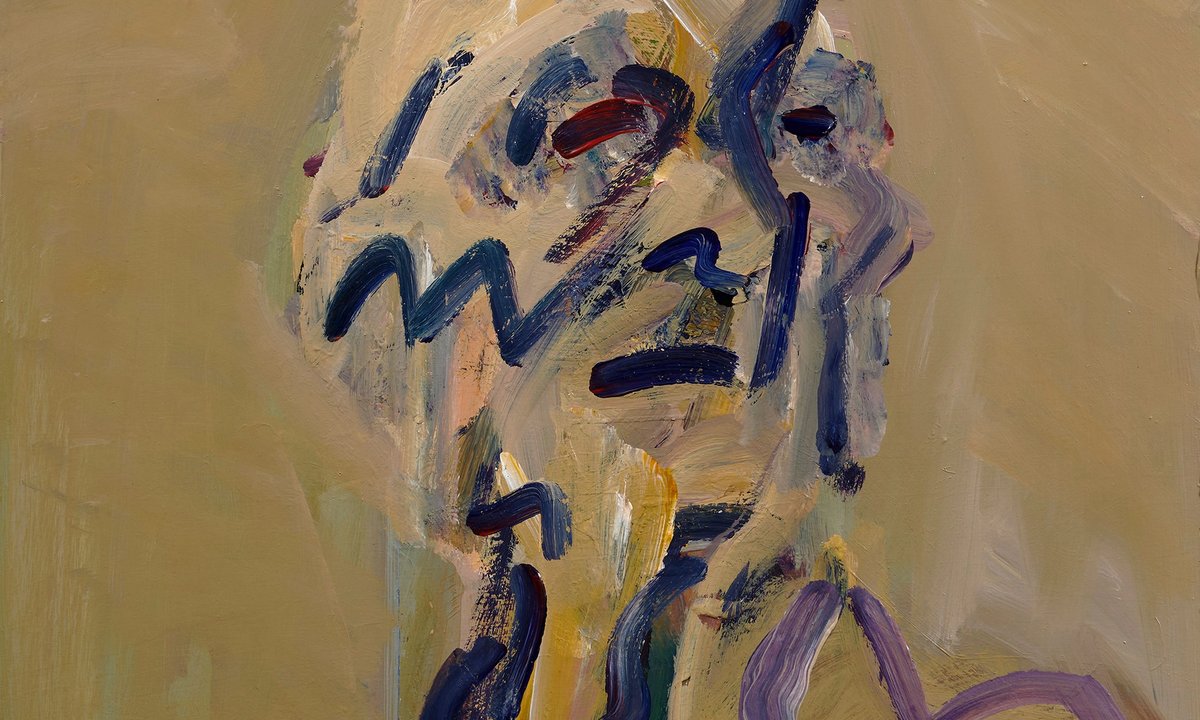
This podcast episode covers three major art-world stories. First, the late artist Frank Auerbach receives his first-ever Berlin exhibition at Galerie Michael Werner, decades after fleeing the city as a Jewish refugee in 1939. Second, curator and author Dan Hicks discusses his new book *Every Monument Must Fall*, which examines the origins of contemporary debates around colonialism, art, and heritage, focusing on the acquisition and display of human remains in museums. Third, the episode highlights the centenary of artist Ian Hamilton Finlay with a look at his work *Republic* (1995) and a series of international exhibitions celebrating his legacy.

On Arte, the Fascinating Odyssey of a Lost Klimt Retraced in a Documentary

Sur Arte, la fascinante odyssée d’un Klimt disparu retracée dans un documentaire

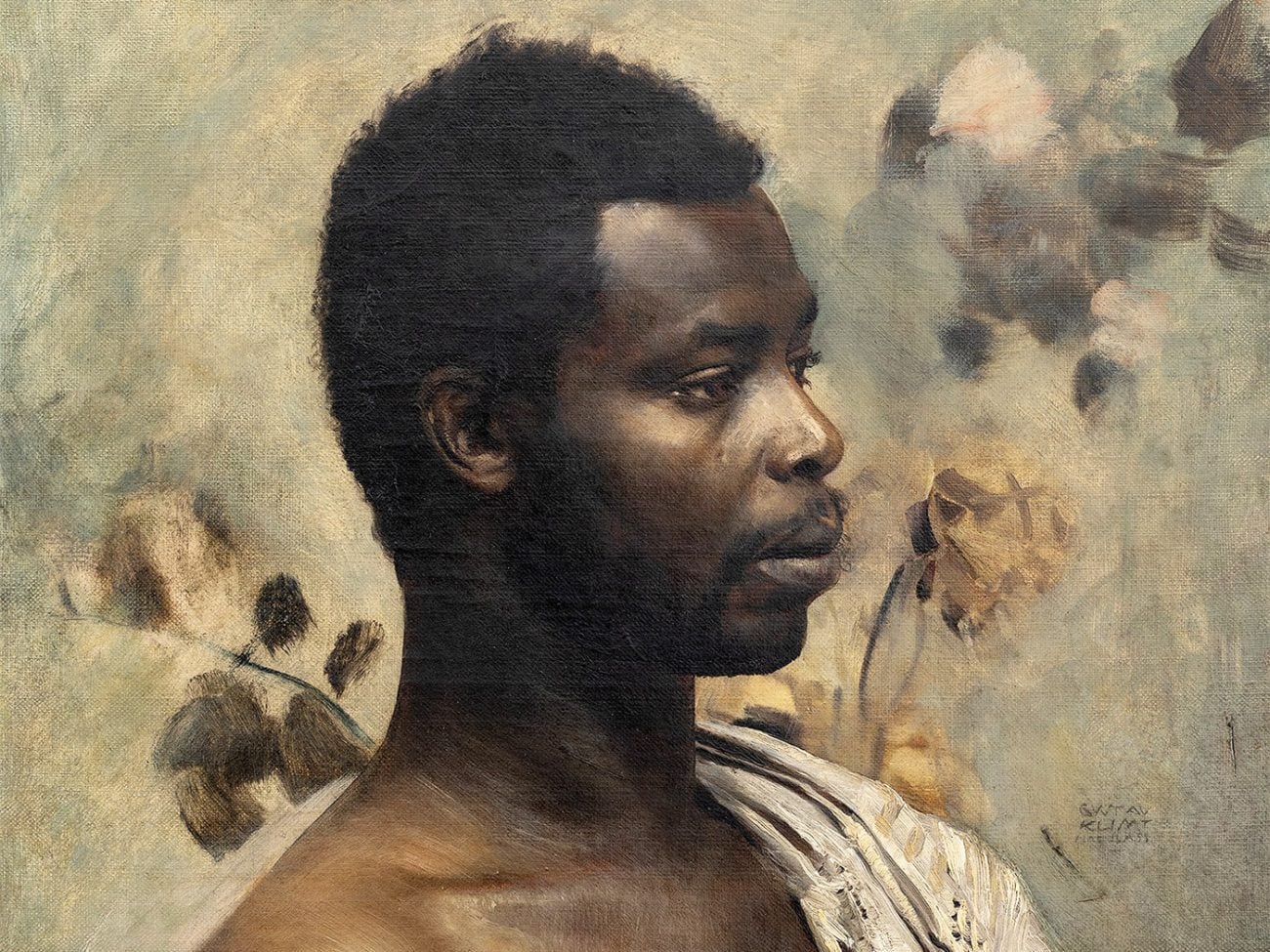
A long-lost portrait by Gustav Klimt, depicting a young Black man, has been rediscovered and is the subject of a new documentary on Arte. The film, "Gustav Klimt and the Enigma of the Ghanaian Prince," details the painting's authentication and the investigation into the identity of its sitter, who was identified in 2024 as Prince William Nii Nortey Dowuona, a member of the Ga people who was in Vienna in the late 19th century.

parties culture metropolitan opera opening night

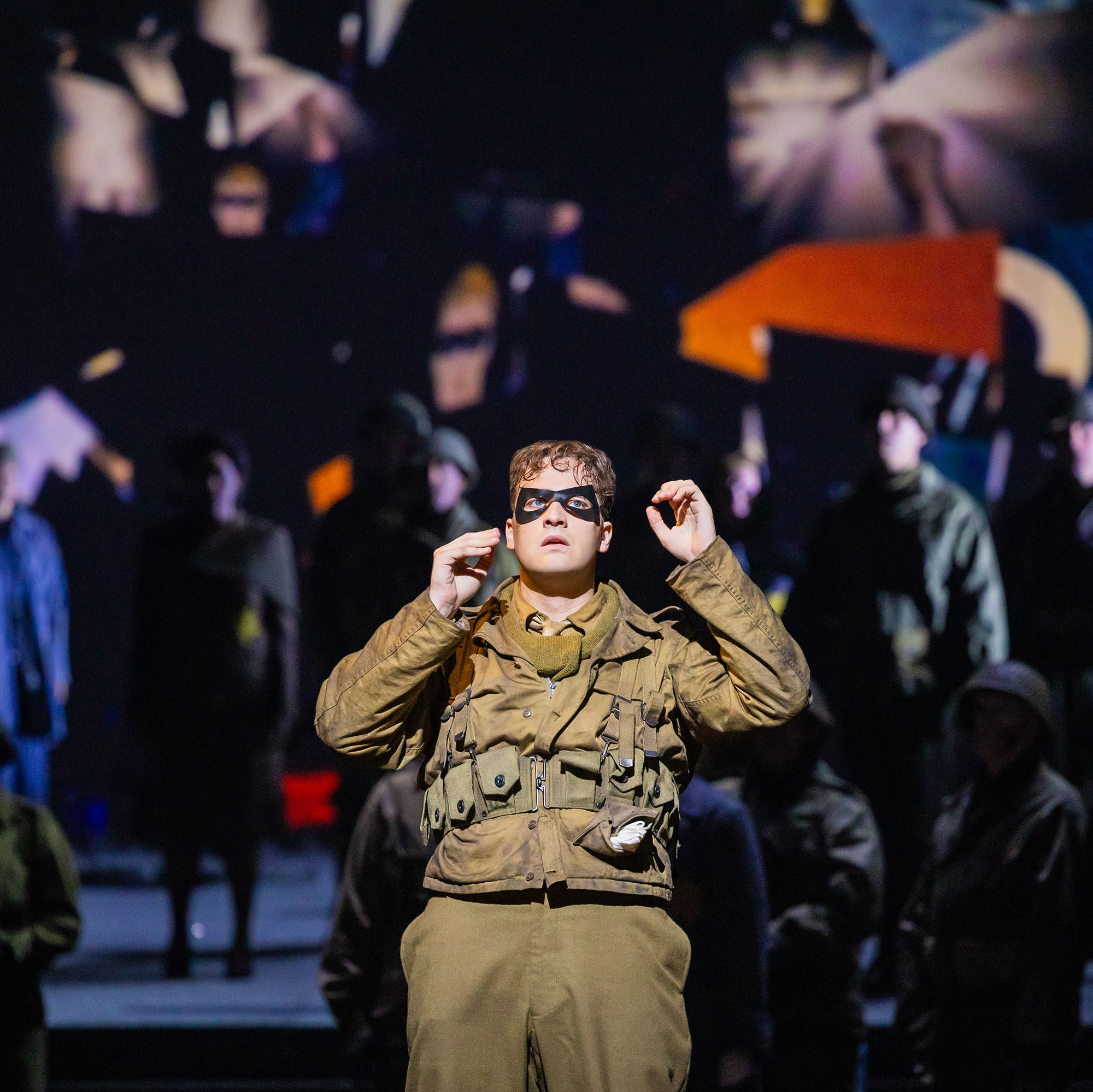
The Metropolitan Opera opened its season with a politically charged production of Mason Bates's *The Amazing Adventures of Kavalier & Clay*, based on Michael Chabon's Pulitzer Prize-winning novel. General Manager Peter Gelb declared the company's commitment to freedom of artistic expression, drawing a lengthy standing ovation. The opera, running through Oct. 11, follows two Jewish cousins creating an anti-fascist superhero comic during WWII. The opening night featured speeches by Senate Minority Leader Chuck Schumer, who warned that 'the arts are under attack,' and a red carpet attended by celebrities including Christine Baranski, Neil Patrick Harris, Laverne Cox, and Julianna Margulies.

literature wayne koestenbaum books my lover the rabbi

Wayne Koestenbaum, a leading figure in New York's queer and literary scenes since the 1980s, is releasing his first novel in nearly two decades, *My Lover, the Rabbi*, in March. The 464-page book centers on an unnamed narrator's psychosexual affair with an aging rabbi, exploring themes of desire, repulsion, internalized homophobia, and the lingering aftermath of the Holocaust. Koestenbaum, known for his confessional prose and genre-straddling criticism—including his 1993 book *The Queen's Throat*—discusses the novel's intellectual filth, the conflation of desire and disgust, and his literary role models such as Samuel Delany and Jean Genet.

An Artist Embraces the Metaphorical Cracks of Matzah

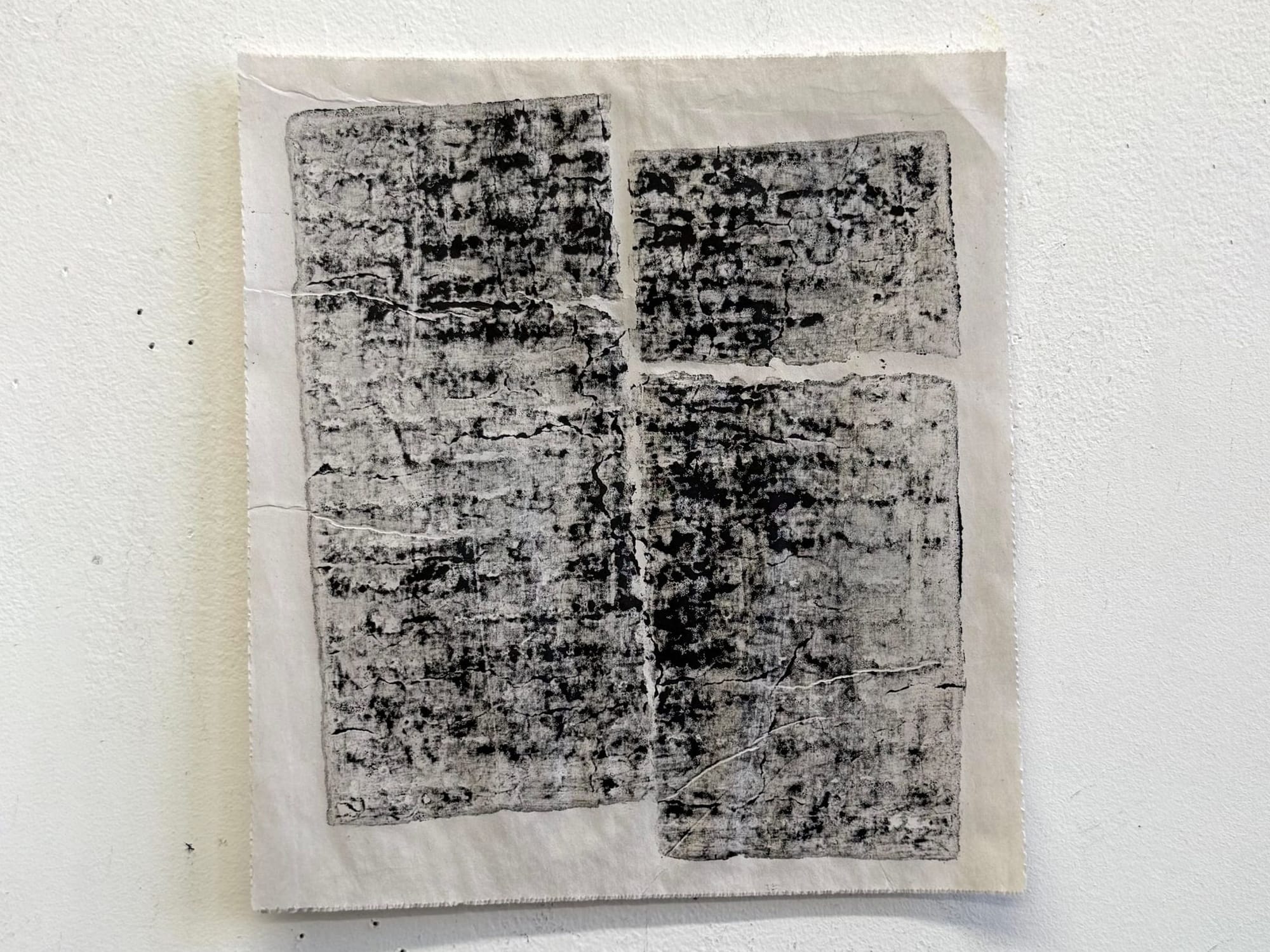
Artist Emily Drew Miller has created a series of collograph prints titled "Matzot" by running sheets of matzah through a printing press. The resulting black-and-white impressions capture the intricate textures and cracks of the unleavened bread, transforming the traditional Passover food into a medium for her grid-based painting practice. The series began as a personal ritual around the holiday and has evolved into a decade-long exploration.